How do you know when Santa’s in the room?
You can sense his presents.
Hahahahhaaha!
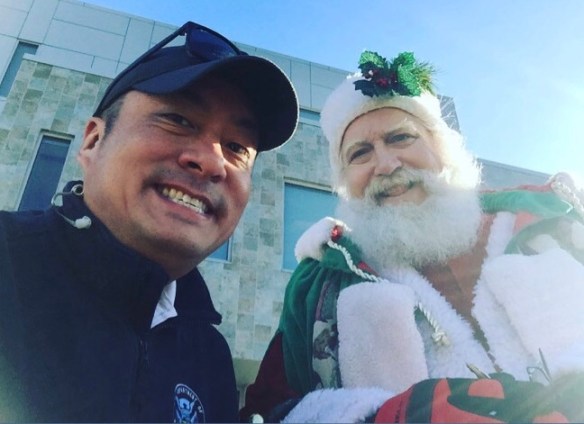
Almost time peeps!

How do you know when Santa’s in the room?
You can sense his presents.
Hahahahhaaha!
Almost time peeps!
A fine start to this crisp morning as the DuPage County Office of Homeland Security and Emergency Management starting the FEMA NDPTC Winter Weather Hazards course!
Welcome intros by Director Murray Snow to our participants from across the state!
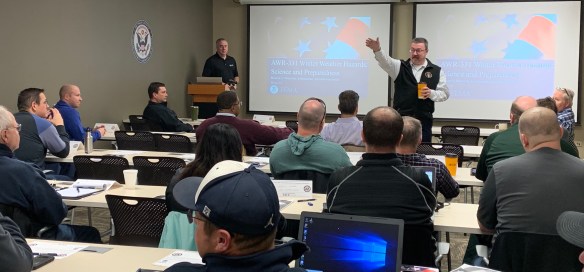
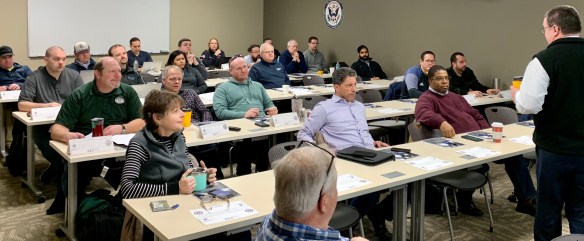
Glad to see so many of our most trusted partners here today with almost all Emergency Support Functions represented.
Great to have NDPTC Instructor Rob Dale here again from Michigan where we know the weather there is more worserer than here.
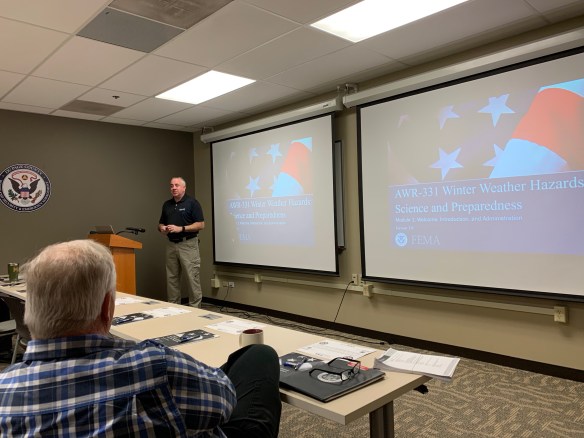
His insight from a small EM agency and weather perspective allows us to see how to increase our ability to address and target specific audiences.
Outstanding to have John Scala. I love his teaching style and ability to share critical points in class is critical because science is…well…hard.
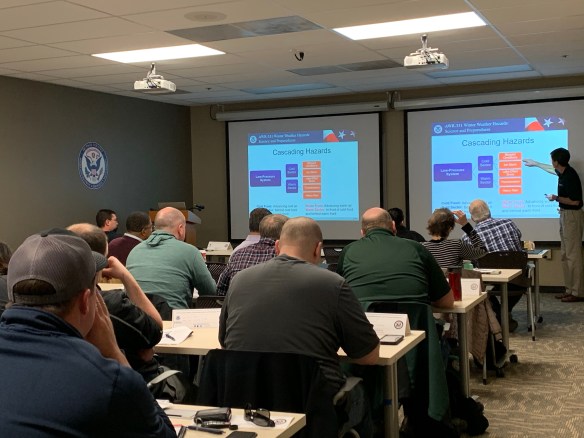
John’s ability to answer questions and explain complex weather issues is so important esp to those of us who are not trained as a MET. Additionally, several of our participants recognize him from his time as a broadcast meteorologist days.

With this class stacked w/ legit meteorologists, I am proud that these classes are a big hit with our peeps!
Just in time because the weather outside is frightful…
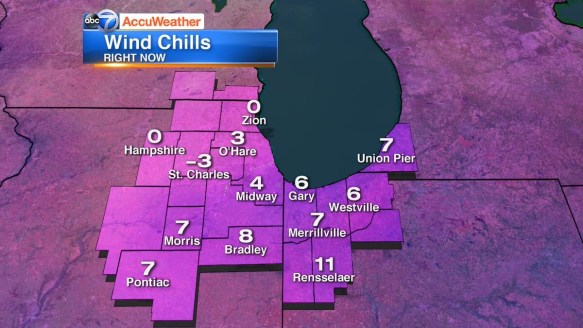
Stay warm peeps!
The final day of new 2019 ICS-400! But first, let’s see…what the-
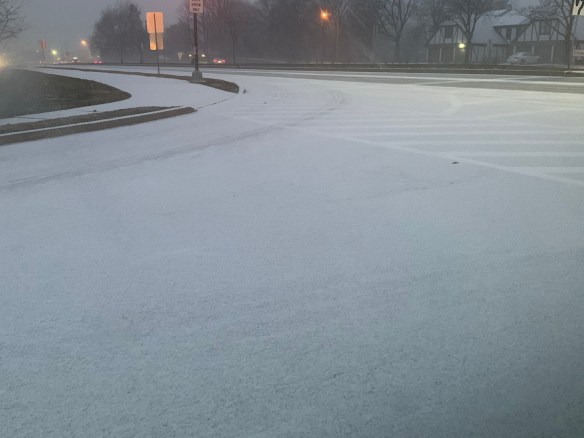
WHY IS THERE SNOW?!?!?
Dang it.
Thanks again to Will County (IL) EMA Director Harold Damron for instructing this ICS class with me this week.

Lots of great discussion on coordination and resource ordering. Deep convos on complex problems esp on after action reviews (AARs) and implementation plans. And the complexities of collaboration is incredibly important esp at the Type-1 and Type-2 responses. As you know, that is the crux of Emergency Management.
Special shout out to Chief Gorsky and all the members of the Darien–Woodridge Fire Department on the fine hospitality.
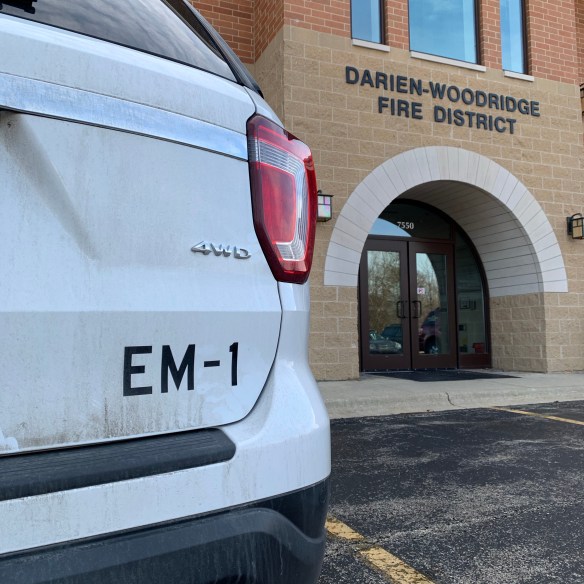
EM-1 clear, enroute back to quarters.
Gotta prep for our next class!
Starting out day-1 of the new 2019 version of ICS-400: Advanced ICS. Also me trying to be creative with a half holiday wreath of ICS participant guide books.
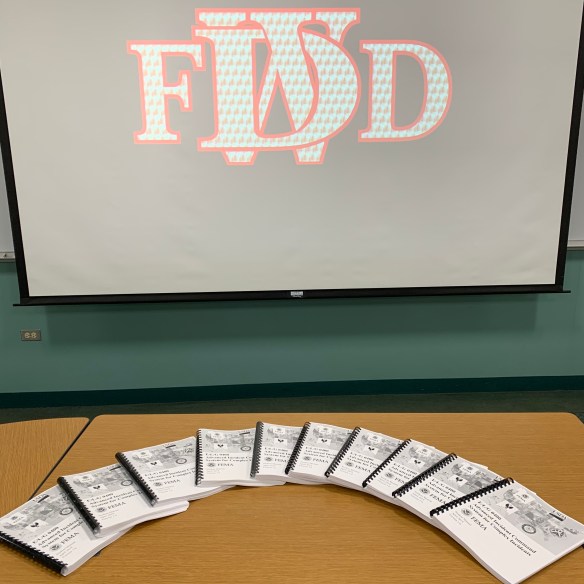
Yeah yeah, I won’t quit my day job.
We will pop a little Dean Martin this morning as participants roll in. While not the normal intro music, I figured we could all be a bit more festive.

As always, special shoutout to Fire Chief Gorsky and the crews from Darien Woodridge Fire Department on the warm hospitality.

Great to have this partnership with a progressive department who is always willing to host and serve countless communities across Illinois.
Unlike ICS-300, our Advanced ICS class has lots of group work and we are fortunate because in this class, we have a diverse group from hospitals and police….
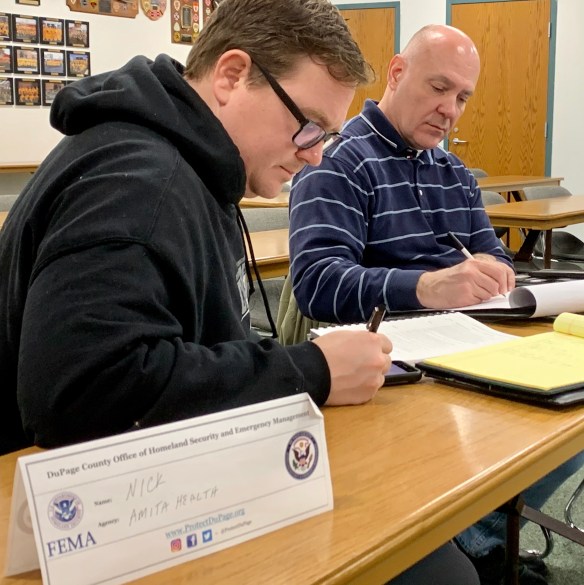
…and Emergency Management, Health Department, Fire, Law Enforcement…
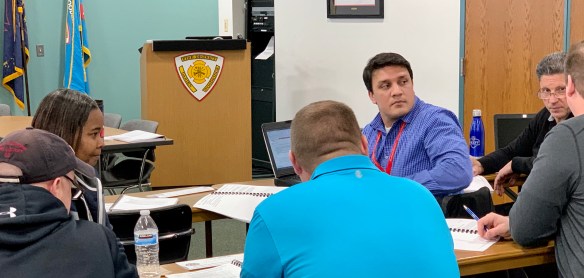
…private industry, and various county-wide agencies.

All here to learn and collaborate with others as we continue to build the skills of our most trusted partners from across Illinois.
This week, we are joined by Will County Emergency Management Agency’s Director Harold Damron.
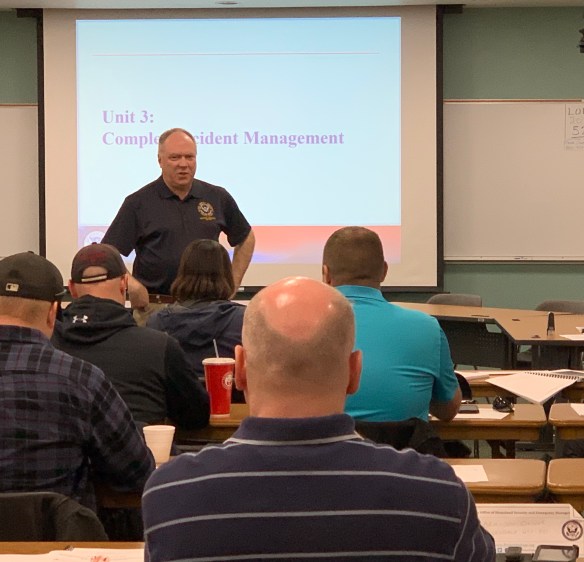
The incredibly strong partnership between county Emergency Management Agencies is forged in the heat of the battle fighting the good fight every single day across this country.

Additionally, Director Damron has some diverse nuclear/radioactive challenges in his jurisdictions which help provide a different perspective on Emergency Management’s response to any disaster or perceived emergency.
Outstanding day. Looking forward to a full day tomorrow for the last day of ICS-400: Advanced ICS.
Eeny, meeny, miny, moe…Which one should I take to go?

All prepped for ICS-400 tomorrow and the JIC/JIS course on Friday.
Will I be seeing you in class this week?!?
Mental note: Make all Venmo transactions private.
Or else this.

Heck no. Stttaahhhhppppp.
Maybe this is the new form of panhandling.
We as #Americans will never forget the sacrifices of those who have perished in service to this country.
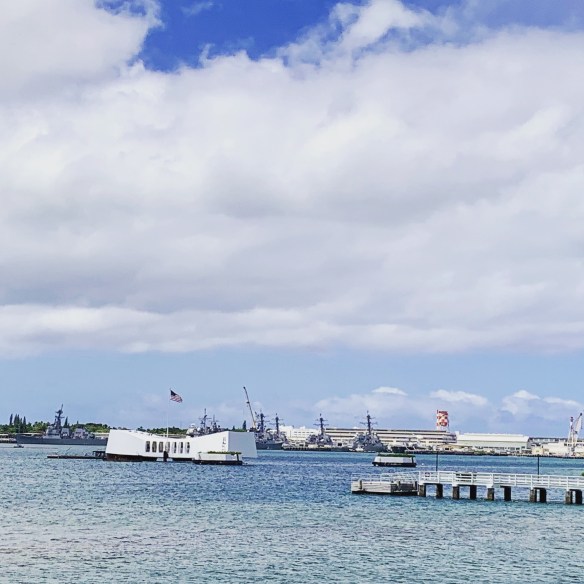
Many heartfelt #Aloha to those who have served and continue to serve this great country. 🇺🇸 the land of the free, and without a doubt, the home of the #brave. #PearlHarbor
Day-3 and final day of ICS-300 here at Darien Woodridge Fire.
Lots of discussion on collaboration and teamwork esp in a crisis/emergency. And bringing our partners to the table with a solid understanding of a coordinated all-hazards response is crucial to a successful response/recovery.
Many of the scenarios in the new 2019 version of ICS-400 are based on real-life events which make it easier to parle the teaching points.

Either way, the capstone activity brings all factions together. Regardless of Public Works, Fire, EMS, Police, Health Department, Government officials, heck even out of state response officials, we can now work more cohesively together in disaster response/recovery.
Special thanks to Fire Chief Gorsky and all the fire shifts at DWFD for the warm hospitality this week.
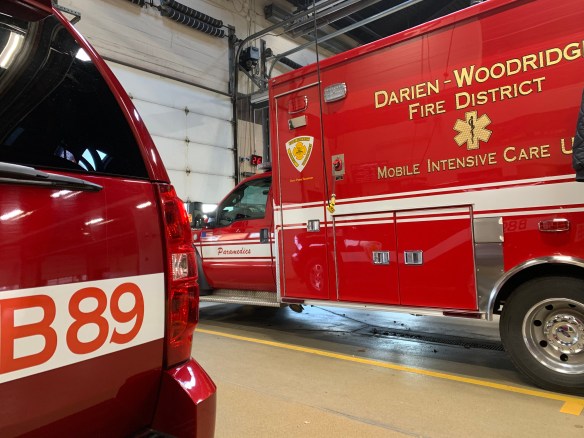
Happy AlohaFriday everyone!
Hope to see you next week for ICS-400!
Starting off our day-2 of ICS-300 here at DWFD with Jake and Elwood!
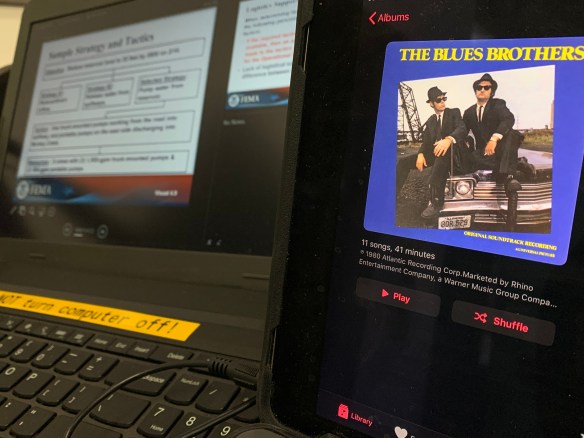
You know those two jokers executed their plans…to get the band back together.
This morning, we are joined by another representative from Illinois Emergency Management Agency (IEMA) Region 4 Trainer Wendell Brewer!
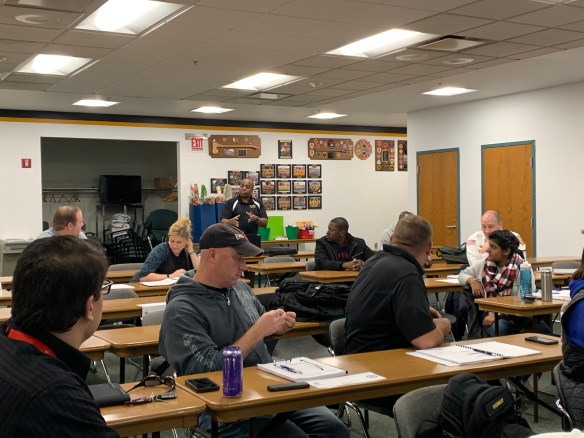
Hope to lean on his recent expertise as a MEPP throughout the day.
Additionally, I got several inquiries on training that pertains to timely and proximity to the holidays (specifically any classes in December).
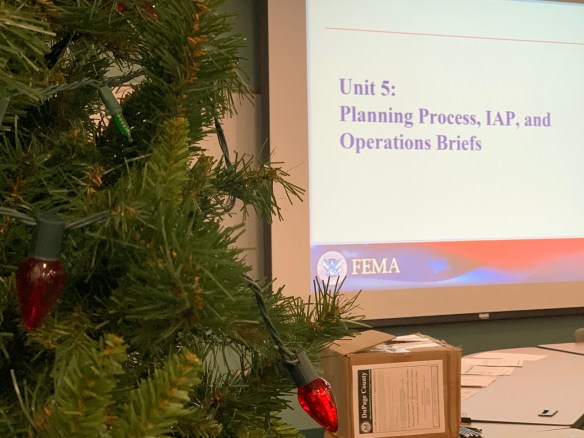
Look, it’s only December 6th. You need to calm down. You’re being too loud.
In short, disasters don’t take holidays or extended vacations. And neither do we. I am proud to see so many public safety partners attending our class from across the country.
Today, we hit the Planning P in full force as we brief our partners with the deets on the tactics meeting. We also dive deep on how important the ICS forms are (esp the 215 and 215A) for all tacticians and deployed personnel. I believe these two forms are critical to every single Incident Action Plans (IAP).
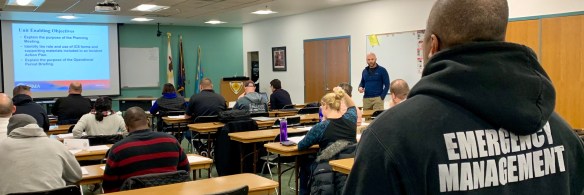
And for those that took ICS courses and thought they were boring and a waste of time or had poor instruction….that’s your fault.
Here’s proof that ICS participants, if provided solid instruction, can enjoy training and smile throughout class. I would say that the smiles probably help nurture transparent and dynamic conversation in class to solve legit problems that face any government agency. Sooooooo critical for any agency leader.

So go ahead and continue to complain about your experiences. Perhaps you just haven’t found an agency that provides solid instructors with real-world experiences that nurtures coordination and collaboration.
And as a true marker that I believe what we teach is impactful in all of our communities, I submit my sock choice for today. If we as leaders of our organization do not plan accordingly, we will likely become extinct.

Rawr.
Reporting live from the front of the class…
Midweek start to our FEMA IEMA DuPage Co OHSEM ICS-300: Intermediate ICS for Expanding Incidents at Darien Woodridge Fire Department Station 89!
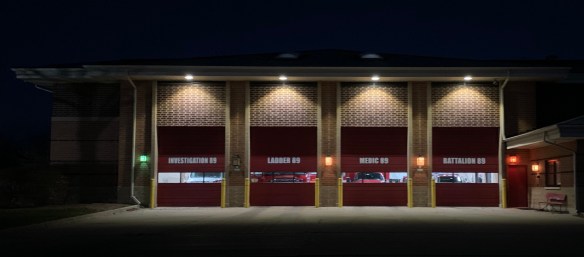
And since it’s the holidays, I thought a little Mariah would be appropriate

🤣
Special thanks to Fire Chief Gorsky on the warm hospitality to all of our participants from across the country.
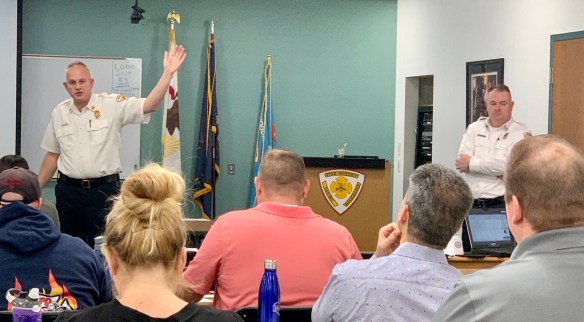
This week, I am fortunate to have Illinois EMA Region 7 Trainer Richard Williams along for the instructor ride.

Great to hear about his military experiences and how they used ICS. Additionally, lots of info to share on his assignment to the southern Illinois flooding this year.

And since I’m teaching with IEMA staff, I thought it would be appropriate to wear my Illinois socks.
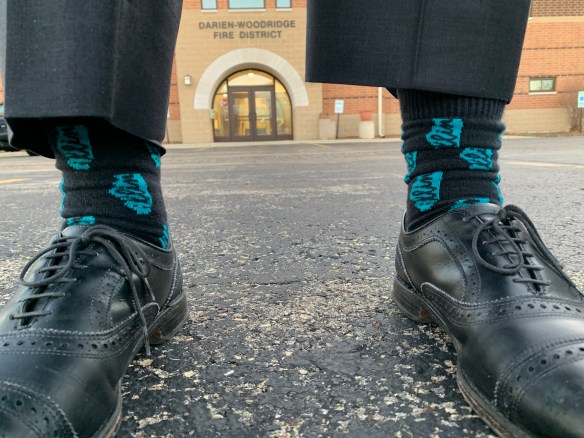
Reporting live from Station 89…

