This morning, I’m down at the Daley Center.
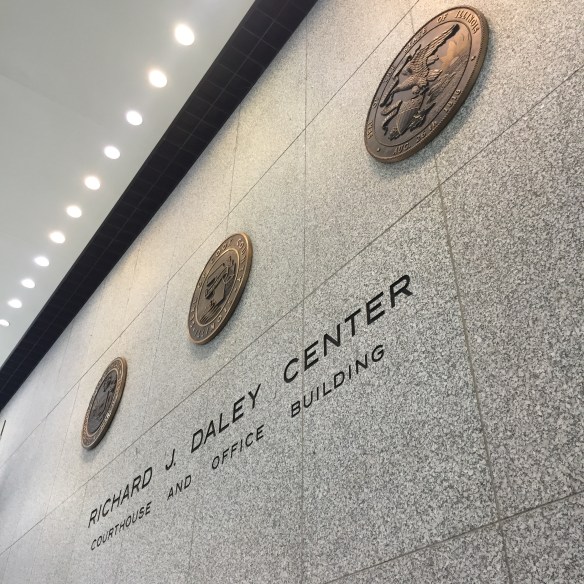
Fortunately I wore the correct lapel pin today.


This morning, I’m down at the Daley Center.
Fortunately I wore the correct lapel pin today.
Evening views from the number 2 position.
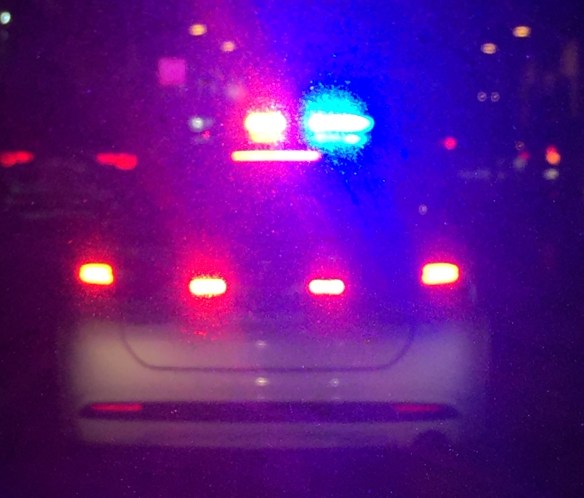
I believe vehicle number 1 needs a better siren…or a Q.
Prepping my shoe game for work tomorrow.

Hopefully people won’t look at me too weird as I stroll in w/ my 3/4 boots.
Yep, I was right.
aka the official Blizzard Warning
@NWSChicago: As has been emphasized, we urge you to postpone all non-emergency travel tonight. However, if you absolutely must travel, for IL road conditions via @IDOT_Illinois, call 1-800-452-4368 or go to: http://www.gettingaroundillinois.com/winterconditions/ … Keep this phone no. & link handy for Mon AM commute. #ilwx
*Sigh*
I had a sinking feeling that no one was going to show up for class this morning.
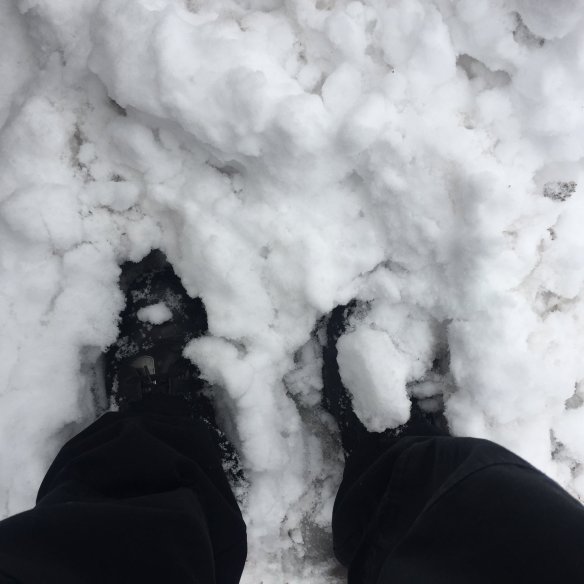
No pun intended.
What’s all this white stuff?

I didn’t order any of this!
Aaaaaarrrrrrrrrruuuuuuuuugggggggggghhhhhhhhhhhhhh!!!!!!!!!!!!!
Saturday seems like a good day to find a Christmas tree in the city…
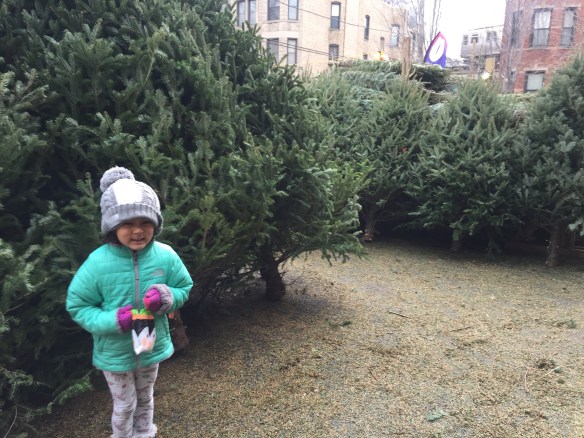
Do you think I can get these these trees through the turnstiles at the El stop?
Exploring the city today!
Fire place on today trying to digest the turkey. Also realizing that it’s almost Christmas.
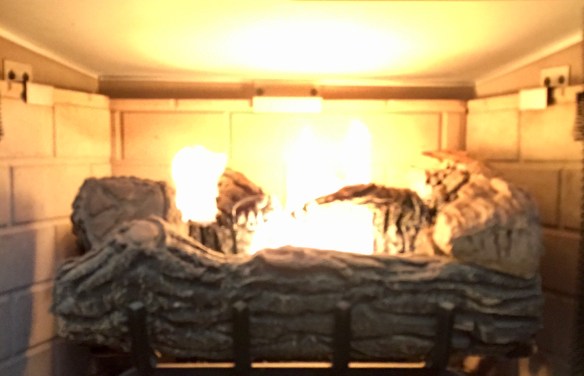
Hope I make the good kid list this year.
Happy Thanksgiving everyone! I’m about to die.
Glug glug glug – I measured it w/ water and turkey in the pot.

So it’s a calculated amount of peanut oil in there.
Just to be on the safe side, I’ll leave a little room for turkey expansion.

Maybe my camera puts on more pounds. HA!
OK, my propane tank is as far away as I can get it.

Don’t think I want an explosion.
Then, in case things go bad, I got some protective gear.

Awww yeah baby! Warm AND protected!
And maybe, if things go bad, I can Hong Kong Phooey kick it into the grass away from the building right?
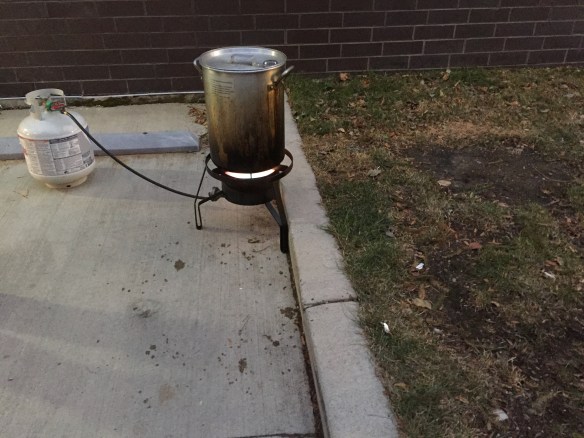
Time to gear up!

Thinking back, this was probably a good idea to wear my turnout coat and gloves.
Yeah, I think Chicago has had a big fire before.
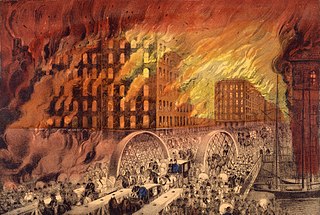
Yikes.
Buuuuuuuuuuut why does my turkey look like its on a cross?!?!?!??!?!?
.
But first, lemme take a selfie…

…for proof of life.
Fire is on. Waaaaaaaaaaaaay hot.

What? Did you say drop it like it’s hot?!?!
Awwwww yeah, time to get crazy-let’s drop this sucker in.

AAAAAAAAAAAAAAAAAAAAAAAAAAAAAAAAAAA!
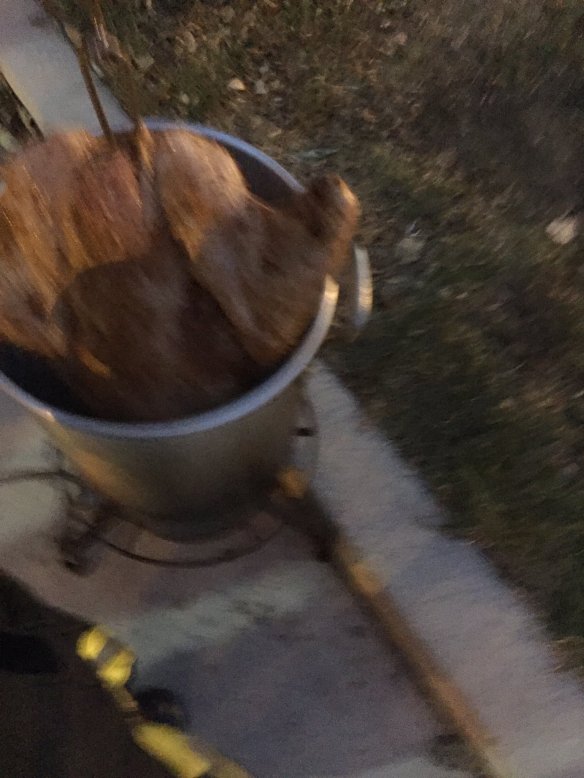
HHOOLLEEEYYYYY MOOOOOOOLEEEYYYYY!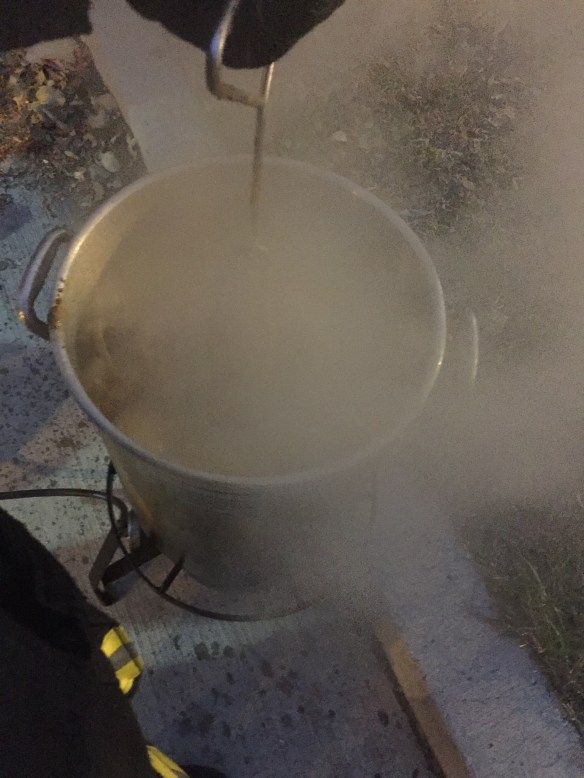
DDDDDDDDDAAAAAAAAYYYUUUUUUUMMMMMMMMMMMMM!!!!!!!!!!!!!
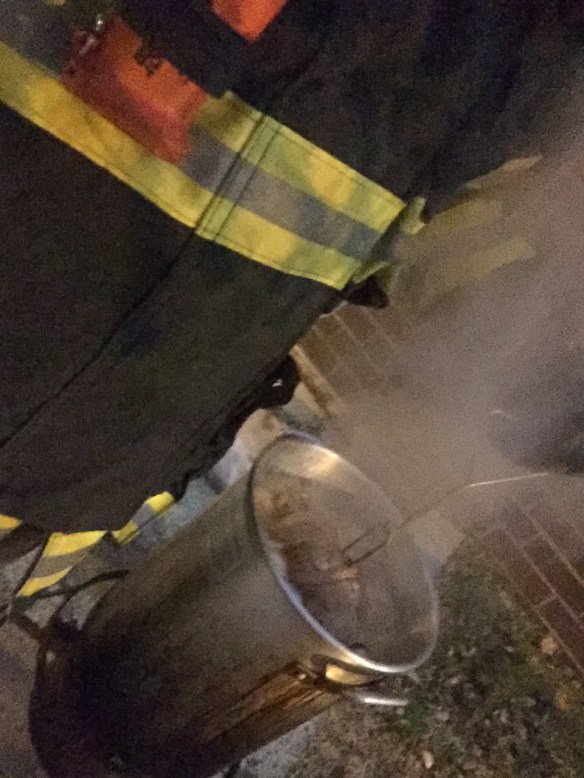
Am I at the bottom yet?!?!!??! OMG! Why is this soooooo frickin hot!!!!!
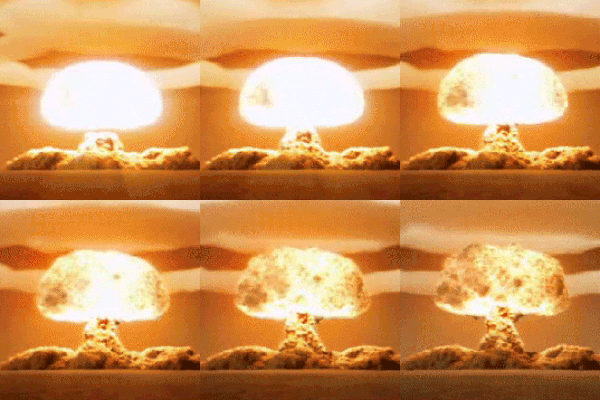
Well, so far so good! I haven’t burned anything….yet.
I also took the time to clear away any brush and debris from the area. Also notice the brick non-wood sprinklered building next to me?

Additional information, I also had backup from a retired Fire Chief from the State of Ohio Fire Marshall’s Office right next to me. Despite a whole bunch of white helmets, it was definitely worth having a backup!
Did I have a backup plan? You know I did. First off, I would NOT have done this.

Second, if things got bad, I would have definitely called 9-1-1.

The last thing I need is my friends from CFD getting pissed. Tho, TBH, they would have made me fill out the NIFRS report.
And third, this was the backup plan.
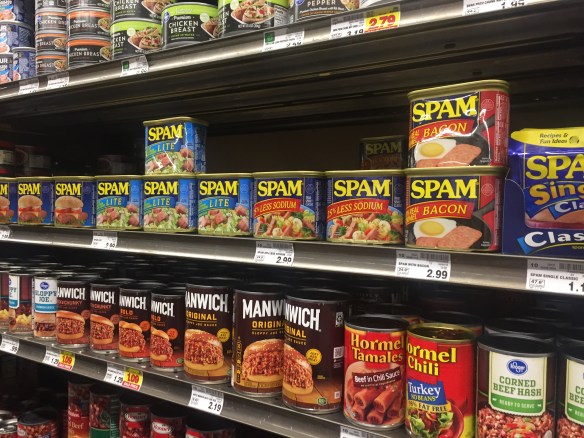
Yeah, the IMT PSC and FEMA MCP comes out more often than you think.
So in the end, everything turned out great. Turkey was awesome and soooo delicious.
Few deep frying turkey tips for you:
This year, our family invited a few new Navy family and friends over for dinner.

Glad to spend Thanksgiving with those who protect our freedoms 24-7.
We all have much to be thankful for this year.
Day-3 of the Joint Information Center/Joint Information System course here at the Indianapolis Fire Headquarters.
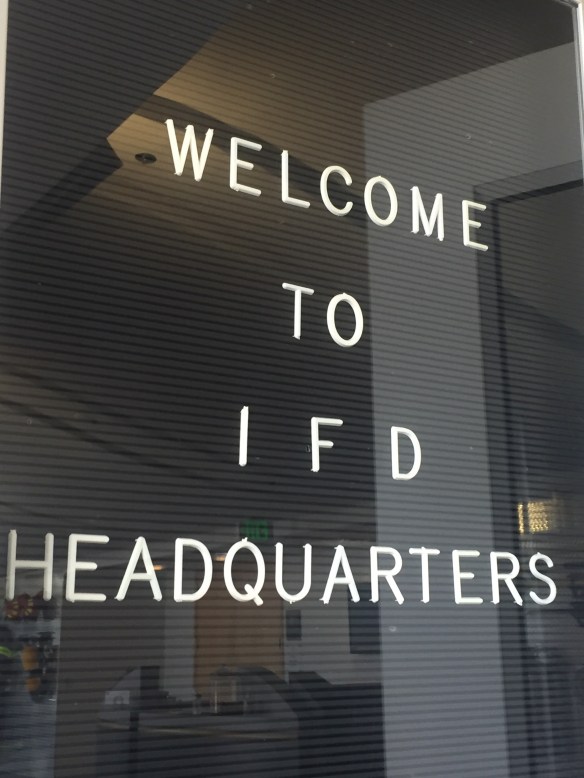
This place is super nice…

…and a bonus welcome by the Chief of the department – Fire Chief Malone!

Outstanding to see that kind of engagement of a large metro fire department stop by to say hi. And of course the IFD PIO BC Rita Reith working the PIO magic too!

Great discussion on when situations get worse…ie disaster declarations and how as situations start to grow, how we as a nation respond to help assist others.

You know we had lots of discussion on JIC/JIS operations and needs.

Also discussed how the executive policy room could affect actions of the field PIOs as well as the JIC – which stresses the need for solid, one voice communications from the Emergency Operations Center.

I know, I know, coordination again huh? But it’s the truth! If we don’t work together, we will likely fail our constituents. We must work together to support our ongoing efforts of safety with all our partners.
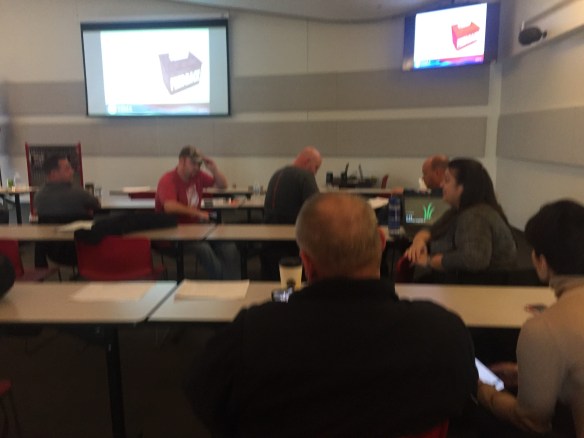
Great dialog on mutual aid partnerships. Regardless of the situation, we can all work closely with each other and share ideas.
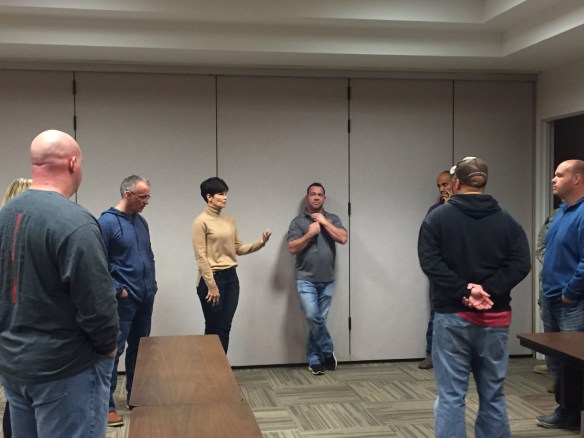
Me? I am very proud of the work from everyone in the class this week.

Looking forward to working with all of you during the next big one.
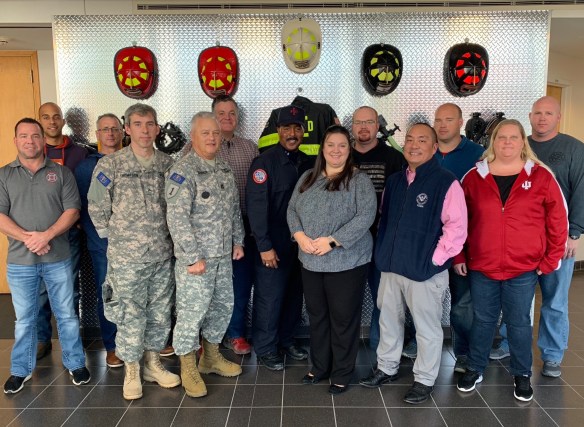
Until then, go forth and tweet good stuff!
Day-2 of the DHS/FEMA G0290 Basic PIO Course!
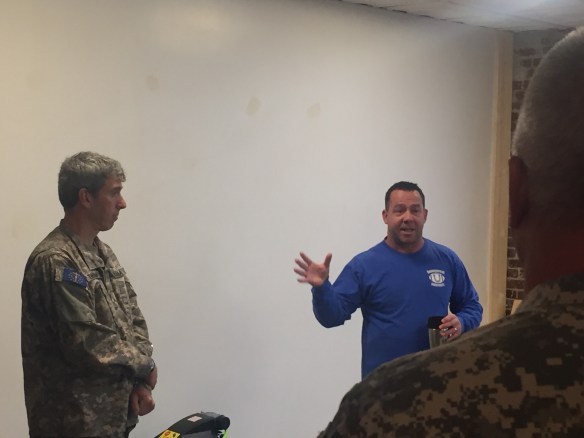
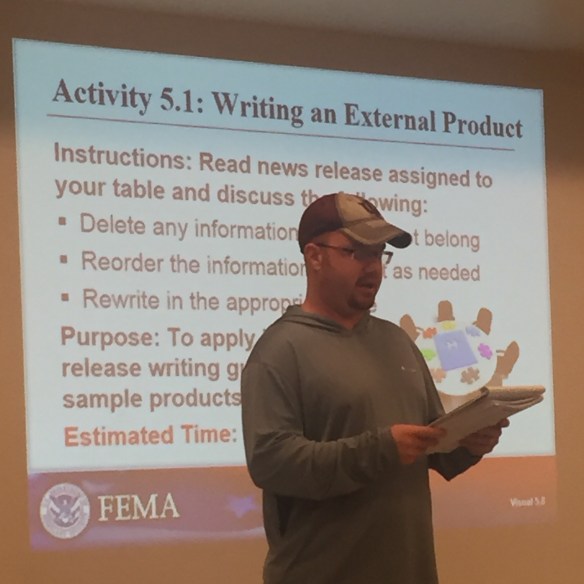
We had time to discuss a myriad of topics including the importance of press releases.

While antiquated, there is some value. I think.

Lots of group work as we continue to move to support our agencies’ goals and mission.
As usual, we were fortunate to have excellent coordination with local and national media for this class.

Good Morning America Elyna Niles-Carnes (@encproducer)
WISHTV-8 Emily Kinzer (@EmilyKinzer8)
and Indiana State Police PIO Sgt John Perrine (@ISPIndianapolis).
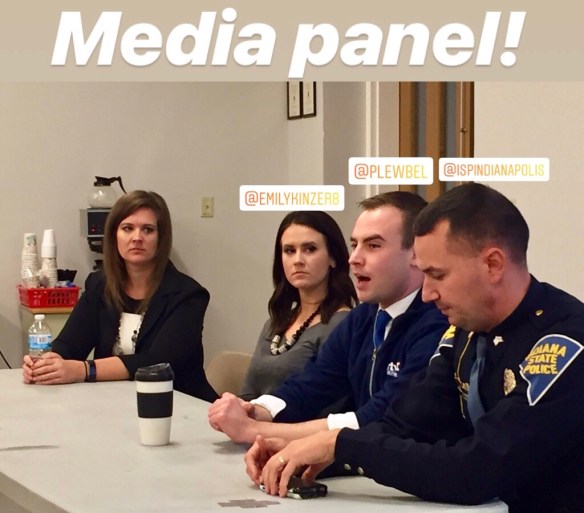
So glad to have this candid media panel to discuss ongoing PIO operations with everyone.
Got a chance to facilitate this panel discussion as we had spirited discussion on “no comment”, realistic expectations, favoritism, “off the record” vs truth. Outstanding discussion from everyone from Ohio, Kentucky, Illinois, Florida, and of course Indiana.

And if you were wondering, no doubt, we did review all in-class interviews.
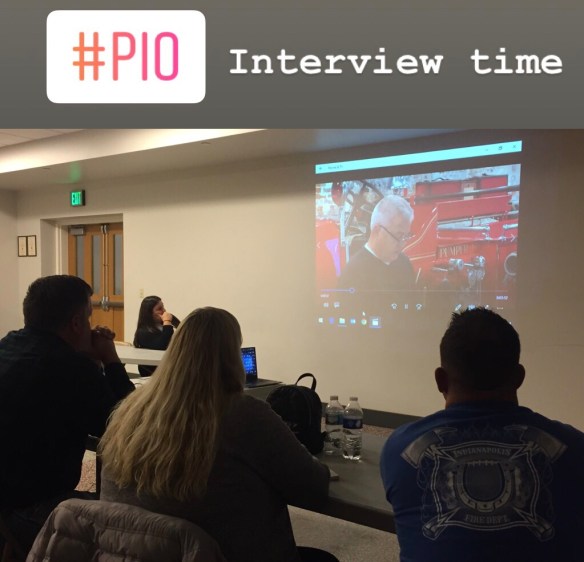
Solid discussion on tips/tricks to use during oncamera interviews as well as some great techniques to use during a crisis.

Looking forward to tomorrow – final day as we form Voltron and move into JIC/JIS!!

