Don’t gatekeep these tips

Don’t gatekeep our best safety tips – share them with your whole family! All month long, we hope you share these preparedness tips with everyone! #NatlPrep #Ready Americans Stand Ready!

We hope you are widely sharing all these preparedness/safety tips. In fact, not only sharing, but also ASKING your communities to share within their communities too.

Our collective information is bee-hiving it a collaborating with way that is beneficial for all. Abd sharing information is good for any audience that we regularly engage with and perhaps reach a few that we don’t engage regularly with.
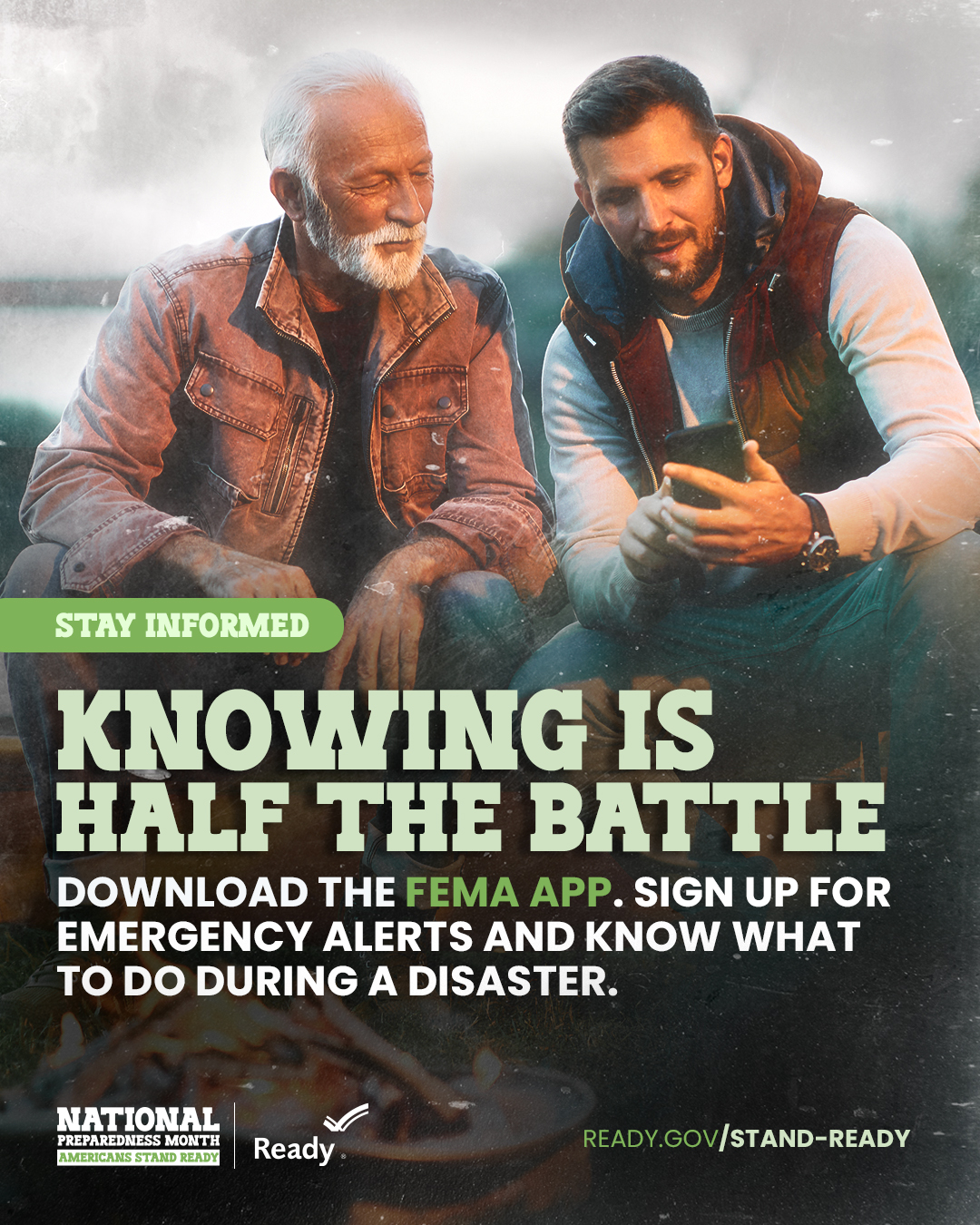
Additionally, weird that people think that a big city will thwart a tornado.
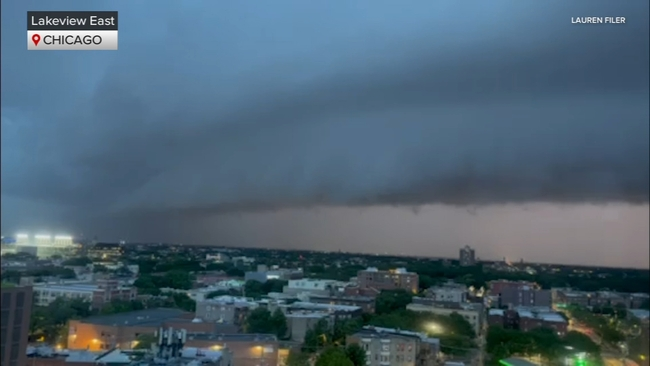
Truth be told, Mother Nature doesn’t care about size as she will send a tornado anywhere.

So keep this in mind as you educate others on the possible hazards.

Although they hear it from me all the time, my family gets regular weather updates from me all the time that I share from the NWS-Chicago and NWS-Honolulu teams. This way, they know they are getting the info from the foremost authority, not some self-proclaimed “expert/guru”.

So be consistent in sharing sourced information and regularly address concerns when there is severe weather inbound to your area.
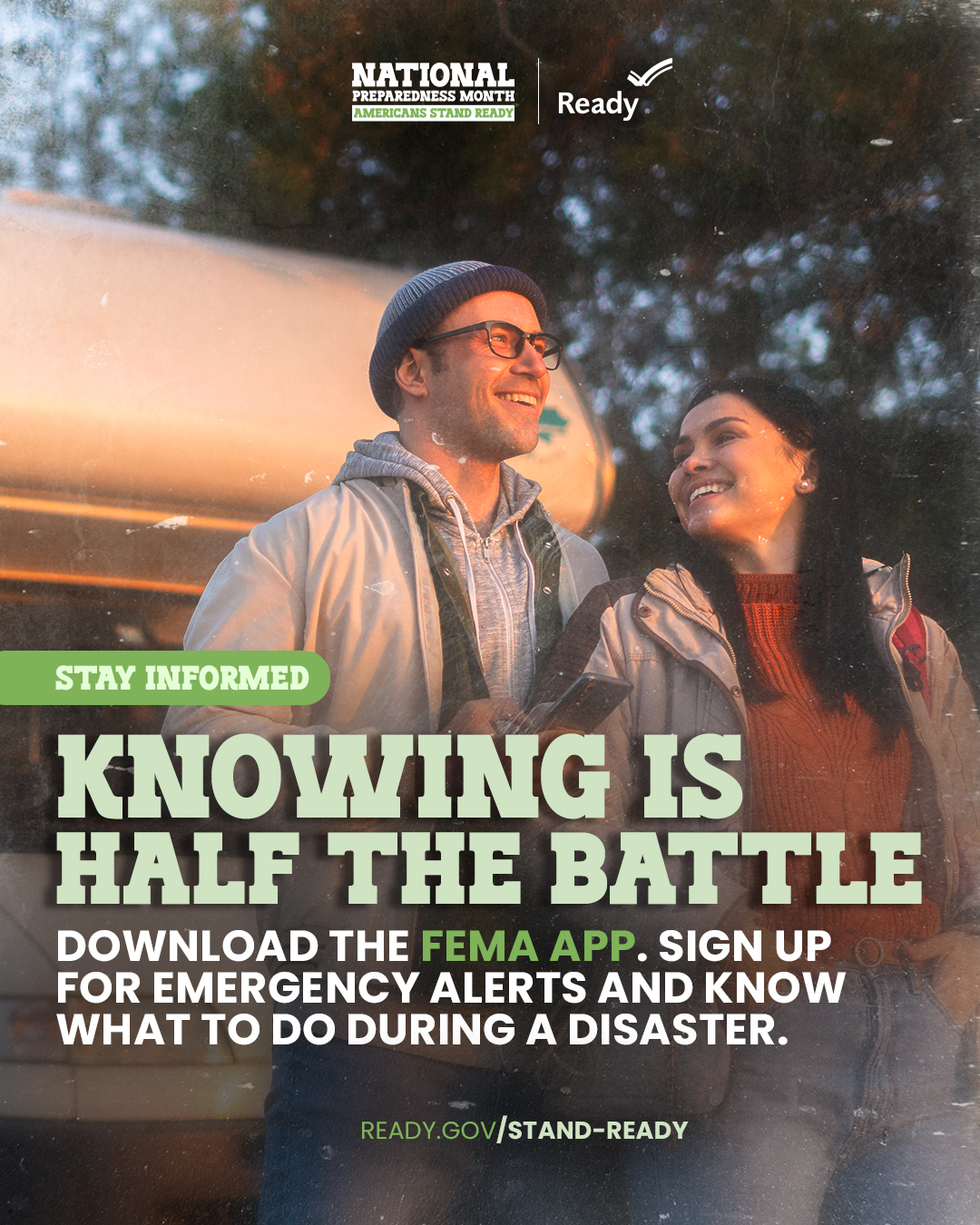
Keep them informed and be one of the trusted sources of information for your family and friends.
@rusnivek

Being informed on the sich #NatlPrep

Day-2 of National preparedness month!

Being informed of the dangers and knowing what to do in an emergency is critical to the safety for you and your family. #NatlPrep #Ready Americans Stand Ready!

The hardest part of any emergency or disaster…is actually knowing what to do.

The theme of knowing the dangers and being informed is always an easy sell because the nature of our business is always changing. Compounding the problem even more is that every disaster/emergency is NOT the same.

One more time for the people in the back – no two disasters are alike.

This makes it challenging for Emergency Managers to urgently inform and educate their communities because the variability of preparedness will always be changing.

So take a few minutes more to appropriately educate your audiences on how to find the right info. I would suggest you start with severe weather in your locality…this way, you have a wide dearth of topics to cover.

Then, as they get more comfortable with the weather preparedness, then move them on to bigger sandwiches (like cyber threats, HAZMAT, or even active shooters etc…)

I see bright things for your preparedness efforts this year.

Go forth and do good stuff.

@rusnivek

Day-2 of ICS-300

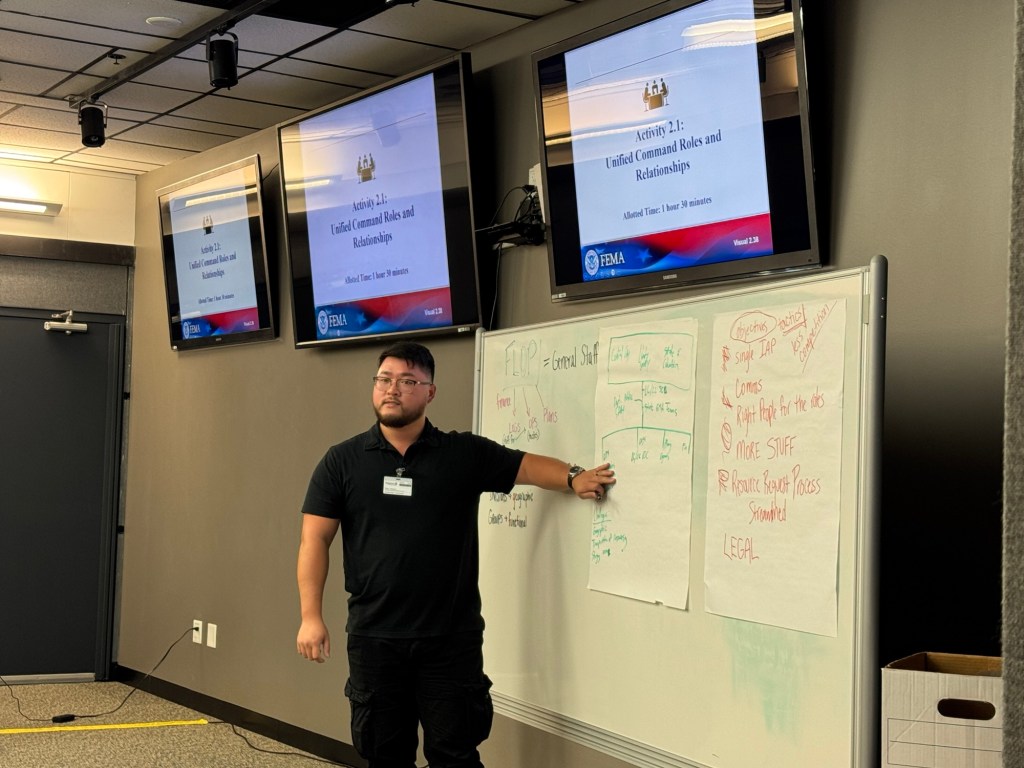
Starting off the second day with lots of convos on IAPs and critical forms that are needed for those onscene.

BTW-if you are looking for a link with all the FEMA ICS forms, you can find the most up-to-date ones here: https://training.fema.gov/icsresource/icsforms.asp.

IEMA-OHS Region-2 SDS Steve B. background from the wildfire community is outstanding and is a great example of how flexible the ICS system is all about.

We talked about specialized resources and the importance of putting supervisors in positions with background to handle the resources correctly.

We also briefed out on several scenarios that we could be put into with our public safety partners.

Sometimes, it’s awkward to pretend and use fictitious scenarios, but all the ESSD scenarios from FEMA are from real world incidents.

Yes, it’s Central City, but the State of Columbiana is always in trouble.

At the end of the day, just gotta make sure the markers are up for a fun Thursday surprise for everyone.

Always seems easy, but teaching days make for long days.

I am thankful for my staff to support these initiatives I’ve laid out to better position us for success.

Reporting live from the AHJ…

@rusnivek

Debut ICS-300: Intermediate ICS course here at Argonne

First times the charm!

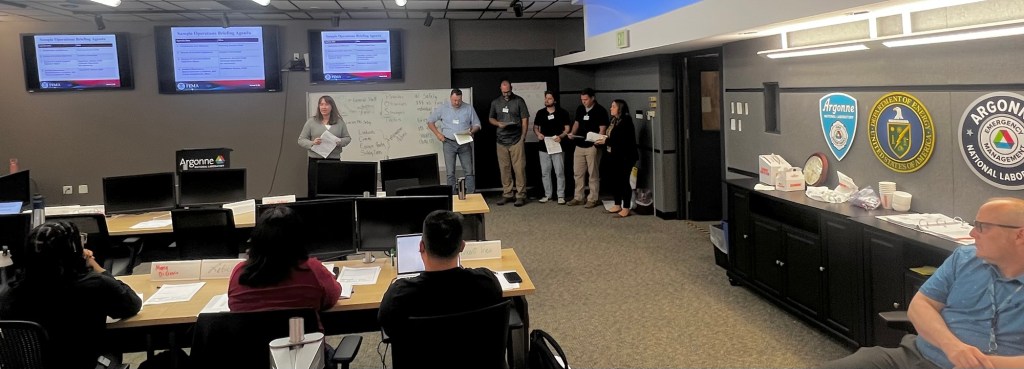
Welcome to the first ICS-300 class here at Argonne!

Introductions by our Division Director Mike P.

Proud to have participants from across the state attending. And for the first time at Argonne, we are super excited to see participants from local, county, state, and Federal agencies here.

That truly speaks to the collaborative nature of safety efforts for everyone.

Also happy to see IEMA-OHS Region-3 Regional Coordinator Lisa with us this morning too.

IEMA-OHS Region-3 covers all the greater Chicagoland suburbs and towns, but they do border Argonne so we mainly work closely with Region-4 and Region-3.

Proud to have Maria P. on my staff with me as we are fully capable and vetted to teach ICS classes.

And yes, if you were wondering, I’ve known Lisa and Maria well before I worked for the state.

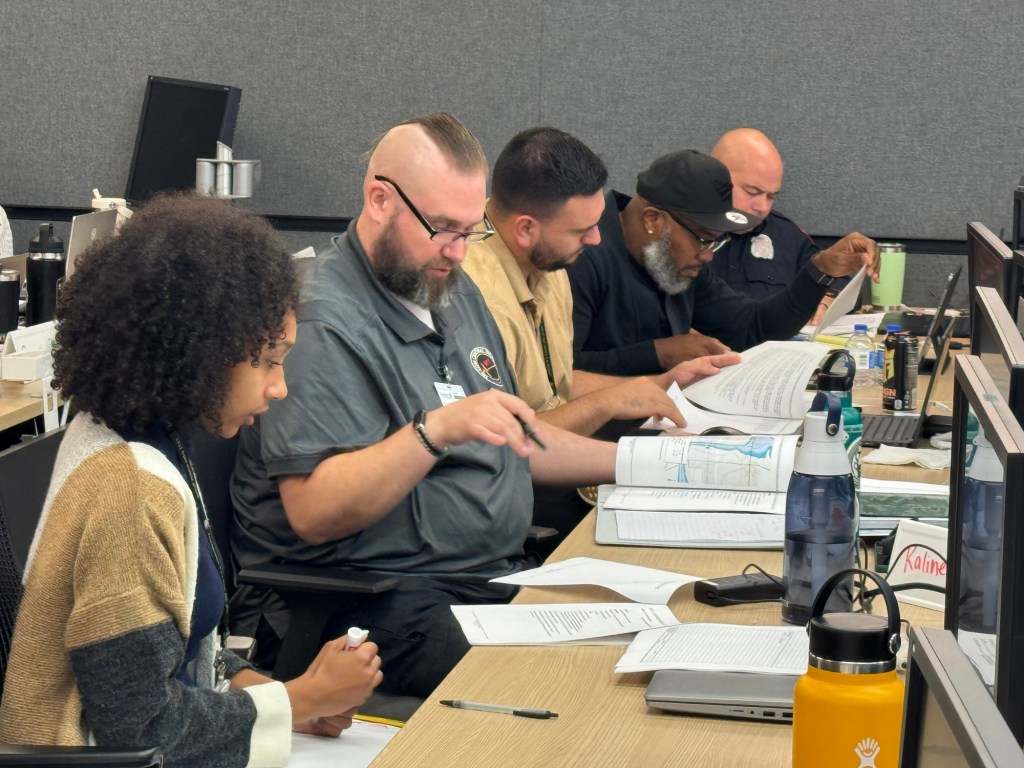
Day-1 and we’re already putting everyone to work as we try to get everyone on the same page and same S.M.A.R.T. objectives.

Sometimes, these classes get drab esp if we only lecture so we almost immediately get everyone doing group work to foster more ideas.

This all-hazards approach to planning and solutions make it easier to digest the materials esp the tedious ones.

Proud to bring these courses to Argonne and proud of the partnerships many have already build here. I see fit to continue to empower all of our bestest partners in safety.

Look, I’ve only been here for 5 months, but the plans are starting to come together. #ArgonneEM

Reporting live from the Argonne Analytic Cell/EOC2…

@rusnivek

Robots in the neighborhood

We are starting to see more of these autonomous robots delivering food and items in the neighborhood.

While a cool piece of technology and innovation, I think there are more broad implications that we could capitalize on…esp during a disaster/emergency.

While we can’t rely totally on resources like this, we could take the position to send it and if it does yield any results, that was better than previous.

But the COORDINATION of assets like this will be critical to manage and prioritize esp in a disaster/emergency.

Looking forward to deploying out safety resources like this soon.

Reporting live from the robot filled streets in Chicago…

@rusnivek

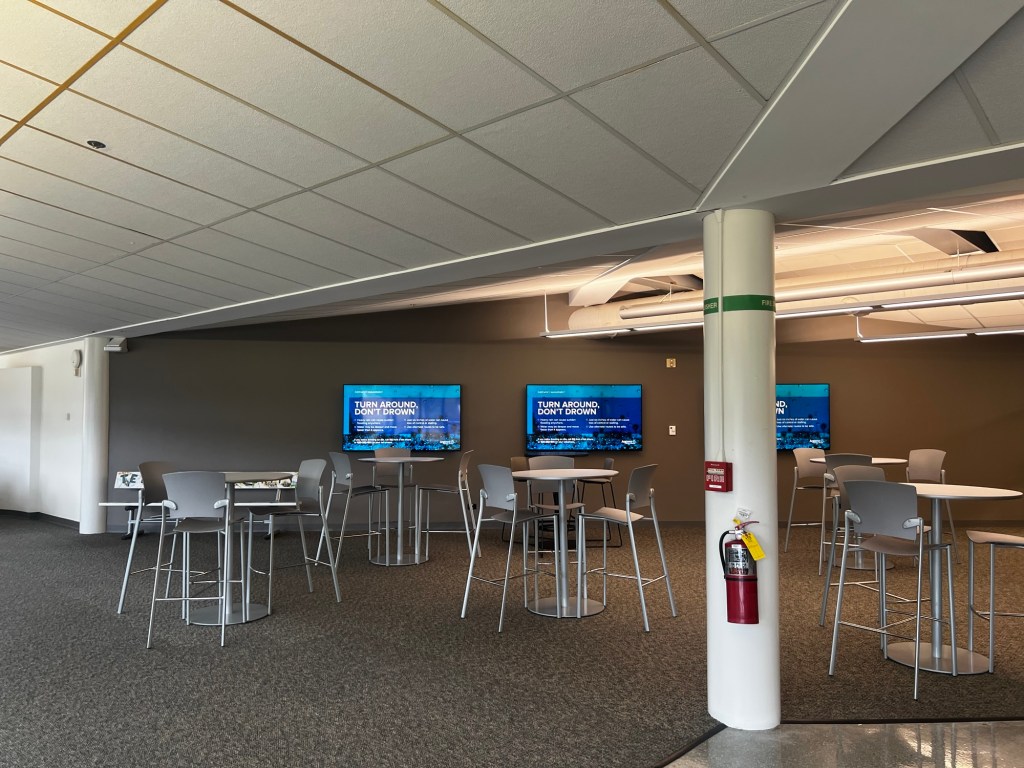
TADD – Turn Around, Don’t Drown

While it’s still National Preparedness Month, we want to make sure we remind everyone about the hazards and dangers that occur across the US.

Flooding is the most common hazards in the US. And with data to prove it, the costs associated with a few inches of water in the house can be a catastrophic point for any family.

We want to make sure you are aware of these hazards and make sure you know what to do during a disaster or critical situation…like flooding.

So even in passive signage across campus, these kinds of

Turn Around, Don’t Drown…

Your car is not a boat.

#TADD

Reporting live from building 201…

@rusnivek