ICS-300 participant guide
Click here ->ICS300_Complete_SM – v April 2019.


Grrrrreat. I’m not excited to see this.

My opinion: this issue should be resolved with more talks. An emergency declaration is not the solution. In fact, this “emergency” will denigrate other real emergency incidents.
I hope there is a peaceful resolve to this.
Vehicle vs pedestrian = not a good outcome.
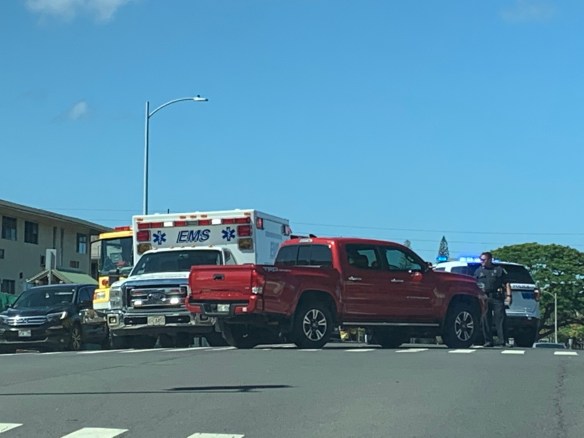
People – please be mindful as you walk in the cross walk. Please look both ways.
Drivers – please put down the phones and pay attention. Proceed with caution.
I often talk about preparedness efforts for any kind of emergency or disaster.
The hardest part is to get started in your effort…so grab a cup of coffee and get started today!
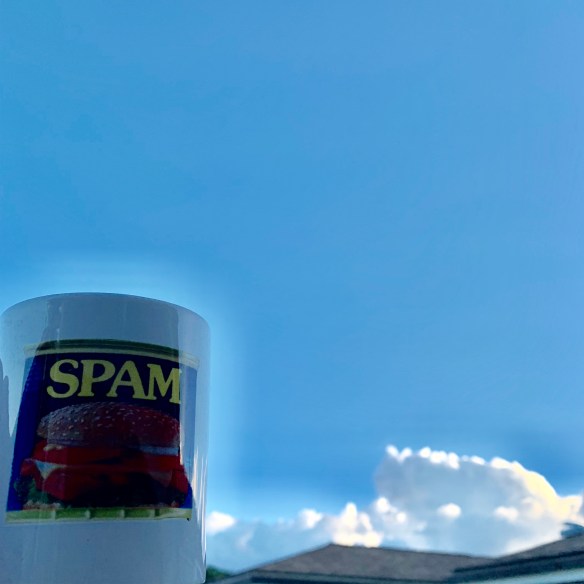
On a national scale, FEMA’s Ready.Gov program is a great start with several lists for FREE that you can use to get started.
Another great place to reference for any emergency or disaster is DuPage County OHSEM’s Emergency Preparedness‘s site that has a bunch of solid checklists as well as lots of links to other critical websites.
Regardless of where you live, your local Emergency Management Agency will help you hone your list to meet your needs.
Hope you got a good preparedness kit!
Another fine start to the FEMA PIO Awareness course here at Mundelein Fire Station 1!

Special thanks to DC Brents and the whole crew!
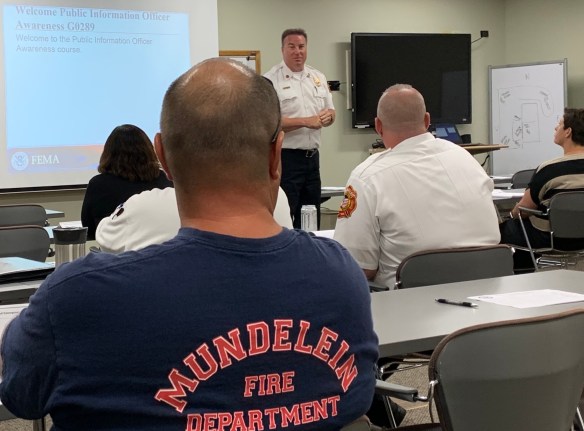
Lots to talk about as we intro the magic of public information to a new class. Of course we had a few words of wisdom from PIO John Nebl.

Great perspective and stories from Schaumburg Police.
If you were wondering, we are in the Emergency Operations Center (EOC)…so that’s a good thing.

Making your peeps train in the location that they would likely be activated to…is a solid practice.

With a diverse class, we are able to cover lots of topics and various situations. The all-hazards nature of this FEMA class allows us to better prepare our PIOs for any emergency.
Additionally, I love to share my experiences from large events and disasters with fellow colleagues from across the State of Illinois.
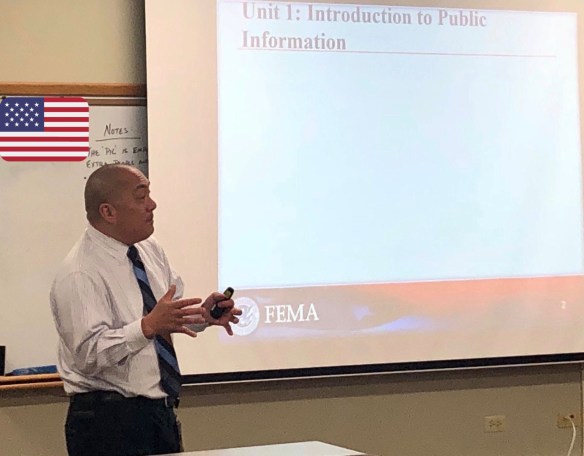
Training together better prepares us to coordinate and work together before, during, and after an emergency. That’s right, come on in and form Voltron.

Special thanks to all the staff from Mundelein Fire for the warm hospitality to our staff from the DuPage County Office of Homeland Security and Emergency Management.
Train like you fight!
A little breezy today.

Looks like Mother Nature is doing her part in helping celebrate – Happy #4thOfJuly Merica!
🇺🇸
Sometimes Mother Nature just wants to remind you of her power. Work this morning was a bit different as we saw the true power of how powerful a simple downburst can be.

As you can see, these gigantic trees were no match for the winds in excess of 50mph.

Like a pair of sticks, this thicc tree was split at the base, the thickest strongest point.
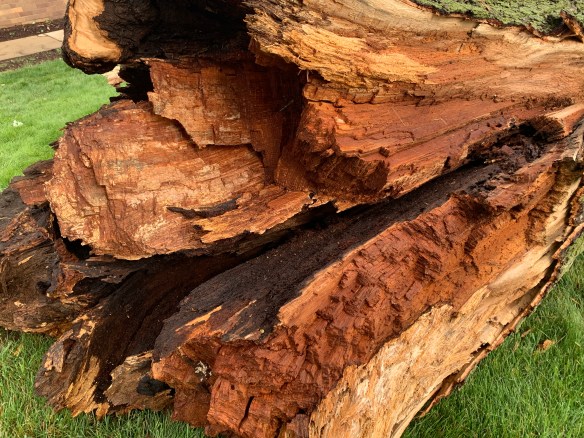
Dayum.
To give you some perspective of the size, take a look at this picture. See that Chief wearing the white shirt behind the tree? Yeah, that’s a big tree.
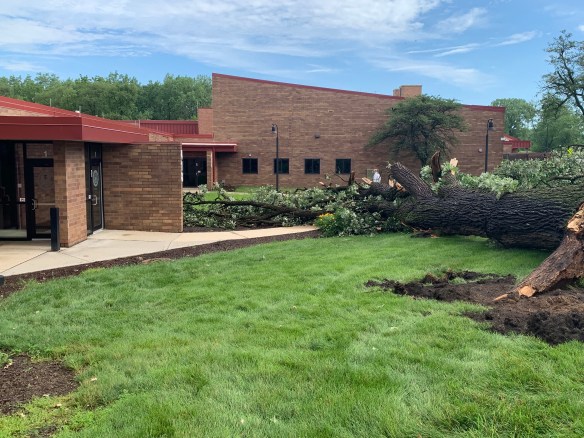
Keep in mind, there are two gigantic trees that instantly fell within seconds.
As you can see, our top notch ESF-03: Public Works pros are already at it with their chainsaw gang clearing priority paths for critical access.

For more detailed information on this downburst with severe thunderstorms, here’s the direct link to NWS-Chicago’s report: https://www.weather.gov/lot/2019Jul02_Severe
Stay safe and heed all the warnings of local public safety agencies.