Allow yourself extra time to travel during this extreme winter cold.
Give yourself extra time to dig out your car…or find your car.
Aaaaaannnnddddddd, don’t forget a shovel too!
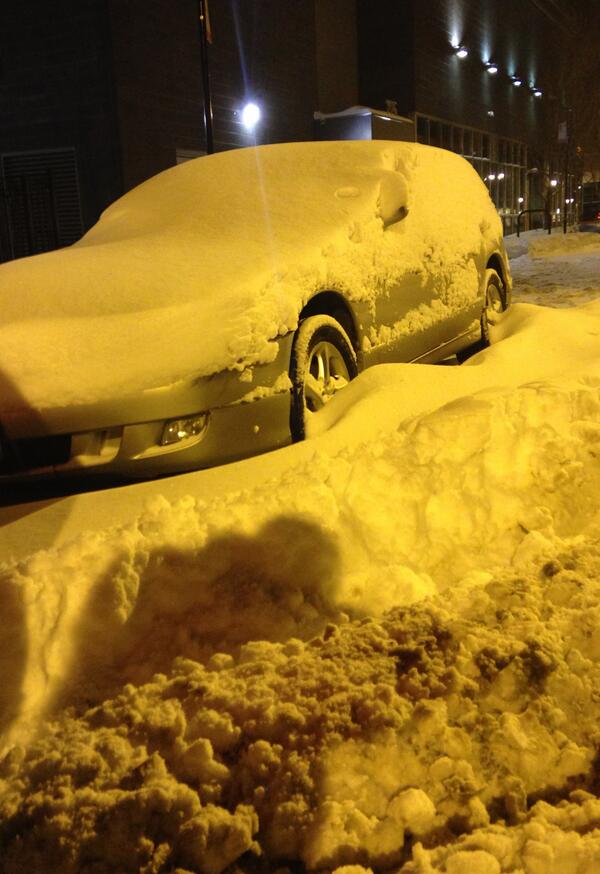
@rusnivek

Allow yourself extra time to travel during this extreme winter cold.
Give yourself extra time to dig out your car…or find your car.
Aaaaaannnnddddddd, don’t forget a shovel too!
@rusnivek
Friendly reminder of these two quick winter weekend driving tips for unplowed roads…

Feel free to share this driving tip.
@rusnivek
No matter how bad the weather, always yield (to the right) for all responding emergency vehicles.

Doesn’t matter Fire or Police or EMS…..”Move right for lights”
@rusnivek
No matter how bad the weather, always yield (to the right) for all responding emergency vehicles.
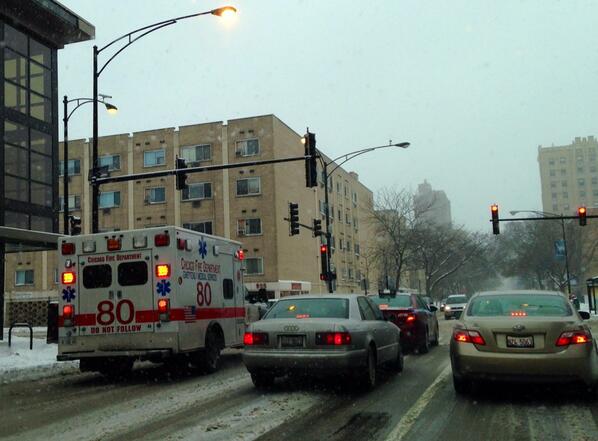
@rusnivek
No matter how bad it snows, never park in front of a hydrant. Help out your local Fire Department
Per the Ohio Revised Code 4511.68 Parking – Prohibited acts: No person shall stand or park a trackless trolley or vehicle, within ten feet of a fire hydrant.

@rusnivek
Know the differences between frostbite and hypothermia. Keep warm!
Frostbite: loss of feeling and white or pale appearance in extremities such as fingers, toes, ear lobes, and the tip of the nose. Get medical help immediately.
Hypothermia: uncontrollable shivering, memory loss, disorientation, incoherence, slurred speech, drowsiness, and apparent exhaustion. If symptoms of hypothermia are detected, get the victim to a warm location, remove wet clothing, warm the center of the body first and give warm, non-alcoholic beverages if the victim is conscious. Get medical help as soon as possible.

Just because it’s clear and sunny, does not mean it is warm outside.
Bundle up peeps!
@rusnivek
Headed out to party?
Don’t forget your vehicle emergency preparedness kit w/ blankets & gloves

@rusnivek
It’s really getting cold peeps! Its a good time to check your winter emergency preparedness kit for these 2 important items…
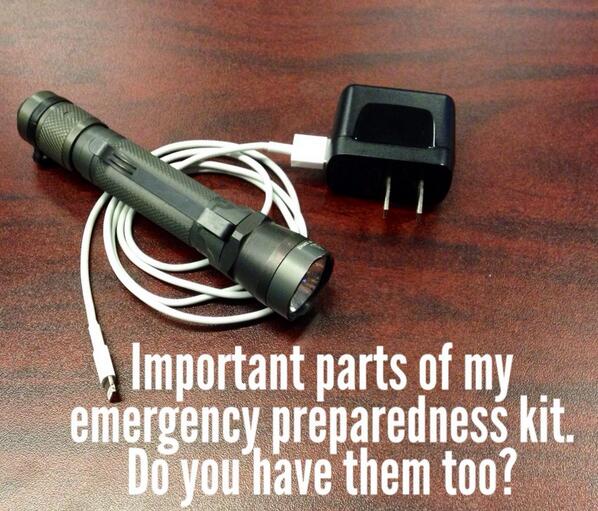
@rusnivek
SitRep for West Virginia Chemical Spill (EM-3366) – 01-14-14- at 1030.
The chemical spill (up to 7,500 gallons) into the Elk River in Charleston, Kanawha County, West Virginia continues to dissipate. “Do not use water” order remains in effect for approximately 65,000. Chemical identified as 4-methycyclohexane methanol (MCHM).

http://www.amwater.com/about-us/news.html
FEMA continues to support the state and local partners in assisting in the mitigation efforts to these nine communities.
@rusnivek
SitRep for West Virginia Chemical Spill (EM-3366) – 01-13-14- at 0900.
The chemical spill into the Elk River in Charleston, Kanawha County, West Virginia continues to dissipate.
CDC has established threshold levels. At this time, indicators are within acceptable levels at water plant. Now seeking consistent safe reading levels at various points within the 1,700 mile pipeline system. Chemical identified as 4-methycyclohexane methanol.
Counties affected: Boone County, Cabell County, Clay County, Jackson County, Kanawha County, Lincoln County, Logan County, Putnam County, and Roane County.
People in the affected areas in West Virginia = DO NOT DRINK OR USE THE WATER. *Only use for toilet flushing
FEMA continues to support the state and local partners in assisting in the mitigation efforts to these nine communities.
@rusnivek
 Where is @rusnivek?