Fire Training – Roof Operations Course coming up on Saturday January 18th, 2014 from 1330-1730 (C).
http://www.firefighterbailout.com/roofops.html

@rusnivek

Fire Training – Roof Operations Course coming up on Saturday January 18th, 2014 from 1330-1730 (C).
http://www.firefighterbailout.com/roofops.html
@rusnivek
Take a few moments to learn about the now infamous Cold Storage Warehouse Fire in Worcester, Massachusetts.

Honor your fallen Firefighters who gave their life on December 3, 1999.
***In my opinion, this fire is a defining moment in fire service history***
All Firefighters should know about this fire by heart.
Well, even if you don’t read the entire NIOSH report, at LEAST read the summary below.
SUMMARY
On December 3, 1999, six career fire fighters died after they became lost in a six-floor, maze-like, cold-storage and warehouse building while searching for two homeless people and fire extension. It is presumed that the homeless people had accidentally started the fire on the second floor sometime between 1630 and 1745 hours and then left the building. An off-duty police officer who was driving by called Central Dispatch and reported that smoke was coming from the top of the building. When the first alarm was struck at 1815 hours, the fire had been in progress for about 30 to 90 minutes. Beginning with the first alarm, a total of five alarms were struck over a span of 1 hour and 13 minutes, with the fifth called in at 1928 hours. Responding were 16 apparatus, including 11 engines, 3 ladders, 1 rescue, and 1 aerial scope, and a total of 73 fire fighters. Two incident commanders (IC#1 and IC#2) in two separate cars also responded.
Fire fighters from the apparatus responding on the first alarm were ordered to search the building for homeless people and fire extension. During the search efforts, two fire fighters (Victims 1 and 2) became lost, and at 1847 hours, one of them sounded an emergency message. A head count ordered by Interior Command confirmed which fire fighters were missing.
Fire fighters who had responded on the first and third alarms were then ordered to conduct search-and-rescue operations for Victims 1 and 2 and the homeless people. During these efforts, four more fire fighters became lost. Two fire fighters (Victims 3 and 4) became disoriented and could not locate their way out of the building. At 1910 hours, one of the fire fighters radioed Command that they needed help finding their way out and that they were running out of air. Four minutes later he radioed again for help. Two other fire fighters (victims 5 and 6) did not make initial contact with command nor anyone at the scene, and were not seen entering the building. However, according to the Central Dispatch transcripts, they may have joined Victims 3 and 4 on the fifth floor. At 1924 hours, IC#2 called for a head count and determined that six fire fighters were now missing. At 1949 hours, the crew from Engine 8 radioed that they were on the fourth floor and that the structural integrity of the building had been compromised. At 1952 hours, a member from the Fire Investigations Unit reported to the Chief that heavy fire had just vented through the roof on the C side. At 2000 hours, Interior Command ordered all companies out of the building, and a series of short horn blasts were sounded to signal the evacuation. Fire fighting operations changed from an offensive attack, including search and rescue, to a defensive attack with the use of heavy-stream appliances. After the fire had been knocked down, search-and-recovery operations commenced until recall of the box alarm 8 days later on December 11, 1999, at 2227 hours, when all six fire fighters’ bodies had been recovered. NIOSH investigators concluded that, to minimize the risk of similar occurrences, fire departments should
ensure that inspections of vacant buildings and pre-fire planning are conducted which cover all potential hazards, structural building materials (type and age), and renovations that may be encountered during a fire, so that the Incident Commander will have the necessary structural information to make informed decisions and implement an appropriate plan of attack
ensure that the incident command system is fully implemented at the fire scene
ensure that a separate Incident Safety Officer, independent from the Incident Commander, is appointed when activities, size of fire, or need occurs, such as during multiple alarm fires, or responds automatically to pre-designated fires
ensure that standard operating procedures (SOPs) and equipment are adequate and sufficient to support the volume of radio traffic at multiple-alarm fires
ensure that Incident Command always maintains close accountability for all personnel at the fire scene
use guide ropes/tag lines securely attached to permanent objects at entry portals and place high-intensity floodlights at entry portals to assist lost or disoriented fire fighters in emergency escape
ensure that a Rapid Intervention Team is established and in position upon their arrival at the fire scene
implement an overall health and safety program such as the one recommended in NFPA 1500, Standard on Fire Department Occupational Safety and Health Program
consider using a marking system when conducting searches
identify dangerous vacant buildings by affixing warning placards to entrance doorways or other openings where fire fighters may enter
ensure that officers enforce and fire fighters follow the mandatory mask rule per administrative guidelines established by the department
explore the use of thermal imaging cameras to locate lost or downed fire fighters and civilians in fire environments

@rusnivek
Firefighters!
Swing an axe? Need to cut holes? Need to Ventilation? Or do you have the need for some destruction? Come join us at our Roof Operations Training course!
Roof Operations – “Truck/Ladder Company”
http://www.firefighterbailout.com/roofops.html
Note: This course usually fills up fast. So as the saying goes, “Don’t be second due…”
@rusnivek
Possible deployment: Philippines
City: Guiuan, Eastern Samar
Flight Plan: CLE – JFK – Manila – Guiuan (Manila to Guiuan via C-130)
Duration: 10-days
**
At this time, I have declined the deployment with the Incident Response Team citing safety concerns with the various Landing Zones (LZ), Logistics escorts, coordination with the Philippine Military, and security of the Base of Operations (BoO).

Sigh.
As the situation continues to evolve, there may be other deployments to bring in resources to stabilize this region which has been badly damaged by the Typhoon/Hurricane.
However, I still encourage all of you to consider giving monetary donations to international agencies to support the relief efforts.
Possible deployment: Philippines
City: Guiuan, Eastern Samar
Flight Plan: CLE – JFK – Manila – Guiuan (Manila to Guiuan via C-130)
Duration: 10-days
*
Alright alright….I’ll pack my helo stuff.
Harness-check, helmet-check, flight suit-check, vest-check, tie-in lanyard-check.
I probably should pack some comms too.
This bag is going to get heavy real quick.

(Yeah I know, I look like a dork)
**
No Situational Report (SitRep) provided by military AFP in last 3.5 hours on status.
More details as the team continues to assess situation.
@rusnivek
Possible deployment: Philippines
City: Guiuan, Eastern Samar
Flight Plan: CLE – JFK – Manila – Guiuan (Manila to Guiuan via C-130)
Duration: 10-days
*
Report from Rep in Philippines (Boots on the ground)
“…worse that Haiti”
**
Landing Zone (LZ) not confirmed secured.
Escort from LZ to Base of Operations (BOO) not confirmed.
Status of BOO unconfirmed.

No Situational Report (SitRep) provided by military AFP in last 2 hours on status.
More details as the team continues to assess situation.
@rusnivek
Possible deployment: Philippines
City: Guiuan, Eastern Samar
Flight Plan: CLE – JFK – Manila – Guiuan (Manila to Guiuan via C-130)
Duration: 10-days
*
Helicopter operations / vertical insertion stuff packed.
Final destination runway appears to be cleared of debris, but actual confirmation needed.

Still no confirmation on security or military escort for team.
**
More details as the team continues to assess situation.
@rusnivek
Possible deployment: Philippines
City: Guiuan, Eastern Samar
Flight Plan: CLE – JFK – Manila – Guiuan (Manila to Guiuan via C-130)
Duration: 10-days
**
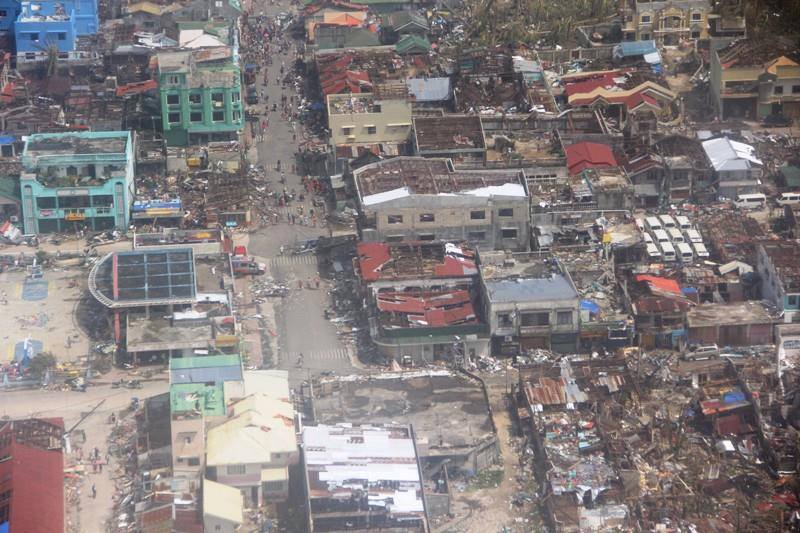
The Mayor of Tacloban urged residents of this typhoon-ravaged city on Wednesday afternoon to flee to other cities and find shelter there with relatives if they could, saying that the local authorities were struggling to provide enough food and water and faced difficulties in maintaining law and order.
“I have to decide at every meeting which is more important, relief goods or picking up cadavers,” he said.
**
More details as the team continues to assess situation.
@rusnivek
Possible deployment: Philippines
City: Guiuan, Eastern Samar
Flight Plan: CLE – JFK – Manila – Guiuan (Manila to Guiuan via C-130)
Duration: 10-days
*
Update: First C-130 in Guiuan w/ supplies at 11-13-13 at 0440.
**
Unconfirmed, but anticipated Philippine military to provide security.
***
More details as the team continues to assess situation.
@rusnivek
Possible deployment: Philippines
City: Guiuan, Eastern Samar (CLE-JFK-Manila-Guiuan)
Duration: 10-days
*
Disaster: Typhoon Haiyan / Hurricane Yolanda
Initial Typhoon strike: Friday November 8, 2013 at 0440
**
Assignment: Incident Management
Tasks:
1. Incident Management/Incident Response Team
2. Urban Search and Rescue
3. Triage and Medical
4. Long Term Recovery
***
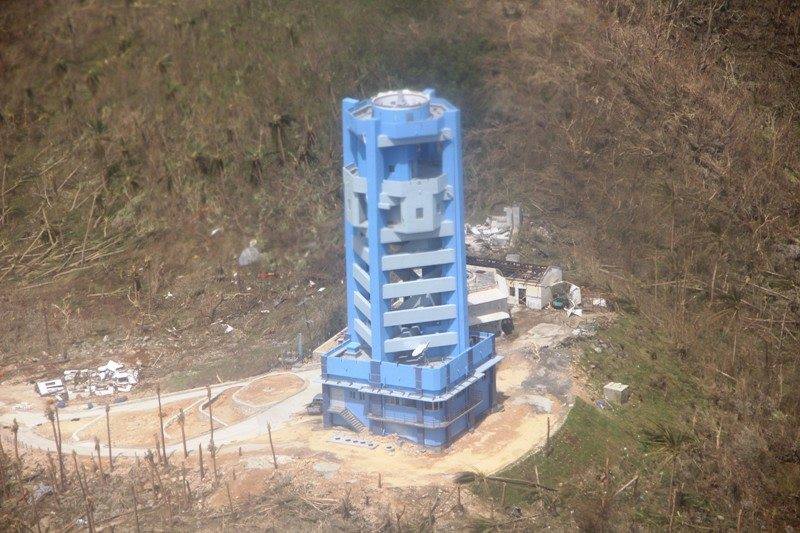
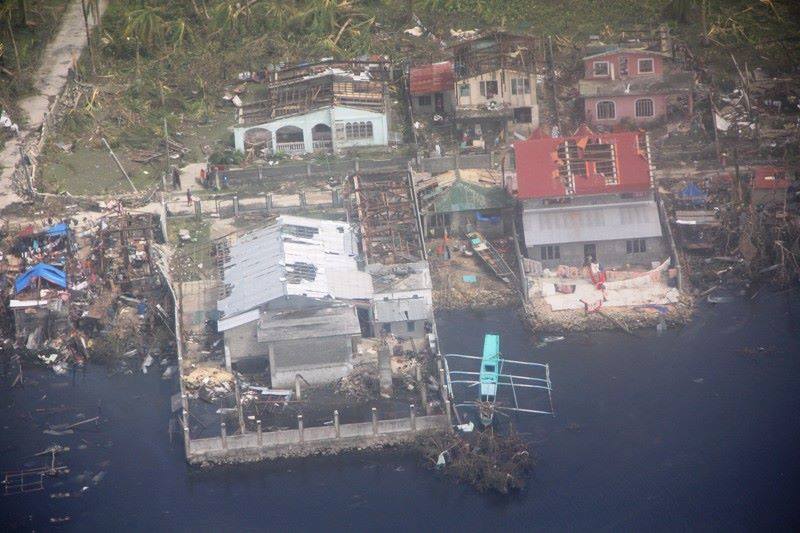
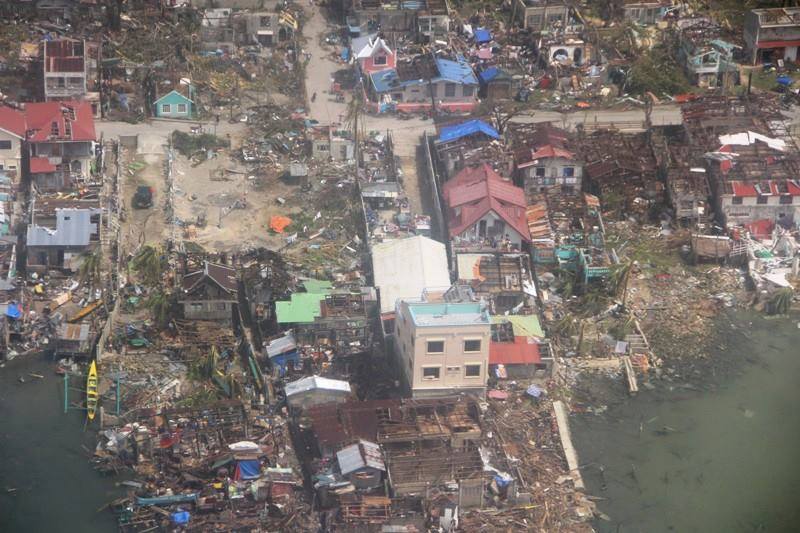
Projected deaths in Guiuan, Eastern Samar: (Unconfirmed) Estimated 100 dead / 50 in mass graves
Local law enforcement: Non-existent
****
Population (in 2010): 47,037
Aerial surveillance pictures provided to team from The Armed Forces of the Philippines (AFP) Central Command.






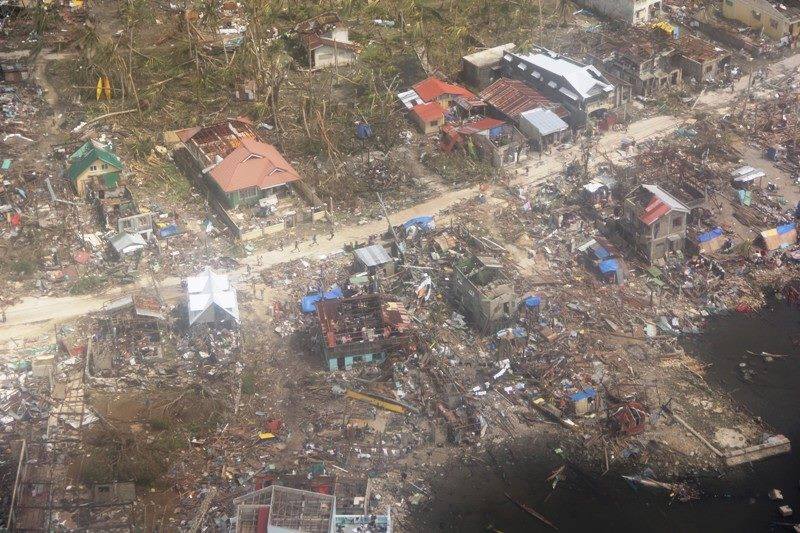


*****
More details as the team continues to assess situation.
@rusnivek
 Where is @rusnivek?