Um, I just passed Smokey the Bear (@smokey_bear) here in southern Ohio.
DUDE-ARE YOU OK?
Smokey – R U OK!?!?!?
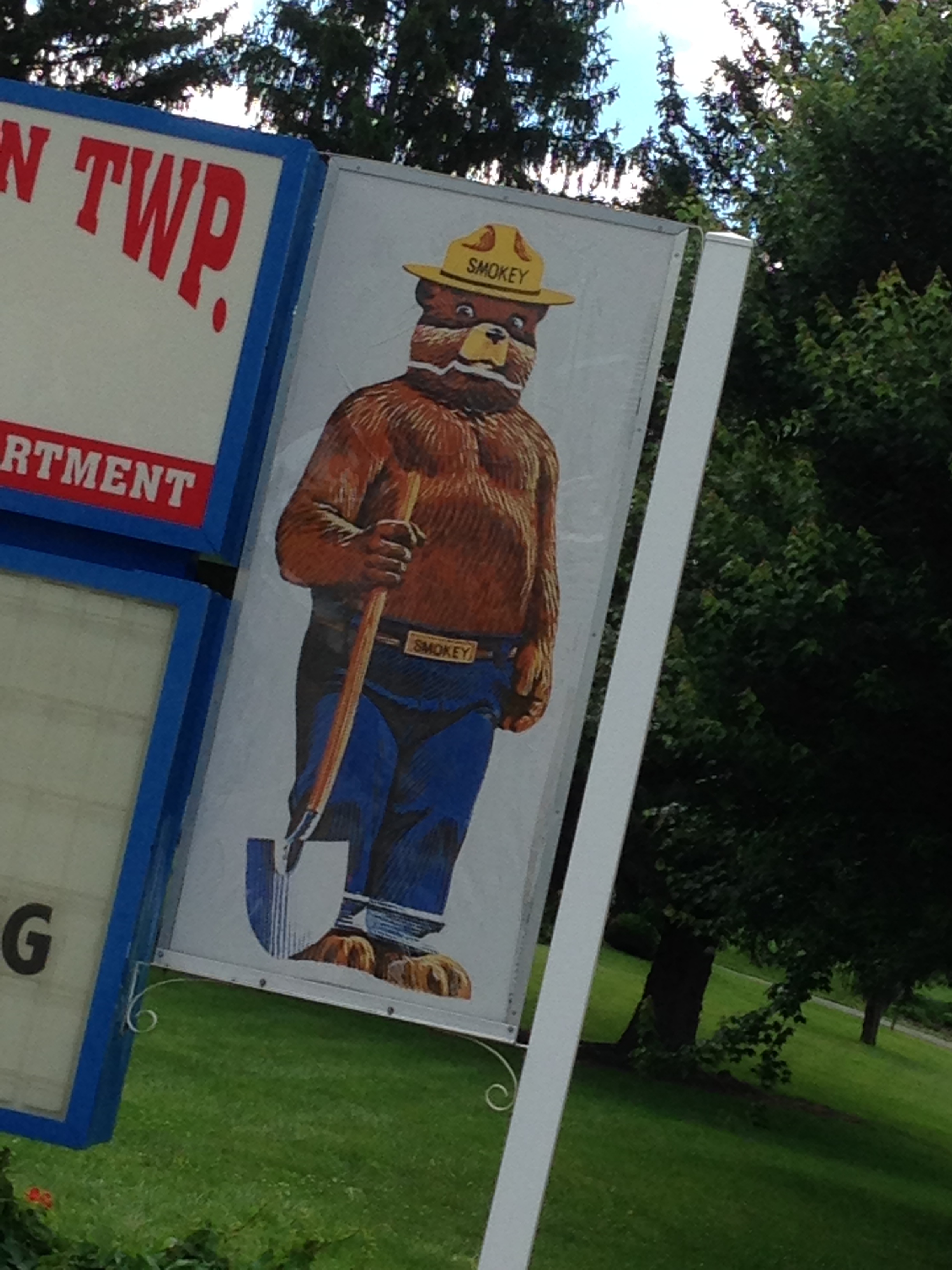
Does your neck hurt? Where are my EMS protocol for bear injury!?!?!?
I’m still a little fuzzy on what happened here…

Um, I just passed Smokey the Bear (@smokey_bear) here in southern Ohio.
DUDE-ARE YOU OK?
Smokey – R U OK!?!?!?
Does your neck hurt? Where are my EMS protocol for bear injury!?!?!?
I’m still a little fuzzy on what happened here…
March has turned into a gigantic month!
First week, I’ll be in Kansas (Region-7).
Second week, I’ll be in Pennsylvania (Region-3).
Third week, I’ll be in Ohio…more specifically rolling out a brand new social media course for FEMA in Cincinnati (Region-5).
Fourth week, I’ll be in southern Ohio teaching more PIO stuff for health departments (still in Region-5).
Fifth week, I’ll be in Kentucky (Region-4).
I’m trying to squeeze in a tactical course w/ the lads from ICE somewhere in there, but I’m not making any promises.
March is indeed a busy month.
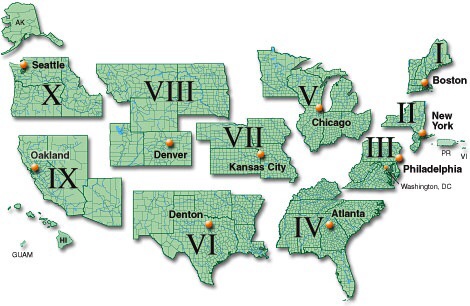
Are we there yet?
Hello 2015! After a nice 2014 holiday season, 2015 seems to be filling up fast.
First few weeks include special projects in with FEMA Region-9 and Region-5. In fact, next week I have to update a few friends at the White House (I better turn my spell Check on). Third and fourth week will be NIMS/ICS training in southern Ohio.
Sometime in January, I should complete my special commerce project for my Ohio peeps. All-hazards right?
Happy New Year everyone – wishing you a prosperous 2015!
Ahhh, the smell of Saturday…in the last day of the second week in 2014 National Preparedness Month.
“Be Disaster Aware, Take Action to Prepare”
Finishing strong in week-2!
This week’s theme is consistent with FEMA’s National Preparedness Campaign: Know How To plan for specific needs before a Disaster.
#13: Plan with religious agencies to support recovery efforts after a disaster. Keep an updated list at the ready. #NatlPrep #Prepared2014
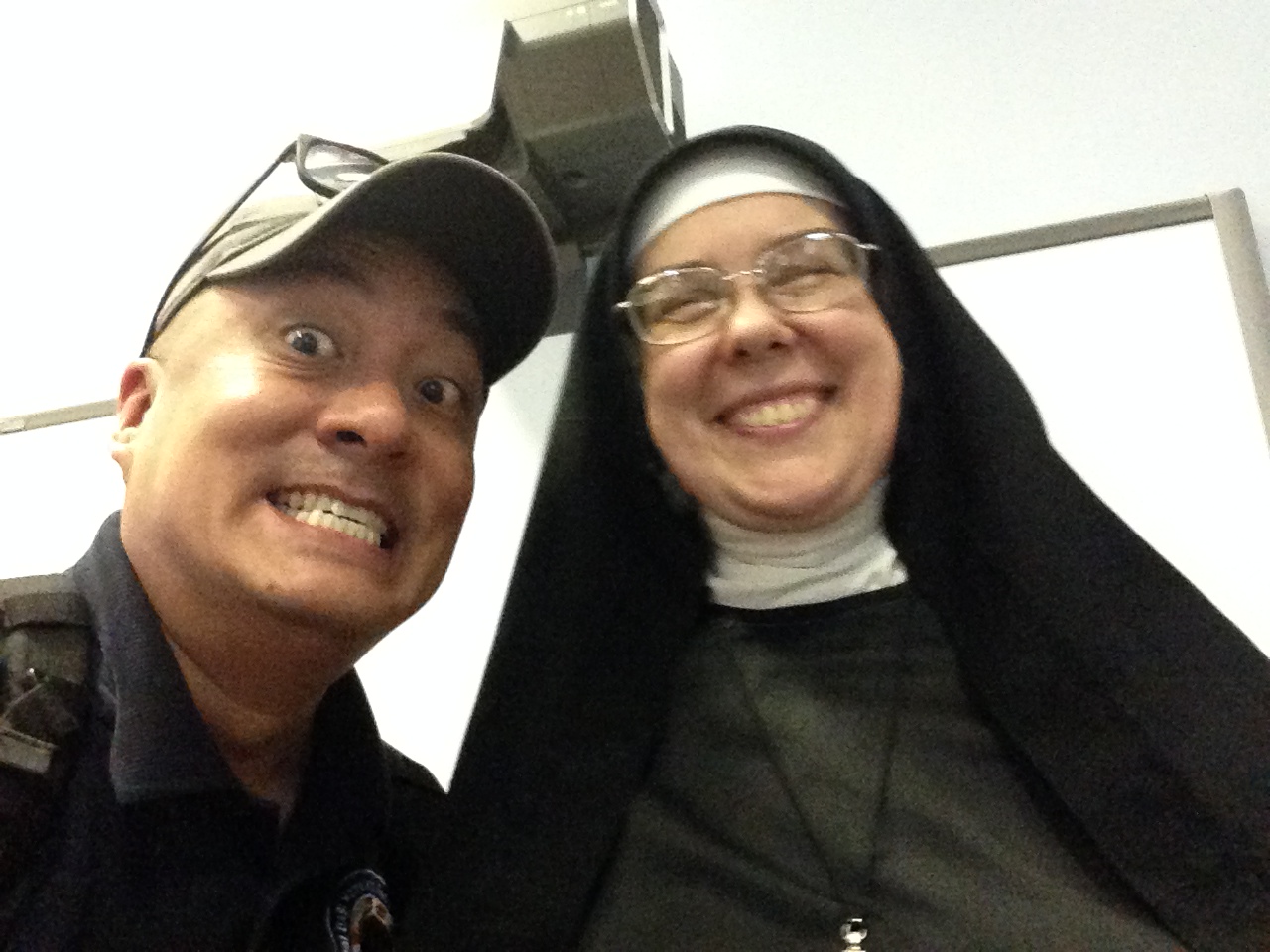
Now, I’m not much of a church guy…however you don’t need to be religious to realize these services exist. It would be well worth your time to learn what groups are active and which ones could support your recovery efforts after a big disaster.
So keep a current list with names and phone numbers of groups who are active in disaster recovery. As an example:
And if you don’t use them, maybe your neighbors could utilize their services.
All planning should force you to think outside-the-box when addressing unmet needs. All of these groups are a vital part of our All-Hazards response in rebuilding every community post-disaster.
 Where is @rusnivek?