Is this flooded roadway safe? You tell me…. #TADD #Prepared2014

This week is National Flood Safety Awareness Week (March 16 – 22, 2014).

To help clarify some misconceptions about water and flooding, let me make it very clear – NEVER drive through flooded roads. Here’s a great example. We were dispatched after a few reported calls of a flooded roadway. Looks innocent enough right?

OLYMPUS DIGITAL CAMERA

Just because it’s downhill does NOT mean it is any safer…in fact, it is more dangerous.

  1. Gravity will move/flow the water faster.
  2. More water will cause you to lose control of your vehicle or possibly sink your vehicle and/or drown you.
  3. More water will remain at the bottom of the hill will definitely cause damage to your vehicle.

So how can you share this safety message with others?

  • Continue to share the message of Turn Around, Don’t Drown = #TADD (National safety campaign phrase)
  • Flash flooding can occur anywhere – even within metropolitan and urban areas.
  • Avoid areas that are frequently flooded.
  • Always follow instructions from your local emergency service professionals.
  • Report any flooded roadways to the proper authorities.
  • NEVER drive through flooded roads.

It’s really bad news if we have to meet like this…

DVC00088

If you were wondering, that’s me on the right

Do your part in #Prepared2014 by being safe this year.

@rusnivek

2014 National Flood Safety Awareness Week #TADD #Prepared2014

This week is National Flood Safety Awareness Week (March 16 – 22, 2014).

Did you know that floods are the #1 natural disaster in the US? Just within the past five years, all 50 states have experienced floods or flash floods.

No%20Drowning

How can you help?

Share these easy safety tips with your constituents on flood safety:

  • Turn Around, Don’t Drown = #TADD (National safety campaign phrase)
  • Flash flooding can occur anywhere. If there is a possibility of a flash flood, move to higher ground. Always follow instructions from your local emergency service professionals.
  • NEVER drive through flooded roads.
  • Use local alerts and warning systems (like iPAWS and WEAs) which can send localized information about your immediate area.
  • Stay away from damaged areas unless your assistance has been specifically requested by police, fire, or relief organization.
  • Just a few inches of water from a flood can cause thousands of dollars in damages.
  • Do you know if you live in a flood zone? Find out here for free.

FloodSafety_poster_date

So check your emergency preparedness kits and make sure you are ready!

10012615_10100544482624277_989186021_n

@rusnivek

Free Wireless Emergency Alerts from @FEMA #OHWX #Prepareness2014

It’s 2014 National Severe Weather Awareness Week from March 2nd through March 8th.

Today, we will focus in on wireless mobile notification alerts!

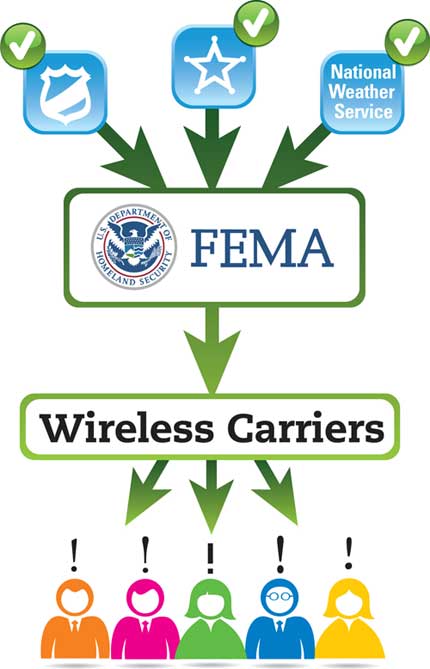
Have you heard of Wireless Emergency Alerts (WEAs)?

  • Alerts received at the right time can help keep you safe during an emergency. With WEA, warnings can be sent to your mobile device when you may be in harm’s way, without need to download an app or subscribe to a service.
  • You can receive important lifesaving alerts no matter where you are – at home, at school, or at work. Numerous public safety officials use reliable systems to alert you and your family in the event of natural or man-made disasters. Many communities also offer emergency alert notifications through their own systems.

fema-wireless-emergency-alert-procedure

Do you know what the Emergency Alert System (EAS) is used for?

  • The Emergency Alert System (EAS) is a national public warning system that requires broadcasters, satellite digital audio service and direct broadcast satellite providers, cable television systems, and wireless cable systems to provide the President with a communications capability to address the American people within 10 minutes during a national emergency.

IMG_3311 copy

Meshing all technologies together, do you know how the Integrated Public Alert & Warning System (IPAWS) is already helping everyone?

  • The Integrated Public Alert and Warning System (IPAWS), is a modernization and integration of the nation’s existing and future alert and warning systems, technologies, and infrastructure.
  • IPAWS’ EAS is the message dissemination pathway that sends warnings via broadcast, cable, satellite, and wireline services. EAS may be used by state and local authorities, in cooperation with the broadcast community, to deliver important emergency information, such as weather information, AMBER alerts, and local incident information targeted to specific areas.
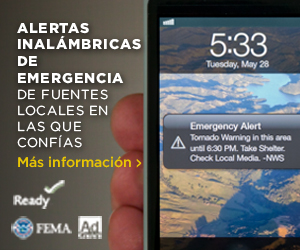
  • The Emergency Alert System (EAS) is a national public warning system that requires broadcasters, satellite digital audio service and direct broadcast satellite providers, cable television systems, and wireless cable systems to provide the President with a communications capability to address the American people within 10 minutes during a national emergency.300by250_Spanish_5

At this time in Ohio, the Integrated Public Alert & Warning System (IPAWS) authorities who have completed the authentication steps are:

1. Ashtabula County

2. Clark County

3. Delaware County

4. Fairfield County

5. Geauga County

6. Lucas County

7. Ohio Emergency Management Agency

8. Tuscarawas County
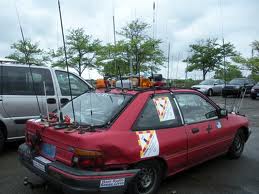
ant

Hope you are paired with one of these local agencies to receive better information during severe weather or major emergency…otherwise, you’ll be left out in the dark.
photo 2

@rusnivek