

It’s Monday…but I think I found my favorite MRE.
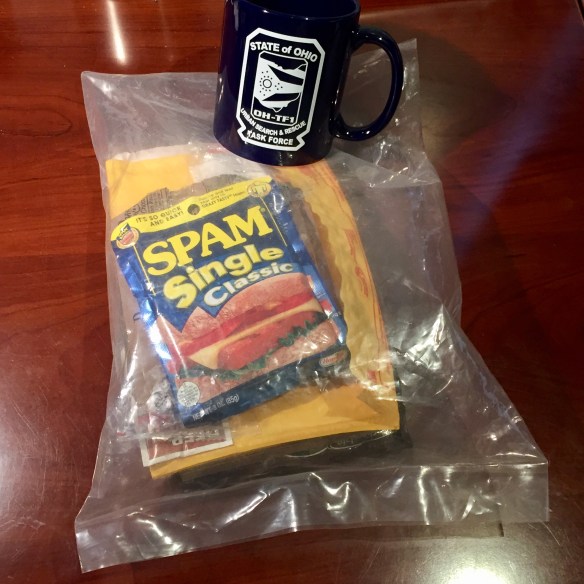
Special thanks to my peeps at DHS/FEMA USAR Ohio Task Force-1.
Open up the twitter and…..

Dam. I should have paid more attention this weekend.
Mandatory evacuations.
Accounts: @MarysvillePD @CountyofButte @NWSSacramento @CaltransDist3 @CA_DWR
Hashtags: #OrovilleDam #CAWx #TADD #CAFlood
YouTube Live: State of California Emergency Operations Center Live feed: https://www.youtube.com/watch?v=CJVG0z1g6Eo
Dam-mit.
Say hello to the newest All-Hazards Incident Managment Team Logistics Section Chiefs!

Photo Credit: Jeff Vaughn, FEMA USAR Ohio Task Force-1
Keep it real peeps.
Always remember, Logistics makes the magic happen.
Day-5: Final day of the DHS/FEMA Ohio EMA All-Hazards Incident Management Team Logistics Section Chief course.
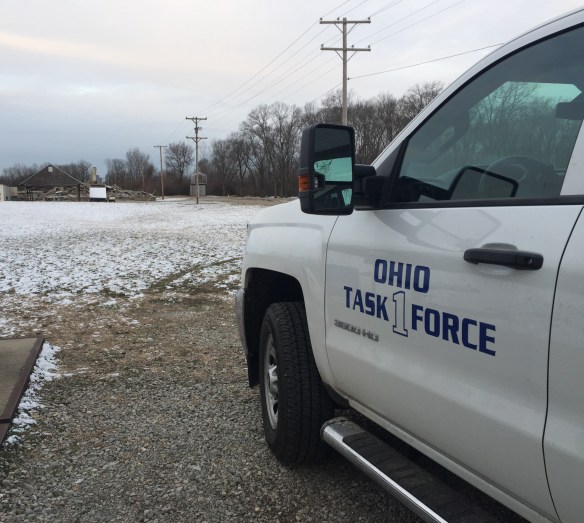
Again, special thanks to FEMA USAR Ohio Task Force-1 for hosting this week.
Solid morning as we talked about how the LSC frequently meets with the PSC well before much of the action happens.

In fact, it is likely that the LSC is at least 5 steps ahead of the OSC – to plan to supply and equip our tactical operations with the stuff they need.
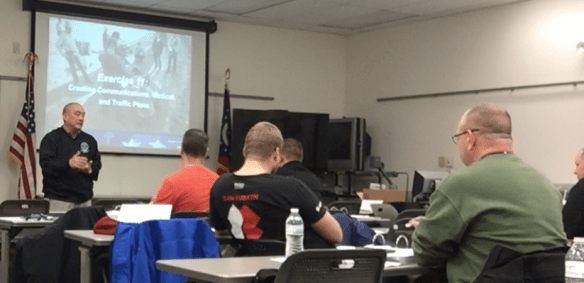
Ohio EMA LSC Phil Johnson brief the class on how county agencies interact with our activated State EOC focusing in on resource ordering and task assignments.
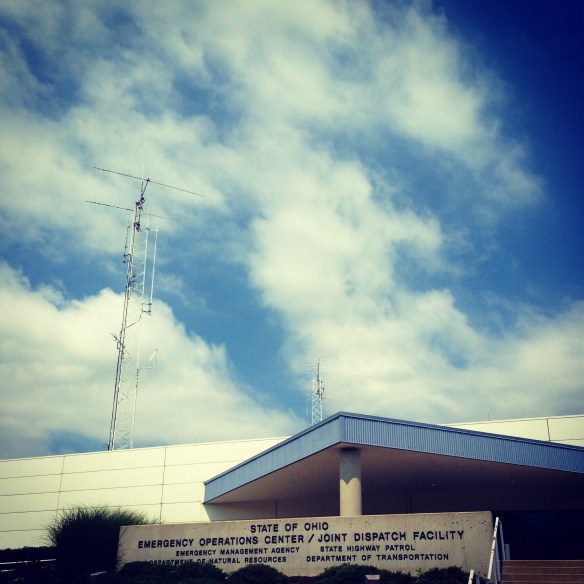
Like good Logistics Section Chiefs, we debated the merits of pre-staging resources before they are needed for faster deployments and anticipating needs (leaning in).

Lots of discussion on EMAC and the success that the State of Ohio had with 2016 events including the 2016 Republican National Convention which was classified as a NSSE.

We discussed demobilization plans as well as factors that could contribute to delayed demob. As always, we emphasize on the safe return of all crews from disaster deployment.

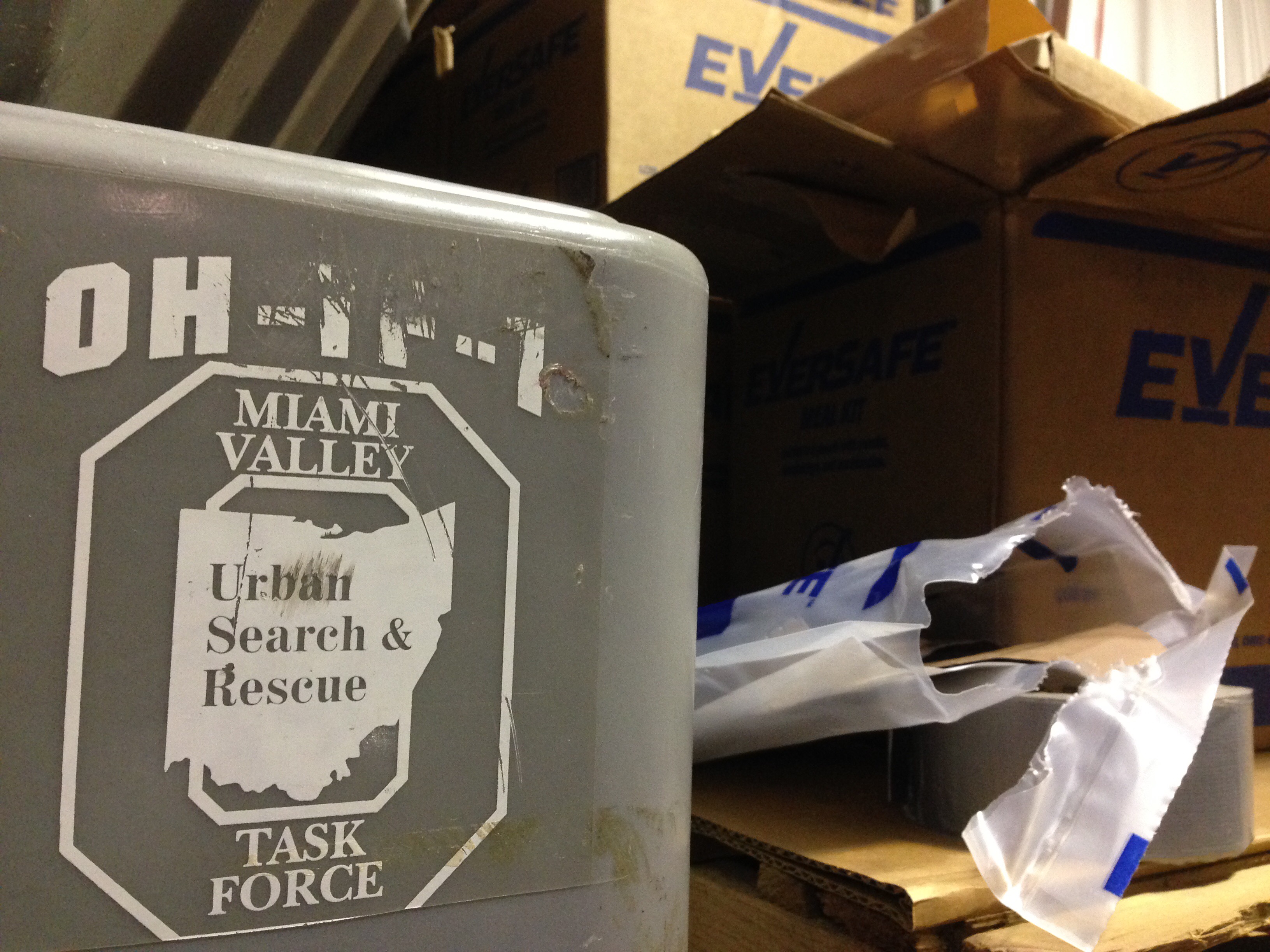
At the end of the day, we were able to tour the DHS/FEMA USAR OH-TF-1 facility.

Amazing stuff!
Logistics plays a HUGE part of daily operations as they have thousands and thousands of pieces of deployable items needed for disaster operations.
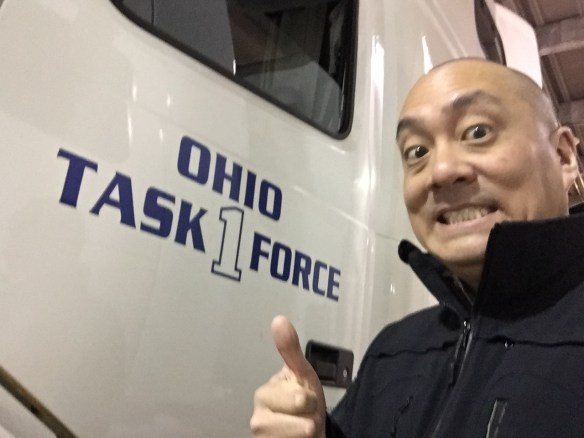
So as you can see, LSCs have an insurmountable task of keeping order during non-disaster times.
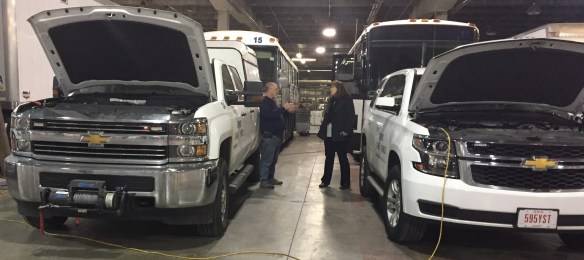
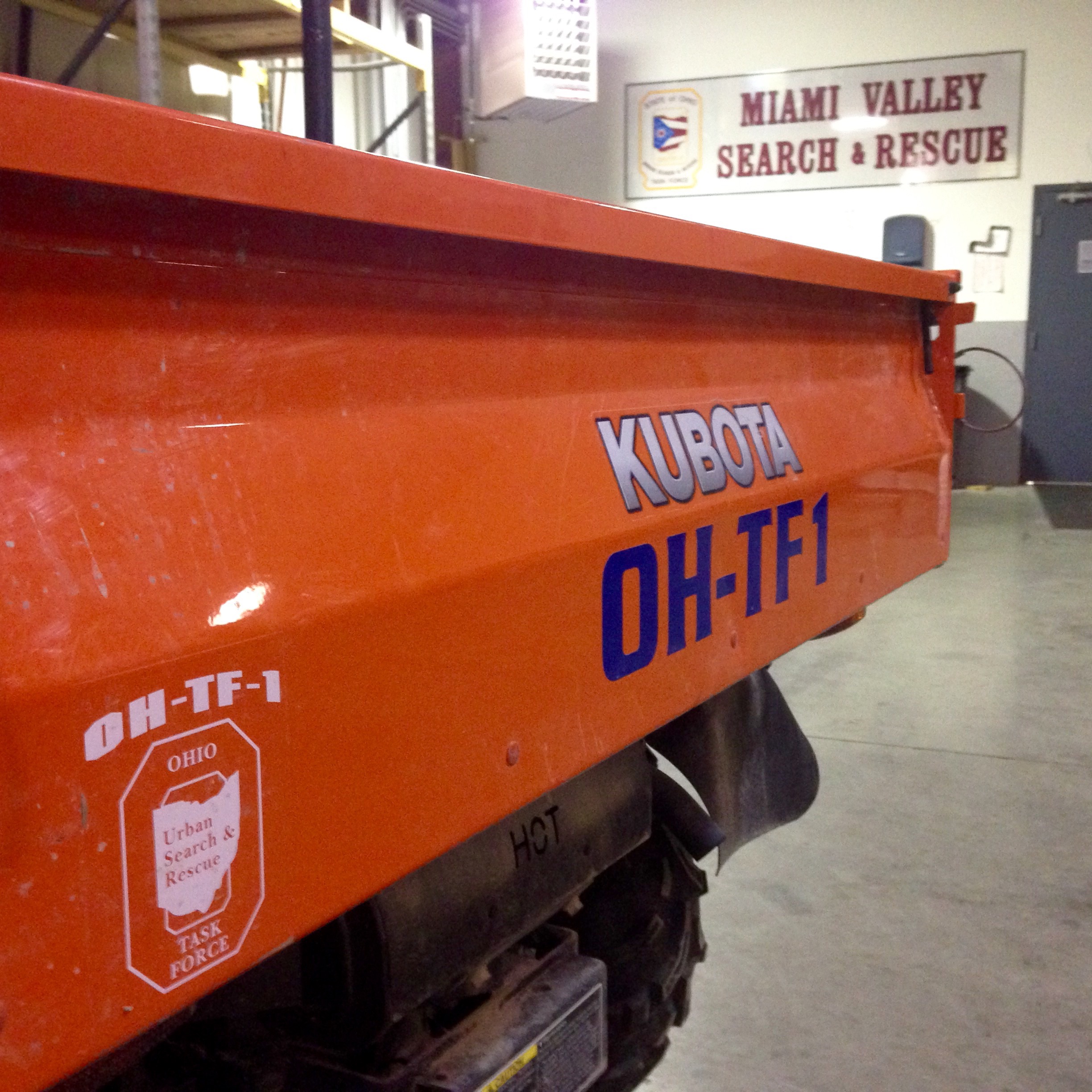
For those in the military and are truly Logistics pees, I believe this is an amazing piece of equipment.

If you are a pro, and like to sling load your stuff, you should consider getting a few.
Special thanks to all the pros from DHS/FEMA Ohio USAR Task Force-1.
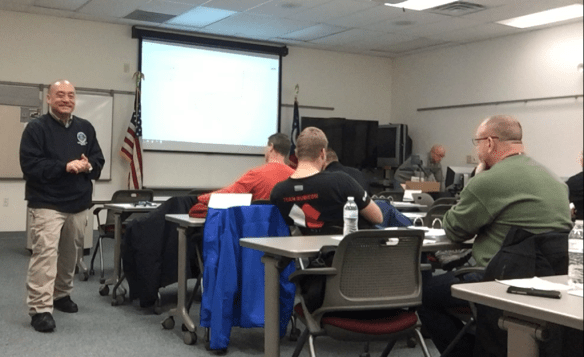
Yes it’s Friday. Look closely. That is an Aloha Shirt.
Superb ending of class with participants from numerous states on this #AlohaFriday!
Proud to serve my country and train other IMT LSCs from across this great nation.
Day-4 in the All-Hazards Incident Management Team Logistics Section Chief course we continue to enhance the skills of participants to include briefings and Situational Awareness / Common Operating Picture (SA/COP).

And as a AH IMT LSC, leaning in is a learned skill from experienced disaster response professionals.
It is not an innate behavior.
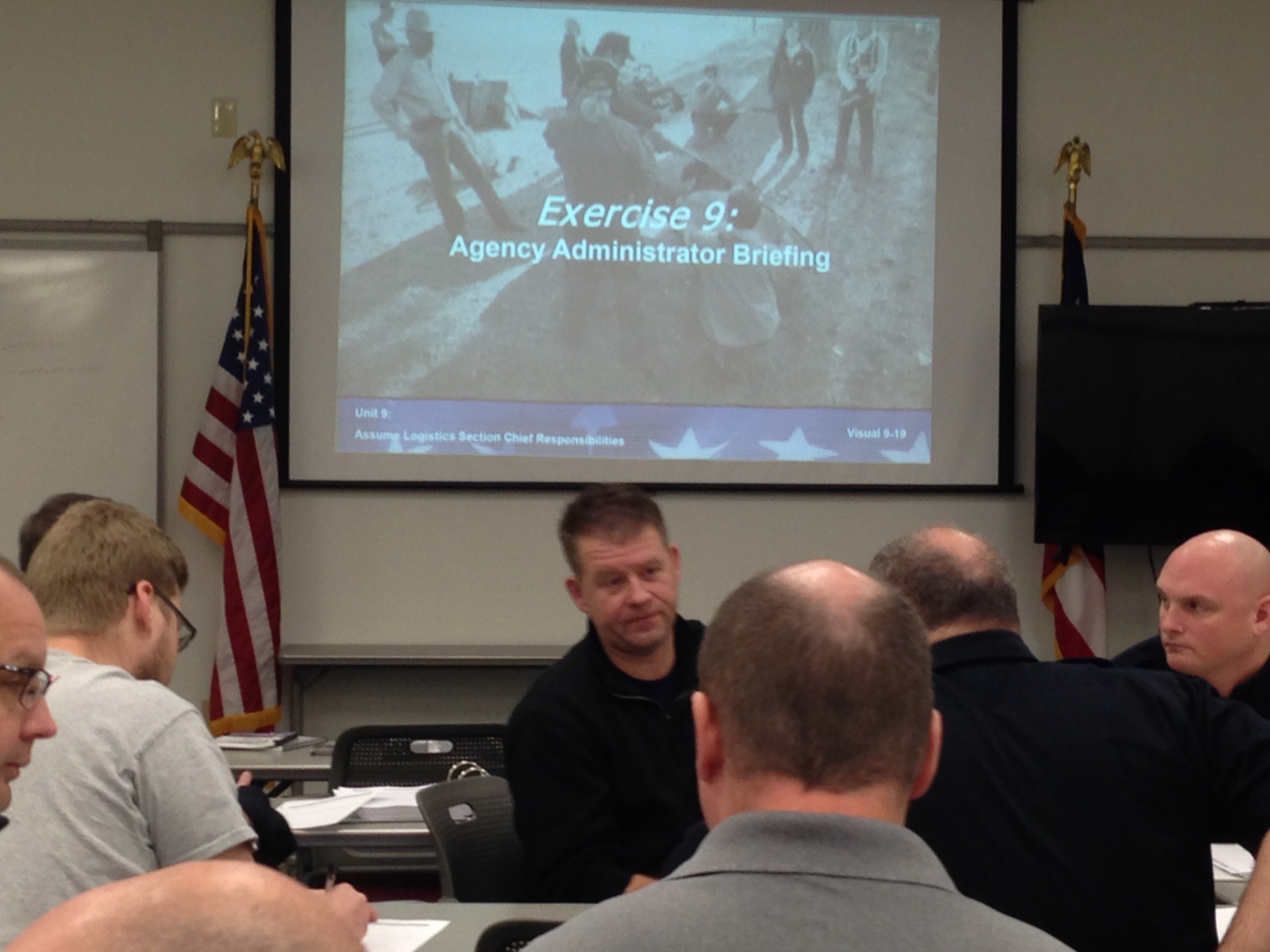
Lots of stories from NYPD’s ESU team members, great deployment tips from the Tennessee Task Force-1 members.
(BTW-did you know TN-TF-1 is the most deployed FEMA USAR team in the nation?)
With so many all-hazards pros in our class, it’s been a great class.
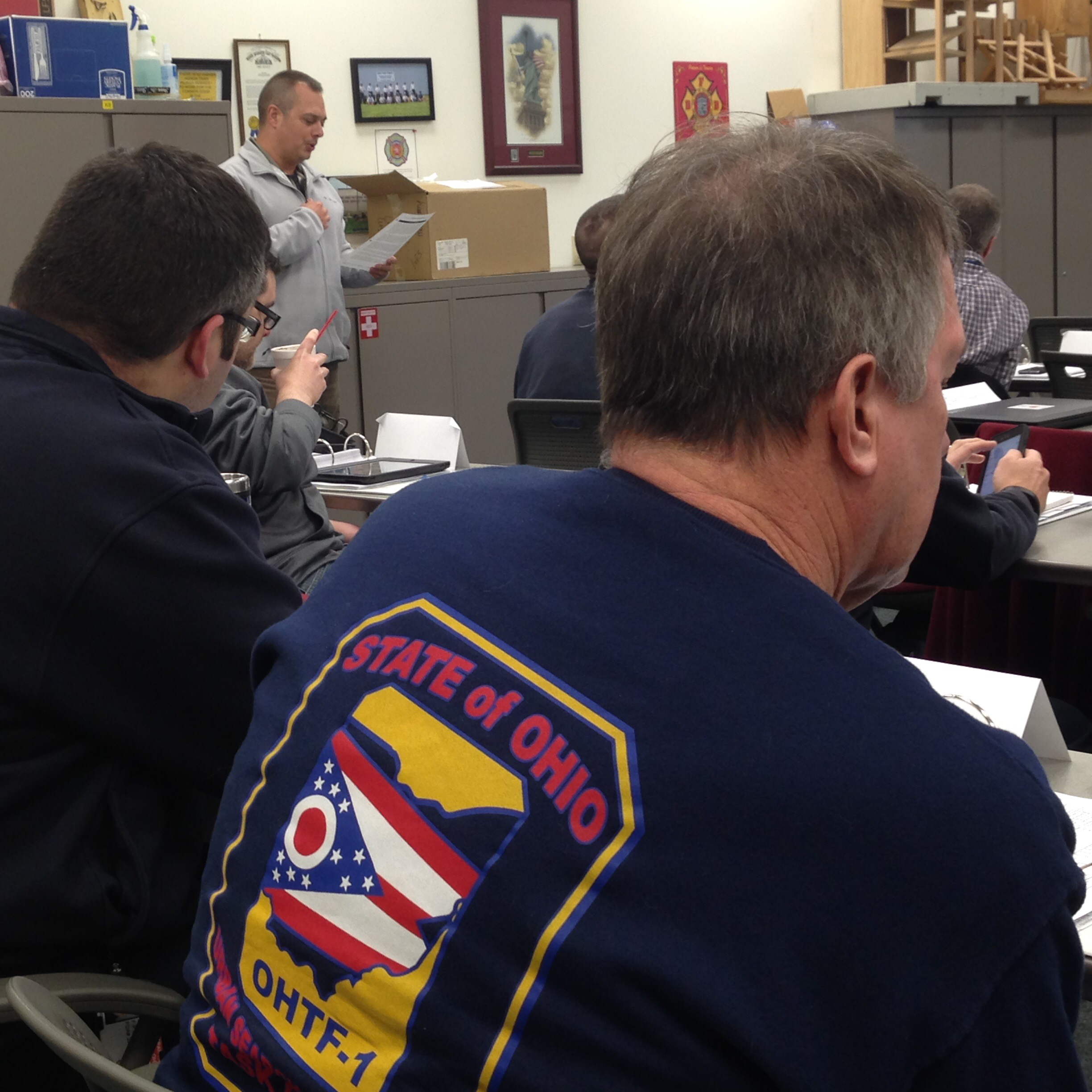
By simulating various briefings and updates, participants can train for real-world briefings with the rest of the Command and General Staff (C&GSF).
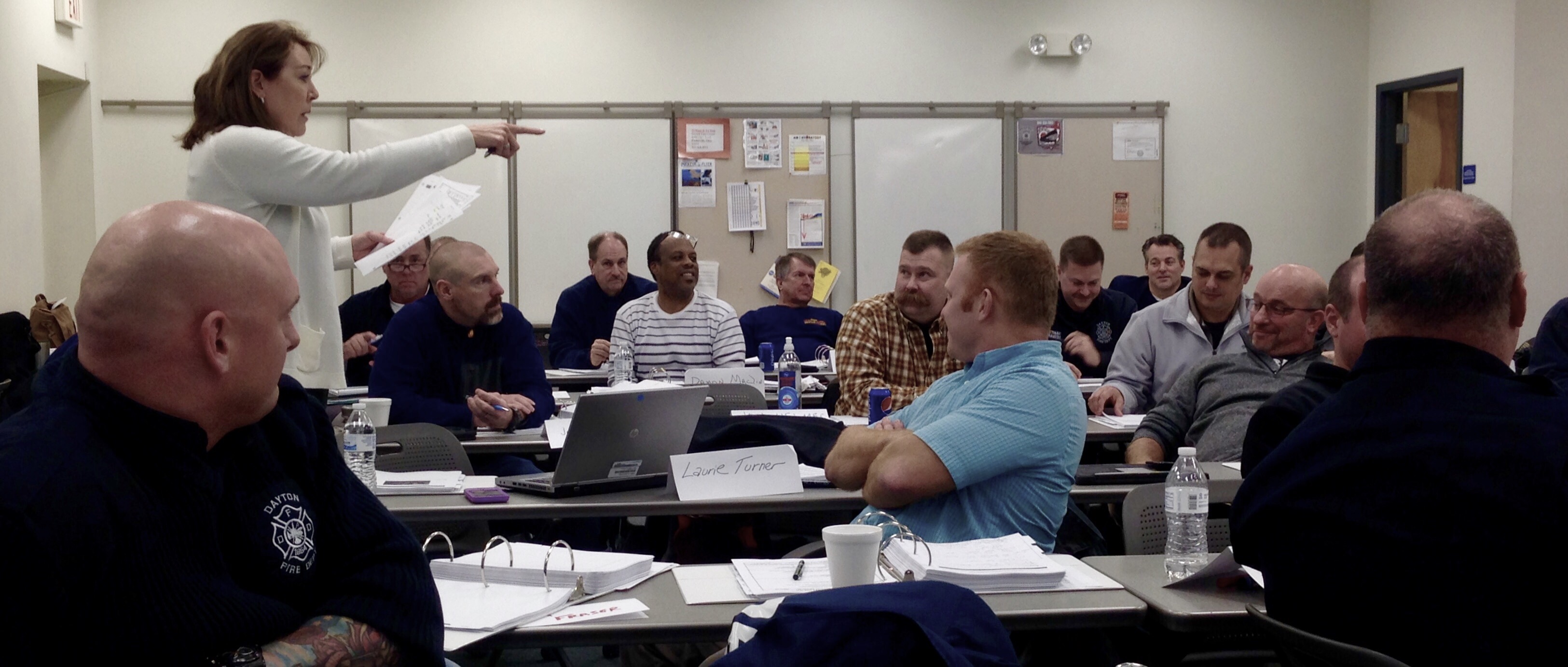
Lots of fun as groups report out.

Even got a chance to PIO tweet from the front of the class.
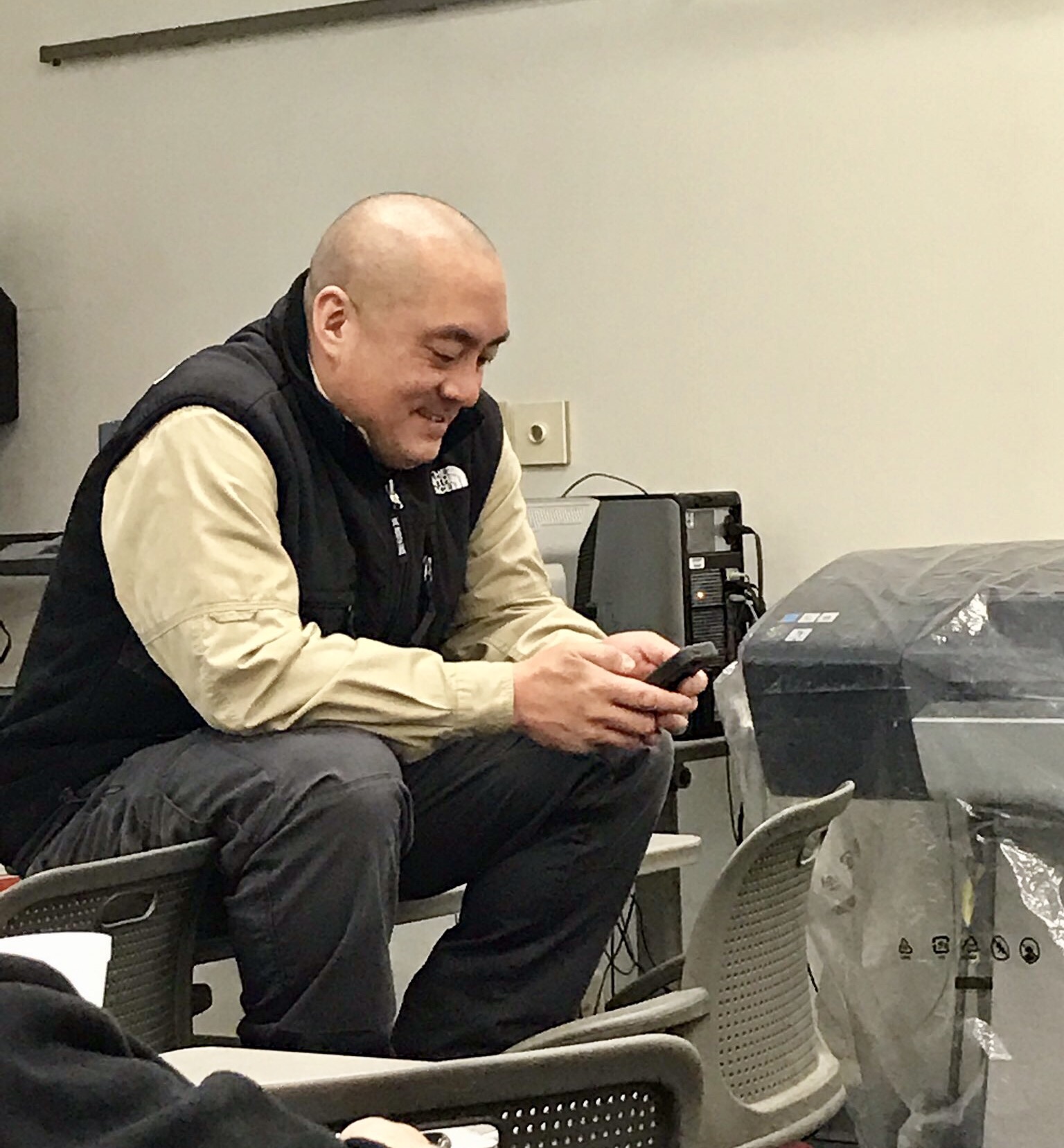
PC: A. Ingram
I know, you are shocked. #OMG
Don’t worry, FEMA HQ has an eye on my class.
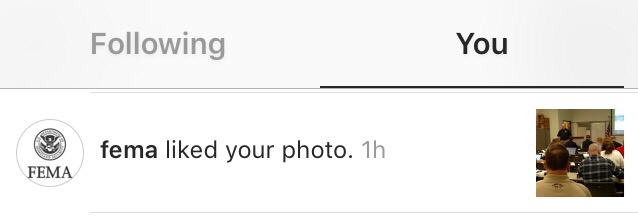
Mahalos to my fantastic FEMA Insta squad in DC.
My attendees from all over this great nation: Ohio, Illinois, West Virginia, Tennessee, New York, and Michigan.
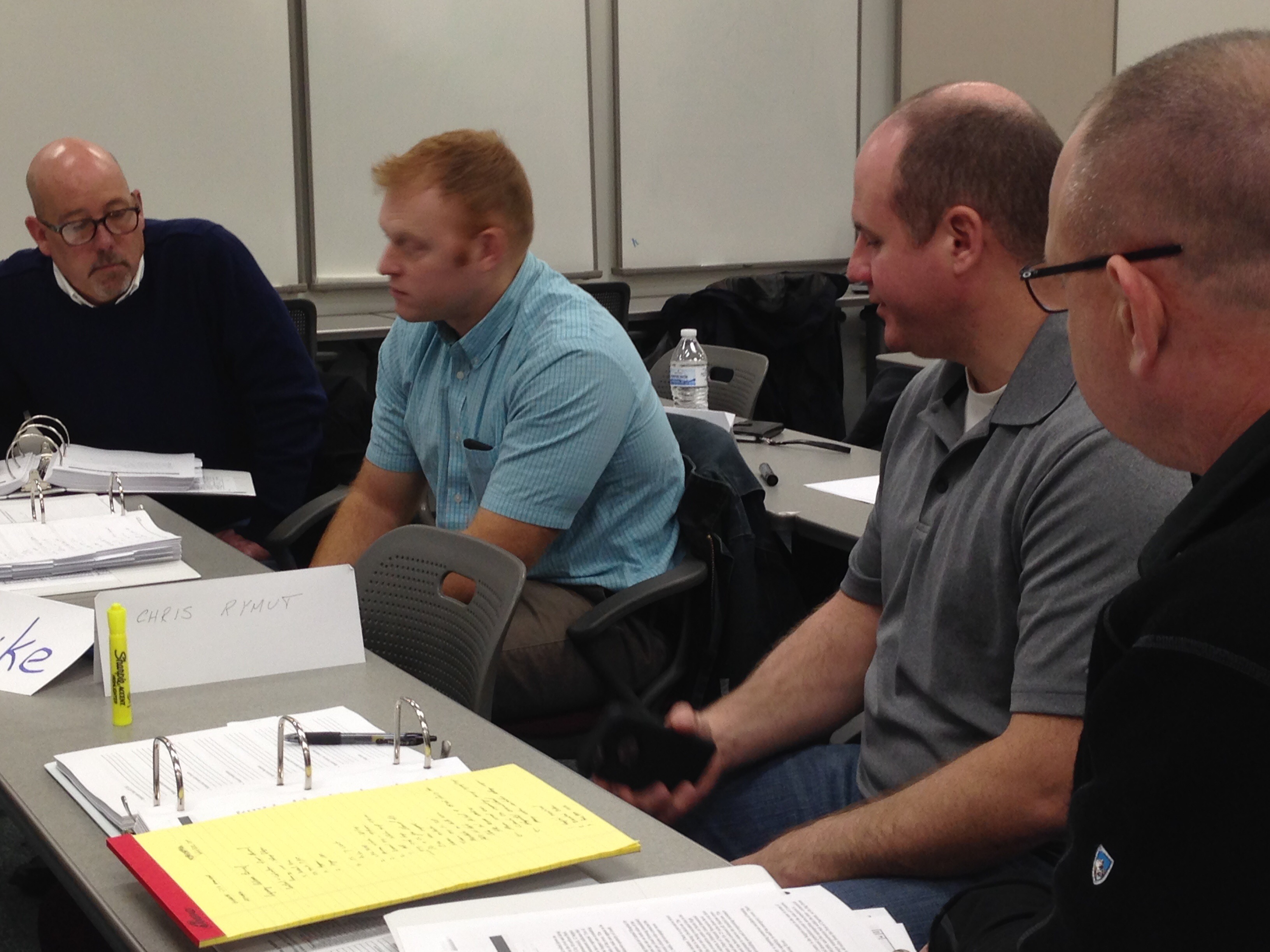
Looking forward to tomorrow cause you know it’s #AlohaFriday.
Logistics makes the world go round.

Reporting live from Ohio Task Force-1….
Great start to Day-3 of our FEMA All-Hazards Incident Management Team Logistics Section Chief course.
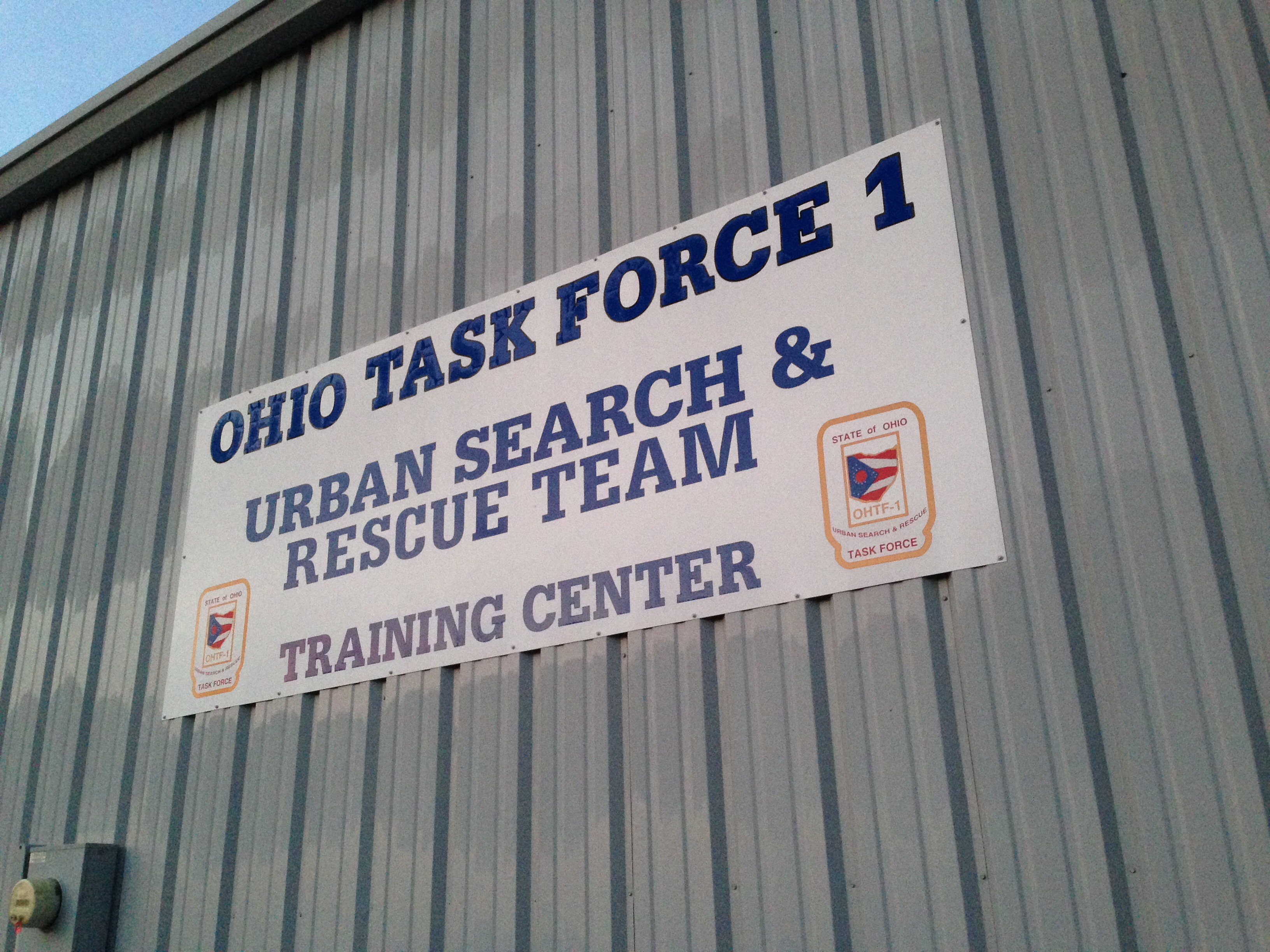
Welcoming the class this morning was Ohio Task Force-1 Team Leader Evan Schumann.

Over the years, Ohio Task Force-1 has been deployed to numerous national disasters.
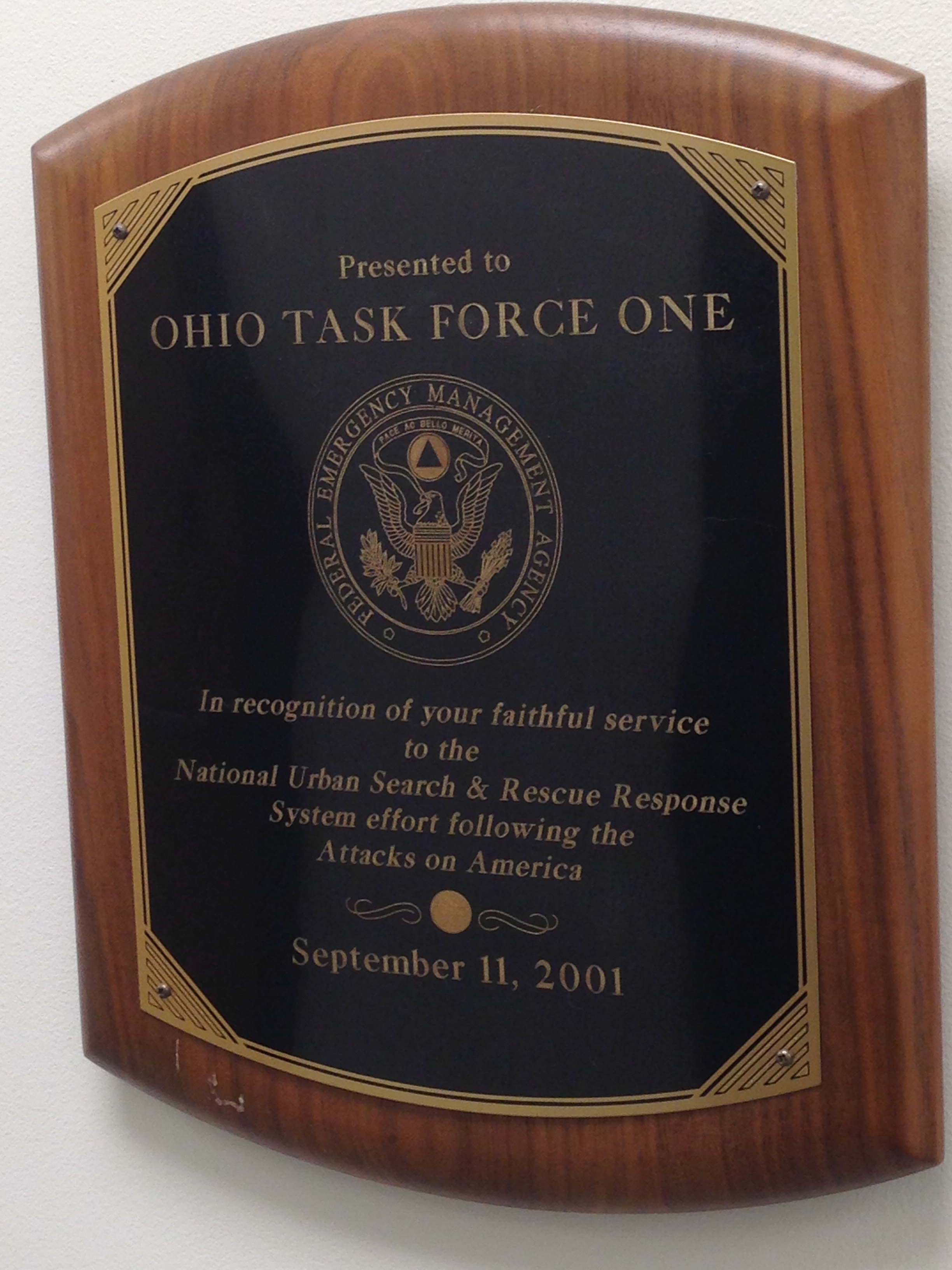
You know me, I’m always proud of our entire state.
Their involvement with many others USAR teams across the country is critical in keeping the nation safe.
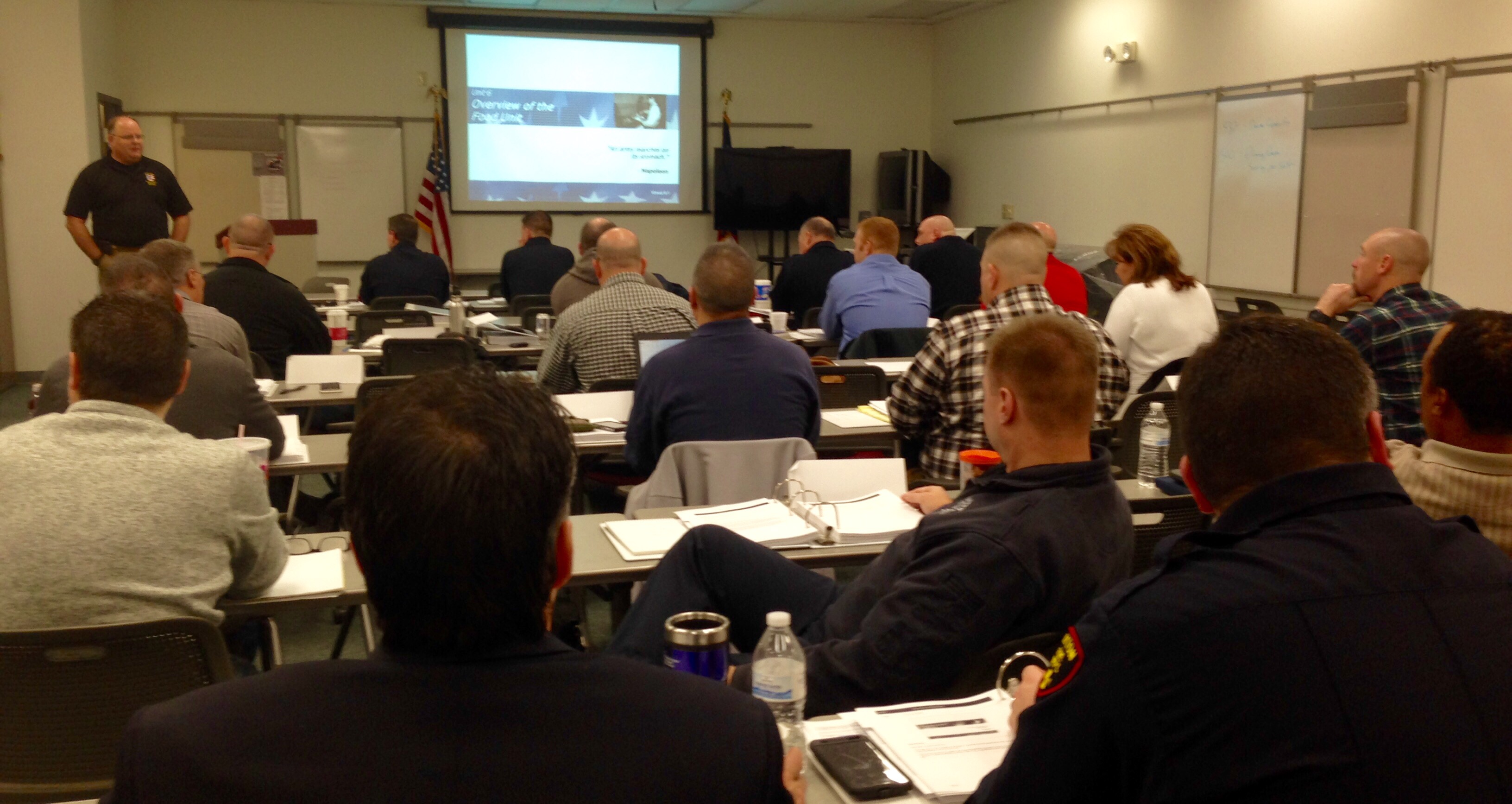
Today’s topics to includes:
Key positions in the Service Branch under the Logistics Section Chief (LSC).
(That was your quick ICS online lesson for today. Reference your ICS Form 207 for more info)
Numerous agencies contributing great info today. Sharing of ideas are key.

Additionally, we have several Tennessee Task Force Team members in our class. Great disaster experience and sharing of ideas for any LSC.
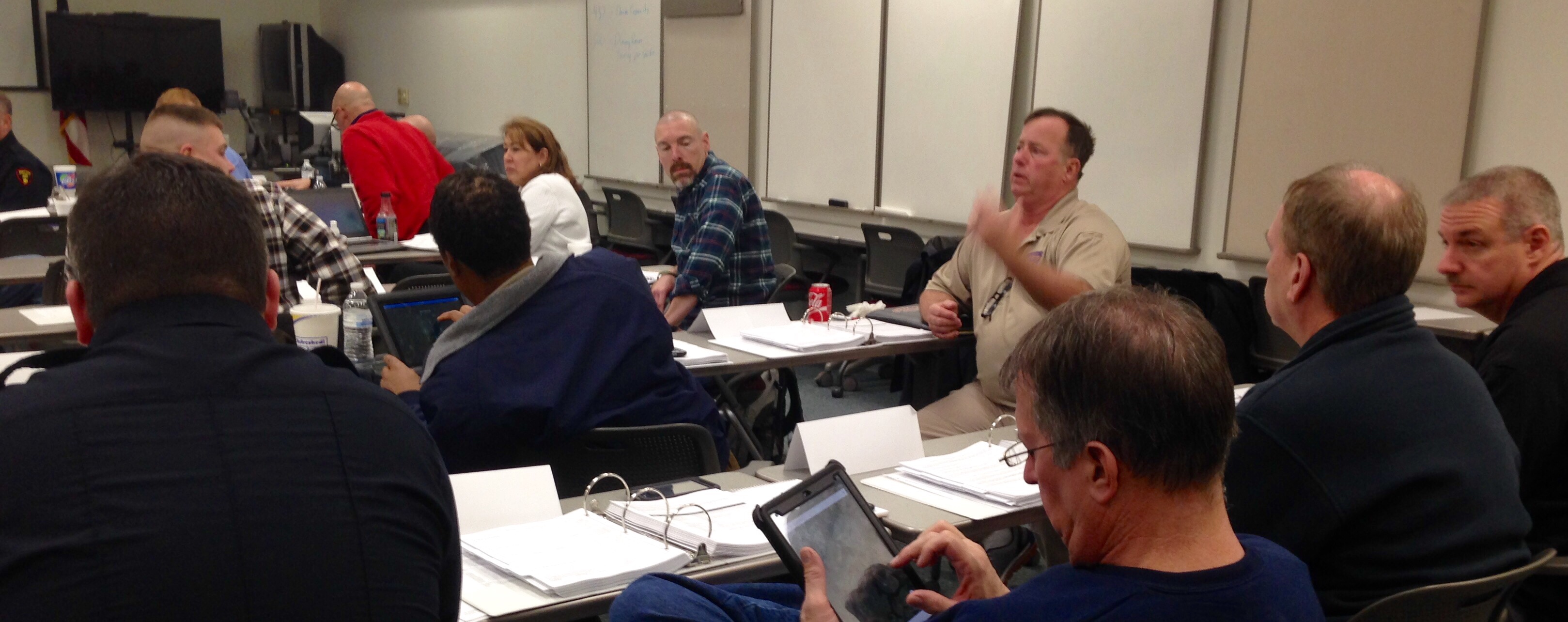
DYK: Tennessee Task Force-1 is the most frequently deployed FEMA USAR Team in the nation.
Lots of discussion on resources and what kinds of equipment will be needed to support the BOO (Base Of Operations) as well as staging areas and keep personnel adequately fed.
Feeding Incident Management Teams seems like an easy task, but when you really look at providing healthy options and meeting all dietary options isn’t as easy as you think.
Bonus points for staying within budgets and caloric intake too.
And then allocating the resources neeeded to maintain and regulate these supplies are key piece in any disaster response.
This disaster response stuff ain’t easy!
Looking forward to Thursday’s class which will include deployable resources and equipment. What logistician doesn’t love that kind of stuff!?!?!
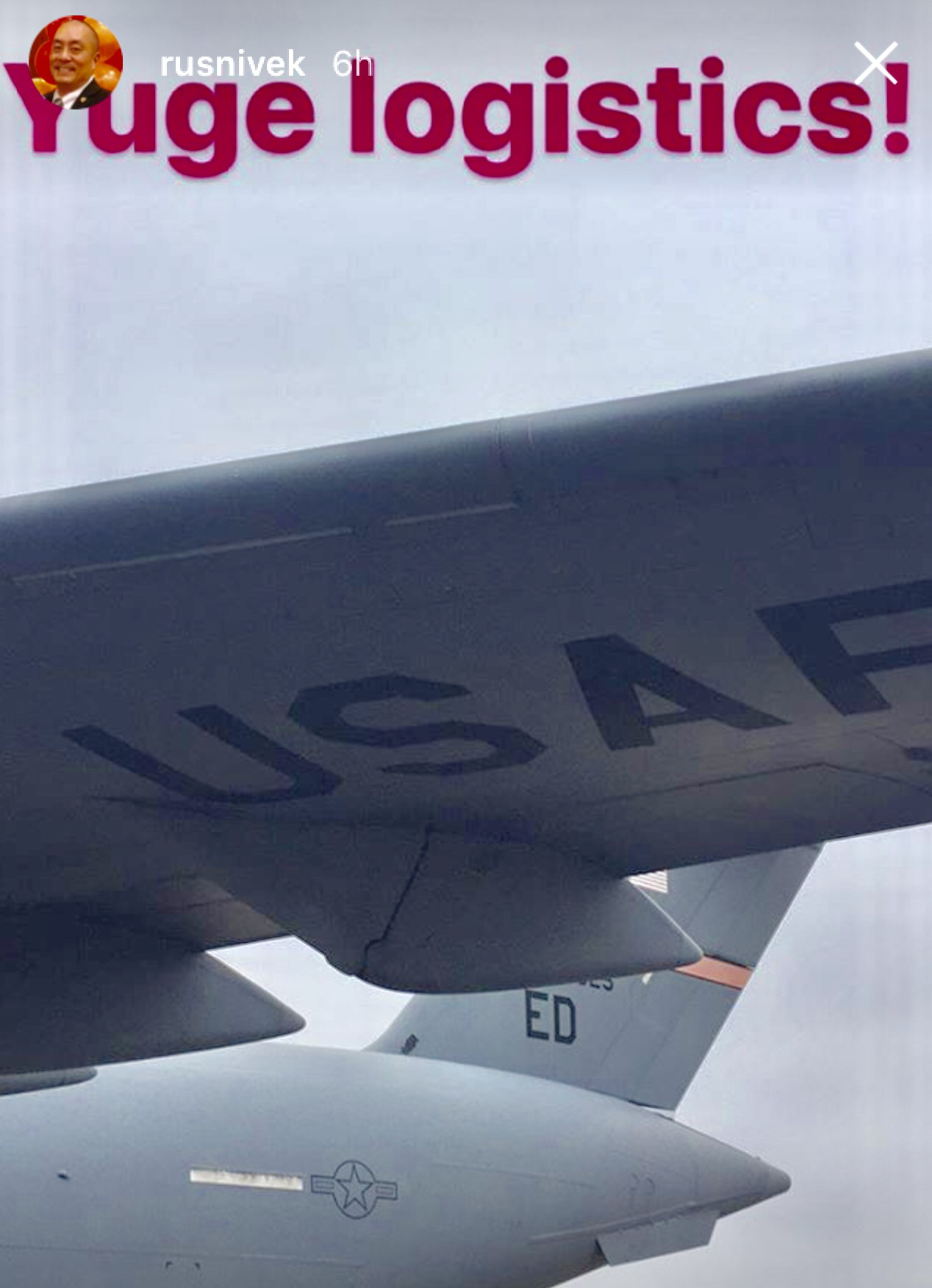
Reporting live from the home of Ohio Task Force-1…
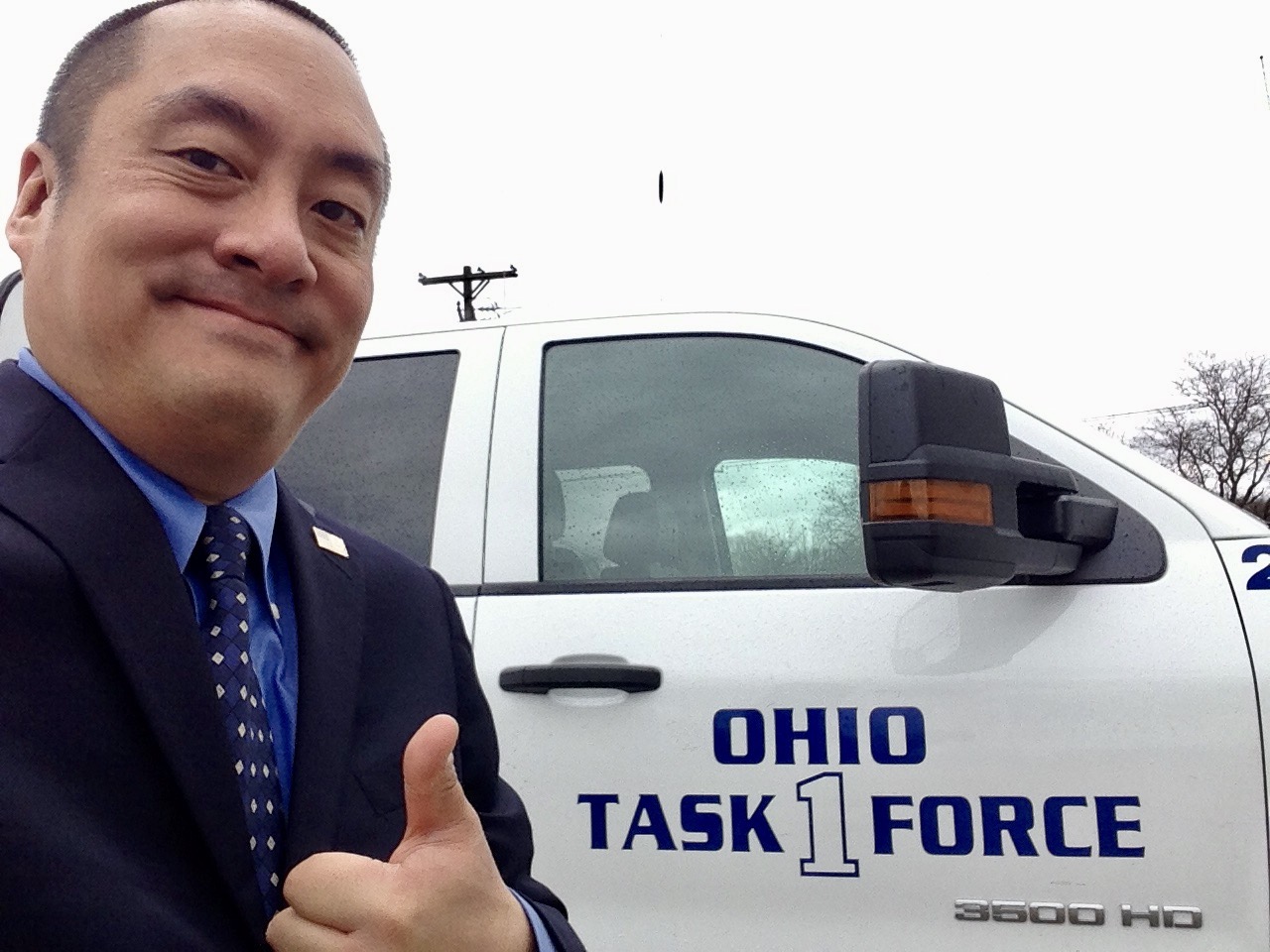
Solid Day-2 of the All-Hazards Incident Management Team Logistics Section Chief Course at Ohio Task Force-1 in Dayton, (OH).
Great participation today from NYPD ESU members, Dayton Fire, and Team Rubicon as they worked on a traffic plan Table Top Exercise (TTE).
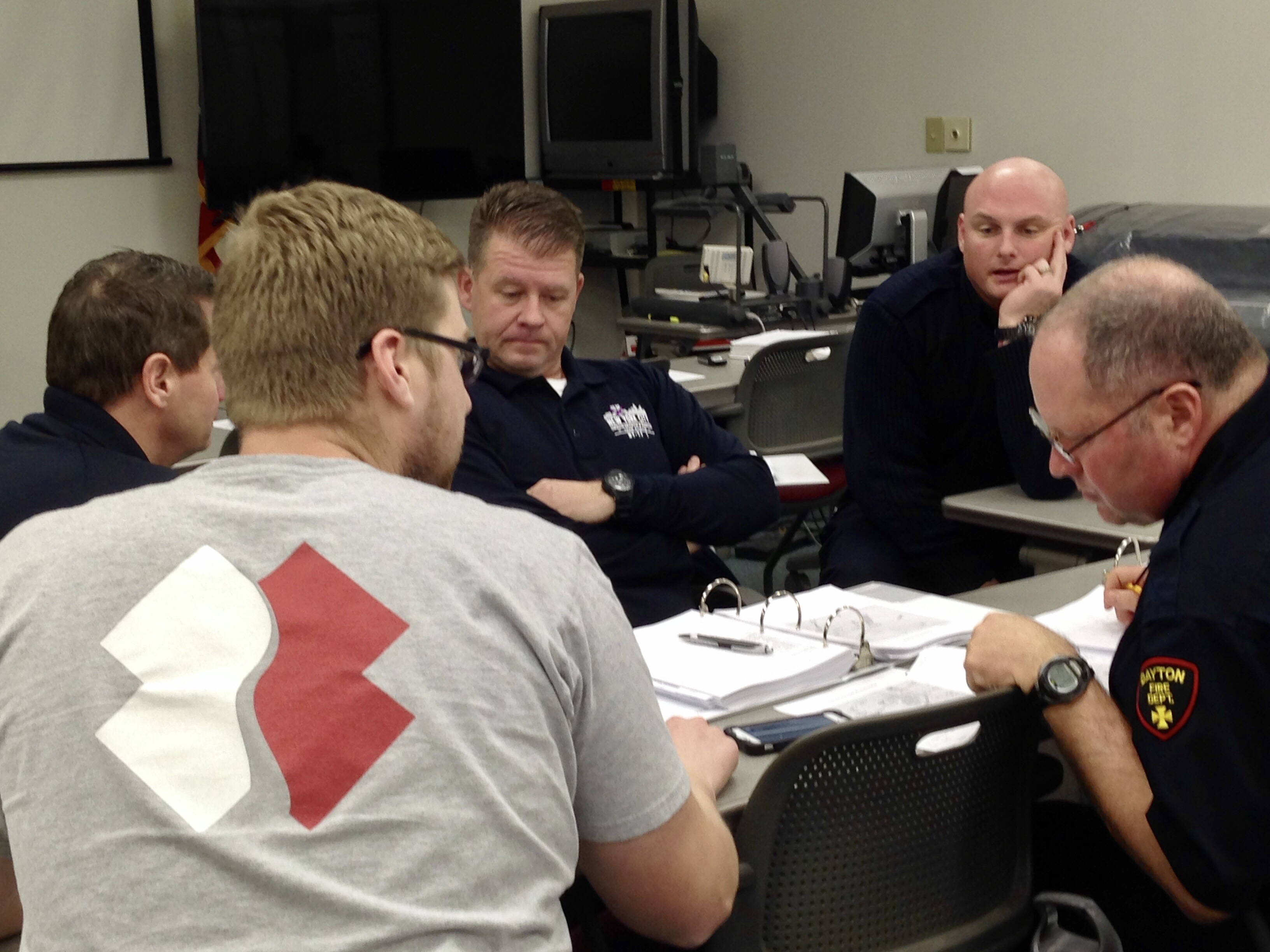
Outstanding planning by our friends from Dayton Fire, Tennessee Task Force-1, and DMAT officials on traffic flow issues esp focusing in and leveraging historical data to improve response times and evacuation routes during large scale events.

Afternoon was packed with solid discussion on Supply Unit Leader position with focus on costs and burn rates for large disasters. Close communications w/ the Finance Section Chief and Plans Section Chief is critical to a successful incident by minimizing overages and expenditures by everyone in the Command & General Staff.

Effective resource management and allocation is key to a well oiled LSC.
I’ve said it before and I’ll say it again – Logistics makes the magic happen.
Also free MREs to everyone in class too. Yum!
Great day of training with so many pros from across the country!
Outstanding start to a week long All-Hazards Incident Management Team (IMT) Logistics Section Chif (LSC) Course.

Great week to be teaching in Dayton, Ohio – the home of FEMA USAR Ohio Task Force-1 (OH-TF-01).

We have outstanding participants from across the country including Ohio, Tennessee, New York, US Marshall’s Office, US Coast Guard, US Food & Drug Administration, and Ohio National Guard.

Region-5 and Region-2 and Region-4 in the hizzouse!!!!

Great engagement from numerous partners in public safety.

Day-1 done. Looking forward to a great week of Logistics with everyone.
This week, I head the FEMA EMI course: All-Hazards Incident Management Team (IMT) Logistics Section Chief (LSC) Course.

We happen to be teaching at the home of one of my favorite Ohio teams: FEMA USAR Ohio Task Force-1.
Obviously, their strategic home Wright Patterson Air Force Base is key in rapid deployments for any national disaster or emergency.
Looking forward to making sure we cram as much stuff into this course because,
LOGISTICS MAKES THE WORLD GO ROUND
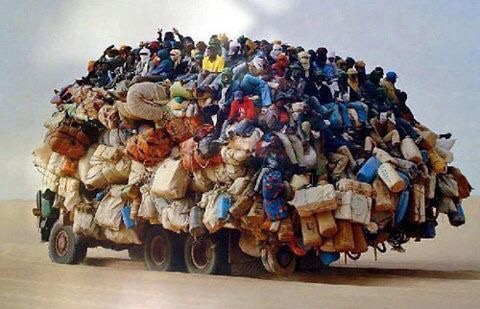
Suit up and see you in class this week!

