FieldReports for West Virginia Chemical Spill (EM-3366) – 01-11-14- at 1430

FieldReports for West Virginia Chemical Spill (EM-3366) – 01-11-14- at 1430

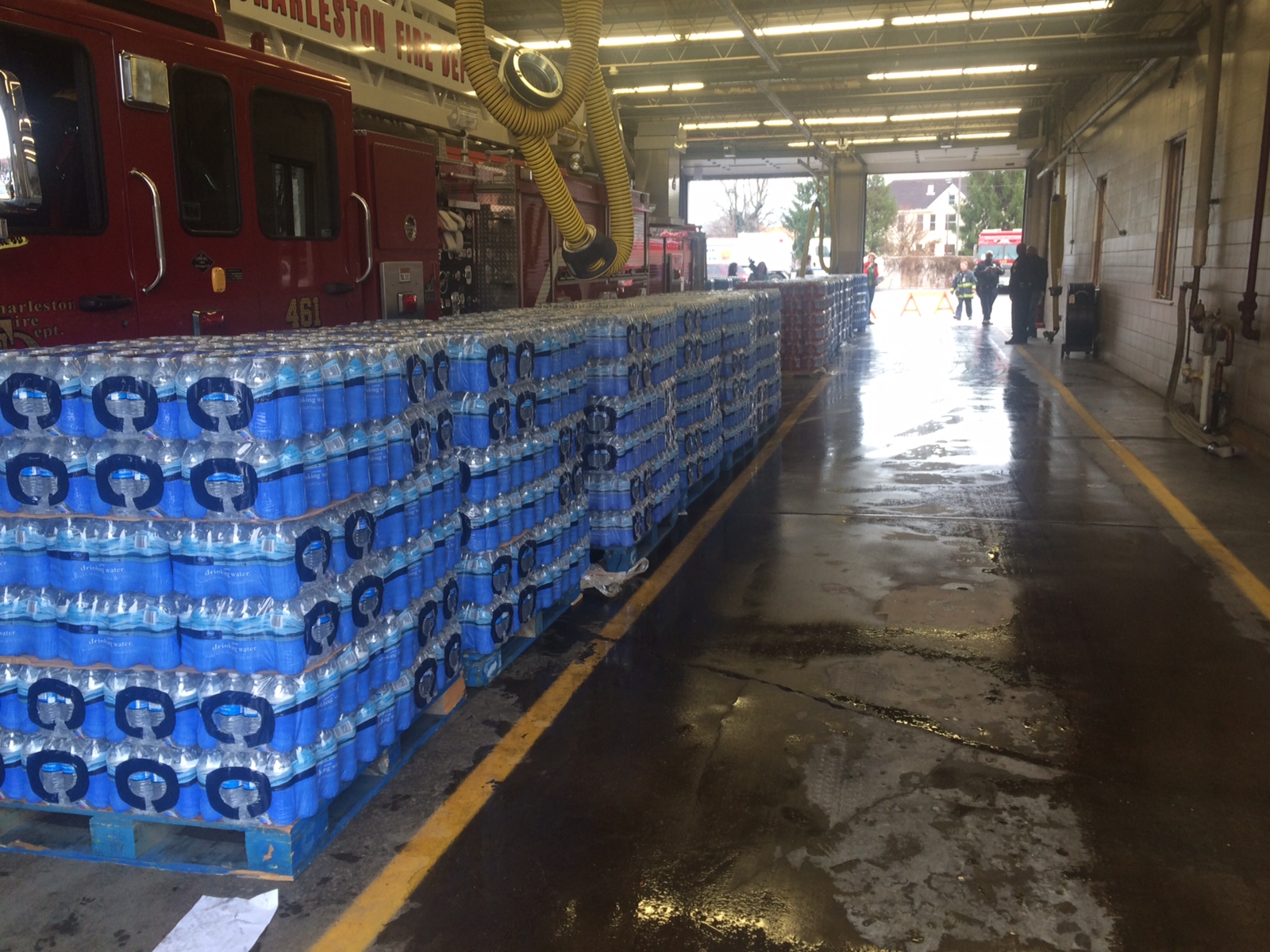
Charleston Fire (West Virginia) reporting a solid water distribution site.

  • Distribution going well.
  • Crews setup for fast and easy distribution.
  • No major problems noted.
  • No hysteria at site reported.

CharlestonFireWV-WaterDistro-01

Thanks to @jumpseatviews for the picture. You and your crews are doing a great job – Well done Charleston Fire!

Reporting live….. @rusnivek

SitRep for West Virginia Chemical Spill (EM-3366) – 01-11-14- at 1100

SitRep for West Virginia Chemical Spill (EM-3366) – 01-11-14- at 1100.

The chemical spill into the Elk River in Charleston, Kanawha County, West Virginia has peaked and is slowly dissipating. Chemical has been identified as 4-methycyclohexane methanol. At this time, the source leak has been reported as contained.

  • Local officials report strength of chemical in waterways are decreasing.
  • West Virginia state Emergency Operations Center at full activation.
  • All local area hospitals are operating within existing patient care capacity.
  • 133K meals delivered and over 1 million liters of water delivered to State of West Virginia.
  • Ongoing logistics to deliver more water and meals.
  • Long-term planning setup and in place for future delivery of water.
Over 1 million liters of water delivered by FEMA

Over 1 million liters of water delivered by FEMA

Counties affected: Boone County, Cabell County, Clay County, Jackson County, Kanawha County, Lincoln County, Logan County, Putnam County, and Roane County.

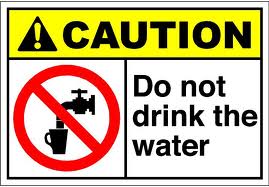
People in the affected areas in West Virginia = DO NOT DRINK OR USE THE WATER.  *Only use for toilet flushing

FEMA continues to support the state and local partners in assisting in the mitigation efforts to these nine communities.

@rusnivek

Not a good big presser for the company involved in the #WVWater crisis

As momentum continues, the problems only get worse for the company involved with the #WVWater crisis. Here’s the latest big presser.

Good grief.

This guy needs to attend a PIO (Public Information Officer) training.

Hope the emergency crews in Charleston are keeping up.

@rusnivek

SitRep for West Virginia Chemical Spill (EM-3366) – 01-10-14 at 0930

SitRep for West Virginia Chemical Spill (EM-3366)

  • Michael J. Lapinski assigned as Federal Coordinating Officer
  • Federal assistance for emergency measures (Title V of the Stafford Act)
  • Public Assistance Program – Emergency Protective Measures (under Category B)

Press release from FEMA HQ

******************

Release date: January 10, 2014

WASHINGTON, D.C. — The U.S. Department of Homeland Security’s Federal Emergency Management Agency (FEMA) announced that federal emergency aid has been made available to the State of West Virginia to supplement state and local response efforts due to the emergency conditions resulting from a chemical spill on January 9, 2014, and continuing.

The President’s action authorizes FEMA to coordinate all disaster relief efforts which have the purpose of alleviating the hardship and suffering caused by the emergency on the local population, and to provide appropriate assistance for required emergency measures, authorized under Title V of the Stafford Act, to save lives and to protect property and public health and safety, and to lessen or avert the threat of a catastrophe in the counties of Boone, Clay, Jackson, Kanawha, Lincoln, Logan, Putnam, and Roane.

Specifically, FEMA is authorized to identify, mobilize, and provide at its discretion, equipment and resources necessary to alleviate the impacts of the emergency.  Emergency protective measures, limited to direct federal assistance, will be provided at 75 percent federal funding.

Michael J. Lapinski has been named as the Federal Coordinating Officer for federal response operations in the affected area.

Following is a summary of key federal disaster aid programs that can be made available as needed and warranted under President Obama’s emergency disaster declaration issued for the State of West Virginia.

Assistance for the State and Affected Local Governments Can Include as Required:

  • FEMA is authorized to provide appropriate assistance for required emergency measures, authorized under Title V of the Stafford Act, to save lives and to protect property and public health and safety, or to lessen or avert the threat of a catastrophe in the designated areas.
  • Specifically, FEMA is authorized to provide emergency protective measures (Category B), limited to direct Federal assistance, under the Public Assistance program at 75 percent Federal funding.

FEMA’s mission is to support our citizens and first responders to ensure that as a nation we work together to build, sustain, and improve our capability to prepare for, protect against, respond to, recover from, and mitigate all hazards.

******************

imagesA81704J7

Counties affected: Boone County, Cabell County, Clay County, Jackson County, Kanawha County, Lincoln County, Logan County, Putnam County, and Roane County.

People in the affected areas in West Virginia = DO NOT DRINK OR USE THE WATER.  *Only use for toilet flushing

@rusnivek

Bad weather + toxic chemical spill – How are your preparedness kits?

If there was ever a time that having your emergency preparedness kit fully stocked, this is the time.
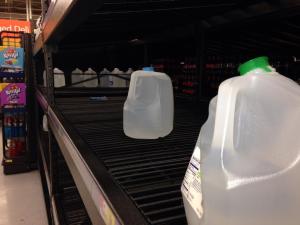
Hardly any water at the grocery store...Photo credit M. Vielhaber

Hardly any water at the grocery store…Photo credit M. Vielhaber

Now, over 10,000 West Virginia households were just informed of a tainted water supply due to a dangerous chemical 4-Methylcyclohexane Methanol.
At this time, there are nine counties affected by this contaminated water supply.

Authorities continue to monitor the situation, but miscellaneous reports of fighting over bottled water have been reported via the twittersphere.
Let’s not get out of hand….I expect erroneous stories and outlandish behavior, but please listen to your local authorities so they can help you during this challenging time.

The West Virginia National Guard and Office of Emergency Services are already been activated to mitigate efforts for Boone County, Cabell County, Clay County, Jackson County, Kanawha County, Lincoln County, Logan County, Putnam County, and Roane County.

People in the affected areas in West Virginia = DO NOT DRINK OR USE THE WATER.
*Only use for toilet flushing.

http://www.cnn.com/2014/01/09/us/west-virginia-contaminated-water/index.html

The weather alone this week (#PolarVortex) should have showcased the importance and value of your preparedness kits stocked full of food, water, flashlights, gloves, whistles, cell phone chargers, hand sanitizer, etc….This chemical spill should solidify your efforts to be vigilant in your preparedness efforts.

Stay safe everyone.


@rusnivek

Thank goodness, I did NOT burn my house down… #DFT2013

Say hello to my little friend…

IMG_0357 - Copy

…his name is Deep Fried Turkey #DFT2013

Boom – SUCCESS!

Much to the dismay of my fellow Firefighters, Emergency Management Professionals, Paramedics, EMTs, and Police Officers – I didn’t burn my house down.

But it IS time to chow down with the family.

Hope these tweets and posts have helped you out in your turkey adventures today.

Remember:

  • Be safe and do NOT compromise for your safety.
  • Deep frying turkey is NO joke. This is serious business.
  • Make sure your fryer is at least 30 ft away from any house or structure.
  • Do NOT deep fry your turkey on your deck.
  • No kids outside.
  • Stay with your turkey fryer all the time. Do NOT go inside to warm up.
  • Have your cell phone ready and know how to call 9-1-1.
  • Have a fire extinguisher ready to go close by.
  • And of course, no adult beverages while cooking.

Note: For cleanup? I’m going to let the oil cool down for about 6 hours. And regardless if there is no fire, I’m still keeping my extinguisher on the ready.

Keep all of these safety tips handy as you finish your bird this joyous holiday season.

I have much to be thankful for…like you folks as well as my solid family and friends.

Enjoy your evening everyone!

@rusnivek


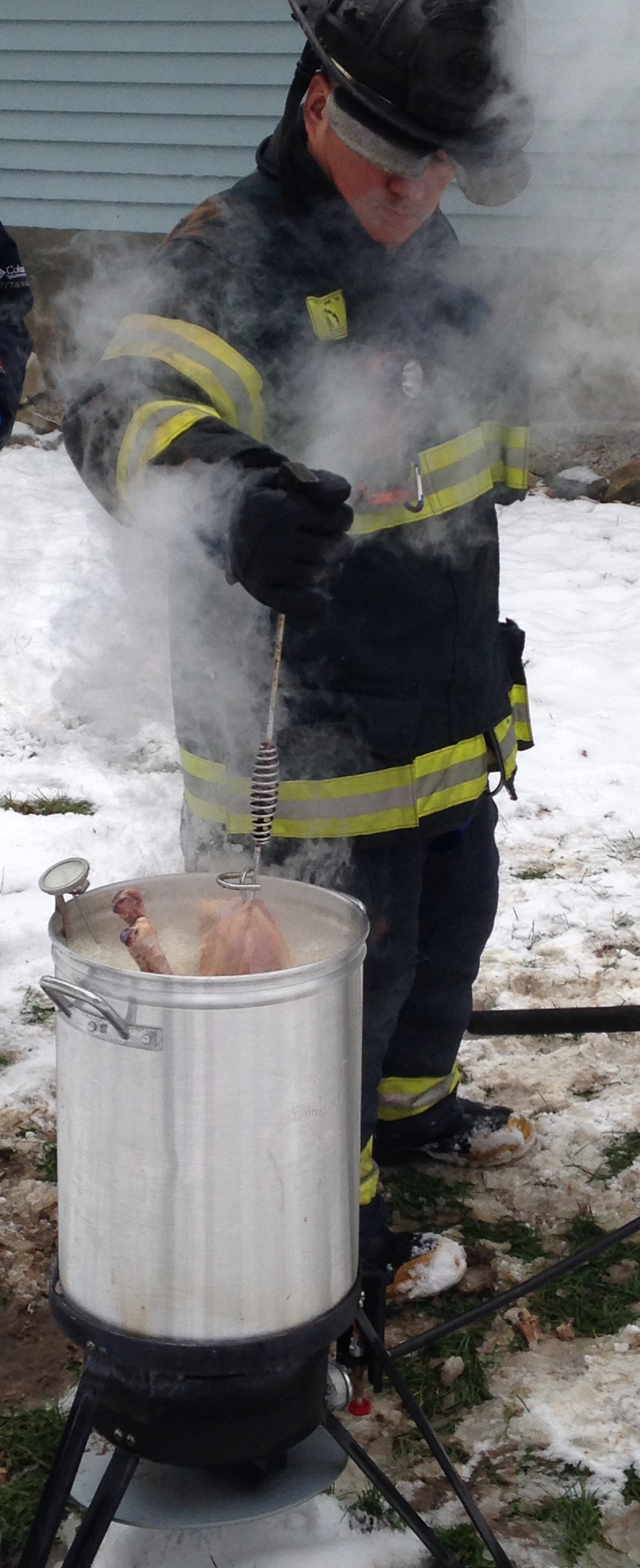
Deep Fried Rapid turkey Extraction – starting now! #DFT2013

Ready for rapid turkey extraction #DFT2013

Boots, pants, coat, helmet, gloves on.

Slowly pull out…..SLOWLY!

IMG_0349 - Copy

OMFG, either this is going to go well, or really bad.

IMG_0319

Wish me luck.

@rusnivek

See…I got full safety precautions here for #DFT2013

Pretty smokey here….but it smells delicious!

Looking good so far! But still, worried about a gigantic fireball here at #DFT2013

DSC_0010 - Copy

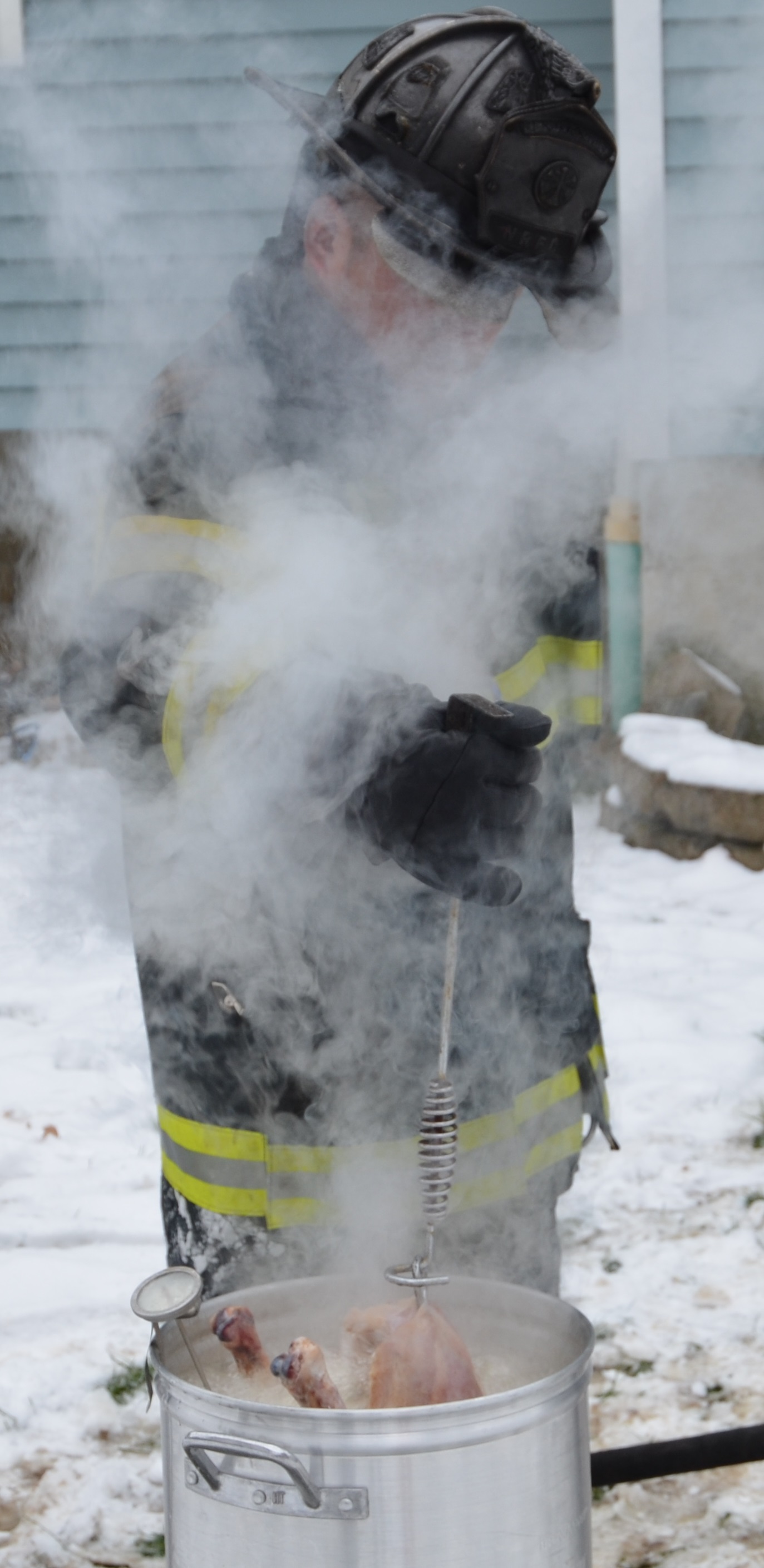
Hot oil will burn you!

Seriously, take FULL SAFETY PRECAUTIONS when checking your deep fried turkey.

@rusnivek


Full safety precautions – Time to check on my deep fried turkey #DFT2013

Time to check my deep fried turkey…. Full safety precautions being used #DFT2013

DSC_0009 - Copy

@rusnivek

Measure the oil with water WITH your bird or else… #DFT2013

And of course you measured your turkey with water and IN the pot before you started heating up the oil right?

Checking your bird’s volume BEFORE you dunk it into bubbling hot oil is a smart move.

IMG_0320

If you haven’t, here’s a few easy steps that only take 60 seconds:

  1. Empty pot.
  2. Insert bird
  3. Add water to cover bird
  4. Remove bird
  5. Measure remaining water. That’s how much peanut oil you put into pot.

Easy right?

If you did NOT measure your oil prior to frying, your pot could overflow…and this could happen to you

IMG_0319

Don’t be crispy this Thanksgiving!

@rusnivek