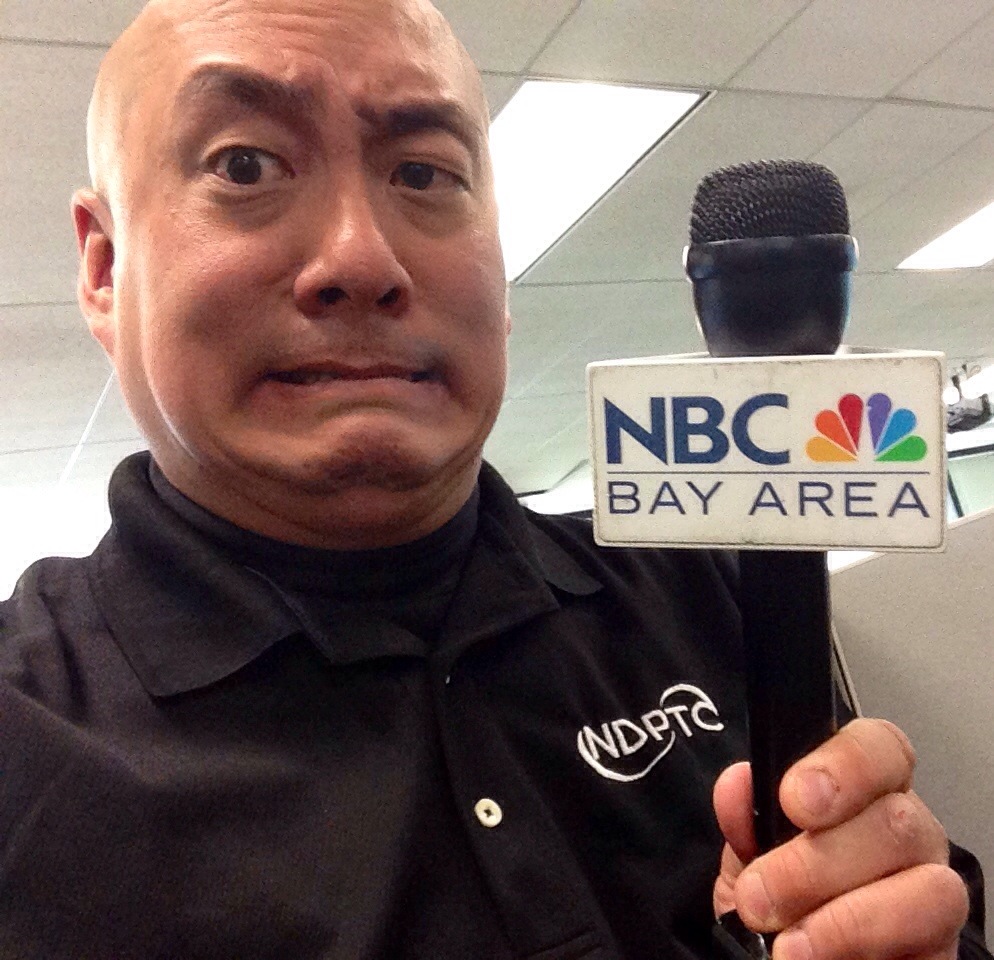
Welp, looks like I’m going to owe alotta lunches when I get back #PIO
@rusnivek

Welp, looks like I’m going to owe alotta lunches when I get back #PIO
@rusnivek
After all the stuff this week, you pretty much know what to do.
Don’t have this happen to you.
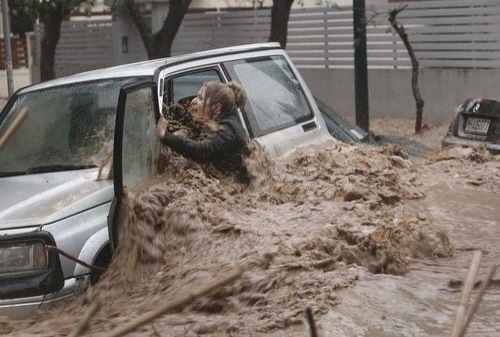
Turn Around, Don’t Drown! #TADD

@rusnivek
Terminology is important.
This day and age it is ever so important to call things and people by the right identifier or name.
Similar to the NIMS Typing…we need to completely comply with the unified terminology.
In this news story, the reporter didn’t.
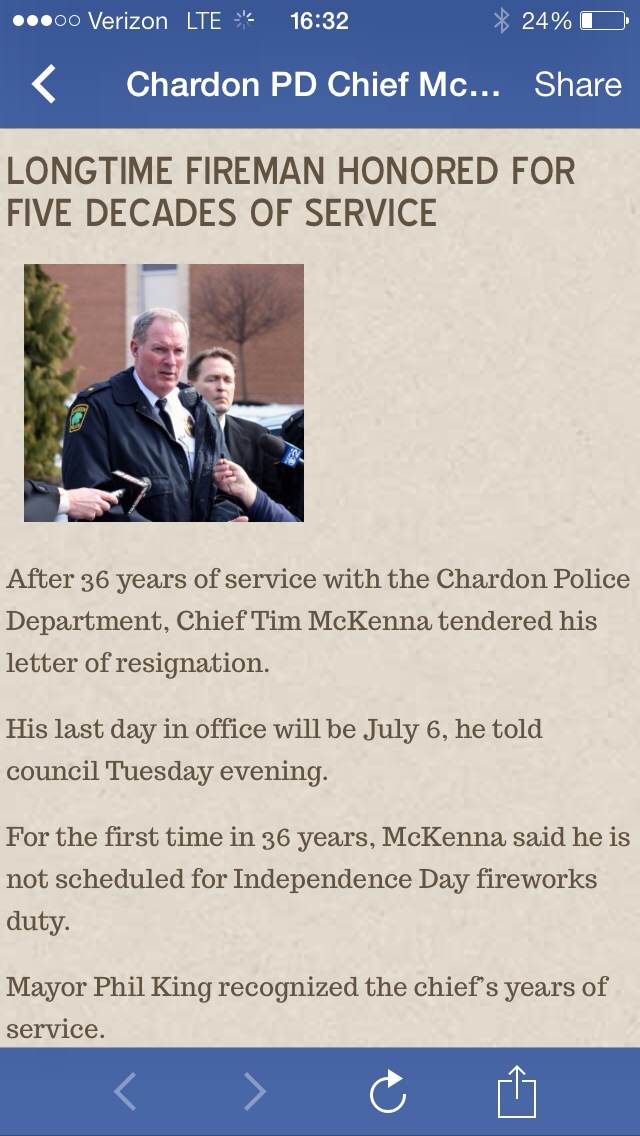
If you haven’t noticed, there are thousands of female firefighters who serve every day. In various cities across America, these ladies uphold and protect the values of our cherished fire service responding to calls 24/7/365.
As Public Information Officers, we should constantly monitor and immediately correct media types who use the wrong terms, help them understand why it is incorrect, and share the right terminology.
Headline should read: “Long time Firefighter honored for his five decades of service”
Perhaps a short email to the reporter would have gotten him/her to change the story online.
Let’s elevate our profession and help others use correct terminology.
Firefighter…not Fireman
@rusnivek
This week is National Flood Safety Awareness Week (March 16 – 22, 2014).
Look-I know it’s Spring break.
I know you want to go out and party like a rockstar.
But seriously, don’t play around during flood situations.
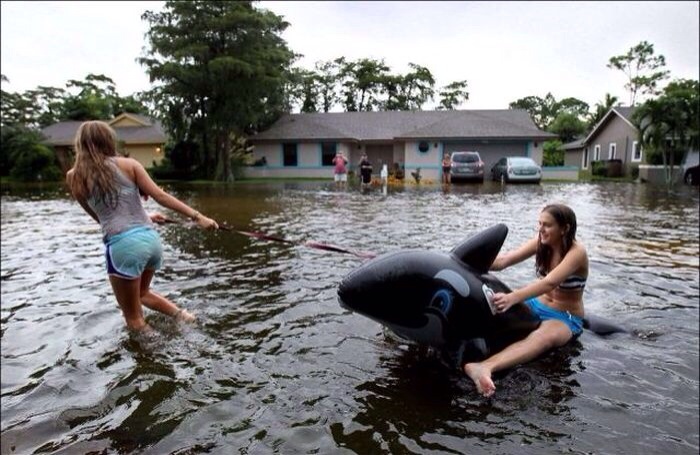
Stop goofing around and make sure you and your friends are safe.
#TADD = Turn Around, Don’t Drown
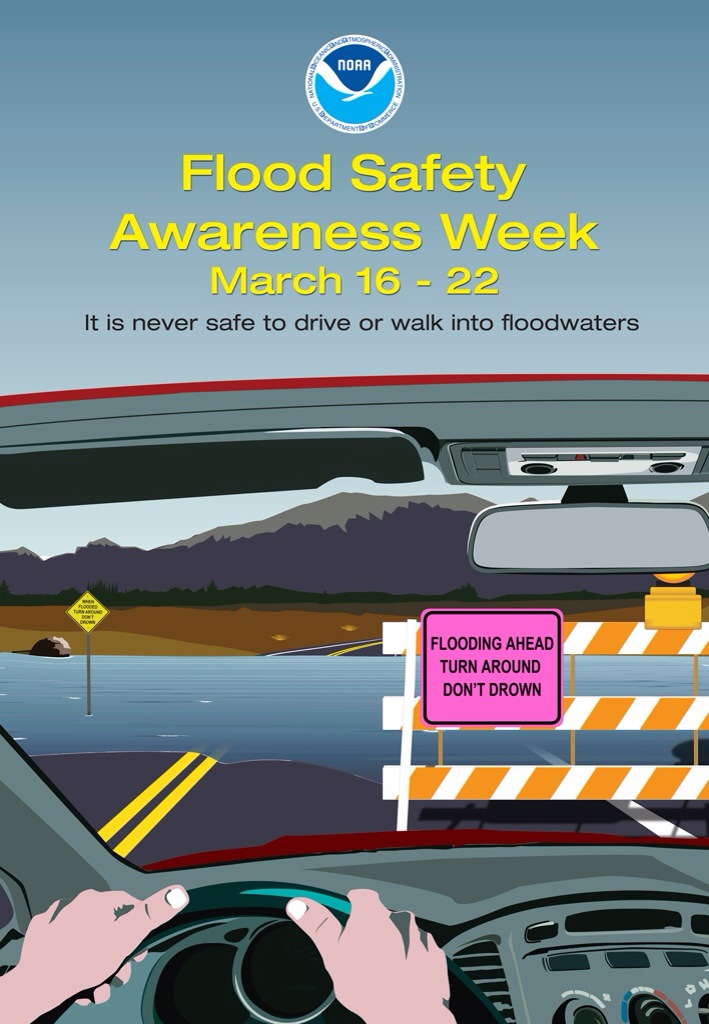
It’s real easy to be #Prepared2014.
For more information, click here.
@rusnivek
This week is National Flood Safety Awareness Week (March 16 – 22, 2014).
Teaching in Iowa today, I just found out they have had numerous Presidential Declarations on flooding. In fact, there’s an Emergency Management Director that his county has had 3 Presidential Declarations in three consecutive month. Schnikies!

Again, consider sharing the simple message of #TADD
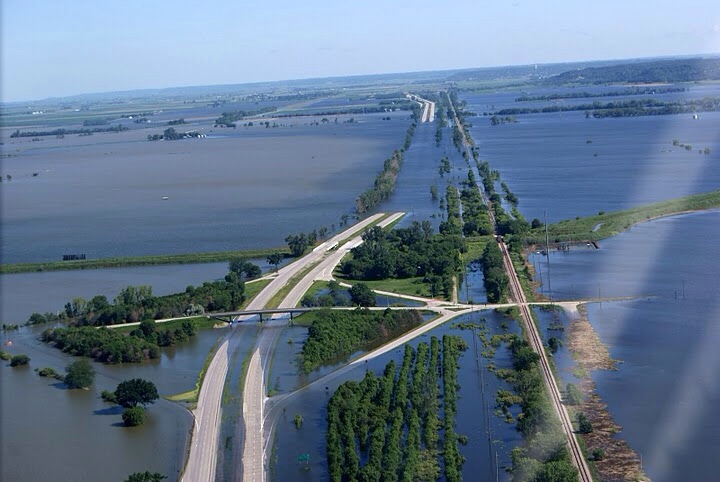
Turn Around, Don’t Drown!
Just because it’s a Interstate, does NOT mean it is safe during a disaster.
Just because the sun is shining, does NOT mean it is safe during a disaster.
Make sure all your peeps are safe.
@rusnivek

This week is National Flood Safety Awareness Week (March 16 – 22, 2014).
To help clarify some misconceptions about water and flooding, let me make it very clear – NEVER drive through flooded roads. Here’s a great example. We were dispatched after a few reported calls of a flooded roadway. Looks innocent enough right?

Just because it’s downhill does NOT mean it is any safer…in fact, it is more dangerous.
So how can you share this safety message with others?
It’s really bad news if we have to meet like this…

If you were wondering, that’s me on the right
Do your part in #Prepared2014 by being safe this year.
@rusnivek
This week is National Flood Safety Awareness Week (March 16 – 22, 2014).
Did you know that floods are the #1 natural disaster in the US? Just within the past five years, all 50 states have experienced floods or flash floods.

How can you help?
Share these easy safety tips with your constituents on flood safety:

So check your emergency preparedness kits and make sure you are ready!

@rusnivek
Various flight paths today:
Early AM: OH to PA to DC.
Then later: DC to SC.
Hope your week is going well.
@rusnivek
Did you do it? Are you safe? #SpringForward #preparedness2014

If you haven’t, then get on it right now!

Why should you have a working smoke detector?
A properly installed and maintained smoke alarm is the only thing in your home that can alert you and your family to a fire 24 hours a day, seven days a week. Whether you’re awake or asleep, a working smoke alarm is constantly on alert, scanning the air for fire and smoke.
According to the National Fire Protection Association, almost two-thirds of home fire deaths resulted from fires in properties without working smoke alarms. A working smoke alarm significantly increases your chances of surviving a deadly home fire.
Keeping my favorite peeps (that’s you) safe this Spring…
@rusnivek
It’s 2014 National Severe Weather Awareness Week from March 2nd through March 8th.
Today, we will focus in on wireless mobile notification alerts!
Have you heard of Wireless Emergency Alerts (WEAs)?
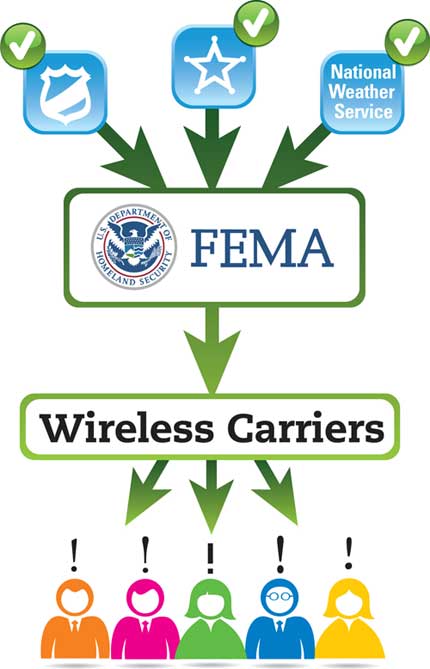
Do you know what the Emergency Alert System (EAS) is used for?

Meshing all technologies together, do you know how the Integrated Public Alert & Warning System (IPAWS) is already helping everyone?
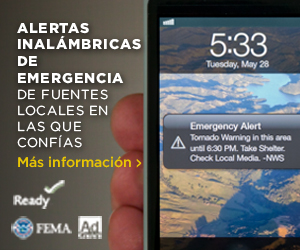
At this time in Ohio, the Integrated Public Alert & Warning System (IPAWS) authorities who have completed the authentication steps are:
1. Ashtabula County
2. Clark County
3. Delaware County
4. Fairfield County
5. Geauga County
6. Lucas County
7. Ohio Emergency Management Agency
8. Tuscarawas County
Hope you are paired with one of these local agencies to receive better information during severe weather or major emergency…otherwise, you’ll be left out in the dark.

@rusnivek
 Where is @rusnivek?