Busted because of her Facebook post bragging of her “breatalyse” test results

That’s right, she got caught because of her Facebook post. colleen

Colleen Cudney was convicted for DUI in 2012. One condition – she is to submit to random breathalyzer tests.

Fast forward to St Patrick’s Day 2014 (March 17th, 2014). Colleen was out carousing and drinking. On Tuesday March 18th, 2014, Colleen gets called in for a random breathalyzer test.

Colleen passes. She’s so amazed, that she takes to Facebook and posts about it: “Buzz killer for me, I had to breatalyze (sic) this morning and I drank yesterday but I passed thank god lol my dumbass.” 

faceboooook

Well, well, well…..Local law enforcement called Colleen back again for an additional urine test. Colleen had indeed failed the more precise urine test. Colleen

At this time, Colleen is looking at an additional 93 days in jail from the 18th District Court in Michigan for violating her parole. Nice work Colleen.

Shockingly, Colleen has since deleted her Facebook post and her Facebook account. Hmmmmm.

Morale of the story: Know the power of social media because what you post, isn’t really private.

@rusnivek

Strange things happen when traveling aka “assigned”

I see some strange things traveling this great country.

IMG_3677

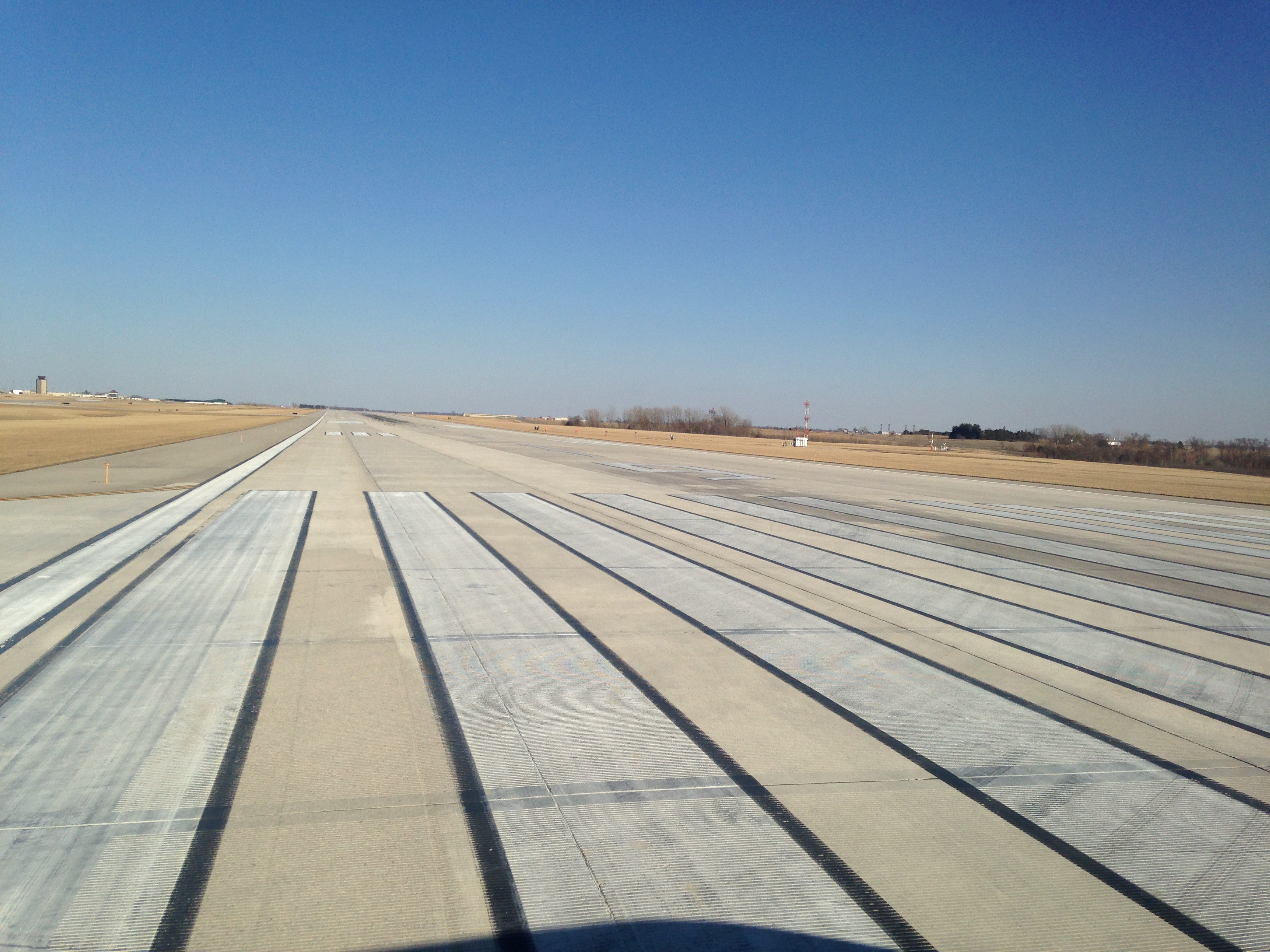
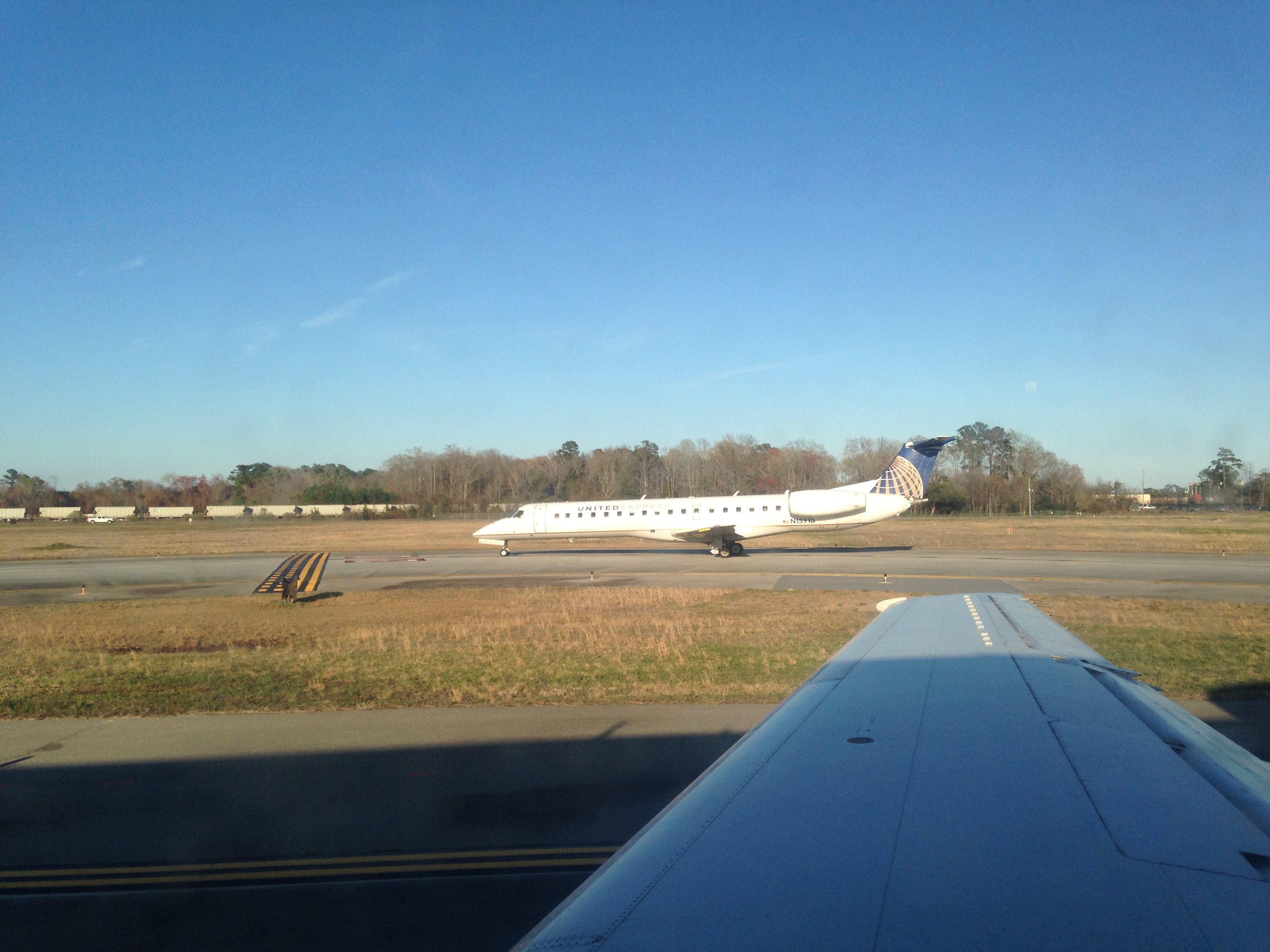
Major flamingo poop on our plane (kidding, it’s deicer)


But this one, might take the cake.

IMG_3932

No photoshopping here, just the real deal.

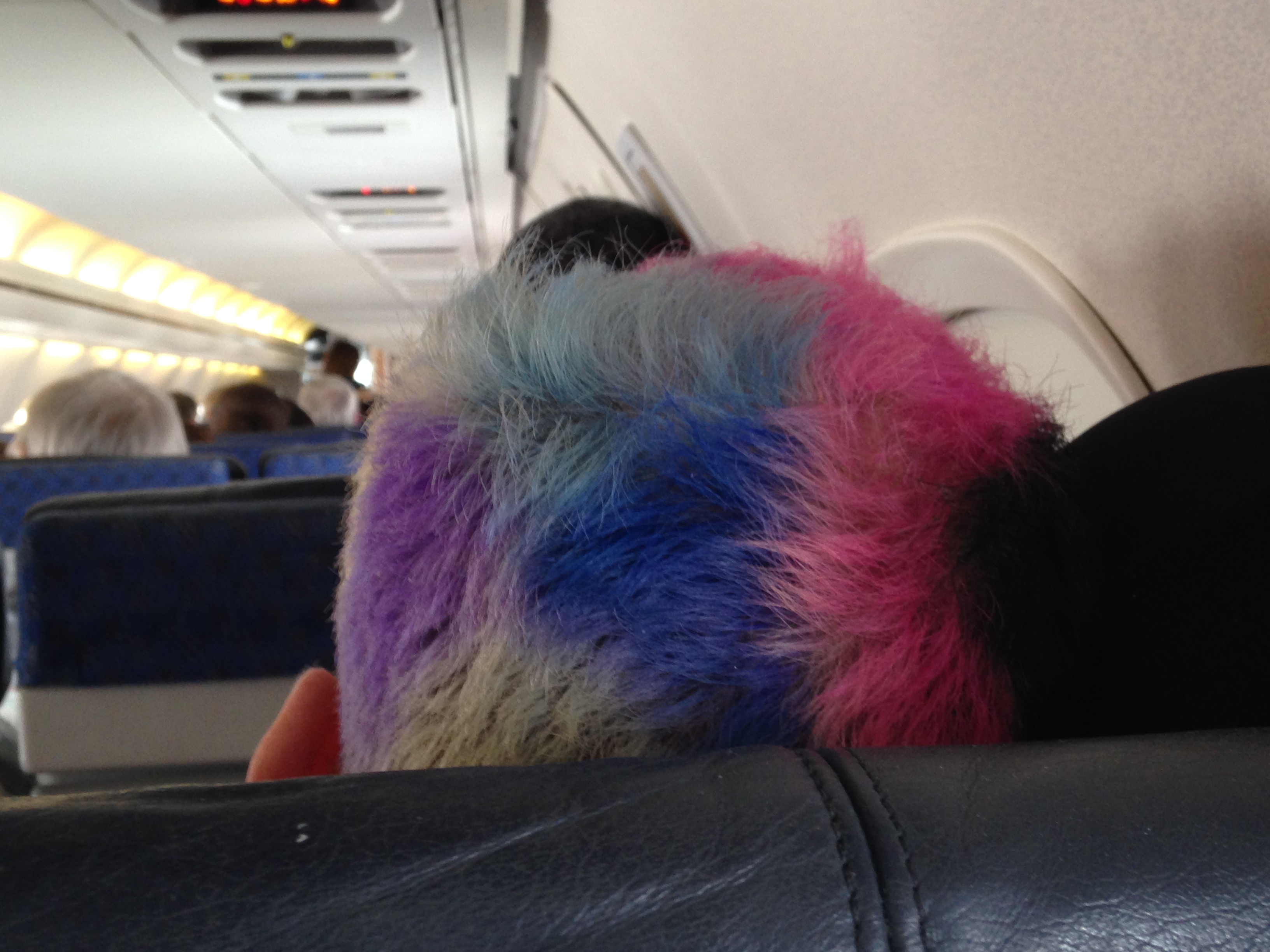
Groovy man.

Now my friends believed I faked it or found the picture online somewhere…

IMG_3943

…now those friends owe me lunch now.

Happy Sunday folks.

@rusnivek

What I read before every flight #safety

If you have ever flown with me, then you know…

IMG_7115

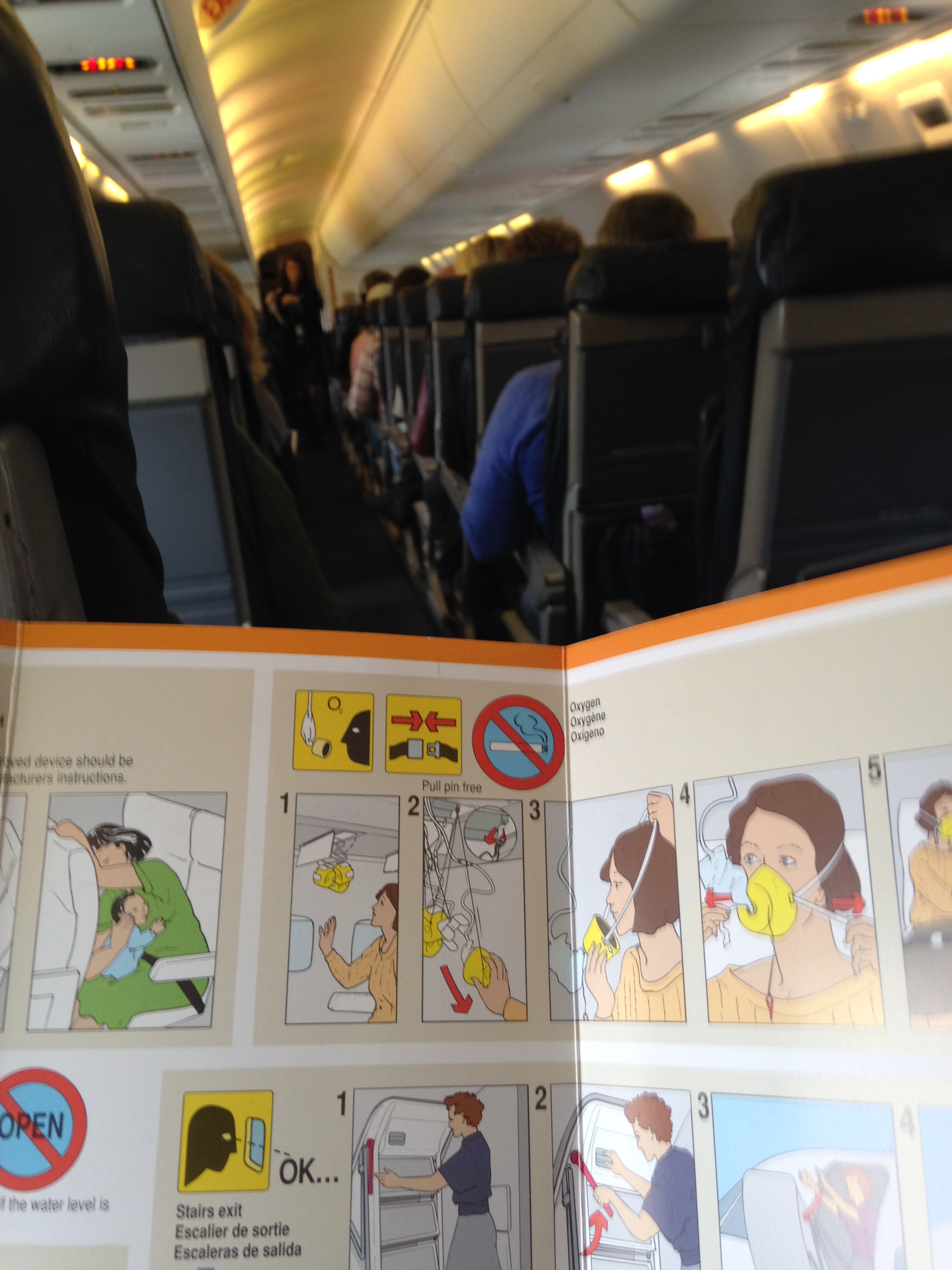
…I am that guy that ALWAYS pulls out the safety card briefing card during prep for flight.

IMG_7054

I follow along w/ the flight crew as they go over all safety procedures.

Seriously, I don’t care how hot you are, I will be paying attention during flight briefing. Try to distract me…and it won’t work.

Yep, #Imadork

Maybe it’s the years doing preflight checks or my over active imagination that when the time comes, I will most likely be at the door – who knows!

IMG_6787

Race time! Ready….Set……


I’ll ask again: Are you sure you want to join me on assignment?

@rusnivek

Firefighter self-rescue / bailout course in North Charleston SC

Back at it on the fireground for three days of teaching Firefighter bailout instructor class to North Charleston Fire (SC).

IMG_6365

I’m glad to be working with these professionals for over 7 years now.

IMG_6528

Also, it appears they got some new equipment as well….Boy oh boy did they spec this thing out well – I’m impressed!

IMG_6530

Train like you fight was the mantra for all instructors who participated in classroom and then the hands on portion part in several training evolutions.

IMG_6491

Looking forward to seeing them again very soon.

IMG_6541

Also looks like we will be doing phase-2 and phase-3 training too.

Awesome.

@rusnivek


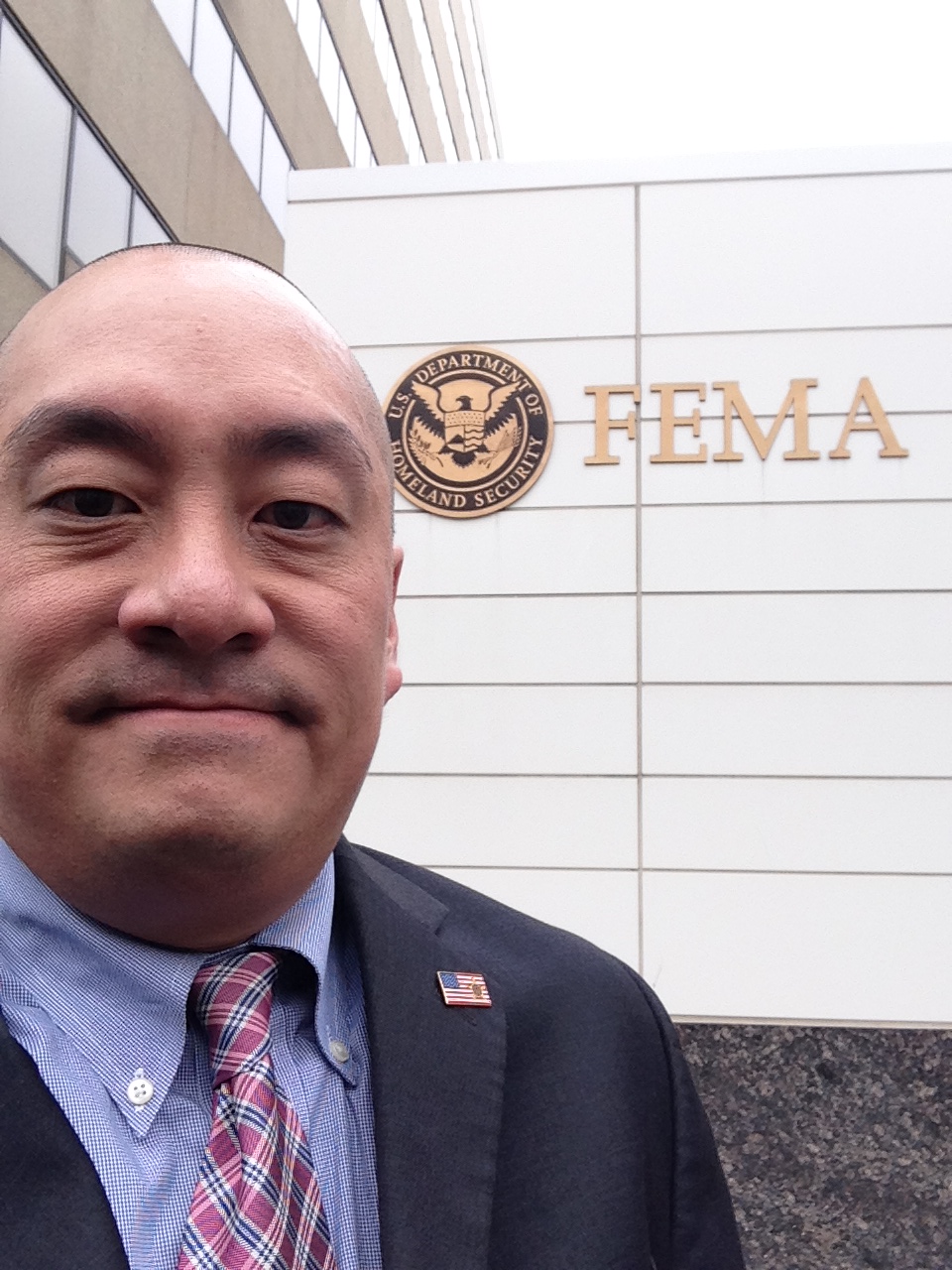
My day at FEMA HQ #Prepared2014

Had a chance to stop by FEMA HQ.

IMG_6324

Also FEMA’s new MCOVs were on display right next to Quizno’s. Neeto stuff.

40358

One of the highlights was a chance to sit and hang in the NRCC for a bit…just to see where the magic happens. Sa-weet.

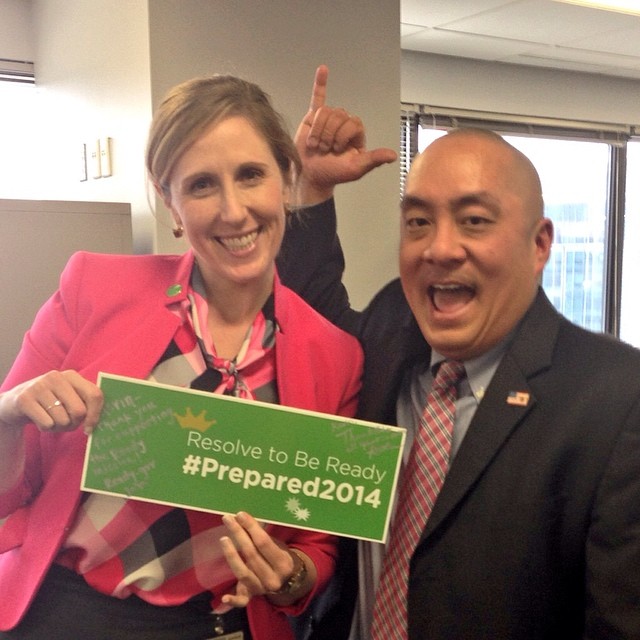
Then on to the serious stuff. Lots of discussion with FEMA’s External Affairs folks pertaining to preparedness and readiness. #Prepared2014 – great stuff planned as we move into mid 2014. Truth be told, I’m just glad to be a part of the action.

10012615_10100544482624277_989186021_n (1)

I also enjoy meeting with people who are passionate about their jobs and really believe in their careers. It’s not often you get to see that kind of true dedication.

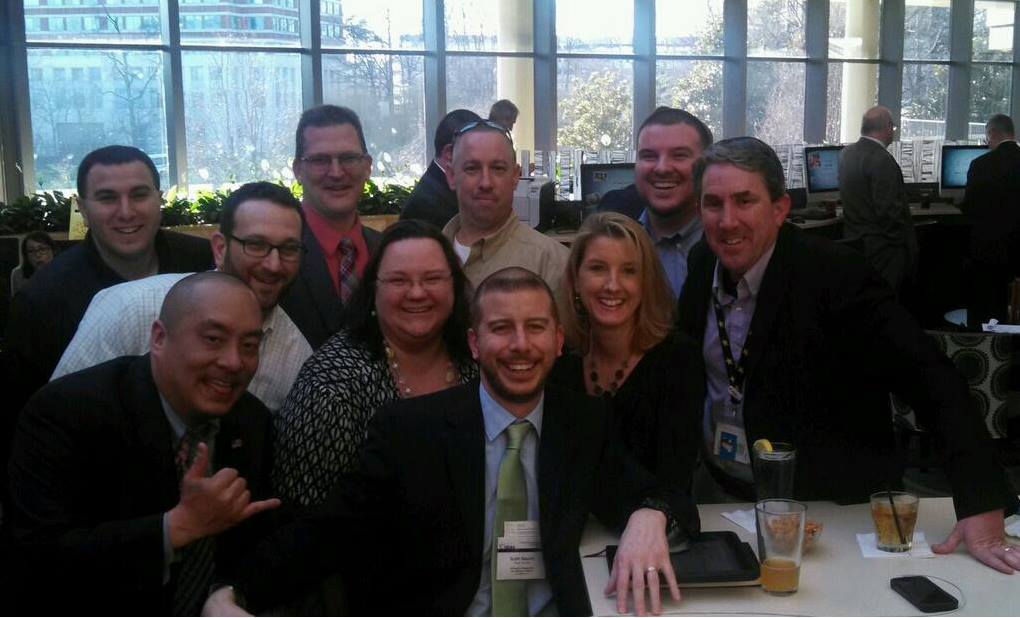
Running to make my afternoon meetings, I got a chance to hang with several Emergency Managers from around the country who were in town attending the National Emergency Management Association (NEMA) Mid Year Planning Conference in VA.

Not only are they true fellow emergency managers, more importantly, they are friends. Trouble was to be had since we tried to emulate Ellen DeGeneres’ Oscar night #Selfie for the other #SMEM folks. BTW-if you don’t know these peeps in this picture, trust me, you should. No seriously, trust me, you should.

1799921_10102376210102754_31744960_o (1)

Mahalos to Meischa Jackson for the assist.

I also got to sit down and talk again to Doc Lumpkins who is the Director of National Integration Center at FEMA HQ.

IMG_6347

Haven’t seen him since the 2011 UASI Conference in San Francisco. I can’t begin to tell you how funny he is. I got nothing but mad respect for this guy!

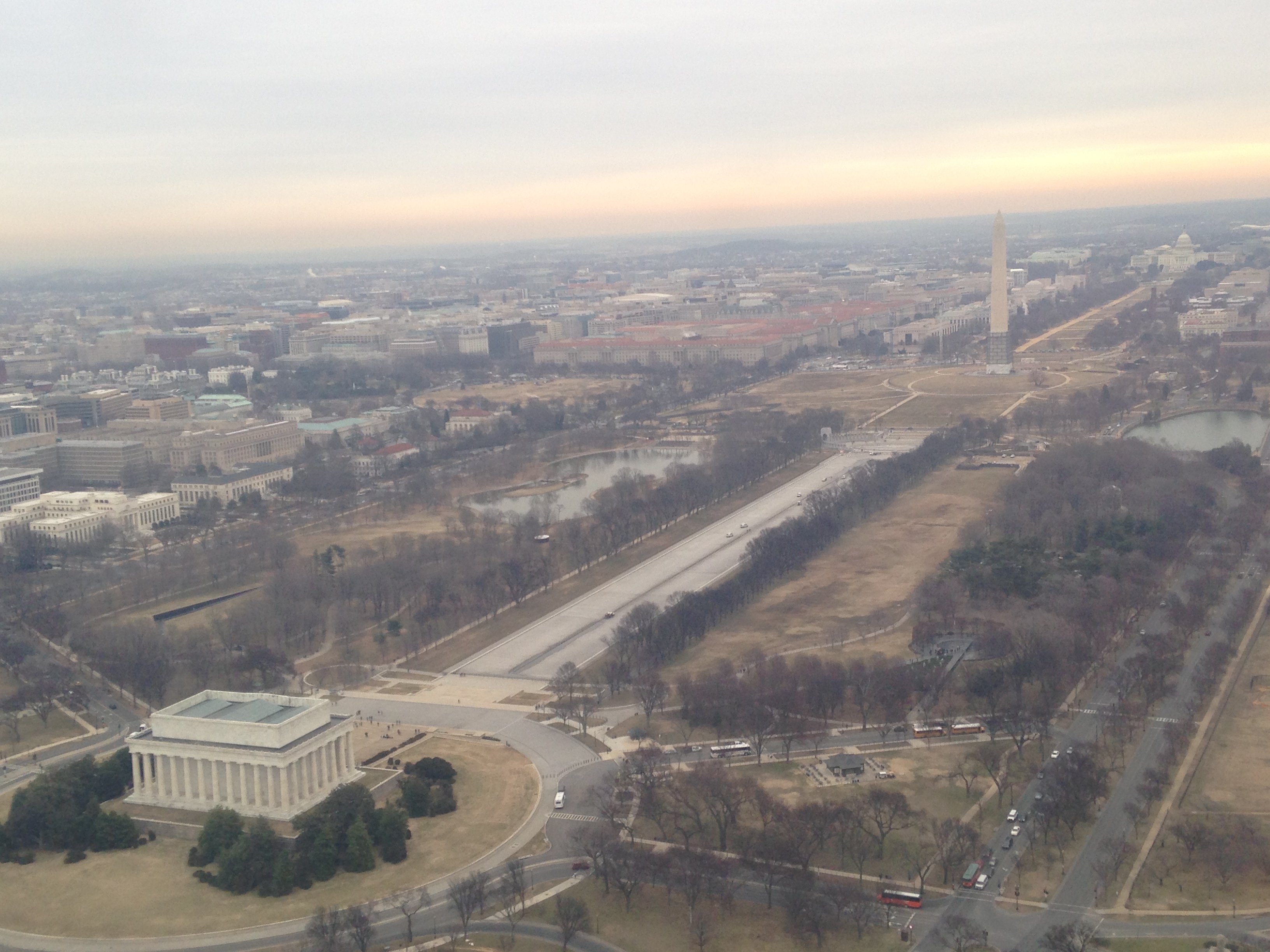
In review, I should really make more trips to DC to meet with my peeps.

*sigh*

IMG_6318

Now off to South Carolina!

@rusnivek


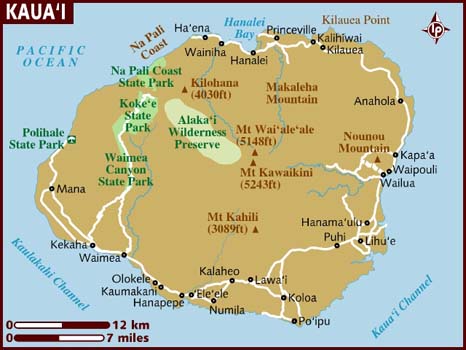
Tsunami warning? Are you on Kauai? #HITsunami

Tsunami warning? Are you on Kauai?

map_of_kauai


Check if you are in an evacuation zone here (FREE):

Before a Tsunami

  • To begin preparing, you should build an emergency preparedness kit and make a family communications plan.
  • Talk to everyone in your household about what to do if a tsunami occurs. Create and practice an evacuation plan for your family. Familiarity may save your life. Be able to follow your escape route at night and during inclement weather. You should be able to reach your safe location on foot within 15 minutes. Practicing your plan makes the appropriate response more of a reaction, requiring less thinking during an actual emergency.
  • If the school evacuation plan requires you to pick your children up from school or from another location. Be aware telephone lines during a tsunami watch or warning may be overloaded and routes to and from schools may be jammed.
  • Knowing your community’s warning systems and disaster plans, including evacuation routes.
  • Know the height of your street above sea level and the distance of your street from the coast or other high-risk waters. Evacuation orders may be based on these numbers.
  • If you are a tourist, familiarize yourself with local tsunami evacuation protocols. You may be able to safely evacuate to the third floor and higher in reinforced concrete hotel structures.
  • If an earthquake occurs and you are in a coastal area, turn on your radio to learn if there is a tsunami warning.


During a Tsunami

  • Follow the evacuation order issued by authorities and evacuate immediately. Take your animals with you.
  • Move inland to higher ground immediately. Pick areas 100 feet (30 meters) above sea level or go as far as 2 miles (3 kilometers) inland, away from the coastline. If you cannot get this high or far, go as high or far as you can. Every foot inland or upward may make a difference.
  • Stay away from the beach. Never go down to the beach to watch a tsunami come in. If you can see the wave you are too close to escape it. CAUTION – If there is noticeable recession in water away from the shoreline this is nature’s tsunami warning and it should be heeded. You should move away immediately.
  • Save yourself – not your possessions.
  • Remember to help your neighbors who may require special assistance – infants, elderly people, and individuals with access or functional needs.


After a Tsunami

  • Return home only after local officials tell you it is safe. A tsunami is a series of waves that may continue for hours. Do not assume that after one wave the danger is over. The next wave may be larger than the first one.
  • Go to a designated public shelter if you have been told to evacuate or you feel it is unsafe to remain in your home. Text SHELTER + your ZIP code to 43362 (4FEMA) to find the nearest shelter in your area (example: shelter 12345).
  • Avoid disaster areas. Your presence might interfere with emergency response operations and put you at further risk from the residual effects of floods.
  • Stay away from debris in the water; it may pose a safety hazard to people or pets.
  • Check yourself for injuries and get first aid as needed before helping injured or trapped persons.
  • If someone needs to be rescued, call professionals with the right equipment to help. Many people have been killed or injured trying to rescue others.
  • Help people who require special assistance—infants, elderly people, those without transportation, people with access and functional needs and large families who may need additional help in an emergency situation.
  • Continue using a NOAA Weather Radio or tuning to a Coast Guard station or a local radio or television station for the latest updates.
  • Stay out of any building that has water around it. Tsunami water can cause floors to crack or walls to collapse.
  • Use caution when re-entering buildings or homes. Tsunami-driven floodwater may have damaged buildings where you least expect it. Carefully watch every step you take.
  • To avoid injury, wear protective clothing and be cautious when cleaning up.


For more information, check out www.ready.gov

@rusnivek

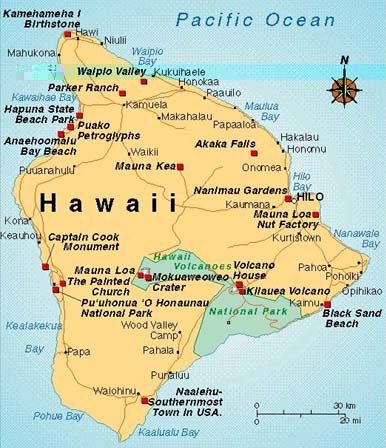
Tsunami warning? Are you on Hawaii? Big Island? Hilo? Kona? #HITsunami

Tsunami warning? Are you on Hawaii? Big Island? Hilo? Kona?

hawaii_map


Check if you are in an evacuation zone here (FREE):

Before a Tsunami

  • To begin preparing, you should build an emergency preparedness kit and make a family communications plan.
  • Talk to everyone in your household about what to do if a tsunami occurs. Create and practice an evacuation plan for your family. Familiarity may save your life. Be able to follow your escape route at night and during inclement weather. You should be able to reach your safe location on foot within 15 minutes. Practicing your plan makes the appropriate response more of a reaction, requiring less thinking during an actual emergency.
  • If the school evacuation plan requires you to pick your children up from school or from another location. Be aware telephone lines during a tsunami watch or warning may be overloaded and routes to and from schools may be jammed.
  • Knowing your community’s warning systems and disaster plans, including evacuation routes.
  • Know the height of your street above sea level and the distance of your street from the coast or other high-risk waters. Evacuation orders may be based on these numbers.
  • If you are a tourist, familiarize yourself with local tsunami evacuation protocols. You may be able to safely evacuate to the third floor and higher in reinforced concrete hotel structures.
  • If an earthquake occurs and you are in a coastal area, turn on your radio to learn if there is a tsunami warning.


During a Tsunami

  • Follow the evacuation order issued by authorities and evacuate immediately. Take your animals with you.
  • Move inland to higher ground immediately. Pick areas 100 feet (30 meters) above sea level or go as far as 2 miles (3 kilometers) inland, away from the coastline. If you cannot get this high or far, go as high or far as you can. Every foot inland or upward may make a difference.
  • Stay away from the beach. Never go down to the beach to watch a tsunami come in. If you can see the wave you are too close to escape it. CAUTION – If there is noticeable recession in water away from the shoreline this is nature’s tsunami warning and it should be heeded. You should move away immediately.
  • Save yourself – not your possessions.
  • Remember to help your neighbors who may require special assistance – infants, elderly people, and individuals with access or functional needs.


After a Tsunami

  • Return home only after local officials tell you it is safe. A tsunami is a series of waves that may continue for hours. Do not assume that after one wave the danger is over. The next wave may be larger than the first one.
  • Go to a designated public shelter if you have been told to evacuate or you feel it is unsafe to remain in your home. Text SHELTER + your ZIP code to 43362 (4FEMA) to find the nearest shelter in your area (example: shelter 12345).
  • Avoid disaster areas. Your presence might interfere with emergency response operations and put you at further risk from the residual effects of floods.
  • Stay away from debris in the water; it may pose a safety hazard to people or pets.
  • Check yourself for injuries and get first aid as needed before helping injured or trapped persons.
  • If someone needs to be rescued, call professionals with the right equipment to help. Many people have been killed or injured trying to rescue others.
  • Help people who require special assistance—infants, elderly people, those without transportation, people with access and functional needs and large families who may need additional help in an emergency situation.
  • Continue using a NOAA Weather Radio or tuning to a Coast Guard station or a local radio or television station for the latest updates.
  • Stay out of any building that has water around it. Tsunami water can cause floors to crack or walls to collapse.
  • Use caution when re-entering buildings or homes. Tsunami-driven floodwater may have damaged buildings where you least expect it. Carefully watch every step you take.
  • To avoid injury, wear protective clothing and be cautious when cleaning up.


For more information, check out www.ready.gov

@rusnivek

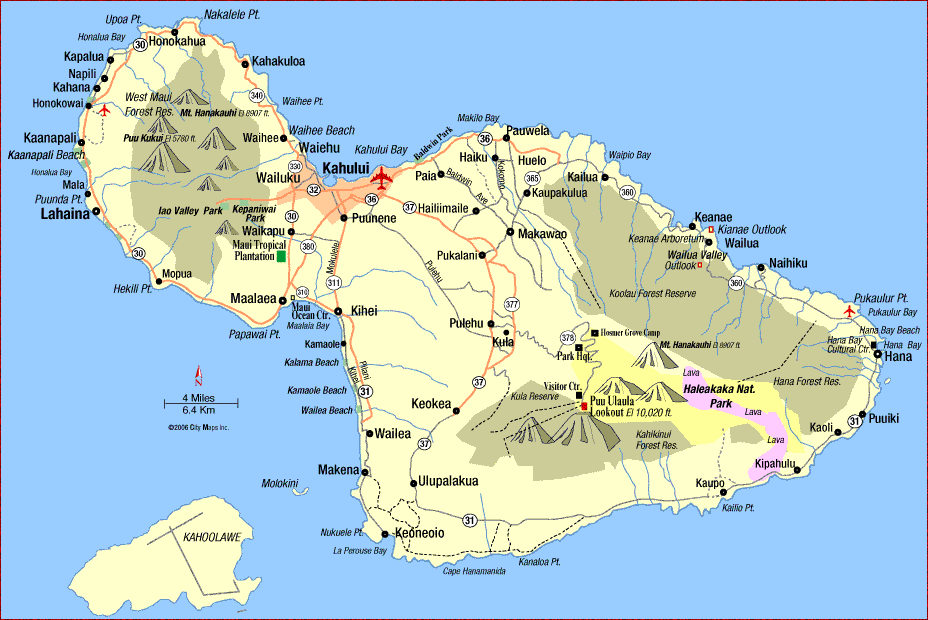
Tsunami warning? Are you on Maui? #HITsunami

Tsunami warning? Are you on Maui?


maui

Check if you are in an evacuation zone here (FREE):

Before a Tsunami

  • To begin preparing, you should build an emergency preparedness kit and make a family communications plan.
  • Talk to everyone in your household about what to do if a tsunami occurs. Create and practice an evacuation plan for your family. Familiarity may save your life. Be able to follow your escape route at night and during inclement weather. You should be able to reach your safe location on foot within 15 minutes. Practicing your plan makes the appropriate response more of a reaction, requiring less thinking during an actual emergency.
  • If the school evacuation plan requires you to pick your children up from school or from another location. Be aware telephone lines during a tsunami watch or warning may be overloaded and routes to and from schools may be jammed.
  • Knowing your community’s warning systems and disaster plans, including evacuation routes.
  • Know the height of your street above sea level and the distance of your street from the coast or other high-risk waters. Evacuation orders may be based on these numbers.
  • If you are a tourist, familiarize yourself with local tsunami evacuation protocols. You may be able to safely evacuate to the third floor and higher in reinforced concrete hotel structures.
  • If an earthquake occurs and you are in a coastal area, turn on your radio to learn if there is a tsunami warning.


During a Tsunami

  • Follow the evacuation order issued by authorities and evacuate immediately. Take your animals with you.
  • Move inland to higher ground immediately. Pick areas 100 feet (30 meters) above sea level or go as far as 2 miles (3 kilometers) inland, away from the coastline. If you cannot get this high or far, go as high or far as you can. Every foot inland or upward may make a difference.
  • Stay away from the beach. Never go down to the beach to watch a tsunami come in. If you can see the wave you are too close to escape it. CAUTION – If there is noticeable recession in water away from the shoreline this is nature’s tsunami warning and it should be heeded. You should move away immediately.
  • Save yourself – not your possessions.
  • Remember to help your neighbors who may require special assistance – infants, elderly people, and individuals with access or functional needs.


After a Tsunami

  • Return home only after local officials tell you it is safe. A tsunami is a series of waves that may continue for hours. Do not assume that after one wave the danger is over. The next wave may be larger than the first one.
  • Go to a designated public shelter if you have been told to evacuate or you feel it is unsafe to remain in your home. Text SHELTER + your ZIP code to 43362 (4FEMA) to find the nearest shelter in your area (example: shelter 12345).
  • Avoid disaster areas. Your presence might interfere with emergency response operations and put you at further risk from the residual effects of floods.
  • Stay away from debris in the water; it may pose a safety hazard to people or pets.
  • Check yourself for injuries and get first aid as needed before helping injured or trapped persons.
  • If someone needs to be rescued, call professionals with the right equipment to help. Many people have been killed or injured trying to rescue others.
  • Help people who require special assistance—infants, elderly people, those without transportation, people with access and functional needs and large families who may need additional help in an emergency situation.
  • Continue using a NOAA Weather Radio or tuning to a Coast Guard station or a local radio or television station for the latest updates.
  • Stay out of any building that has water around it. Tsunami water can cause floors to crack or walls to collapse.
  • Use caution when re-entering buildings or homes. Tsunami-driven floodwater may have damaged buildings where you least expect it. Carefully watch every step you take.
  • To avoid injury, wear protective clothing and be cautious when cleaning up.


For more information, check out www.ready.gov

@rusnivek

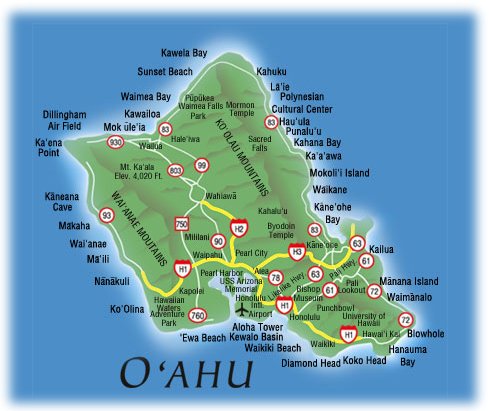
Tsunami warning? Are you on Oahu? Honolulu? #HITsunami

Tsunami warning? Are you on Oahu? Honolulu?

oahu_map

Check if you are in an evacuation zone here (FREE):

Before a Tsunami

  • To begin preparing, you should build an emergency preparedness kit and make a family communications plan.
  • Talk to everyone in your household about what to do if a tsunami occurs. Create and practice an evacuation plan for your family. Familiarity may save your life. Be able to follow your escape route at night and during inclement weather. You should be able to reach your safe location on foot within 15 minutes. Practicing your plan makes the appropriate response more of a reaction, requiring less thinking during an actual emergency.
  • If the school evacuation plan requires you to pick your children up from school or from another location. Be aware telephone lines during a tsunami watch or warning may be overloaded and routes to and from schools may be jammed.
  • Knowing your community’s warning systems and disaster plans, including evacuation routes.
  • Know the height of your street above sea level and the distance of your street from the coast or other high-risk waters. Evacuation orders may be based on these numbers.
  • If you are a tourist, familiarize yourself with local tsunami evacuation protocols. You may be able to safely evacuate to the third floor and higher in reinforced concrete hotel structures.
  • If an earthquake occurs and you are in a coastal area, turn on your radio to learn if there is a tsunami warning.


During a Tsunami

  • Follow the evacuation order issued by authorities and evacuate immediately. Take your animals with you.
  • Move inland to higher ground immediately. Pick areas 100 feet (30 meters) above sea level or go as far as 2 miles (3 kilometers) inland, away from the coastline. If you cannot get this high or far, go as high or far as you can. Every foot inland or upward may make a difference.
  • Stay away from the beach. Never go down to the beach to watch a tsunami come in. If you can see the wave you are too close to escape it. CAUTION – If there is noticeable recession in water away from the shoreline this is nature’s tsunami warning and it should be heeded. You should move away immediately.
  • Save yourself – not your possessions.
  • Remember to help your neighbors who may require special assistance – infants, elderly people, and individuals with access or functional needs.


After a Tsunami

  • Return home only after local officials tell you it is safe. A tsunami is a series of waves that may continue for hours. Do not assume that after one wave the danger is over. The next wave may be larger than the first one.
  • Go to a designated public shelter if you have been told to evacuate or you feel it is unsafe to remain in your home. Text SHELTER + your ZIP code to 43362 (4FEMA) to find the nearest shelter in your area (example: shelter 12345).
  • Avoid disaster areas. Your presence might interfere with emergency response operations and put you at further risk from the residual effects of floods.
  • Stay away from debris in the water; it may pose a safety hazard to people or pets.
  • Check yourself for injuries and get first aid as needed before helping injured or trapped persons.
  • If someone needs to be rescued, call professionals with the right equipment to help. Many people have been killed or injured trying to rescue others.
  • Help people who require special assistance—infants, elderly people, those without transportation, people with access and functional needs and large families who may need additional help in an emergency situation.
  • Continue using a NOAA Weather Radio or tuning to a Coast Guard station or a local radio or television station for the latest updates.
  • Stay out of any building that has water around it. Tsunami water can cause floors to crack or walls to collapse.
  • Use caution when re-entering buildings or homes. Tsunami-driven floodwater may have damaged buildings where you least expect it. Carefully watch every step you take.
  • To avoid injury, wear protective clothing and be cautious when cleaning up.


For more information, check out www.ready.gov

@rusnivek