The 24-hour media cycle was the biggest challenge in investigating the #Ferguson case, followed by rumors on social media.
Totally true.

Mr. McCulloch-While I appreciate the facts, I don’t appreciate you thrashing social media.

The 24-hour media cycle was the biggest challenge in investigating the #Ferguson case, followed by rumors on social media.
Totally true.
Mr. McCulloch-While I appreciate the facts, I don’t appreciate you thrashing social media.
Flying a drone and causing trouble during an actual call?
See, I told you that it would happen. To verify, check my documentation from my AAR on 03-06-14 (AirOps Branch-Observation/Recommendation-3 on page 16).
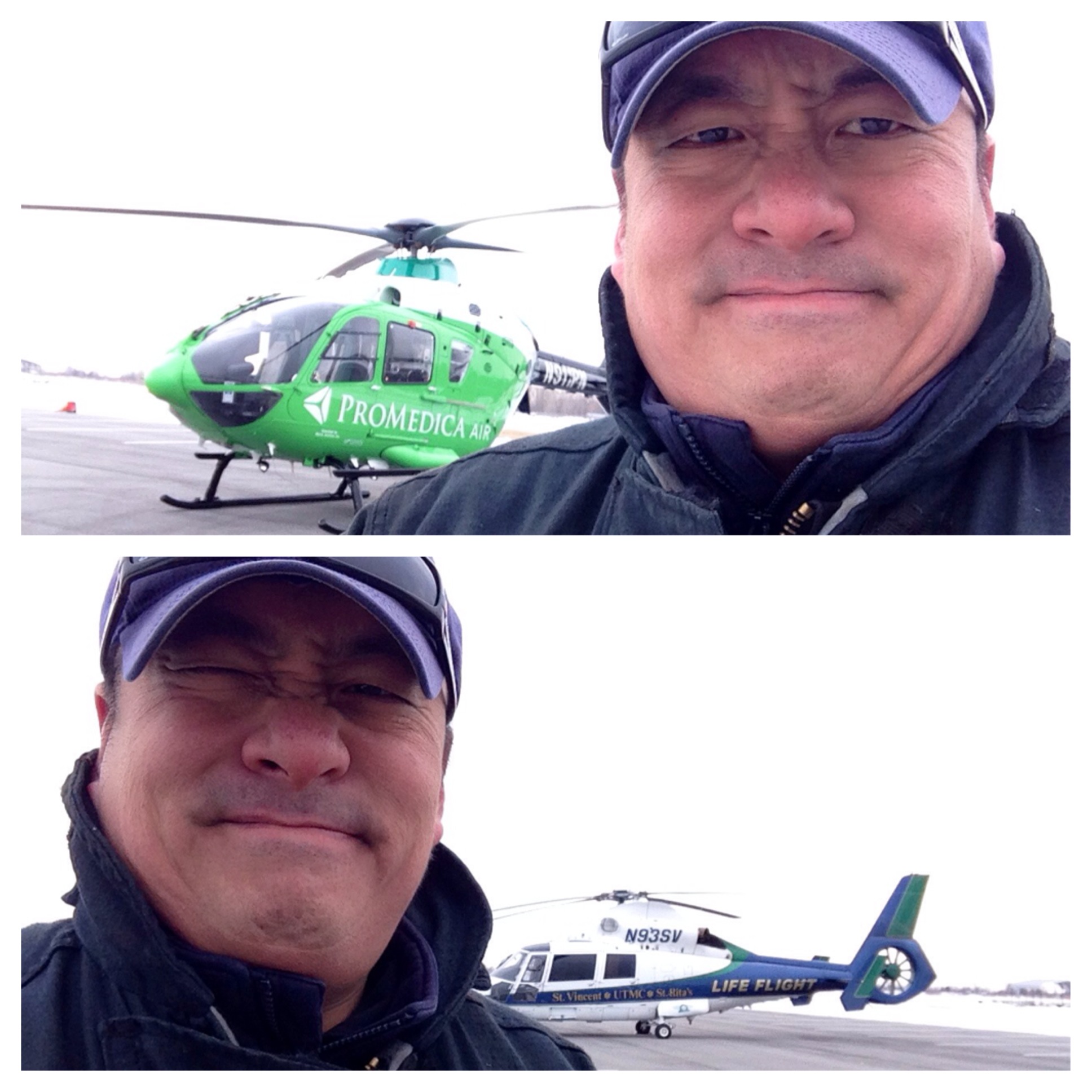
@rusnivek
Tuesday, April 15, 2014
SPRINGFIELD, Ohio (AP) — A man is facing charges after deputies say he was flying a video camera-equipped drone that hindered the landing of a medical helicopter at an accident scene.
Kele Stanley, of Springfield, said he’s been unfairly charged and would have landed it immediately if he knew the medical helicopter was en route.
“I’m not an idiot,” he said.
The hobbyist was flying the $4,000 drone over a crash scene on Saturday morning to shoot photos and video.
Authorities said both fire officials and a Clark County sheriff’s deputy told Stanley to stop flying his remote-controlled aircraft because the helicopter was preparing to land, and that he refused. The helicopter was able to land and depart safely from the scene.
Stanley is facing a felony charge of obstructing official business and misdemeanor charges of misconduct at an emergency and disorderly conduct. He pleaded not guilty during a court appearance Monday and said he’s going to hire a lawyer to fight the charges.
Stanley, a 31-year-old copy-machine repairman and videographer, said he flew his remote-controlled “hexacopter” about 75 feet above where a pickup had hit a tree in Moorefield Township near Springfield. He said he was shooting the video as a hobby and would have turned it over to local television stations, as he has done before.
There currently are no regulations in Ohio governing private use of the unmanned aircraft, although law enforcement agencies must get special permits to use them. The Federal Aviation Administration bars the commercial use of drones.
That’s right, she got caught because of her Facebook post. 
Colleen Cudney was convicted for DUI in 2012. One condition – she is to submit to random breathalyzer tests.
Fast forward to St Patrick’s Day 2014 (March 17th, 2014). Colleen was out carousing and drinking. On Tuesday March 18th, 2014, Colleen gets called in for a random breathalyzer test.
Colleen passes. She’s so amazed, that she takes to Facebook and posts about it: “Buzz killer for me, I had to breatalyze (sic) this morning and I drank yesterday but I passed thank god lol my dumbass.”

Well, well, well…..Local law enforcement called Colleen back again for an additional urine test. Colleen had indeed failed the more precise urine test. 
At this time, Colleen is looking at an additional 93 days in jail from the 18th District Court in Michigan for violating her parole. Nice work Colleen.
Shockingly, Colleen has since deleted her Facebook post and her Facebook account. Hmmmmm.
Morale of the story: Know the power of social media because what you post, isn’t really private.
@rusnivek
For those in and around the Philippines, take caution in all activities.
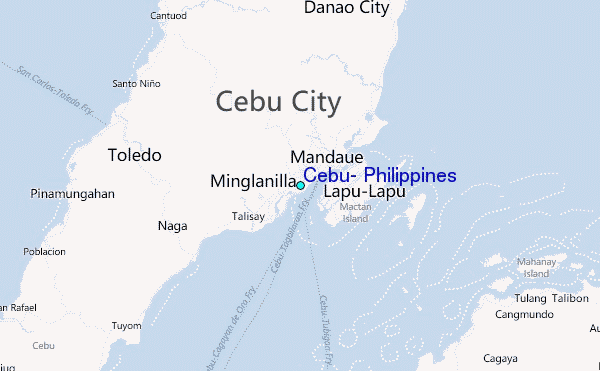
Here are some tips that you can use as you recover from your large earthquake.
For more up to the minute information, consider following @philredcross for more details.
Stay safe everyone.
@rusnivek

 Where is @rusnivek?