A list of religious agencies involved in post disaster support #NatlPrep #Prepared2014

Ahhh, the smell of Saturday…in the last day of the second week in 2014 National Preparedness Month.

“Be Disaster Aware, Take Action to Prepare”

Finishing strong in week-2!

This week’s theme is consistent with FEMA’s National Preparedness Campaign: Know How To plan for specific needs before a Disaster.

#13: Plan with religious agencies to support recovery efforts after a disaster. Keep an updated list at the ready. #NatlPrep #Prepared2014
IMG_7396

Now, I’m not much of a church guy…however you don’t need to be religious to realize these services exist. It would be well worth your time to learn what groups are active and which ones could support your recovery efforts after a big disaster.

So keep a current list with names and phone numbers of groups who are active in disaster recovery. As an example:

And if you don’t use them, maybe your neighbors could utilize their services.

All planning should force you to think outside-the-box when addressing unmet needs. All of these groups are a vital part of our All-Hazards response in rebuilding every community post-disaster.

@rusnivek


Finding alternative solutions to charge your stuff…w/ a 9-volt battery #NatlPrep #Prepared2014

TGI-Friday in this second week in 2014 National Preparedness Month.

“Be Disaster Aware, Take Action to Prepare”

What a week!

This week’s theme is consistent with FEMA’s National Preparedness Campaign: Know How To plan for specific needs before a Disaster.

#12: Finding alternative solutions to charge your cell phone…like charging it with a simple 9-volt battery (video) #NatlPrep #Prepared2014

All you need is your phone, cig plug cable, 9-volt battery, and a simple key.

MacGyver your stuff up!

macgyver

By learning alternate ways to deal with power problems, you can easily have uninterrupted cell phone service and power while staying in close communications with your family.

So be creative peeps…and go and find a few 9-volt batteries and test this out.

@rusnivek

Support your local emergency services who are the backbone of every community in America #NatlPrep #Prepared2014

Solemn day in this second week in 2014 National Preparedness Month.

“Be Disaster Aware, Take Action to Prepare”

This week’s theme is consistent with FEMA’s National Preparedness Campaign: Know How To plan for specific needs before a Disaster.

#11: Support your local emergency services who are the backbone of every community in America #NatlPrep #Prepared2014

DSC_8132a-760x115

Do it….Get to know your local emergency services.

For those of you who have written plans, please share them with your local emergency services. Take your kids to the Fire Stations, Police Stations, and EMS Stations…teach them the importance of these essential services who will be first on the scene during an emergency.

Teach your kids how to call 9-1-1. Teach them that help will always be there.

And yes, it is your steadfast preparedness efforts that greatly contribute to the readiness of the US.

DSC03037

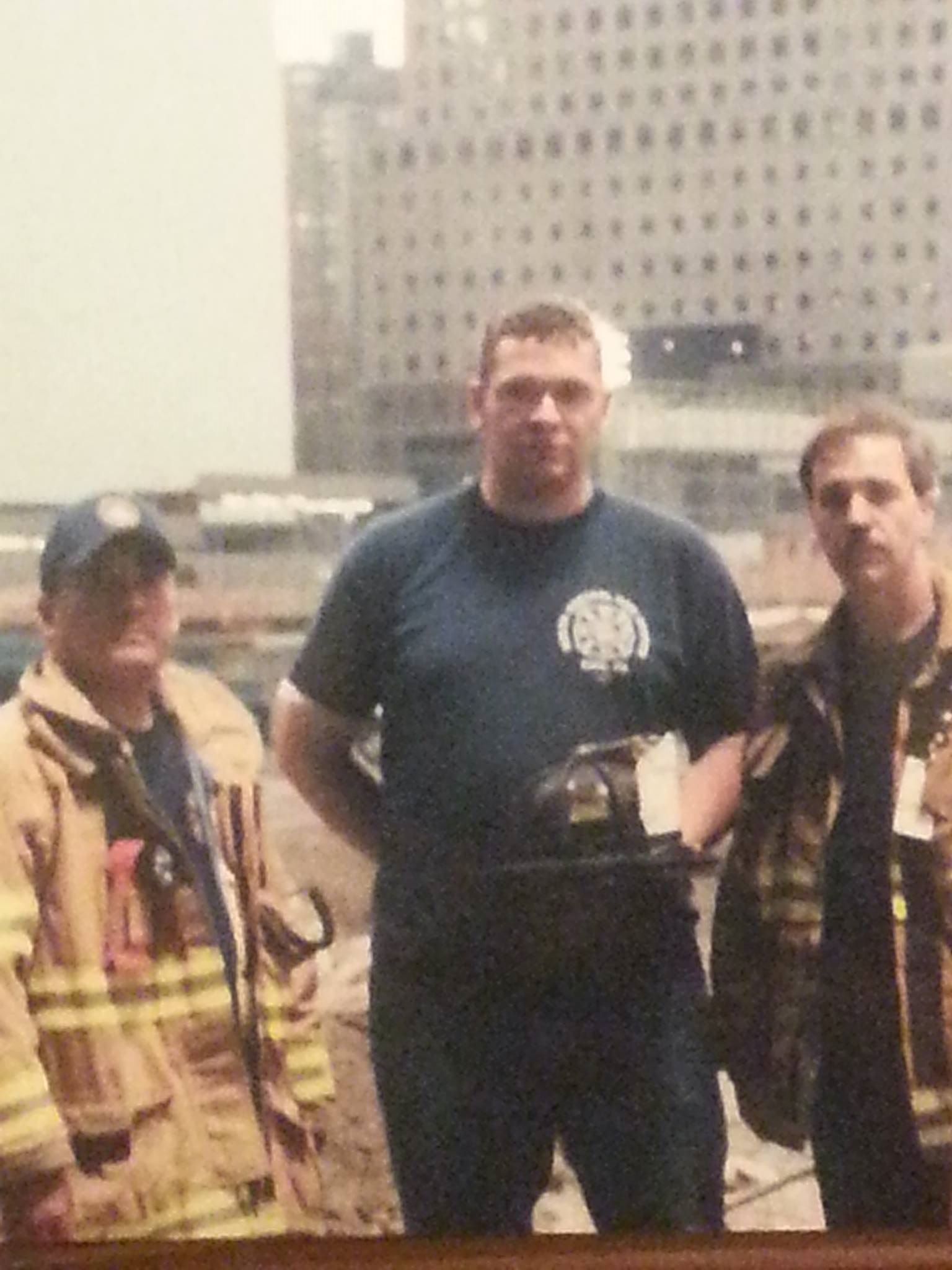
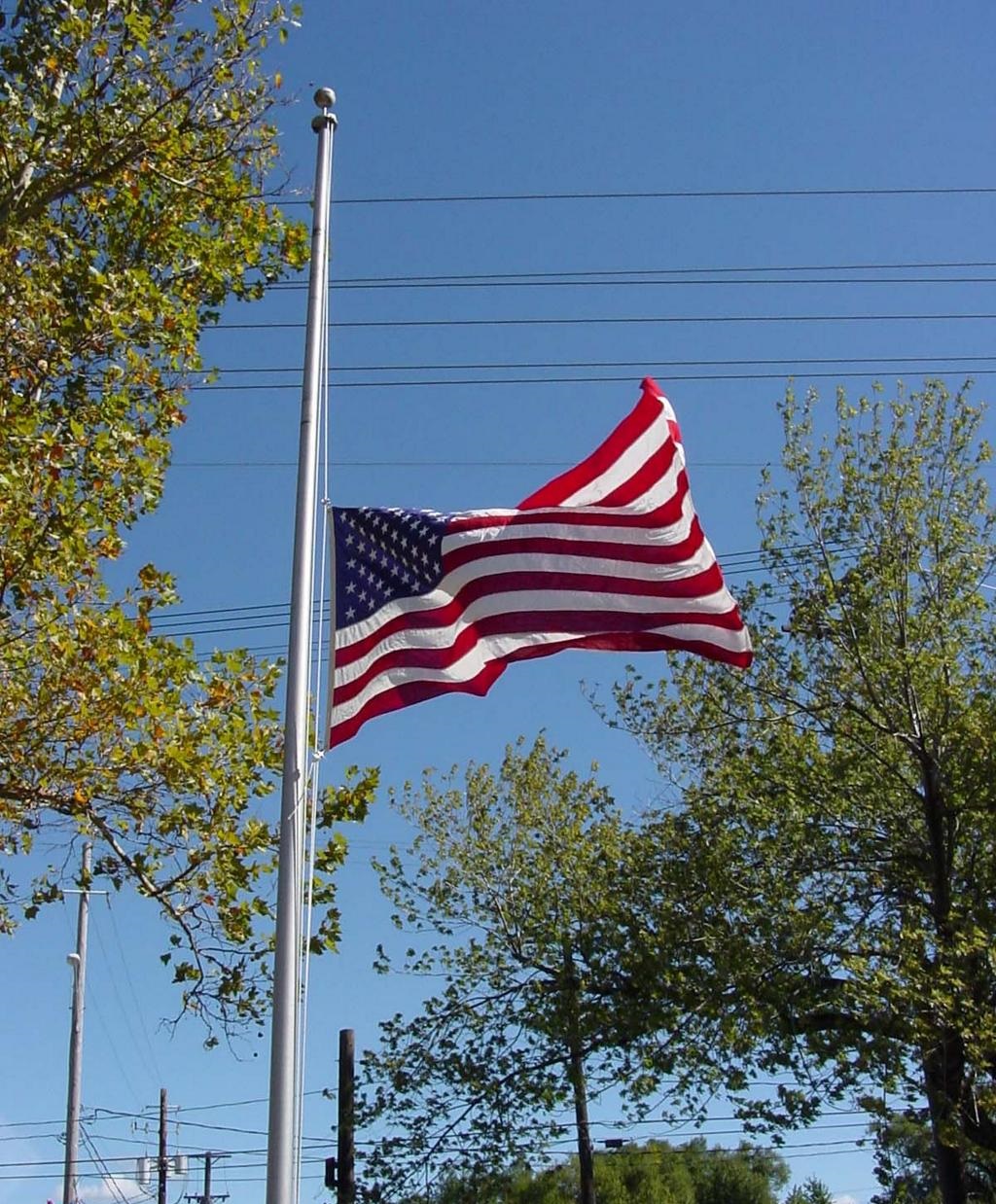
So take a moment today to reflect on one of the worst terrorist attacks in the history of the US. As a country, we will never stray from the freedoms that allow us to be the home of the brave.

I have sad, but great memories of my time at Ground Zero.

10686347_10204857172979277_234273634_o

I’m honored to have been a part of this effort at the WTC.

10620829_492814344154742_7797337863950809992_n

I witnessed the resolve and resilience of everyone in New York City and across this great nation. This fierce American spirit should remind each of us of the importance of our disaster work we do every day.

I believe everyone in the world can remember what they were doing when they heard the news of the attacks in 2001. And now more than ever, we must take the steps to ensure our freedoms continue to ring for every single American.

Please honor those Firefighters and countless other heroes who have given their lives for our great nation.

Never give up. Never forget.

BxQNPuRIAAATzLu

@rusnivek


Planning alternate travel routes to avoid adverse weather #NatlPrep #Prepared2014

Mowing this week down as we are almost to the middle of the second week in 2014 National Preparedness Month!

“Be Disaster Aware, Take Action to Prepare”

Terriffic Tuesdays are here!

This week’s theme is consistent with FEMA’s National Preparedness Campaign: Know How To plan for specific needs before a Disaster.

#9: When planning alternate routes for work or evacuation, factor in adverse weather conditions #NatlPrep #Prepared2014

IMG_0735.JPG

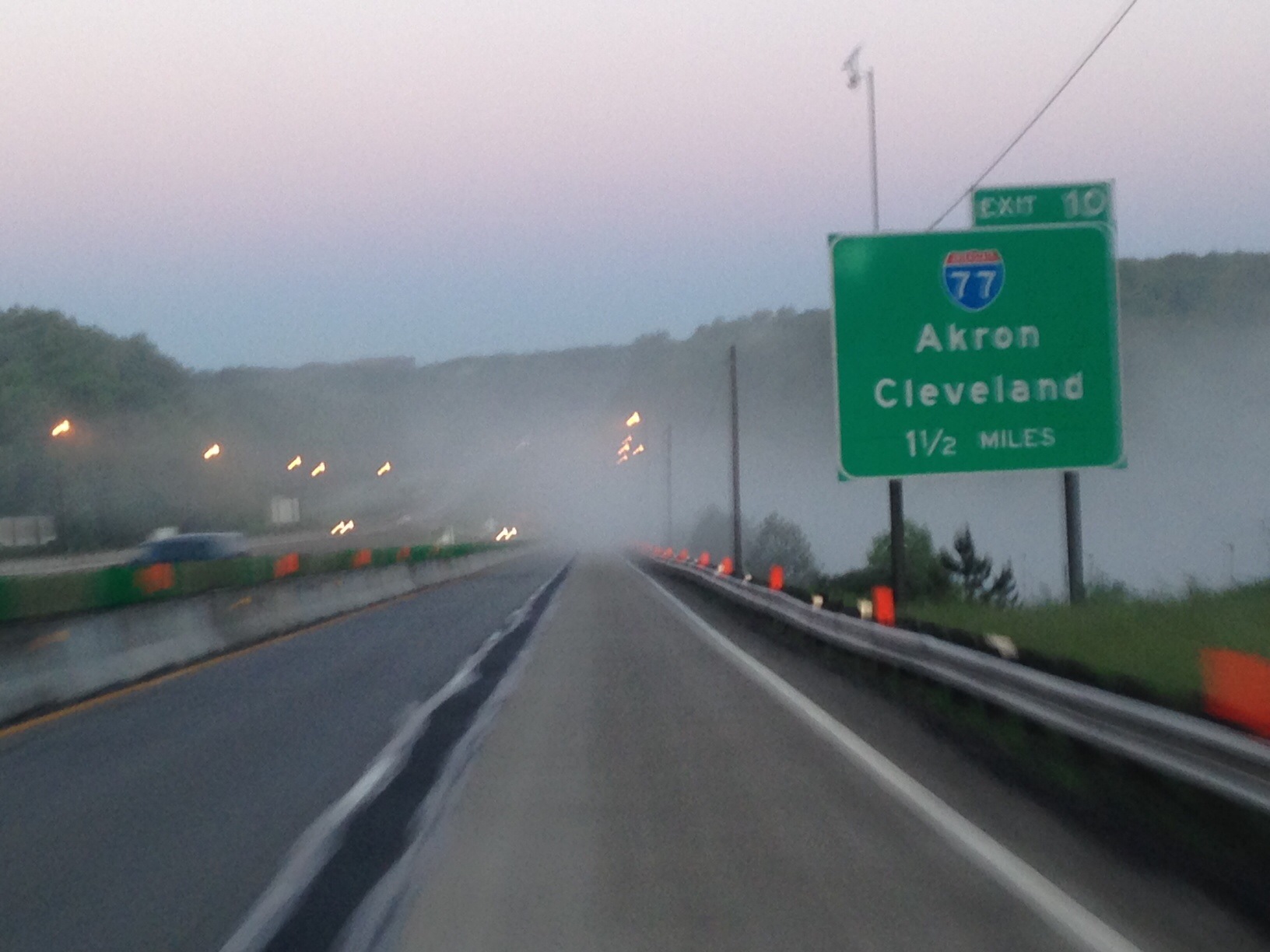
By carefully planning your routes, you can prepare you and your family for adverse weather before it rolls in. Additionally, the use of your NOAA NWS Weather Radio to avoid bad weather will help you safely navigate to your destination in a timely fashion. Consider printing out maps w/ clearly defined routes for everyone in your family.

You do NOT want to mess with Mother Nature – so plan your routes accordingly and drive them often so you aren’t surprised by major/minor construction. Make sure you and your family are safe!

“Planning is everything.” – US President Dwight D Eisenhower.

@rusnivek

Various free classes on disaster preparedness #NatlPrep #Prepared2014

Solid Monday here as we lead into the second week of 2014 National Preparedness Month!

“Be Disaster Aware, Take Action to Prepare”

No Mundays here!

This week’s theme is consistent with FEMA’s National Preparedness Campaign: Know How To plan for specific needs before a Disaster.

#8: Do not be afraid to attend ongoing free training classes on preparedness
#NatlPrep #Prepared2014

IMG_7211


Your local, state, and Federal Emergency Managers are always providing free classes on preparedness and what to do during/after a disaster.

In a few of these courses, your local emergency officials help review your plans for specific items needed after a disaster. As an example, if you live in Ohio, you’d want to have warm blankets, mittens, etc….for your vehicle preparedness kit – esp during the cold winter right? Plan for your specific needs!

So taking classes…totally important right?!?

In fact, I’m sitting in a class today in FEMA Region-III (Maryland).

(Shhhhh! I’m trying to pay attention)

Life long learning peeps!

@rusnivek

An open door response #whoops

The rig is sounding awfully loud tonight…

IMG_1584

…those apparatus mechanics really can’t get anything right!

IMG_1587

Typical – blame everyone else first.

So, it’s probably a good time to check your doors BEFORE responding to any calls.

EMS Flight crews do it. Maybe a 360 walk around is a good idea.

*FD names removed to protect the innocent*

@rusnivek

What I read before every flight #safety

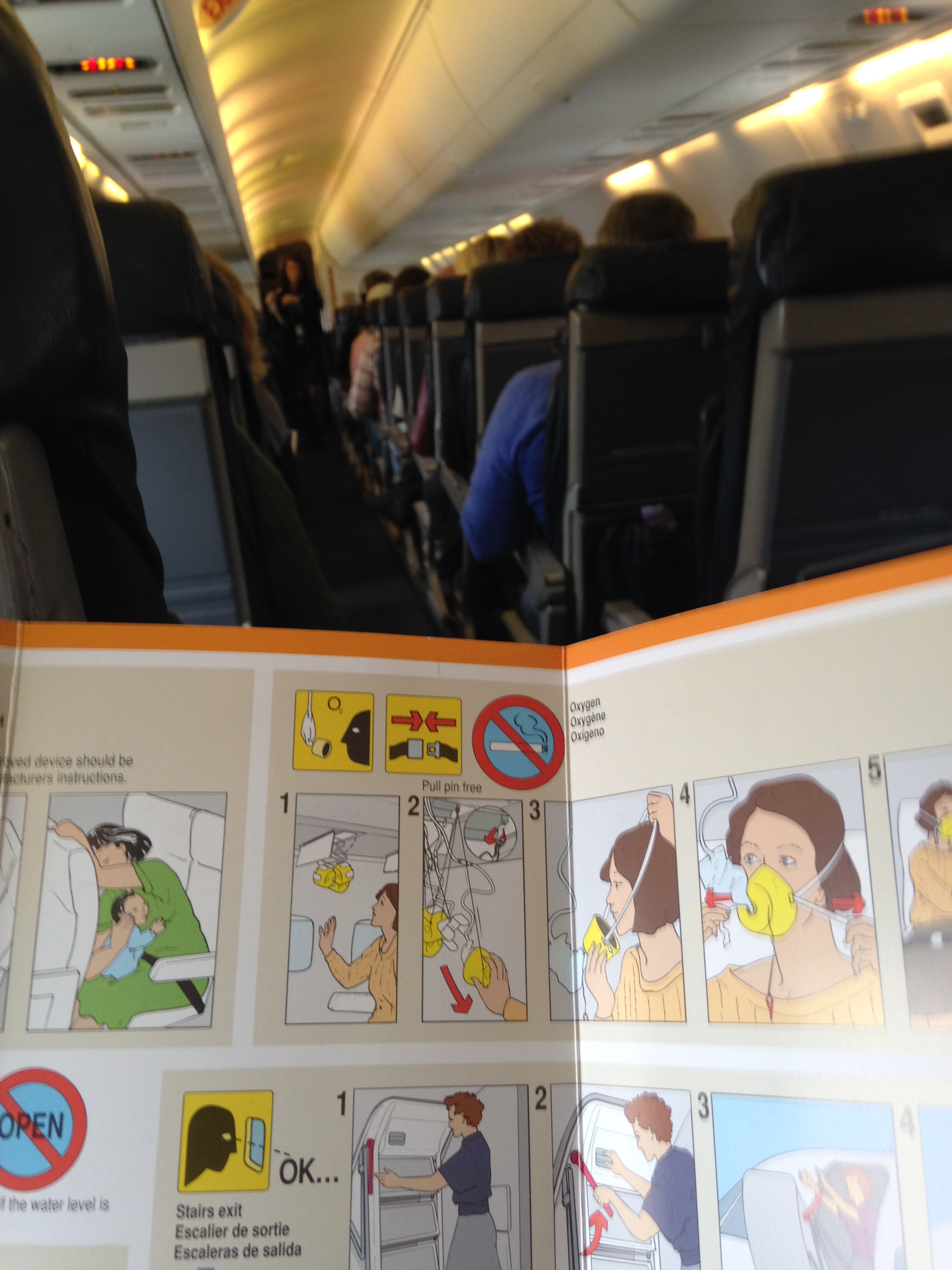
If you have ever flown with me, then you know…

IMG_7115

…I am that guy that ALWAYS pulls out the safety card briefing card during prep for flight.

IMG_7054

I follow along w/ the flight crew as they go over all safety procedures.

Seriously, I don’t care how hot you are, I will be paying attention during flight briefing. Try to distract me…and it won’t work.

Yep, #Imadork

Maybe it’s the years doing preflight checks or my over active imagination that when the time comes, I will most likely be at the door – who knows!

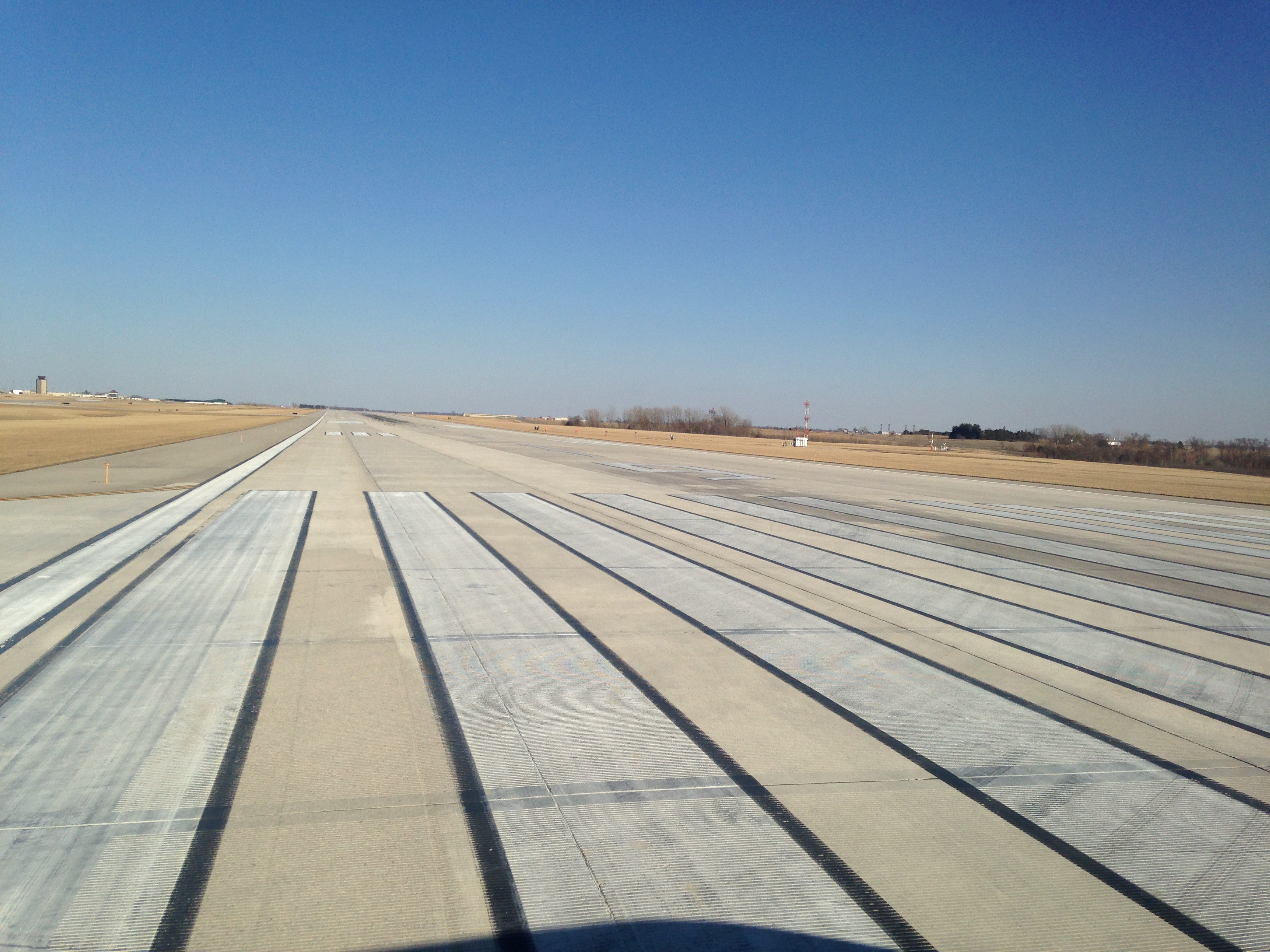
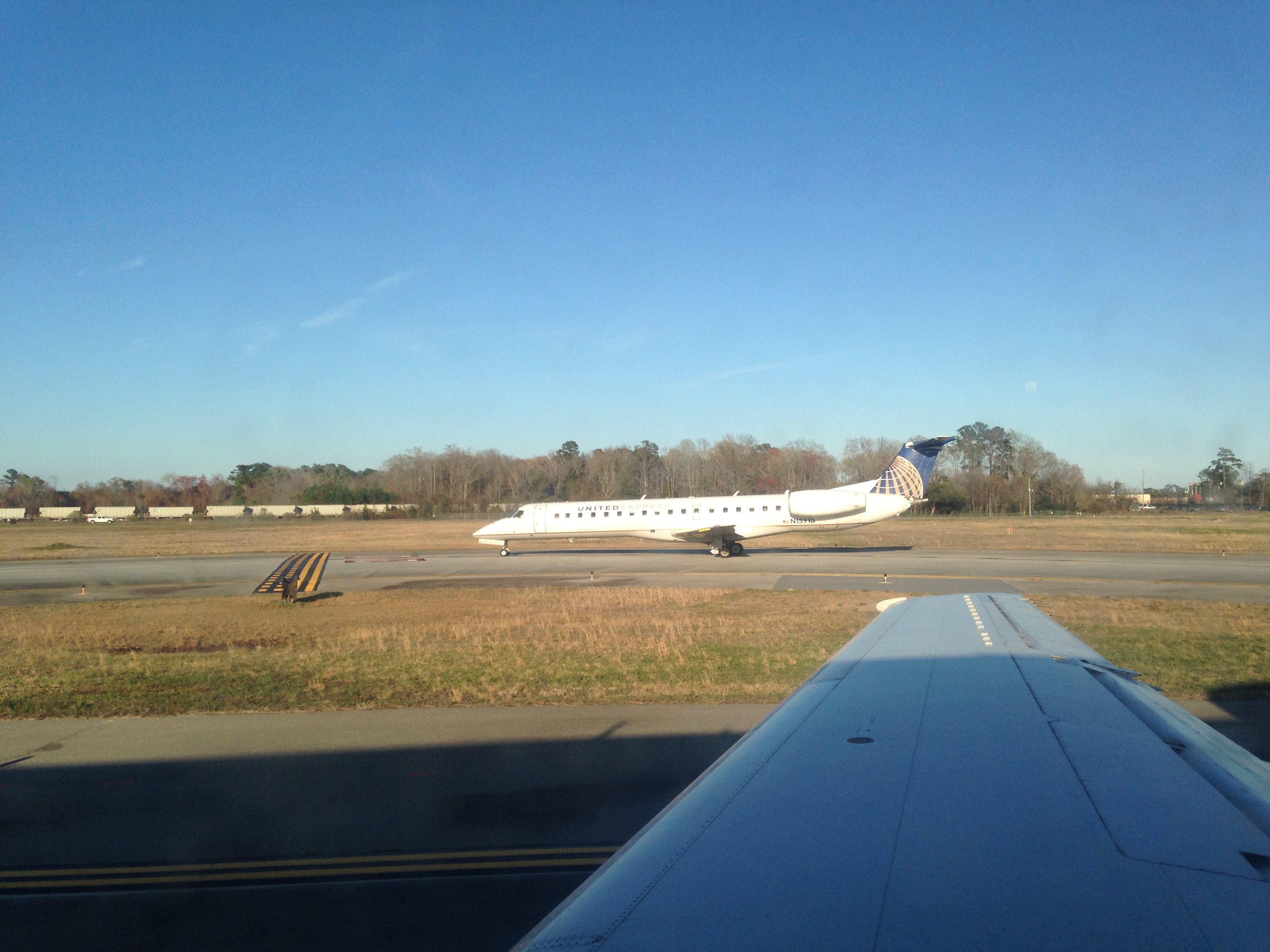
IMG_6787

Race time! Ready….Set……


I’ll ask again: Are you sure you want to join me on assignment?

@rusnivek

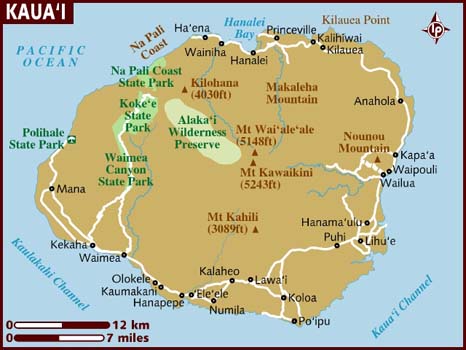
Tsunami warning? Are you on Kauai? #HITsunami

Tsunami warning? Are you on Kauai?

map_of_kauai


Check if you are in an evacuation zone here (FREE):

Before a Tsunami

  • To begin preparing, you should build an emergency preparedness kit and make a family communications plan.
  • Talk to everyone in your household about what to do if a tsunami occurs. Create and practice an evacuation plan for your family. Familiarity may save your life. Be able to follow your escape route at night and during inclement weather. You should be able to reach your safe location on foot within 15 minutes. Practicing your plan makes the appropriate response more of a reaction, requiring less thinking during an actual emergency.
  • If the school evacuation plan requires you to pick your children up from school or from another location. Be aware telephone lines during a tsunami watch or warning may be overloaded and routes to and from schools may be jammed.
  • Knowing your community’s warning systems and disaster plans, including evacuation routes.
  • Know the height of your street above sea level and the distance of your street from the coast or other high-risk waters. Evacuation orders may be based on these numbers.
  • If you are a tourist, familiarize yourself with local tsunami evacuation protocols. You may be able to safely evacuate to the third floor and higher in reinforced concrete hotel structures.
  • If an earthquake occurs and you are in a coastal area, turn on your radio to learn if there is a tsunami warning.


During a Tsunami

  • Follow the evacuation order issued by authorities and evacuate immediately. Take your animals with you.
  • Move inland to higher ground immediately. Pick areas 100 feet (30 meters) above sea level or go as far as 2 miles (3 kilometers) inland, away from the coastline. If you cannot get this high or far, go as high or far as you can. Every foot inland or upward may make a difference.
  • Stay away from the beach. Never go down to the beach to watch a tsunami come in. If you can see the wave you are too close to escape it. CAUTION – If there is noticeable recession in water away from the shoreline this is nature’s tsunami warning and it should be heeded. You should move away immediately.
  • Save yourself – not your possessions.
  • Remember to help your neighbors who may require special assistance – infants, elderly people, and individuals with access or functional needs.


After a Tsunami

  • Return home only after local officials tell you it is safe. A tsunami is a series of waves that may continue for hours. Do not assume that after one wave the danger is over. The next wave may be larger than the first one.
  • Go to a designated public shelter if you have been told to evacuate or you feel it is unsafe to remain in your home. Text SHELTER + your ZIP code to 43362 (4FEMA) to find the nearest shelter in your area (example: shelter 12345).
  • Avoid disaster areas. Your presence might interfere with emergency response operations and put you at further risk from the residual effects of floods.
  • Stay away from debris in the water; it may pose a safety hazard to people or pets.
  • Check yourself for injuries and get first aid as needed before helping injured or trapped persons.
  • If someone needs to be rescued, call professionals with the right equipment to help. Many people have been killed or injured trying to rescue others.
  • Help people who require special assistance—infants, elderly people, those without transportation, people with access and functional needs and large families who may need additional help in an emergency situation.
  • Continue using a NOAA Weather Radio or tuning to a Coast Guard station or a local radio or television station for the latest updates.
  • Stay out of any building that has water around it. Tsunami water can cause floors to crack or walls to collapse.
  • Use caution when re-entering buildings or homes. Tsunami-driven floodwater may have damaged buildings where you least expect it. Carefully watch every step you take.
  • To avoid injury, wear protective clothing and be cautious when cleaning up.


For more information, check out www.ready.gov

@rusnivek

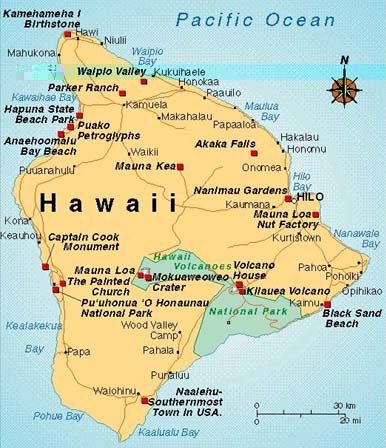
Tsunami warning? Are you on Hawaii? Big Island? Hilo? Kona? #HITsunami

Tsunami warning? Are you on Hawaii? Big Island? Hilo? Kona?

hawaii_map


Check if you are in an evacuation zone here (FREE):

Before a Tsunami

  • To begin preparing, you should build an emergency preparedness kit and make a family communications plan.
  • Talk to everyone in your household about what to do if a tsunami occurs. Create and practice an evacuation plan for your family. Familiarity may save your life. Be able to follow your escape route at night and during inclement weather. You should be able to reach your safe location on foot within 15 minutes. Practicing your plan makes the appropriate response more of a reaction, requiring less thinking during an actual emergency.
  • If the school evacuation plan requires you to pick your children up from school or from another location. Be aware telephone lines during a tsunami watch or warning may be overloaded and routes to and from schools may be jammed.
  • Knowing your community’s warning systems and disaster plans, including evacuation routes.
  • Know the height of your street above sea level and the distance of your street from the coast or other high-risk waters. Evacuation orders may be based on these numbers.
  • If you are a tourist, familiarize yourself with local tsunami evacuation protocols. You may be able to safely evacuate to the third floor and higher in reinforced concrete hotel structures.
  • If an earthquake occurs and you are in a coastal area, turn on your radio to learn if there is a tsunami warning.


During a Tsunami

  • Follow the evacuation order issued by authorities and evacuate immediately. Take your animals with you.
  • Move inland to higher ground immediately. Pick areas 100 feet (30 meters) above sea level or go as far as 2 miles (3 kilometers) inland, away from the coastline. If you cannot get this high or far, go as high or far as you can. Every foot inland or upward may make a difference.
  • Stay away from the beach. Never go down to the beach to watch a tsunami come in. If you can see the wave you are too close to escape it. CAUTION – If there is noticeable recession in water away from the shoreline this is nature’s tsunami warning and it should be heeded. You should move away immediately.
  • Save yourself – not your possessions.
  • Remember to help your neighbors who may require special assistance – infants, elderly people, and individuals with access or functional needs.


After a Tsunami

  • Return home only after local officials tell you it is safe. A tsunami is a series of waves that may continue for hours. Do not assume that after one wave the danger is over. The next wave may be larger than the first one.
  • Go to a designated public shelter if you have been told to evacuate or you feel it is unsafe to remain in your home. Text SHELTER + your ZIP code to 43362 (4FEMA) to find the nearest shelter in your area (example: shelter 12345).
  • Avoid disaster areas. Your presence might interfere with emergency response operations and put you at further risk from the residual effects of floods.
  • Stay away from debris in the water; it may pose a safety hazard to people or pets.
  • Check yourself for injuries and get first aid as needed before helping injured or trapped persons.
  • If someone needs to be rescued, call professionals with the right equipment to help. Many people have been killed or injured trying to rescue others.
  • Help people who require special assistance—infants, elderly people, those without transportation, people with access and functional needs and large families who may need additional help in an emergency situation.
  • Continue using a NOAA Weather Radio or tuning to a Coast Guard station or a local radio or television station for the latest updates.
  • Stay out of any building that has water around it. Tsunami water can cause floors to crack or walls to collapse.
  • Use caution when re-entering buildings or homes. Tsunami-driven floodwater may have damaged buildings where you least expect it. Carefully watch every step you take.
  • To avoid injury, wear protective clothing and be cautious when cleaning up.


For more information, check out www.ready.gov

@rusnivek

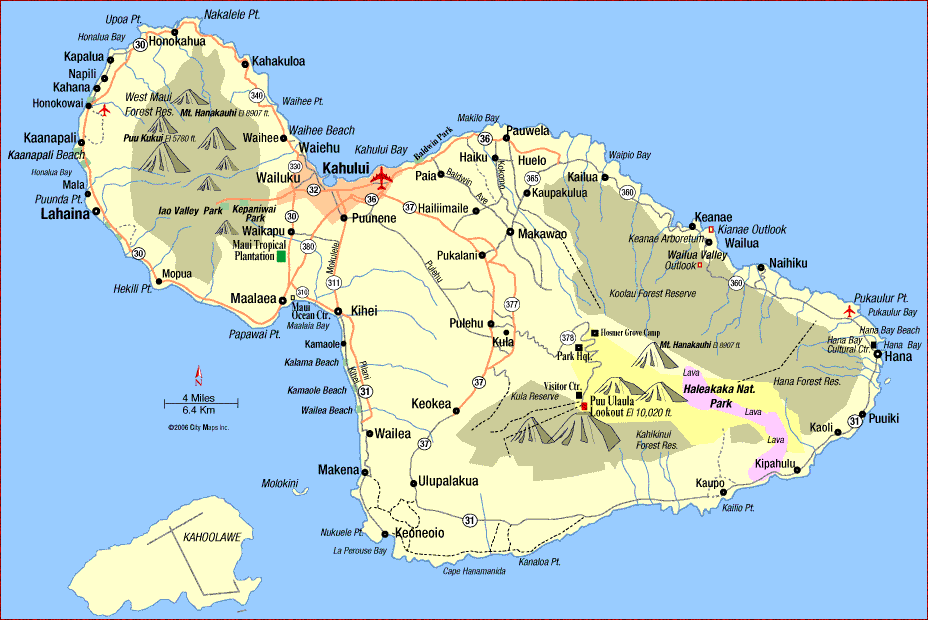
Tsunami warning? Are you on Maui? #HITsunami

Tsunami warning? Are you on Maui?


maui

Check if you are in an evacuation zone here (FREE):

Before a Tsunami

  • To begin preparing, you should build an emergency preparedness kit and make a family communications plan.
  • Talk to everyone in your household about what to do if a tsunami occurs. Create and practice an evacuation plan for your family. Familiarity may save your life. Be able to follow your escape route at night and during inclement weather. You should be able to reach your safe location on foot within 15 minutes. Practicing your plan makes the appropriate response more of a reaction, requiring less thinking during an actual emergency.
  • If the school evacuation plan requires you to pick your children up from school or from another location. Be aware telephone lines during a tsunami watch or warning may be overloaded and routes to and from schools may be jammed.
  • Knowing your community’s warning systems and disaster plans, including evacuation routes.
  • Know the height of your street above sea level and the distance of your street from the coast or other high-risk waters. Evacuation orders may be based on these numbers.
  • If you are a tourist, familiarize yourself with local tsunami evacuation protocols. You may be able to safely evacuate to the third floor and higher in reinforced concrete hotel structures.
  • If an earthquake occurs and you are in a coastal area, turn on your radio to learn if there is a tsunami warning.


During a Tsunami

  • Follow the evacuation order issued by authorities and evacuate immediately. Take your animals with you.
  • Move inland to higher ground immediately. Pick areas 100 feet (30 meters) above sea level or go as far as 2 miles (3 kilometers) inland, away from the coastline. If you cannot get this high or far, go as high or far as you can. Every foot inland or upward may make a difference.
  • Stay away from the beach. Never go down to the beach to watch a tsunami come in. If you can see the wave you are too close to escape it. CAUTION – If there is noticeable recession in water away from the shoreline this is nature’s tsunami warning and it should be heeded. You should move away immediately.
  • Save yourself – not your possessions.
  • Remember to help your neighbors who may require special assistance – infants, elderly people, and individuals with access or functional needs.


After a Tsunami

  • Return home only after local officials tell you it is safe. A tsunami is a series of waves that may continue for hours. Do not assume that after one wave the danger is over. The next wave may be larger than the first one.
  • Go to a designated public shelter if you have been told to evacuate or you feel it is unsafe to remain in your home. Text SHELTER + your ZIP code to 43362 (4FEMA) to find the nearest shelter in your area (example: shelter 12345).
  • Avoid disaster areas. Your presence might interfere with emergency response operations and put you at further risk from the residual effects of floods.
  • Stay away from debris in the water; it may pose a safety hazard to people or pets.
  • Check yourself for injuries and get first aid as needed before helping injured or trapped persons.
  • If someone needs to be rescued, call professionals with the right equipment to help. Many people have been killed or injured trying to rescue others.
  • Help people who require special assistance—infants, elderly people, those without transportation, people with access and functional needs and large families who may need additional help in an emergency situation.
  • Continue using a NOAA Weather Radio or tuning to a Coast Guard station or a local radio or television station for the latest updates.
  • Stay out of any building that has water around it. Tsunami water can cause floors to crack or walls to collapse.
  • Use caution when re-entering buildings or homes. Tsunami-driven floodwater may have damaged buildings where you least expect it. Carefully watch every step you take.
  • To avoid injury, wear protective clothing and be cautious when cleaning up.


For more information, check out www.ready.gov

@rusnivek