It’s the first Friday, the first week of 2014 National Preparedness Month!
“Be Disaster Aware, Take Action to Prepare”
Easy right? My goal is to provide actionable information so that you can better prepare you and your family.
This week’s theme is consistent with FEMA’s National Preparedness Campaign: Reconnect with Family After a Disaster.
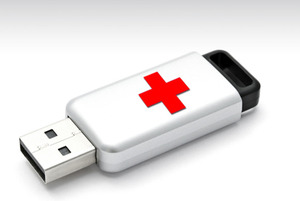
#5: Use a small USB drive includes all key emergency documents & family communications plan #NatlPrep #Prepared2014

These ubiquitous USB drives (aka thumb drives, jump drives, memory sticks, etc…) are so easy to find. Best part? These things are cheap! You can easily find 16G for $2…which is WAY more storage that you’d ever need to store your documents in an emergency.

What to keep stored on this jump drive? Scanned or digital copies of your:
- Family Communication Plan (that also includes an out-of-state contact)
- Driver’s License/State Identification card
- Passport
- Social security card
- Birth Certificates
- Home Insurance card
- Auto Insurance card
- Credit card(s)
- Copies of a recent bank statements
- High resolution pictures of your family and individual pictures.
As you pack your one ounce USB drive, don’t forget to put it in an airtight freezer ziplock type bag. Your electronic equipment does not like getting wet.
The cost of these USB drives are so low, that it behooves you to use easy technology now to better leverage your position in a disaster. Because you won’t have time to copy/transfer these documents during a rapid evacuation, now is the time to be prepared.
Keeping good documentation for your family is one of the most important parts of reconnecting with family during and after a disaster.
@rusnivek




 Where is @rusnivek?