Tsunami warning? Are you on Oahu? Honolulu? #HITsunami

Tsunami warning? Are you on Oahu? Honolulu?
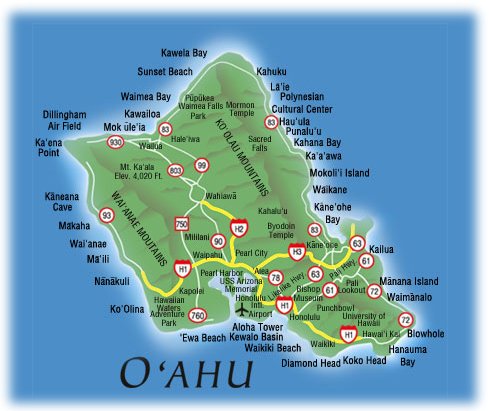
oahu_map

Check if you are in an evacuation zone here (FREE):

Before a Tsunami

  • To begin preparing, you should build an emergency preparedness kit and make a family communications plan.
  • Talk to everyone in your household about what to do if a tsunami occurs. Create and practice an evacuation plan for your family. Familiarity may save your life. Be able to follow your escape route at night and during inclement weather. You should be able to reach your safe location on foot within 15 minutes. Practicing your plan makes the appropriate response more of a reaction, requiring less thinking during an actual emergency.
  • If the school evacuation plan requires you to pick your children up from school or from another location. Be aware telephone lines during a tsunami watch or warning may be overloaded and routes to and from schools may be jammed.
  • Knowing your community’s warning systems and disaster plans, including evacuation routes.
  • Know the height of your street above sea level and the distance of your street from the coast or other high-risk waters. Evacuation orders may be based on these numbers.
  • If you are a tourist, familiarize yourself with local tsunami evacuation protocols. You may be able to safely evacuate to the third floor and higher in reinforced concrete hotel structures.
  • If an earthquake occurs and you are in a coastal area, turn on your radio to learn if there is a tsunami warning.


During a Tsunami

  • Follow the evacuation order issued by authorities and evacuate immediately. Take your animals with you.
  • Move inland to higher ground immediately. Pick areas 100 feet (30 meters) above sea level or go as far as 2 miles (3 kilometers) inland, away from the coastline. If you cannot get this high or far, go as high or far as you can. Every foot inland or upward may make a difference.
  • Stay away from the beach. Never go down to the beach to watch a tsunami come in. If you can see the wave you are too close to escape it. CAUTION – If there is noticeable recession in water away from the shoreline this is nature’s tsunami warning and it should be heeded. You should move away immediately.
  • Save yourself – not your possessions.
  • Remember to help your neighbors who may require special assistance – infants, elderly people, and individuals with access or functional needs.


After a Tsunami

  • Return home only after local officials tell you it is safe. A tsunami is a series of waves that may continue for hours. Do not assume that after one wave the danger is over. The next wave may be larger than the first one.
  • Go to a designated public shelter if you have been told to evacuate or you feel it is unsafe to remain in your home. Text SHELTER + your ZIP code to 43362 (4FEMA) to find the nearest shelter in your area (example: shelter 12345).
  • Avoid disaster areas. Your presence might interfere with emergency response operations and put you at further risk from the residual effects of floods.
  • Stay away from debris in the water; it may pose a safety hazard to people or pets.
  • Check yourself for injuries and get first aid as needed before helping injured or trapped persons.
  • If someone needs to be rescued, call professionals with the right equipment to help. Many people have been killed or injured trying to rescue others.
  • Help people who require special assistance—infants, elderly people, those without transportation, people with access and functional needs and large families who may need additional help in an emergency situation.
  • Continue using a NOAA Weather Radio or tuning to a Coast Guard station or a local radio or television station for the latest updates.
  • Stay out of any building that has water around it. Tsunami water can cause floors to crack or walls to collapse.
  • Use caution when re-entering buildings or homes. Tsunami-driven floodwater may have damaged buildings where you least expect it. Carefully watch every step you take.
  • To avoid injury, wear protective clothing and be cautious when cleaning up.


For more information, check out www.ready.gov

@rusnivek


Is this flooded roadway safe? You tell me…. #TADD #Prepared2014

This week is National Flood Safety Awareness Week (March 16 – 22, 2014).

To help clarify some misconceptions about water and flooding, let me make it very clear – NEVER drive through flooded roads. Here’s a great example. We were dispatched after a few reported calls of a flooded roadway. Looks innocent enough right?

OLYMPUS DIGITAL CAMERA

Just because it’s downhill does NOT mean it is any safer…in fact, it is more dangerous.

  1. Gravity will move/flow the water faster.
  2. More water will cause you to lose control of your vehicle or possibly sink your vehicle and/or drown you.
  3. More water will remain at the bottom of the hill will definitely cause damage to your vehicle.

So how can you share this safety message with others?

  • Continue to share the message of Turn Around, Don’t Drown = #TADD (National safety campaign phrase)
  • Flash flooding can occur anywhere – even within metropolitan and urban areas.
  • Avoid areas that are frequently flooded.
  • Always follow instructions from your local emergency service professionals.
  • Report any flooded roadways to the proper authorities.
  • NEVER drive through flooded roads.

It’s really bad news if we have to meet like this…

DVC00088

If you were wondering, that’s me on the right

Do your part in #Prepared2014 by being safe this year.

@rusnivek

2014 National Flood Safety Awareness Week #TADD #Prepared2014

This week is National Flood Safety Awareness Week (March 16 – 22, 2014).

Did you know that floods are the #1 natural disaster in the US? Just within the past five years, all 50 states have experienced floods or flash floods.

No%20Drowning

How can you help?

Share these easy safety tips with your constituents on flood safety:

  • Turn Around, Don’t Drown = #TADD (National safety campaign phrase)
  • Flash flooding can occur anywhere. If there is a possibility of a flash flood, move to higher ground. Always follow instructions from your local emergency service professionals.
  • NEVER drive through flooded roads.
  • Use local alerts and warning systems (like iPAWS and WEAs) which can send localized information about your immediate area.
  • Stay away from damaged areas unless your assistance has been specifically requested by police, fire, or relief organization.
  • Just a few inches of water from a flood can cause thousands of dollars in damages.
  • Do you know if you live in a flood zone? Find out here for free.

FloodSafety_poster_date

So check your emergency preparedness kits and make sure you are ready!

10012615_10100544482624277_989186021_n

@rusnivek

No matter how much your pets beg… #Preparedness2014

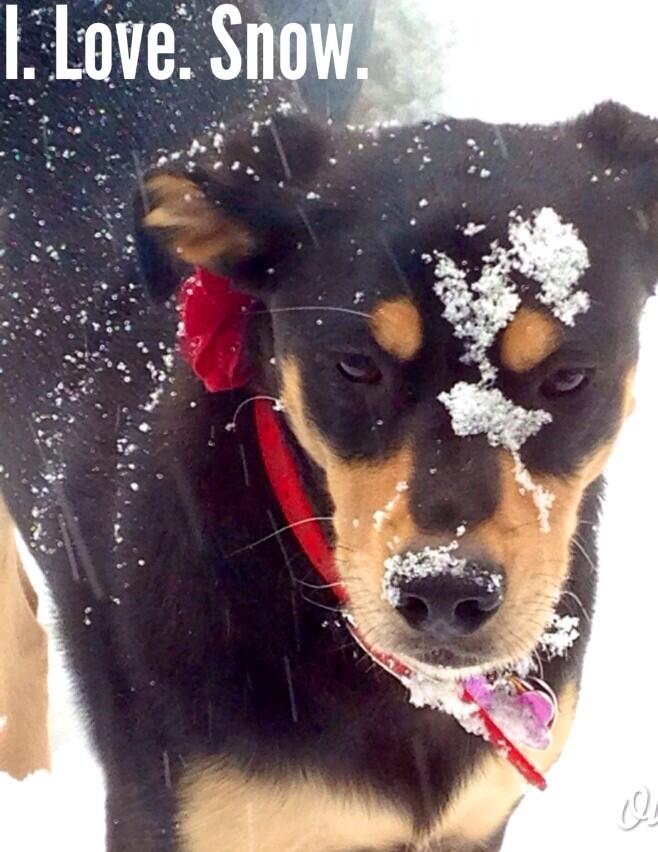
No matter how much they beg, minimize the amount of time your pets spend outside in severe winter weather #OHWX #Preparedness2014

KacySnow

@rusnivek

Check your vehicle preparedness kit now before this happens to you…

How is your vehicle emergency preparedness kit?

Check it out BEFORE you leave home today!

Be14RkOCIAApv1w

Need some help or ideas in assembling your emergency preparedness kits? Don’t know what to put into your emergency preparedness kits? Check out these free checklists.

Stay safe peeps!

@rusnivek

Winter Storm Watch vs. Warning vs. Blizzard Warning

Avoid overexertion when shoveling snow.

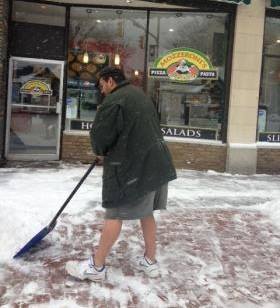
Consider stretching before you begin shoveling….and PLEASE wear long pants!!!!!

1601551_410331389069705_161838067_n

Do you know the differences between Winter Storm Watch vs. Winter Storm Warning vs. Blizzard Warning?

Winter Storm Watch: There is a possibility of a storm occurring.

Winter Storm Warning: A storm is already taking place or is expected.

Blizzard Warning: Sustained winds or frequent gusts to 35 miles per hour or greater and considerable amounts of falling or blowing snow (reduced visibility to less than a quarter mile) are expected to prevail for a period of three hours or longer.

Listen to your NOAA Weather Radio for the latest news and weather reports.

@rusnivek

Time to check your NOAA weather radio

Bad weather? Cold Weather? Want to know the weather?

Good time to check the latest #OHWX via your NOAA Weather Radio now

1525468_410241235745387_1550359728_n

And if you happen to be in the Cleveland area = 162.550mHz     SAME#039035


The National Weather Service (NWS) provides local weather broadcasts via NOAA Weather Radio from more than 700 transmitters nationwide. NOAA Weather Radios provide continuous broadcasts of the latest weather information from local NWS offices. Weather messages are repeated every 4 to 7 minutes, or more frequently in rapidly changing local weather, or if a nearby hazardous environmental condition exists. This service operates 24 hours a day.

@rusnivek

Can you use the oven to warm your house?

NEVER use your oven as a source of heat during the severe winter weather.

1512333_410211429081701_1375666232_n

If you do not have heat, contact your local Red Cross chapter for a list of open warming stations/shelters.

Be smart and be safe!

@rusnivek

Mom! Can we play outside in the snow…please?!?!!?

Monitor/limit the amount of time kids spend outside in severe weather.

I know they think it’s fun, but do NOT let them play for hours in the cold.

Bundle up!

1555310_410186692417508_456455657_n


Do you know the differences between frostbite and hypothermia?

Frostbite: loss of feeling and white or pale appearance in extremities such as fingers, toes, ear lobes, and the tip of the nose. Get medical help immediately.

Hypothermia: uncontrollable shivering, memory loss, disorientation, incoherence, slurred speech, drowsiness, and apparent exhaustion. If symptoms of hypothermia are detected, get the victim to a warm location, remove wet clothing, warm the center of the body first and give warm, non-alcoholic beverages if the victim is conscious. Get medical help as soon as possible.


@rusnivek

I don’t care how much you love winter weather, WALK slowly!


I don’t care how much you love winter weather – WALK carefully and slowly on snowy icy walkways!!!!

BdRzqmuCUAAJSeU

NEVER run.

Seriously, it’s OK to shuffle along too.

@rusnivek