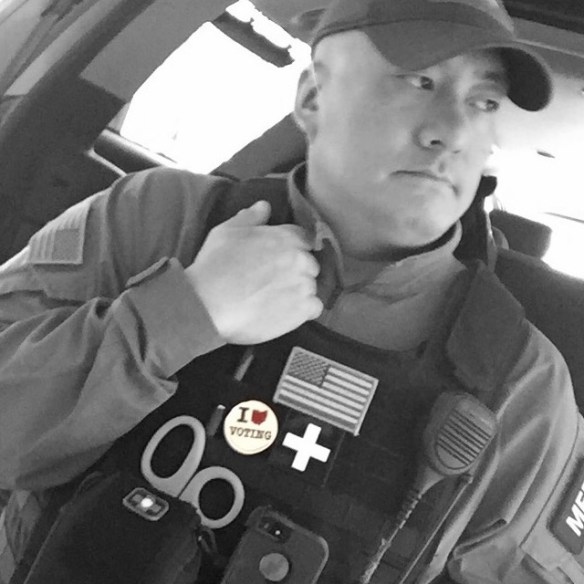
TEMS Operators are definitely #EMSStrong #EMSWeek2016

SWAT Medics aka Tactical EMS Operators have gained so much more prominence in daily operations.
img_9255

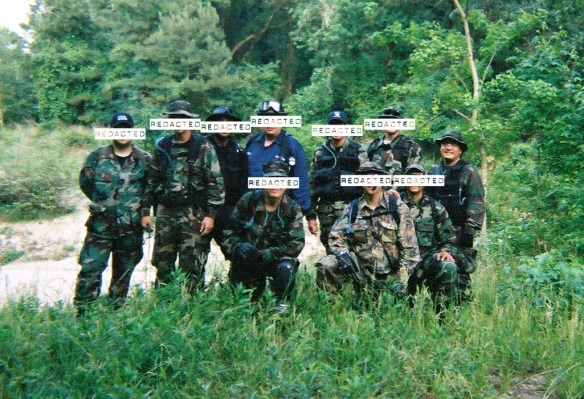
In its infancy, Tactical Emergency Medical Services (TEMS) was made up of a bunch of EMS pros from so many different backgrounds.
TEMSOperators

These nuts.

These days, I’m glad to see my training has paid off and TEMS Operators are respected by their peers in the Fire/EMS Service, but as well as Law Enforcement Officers (LEOs).

Heck, even my friends at the FBI has many trained TEMS Operators.

Tactical EMS Operators (aka SWAT Medics) are a critical piece of a successful Emergency Medical Service operation.

Thank your local Tactical EMS pros for a job well done!

What is EMS Week?

Since President Gerald Ford first recognized EMS Week in 1973, communities, hospitals, healthcare organizations, survivors and EMS agencies spend a week every year in May recognizing the lifesaving work of EMS professionals. AROUND THE COUNTRY, EMS Week is celebrated with a variety of events.

2016 EMS Week: Sunday May 15 through Saturday May 21

emsweek

What is EMS Strong?

The EMS Strong campaign seeks to celebrate, unify and inspire the men and women of our nation’s emergency medical services. Created by the American College of Emergency Physicians (ACEP) in partnership with the National Association of Emergency Medical Technicians (NAEMT), EMS Strong brings together associations, EMS services, sponsors and national media to honor the dedication of EMS practitioners nationwide.
@rusnivek

Created and designed and now piloting the new SM

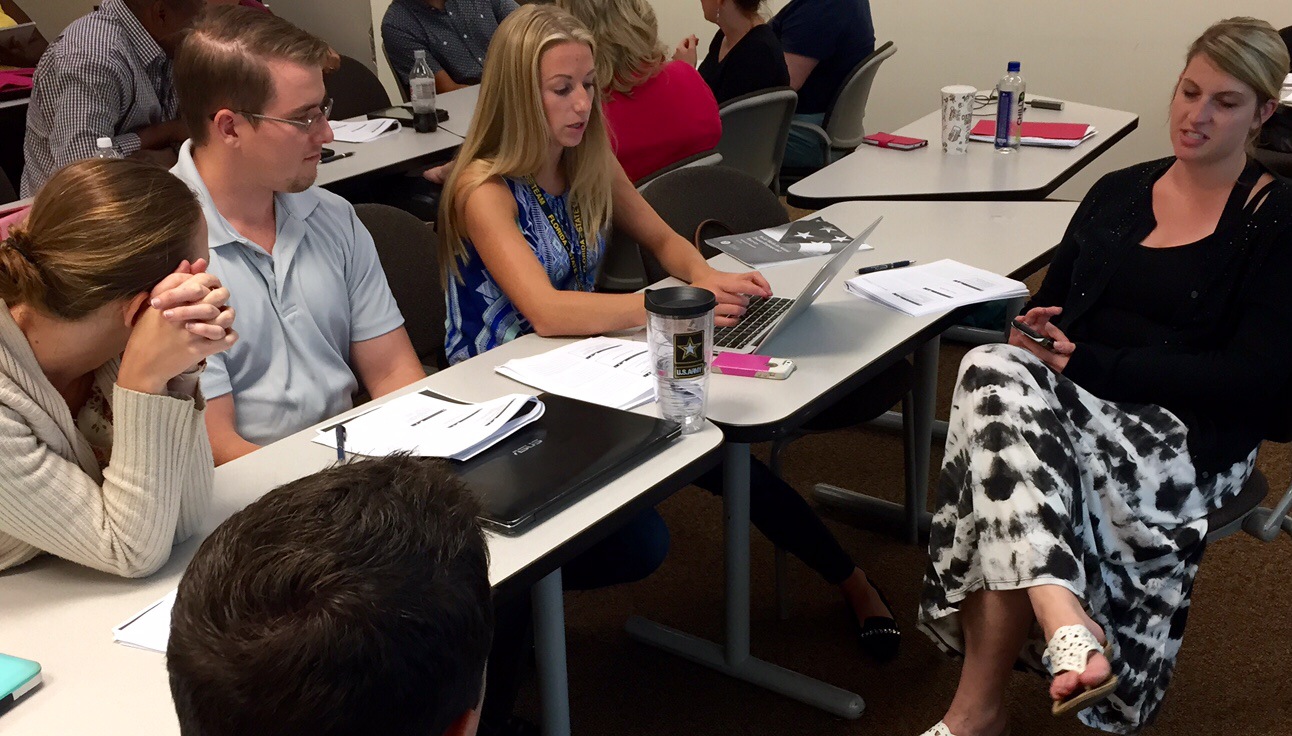
I rolled out my new FEMA presentation for FEMA Region-4 peeps at Florida State University in Tallahassee, FL.


At this time, this course is the semi-final pilot so I’m almost there!

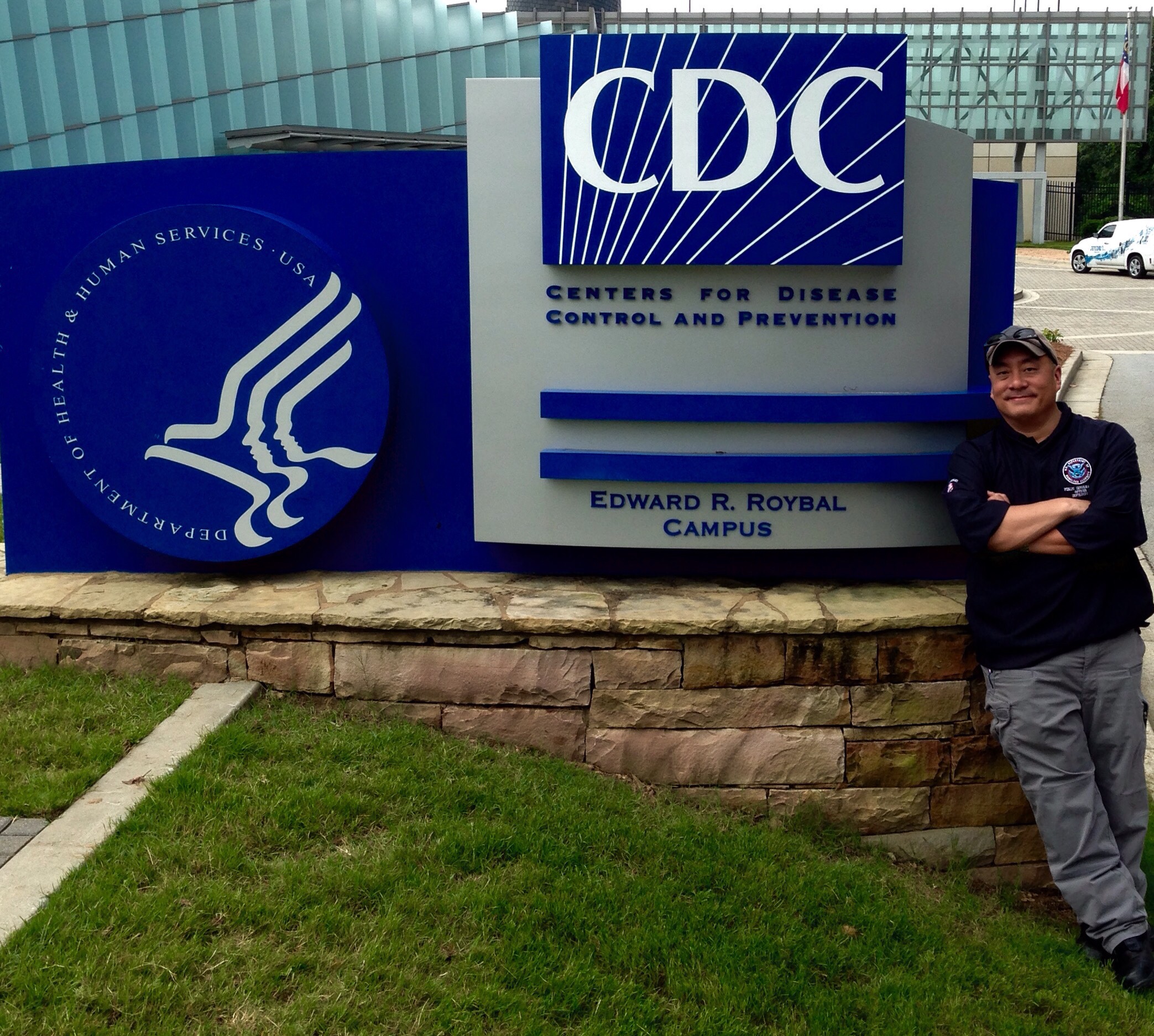
Obvs, I had to incorporate a great preparedness campaign from my friends at the CDC.  Have you heard of their preparedness campaign before? It costed the CDC a killer $87 (Get it? I’m so punny).


How about them Zombies?


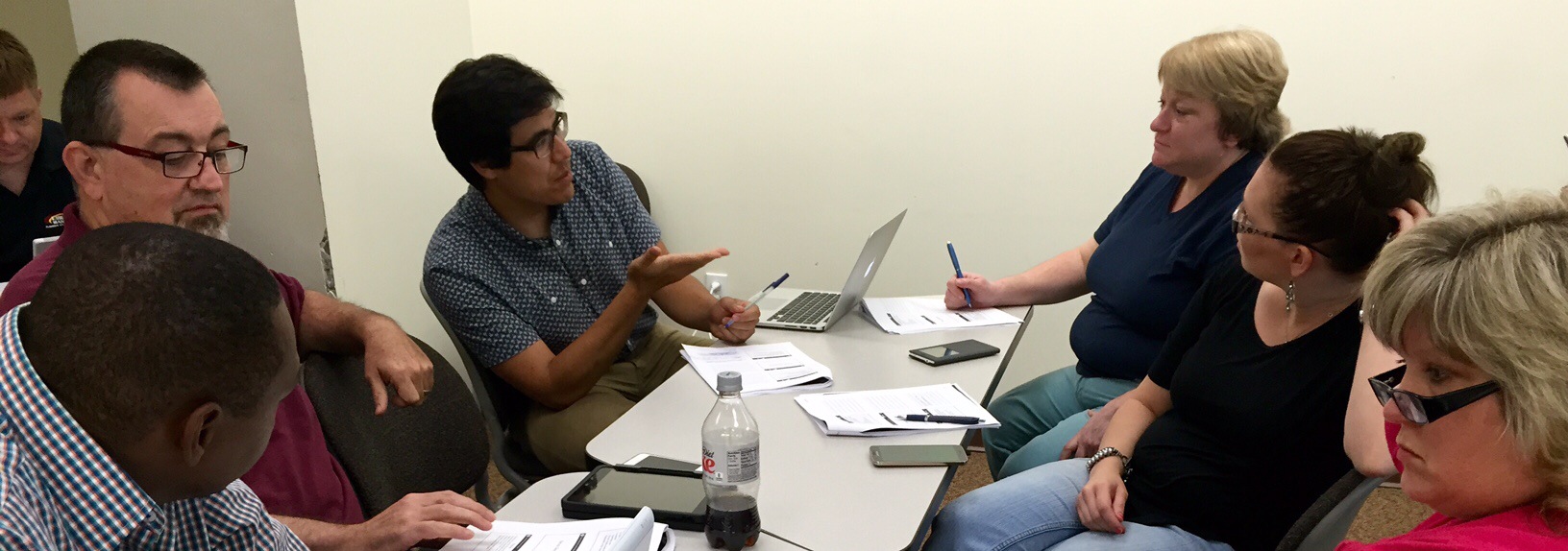
Classroom activities make it easier for our all-hazards partners to come up with good messaging during preparedness, response, and recovery.


Shared experiences and open discussion amongst public safety providers allows for solid social media solutions to be developed for many common issues.


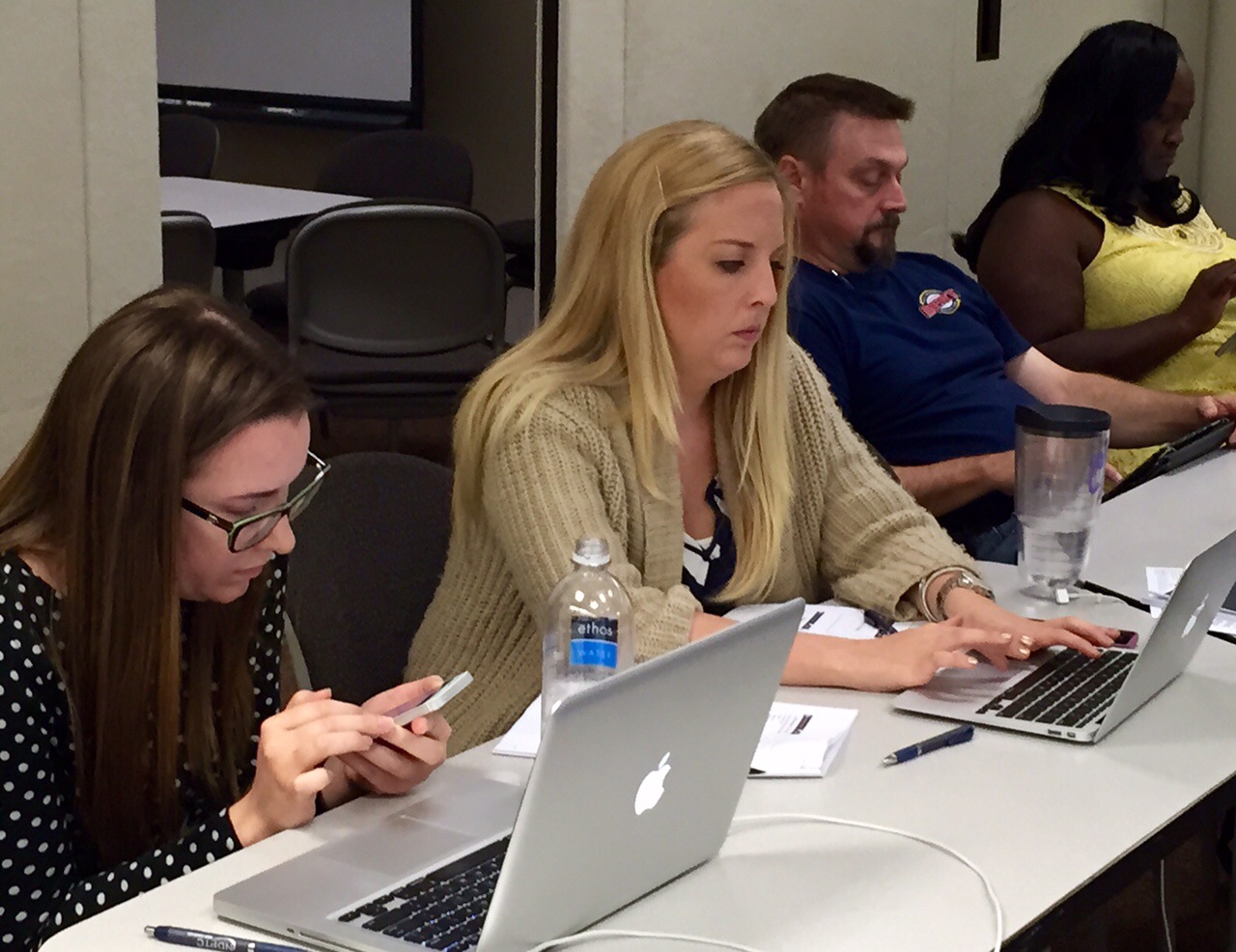
Participants use various hardware and software platforms to complete each assigned performance-based task. This showcases the spectrum of social media that spans hardware and software differences.


Final will be presented for certification in August in FEMA Region-9 at the State of California Emergency Operations Center located in Sacramento.


So nervous! But seriously, I’m so excited for this project, I can’t even…

@rusnivek

Write For Different Platforms-Safety-PIO-SM-14-003

14-003: Write for Different Platforms

Agency: Rocky Mountain Area IMT

Topic(s):         Social Media Platform Specific Messaging

Date: Summer 2014

Platform(s):    Press Release vs Twitter

Despite the message being essentially the same, every communications platform is different.

Speed is important, but correctly addressing your audience is critical in the world of public information.

On July 1, 2014, this tweet was posted on the Rocky Mountain Area Incident Management Team’s feed during the Eightmile Fire while deployed in Canon City, Colorado.

 IMG_3182

“FOR IMMEDIATE RELEASE” In all caps? All caps use on social media portrays yelling. Professionals should portray calm/control.

Twitter’s social media platform premise is a fast microblog service focusing on immediate information. This templated press release lingo (FOR IMMEDIATE RELEASE) is not necessary. Every tweet is automatically time/date stamped including matching the recipients’ time zone. Do not waste your valuable 140 characters.

To me, this was a cut-and-paste action, or even worse yet, they just linked the agency’s Facebook and Twitter accounts together. No time was spent in addressing the various platforms used to push this valuable information. Remember, PIO actions on each platform in social media are not generic, they are specific. We talk about safety to kids differently than we inform adults on safety right? Likewise, we should address our audiences on social media accordingly to the platform they use.

A more effective tweet could have read:

“Updated information & stats on the #Eightmile Fire ongoing in Colorado can be found here fb.me/6KArLmgFr

By phrasing it this way:

  1. The tweet is shorter and more concise.
  2. Tweet identifies where the Rocky Mountain Area Incident Management Team is deployed.
  3. The main point of contact is identified on the Facebook link provided if more specific information is needed.
  4. Shorter messaging will allow your followers to retweet/repost and amplify your information.
  5. The use of hashtags will help audiences find information about the #Eightmile Fire and identify the Rocky Mountain Area Incident Management Team as a trusted source of information.

Know the differences in mainstream social media platforms because what will work on one old platform (press release) will NOT work on newer platforms (Facebook, Twitter, Instagram, etc…) Know social media and use their amenities to your advantage.

 Time is valuable, so post good stuff.

@rusnivek

***To download this as a single-page printable format, click this: WriteForDifferentPlatforms-Safety-PIO-SM-14-003