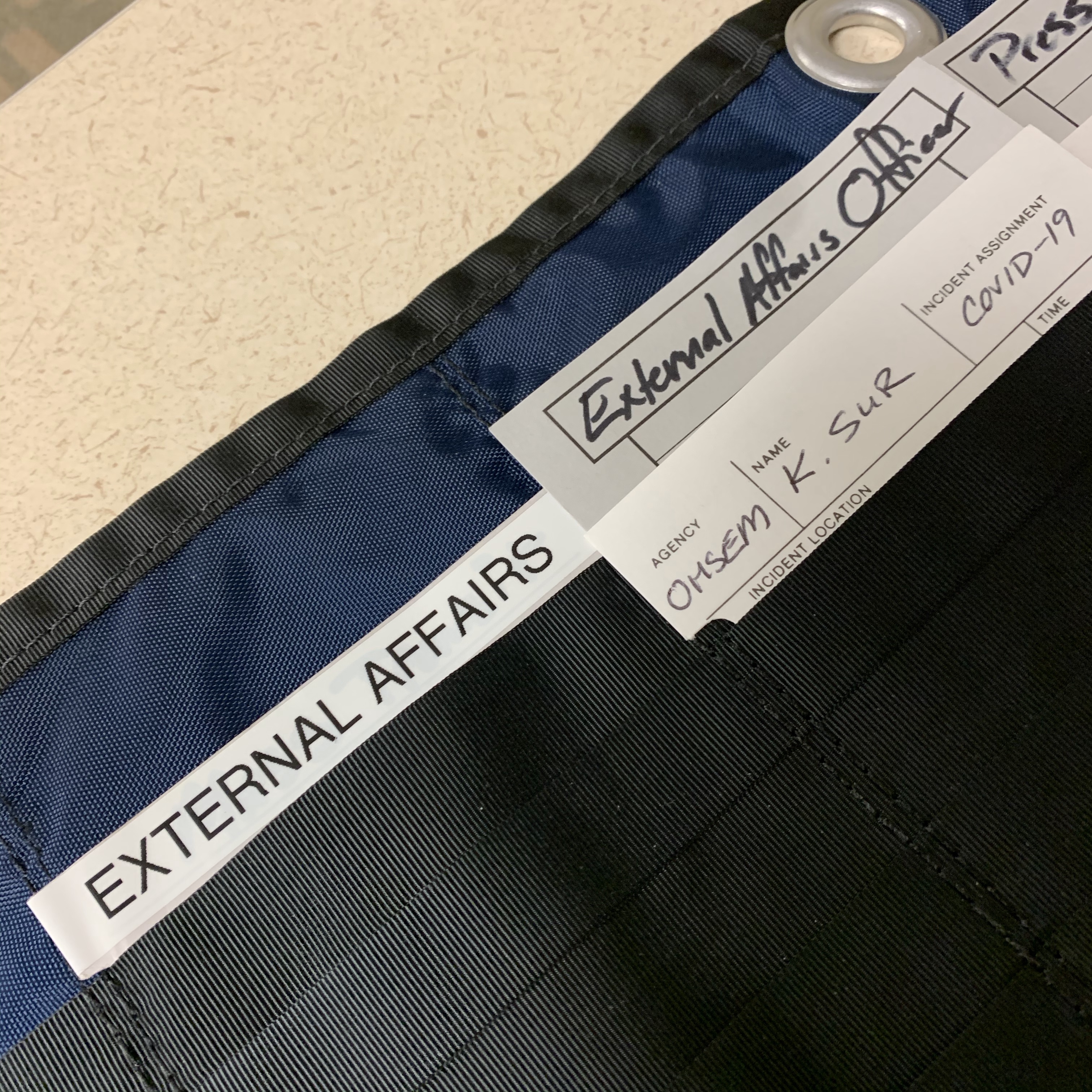
Day-2 of ICS-300

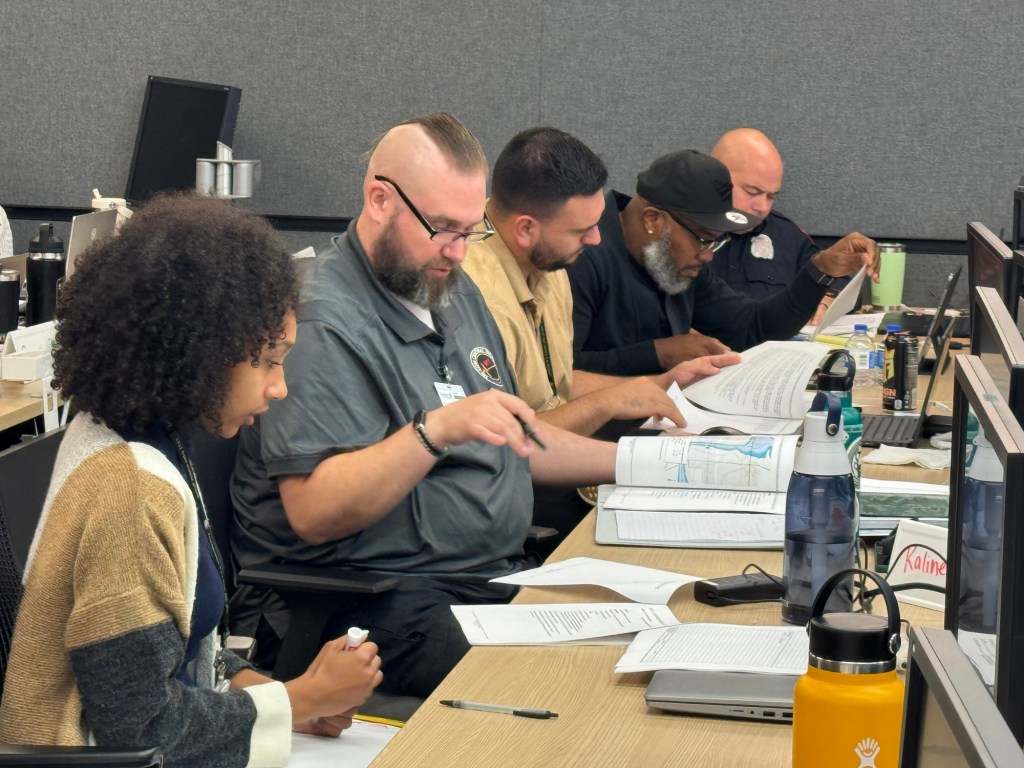
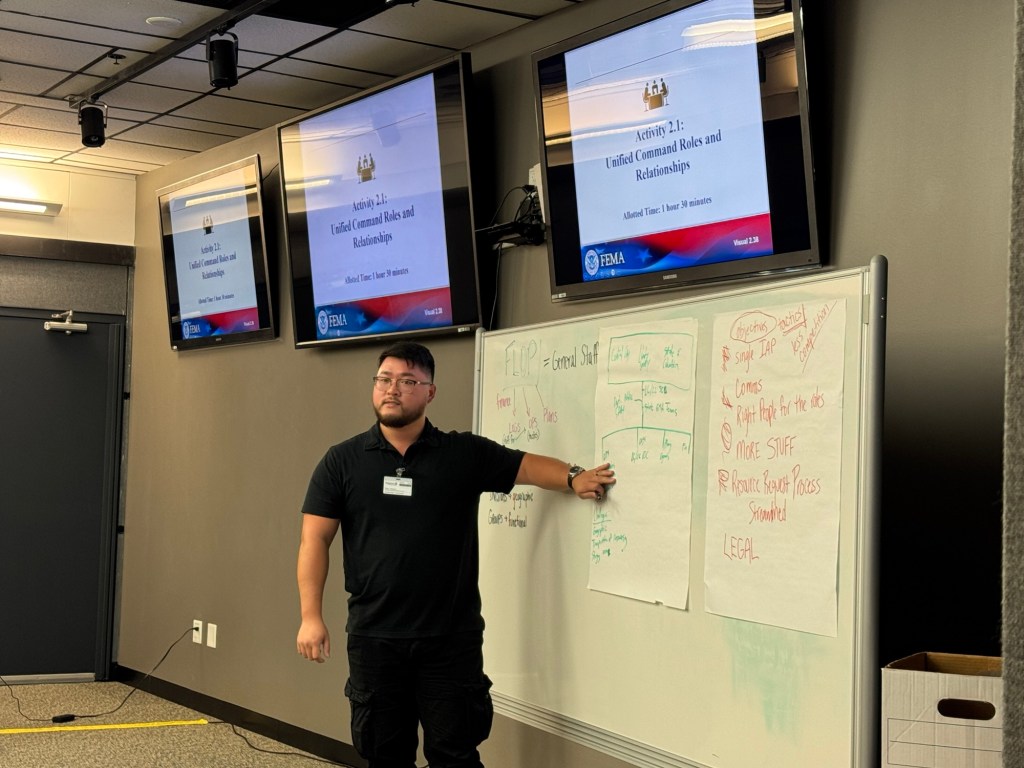
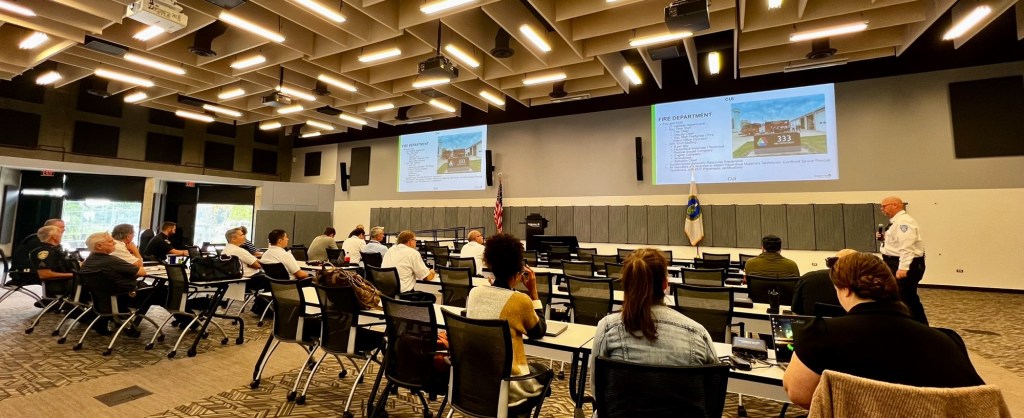
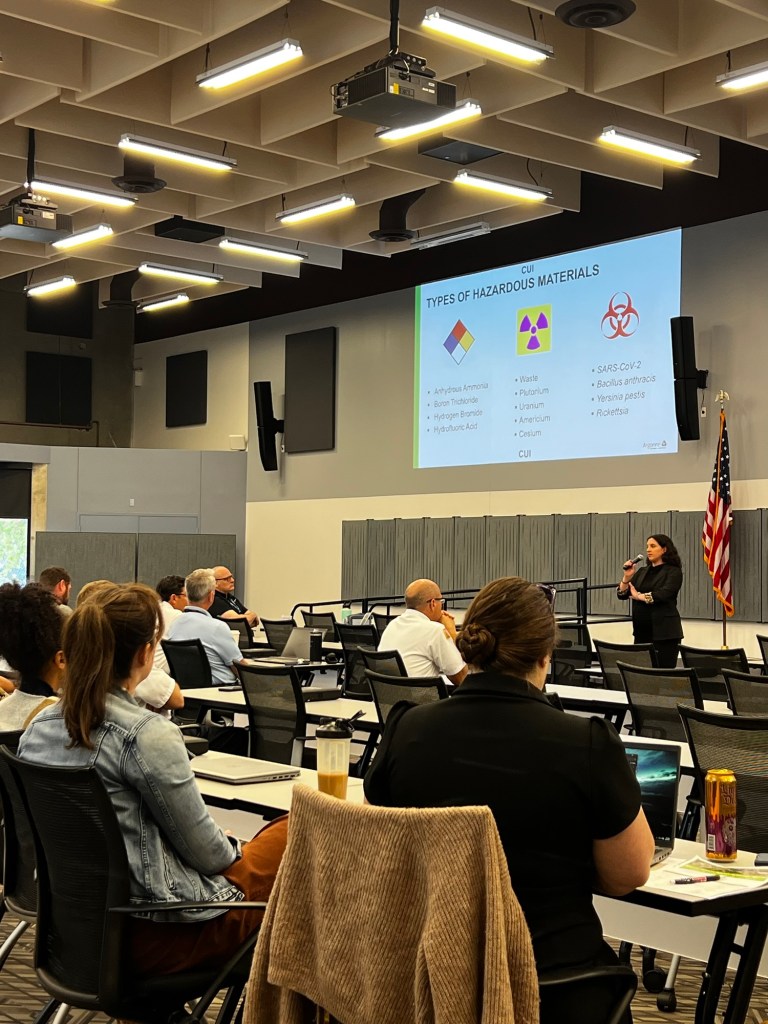
Starting off the second day with lots of convos on IAPs and critical forms that are needed for those onscene.

BTW-if you are looking for a link with all the FEMA ICS forms, you can find the most up-to-date ones here: https://training.fema.gov/icsresource/icsforms.asp.

IEMA-OHS Region-2 SDS Steve B. background from the wildfire community is outstanding and is a great example of how flexible the ICS system is all about.

We talked about specialized resources and the importance of putting supervisors in positions with background to handle the resources correctly.

We also briefed out on several scenarios that we could be put into with our public safety partners.
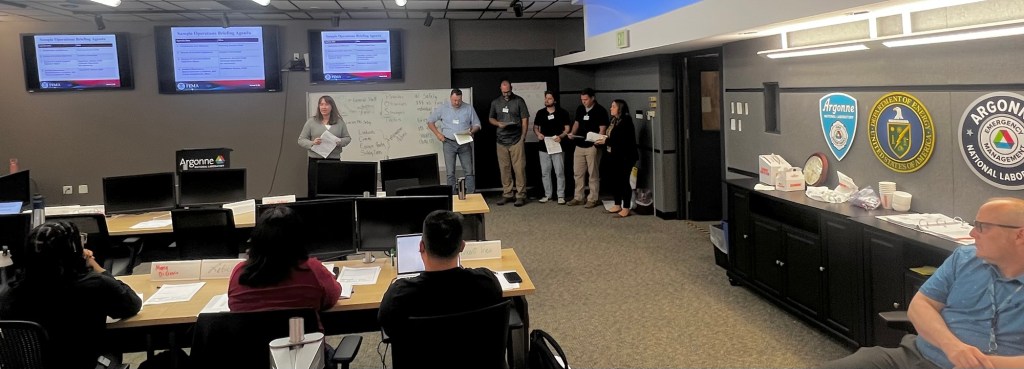
Sometimes, it’s awkward to pretend and use fictitious scenarios, but all the ESSD scenarios from FEMA are from real world incidents.

Yes, it’s Central City, but the State of Columbiana is always in trouble.

At the end of the day, just gotta make sure the markers are up for a fun Thursday surprise for everyone.

Always seems easy, but teaching days make for long days.

I am thankful for my staff to support these initiatives I’ve laid out to better position us for success.

Reporting live from the AHJ…

@rusnivek

Debut ICS-300: Intermediate ICS course here at Argonne

First times the charm!

Welcome to the first ICS-300 class here at Argonne!

Introductions by our Division Director Mike P.

Proud to have participants from across the state attending. And for the first time at Argonne, we are super excited to see participants from local, county, state, and Federal agencies here.

That truly speaks to the collaborative nature of safety efforts for everyone.

Also happy to see IEMA-OHS Region-3 Regional Coordinator Lisa with us this morning too.

IEMA-OHS Region-3 covers all the greater Chicagoland suburbs and towns, but they do border Argonne so we mainly work closely with Region-4 and Region-3.

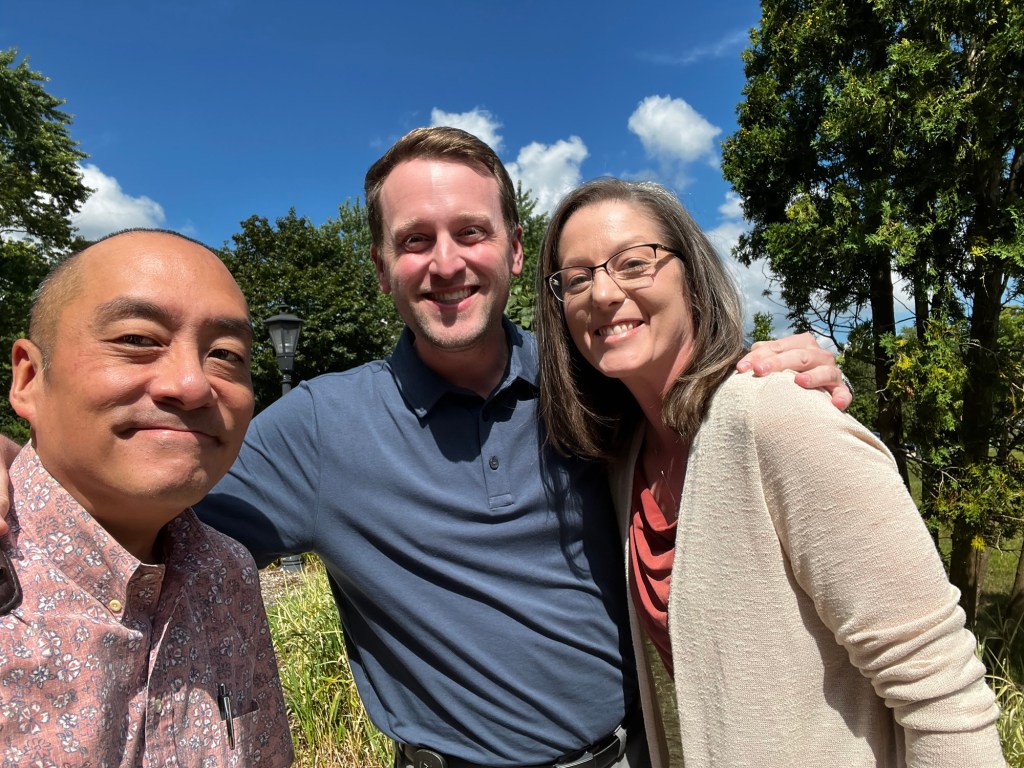
Proud to have Maria P. on my staff with me as we are fully capable and vetted to teach ICS classes.

And yes, if you were wondering, I’ve known Lisa and Maria well before I worked for the state.

Day-1 and we’re already putting everyone to work as we try to get everyone on the same page and same S.M.A.R.T. objectives.

Sometimes, these classes get drab esp if we only lecture so we almost immediately get everyone doing group work to foster more ideas.

This all-hazards approach to planning and solutions make it easier to digest the materials esp the tedious ones.

Proud to bring these courses to Argonne and proud of the partnerships many have already build here. I see fit to continue to empower all of our bestest partners in safety.

Look, I’ve only been here for 5 months, but the plans are starting to come together. #ArgonneEM

Reporting live from the Argonne Analytic Cell/EOC2…

@rusnivek

Robots in the neighborhood

We are starting to see more of these autonomous robots delivering food and items in the neighborhood.

While a cool piece of technology and innovation, I think there are more broad implications that we could capitalize on…esp during a disaster/emergency.

While we can’t rely totally on resources like this, we could take the position to send it and if it does yield any results, that was better than previous.

But the COORDINATION of assets like this will be critical to manage and prioritize esp in a disaster/emergency.

Looking forward to deploying out safety resources like this soon.

Reporting live from the robot filled streets in Chicago…

@rusnivek

TADD – Turn Around, Don’t Drown

While it’s still National Preparedness Month, we want to make sure we remind everyone about the hazards and dangers that occur across the US.

Flooding is the most common hazards in the US. And with data to prove it, the costs associated with a few inches of water in the house can be a catastrophic point for any family.

We want to make sure you are aware of these hazards and make sure you know what to do during a disaster or critical situation…like flooding.

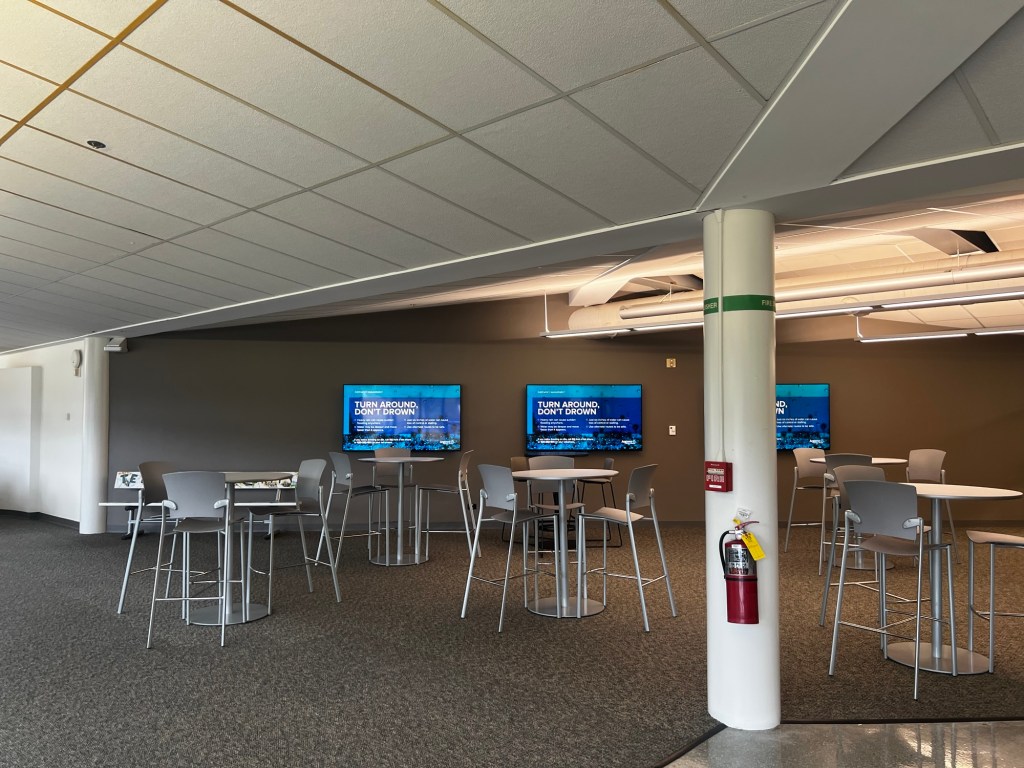
So even in passive signage across campus, these kinds of

Turn Around, Don’t Drown…

Your car is not a boat.

#TADD

Reporting live from building 201…

@rusnivek

24 years later, September 11th

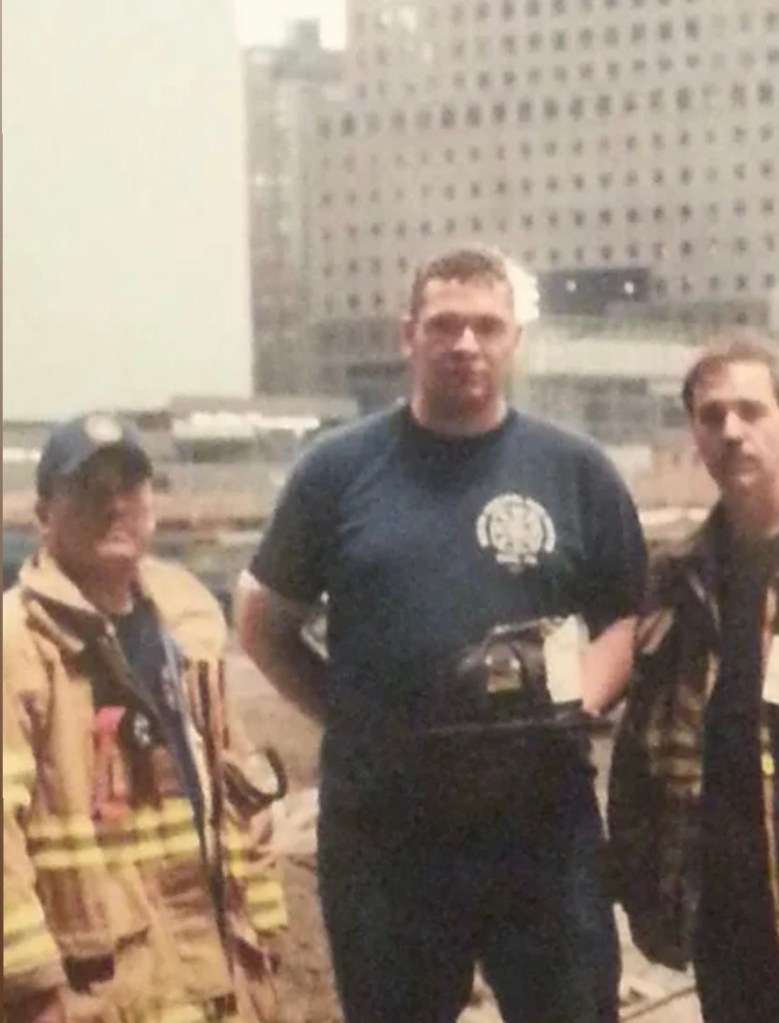
A lot has changed in 24 years…
That morning, I remember being notified early on that ZOB reported UA Flight 93 with garbled radio traffic in distress.

Take the time to reflect and talk to the younger generations on the importance of dedication, service, sacrifice, and safety for all.

Be an advocate for change and an inspiration for generations to come.

Reporting live from my office…

@rusnivek

Region-3 meeting today in McHenry County

IEMA-OHS Region-3 meeting today so I get a chance to hang with the teams from across the greater Chicagoland and the top tier Emergency Managers.

I’ve been and have lead training here at the McHenry County Regional Training Center. Solid facility and the hospitality from the McHenry County EMA is outstanding.

Even more fun is seeing friends that I don’t get to see all that often.

Proud graduates of our FEMA Emergency Management Advanced Academy, it was great to see IEMA-OHS Operations Section Chief Chris D. and Aurora EMA Coordinator Natalie W. today.

Legit smiles as we all got a chance to catch up for a bit.

Reporting live from McHenry County….

@rusnivek

Annual interface training today

To better acclimate our public safety partners to our operations, we hosted our annual off-site agency interface training today.

Fire, EMS, Emergency Management, Law Enforcement, and key players from state and Federal were also on hand to make sure we are a well oiled machine when it comes to inbound resources.

Glad to see so many familiar faces on site today.

Just another way Emergency Management leads the way to collaborate with our most trusted partners in response and recovery.

Reporting live from today’s sesh…

@rusnivek

Plan for shelter and outside meeting location with your family #NatlPrep

We’re still in the first week of National Preparedness Month, we need to examine shelter locations. Yes I said planning for shelter locations.

Because if this is your shelter idea…

…you might want to rethink your plan.

If you plan for a proper shelter location WITH your family, you’d likely be rewarded with a more comfortable situation. Food, water, etc….are nice things to have. But the last thing anyone needs during a crisis is more things to think about and burden you down.

No one has time for that!

Ain't Nobody Got Time for That… – Danny Dainton

Interior rooms with no windows is always a good shelter location esp during a tornado strike. Not only is it interior, but you can seek further shelter/cover underneath the counter top.

Nice!

After the danger passes, a simple meeting place outside is a good idea too.It should be a relatively easy to find location that everyone knows and can rally up. Also be identifiable from great distances. Something tall and unique could be used too.

Don’t be the bearer of bad news…make sure everyone knows the plans!

Since most of you are home, consider taking the time to assessing your situation, evaluate your options, and make good decisions. But no matter where it is, be sure to tell the rest of your family where to go in case of emergency.

Plan for stuff to happen right? Just look at us now.

2020 Sucks - Year 2020 - Sticker | TeePublic

Worst. Year. Ever.

Reporting live from the first week of National Preparedness week!

@rusnivek

Sunday streamlining our JIC Ops

Sunday is off to a bang as we need some formality to the process. Revamp what? What does that mean?

<Cue the Hawaiian music in the JIC because we are going to revamp a few things today.>

1. We are going to take a look at the press releases and move them to media alerts…because no one reads press releases anymore. Let’s not waste time and align it to be more factual and numbers. From a PIO perspective, this “trending” is what news outlets are looking for. Big upticks/spikes in numbers.

And in this situation, I doubt they are concentrating at the minutia of individual numbers esp since they are projected to dramatically increase over the next few weeks.

2. Accountability must be improved as we got the formal FEMA Disaster Declaration under the Stafford Act. So everyone gets a T-card and everyone must fill out an ICS-214. That includes me too.

3. Don’t forget to sign in on the ICS-211 form and your T-card is good to go.

4. Get a hard copy of the IAP and read through it. Don’t get caught not knowing the current plan. Maybe…MAYBE use those fancy tactical cargo pockets to hold your IAP (I’m judging).

5. Daily morning briefs with your PIOs….we call them our PIO roll call. Not longer than 10 minutes, allows us to get a handle on our daily activities and allows us to coordinate with each other. SA/COP baby!

I hate to break the news to you but the PIO’s job isn’t easy. So much more work goes behind the scenes and talking on camera is really about 5% of the job. Your main bread and butter work comes from the preparation and planning that goes into that.

Additionally, most reporters aren’t going to catch you live and want to do interviews. This new fangled invention called the cell phone makes it easy to communicate with all your reporters.

I honestly can’t tell you how many phone calls and interviews I did standing in my garage at 11p at night.

Yep, it never ends.

Get some sleep peeps, it’s going to be a long week ahead.

@rusnivek