Statewide tornado siren test today at 0950. Find out what to do here #OHWX

It’s 2014 National Severe Weather Awareness Week from March 2nd through March 8th.

Today, the state of Ohio will be testing all emergency alert sirens at 9:50 a.m.

***Do not be alarmed, it is only a test.***

this-is-only-a-test

It would also be a good time to practice your emergency procedures if a tornado siren/warning goes off.
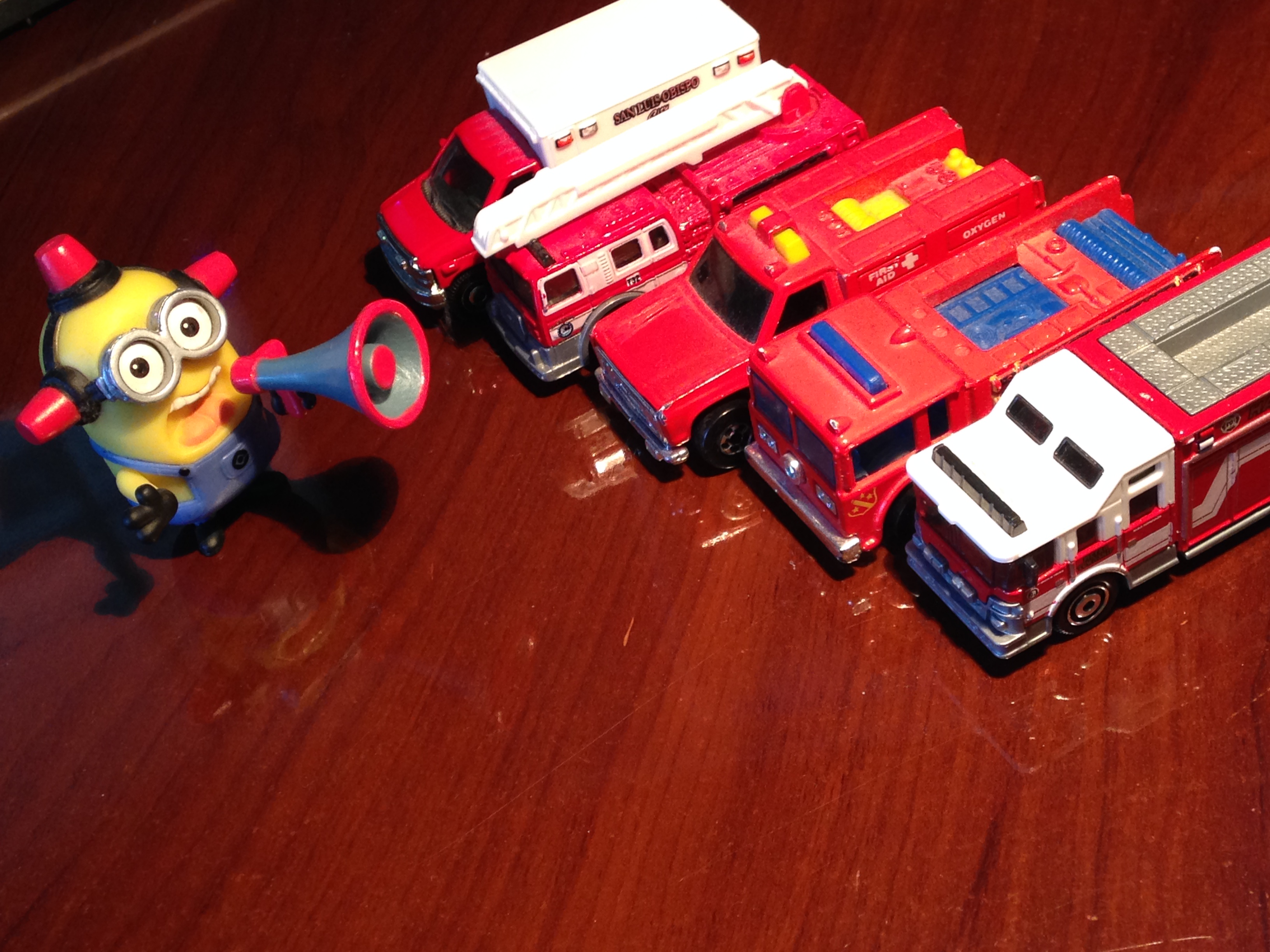
IMG_5948

Do you know the differences between a Tornado Watch vs a Tornado Warning?

Tornado Watch: Issued by the NWS when conditions are favorable for the development of tornadoes. Be prepared to move to a safe place if weather conditions worsen. Stay tuned to weather updates.

Tornado Warning: Issued by the NWS when a tornado is imminent or occurring. A warning may be issued when a tornado is indicated by Doppler radar or sighted by trained spotters. Seek safe shelter immediately.
tornado_warning

  • If a tornado has been spotted, seek shelter immediately. If a tornado warning is issued for your area, do not stop to take pictures or shoot video. Continue to listen to a NOAA Weather Radio or local media newscasts for up-to-date weather and emergency information.
  • NEVER touch downed power lines or objects in contact with downed power lines and report electrical hazards to the utility company.
  • Check for injuries. Do not attempt to move seriously injured people unless they are in immediate danger of further injury.
  • Be careful of debris such as damaged structures, exposed nails and broken glass.

photo 1

Stay safe out there peeps!

@rusnivek

Snow in the streets? Be careful or else this could happen to your kids #OHWX

It’s 2014 National Severe Weather Awareness Week from March 2nd through March 8th.

Do you have snow shovels and snow removal equipment in your emergency preparedness kit?

Do you have adequate clothing and blankets to keep warm?

How are the batteries in your NOAA Weather Radio so you can get immediate updates from the National Weather Service (NWS)?

During severe weather, minimize your travel. If travel is necessary, always keep a disaster supplies kit in your vehicle.

Bring pets/companion animals inside during winter weather. Move other animals or livestock to sheltered areas with non-frozen drinking water.

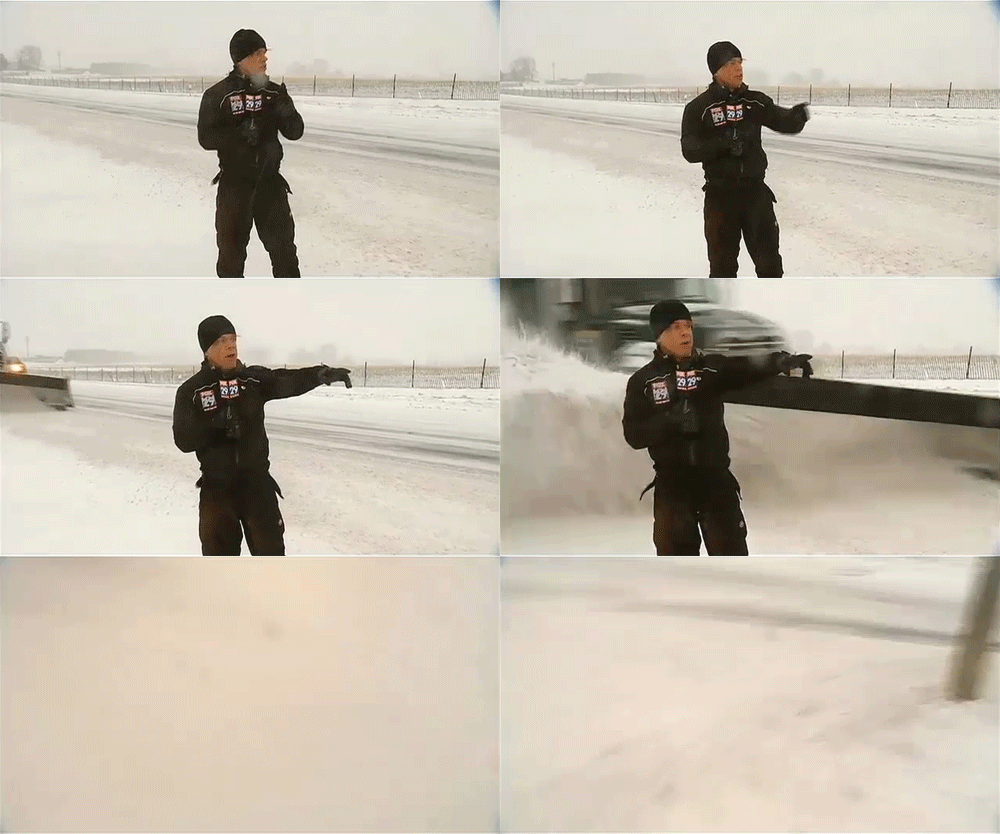
Snow day? Do not let kids play for long periods of time. Most everyone should stay away from the roads during severe weather. A great demonstration of why you should stay indoors by Fox29’s Steve Keeley.

841902328

Thanks Steve….In other news…

photo 1

@rusnivek

Time to check your NOAA weather radio

Bad weather? Cold Weather? Want to know the weather?

Good time to check the latest #OHWX via your NOAA Weather Radio now

1525468_410241235745387_1550359728_n

And if you happen to be in the Cleveland area = 162.550mHz     SAME#039035


The National Weather Service (NWS) provides local weather broadcasts via NOAA Weather Radio from more than 700 transmitters nationwide. NOAA Weather Radios provide continuous broadcasts of the latest weather information from local NWS offices. Weather messages are repeated every 4 to 7 minutes, or more frequently in rapidly changing local weather, or if a nearby hazardous environmental condition exists. This service operates 24 hours a day.

@rusnivek

Free tips and reminders for dealing with snow today

Hello snow!

NE Ohio had its first dose of snow last night. Started at about midnight, various reports have 2-8 inches on the ground.

IMG_8436 - Copy

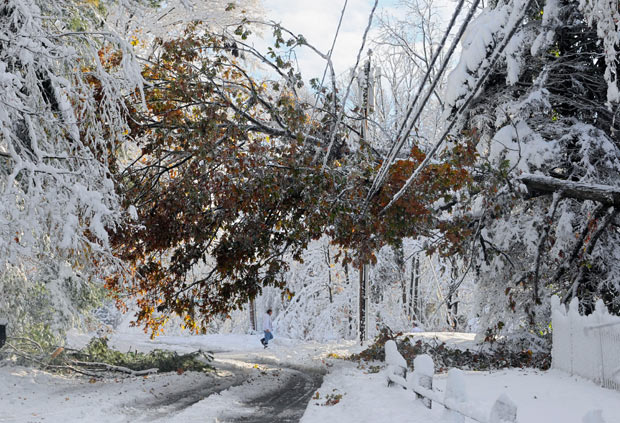
At this time, the National Weather Service Cleveland Office has issued a lake effect snow advisory in effect until 1300 EST (aka 1:00pm EST). Snow will be heavy with high water content. This can cause damage to trees and power lines.

conn-power-line_2041792i

There are some dangers associated with wintry weather. Here are a few free tips to keep in mind while dealing with snow.

  • Walk carefully on snowy, icy walkways.
  • Avoid overexertion when shoveling snow. Overexertion can bring on heart attack – a major cause of death in the winter. If you must shovel snow, stretch before going outside.
  • Keep dry. Change wet clothing frequently to prevent a loss of body heat. Wet clothes loses all of its insulating value and transmits heat rapidly.
  • Heavy snow will bring down trees and power lines. NEVER touch any downed power lines…even if you think they are safe, they are usually not. Keep everyone far away from downed lines.
  • Heavy snow will make trees sag and collapse. Be careful with trees are old or frail, they tend to collapse under the weight of the snow and have killed unknowing children.
  • Watch for signs of frostbite. These include loss of feeling and white or pale appearance in extremities such as fingers, toes, ear lobes, and the tip of the nose. If symptoms are detected, get medical help immediately.
  • Watch for signs of hypothermia. These include uncontrollable shivering, memory loss, disorientation, incoherence, slurred speech, drowsiness, and apparent exhaustion. If symptoms of hypothermia are detected, get the victim to a warm location, remove wet clothing, warm the center of the body first and give warm, non-alcoholic beverages if the victim is conscious. Get medical help as soon as possible.
  • And of course, don’t eat yellow snow.

heavy_ice_snow_NOAA_small

Use these tips to keep you and your family safe this fall….er….snowy season.

@rusnivek