Extra hot temperatures means we must be cognizant of #heat related issues.

Look back for the #kiddos and #doggos

Extra hot temperatures means we must be cognizant of #heat related issues.
Look back for the #kiddos and #doggos
Summer JUST started but holy sunburn Batman!

And of course: WEAR SUNSCREEN!!!!
Don’t get burned this summer….(<–see what I did there?!?)
Ever wonder what “Heat Index” means?
The Heat Index is a measure of how hot it really feels when relative humidity is factored in with the actual air temperature. To find the Heat Index temperature, look at the Heat Index Chart above or check our Heat Index Calculator. As an example, if the air temperature is 96°F and the relative humidity is 65%, the heat index–how hot it feels–is 121°F. The red area without numbers indicates extreme danger. The National Weather Service will initiate alert procedures when the Heat Index is expected to exceed 105°-110°F (depending on local climate) for at least 2 consecutive days.
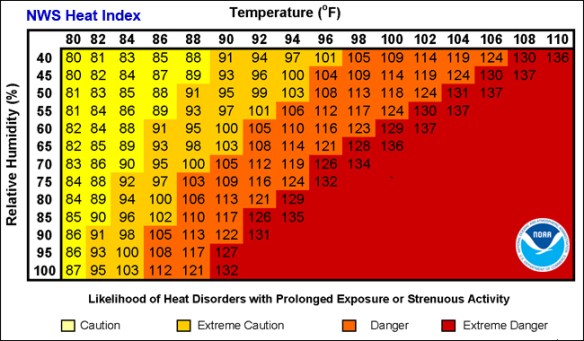
NWS also offers a Heat Index chart for area with high heat but low relative humidity. Since heat index values were devised for shady, light wind conditions, exposure to full sunshine can increase heat index values by up to 15°F. Also, strong winds, particularly with very hot, dry air, can be extremely hazardous.
Information provided by the NWS – the official source of weather related information.
This week, the FEMA EA team is at EMI doing some training.
Sadly, I got other things to take care of this week.

Yep…totes FOMO.
Volunteer and Donations Management class today.
Lots of discussion was sparked by spontaneous volunteers.
While easy to handle, complex to handle without a tested and easy system to categories skills and personnel.
Additionally, lots focused on resource and supplies. A casual remark in class is that volunteers can house all kinds of stuff and be able to distribute everything accordingly.
Let me be very honest, I love people that want to help. But if you dump this task on an untrained and unfamiliar set of volunteers, it will not go smoothly. You have to train them, set them in a direction, and of course be as organized and coordinated as you can be. Make them part of your team EARLY!
So to share a perfect example of serving in disaster recovery, I’ll again share the AmeriCorps package we put together while deployed out for Hurricane Maria on the US Virgin Islands St. Thomas.
Outstanding crew to work with and solid bunch of dedicated individuals to the mission at hand. More info about AmeriCorps, click here and AmeriCorp Blue-6 (<—That team is SOLID).
A few takeaways for participants in today’s class:
Train your volunteers frequently as they should be a valuable part of our community’s recovery process.
Case of the Mondays!
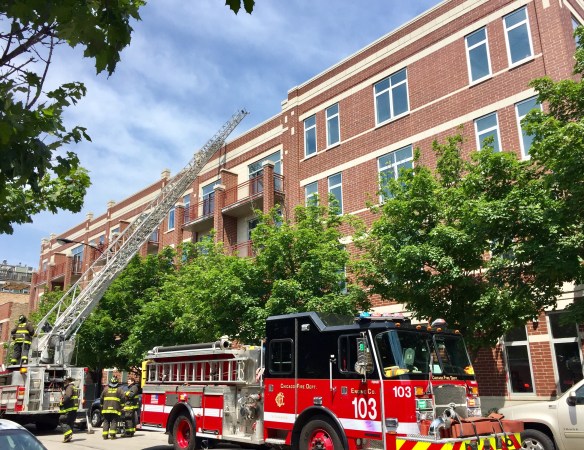
Q: Why did the firefighter bring a ladder to the library?
A: Because there were a lot of stories!
Hahahhhaa.
Help, it’s Monday.
Great team this week!
Here’s the first paragraph of follow-up comms from the C&GSF.
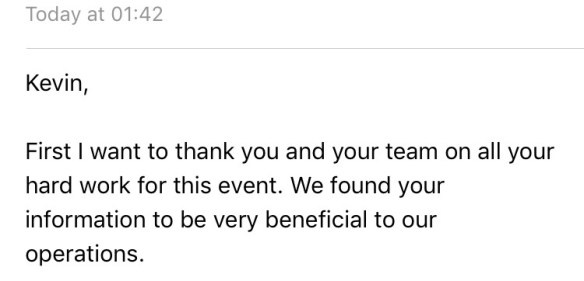
Intel schmintell….see, situational awareness and operational coordination does make it all better.
Great work team.
What in the world is happening here?!?!?!
I don’t think those coconut shells are ballistic grade eh?

Looks like we’re in for a long night.
Reporting in from….the bus with energetic people.
Seems like our field personnel are doing well.
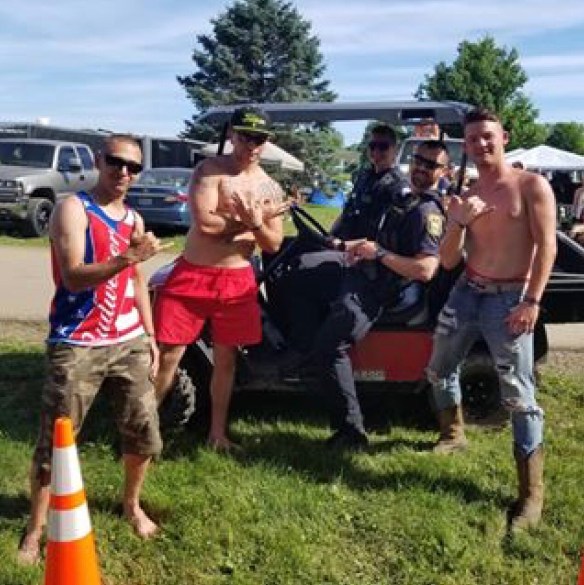
Special thanks to the the USMC soldiers pictured above. As always, thank you for your service to this great country.
No matter the conditions, still keeping everyone safe this weekend.
 . Glad to support our local public safety teams.