It takes less than 15 seconds…and you have to do this now.
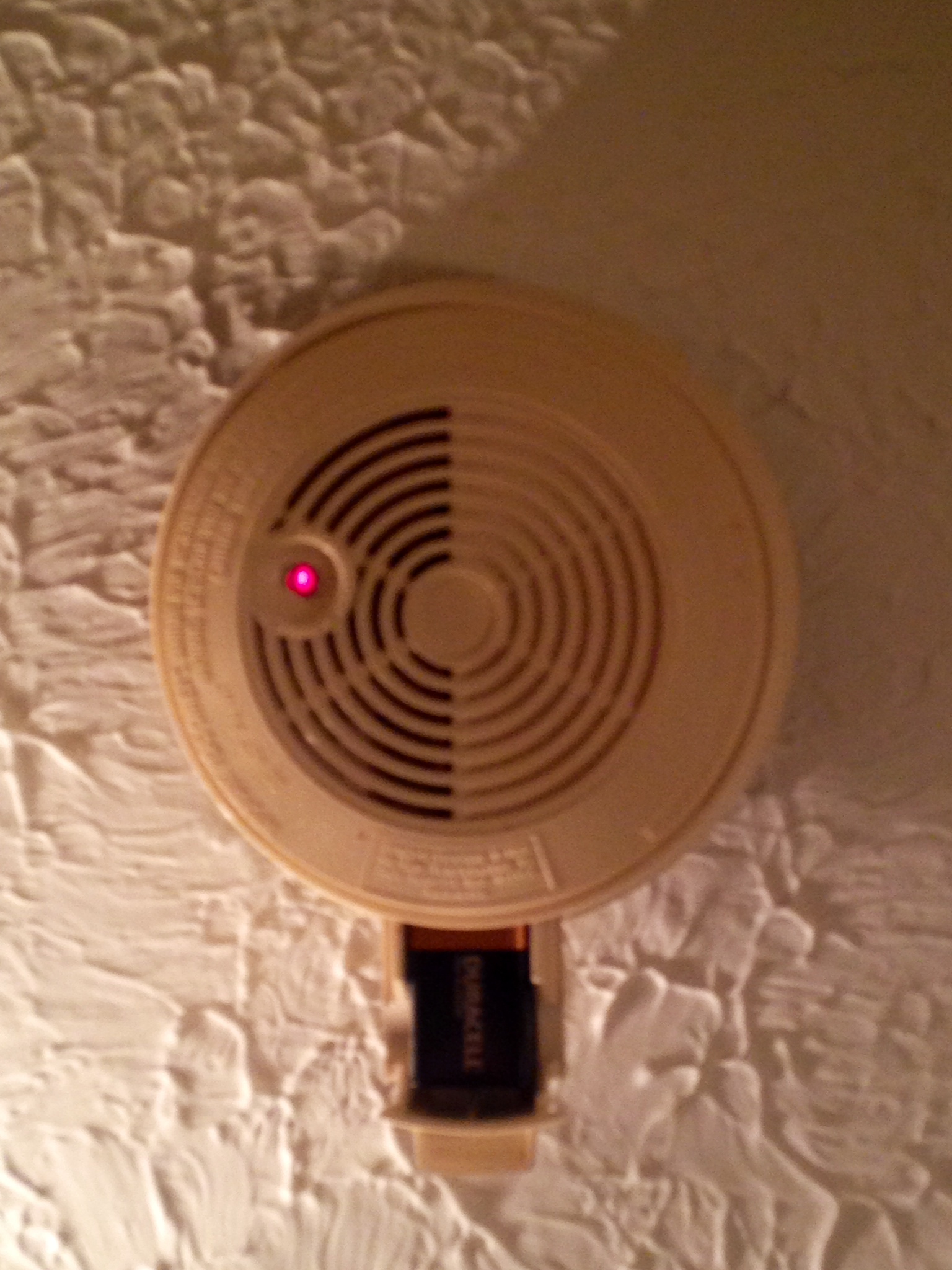
Seriously, do it now.
Fall back = Change your smoke detector batteries and set your clocks back.
Thank you for helping yourself in staying alive.
@rusnivek

It takes less than 15 seconds…and you have to do this now.
Seriously, do it now.
Fall back = Change your smoke detector batteries and set your clocks back.
Thank you for helping yourself in staying alive.
@rusnivek
It’s Friday…and I bet it’s been quite a week for everyone.
We all need a few moments of hope and smiles for this weekend.
Fresno Firefighter Cory Kalanick chalks another one in the save column with this interior rescue effort using a GoPro Camera.
Even if you don’t like cats (or kitten savers), you just gotta love it.
Way to go Brother.
Best. Job. In. The. World.
@rusnivek
I had an hour this afternoon to listen/participate in a Webinar.

What did I learn?
Use the tips above to keep you and your peeps safe.
Special thanks to Columbus Public Health and Ohio State University for hosting.
@rusnivek
October 6th – 12th is National Fire Prevention Week! Did you know there are many different brands of smoke alarms available on the market, but they fall under two basic types: ionization and photoelectric. It cannot be stated definitively that one is better than the other in every fire situation that could arise in a residence. Because both ionization and photoelectric smoke alarms are better at detecting distinctly different, yet potentially fatal fires, and because no one can predict what type of fire might start in a home, most firefighters recommend that every residence and place where people sleep be equipped with:
In addition to the basic types of alarms, there are alarms made to meet the needs of people with hearing disabilities. These alarms may use strobe lights that flash and/or vibrate to assist in alerting those who are unable to hear standard smoke alarms when they sound. Make sure you place them in strategic locations throughout the house. 
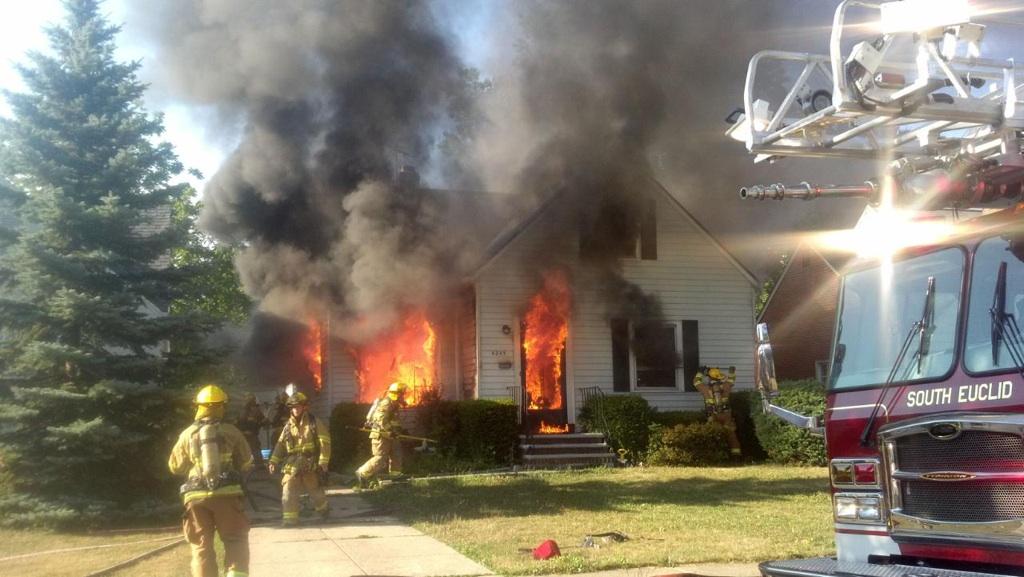
Step-1: Get an Ionization AND photoelectric smoke alarm or dual sensor smoke alarm. Step-2: Get it before this happens…
@rusnivek
 Where is @rusnivek?