As we near the end of the first week, we should also consider our planning and look at evacuation routes. As far as things go, most major routes should be open esp in emergency to allow for those who need to egress to GTFO of there right?!?
While in perfect situations, this would be the case. But lately, we’ve had some challenging situations across the nation that leads me to believe we may not have the option to evacuate safety out of the city.
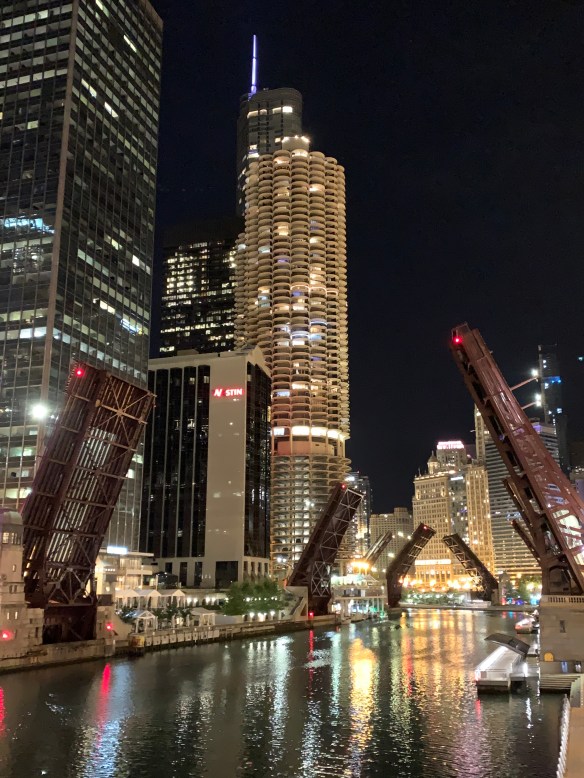
While most days, all the bridges are down in Chicago.
However the City of Chicago has had some bad luck and was forced to pop the bridges to curtail silly behavior at night.
With almost all the bridges up, that makes travel through the loop a bit more complex and challenging esp when things happen last minute and late at night.
To help deal with these challenging situations, subscribing to the mass notification systems would provide additional information on which roads are closed but amidst the ruckus, perhaps planning alternate routes out of your location would be best.
Easier said than done but necessary when faced with pressures of the safety of yourself and your family.
While it doesn’t have to be a straight shot out, you can exercise various options on how to exit your location and safely rondevous with loved ones in other places.
Remember, plan at least two alternate routes of egress from your location and try your hardest to reduce the amount of complexity after a disaster/emergency.
As always, remain vigilant and make sure you and your family are safe by planning now.
We’re still in the first week of National Preparedness Month, we need to examine shelter locations. Yes I said planning for shelter locations.
Because if this is your shelter idea…
…you might want to rethink your plan.
If you plan for a proper shelter location WITH your family, you’d likely be rewarded with a more comfortable situation. Food, water, etc….are nice things to have. But the last thing anyone needs during a crisis is more things to think about and burden you down.
No one has time for that!
Interior rooms with no windows is always a good shelter location esp during a tornado strike. Not only is it interior, but you can seek further shelter/cover underneath the counter top.
Nice!
After the danger passes, a simple meeting place outside is a good idea too.It should be a relatively easy to find location that everyone knows and can rally up. Also be identifiable from great distances. Something tall and unique could be used too.
Don’t be the bearer of bad news…make sure everyone knows the plans!
Since most of you are home, consider taking the time to assessing your situation, evaluate your options, and make good decisions. But no matter where it is, be sure to tell the rest of your family where to go in case of emergency.
Plan for stuff to happen right? Just look at us now.
Worst. Year. Ever.
Reporting live from the first week of National Preparedness week!
Sunday is off to a bang as we need some formality to the process. Revamp what? What does that mean?
<Cue the Hawaiian music in the JIC because we are going to revamp a few things today.>
1. We are going to take a look at the press releases and move them to media alerts…because no one reads press releases anymore. Let’s not waste time and align it to be more factual and numbers. From a PIO perspective, this “trending” is what news outlets are looking for. Big upticks/spikes in numbers.
And in this situation, I doubt they are concentrating at the minutia of individual numbers esp since they are projected to dramatically increase over the next few weeks.
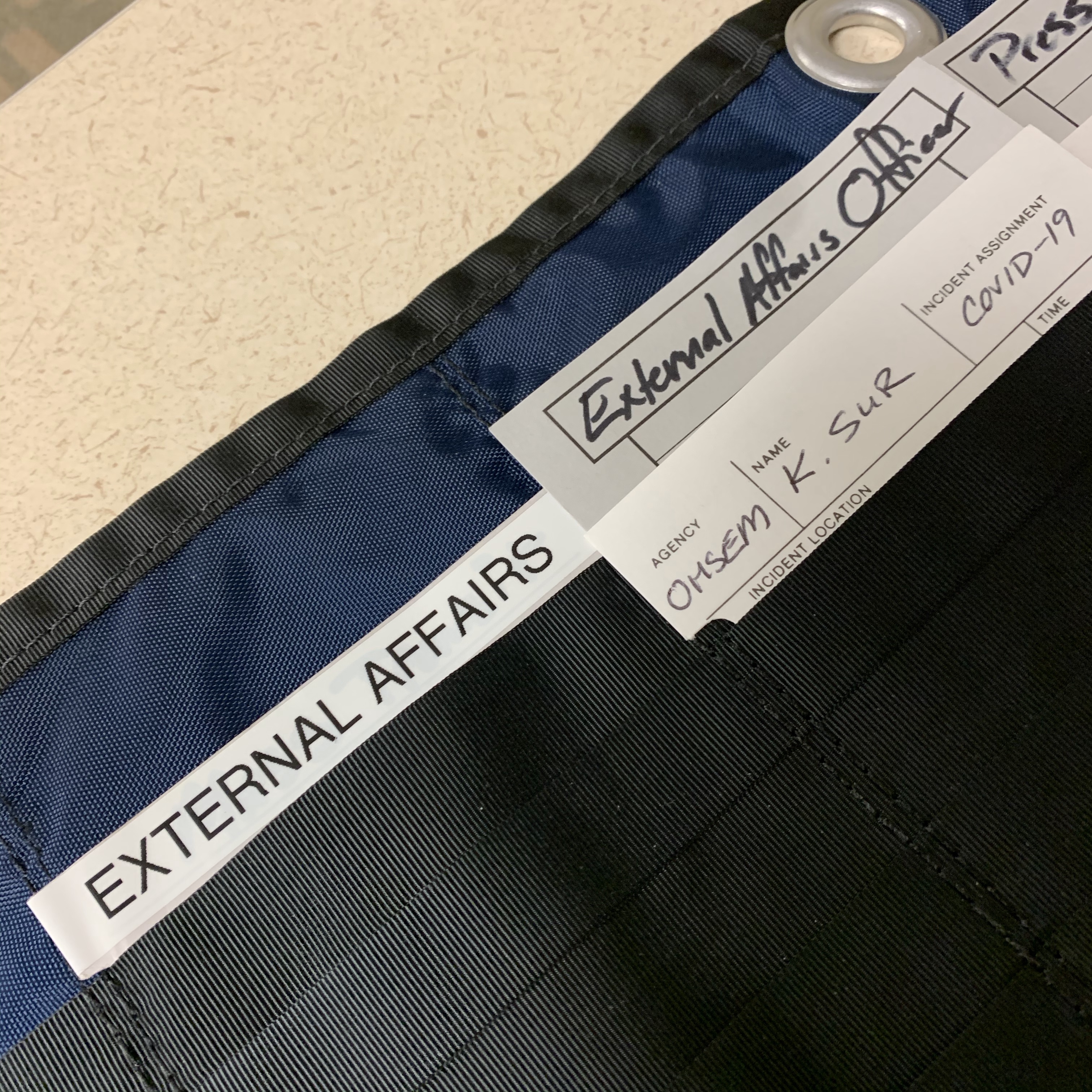
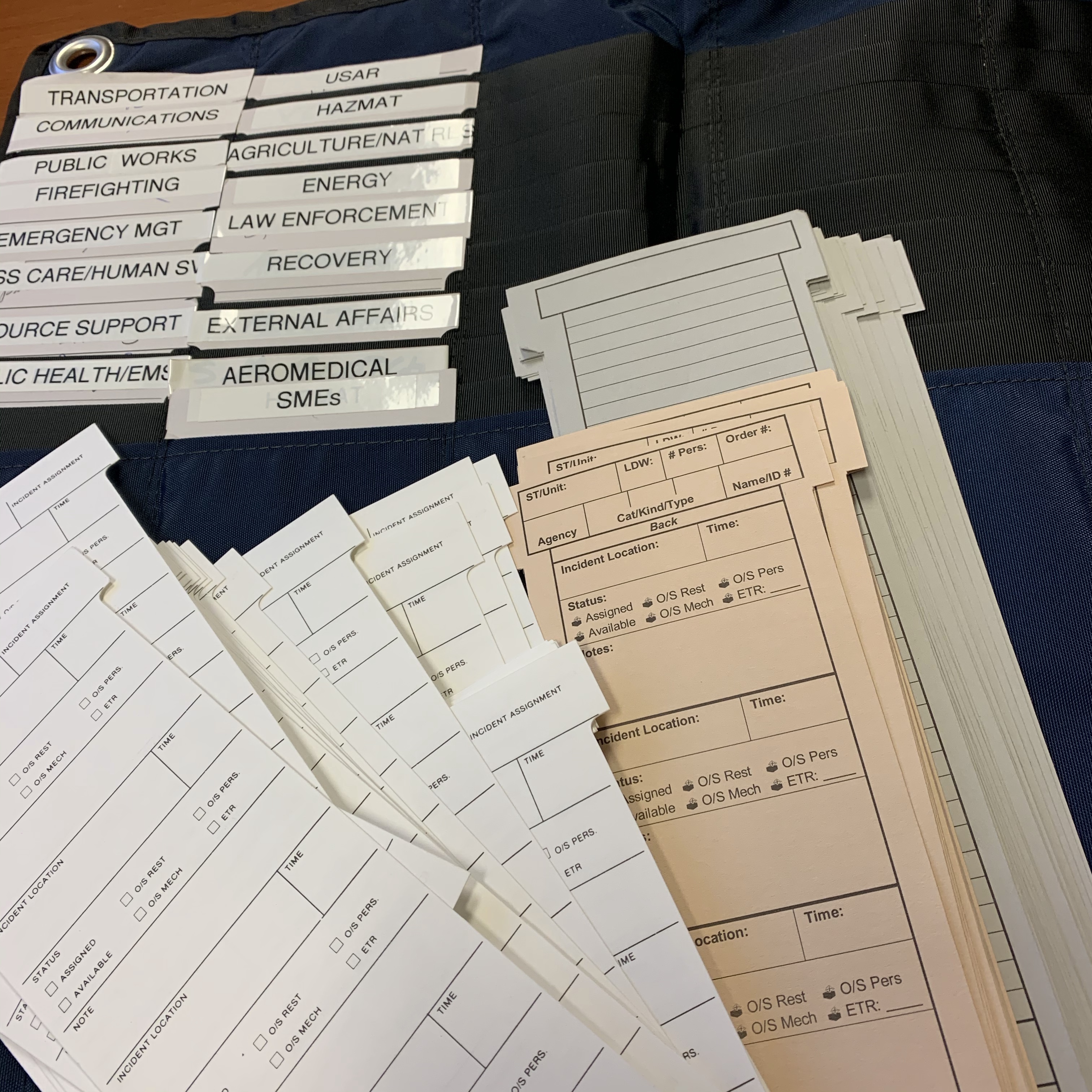
2. Accountability must be improved as we got the formal FEMA Disaster Declaration under the Stafford Act. So everyone gets a T-card and everyone must fill out an ICS-214. That includes me too.
3. Don’t forget to sign in on the ICS-211 form and your T-card is good to go.
4. Get a hard copy of the IAP and read through it. Don’t get caught not knowing the current plan. Maybe…MAYBE use those fancy tactical cargo pockets to hold your IAP (I’m judging).
5. Daily morning briefs with your PIOs….we call them our PIO roll call. Not longer than 10 minutes, allows us to get a handle on our daily activities and allows us to coordinate with each other. SA/COP baby!
I hate to break the news to you but the PIO’s job isn’t easy. So much more work goes behind the scenes and talking on camera is really about 5% of the job. Your main bread and butter work comes from the preparation and planning that goes into that.
Additionally, most reporters aren’t going to catch you live and want to do interviews. This new fangled invention called the cell phone makes it easy to communicate with all your reporters.
I honestly can’t tell you how many phone calls and interviews I did standing in my garage at 11p at night.
Yep, it never ends.
Get some sleep peeps, it’s going to be a long week ahead.
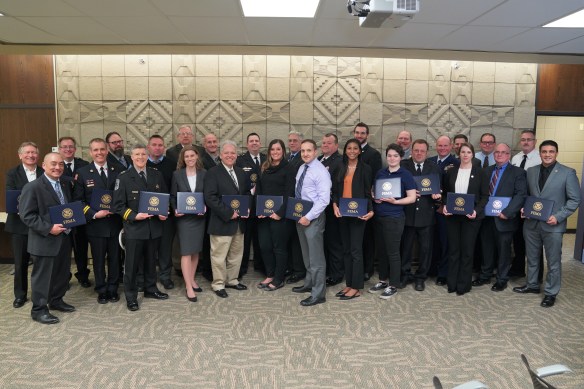
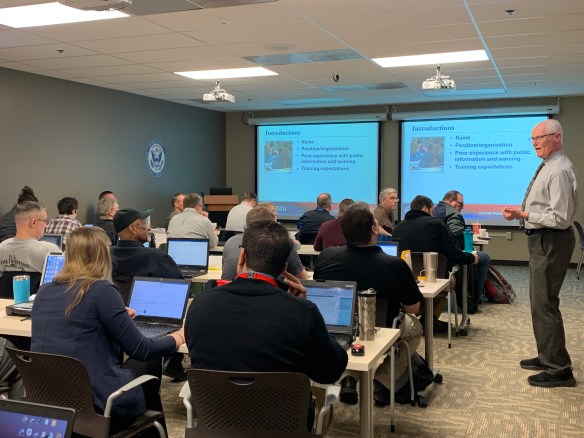
The time has come to welcome all of our graduates of the FEMA Basic Academy here at DuPage County Office of Homeland Security and Emergency Management!
“This is the first FEMA Basic Academy offered here in Illinois and we are proud to bring this Emergency Management foundation education here to DuPage County.” said Academy Instructor Kevin Sur. “The skills learned during this intensive course from November through March builds the framework for all Emergency Managers combining knowledge of all fundamental systems, concepts, and practices of leading actions for future leaders.”
The course started in November 2019 where participants were exposed to all mission areas including a myriad of case studies that highlighted the importance of collaboration and coordination in the response and recovery phase of any disaster or emergency.
In January 2020, participants took a deep dive into the science of disasters as well as planning to better help and understand the threats and dangers to each of their own communities.
To understand our hazards, we must understand legit science so that we can use the right resources to solve the problem.
The last week in March 2020, the class focused on the hot button topic of Homeland Security Exercise Evaluation Program and the Public Information and Warning course. Special thanks to new FEMA MEPP DuPage County OHSEM Sup Corey Mulryan for teaching with me on this one.
Participants debated the use of mass notification systems, social media in targeting specific audiences, and the value of the Public Information Officer (PIO) who’s role is so vital to the success of the agency.
Proud to be a part of the Instructional delivery team to get this first class here at DuPage County OHSEM.
Who’s who in the zoo? Well, we had participants from 6 different states, 3 different FEMA Regions with a diverse crowd from local, county, state, and Federal partners.
OUTSTANDING!!!!!
As we rolled into the graduation, I was able to make some opening remarks and thanking our most esteemed guests in the room.
Glad to hear from the new FEMA Region V Deputy Regional Administrator Kevin Sligh.
Deputy RA Sligh is a graduate of the program and is proud to see this foundational course being used as the marker of success for local Emergency Managers.
We also got a chance to hear from FEMA Region 5 Training & Exercise Manager Jessica Mitchell on the value of training. She is a proud resident of DuPage County.
And finally, to close things out, ladies and gents….put your hands together for Former IEMA Director and former Director of DuPage OHSEM….FEMA Region V Regional Administrator James Joseph!!!!
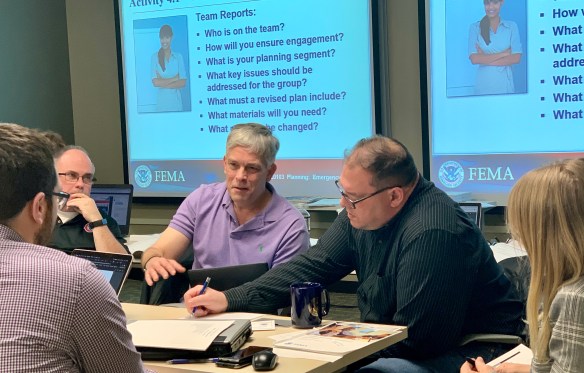
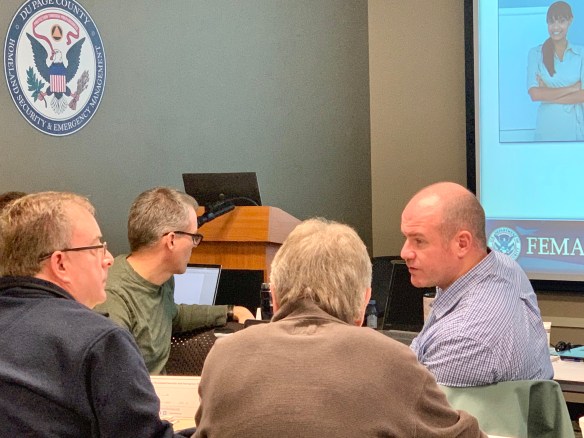
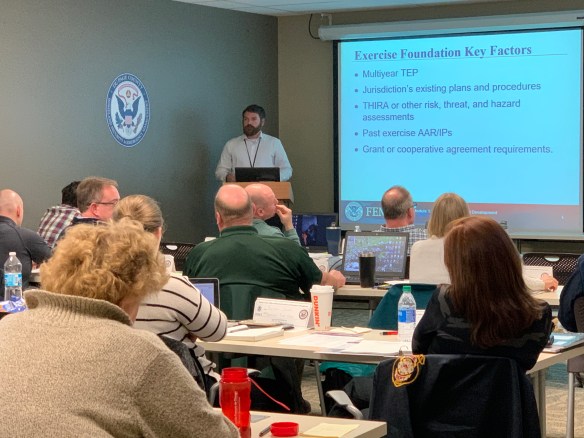
Starting out Day-3 of the ICS-300 class on Aloha Friday.
You can see my Aloha shirt peeking out on this cold 34 degree day in Alabama.
Glad to share the work of what our public safety forces do prior to a disaster declaration. In fact, lots needs to get done before a Federal Declaration. We talk about how locals need to work seamlessly with state agencies.
Then we talk about the importance of how states work with our regional partners.
Tailoring the convo to our FEMA employees attending helps them understand the seriousness of our work as incidents get bigger and inevitably into a type-1 disaster.
Making sure you specifically address your audience is critical at being a good instructor.
Tho, I don’t know who is Kevin Kur. Dang it. 😆
So for those that believe ICS classes are boring, I would contend that you don’t have the right instructor(s). Case in point, who gets cheers and applause at the end of an ICS-300?
Thank you to FEMA Deputy Administrator for Resilience Dan Kaniewski.
Your national efforts to push long-term planning for resilient communities will have long lasting effects for Emergency Managers as we all strive to better prepare our communities for any emergency or disaster.
Best of luck on your new adventure in the private sector.

/ChicagoDowntown-e619cc6afbbc4129ac7dcc5063a9a029.jpg)







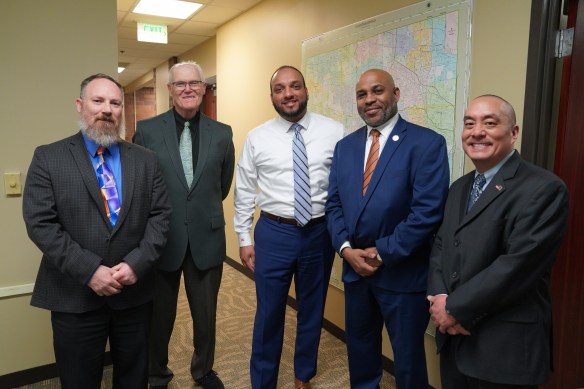
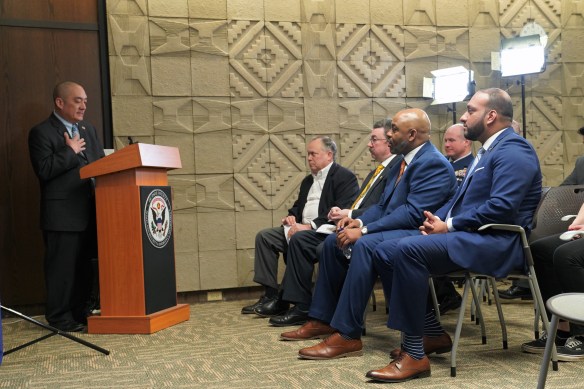
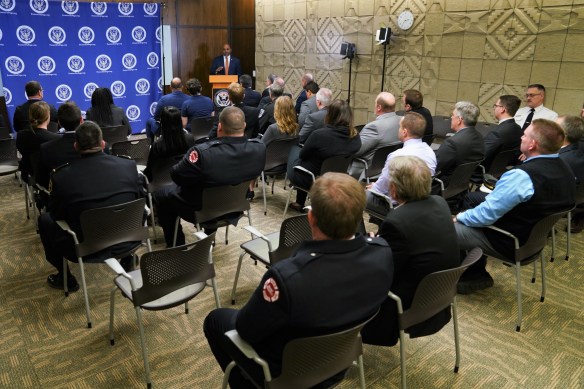


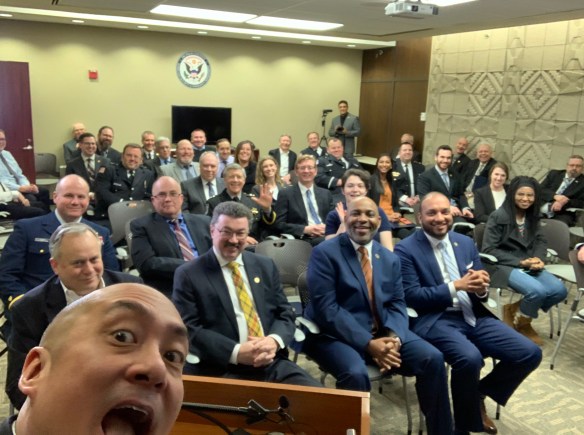




 Tho, I don’t know who is Kevin Kur. Dang it. 😆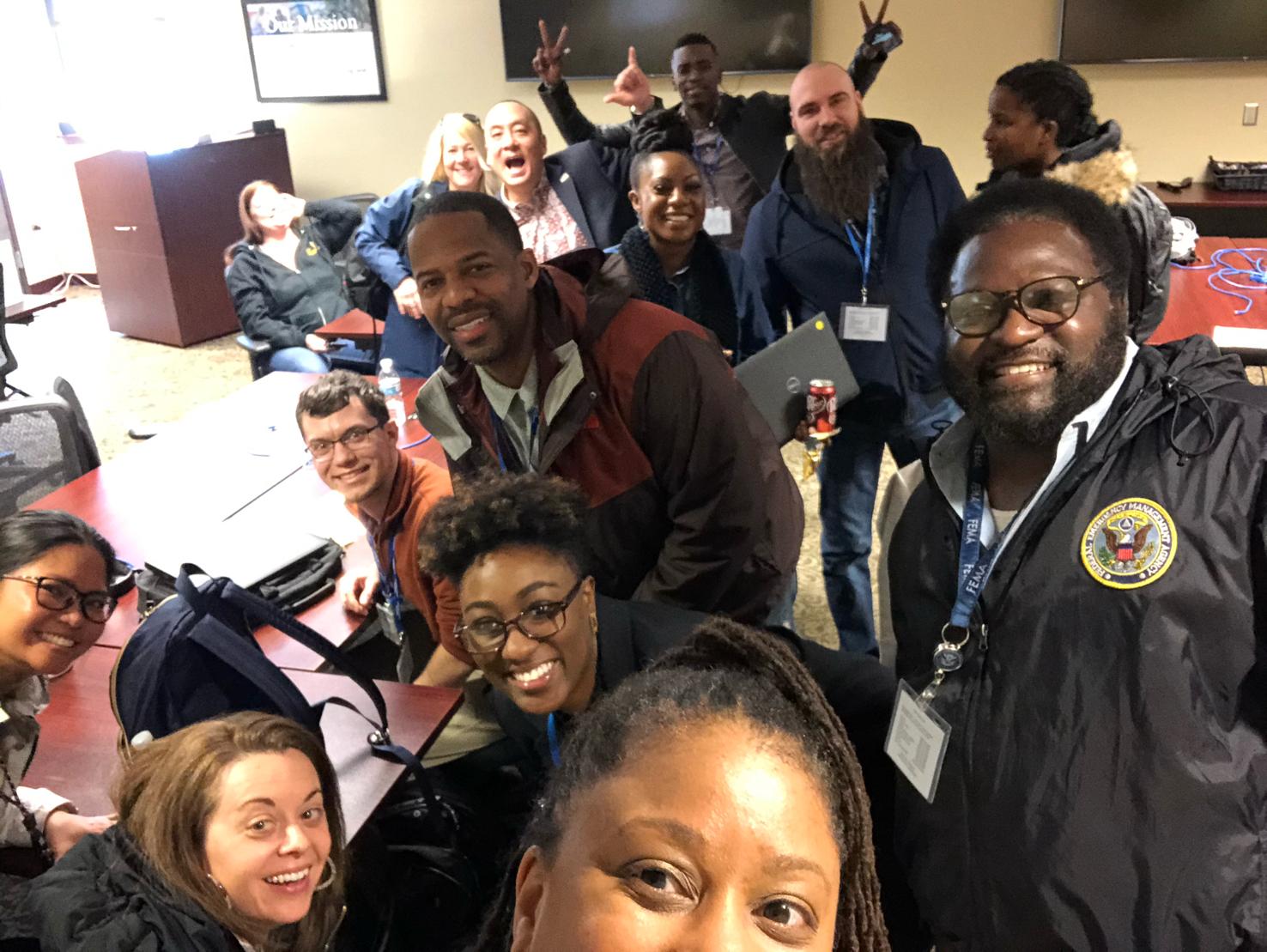

 Where is @rusnivek?