Wait, isn’t it spring already?
C’mon, this isn’t funny anymore.


Thanks to Colorado and my new Region-8 peeps!

I had a great time at the State Emergency Operations Center and look forward to seeing many of you in a disaster. Yeah, that sounds weird to say huh?
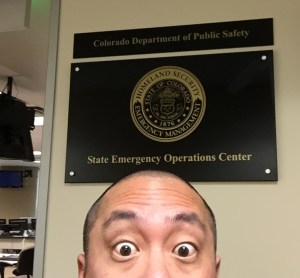
My first time in Region-8 = AWESOME.
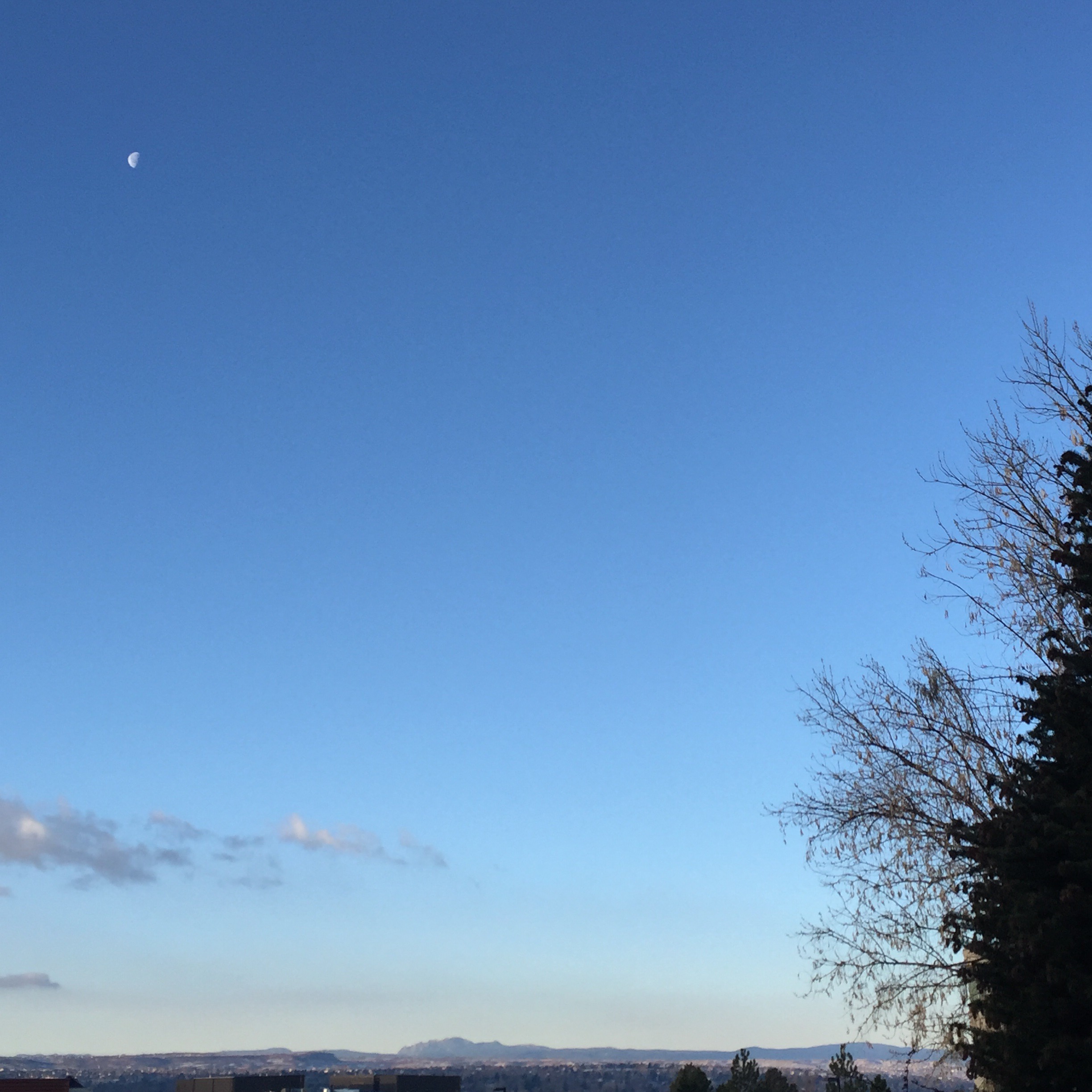
Mahalos!
Awwww yeah! Using gifs for preparedness?
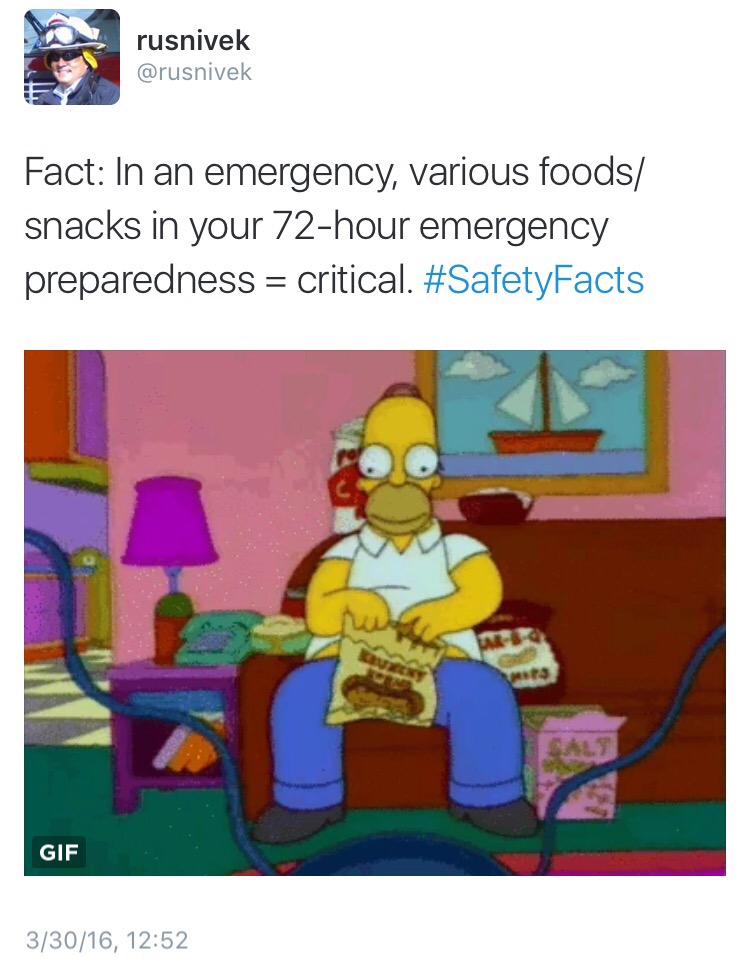
Yaaaasssssssss! #winning
But then this happened:
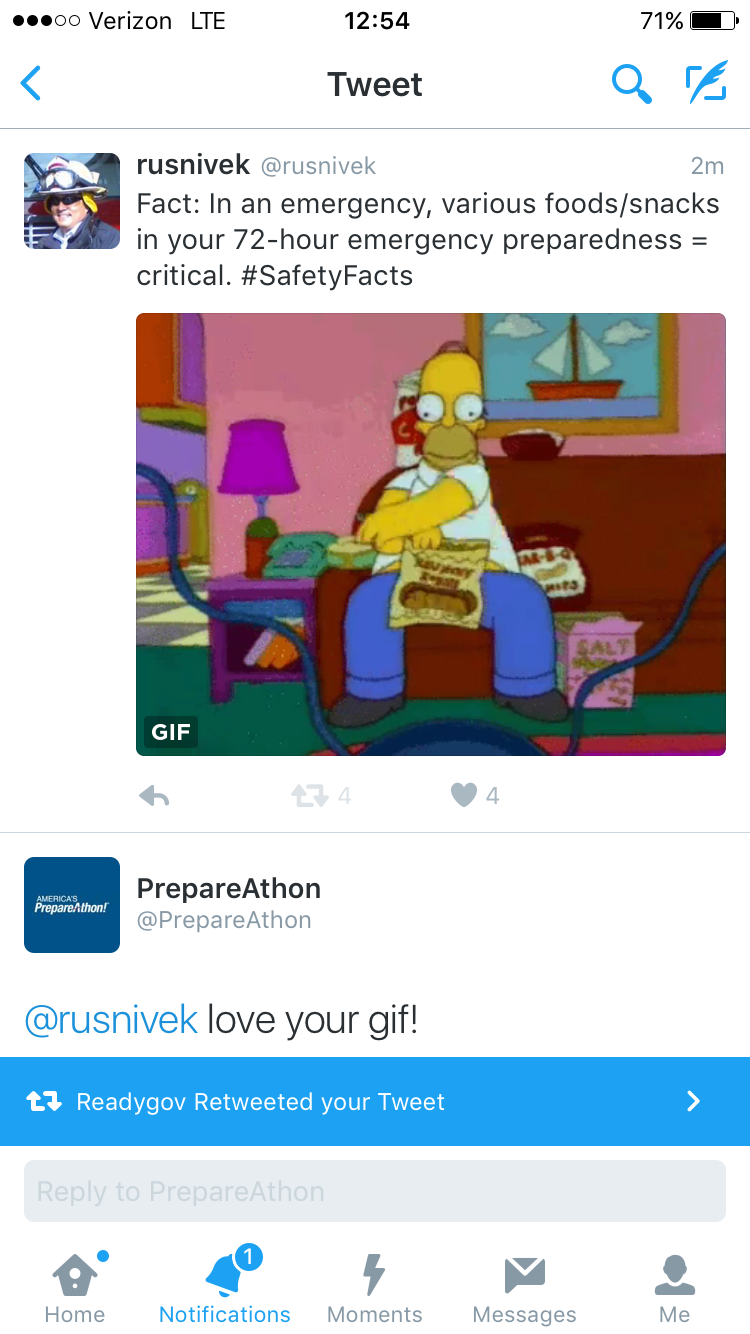
Holey moley! It’s a good day when FEMA’s @ReadyGov RTs me and @PrepareAthon loves my gifs. #swoon

Now use your new social media powers for good.
Reporting live from the EOC…
Great tribute to Firefighters here at the State of Colorado Emergency Operations Center.
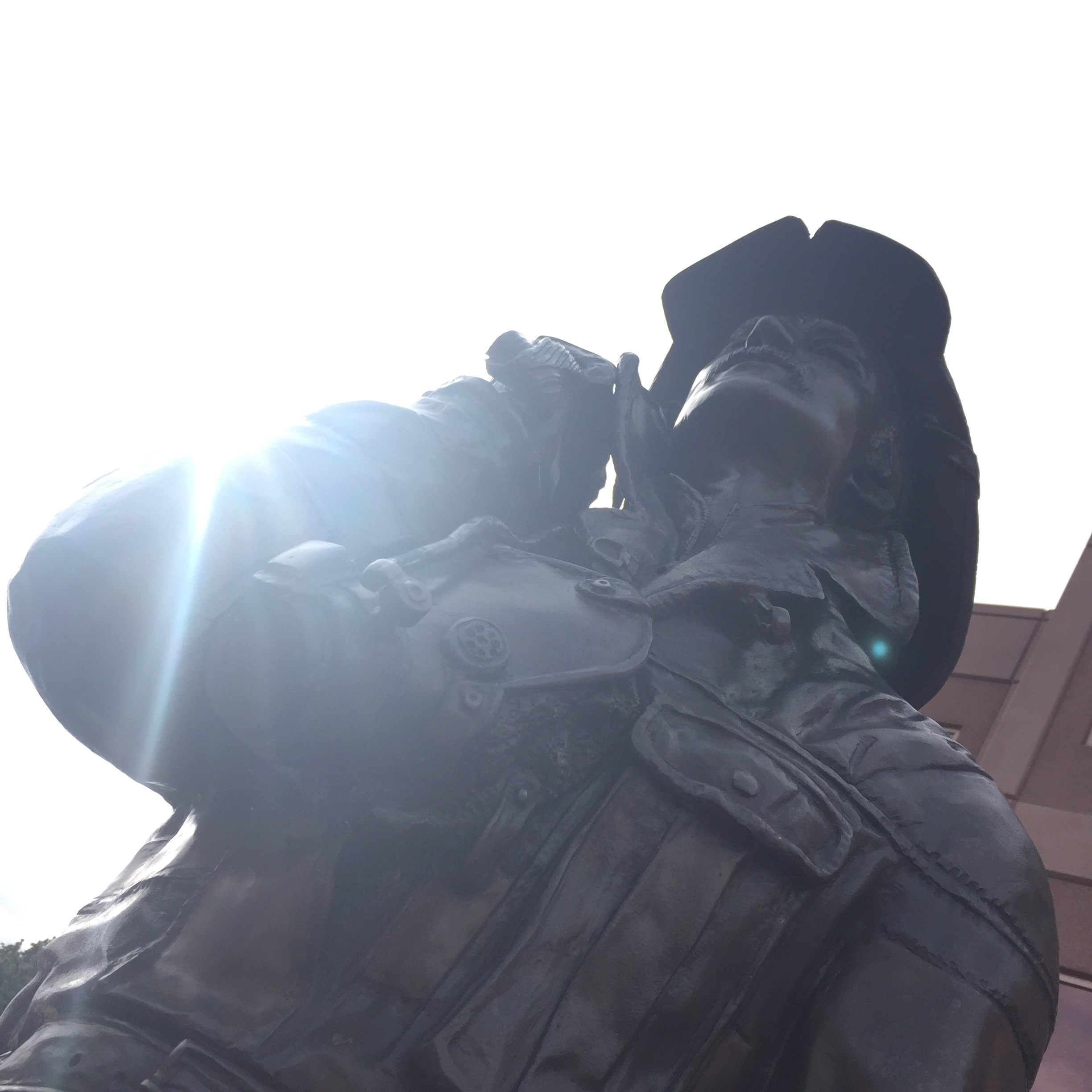
COEmergency pees and South Metro Fire are super nice peeps.

Reporting live from Colorado…
I like the mountains…I like the clear blue skies…

Reporting live from the State of Colorado Emergency Operations Center…
Everyone notices the Facebook safety check-in message for Gulshan-I-Iqbal Park in Lahore Pakistan….
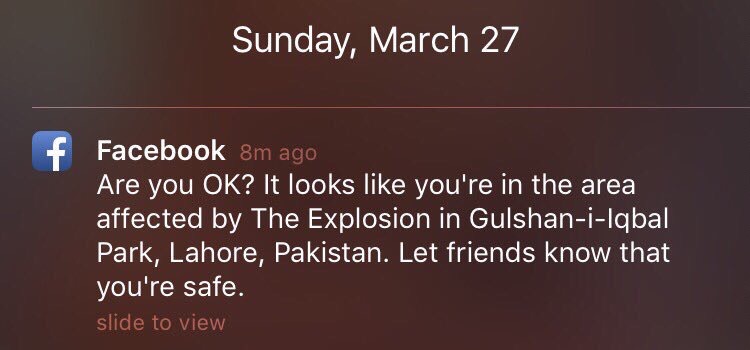
But somehow I still can’t get people to turn on their own free EAS Alerts.
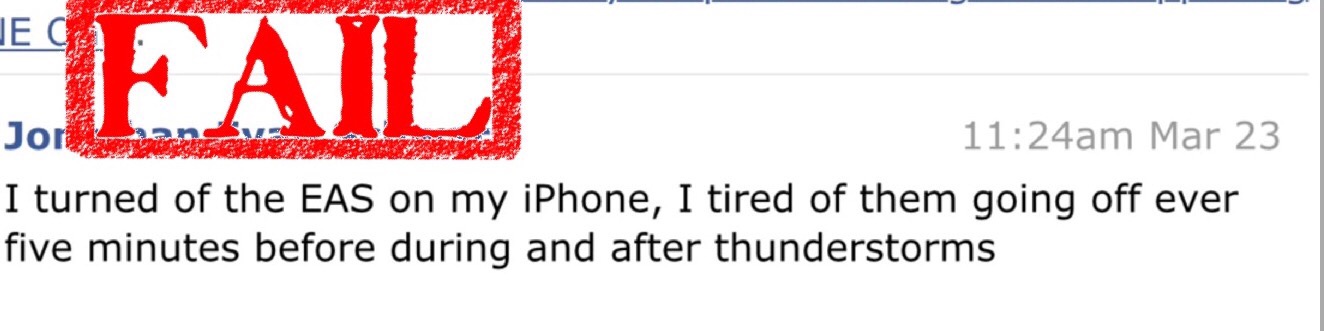
What. The. Hell.
This disregard for safety should not be tolerated esp with public safety.
People, EAS Alerts have the potential to save your life!
The Emergency Alert System (EAS) is a national public warning system that requires broadcasters, cable television systems, wireless cable systems, satellite digital audio radio service (SDARS) providers, and direct broadcast satellite (DBS) providers to provide the communications capability to the President to address the American public during a national emergency. The system also may be used by state and local authorities to deliver important emergency information, such as AMBER alerts and weather information targeted to specific areas.
The FCC, in conjunction with Federal Emergency Management Agency (FEMA) and the National Oceanic and Atmospheric Administration’s National Weather Service (NWS), implements the EAS at the federal level. The President has sole responsibility for determining when the EAS will be activated at the national level, and has delegated this authority to the director of FEMA. FEMA is responsible for implementation of the national-level activation of the EAS, tests, and exercises. The NWS develops emergency weather information to alert the public about imminent dangerous weather conditions.
Please turn your EAS Alerts on. Please.
Happy Easter everyone!

Sadly, I gotta work this holiday. Don’t worry, I’m munching on my gourmet meal – an egg salad sandwich here at the airport.
Awaiting for my hop to Region-8! (<—see what I did there)
Using SnapChat for preparedness isn’t as easy as one would think.
So here is yesterday’s snap in sleet.
Few items that I have to ponder for next time:
1. Portrait vs landscape. Since MOST of our recipients will be viewing this on a mobile platform (vertical), we should shoot the videos in portrait mode. That makes “selfie” solo production a bit more difficult. Hint: You might want to stop making fun of that selfie-stick now and get one.
2. Outside conditions (esp in our line of work) necessitates an external lav mic. I have one and I totally forgot to use it.
3. Framing needs to be assessed because the shot needs to include room for text.
4. Remembering which side is up during landscape video shooting is important. (I purposely did it so I can see if viewers rewatched the video to get the full effect). But SnapChat’s analytics don’t show amounts on segments – it only shows who has initially watched.
5. My shot list should have included various parts of the vehicle. Similar to a news package, varied backgrounds would likely keep audiences more engaged and keep their interest.
6. Filming in sleet isn’t fun.
7. Clean your lens. A lot.
8. Turn off your engine. Ambient noise will affect your sound (esp being so close).
9. I should have used some sort of emoticons to appeal more to a younger demographic/audience.
10. Saving the snap to YouTube (in its entirety) so that it can be used for other preparedness efforts (including separated sections).
I know the 10 items are detailed and nerdy, but as PIO or PAO or Communications Pros, I feel we should regularly share our lessons learned with others so we can all improve our tactics and deliveries.
Have a safe weekend peeps.
Have to use SnapChat for preparedness but can’t get out of the office to do it?
Me too. Maybe this snap could help you out.
That’s the best I can do.
Reporting live, I mean snapping behind the desk…

 Where is @rusnivek?