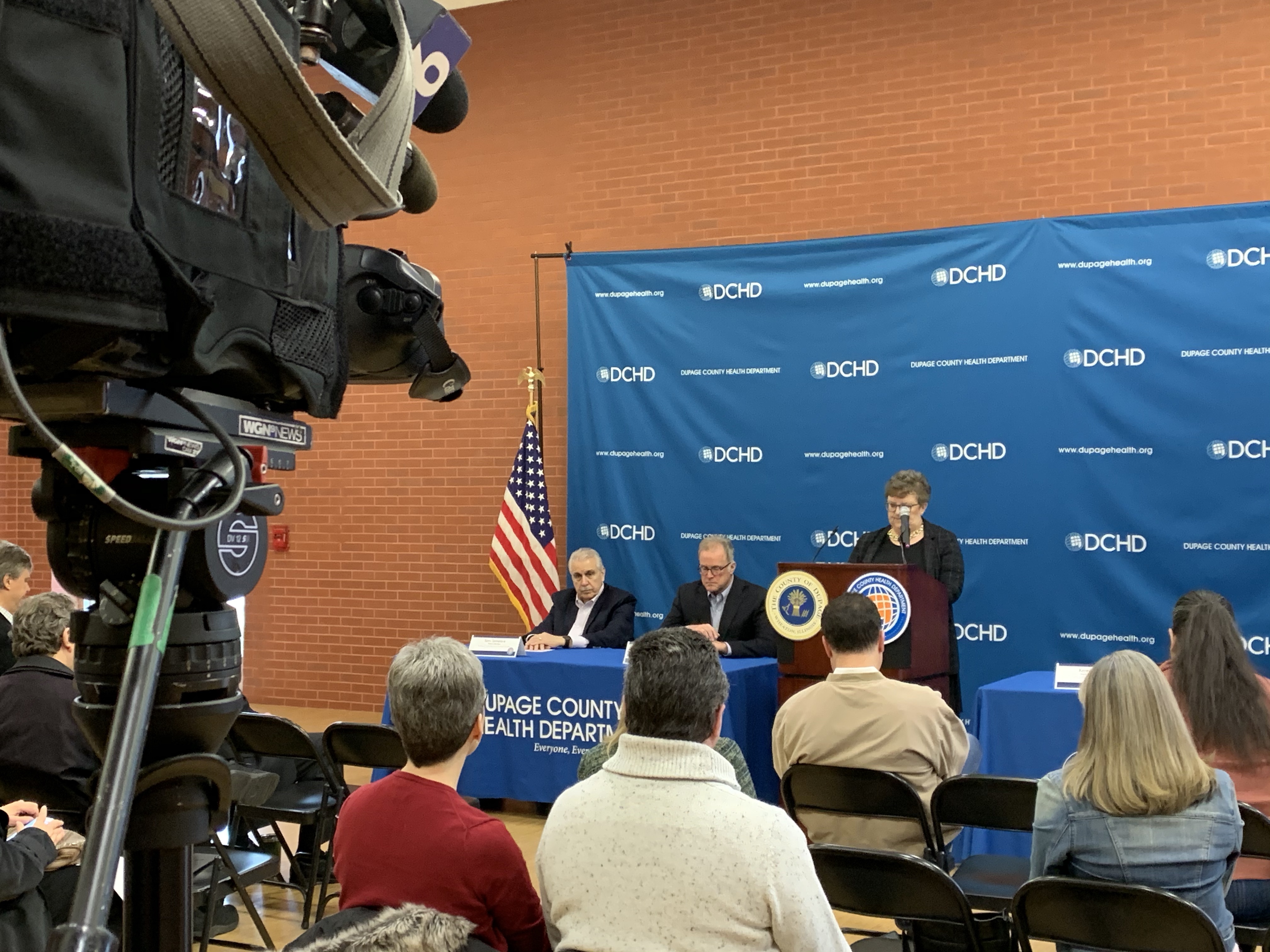
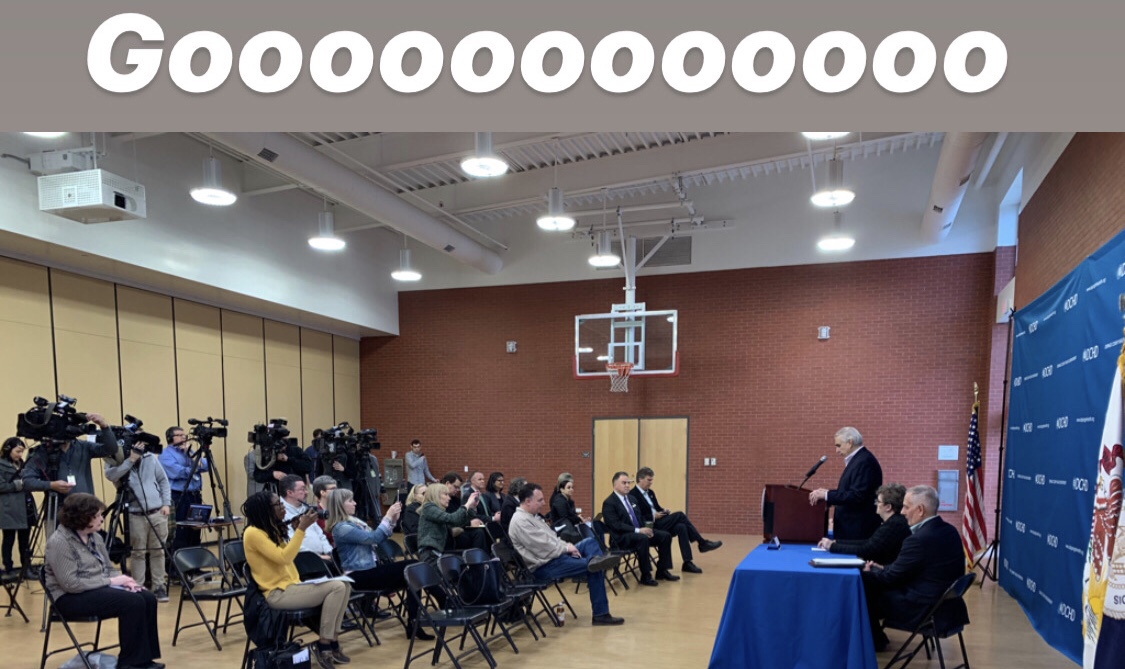
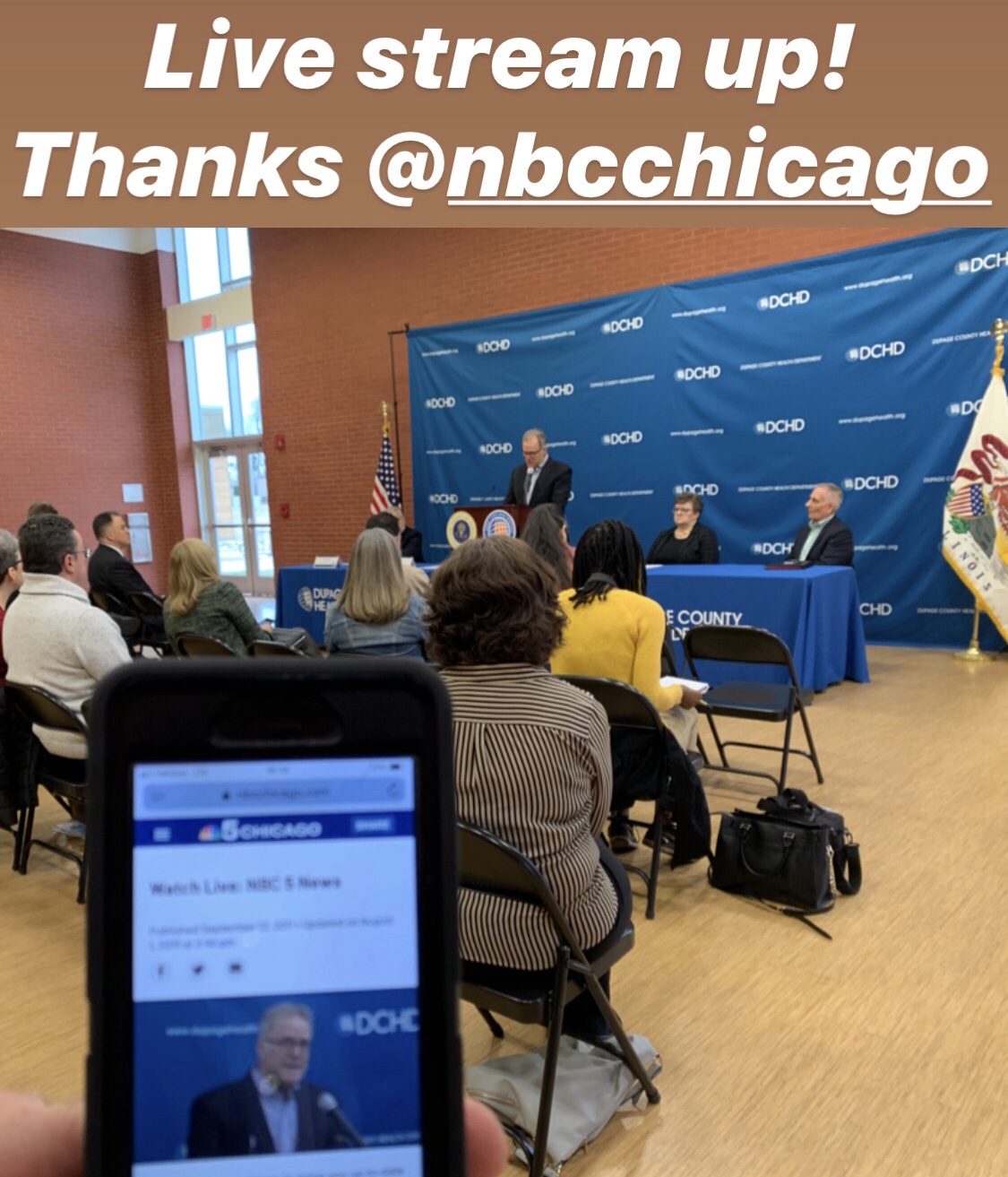
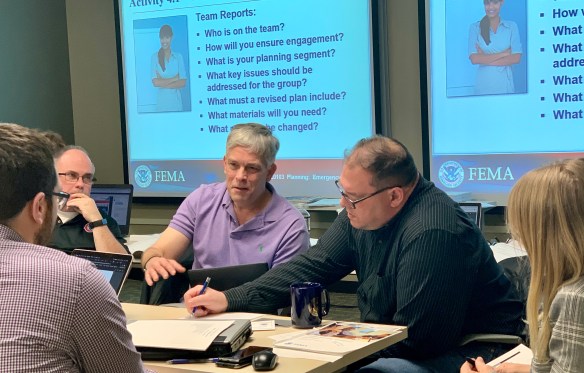
As we all settle into a regular cycle of command and general staff meetings, we all try to abide by the social distancing that seems to be setting this response differently than others.
Note: The Health Department calls this their “Crisis Management Team (CMT) – prob better known in the All-hazards world as the Command and General Staff meeting. While lax on the formality, I think our health department would benefit from standardizing this meeting and abide by the guidance provided by the ICS templates on how to run the meetings.
Also, as you can tell, it’s a bit awkward for all of us to sit so far away.
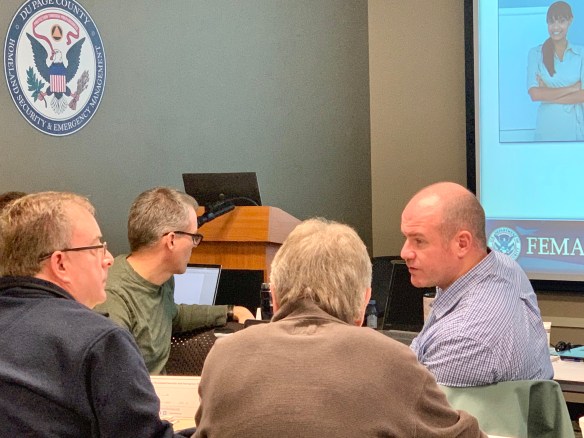
And as we continue to prep and lay the ground work for our ongoing efforts for our communities, Incident Commander sits with the director of the Health Department to lay out our operational response.
Glad to hear Murray say to Karen, “Whatever it takes to support” on this Coronavirus incident.
Now that we are in sync, let’s continue to work the magic.
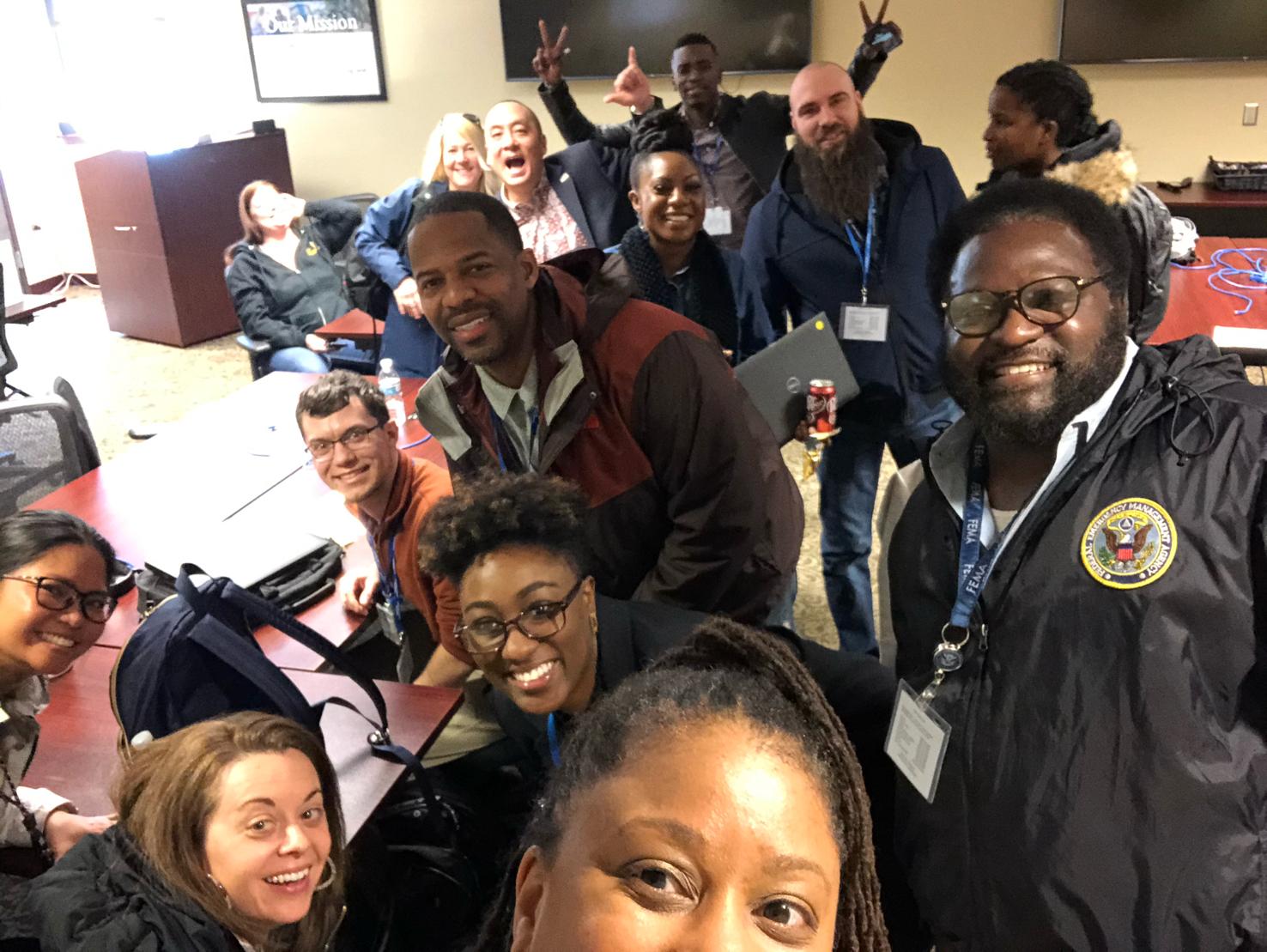
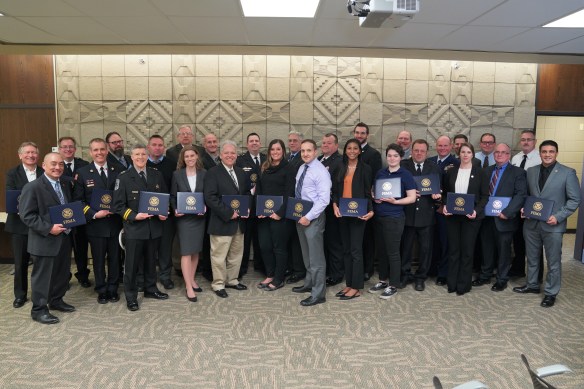
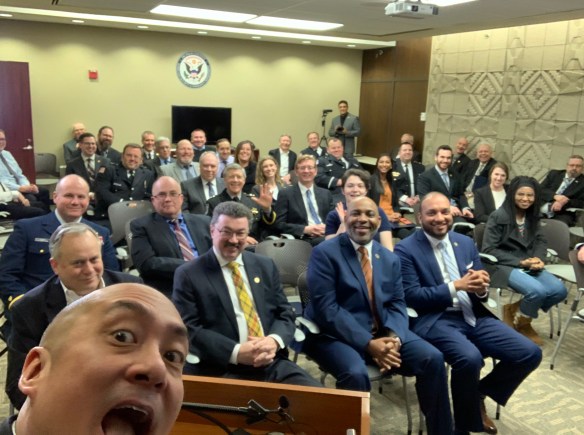
The time has come to welcome all of our graduates of the FEMA Basic Academy here at DuPage County Office of Homeland Security and Emergency Management!
“This is the first FEMA Basic Academy offered here in Illinois and we are proud to bring this Emergency Management foundation education here to DuPage County.” said Academy Instructor Kevin Sur. “The skills learned during this intensive course from November through March builds the framework for all Emergency Managers combining knowledge of all fundamental systems, concepts, and practices of leading actions for future leaders.”
The course started in November 2019 where participants were exposed to all mission areas including a myriad of case studies that highlighted the importance of collaboration and coordination in the response and recovery phase of any disaster or emergency.
In January 2020, participants took a deep dive into the science of disasters as well as planning to better help and understand the threats and dangers to each of their own communities.
To understand our hazards, we must understand legit science so that we can use the right resources to solve the problem.
The last week in March 2020, the class focused on the hot button topic of Homeland Security Exercise Evaluation Program and the Public Information and Warning course. Special thanks to new FEMA MEPP DuPage County OHSEM Sup Corey Mulryan for teaching with me on this one.
Participants debated the use of mass notification systems, social media in targeting specific audiences, and the value of the Public Information Officer (PIO) who’s role is so vital to the success of the agency.
Proud to be a part of the Instructional delivery team to get this first class here at DuPage County OHSEM.
Who’s who in the zoo? Well, we had participants from 6 different states, 3 different FEMA Regions with a diverse crowd from local, county, state, and Federal partners.
OUTSTANDING!!!!!
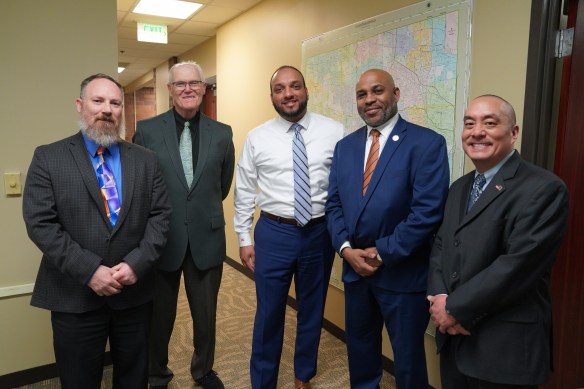
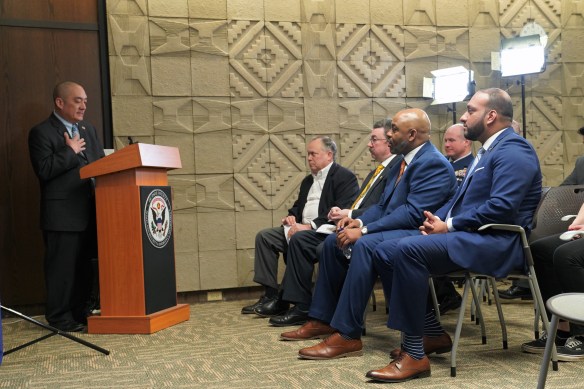
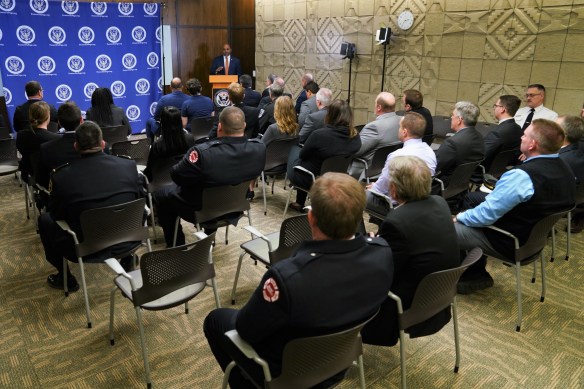
As we rolled into the graduation, I was able to make some opening remarks and thanking our most esteemed guests in the room.
Glad to hear from the new FEMA Region V Deputy Regional Administrator Kevin Sligh.
Deputy RA Sligh is a graduate of the program and is proud to see this foundational course being used as the marker of success for local Emergency Managers.
We also got a chance to hear from FEMA Region 5 Training & Exercise Manager Jessica Mitchell on the value of training. She is a proud resident of DuPage County.
And finally, to close things out, ladies and gents….put your hands together for Former IEMA Director and former Director of DuPage OHSEM….FEMA Region V Regional Administrator James Joseph!!!!
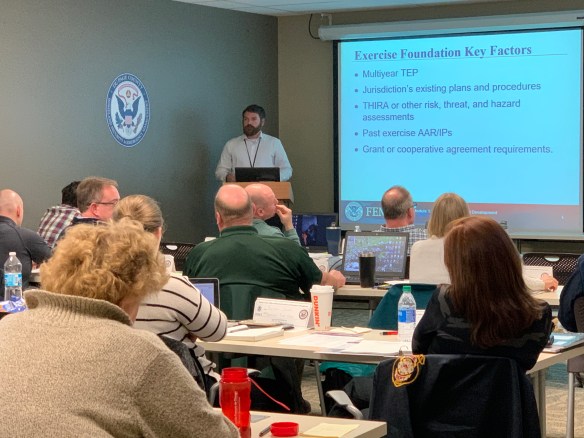
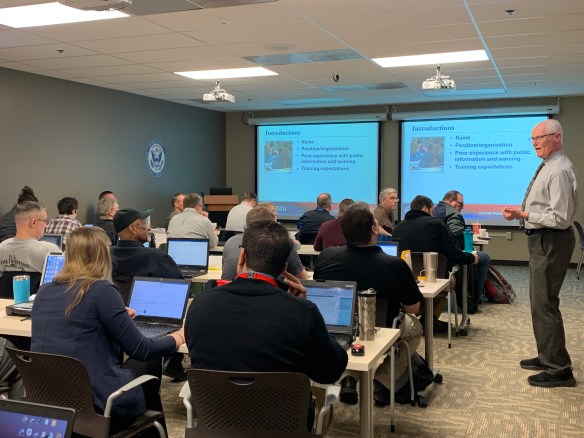
Starting out Day-3 of the ICS-300 class on Aloha Friday.
You can see my Aloha shirt peeking out on this cold 34 degree day in Alabama.
Glad to share the work of what our public safety forces do prior to a disaster declaration. In fact, lots needs to get done before a Federal Declaration. We talk about how locals need to work seamlessly with state agencies.
Then we talk about the importance of how states work with our regional partners.
Tailoring the convo to our FEMA employees attending helps them understand the seriousness of our work as incidents get bigger and inevitably into a type-1 disaster.
Making sure you specifically address your audience is critical at being a good instructor.
Tho, I don’t know who is Kevin Kur. Dang it. 😆
So for those that believe ICS classes are boring, I would contend that you don’t have the right instructor(s). Case in point, who gets cheers and applause at the end of an ICS-300?
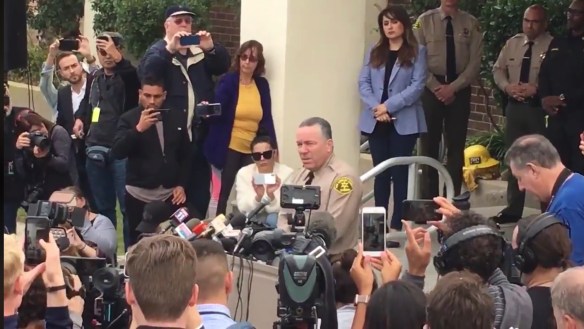
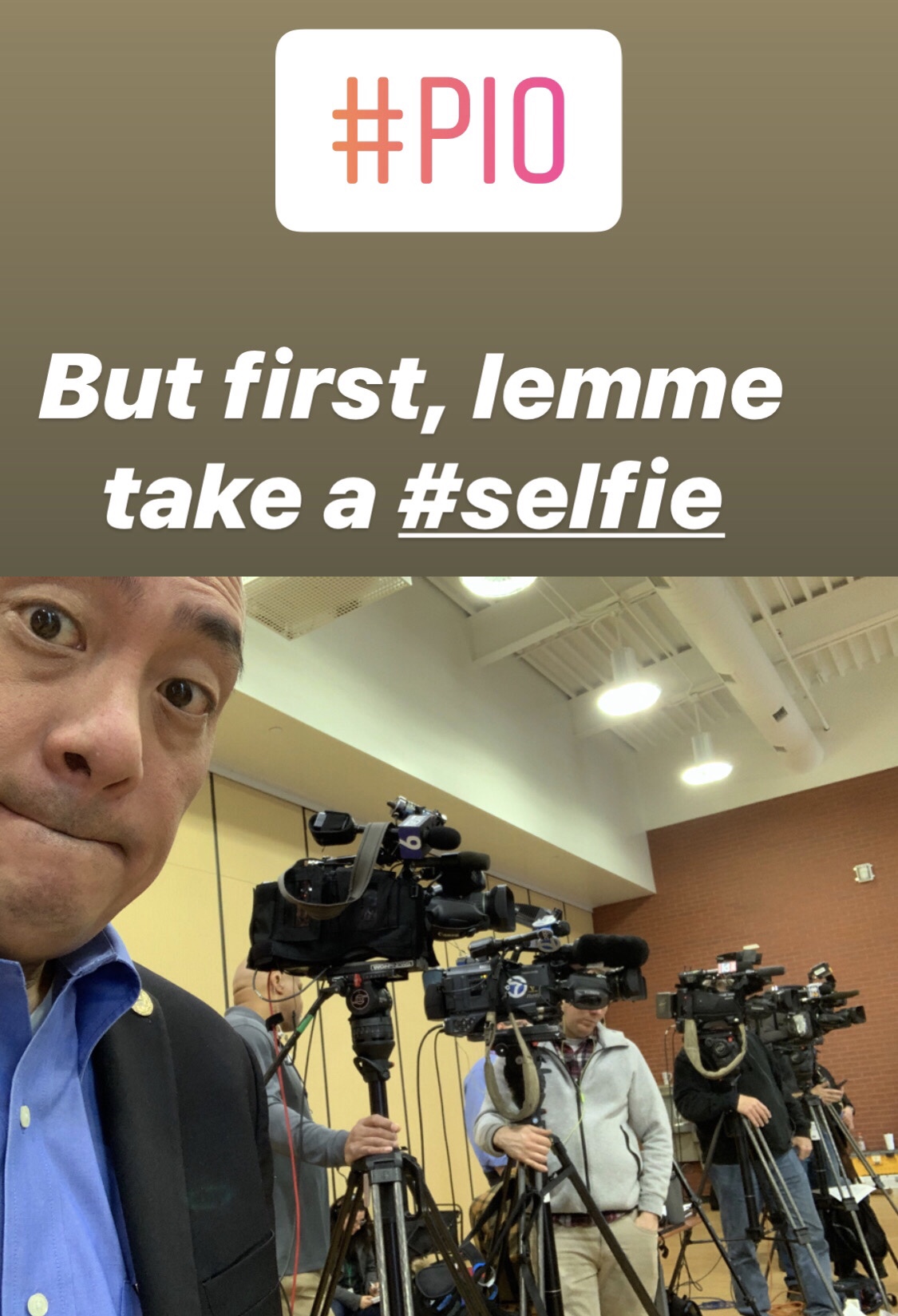
Sunday reflection – just some quick screen shots of the ongoing press conferences from the back on the rotorwing aircraft crash in CA. Take a look.
Do you see it?
Count how many phones vs big cameras.
Amazing to see the change in technology as we move from
My PIO observations
Try your best to make room for those reporters w/ phones only. Obviously, they can’t pool, so maybe a stand for video.
Media should be considerate of the notification of next of kin. Loved ones should NEVER find out of death from media reports.
Malt boxes are nice for secure locations, but likely in an outside field setup (like this one), it might not be possible.
At the close of the presser, clearly state the time of the next press conference so that media will have a good idea what info will be delivered and of your partners on what to prepare.
In the mass/swarm of the location, consideration to elevate your primary talent. If that’s not possible, perhaps give them some room around the podium to deliver message.
First full week will be the run up/prep for the busy month as we open up six new classes,
Second full week will be an ICS Forms course and an ICS-300 course. Additionally, I’ll be in Wisconsin for a few advanced social media courses and a bunch of presentations to help prep for the upcoming 2020 Democratic National Convention. And then ending a week with a Debris Management class at the home office. That’s right, I’m hosting a Debris Management class on Valentine’s Day.
Third week, we will be on official assignment for FEMA as I lead another ICS-300 course at the Center for Domestic Preparedness in Anniston, Alabama.
Fourth week, is the final planning week as we roll into an incredibly difficult March.
Looking forward to a busy month in Region 5 and 4.

















 Tho, I don’t know who is Kevin Kur. Dang it. 😆