Memorize ALL your phone numbers? If not, here’s a free solution #NatlPrep #PrepareAthon

Seriously, do you memorize all your phone numbers? Chances are, you don’t.

IMG_6126

So stop goofing around on this holiday and create your family emergency communications plan here.

For those who have heard me talk about my own plan, I use ubiquitous NIMS ICS-205 form. #NIMS #ICS #FTW

gooodidea

Who’s embracing ICS now?

But seriously, take a few moments to plan for the safety of your family with your Family Emergency Communications Plan.

FEMANPM2016_logo_vFinal_medium

“Don’t Wait. Communicate. Make Your Emergency Plan Today.”

@rusnivek

Always learning from DHS/FEMA Leadership #NatlPrep #PrepareAthon

Another way to increase your preparedness level is to attend various classes with DHS/FEMA leadership.

img_8123

DHS/FEMA ICPD Director Helen Lowman

Many of them are passionate about preparedness training and can provide some insight to strategic goals and national initiatives. From emergency preparedness kits to supporting the Weather Ready Nation, many have been outspoken champions in the realm of #NatlPrep #Response and #SMEM – whohoo!

IMG_4692

Past FEMA Deputy Administrator Richard Serino

Keep learning. Never stop. Sponge it all from Ready.gov

FEMANPM2016_logo_vFinal_medium

“Don’t Wait. Communicate. Make Your Emergency Plan Today.”

@rusnivek

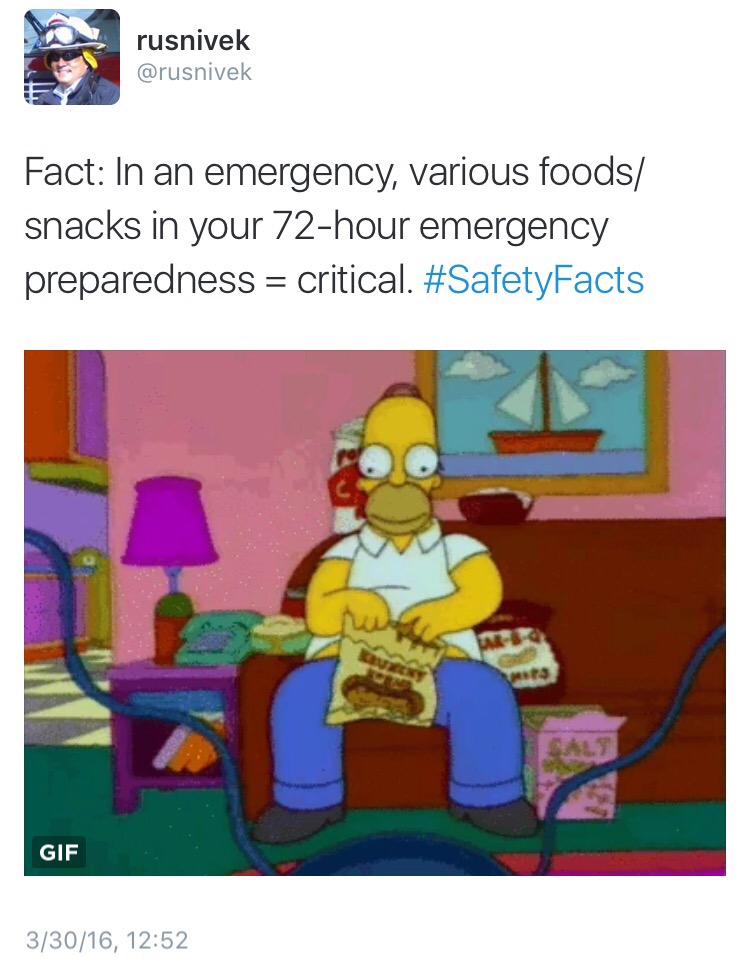
Gifs for preparedness #SafetyFacts #NatlPrep 

Awwww yeah! Using gifs for preparedness?


Yaaaasssssssss! #winning

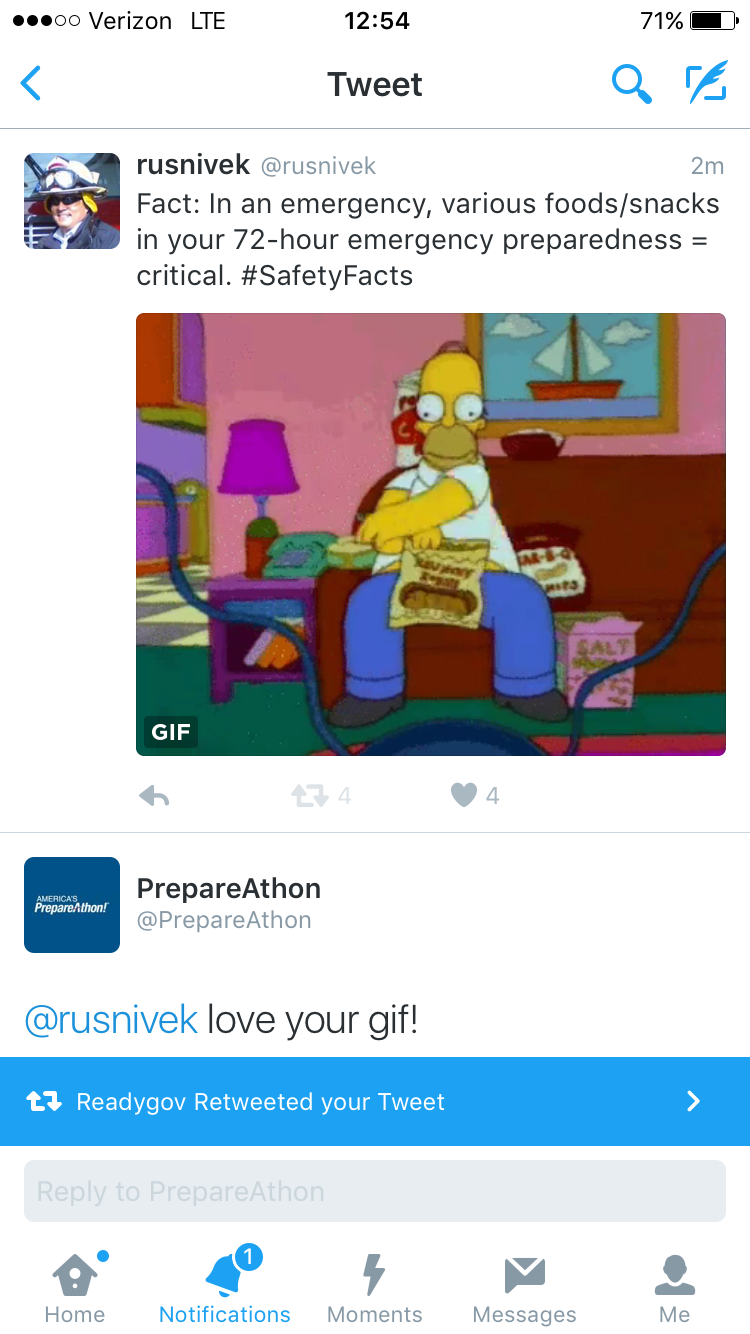
But then this happened:

Holey moley! It’s a good day when FEMA’s @ReadyGov RTs me and @PrepareAthon loves my gifs. #swoon

hom

Now use your new social media powers for good.

Reporting live from the EOC…

@rusnivek

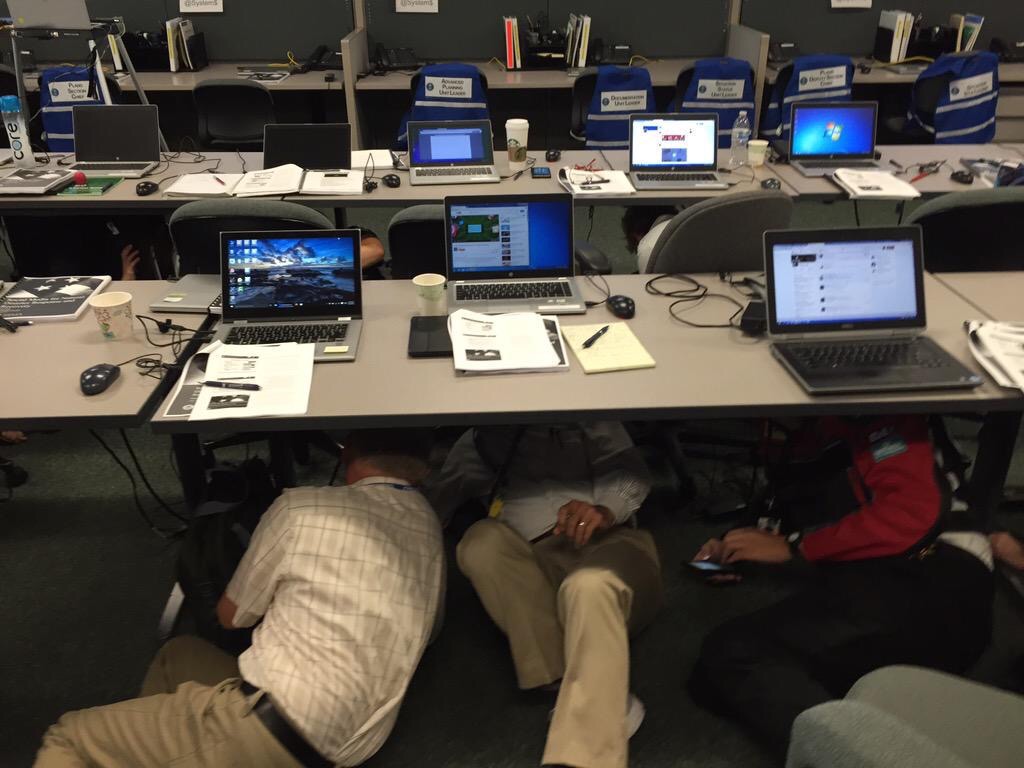
Everyone is ready with our 2015 #ShakeOut drill #NDPTC

Not going to lie, I love participating in national preparedness events with everyone.


No kidding, our entire class participated.

IMG_0499

My California peeps love preparedness!

Everyone!


Even though we are in the EOC, our participants know the importance of preparedness training.

IMG_0522

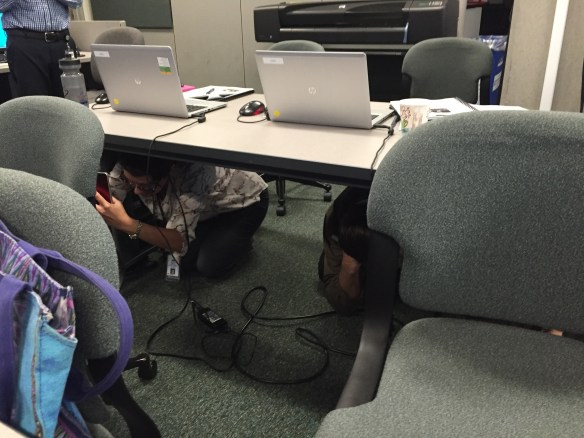
Preparing for the #CAEq – #ShakeOut

IMG_0525

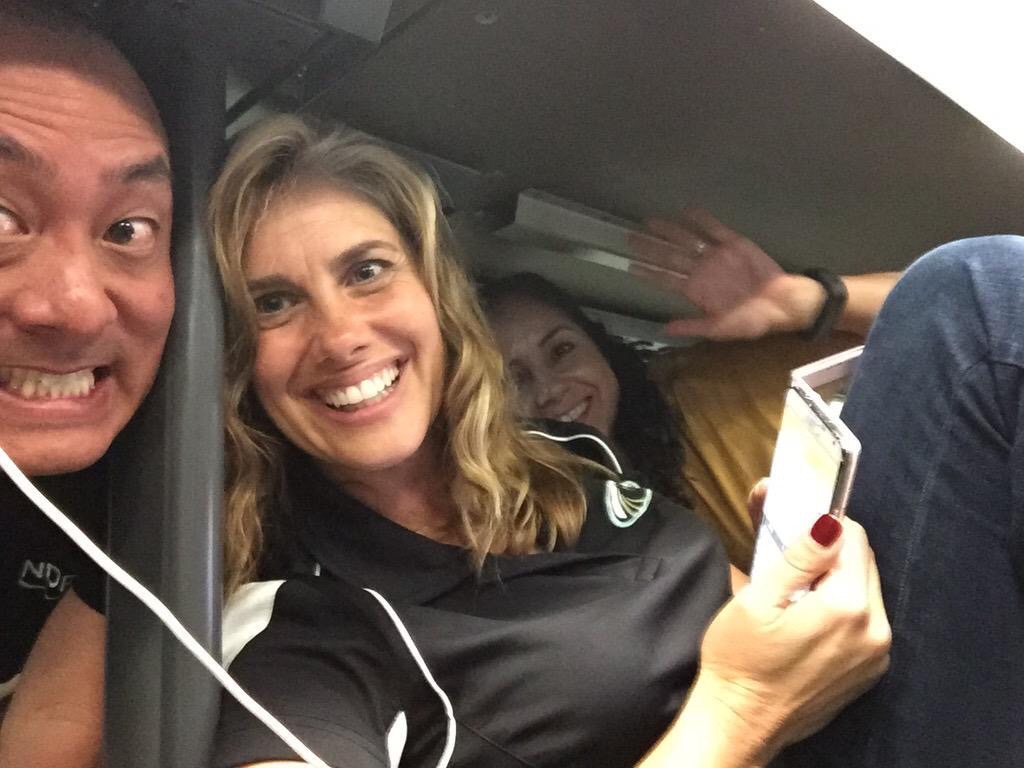
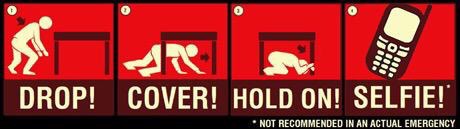
Bonus points for the #ShakeOut selfie too!


Awww yeah.


Love this class!


Also so excited to see that DHS/FEMA’s Ready.Gov Program sharing our messages on social media.

IMG_0541

Woot-Woot!!!!

IMG_0534 - Copy

Thanks to everyone in today’s class at the Santa Clara County (CA) Emergency Operations Center!

@rusnivek

October has the big four: 3-9-5-NCAP #SURINDC

As National Preparedness Month closes, my October 2015 schedule is going to be very challenging. And as you know, I have to win. Here’s the plan:

First week: I’ll be in Carlisle, Pennsylvania presenting on Social Media in disasters. Pope out, Sur in! Glad to be back in Region-3.

Second week: I’ll be headed back to the Silicon Valley area presenting on social media specifically for large event planning and monitoring (because it’s all about the L right? Wait, it’s all about the 5-0 right?) I also hope to catch up to one of the VIPs at Intel. Since retiring from Emergency Management, his pro career intrigues me – so I believe some synergies could happen. Additionally, I get a chance to brainstorm with an extremely talented colleague from the NWS Sacramento office. I rant about “building relationships before an emergency” so I assure you that I am practicing what I preach. Love love LOVE me some Region-9!

Third week: I’ll be at Fairfield County (Ohio) Emergency Management Agency popping the G-290: Basic Public Information Officers Course and G-291: Joint Information Center / Joint Information System (JIC/JIS) courses. It will definitely be great to see my friend Director Kochis  and crews again – back in Region-5.

Fourth week: I’ll be presenting at FEMA HQ in Washington DC on social media. Yep, at the big house. OMG. This is a big presentation. Big. REALLY BIG. While at HQ, I am hoping to catch up with Lumpkins, Kamoie, FEMA’s Digital Engagement Team…and since we’re fresh off the heels of National Preparedness month grabbing a cup of coffee with my besties from ReadyGov and PrepareAthon. Love me some HQ preparedness action! Additionally, I am hoping to grab a few meetings with my friends at the Pentagon and NGA too. Special thanks to US Representative Fudge (OH-11) for some extra time with Congress and a stop at the White House. Yep. The White House. Again. #SURINDC NCAP region!

IMG_1909

It’s going to be a challenge month all October long.

Get it.

@rusnivek

How frequent are hurricanes in the US? #NatlPrep #hurrycaine

Third Saturday in the 2015 National Preparedness Month! Last day/chance for hurricanes.

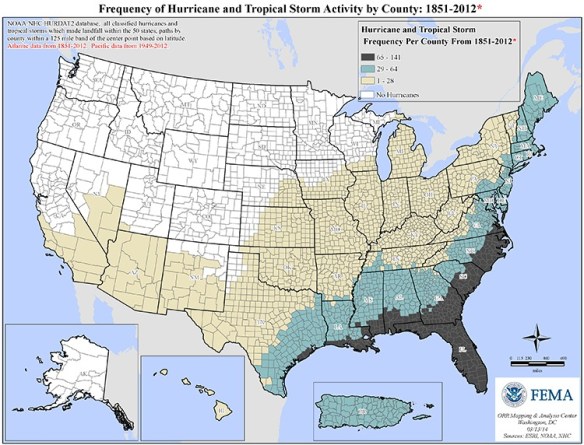
Do you want to have a better understanding of the hurricane risk you and your community face? Below is a map of the United States and the frequency of hurricane and tropical storm activity by county. Atlantic data dates back to 1851, while Pacific data includes storms since 1949.
hurricanemap750w

Map Information: This area is a map of the continental United States, Puerto Rico, Alaska, and Hawaii including state boundaries. It is entitled “Frequency of Hurricane and Tropical Storm Activity by County: 1851-2012”. It includes data from NOAA NHC HURDAT2 database; all classified hurricanes and tropical storms which made landfall within the 50 states, the District of Columbia, or Puerto Rico; paths by county within a 125 mile band of the center point, based on longitude. Atlantic data from 1851-2012, Pacific data from 1949-2012.Map Description: The frequency of hurricane and tropical storms are represented by a four point scale. The first group with the highest frequency of hurricanes and tropical storms includes between 65-141 occurrences of a hurricane or tropical storm. The area of states for this level of the scale includes the coastal edges of Texas, Louisiana, Mississippi, Alabama, Georgia, South Carolina, North Carolina, Virginia, and Delaware, as well as all of Florida. The second group with the second highest frequency of hurricanes and tropical storms includes between 29-64 occurrences of a hurricane or tropical storm. The area of states for this level includes inland portions of states in the first group, as well as Maryland, New Jersey, New York, Connecticut, Rhodes Island, Massachusetts, New Hampshire and Maine, as well as all of Puerto Rico. The third group with the lowest frequency of hurricanes and tropical storms includes between 1-29 occurrences of a hurricane or tropical storm. This area of states covers a large portion of the United States, and extends from Vermont in the east to southern California in the west, and from central Texas in the south to all of Michigan in the north, as well as Hawaii. The last group in the scale represents no occurrences of a hurricane or tropical storm. This area of states covers all of Alaska, Washington state, Oregon, Idaho, Montana, Wyoming, Colorado, North Dakota, South Dakota, Minnesota, all of Utah excluding the southwestern tip, and parts of California, Nevada, New Mexico, Kansas, Nebraska, Iowa, and Wisconsin. In all about two-thirds of the US are within one of the first three frequency groups. Federal Emergency Management AgencyORR Mapping and Analysis Center, Washington, D.C., March 13, 2014. Sources: ESRI, USGS.

It’s only a matter of time before you are affected by a hurricane.

Don’t wait. Communicate. Make your emergency plan today.

CKYhdyqUMAQdNj1

#Hurrycaine Hurricanes are dangerousso get Ready by starting here

(#Hurrycaine <==get it?)

@rusnivek

#NatlPrep Month – Don’t Wait. Communicate. #PrepareAthon

I know it’s only July, but National Preparedness Month is right around the corner.

FEMA’s Ready.Gov just announced the 2015 theme: Don’t Wait. Communicate: Make an emergency plan today.

Groovy huh?

Here’s the logo to use.

CKYhdyqUMAQdNj1

Weekly themes will be done according to these identified topics:

  • Week 1:  September 1-5th            Flood
  • Week 2:  September 6-12th          Wildfire
  • Week 3:  September 13-19th        Hurricane
  • Week 4:  September 14-26th        Power Outage
  • Week 5:  September 27-30th        Lead up to National PrepareAthon! Day on September 30, 2015

I’m looking forward to hearing your plans on how you intend to share preparedness efforts this year.

Are you Ready?

@rusnivek

Easy 4th of July safety tips #FireworksSafety

Safety tips? You bet!

Here’s some basic 4th of July Fireworks safety tips:

  • Safety tip: Make sure fireworks are legal in your area before buying or using them.
  • Safety tip: Keep a bucket of water or a garden hose handy in case of fire or other mishap.
  • Safety tip: Never allow young children to play with or ignite fireworks.
  • Safety tip: Always have an adult supervise fireworks activities.
  • Safety tip: Sparklers burn at temperatures of about 2,000 degrees – hot enough to melt some metals.

Thanks @Readygov #FireworksSafety

Happy safe 4th of July week/weekend everyone!

DSC_2287

@rusnivek

TweetChat this Thursday from 1400-1500 EST! #PrepareAthon

Looks like MaryJo and I will be leading the charge this Thursday with FEMA’s @PrepareAthon and @ReadyGov on their preparedness efforts.

10505395_798145040272184_2393669469180621105_n

@ReadyGov Join the #PrepareAthon Twitter chat on Thursday, February, 26th at 2:00 PM EST and learn “What is PrepareAthon! and How to Participate!” This chat will be led by two preparedness champions: Mary Jo Flynn, @maryjofly and Kevin Sur, @rusnivek who will facilitate a discussion about how communities can use tips and tools to get involved in America’s PrepareAthon! activities.


@rusnivek