Solid group in my ICS-300 class at Washington County

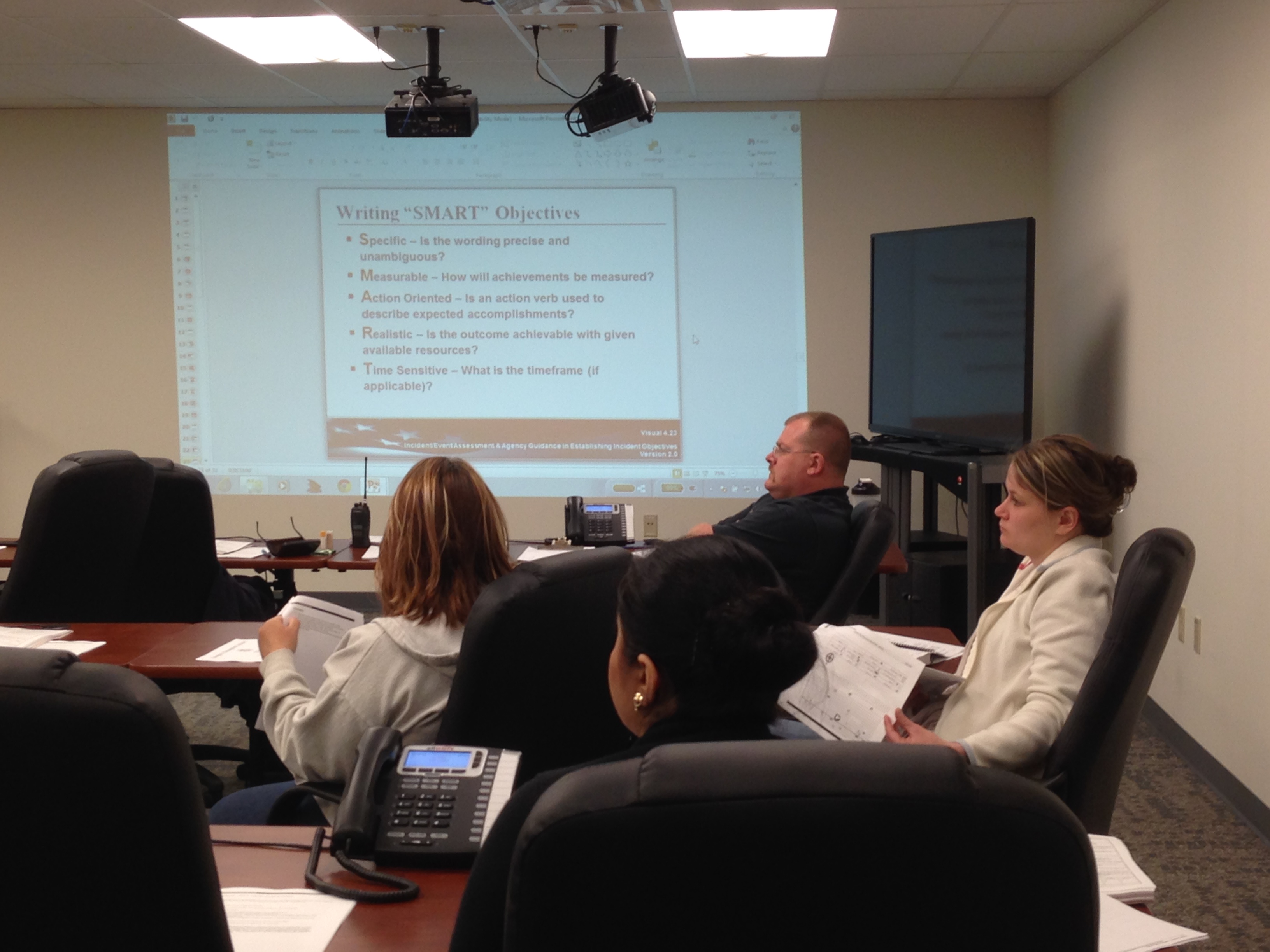
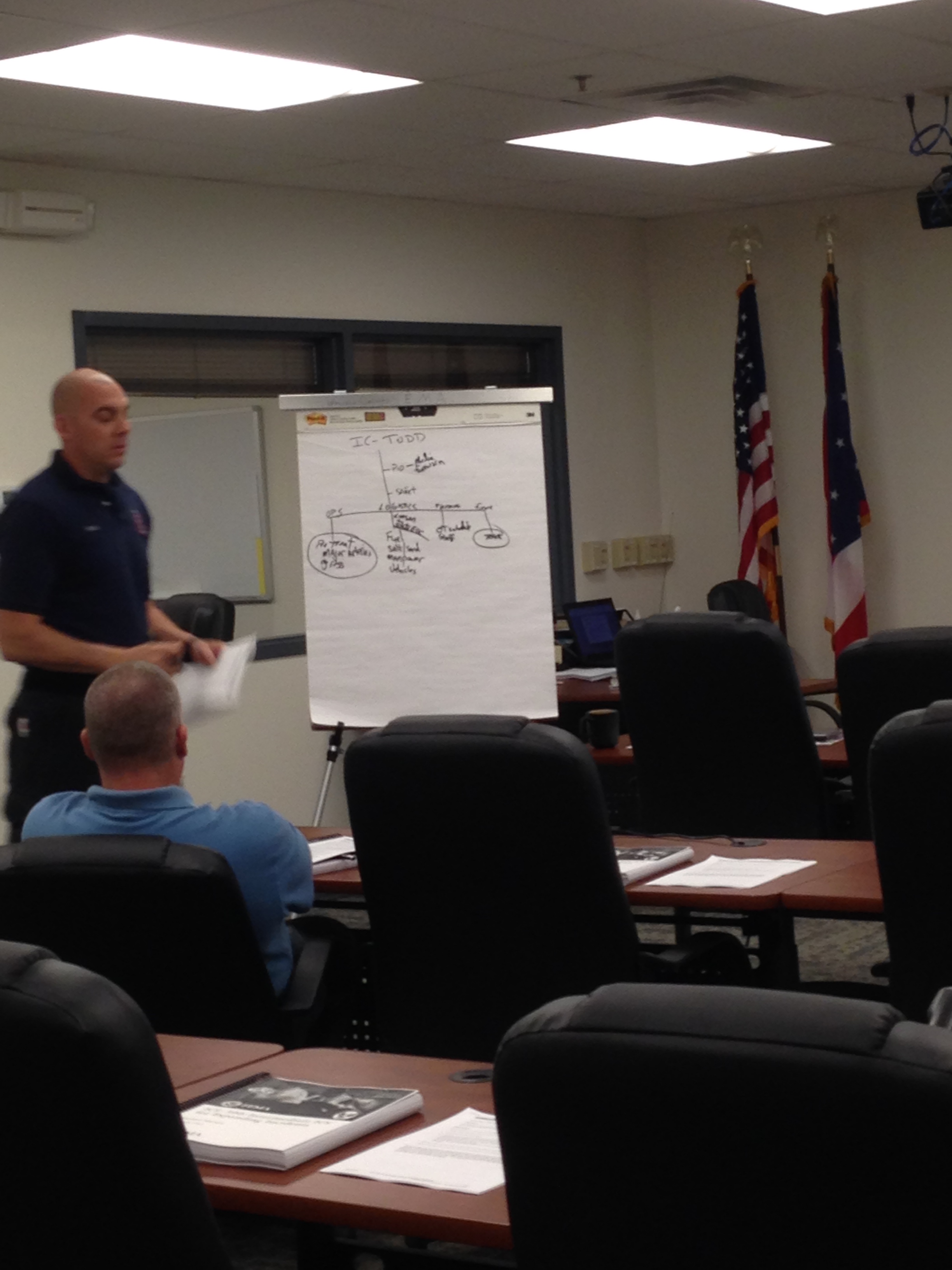
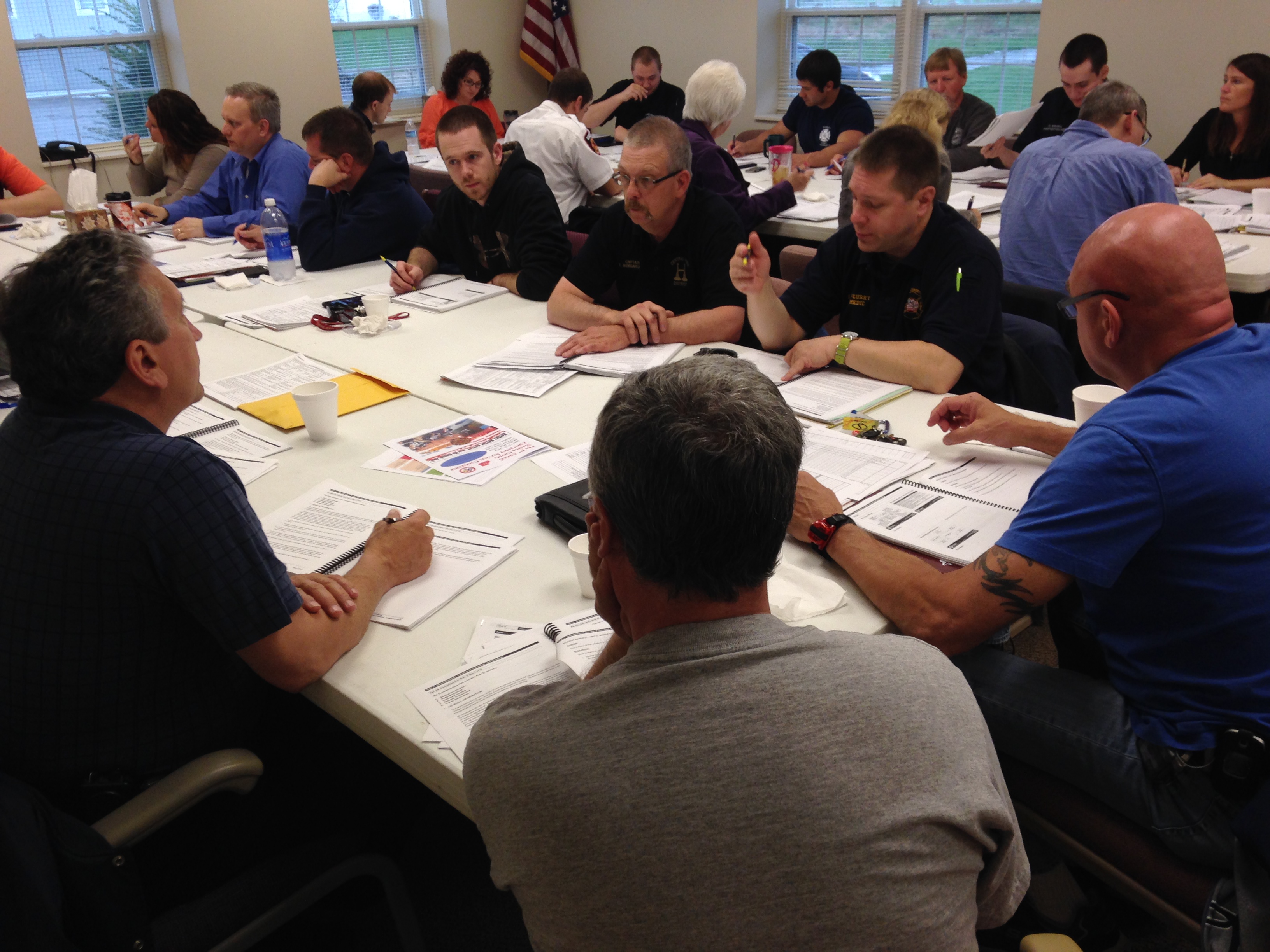
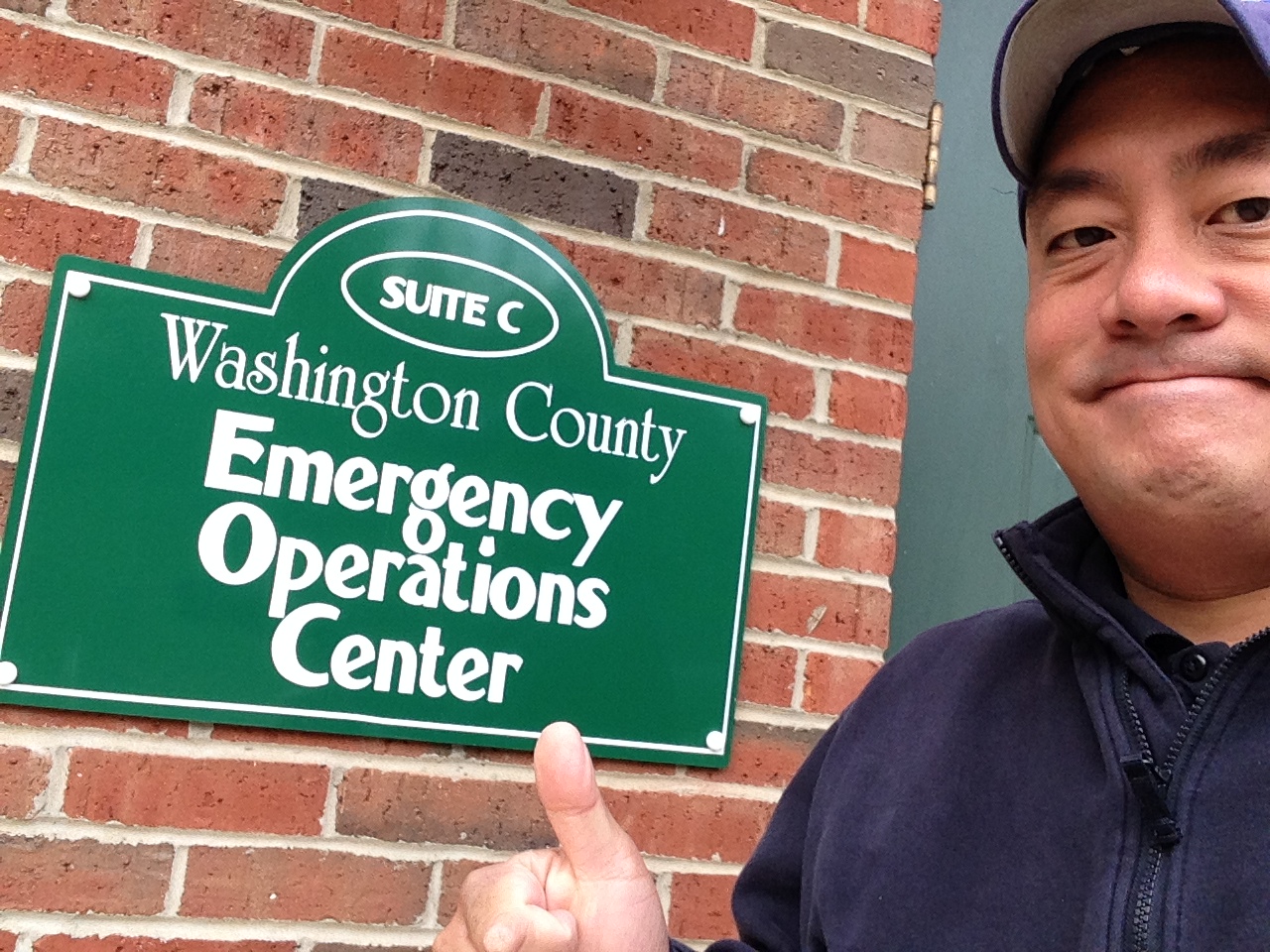
Had a solid day teaching ICS-300 Intermediate ICS for Expanding Incidents to various public safety professionals at Washington County EMA.

IMG_0039

Solid group hailing from several different functional groups.

IMG_0040

I really enjoy classes that have a good mix of participants. It makes the class WAY more interesting and allows more input into exercises during class.

IMG_0041

Remember: At 0300, I’m not pretty. At 0300, you are not pretty. Best time to get to know each other is under bright lights and calm setting…like now. Learn what is important to each agency so that you can better support their mission and goals during a disaster or emergency.

@rusnivek

ICS-300 Intermediate ICS for Expanding Incidents at SGFD

Starting out ICS-300 Intermediate ICS for Expanding Incidents this morning. Fairly large class with VERY varied backgrounds makes for an interesting class.

IMG_9840

Also good to see both EMA directors from Medina County and Wayne County stop in and welcome the class too.

IMG_9854

As always, it’s great to be teaching on behalf of Ohio Emergency Management Agency (OEMA) in Ohio Department of Public Safety (ODPS).

IMG_9851

@rusnivek

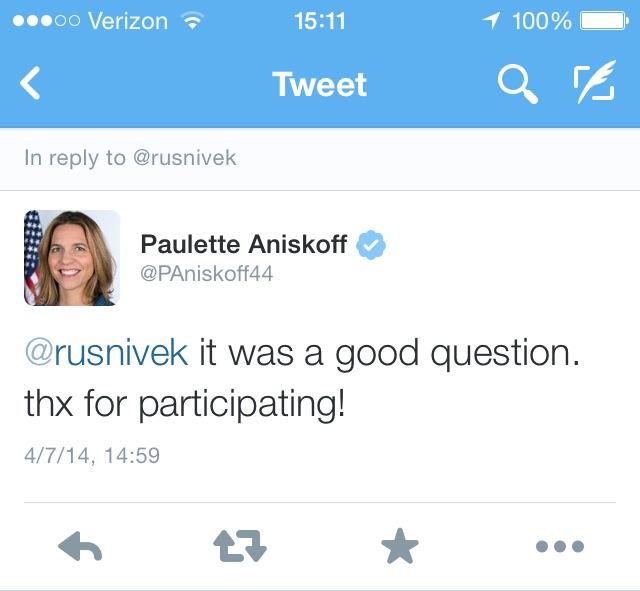
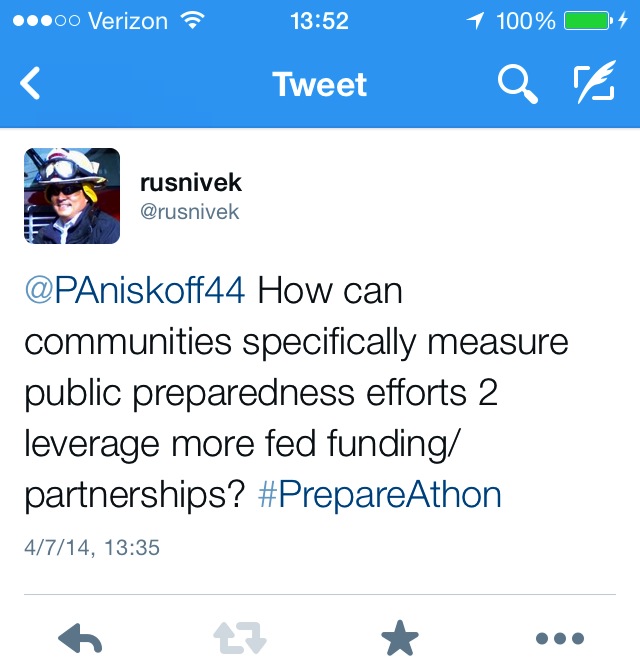
Question for the White House Office of Public Engagement #PrepareAthon

See, it was a good question!

1897658_437942442975266_6220696744626063753_n

Paulette Aniskoff (@PAniskoff44), Director of the Office of Public Engagement, The White House.

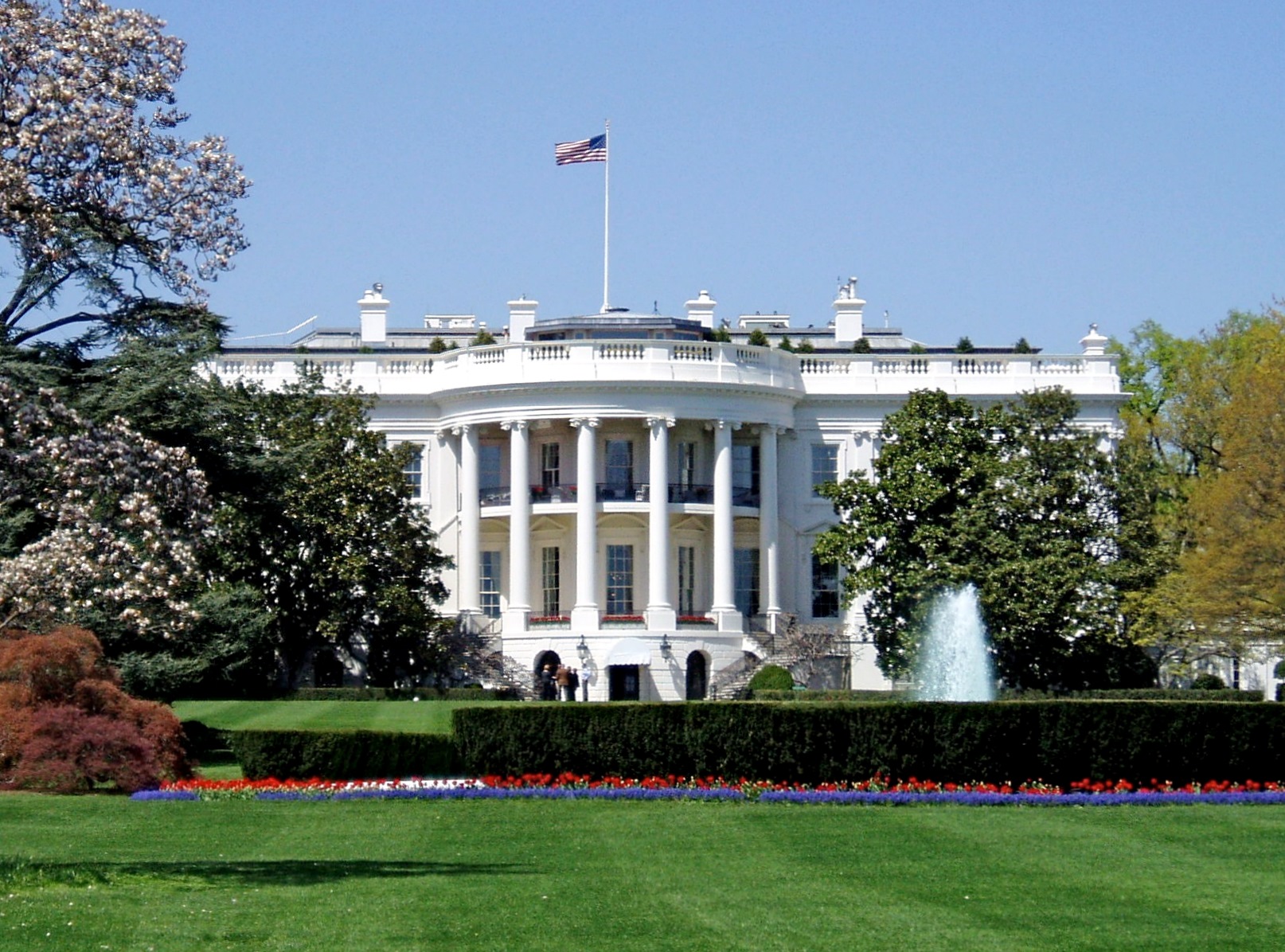
Well, it’s not often I get to correspond with my White House peeps.

OLYMPUS DIGITAL CAMERA

https://www.youtube.com/watch?v=6nMXu2GriQ0

@rusnivek

Participating in FEMA’s #PrepareAthon Google Hangout #Prepared2014

Participating in the White House Google Hangout now.

Glad to see engagement from numerous agencies especially Craig Fugate (@CraigAtFEMA) and Paulette Aniskoff (@PAniskoff44).

IMG_7840

…and Paulette Aniskoff just asked my question.

question

And Craig responded.

Holy. Balls.

@rusnivek


A fun disaster class…on accountability #NIMS

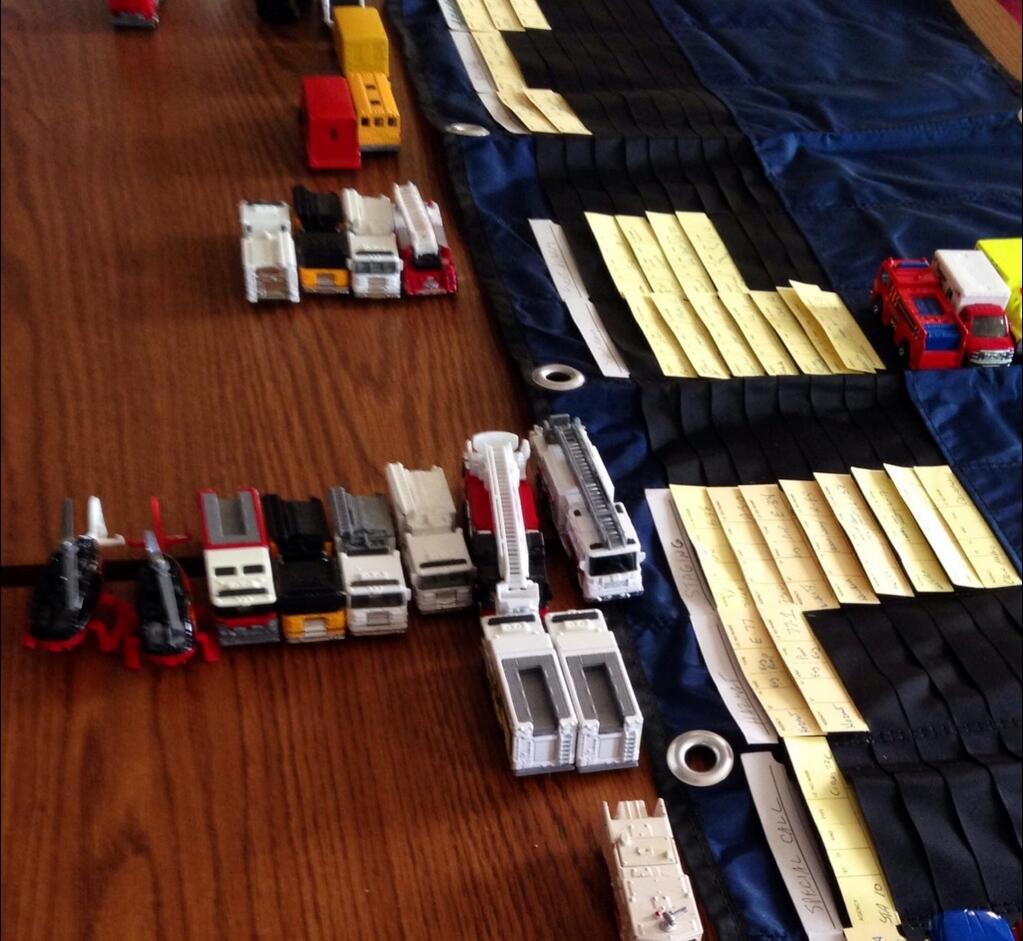
To the untrained eye, they just look like toys.

BkPppTvCAAEPyrc

To Incident Commanders, this is an incredibly valuable tool that provides operational and tactical response accountability.

To bring this all-hazards accountability course to your location, just let me know.

Yep, I’m making classes about disasters fun again!

@rusnivek

Press amenities…because they are our partners in safety right? #PIO

Media considerations: Press amenities.

aaa

Aside from giving the media the juicy story they crave…we should do a better job in considering their needs during a disaster.

However, in this day/age of media involvement and constant interaction, it would behoove us PIOs to better meet the needs of our partners (that’s right, I said partners) in safety.

For prolonged incidents, it would be nice if your agency:

  • Provided a bunch of plugs and/or outlets to use. Power seems to be a mandatory necessity during every day life. Just look at any airport with weirdos hunched around an open power plug.
  • Setting up a separate WiFi for media use only so they can meet their timely deadlines or push valuable info via social media. They are data hogs just like the rest of us. It has been proven for humans to exist, we need WiFi.
  • Held up white cards for white balance during setup…or better yet warm cards to help the videographers get their color scheme setup right. It does make you look like you just got back from someplace warm and now have a nice tan.
  • A simple cup of coffee would be a welcome olive branch in the midst of disaster/emergency. First informal rule of any disaster or emergency? A cup of coffee regularly ranks high on the scale of requests and necessities from everyone. Available 24/7.

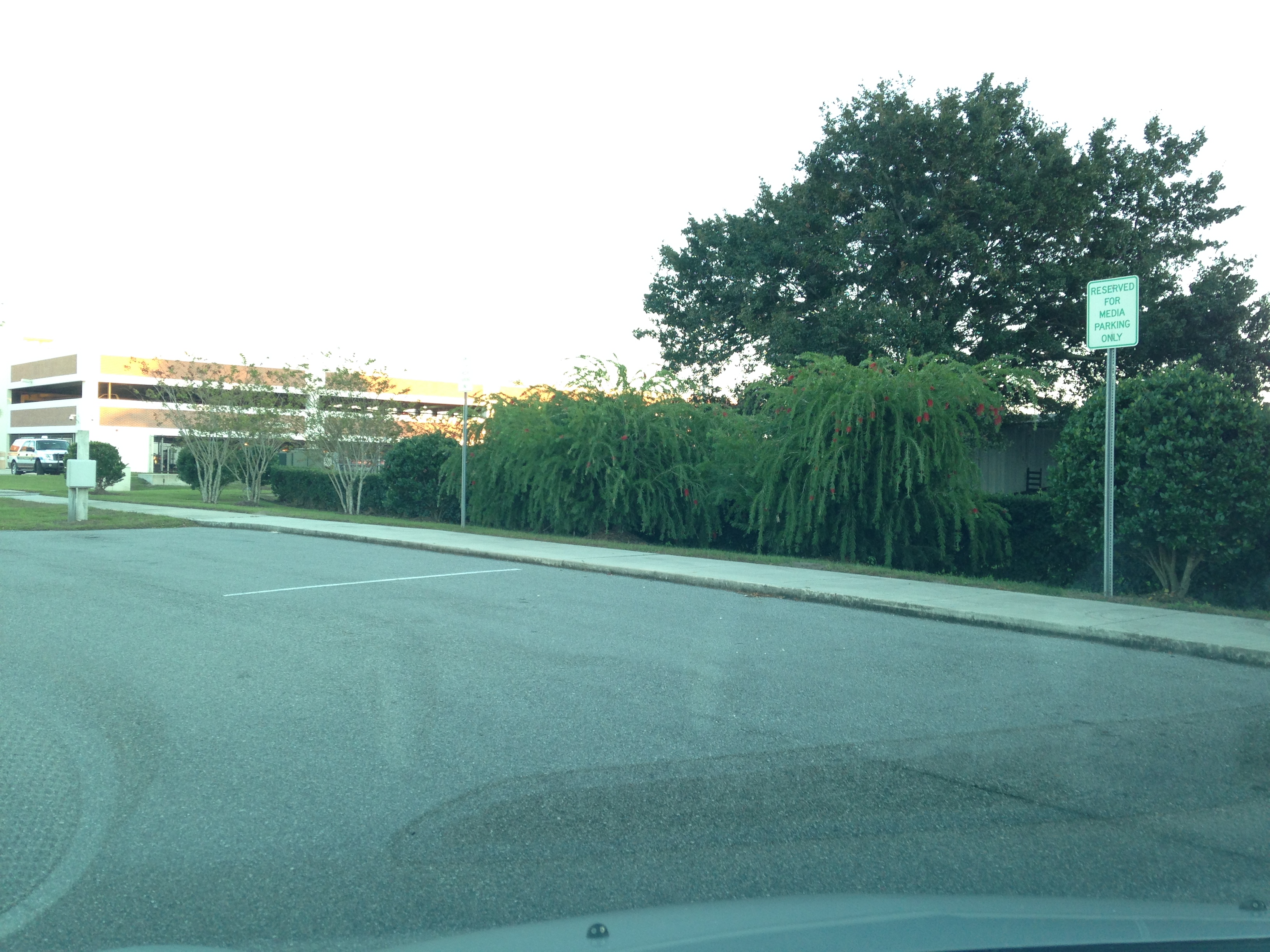
Since we are breaking down barriers, we need to explore a few options to support our partners in safety. Look at this setup…

IMG_1630

…no seriously, look closer.

IMG_1642

What do you see?

IMG_1643

Build your relationships before a disaster and strengthen them as you continue to train exercise your skills. Partners in safety.

Let’s work together to better our response and enhance communications skills with just some basic needs for the press. Trust me, a little goes along way.

After all, the old adage goes: you can attract more friends with honey than vinegar…right?

@rusnivek

My day at FEMA HQ #Prepared2014

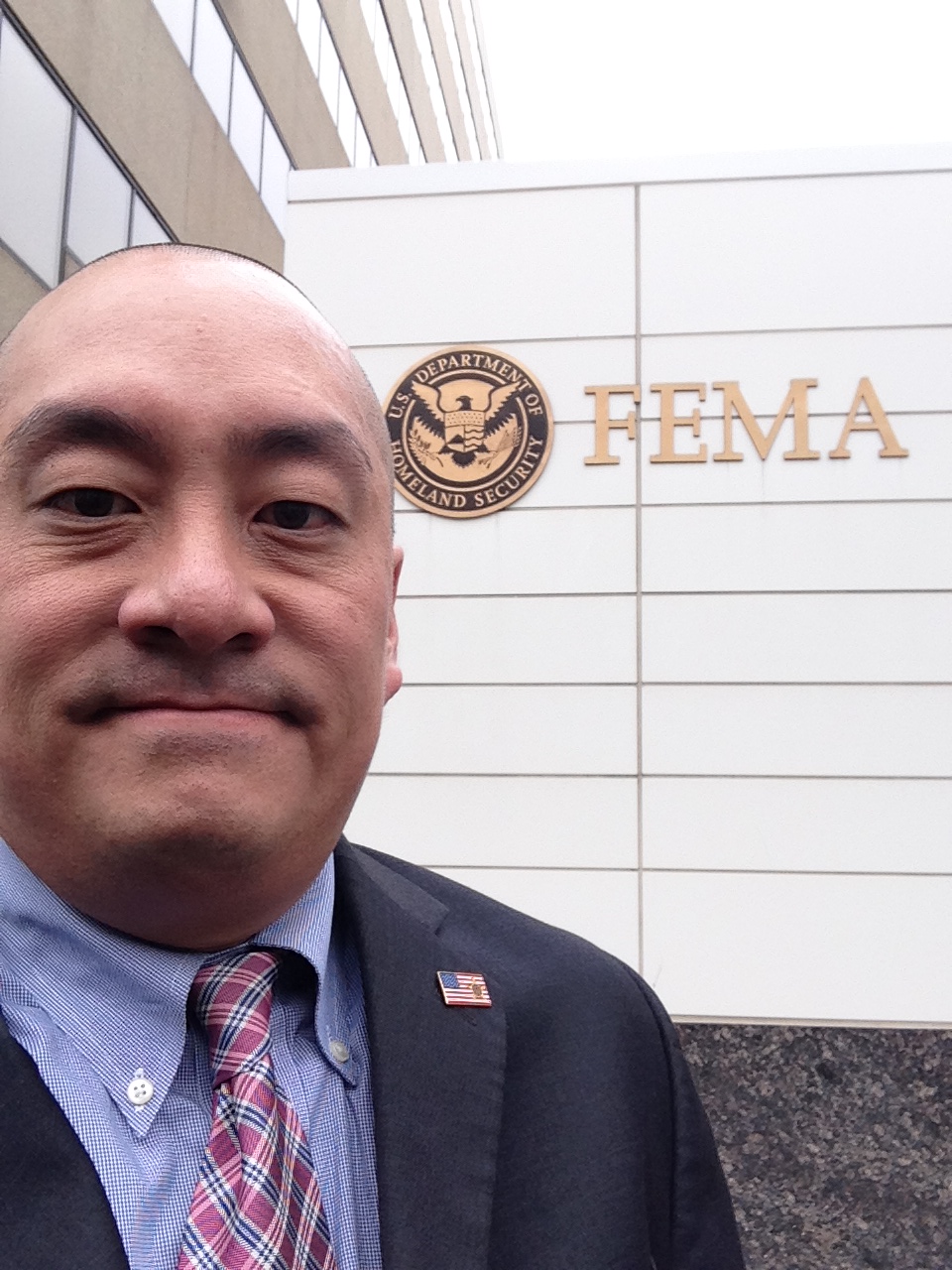
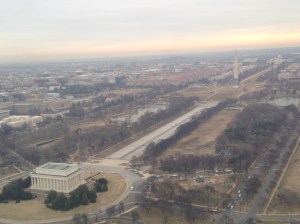
Had a chance to stop by FEMA HQ.
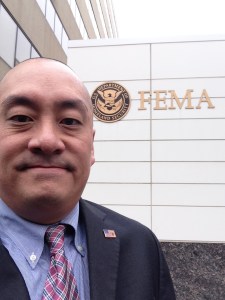
IMG_6324

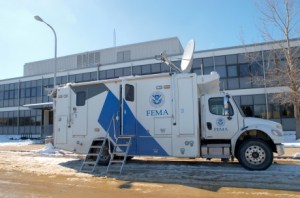
Also FEMA’s new MCOVs were on display right next to Quizno’s. Neeto stuff.
40358

One of the highlights was a chance to sit and hang in the NRCC for a bit…just to see where the magic happens. Sa-weet.

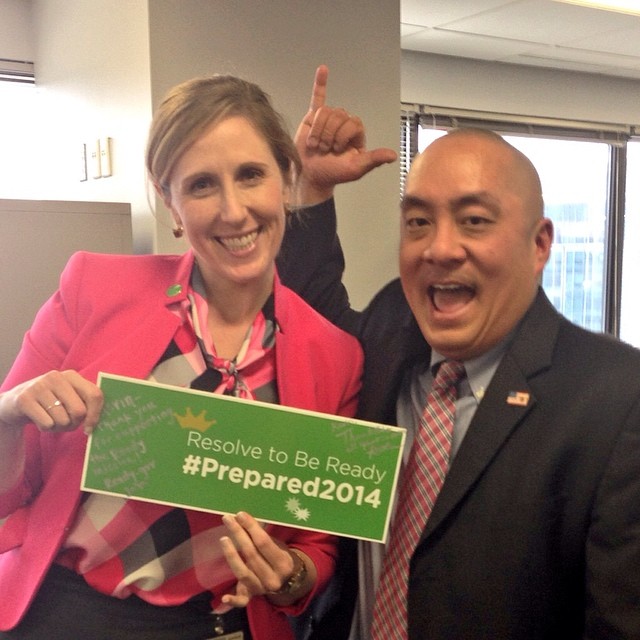
Then on to the serious stuff. Lots of discussion with FEMA’s External Affairs folks pertaining to preparedness and readiness. #Prepared2014 – great stuff planned as we move into mid 2014. Truth be told, I’m just glad to be a part of the action.

10012615_10100544482624277_989186021_n (1)

I also enjoy meeting with people who are passionate about their jobs and really believe in their careers. It’s not often you get to see that kind of true dedication.

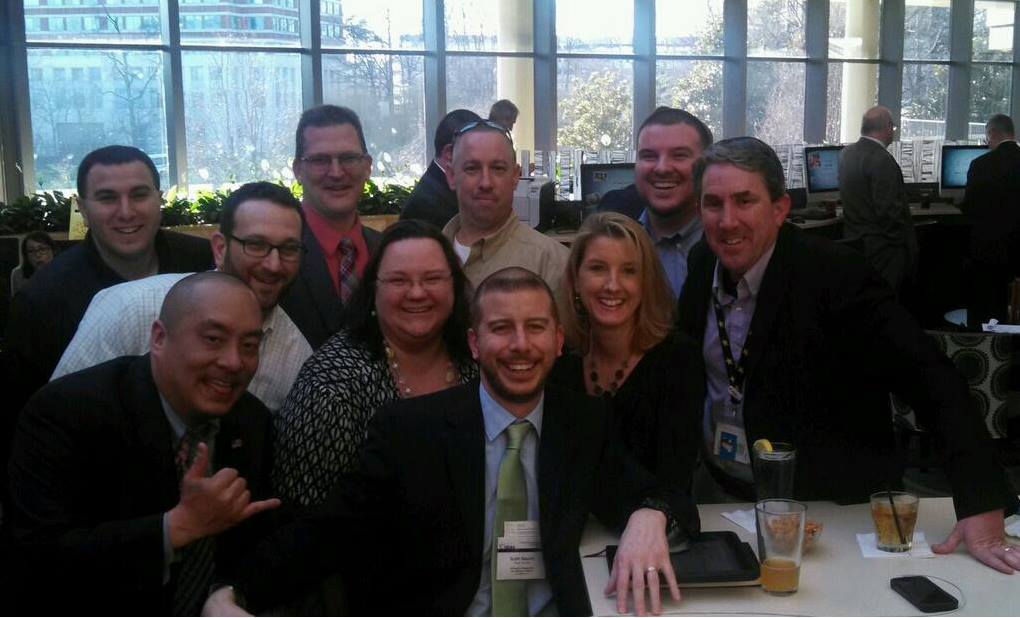
Running to make my afternoon meetings, I got a chance to hang with several Emergency Managers from around the country who were in town attending the National Emergency Management Association (NEMA) Mid Year Planning Conference in VA.

Not only are they true fellow emergency managers, more importantly, they are friends. Trouble was to be had since we tried to emulate Ellen DeGeneres’ Oscar night #Selfie for the other #SMEM folks. BTW-if you don’t know these peeps in this picture, trust me, you should. No seriously, trust me, you should.

1799921_10102376210102754_31744960_o (1)

Mahalos to Meischa Jackson for the assist.

I also got to sit down and talk again to Doc Lumpkins who is the Director of National Integration Center at FEMA HQ.

IMG_6347

Haven’t seen him since the 2011 UASI Conference in San Francisco. I can’t begin to tell you how funny he is. I got nothing but mad respect for this guy!

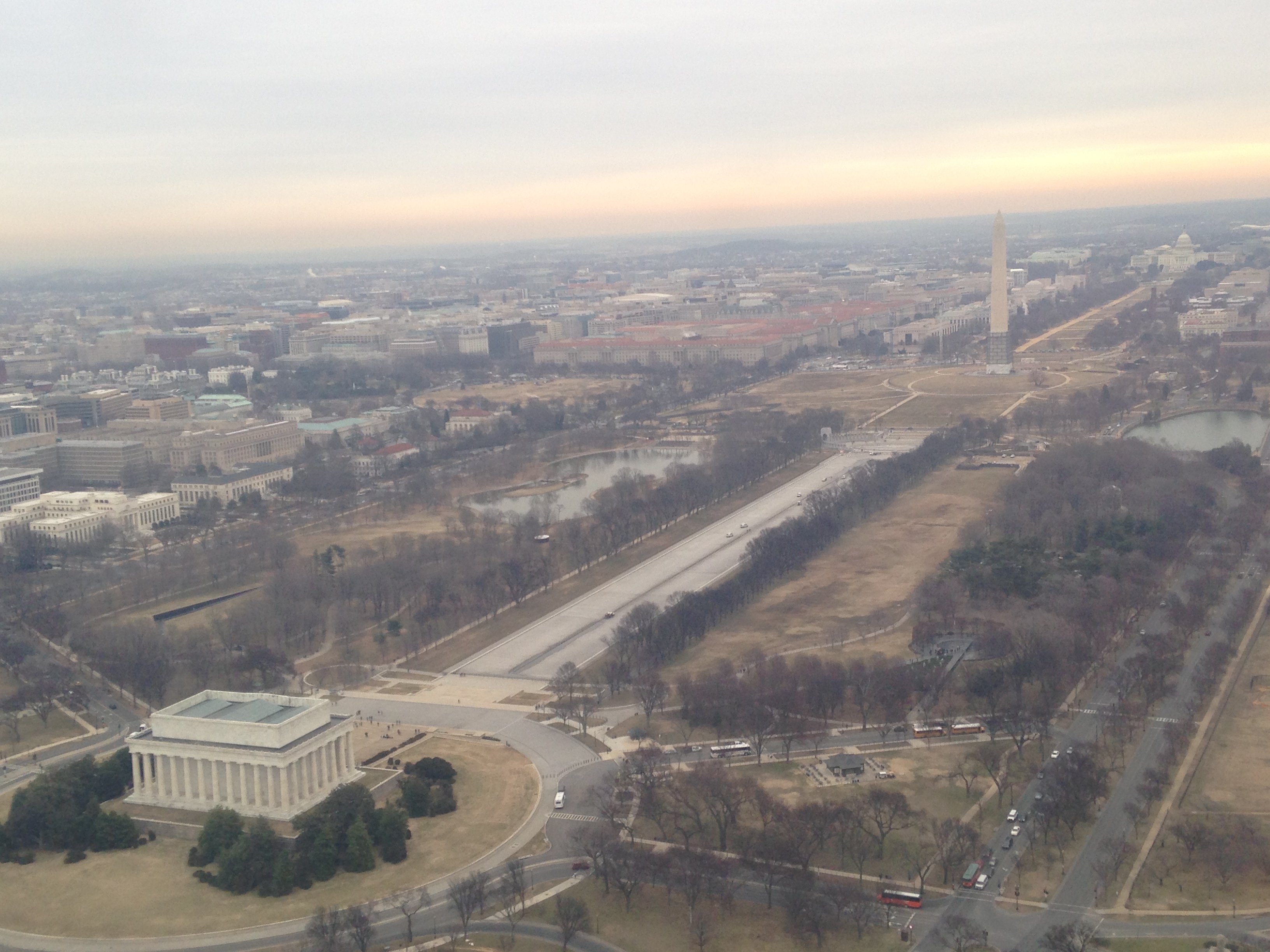
In review, I should really make more trips to DC to meet with my peeps.

*sigh*
IMG_6318

Now off to South Carolina!

@rusnivek
 

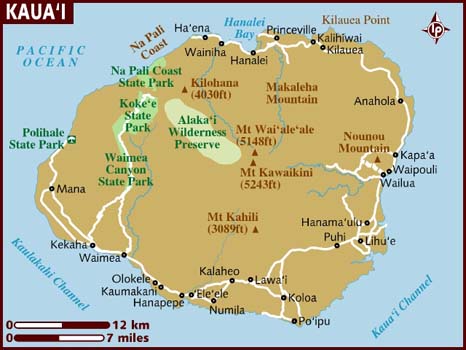
Tsunami warning? Are you on Kauai? #HITsunami

Tsunami warning? Are you on Kauai?

map_of_kauai


Check if you are in an evacuation zone here (FREE):

Before a Tsunami

  • To begin preparing, you should build an emergency preparedness kit and make a family communications plan.
  • Talk to everyone in your household about what to do if a tsunami occurs. Create and practice an evacuation plan for your family. Familiarity may save your life. Be able to follow your escape route at night and during inclement weather. You should be able to reach your safe location on foot within 15 minutes. Practicing your plan makes the appropriate response more of a reaction, requiring less thinking during an actual emergency.
  • If the school evacuation plan requires you to pick your children up from school or from another location. Be aware telephone lines during a tsunami watch or warning may be overloaded and routes to and from schools may be jammed.
  • Knowing your community’s warning systems and disaster plans, including evacuation routes.
  • Know the height of your street above sea level and the distance of your street from the coast or other high-risk waters. Evacuation orders may be based on these numbers.
  • If you are a tourist, familiarize yourself with local tsunami evacuation protocols. You may be able to safely evacuate to the third floor and higher in reinforced concrete hotel structures.
  • If an earthquake occurs and you are in a coastal area, turn on your radio to learn if there is a tsunami warning.


During a Tsunami

  • Follow the evacuation order issued by authorities and evacuate immediately. Take your animals with you.
  • Move inland to higher ground immediately. Pick areas 100 feet (30 meters) above sea level or go as far as 2 miles (3 kilometers) inland, away from the coastline. If you cannot get this high or far, go as high or far as you can. Every foot inland or upward may make a difference.
  • Stay away from the beach. Never go down to the beach to watch a tsunami come in. If you can see the wave you are too close to escape it. CAUTION – If there is noticeable recession in water away from the shoreline this is nature’s tsunami warning and it should be heeded. You should move away immediately.
  • Save yourself – not your possessions.
  • Remember to help your neighbors who may require special assistance – infants, elderly people, and individuals with access or functional needs.


After a Tsunami

  • Return home only after local officials tell you it is safe. A tsunami is a series of waves that may continue for hours. Do not assume that after one wave the danger is over. The next wave may be larger than the first one.
  • Go to a designated public shelter if you have been told to evacuate or you feel it is unsafe to remain in your home. Text SHELTER + your ZIP code to 43362 (4FEMA) to find the nearest shelter in your area (example: shelter 12345).
  • Avoid disaster areas. Your presence might interfere with emergency response operations and put you at further risk from the residual effects of floods.
  • Stay away from debris in the water; it may pose a safety hazard to people or pets.
  • Check yourself for injuries and get first aid as needed before helping injured or trapped persons.
  • If someone needs to be rescued, call professionals with the right equipment to help. Many people have been killed or injured trying to rescue others.
  • Help people who require special assistance—infants, elderly people, those without transportation, people with access and functional needs and large families who may need additional help in an emergency situation.
  • Continue using a NOAA Weather Radio or tuning to a Coast Guard station or a local radio or television station for the latest updates.
  • Stay out of any building that has water around it. Tsunami water can cause floors to crack or walls to collapse.
  • Use caution when re-entering buildings or homes. Tsunami-driven floodwater may have damaged buildings where you least expect it. Carefully watch every step you take.
  • To avoid injury, wear protective clothing and be cautious when cleaning up.


For more information, check out www.ready.gov

@rusnivek

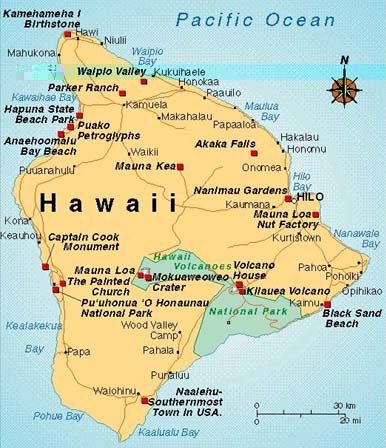
Tsunami warning? Are you on Hawaii? Big Island? Hilo? Kona? #HITsunami

Tsunami warning? Are you on Hawaii? Big Island? Hilo? Kona?

hawaii_map


Check if you are in an evacuation zone here (FREE):

Before a Tsunami

  • To begin preparing, you should build an emergency preparedness kit and make a family communications plan.
  • Talk to everyone in your household about what to do if a tsunami occurs. Create and practice an evacuation plan for your family. Familiarity may save your life. Be able to follow your escape route at night and during inclement weather. You should be able to reach your safe location on foot within 15 minutes. Practicing your plan makes the appropriate response more of a reaction, requiring less thinking during an actual emergency.
  • If the school evacuation plan requires you to pick your children up from school or from another location. Be aware telephone lines during a tsunami watch or warning may be overloaded and routes to and from schools may be jammed.
  • Knowing your community’s warning systems and disaster plans, including evacuation routes.
  • Know the height of your street above sea level and the distance of your street from the coast or other high-risk waters. Evacuation orders may be based on these numbers.
  • If you are a tourist, familiarize yourself with local tsunami evacuation protocols. You may be able to safely evacuate to the third floor and higher in reinforced concrete hotel structures.
  • If an earthquake occurs and you are in a coastal area, turn on your radio to learn if there is a tsunami warning.


During a Tsunami

  • Follow the evacuation order issued by authorities and evacuate immediately. Take your animals with you.
  • Move inland to higher ground immediately. Pick areas 100 feet (30 meters) above sea level or go as far as 2 miles (3 kilometers) inland, away from the coastline. If you cannot get this high or far, go as high or far as you can. Every foot inland or upward may make a difference.
  • Stay away from the beach. Never go down to the beach to watch a tsunami come in. If you can see the wave you are too close to escape it. CAUTION – If there is noticeable recession in water away from the shoreline this is nature’s tsunami warning and it should be heeded. You should move away immediately.
  • Save yourself – not your possessions.
  • Remember to help your neighbors who may require special assistance – infants, elderly people, and individuals with access or functional needs.


After a Tsunami

  • Return home only after local officials tell you it is safe. A tsunami is a series of waves that may continue for hours. Do not assume that after one wave the danger is over. The next wave may be larger than the first one.
  • Go to a designated public shelter if you have been told to evacuate or you feel it is unsafe to remain in your home. Text SHELTER + your ZIP code to 43362 (4FEMA) to find the nearest shelter in your area (example: shelter 12345).
  • Avoid disaster areas. Your presence might interfere with emergency response operations and put you at further risk from the residual effects of floods.
  • Stay away from debris in the water; it may pose a safety hazard to people or pets.
  • Check yourself for injuries and get first aid as needed before helping injured or trapped persons.
  • If someone needs to be rescued, call professionals with the right equipment to help. Many people have been killed or injured trying to rescue others.
  • Help people who require special assistance—infants, elderly people, those without transportation, people with access and functional needs and large families who may need additional help in an emergency situation.
  • Continue using a NOAA Weather Radio or tuning to a Coast Guard station or a local radio or television station for the latest updates.
  • Stay out of any building that has water around it. Tsunami water can cause floors to crack or walls to collapse.
  • Use caution when re-entering buildings or homes. Tsunami-driven floodwater may have damaged buildings where you least expect it. Carefully watch every step you take.
  • To avoid injury, wear protective clothing and be cautious when cleaning up.


For more information, check out www.ready.gov

@rusnivek

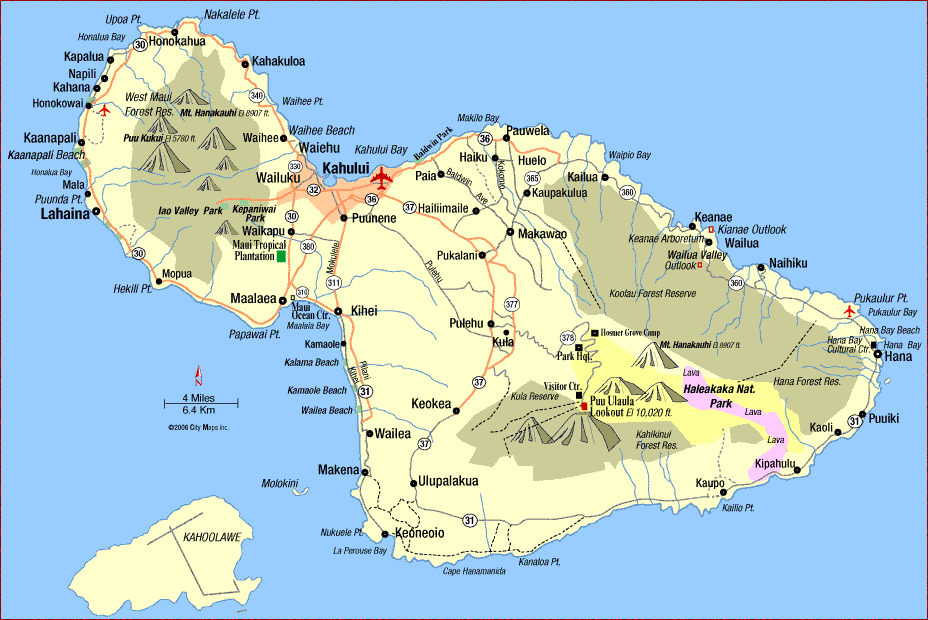
Tsunami warning? Are you on Maui? #HITsunami

Tsunami warning? Are you on Maui?


maui

Check if you are in an evacuation zone here (FREE):

Before a Tsunami

  • To begin preparing, you should build an emergency preparedness kit and make a family communications plan.
  • Talk to everyone in your household about what to do if a tsunami occurs. Create and practice an evacuation plan for your family. Familiarity may save your life. Be able to follow your escape route at night and during inclement weather. You should be able to reach your safe location on foot within 15 minutes. Practicing your plan makes the appropriate response more of a reaction, requiring less thinking during an actual emergency.
  • If the school evacuation plan requires you to pick your children up from school or from another location. Be aware telephone lines during a tsunami watch or warning may be overloaded and routes to and from schools may be jammed.
  • Knowing your community’s warning systems and disaster plans, including evacuation routes.
  • Know the height of your street above sea level and the distance of your street from the coast or other high-risk waters. Evacuation orders may be based on these numbers.
  • If you are a tourist, familiarize yourself with local tsunami evacuation protocols. You may be able to safely evacuate to the third floor and higher in reinforced concrete hotel structures.
  • If an earthquake occurs and you are in a coastal area, turn on your radio to learn if there is a tsunami warning.


During a Tsunami

  • Follow the evacuation order issued by authorities and evacuate immediately. Take your animals with you.
  • Move inland to higher ground immediately. Pick areas 100 feet (30 meters) above sea level or go as far as 2 miles (3 kilometers) inland, away from the coastline. If you cannot get this high or far, go as high or far as you can. Every foot inland or upward may make a difference.
  • Stay away from the beach. Never go down to the beach to watch a tsunami come in. If you can see the wave you are too close to escape it. CAUTION – If there is noticeable recession in water away from the shoreline this is nature’s tsunami warning and it should be heeded. You should move away immediately.
  • Save yourself – not your possessions.
  • Remember to help your neighbors who may require special assistance – infants, elderly people, and individuals with access or functional needs.


After a Tsunami

  • Return home only after local officials tell you it is safe. A tsunami is a series of waves that may continue for hours. Do not assume that after one wave the danger is over. The next wave may be larger than the first one.
  • Go to a designated public shelter if you have been told to evacuate or you feel it is unsafe to remain in your home. Text SHELTER + your ZIP code to 43362 (4FEMA) to find the nearest shelter in your area (example: shelter 12345).
  • Avoid disaster areas. Your presence might interfere with emergency response operations and put you at further risk from the residual effects of floods.
  • Stay away from debris in the water; it may pose a safety hazard to people or pets.
  • Check yourself for injuries and get first aid as needed before helping injured or trapped persons.
  • If someone needs to be rescued, call professionals with the right equipment to help. Many people have been killed or injured trying to rescue others.
  • Help people who require special assistance—infants, elderly people, those without transportation, people with access and functional needs and large families who may need additional help in an emergency situation.
  • Continue using a NOAA Weather Radio or tuning to a Coast Guard station or a local radio or television station for the latest updates.
  • Stay out of any building that has water around it. Tsunami water can cause floors to crack or walls to collapse.
  • Use caution when re-entering buildings or homes. Tsunami-driven floodwater may have damaged buildings where you least expect it. Carefully watch every step you take.
  • To avoid injury, wear protective clothing and be cautious when cleaning up.


For more information, check out www.ready.gov

@rusnivek