A fine day to teach the Ohio Emergency Management Agency’s JIS / JIC Planning for Tribal, State, and Local PIOs (G-291) course in Medina County!

A classic start with The Who.
One of the big points emphasized in this class is the differences between a Joint Information Center (JIC) and a Joint Information System (JIS). Both have merits in daily operations and each have strengths and weaknesses in disaster operations.
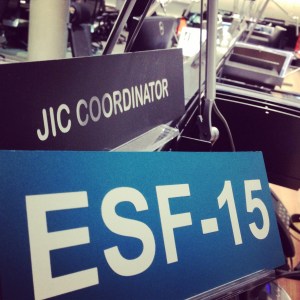
Sometimes PIOs don’t understand that a JIC or JIS activation is just like a normal activation. If you can’t figure out the differences between the two, take the class from those who have actually worked a JIC or a JIS.

On Tuesday/Wednesday in the Basic Public Information Officers’ Course (G-290), we talked about training and readiness efforts for any PIO. Go Kits were a hot button topic as everyone’s PIO kit would most likely be different. Resource manuals are great to have, but difficult to keep updated. Just maintaining a PIO contact list is a tedious task.
Much discussion about food in the kit. This was obviously NOT a good example of what you should be eating during an JIC activation.

Prob not the best lunch.
Healthy body = Healthy mind. Period.
As the day progressed, we facilitated several in-depth discussions on teamwork, joint efforts in responses as well as some pre-scripted messages that can be used by everyone. Planning now will reduce the amount of white hair during an incident.
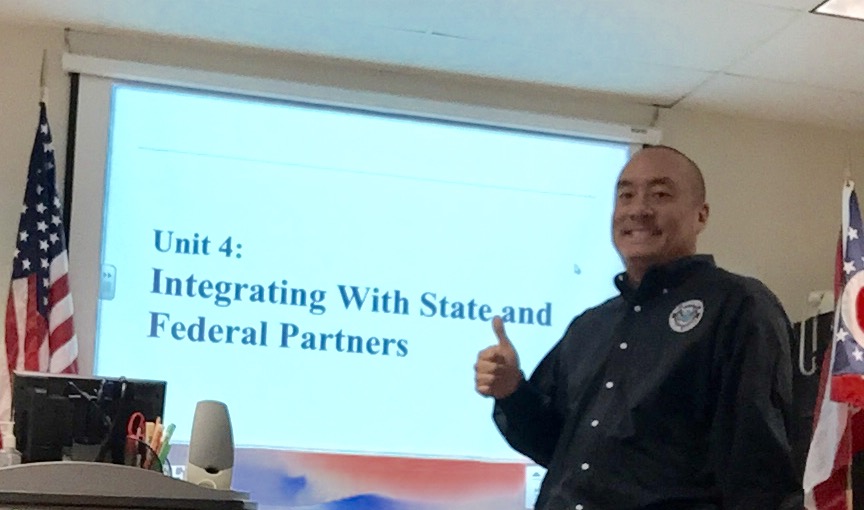
Establish relationships now with local health departments, local and regional hospitals, local Hazardous Materials (HAZMAT) Teams, Special Technical Rescue Teams. Easily rely on your state staff and resources to support your actions. A great wealth of information is available to bring to the table. Just establish that connection before that awkward 0300 hit.
Additionally, tapping into local resources from other Federal Agencies like the Federal Bureau of Investigations (FBI), Bureau of Alcohol Tobacco, Firearms, and Explosives(ATF), National Weather Service (NWS), Environmental Protection Agency (EPA), Immigration and Customs Enforcement (ICE), Customs Border Patrol (CBP), National Transportation Safety Board (NTSB), Federal Aviation Administration (FAA), etc…so many options to establish relationships!

“Building relationships now can only increase our response effectiveness during a disaster.” – K. Sur
Looking outside government agencies, public and private partnerships can support our safety and response initiatives – so we need to make a concerted effort to make those connections now. Build relationships before a disaster!

Sur and Mo!
So how can you bring all these resources together? Consider these actions to explore in your jurisdiction:
- Train. Train. Train.
- Open discussions with various providers.
- Invite your all-hazards partners to meetings.
- Meet regularly. Maintain contact.
- Take classes together.
- Share resource lists and contacts.
- Support each other during operations.
- Review After Action Reviews / Improvement Plans (AARs/IPs) together.

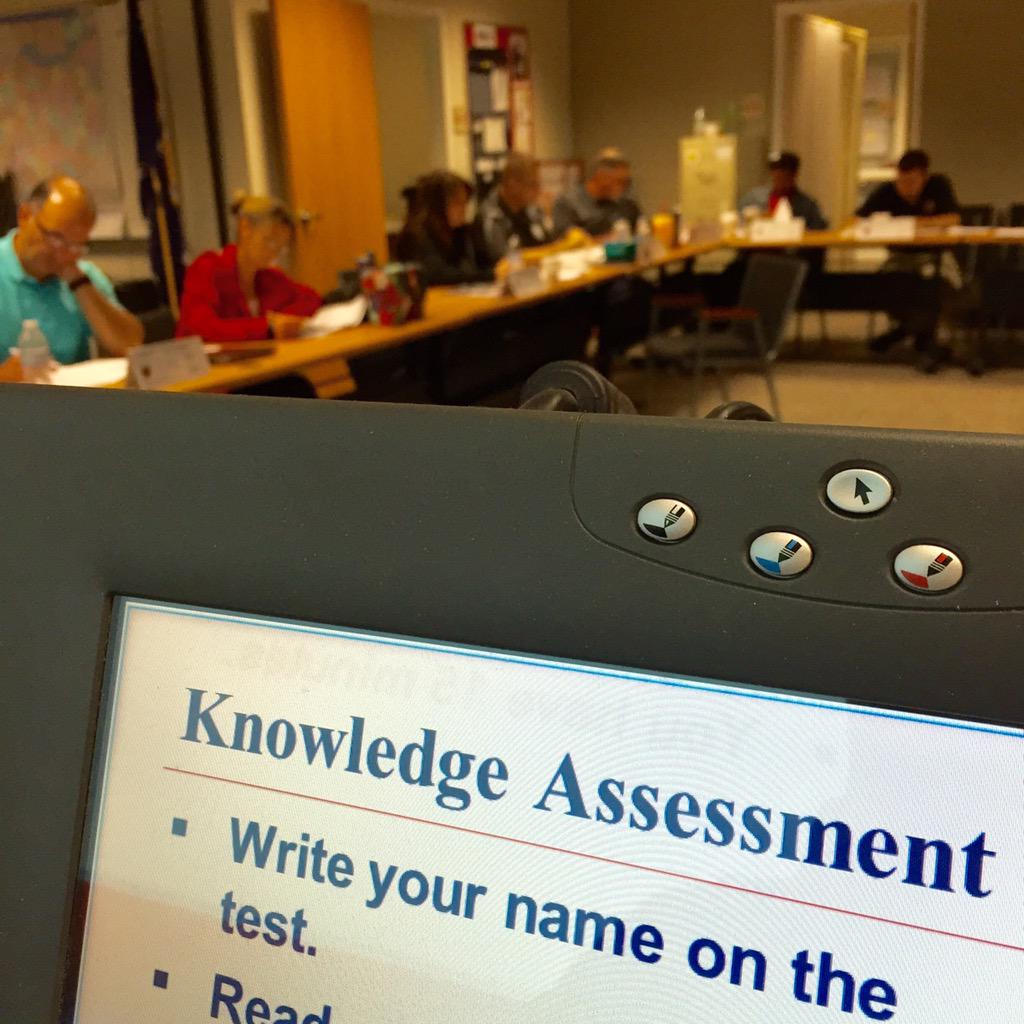
And if you were wondering, class participants did well on their post-tests.
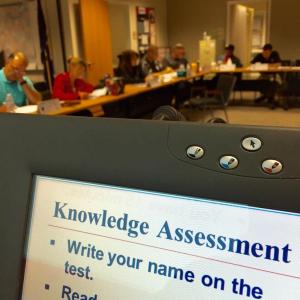
Psssst…the answer is “C” #not
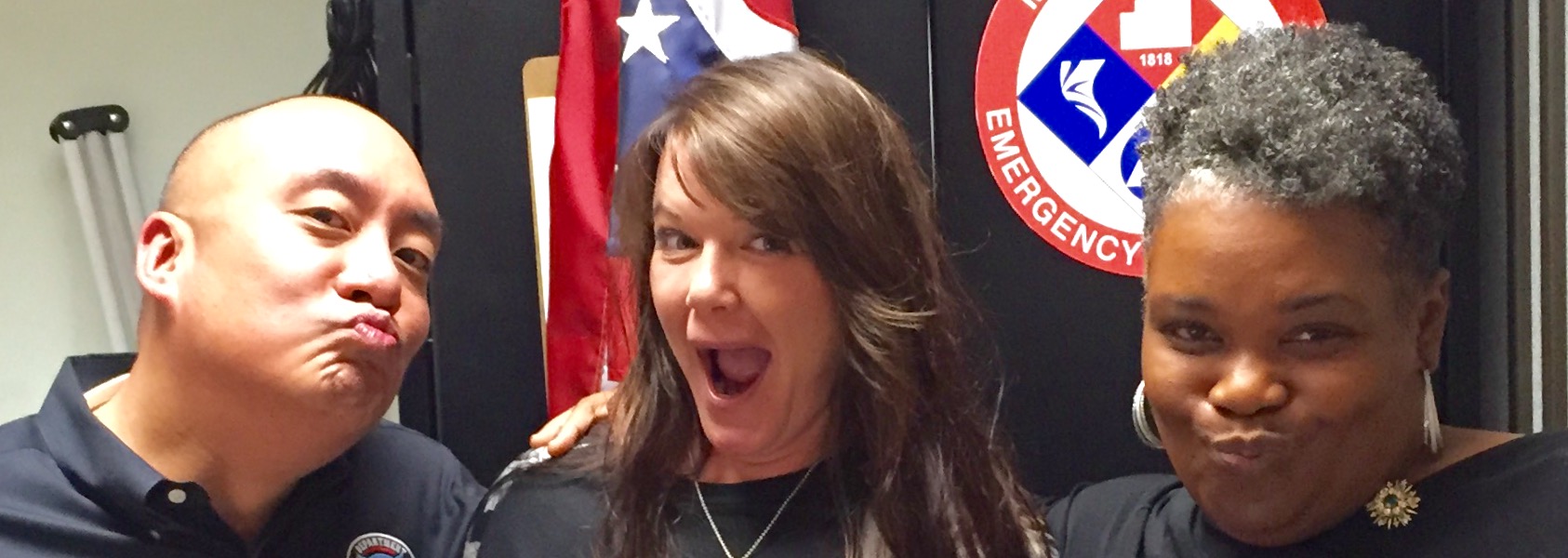
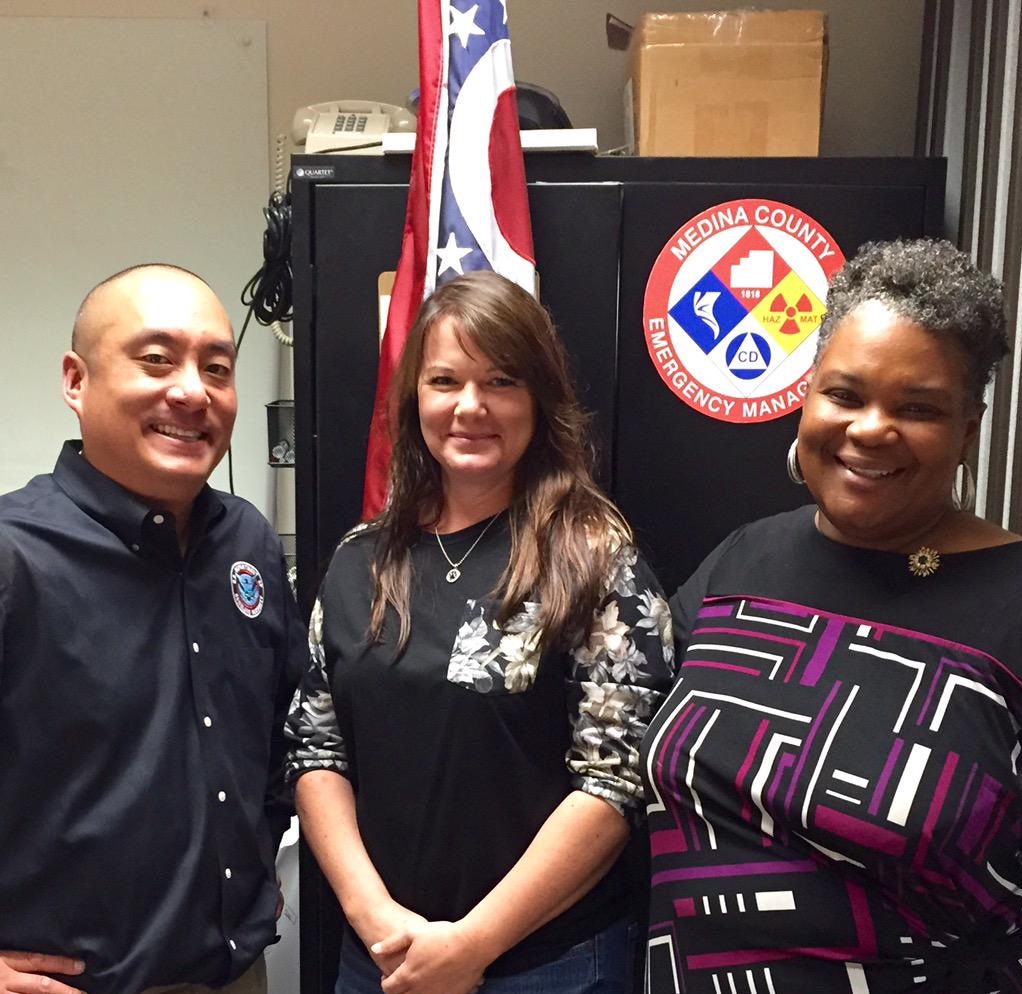
We had a great time teaching this week. Much thanks to the Medina County Emergency Management Agency and EM Director Christine Fozio for their hospitality. Super fun time.
So much ducking fun (duck face reference)
Special thanks to the Ohio Emergency Management Agency for sponsoring this all-hazards class for our partners in public safety.
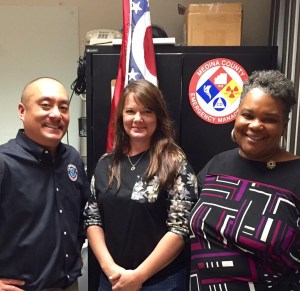
(L to R): PIO Instructor Kevin Sur, Medina County Emergency Management Director Christine Fozio, and PIO Instructor Monique Witherspoon.
If you are looking to attend OEMA’s free PIO courses:
- Public Information Officers Awareness course (G-289)
- Basic Public Information Officers’ course (G-290)
- JIS / JIC Planning for Tribal, State, and Local PIOs course (G-291)
**coordinate through OEMA State Training Officer Susan Traylor.

As always, I’m looking forward to the JIC / JIS activation calls. I am excited for these new PIOs to put their new acquired PIO skillz in place. And yes, I said skillz with a Z.
Time is short so do good stuff!
@rusnivek







 Where is @rusnivek?