While waiting for the meeting to start…
I still can’t quite finger the long-term-Gevity SnapChat.
I’m thinking it might be more of a gateway drug to other platforms.
And yes, it’s #AlohaFriday peeps.

While waiting for the meeting to start…
I still can’t quite finger the long-term-Gevity SnapChat.
I’m thinking it might be more of a gateway drug to other platforms.
And yes, it’s #AlohaFriday peeps.
So here’s a recap of my deep fried turkey ordeal in 2015
Oil splashing is VERY real. I measured several times the fill rates with water, and we still have spillage. As you can see, the hazard is real and there is no room for error.
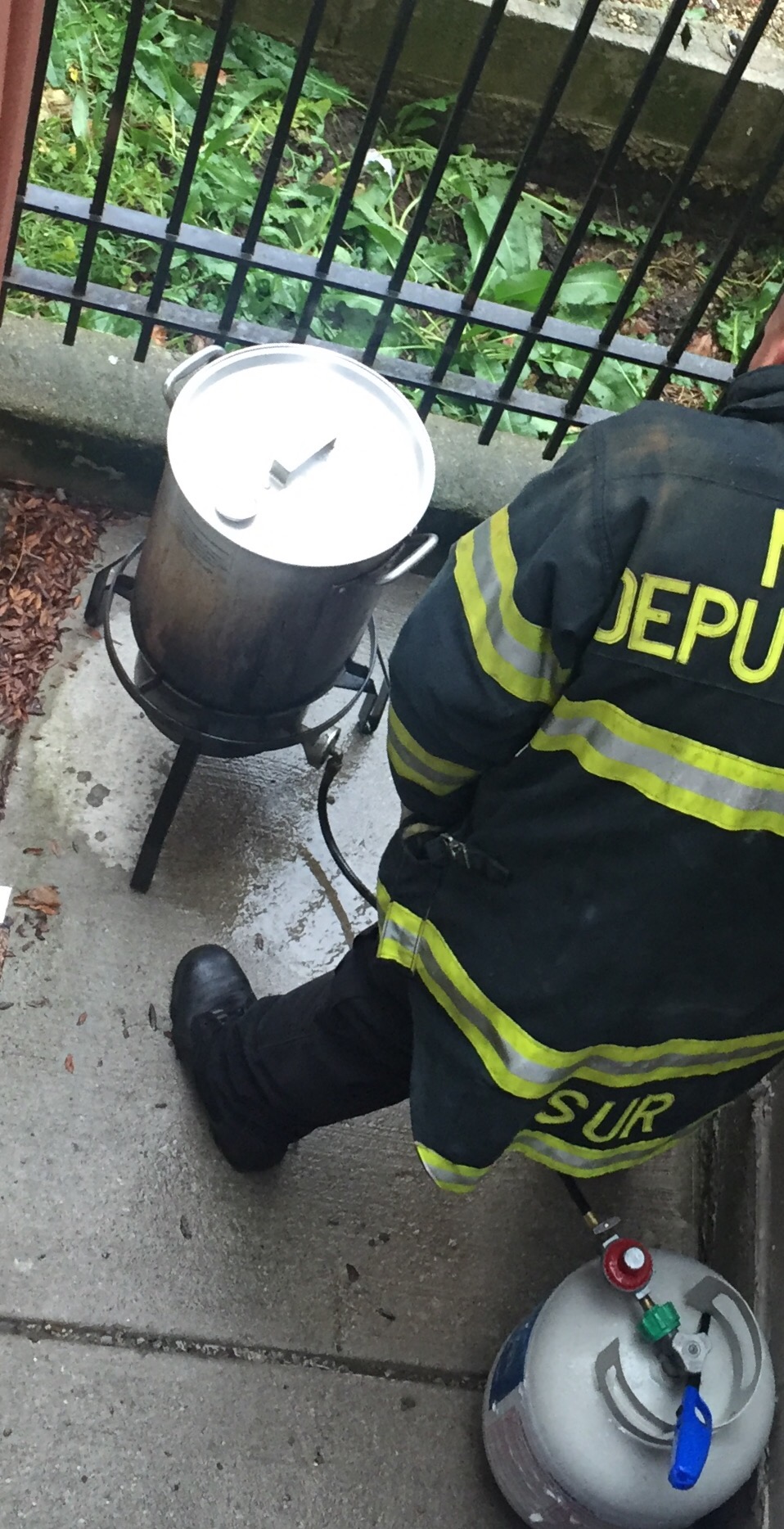
The overfill could have caught fire and ignited a gigantic fire ball.

Luckily, I took all precautions and things turned out great. Turnout gear and fire gloves – MANDATORY!
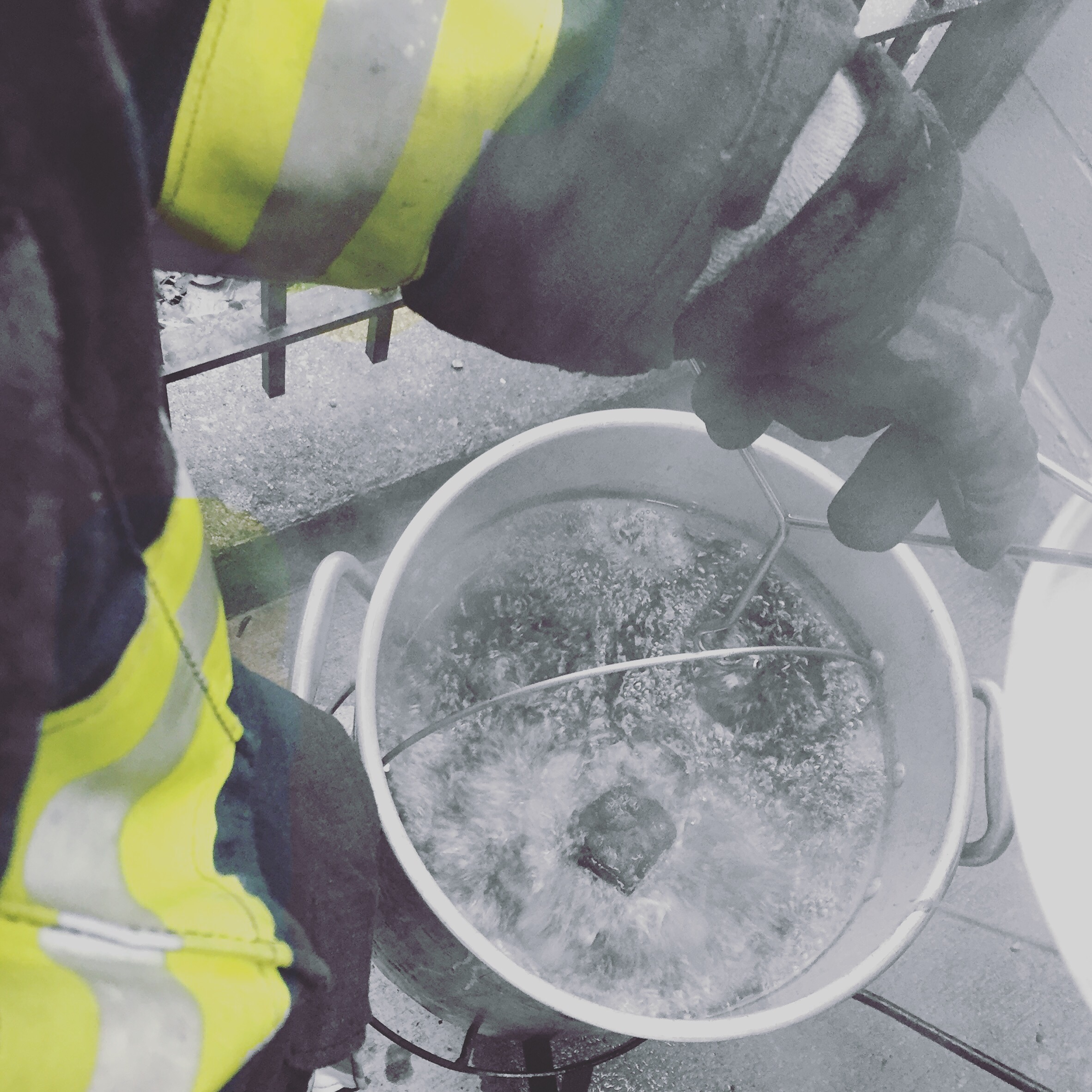
Birds all vary in size and no matter how many times you’ve done this before, you can never be too safe.

Gobble gobble
So what did we learn?
Plan for fire. Wear more than just shorts and flip flops. Boots, nomex everything!
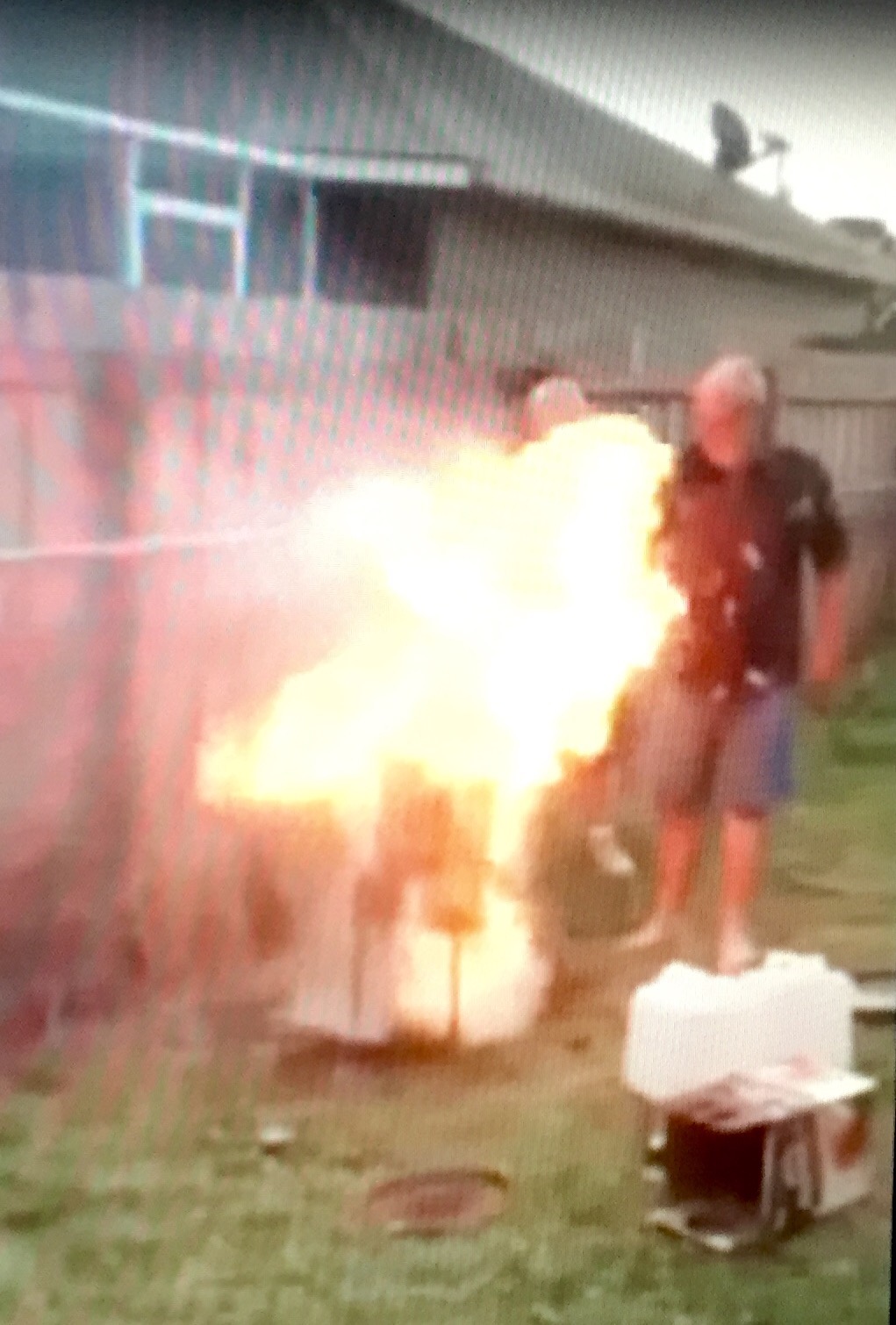
Plan to be outdoors the whole time and never do it indoors. 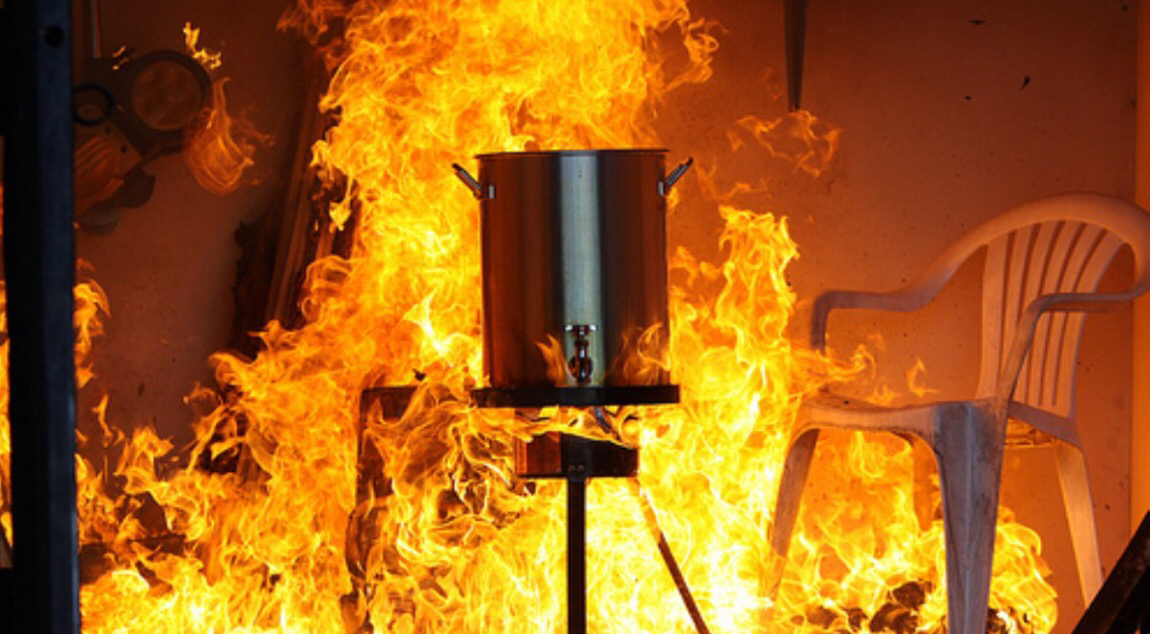
Hazards are real and you could explode and catch fire.

Use pure peanut oil to allow for the highest smoke point. Do NOT use olive oil.

Peanut oil actually expires so please check your expiration dates on the peanut oil package.

Measure your oil level first with water before you start frying. Use a catch bin like this seafood basket to better handle your bird and increase your chance of NOT dropping bird and splashing molten hot oil on everyone.

Just like El Guapo, make sure you have a plethora of fire extinguishers around.

Do it on concrete.

Have some aerial ops going on to help document your work.
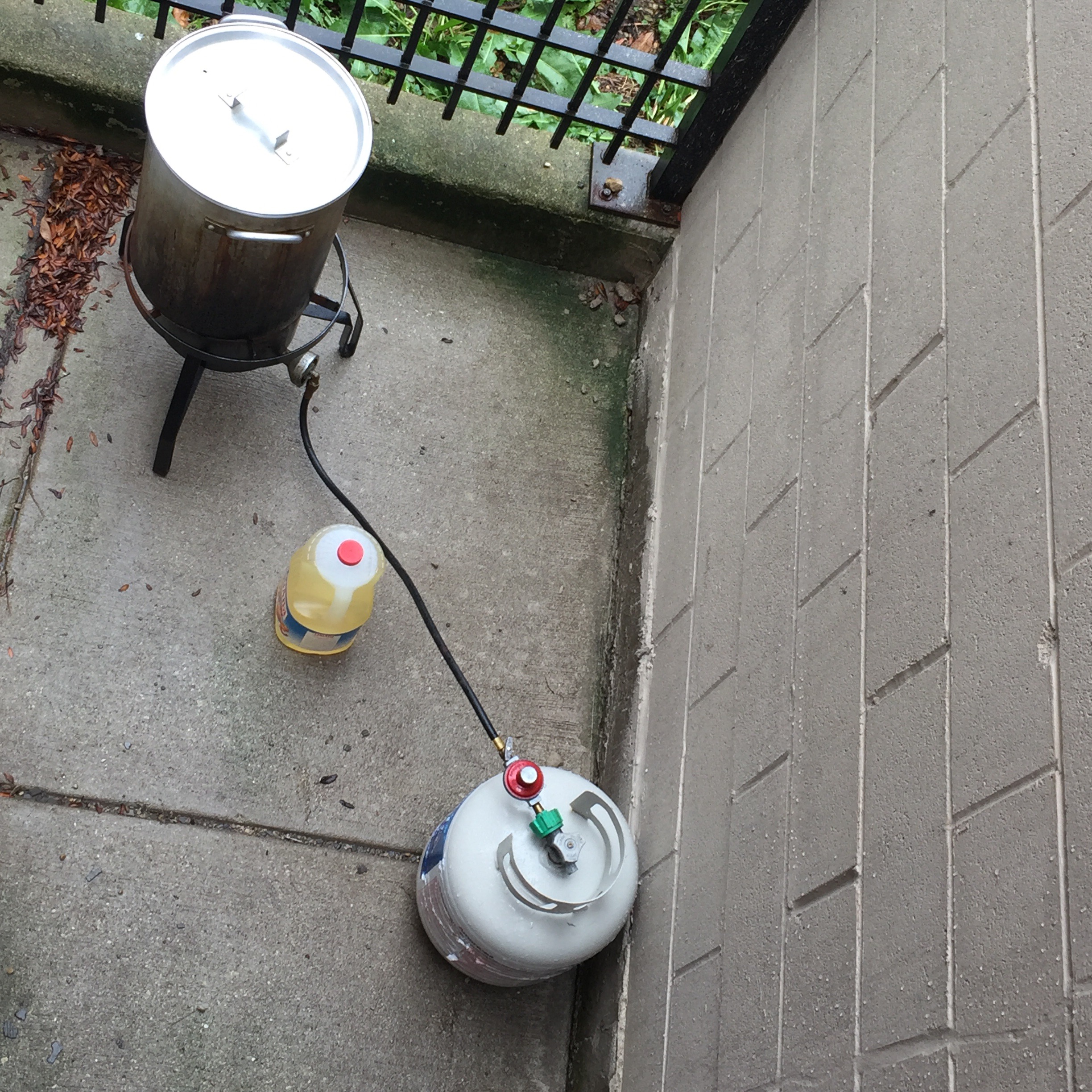
Take photos while frying. (skillz)
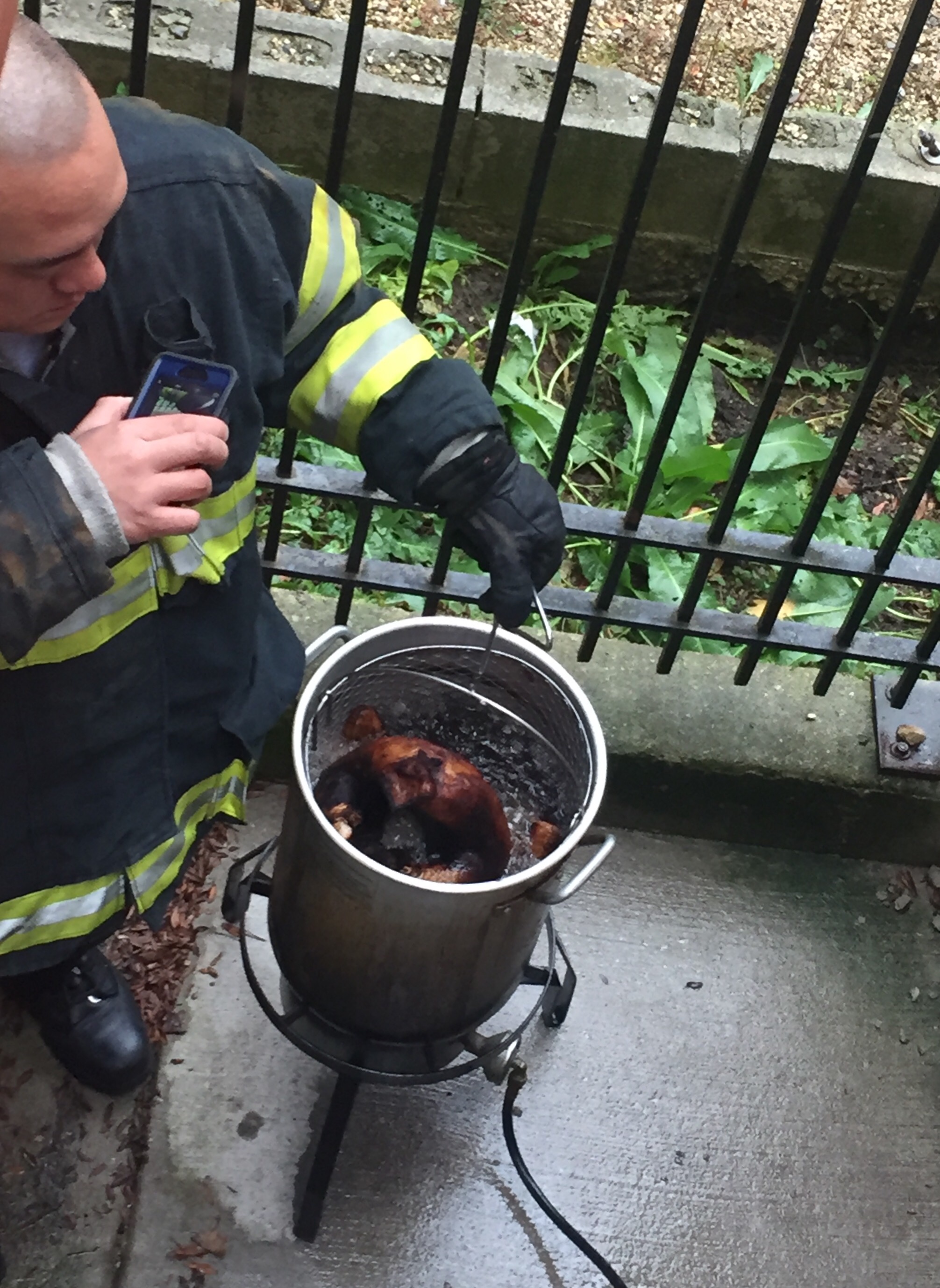
Happy Thanksgiving everyone. Glad I’m not dead or caught the house on fire.
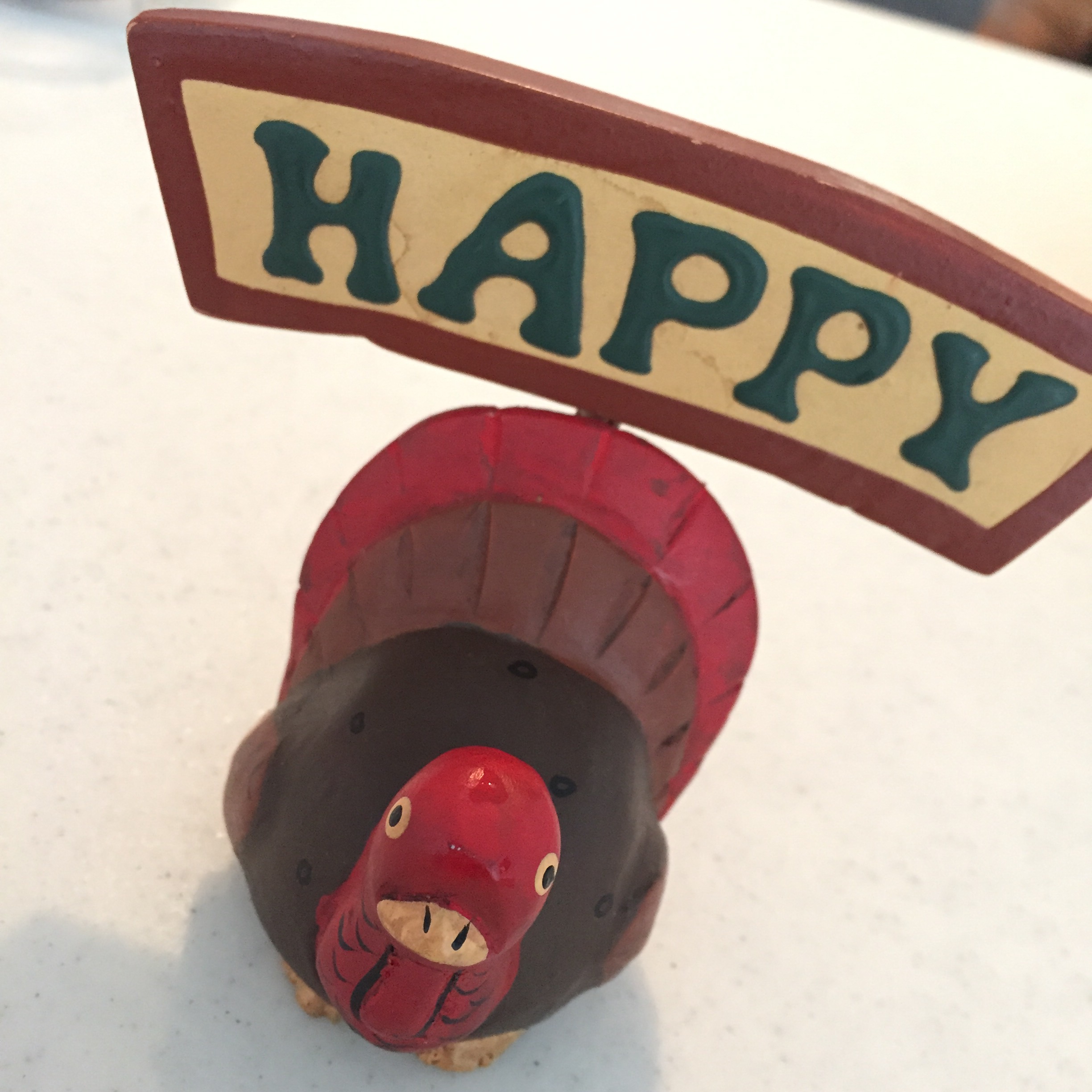 Whew.
Whew.
@rusnivek
To help thaw my turkey, I just might try this method.
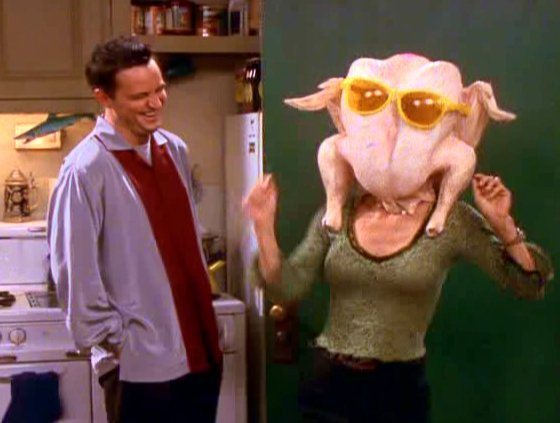
Maybe I should get some gloves so I don’t cross contaminate everything.

But seriously, here’s a few tips to help keep your kitchen (and bathroom) clean as you are thawing your birds:
That sounds like a ton of stuff to remember.

Turkeys are more difficult to cook than rabbit
But for those science nerds or mathletes out there, here’s a more pound based calculation for you:
Basically, if you have a frozen turkey, over 12 pounds, you are screwed.

Get thawing! NOW!
Ahhhhh, the last day of 2015 National Preparedness Month – THAT MEANS TODAY IS NATIONAL PREPAREDNESS DAY!!!!

Oh Yeah – You did it!
I know many of you have shared your tips and preparedness efforts with countless others. I am confident that your shared knowledge will pay off as we better prepare our fellow Americans for any disaster or emergency.
Thanks to all of our active partners in public safety. From the Locals to State to Federal partners who have made this month so successful – thank you!
Thank you to my agencies who have allowed me to share my preparedness tips with you.
I only wonder what will 2016 preparedness bring? Hmmm. Here’s a hint…
…and a little of this…
…and definitely more of this.

Who’s excited? <SQUIRREL!>
Don’t wait. Communicate. Make your emergency plan today.

Whew-I am so glad that many of you have decided to participate in this month’s activities. Keep in mind that you have 11 more months to address your public in finding ways to be better prepared in a disaster. Planning for the 2016 National Preparedness Month will begin shortly.
As always, start your peeps off right by sending them here.
Heat-related illnesses!
Knowing the differences is critical when determining the need for immediate medical care.
Each year, extreme heat is responsible for hundreds of deaths in the United States. Medical professionals are available 24/7 to respond.
Stay informed and know the signs/symptoms.
Hydrate often peeps!
Safety tips? You bet!
Here’s some basic 4th of July Fireworks safety tips:
Thanks @Readygov #FireworksSafety
Happy safe 4th of July week/weekend everyone!

| 15-002: Tornado or ICBM launch? | |
| Agency: ReadyOC | Topic(s): Picture and hashtag use |
| Date: 02-13-15 | Platform: Instagram |
Pictures are such an important part of every social media post. Instagram is mainly based on pictures and hashtags to engage all users. This was evident when Orange County’s Emergency Preparedness team posted this on their Instagram feed.

To the untrained eye, it does seem like a severe microstorm/cloud/tornado. However, the picture shows a launch of a rocket pulled from google images or desktop computer wallpaper. Furthermore, this post could also be misconstrewed as a missile/ICBM launch or an attack on US soil.
Finding original content is tough, but professionals take the time to discern the little details in the pictures to showcase the safety theme and share actionable information. It is our duty to correctly inform the public on dangers that we encounter. We also must strive to provide actionable information with our engagement digital strategies.
If ReadyOC used the correct picture of a tornado, adding safety tips to the post (like those featured below) could have enhanced their theme.
“Monitor weather reports provided by your local media. #NWS #NOAA #Tornado #Prepared2015”
or
“If there is a power outage, have extra batteries for a battery-operated radio and your cell phone including your cell phone charger #Tornado #Prepared2015”
or
“Consider buying a NOAA Weather Radio/All Hazards receiver, which receives broadcast alerts directly from the National Weather Service #NWS #Tornado #Prepared2015”
Right now, the hashtag #photography is unnecessary because it doesn’t relate to the post. Remember social media, especially Instagram, is a visual medium. Your reader’s Instagram feed space is at a premium.
By laying it out this way:
Time is valuable, so gram good stuff.
To download the one-pager, click on the link here: Safety-PIO-SM-15-002-TornadoOrICBMLaunch
Well…that was fun.
Giving a few tips on Ebola safety/preparedness was quite…interesting.

I decided I couldn’t respond to the entire world’s Ebola concerns, but responding to those in the general vicinity would be more social because I’m local to the area in the geocode.

I did a simple geolocation on all the tweets, using DT Cleveland as center (N: 41.502715 x W: -81.695709) in a 62 mile circular radius that specifically used the term “ebola” in tweets/responses.
Easy Cheesey huh?
Wash your hands peeps.
This week is National Flood Safety Awareness Week (March 16 – 22, 2014).
To help clarify some misconceptions about water and flooding, let me make it very clear – NEVER drive through flooded roads. Here’s a great example. We were dispatched after a few reported calls of a flooded roadway. Looks innocent enough right?

Just because it’s downhill does NOT mean it is any safer…in fact, it is more dangerous.
So how can you share this safety message with others?
It’s really bad news if we have to meet like this…

If you were wondering, that’s me on the right
Do your part in #Prepared2014 by being safe this year.
@rusnivek
This week is National Flood Safety Awareness Week (March 16 – 22, 2014).
Did you know that floods are the #1 natural disaster in the US? Just within the past five years, all 50 states have experienced floods or flash floods.

How can you help?
Share these easy safety tips with your constituents on flood safety:

So check your emergency preparedness kits and make sure you are ready!

@rusnivek
 Where is @rusnivek?