Breaking it down for the folks in Wayne County today.

Showing much alohas to FEMA Administrator Craig Fugate.
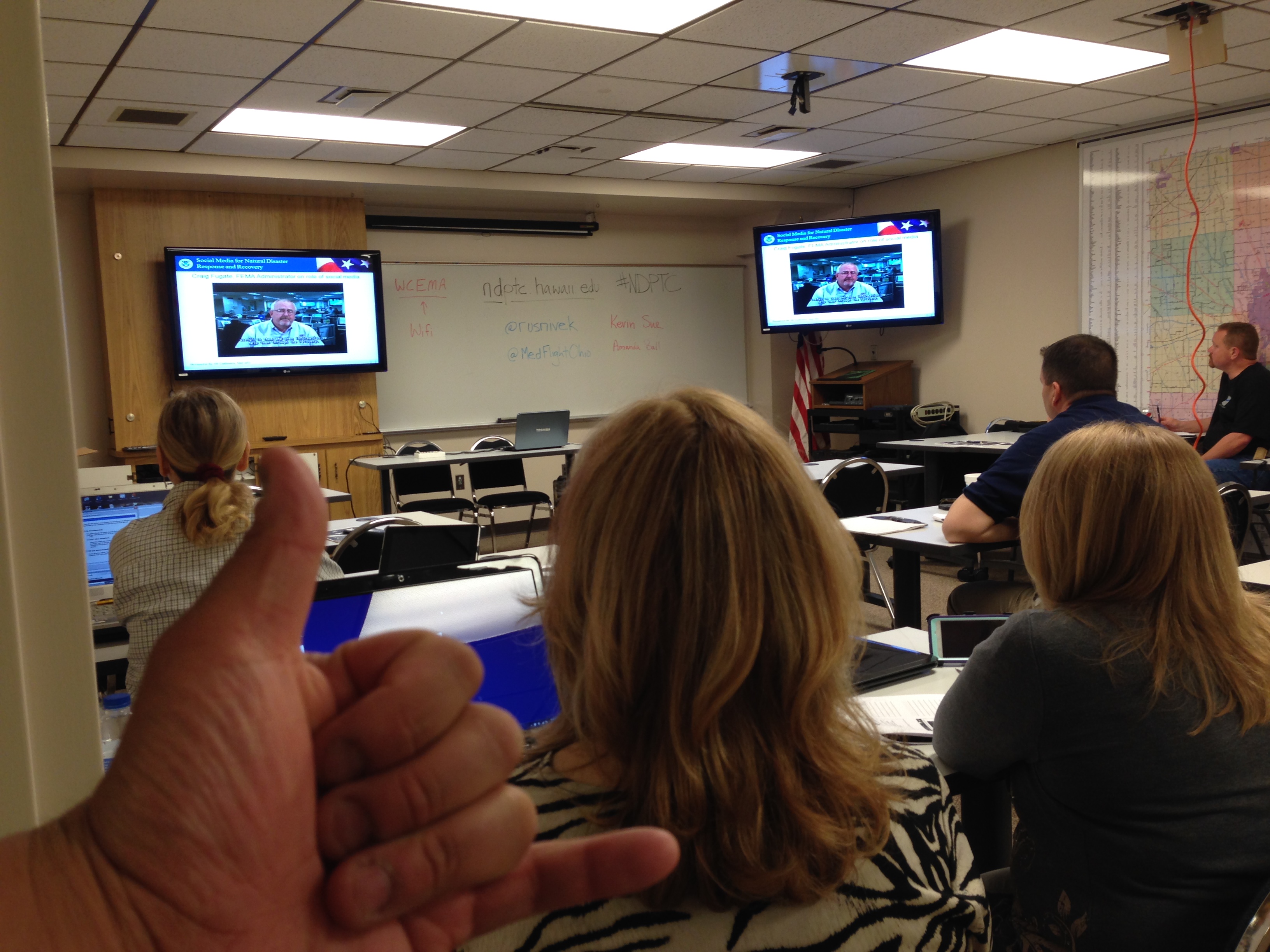
All the fun stuff during class…cause that’s how I roll.
Reporting live from the Emergency Operations Center (EOC)….
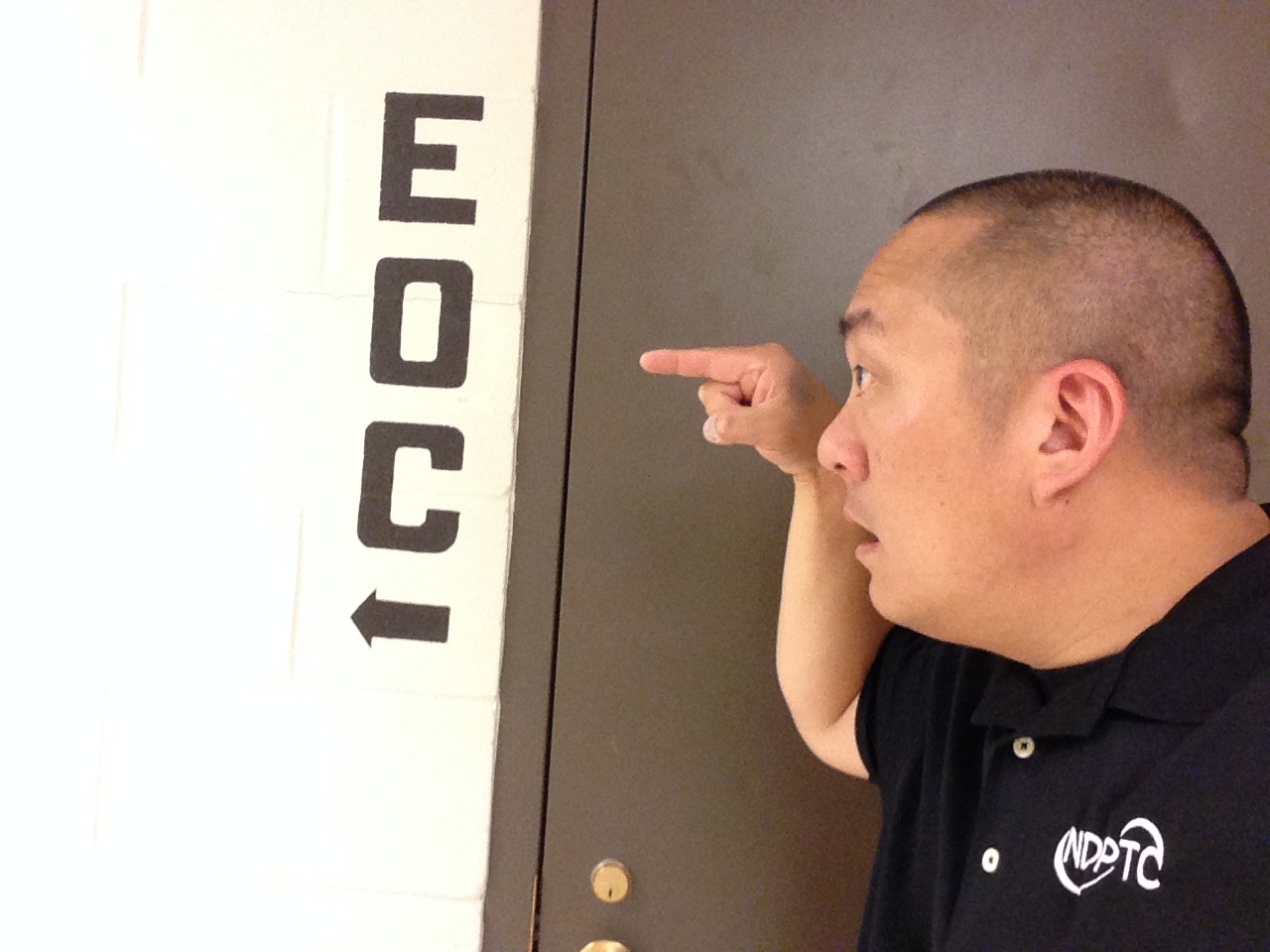
@rusnivek

Breaking it down for the folks in Wayne County today.
Showing much alohas to FEMA Administrator Craig Fugate.
All the fun stuff during class…cause that’s how I roll.
Reporting live from the Emergency Operations Center (EOC)….
@rusnivek
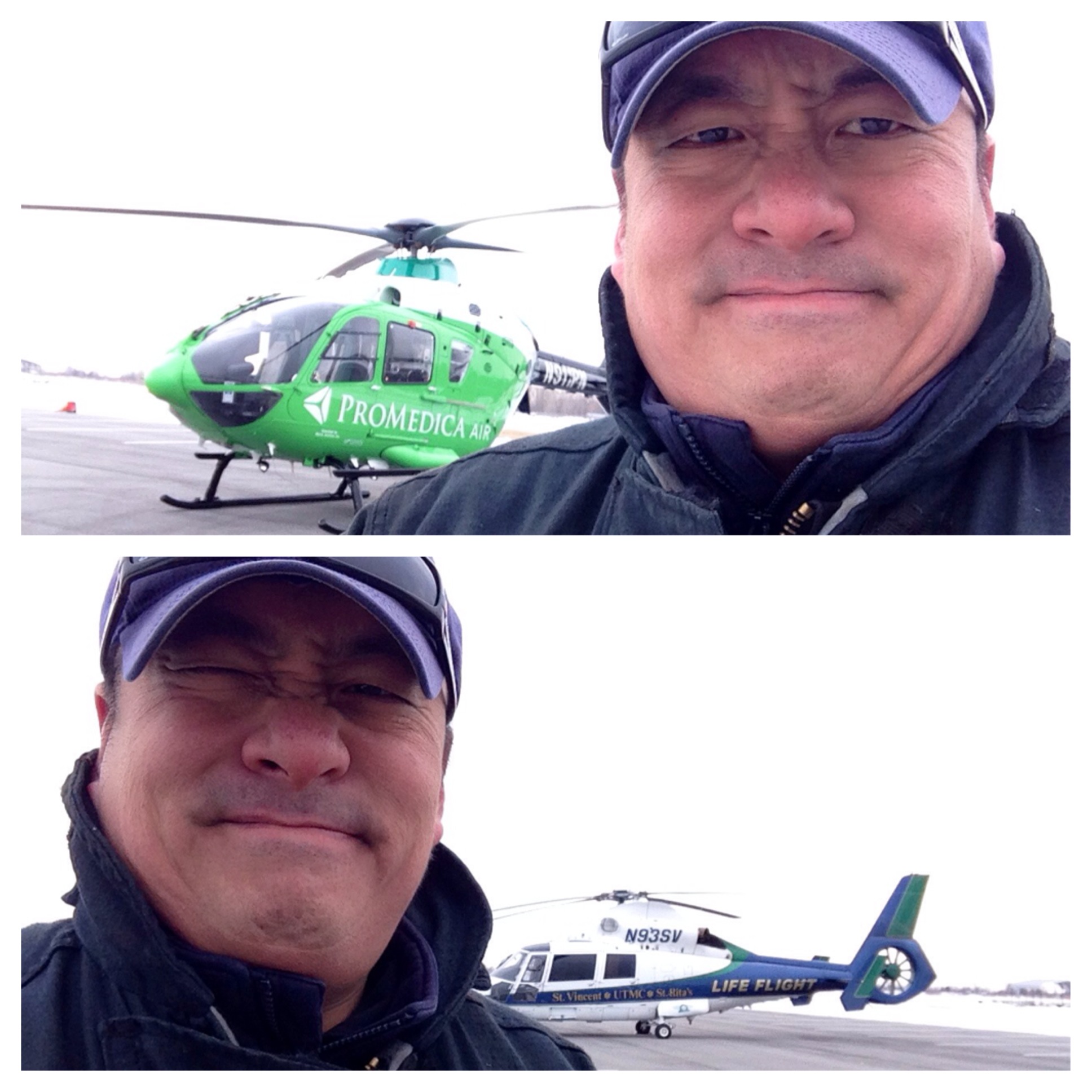
Flying a drone and causing trouble during an actual call?
See, I told you that it would happen. To verify, check my documentation from my AAR on 03-06-14 (AirOps Branch-Observation/Recommendation-3 on page 16).
@rusnivek
Tuesday, April 15, 2014
SPRINGFIELD, Ohio (AP) — A man is facing charges after deputies say he was flying a video camera-equipped drone that hindered the landing of a medical helicopter at an accident scene.
Kele Stanley, of Springfield, said he’s been unfairly charged and would have landed it immediately if he knew the medical helicopter was en route.
“I’m not an idiot,” he said.
The hobbyist was flying the $4,000 drone over a crash scene on Saturday morning to shoot photos and video.
Authorities said both fire officials and a Clark County sheriff’s deputy told Stanley to stop flying his remote-controlled aircraft because the helicopter was preparing to land, and that he refused. The helicopter was able to land and depart safely from the scene.
Stanley is facing a felony charge of obstructing official business and misdemeanor charges of misconduct at an emergency and disorderly conduct. He pleaded not guilty during a court appearance Monday and said he’s going to hire a lawyer to fight the charges.
Stanley, a 31-year-old copy-machine repairman and videographer, said he flew his remote-controlled “hexacopter” about 75 feet above where a pickup had hit a tree in Moorefield Township near Springfield. He said he was shooting the video as a hobby and would have turned it over to local television stations, as he has done before.
There currently are no regulations in Ohio governing private use of the unmanned aircraft, although law enforcement agencies must get special permits to use them. The Federal Aviation Administration bars the commercial use of drones.
It’s 2014 National Severe Weather Awareness Week from March 2nd through March 8th.
Today, we will focus in on wireless mobile notification alerts!
Have you heard of Wireless Emergency Alerts (WEAs)?
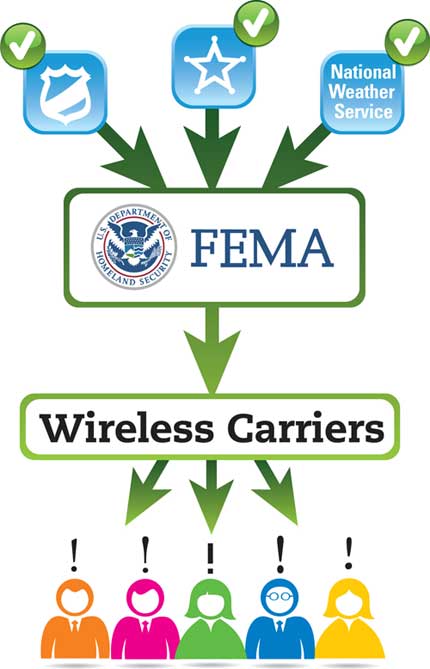
Do you know what the Emergency Alert System (EAS) is used for?

Meshing all technologies together, do you know how the Integrated Public Alert & Warning System (IPAWS) is already helping everyone?
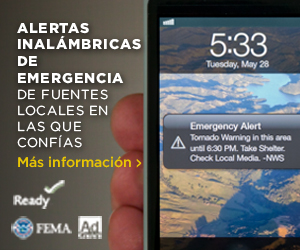
At this time in Ohio, the Integrated Public Alert & Warning System (IPAWS) authorities who have completed the authentication steps are:
1. Ashtabula County
2. Clark County
3. Delaware County
4. Fairfield County
5. Geauga County
6. Lucas County
7. Ohio Emergency Management Agency
8. Tuscarawas County
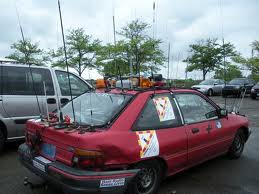
Hope you are paired with one of these local agencies to receive better information during severe weather or major emergency…otherwise, you’ll be left out in the dark.

@rusnivek
Region-5 all weekend baby!
I zipped into Port Clinton (Ottawa County) to hang for a few days in the EOC.

Observation from “a friend” – Apparently, I have quite the large head.
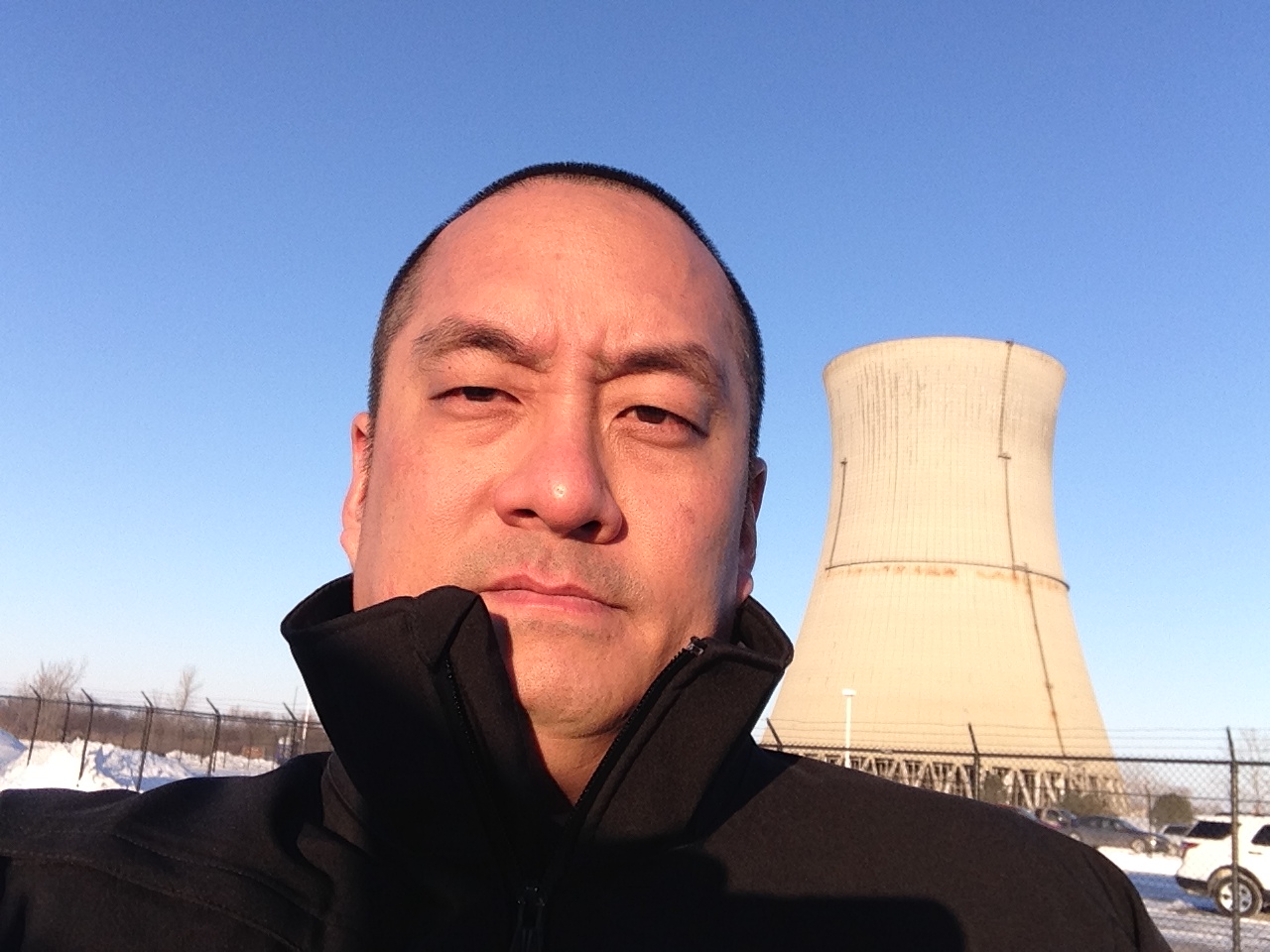
LongHairDontCare – not.
Jeez.
Hope your weekend was fun too.
@rusnivek
Spending the day on behalf of FEMA/NDPTC at the Campbell County (Kentucky) Fire Training Academy instructing local government officials/PIOs on social media.

Great to see class participants from Kentucky, Ohio, and Indiana.
@rusnivek
SitRep for West Virginia Chemical Spill (EM-3366) – 01-14-14- at 1030.
The chemical spill (up to 7,500 gallons) into the Elk River in Charleston, Kanawha County, West Virginia continues to dissipate. “Do not use water” order remains in effect for approximately 65,000. Chemical identified as 4-methycyclohexane methanol (MCHM).

http://www.amwater.com/about-us/news.html
FEMA continues to support the state and local partners in assisting in the mitigation efforts to these nine communities.
@rusnivek
SitRep for West Virginia Chemical Spill (EM-3366) – 01-13-14- at 0900.
The chemical spill into the Elk River in Charleston, Kanawha County, West Virginia continues to dissipate.
CDC has established threshold levels. At this time, indicators are within acceptable levels at water plant. Now seeking consistent safe reading levels at various points within the 1,700 mile pipeline system. Chemical identified as 4-methycyclohexane methanol.
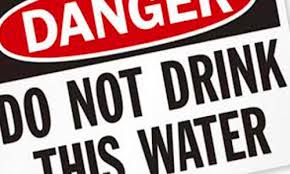
Counties affected: Boone County, Cabell County, Clay County, Jackson County, Kanawha County, Lincoln County, Logan County, Putnam County, and Roane County.
People in the affected areas in West Virginia = DO NOT DRINK OR USE THE WATER. *Only use for toilet flushing
FEMA continues to support the state and local partners in assisting in the mitigation efforts to these nine communities.
@rusnivek
SitRep for West Virginia Chemical Spill (EM-3366) – 01-12-14- at 1030.
The chemical spill into the Elk River in Charleston, Kanawha County, West Virginia continues to dissipate.
CDC has established threshold levels. At this time, indicators are still higher than acceptable levels. Still seeking safe reading levels at various points within the 1,700 mile pipeline system. Chemical identified as 4-methycyclohexane methanol.
Counties affected: Boone County, Cabell County, Clay County, Jackson County, Kanawha County, Lincoln County, Logan County, Putnam County, and Roane County.
People in the affected areas in West Virginia = DO NOT DRINK OR USE THE WATER. *Only use for toilet flushing
FEMA continues to support the state and local partners in assisting in the mitigation efforts to these nine communities.
@rusnivek
Phone Numbers to Refer Citizens with Water Questions

http://www.dhsem.wv.gov/contactnumbers/Pages/default.aspx
@rusnivek
FieldReports for West Virginia Chemical Spill (EM-3366) – 01-11-14- at 1715.
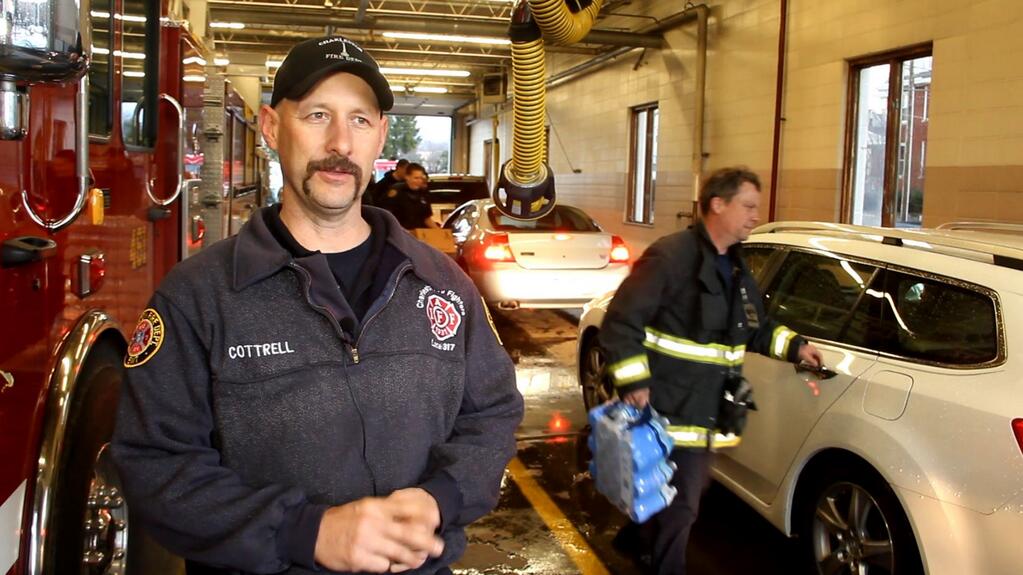
Charleston Fire (West Virginia) reporting a solid water distribution site.

Again, thanks to @jumpseatviews for the picture.
Just goes to show you how valuable your local emergency services are during a crisis or emergency. Keep up the good work Charleston Fire!
Reporting live….. @rusnivek
 Where is @rusnivek?