FREQUENTLY ASKED QUESTIONS with ANSWERS BALLISTIC MISSILE PREPAREDNESS
Revised: 08 AUG 2017.2
Q: Why now? Has the North Korea missile threat increased so much recently that you were urged to begin preparations for an attack?
A: Preparations for the North Korea missile and nuclear threat began in late 2016 when this assessment suggested early preparations should be initiated. Hawaii has maintained plans to cope with missile testing since 2009. The Hawaii Emergency Management Agency (HI-EMA) conducts a Threat and Hazard Identification and Risk Assessment (THIRA) every year. This process examines potential hazards and threats to the State of Hawaii including natural (hurricane, tsunami), technological (cyberterrorism) and man-made (acts of terrorism) hazards.
Q: I have heard that planning for a nuclear attack from North Korea is futile given most of the population will be killed or critically injured. Is that true?
A: No. Current estimates of human casualties based on the size (yield) of North Korean nuclear weapon technology strongly suggests an explosion less than 3 miles in diameter. More than 90% of the population would survive the direct effects of such an explosion. Planning and preparedness are essential to protect those survivors from delayed residual radiation (fallout) and other effects of the attack such as the loss of utilities and communication systems, structural fires, etc.
Q: How will the public learn of a possible missile launch from North Korea?
A: Approximately 5 minutes into the launch sequence, the U.S. Pacific Command will notify the Hawaii State Warning Point (SWP) that a missile is in route from North Korea. The SWP is staffed on a 24-hour, 7 day-a-week basis by skilled emergency management professionals. Upon receipt of the notification, the SWP will activate the ‘Attack-Warning’ signal on all outdoor sirens statewide (wailing sound) and transmit a warning advisory on radio, television and cellular telephones within 2 minutes.
Q: What should Hawaii residents and visitors do when they hear the ‘Attack-Warning’ siren signal?
A: All residents and visitors must immediately seek shelter in a building or other substantial structure. Once the sirens sound, residents and visitors will have less than 12 to 15 minutes before missile impact.
Q: Was the recent public messaging recommending that each individual/family maintain a 14-day survival kit made because of the North Korea threat?
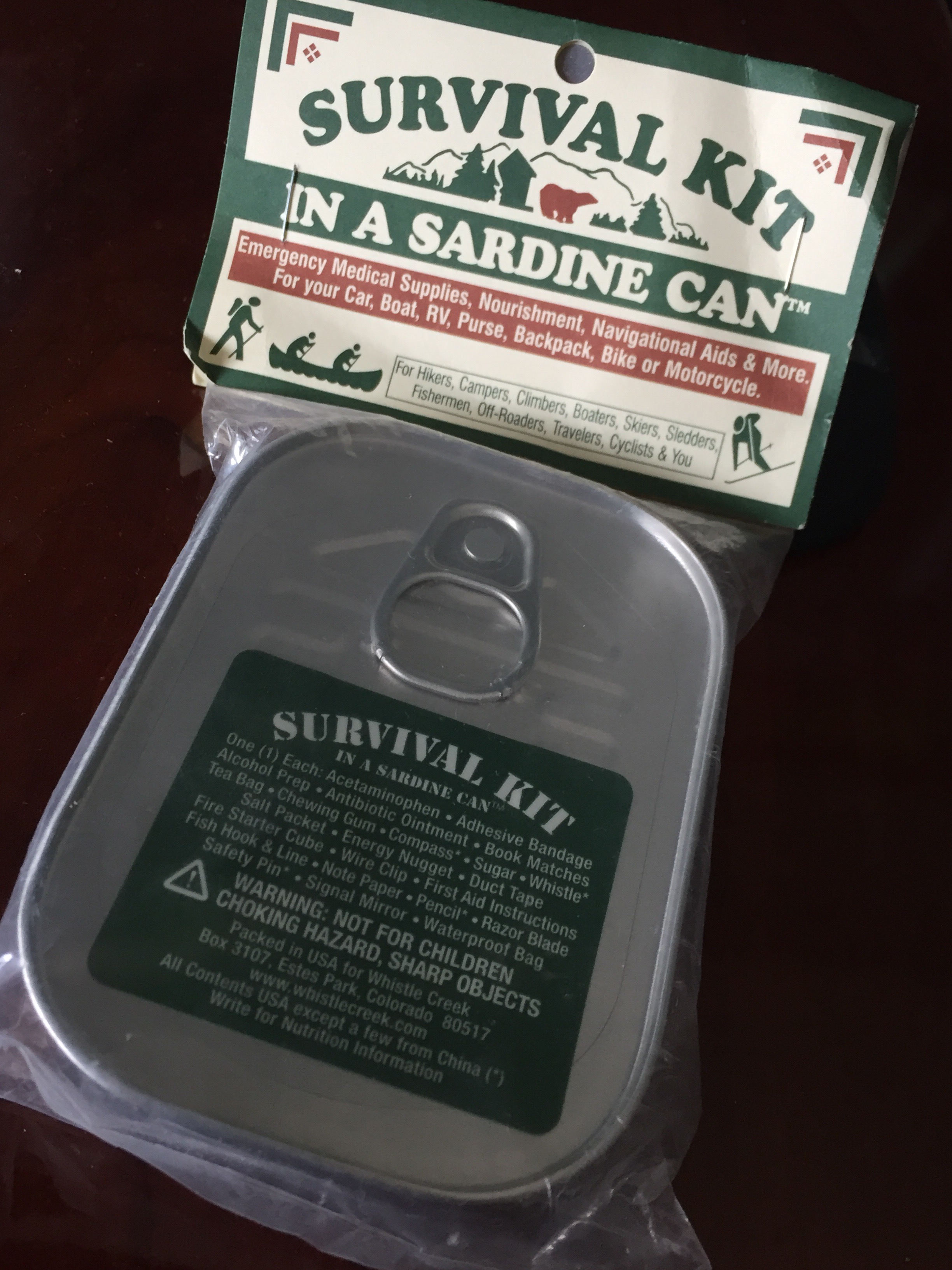
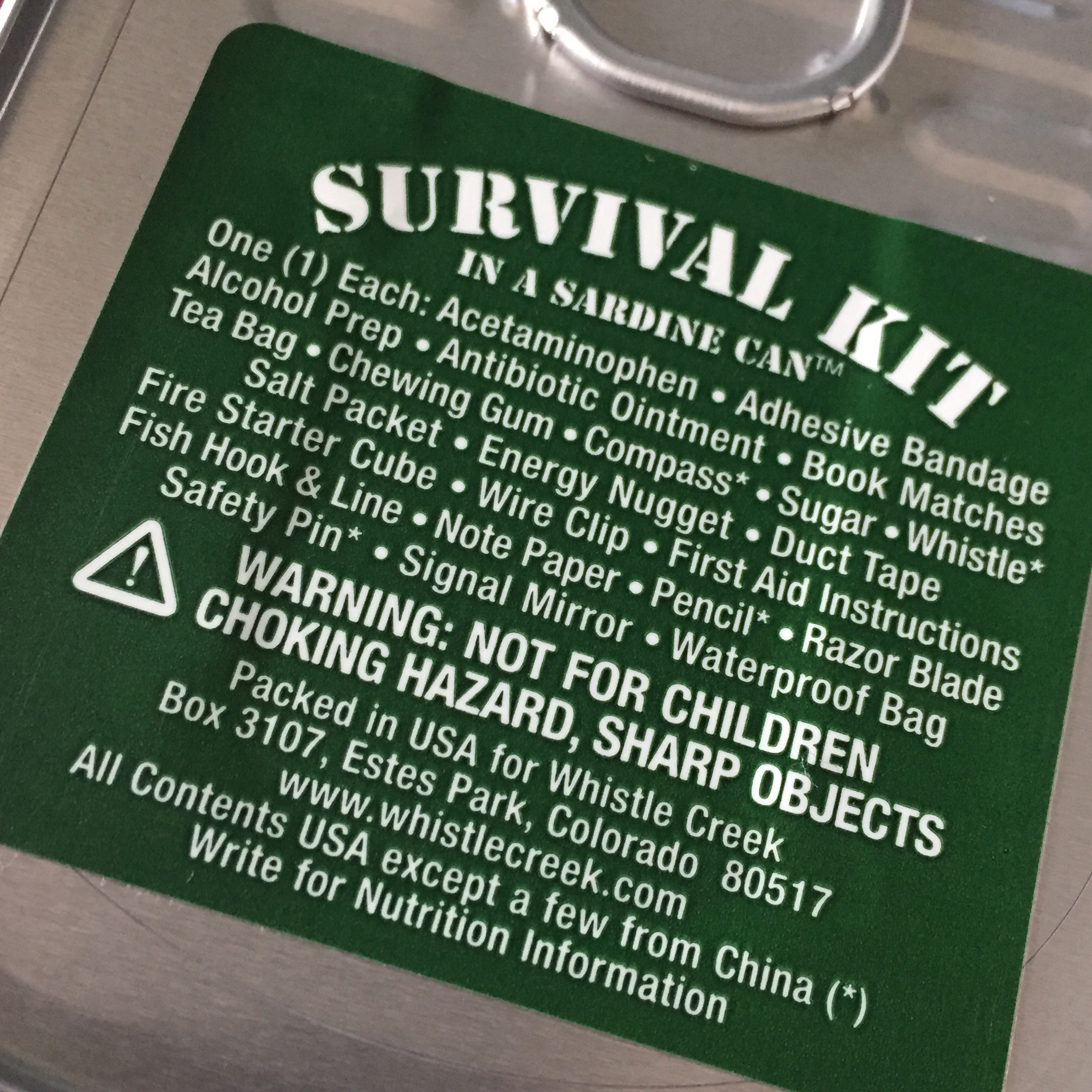
A: No. The 14-day recommendation was made following an intensive analysis suggesting that Hawaii could experience a major disruption to maritime transportation (shipping and ports) in the event of a major hurricane. This recommendation does however complement the potential need for 14 days of sheltering following a nuclear attack.
Q: When will schools begin nuclear drills?
A: Schools are not expected to conduct drills specific to a nuclear attack. Existing drills known as ‘lock down’ drills serve the same purpose. These drills are regularly conducted at all schools statewide and are considered more than adequate in terms of protecting students and staff.
Q: When will the new ‘Attack-Warning’ siren signal will available and how will it be tested?
A: The new (second) ‘Attack-Warning’ siren signal (wailing sound) will be available for use beginning in November 2017. The signal will be tested on the first working day of every month thereafter together with the existing ‘Attention-Alert’ signal (steady sound) used for other emergencies.
Q: Are there public shelters (blast or fallout) designated in our communities?
A: No. There are currently no designated shelters in the State of Hawaii at this time. The short warning time (12 to 15 minutes) would not allow for residents or visitors to locate such a shelter in advance of missile impact.
Q: How long will residents and visitors need to remain sheltered following a nuclear detonation?
A: In most cases, only until the Hawaii Emergency Management Agency has assessed residual radiation and fallout. This could be as little as a few hours or as long as 14 days.
Q: What is fallout?
A: Debris including soil, fragments of destroyed buildings and other material will be drawn into the cloud of a nuclear detonation and propelled into the sky. This debris will begin to settle back to earth within hours. This debris includes residual radiation that poses a significant health risk to humans and animals.
Q: How can I tell if nuclear radiation is present?
A: Nuclear radiation cannot be perceived by the human senses (sight, smell, etc.). Specialized instruments are needed to detect its presence and intensity. Those instruments are available for use by public safety agencies across the State of Hawaii.
Q: How long will nuclear radiation persist after a nuclear detonation?
A: Radiation from nuclear detonation in the form of fallout decays very rapidly. Days to weeks in most situations.
Q: Are the neighbor island safe?
A: We do not know. North Korean missile technology may not be adequately advanced to accurately target a specific island or location. Although most analysts believe the desired target will be Oahu given the concentration of military and government facilities, a missile may stray and impact the open ocean or even a neighbor island. All areas of the State of Hawaii must consider the possibility of missile impact.
Q: How will the Hawaii Emergency Management Agency communicate with the public post-impact? I have heard that most broadcast stations and other forms of electronic communications (cellular telephones, radio, television) will be damaged or destroyed
A: When a nuclear weapon detonates, one of the direct effects produced is called an Electromagnetic Pulse (or EMP). EMP has the potential of destroying electrical devices and telecommunications systems. It may also disrupt electrical power and other essential utilities. Broadcast stations many miles distant from the explosion (such as on another island) will survive EMP effects. Our current plans are to utilize AM and FM broadcast radio stations on unaffected islands to provide essential information to the public. This means residents and visitors should include a battery-powered AM-FM radio in their 14-day survival kit.
Q: How can I learn more about the nuclear threat and preparedness?
A: Public outreach and online information is available to all Hawaii residents.
Hawaii Emergency Management Agency Email: HawaiiEma@hawaii.gov
Web: http://dod.hawaii.gov/hiema/
Telephone: 808 -733-4300
or contact your county emergency management agency.
Ready.Gov website: https://www.ready.gov/nuclear-blast







 Where is @rusnivek?