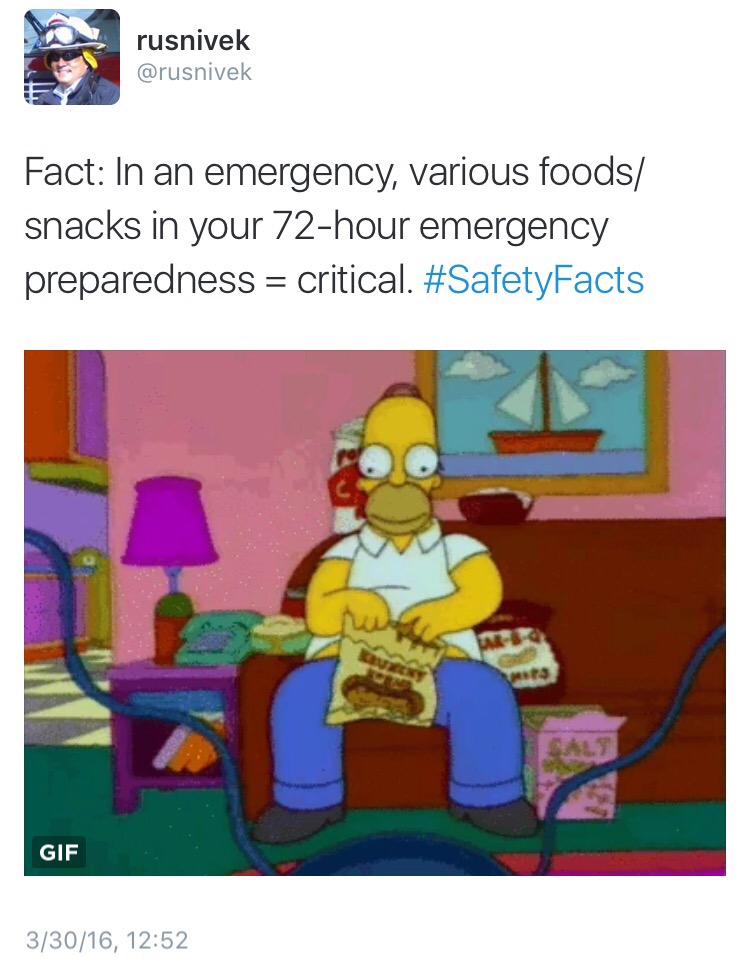
Awwww yeah! Using gifs for preparedness?
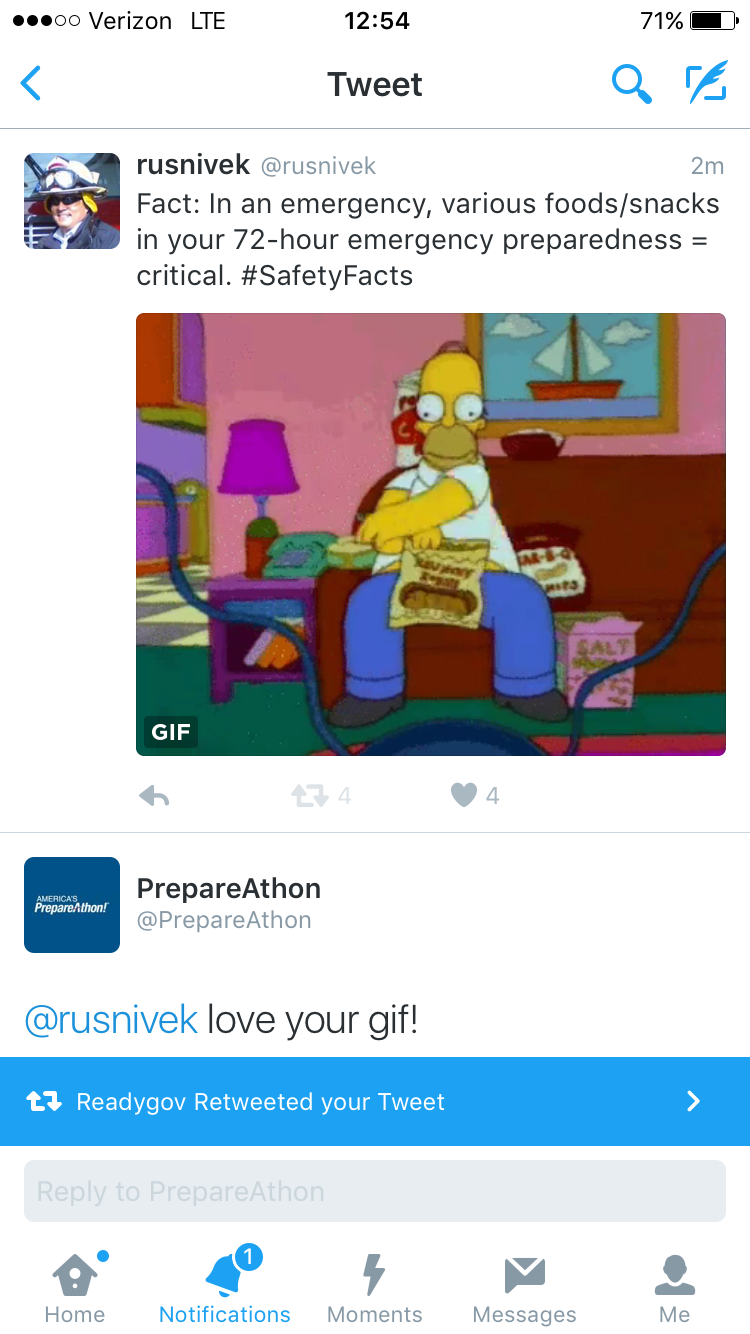
But then this happened:
Holey moley! It’s a good day when FEMA’s @ReadyGov RTs me and @PrepareAthon loves my gifs. #swoon

Now use your new social media powers for good.
Reporting live from the EOC…
Awwww yeah! Using gifs for preparedness?
But then this happened:
Holey moley! It’s a good day when FEMA’s @ReadyGov RTs me and @PrepareAthon loves my gifs. #swoon

Now use your new social media powers for good.
Reporting live from the EOC…
Awwww, thank you for the kind words! From the pros at the National Weather Service Office in Louisville.
Wx love from the Louisville crew definitely made my day.
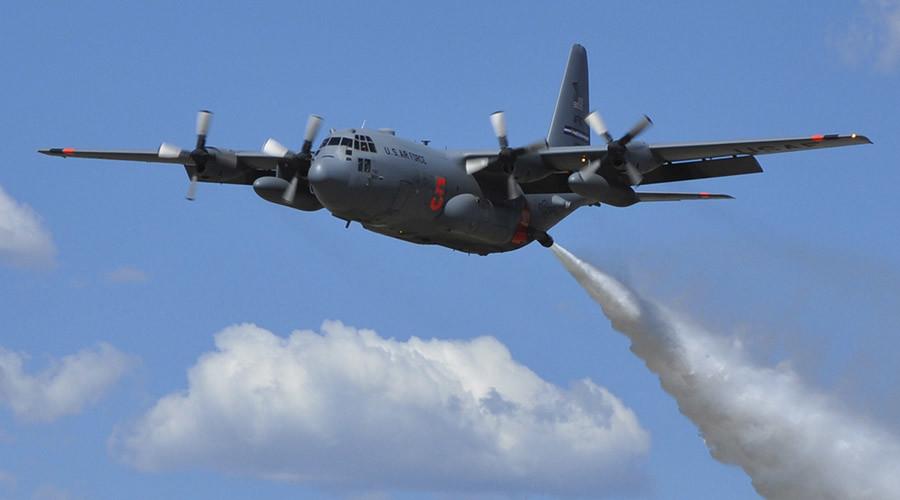
One of my friends in California just emailed me this picture.
National Guard members have retrofitted various aircraft including this C-130 with alternate equipment for wildfire operations.
I am really impressed with how local, state, Federal, and military assets are working together to control the wildfires. All-Hazards indeed!
Nice work everyone!
Ahhhhh, the last day of 2015 National Preparedness Month – THAT MEANS TODAY IS NATIONAL PREPAREDNESS DAY!!!!
Oh Yeah – You did it!
I know many of you have shared your tips and preparedness efforts with countless others. I am confident that your shared knowledge will pay off as we better prepare our fellow Americans for any disaster or emergency.
Thanks to all of our active partners in public safety. From the Locals to State to Federal partners who have made this month so successful – thank you!
Thank you to my agencies who have allowed me to share my preparedness tips with you.
I only wonder what will 2016 preparedness bring? Hmmm. Here’s a hint…
…and a little of this…
…and definitely more of this.
Who’s excited? <SQUIRREL!>
Don’t wait. Communicate. Make your emergency plan today.
Whew-I am so glad that many of you have decided to participate in this month’s activities. Keep in mind that you have 11 more months to address your public in finding ways to be better prepared in a disaster. Planning for the 2016 National Preparedness Month will begin shortly.
As always, start your peeps off right by sending them here.
The last Tuesday in the 2015 National Preparedness Month!
Today, look to building new relationships.
Normally, we don’t look outside the realm of daily public safety. It’s easy to talk to Fire/EMS, Law Enforcement, or Public Works Professionals. However, new discussion needs to happen between individuals who can support our mission goals or some unmet needs.
Faith-based organizations are great groups to explore new activities to support your community. In varying degrees, faith-based organizations have the capabilities to support disaster response and recovery operations with food, shelter, and supportive measures. But again, the key is to open discussions BEFORE a disaster so you can evaluate their capability.
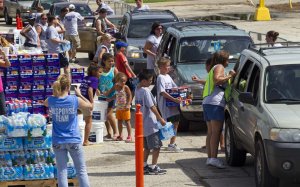
Additionally, talk to your local politicians…esp if they are an active part of your Community Emergency Response Team (CERT). These civic-minded individuals have most likely gone through additional preparedness training and can be a great resource for anyone.
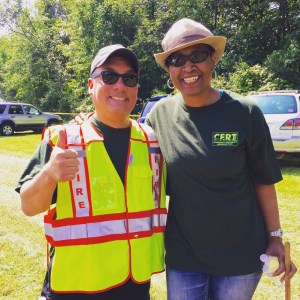
Trust me, these are the kinds of people you want to be in close contact with before, during, or after an emergency/disaster.
Don’t wait. Communicate. Make your emergency plan today.
Get to know some new local peeps!
Tuesday is here – so get prepared by clicking here.
TBT to a Category 4 Hurricane Kevin from 1991.
Whoa-Hurricane Kevin was quite strong.
Saffir-Simpson Hurricane Wind Scale: The Saffir-Simpson Hurricane Wind Scale is a 1 to 5 rating based on a hurricane’s sustained wind speed. This scale estimates potential property damage. Hurricanes reaching Category 3 and higher are considered major hurricanes because of their potential for significant loss of life and damage. Category 1 and 2 storms are still dangerous, however, and require preventative measures. In the western North Pacific, the term “super typhoon” is used for tropical cyclones with sustained winds exceeding 150 mph.
| Category | Sustained Winds | Types of Damage Due to Hurricane Winds |
|---|---|---|
| 1 | 74-95 mph 64-82 kt 119-153 km/h |
Very dangerous winds will produce some damage: Well-constructed frame homes could have damage to roof, shingles, vinyl siding and gutters. Large branches of trees will snap and shallowly rooted trees may be toppled. Extensive damage to power lines and poles likely will result in power outages that could last a few to several days. |
| 2 | 96-110 mph 83-95 kt 154-177 km/h |
Extremely dangerous winds will cause extensive damage: Well-constructed frame homes could sustain major roof and siding damage. Many shallowly rooted trees will be snapped or uprooted and block numerous roads. Near-total power loss is expected with outages that could last from several days to weeks. |
| 3 (major) |
111-129 mph 96-112 kt 178-208 km/h |
Devastating damage will occur: Well-built framed homes may incur major damage or removal of roof decking and gable ends. Many trees will be snapped or uprooted, blocking numerous roads. Electricity and water will be unavailable for several days to weeks after the storm passes. |
| 4 (major) |
130-156 mph 113-136 kt 209-251 km/h |
Catastrophic damage will occur: Well-built framed homes can sustain severe damage with loss of most of the roof structure and/or some exterior walls. Most trees will be snapped or uprooted and power poles downed. Fallen trees and power poles will isolate residential areas. Power outages will last weeks to possibly months. Most of the area will be uninhabitable for weeks or months. |
| 5 (major) |
157 mph or higher 137 kt or higher 252 km/h or higher |
Catastrophic damage will occur: A high percentage of framed homes will be destroyed, with total roof failure and wall collapse. Fallen trees and power poles will isolate residential areas. Power outages will last for weeks to possibly months. Most of the area will be uninhabitable for weeks or months |
Don’t wait. Communicate. Make your emergency plan today.
Hurricanes are unpredictable so get Ready by starting here for free!
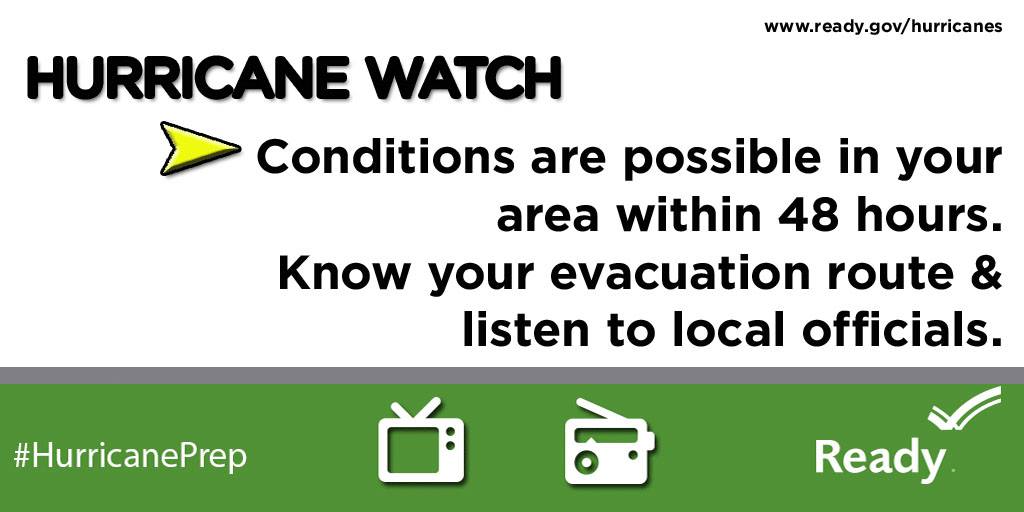
For hurricanes, do you know the difference between Watch vs Warning?
and
Simple huh?
For more information, check out FEMA’s Ready.Gov program.
And be prepared for the next hurricane!
Don’t wait. Communicate. Make your emergency plan today.
Awwww yeah, I’m talking about hurricanes on a Windsday.
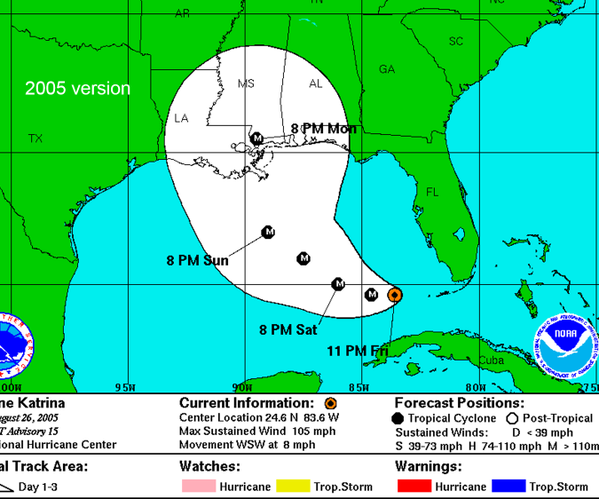
10 years ago, Hurricane Katrina ravaged the gulf states.
However, with the advances in technology, the National Hurricane Center has improved their prediction forecast…aka technology has improved to showcase the areas likely to be hit.
Regardless of your location, please prepare for hurricanes.
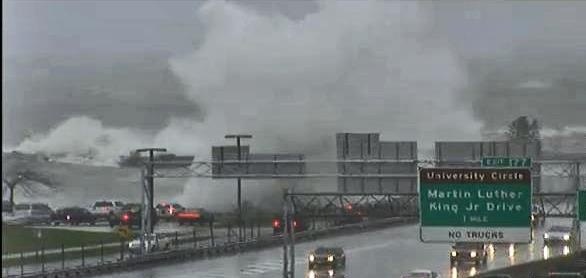
Yes, three years ago, I was told “…that will never happen here” and “Stop wasting your time.” Soon after, Hurricane Sandy hit Ohio in 2012.
Know where to go. If you are ordered to evacuate, know the local hurricane evacuation route(s) to take and have a plan for where you can stay. Contact your local emergency management agency for more information.
No matter where you are, please prepare for hurricanes.
Don’t wait. Communicate. Make your emergency plan today.
No one wants to be unprepared.
Peeking into the third week of National Preparedness Month – this week is all about Hurricanes!
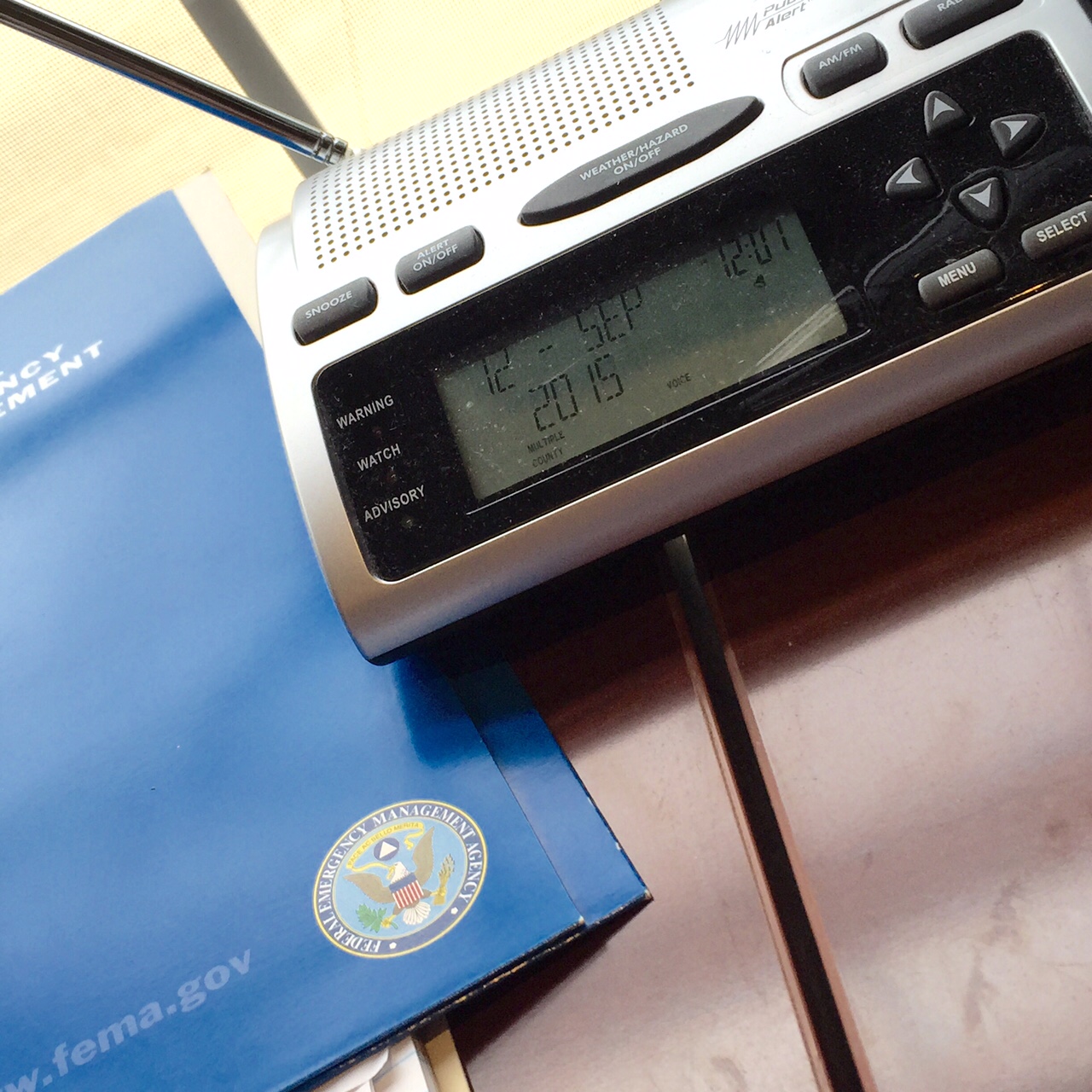
So to make sure we are all prepared, I double checked my weather radio yesterday.
I’m Ready!
If you live in Ohio, don’t forget to program your weather radio with these specific frequencies.
Don’t wait. Communicate. Make your emergency plan today.
Third week in. Are you Ready?
Awwww yeah! This past week, I got a chance to teach part of the brand new DHS/FEMA G0290: Basic Public Information Officer Course!
Formerly known as G-290 course, this is the new FEMA Basic Public Information Officer course taught across the country for all public safety and emergency management professionals.
Thanks again to the Kentucky Emergency Management Agency and KESC for allowing me the opportunity. Also, special thanks to the ever fashionable Mike from NIOA.
Shakas because we are reporting live from Kentucky…