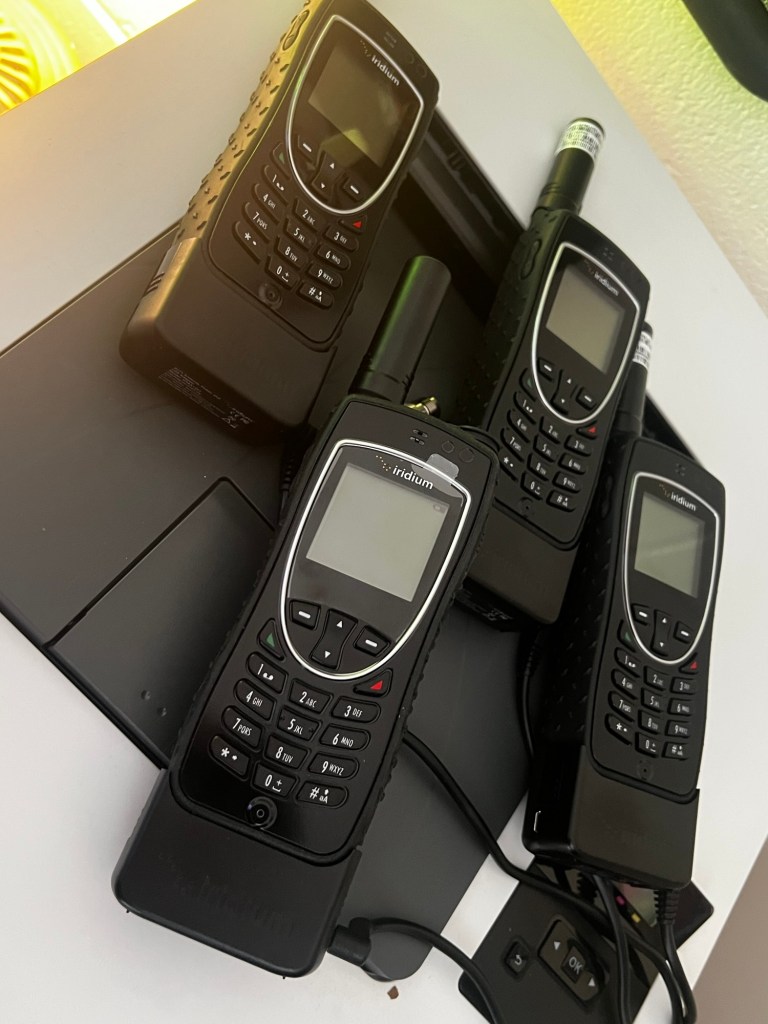
Our 4th satellite phone came in today. Like gremlins, they are multiplying!
This Continuity of OPerations (COOP) effort is a phased plan that is imperative to everyone here.
It’s just another part of our COOP plan as Emergency Management leads the way for planning and coordination.
Think of it this way, it’s part of business continuity.
At any time, we have staff/SMEs around the world doing critical work. And we need instant communications with them and our global Exfil team that can deploy out immediately in an emergency.
In the near future, look to Argonne EM to lead the COOP effort for the area by providing high level training with our partners at FEMA.
Funny part, we are calling that part “Operation Kevins”
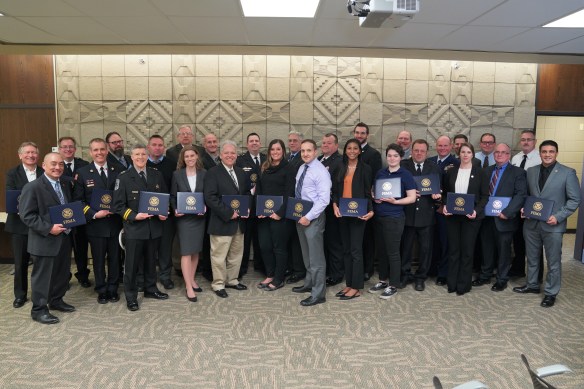
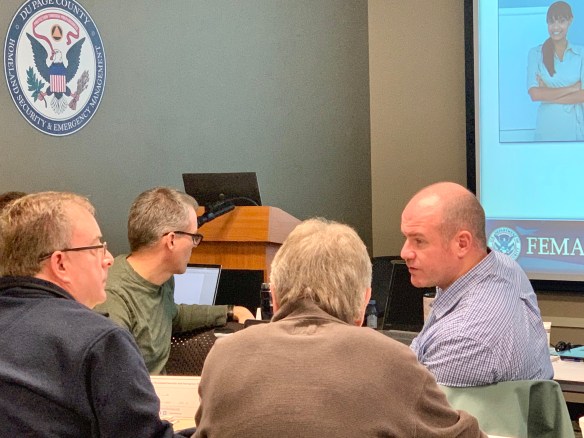
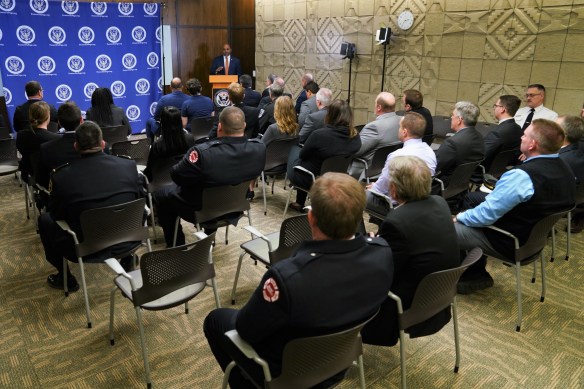
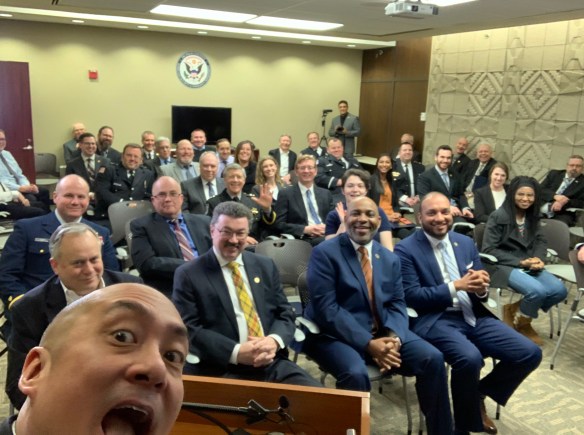
The time has come to welcome all of our graduates of the FEMA Basic Academy here at DuPage County Office of Homeland Security and Emergency Management!
“This is the first FEMA Basic Academy offered here in Illinois and we are proud to bring this Emergency Management foundation education here to DuPage County.” said Academy Instructor Kevin Sur. “The skills learned during this intensive course from November through March builds the framework for all Emergency Managers combining knowledge of all fundamental systems, concepts, and practices of leading actions for future leaders.”
The course started in November 2019 where participants were exposed to all mission areas including a myriad of case studies that highlighted the importance of collaboration and coordination in the response and recovery phase of any disaster or emergency.
In January 2020, participants took a deep dive into the science of disasters as well as planning to better help and understand the threats and dangers to each of their own communities.
To understand our hazards, we must understand legit science so that we can use the right resources to solve the problem.
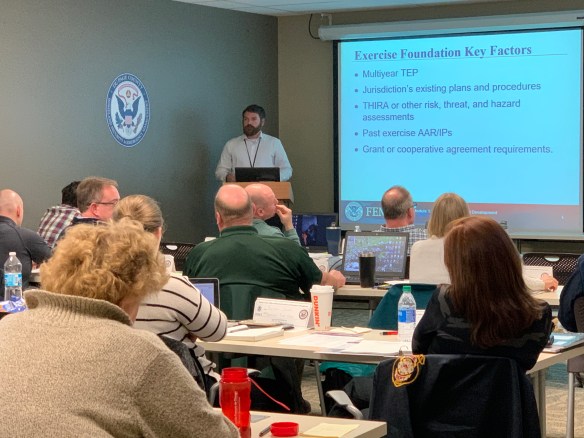
The last week in March 2020, the class focused on the hot button topic of Homeland Security Exercise Evaluation Program and the Public Information and Warning course. Special thanks to new FEMA MEPP DuPage County OHSEM Sup Corey Mulryan for teaching with me on this one.
Participants debated the use of mass notification systems, social media in targeting specific audiences, and the value of the Public Information Officer (PIO) who’s role is so vital to the success of the agency.
Proud to be a part of the Instructional delivery team to get this first class here at DuPage County OHSEM.
Who’s who in the zoo? Well, we had participants from 6 different states, 3 different FEMA Regions with a diverse crowd from local, county, state, and Federal partners.
OUTSTANDING!!!!!
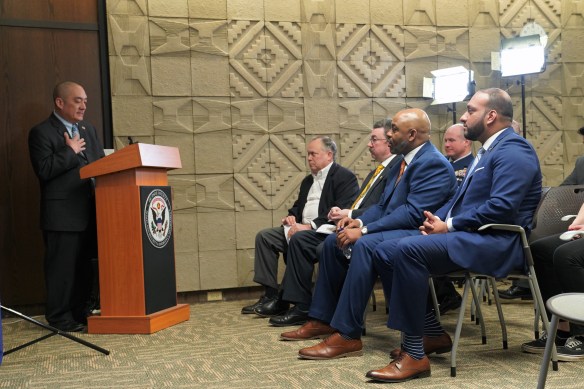
As we rolled into the graduation, I was able to make some opening remarks and thanking our most esteemed guests in the room.
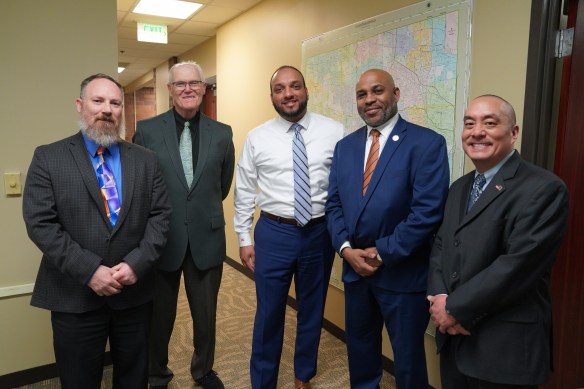
Glad to hear from the new FEMA Region V Deputy Regional Administrator Kevin Sligh.
Deputy RA Sligh is a graduate of the program and is proud to see this foundational course being used as the marker of success for local Emergency Managers.
We also got a chance to hear from FEMA Region 5 Training & Exercise Manager Jessica Mitchell on the value of training. She is a proud resident of DuPage County.
And finally, to close things out, ladies and gents….put your hands together for Former IEMA Director and former Director of DuPage OHSEM….FEMA Region V Regional Administrator James Joseph!!!!
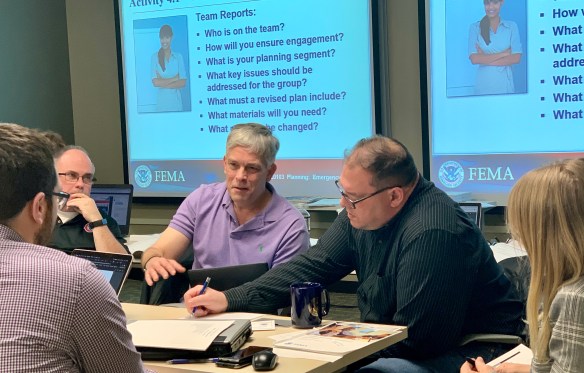
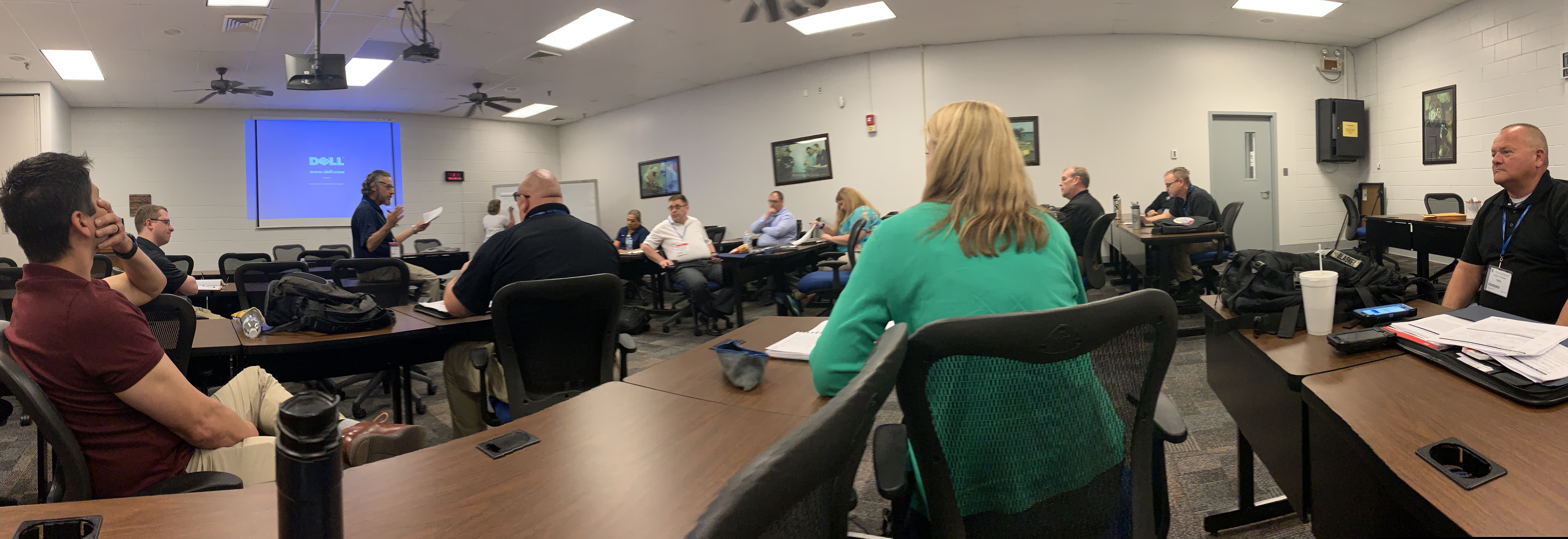
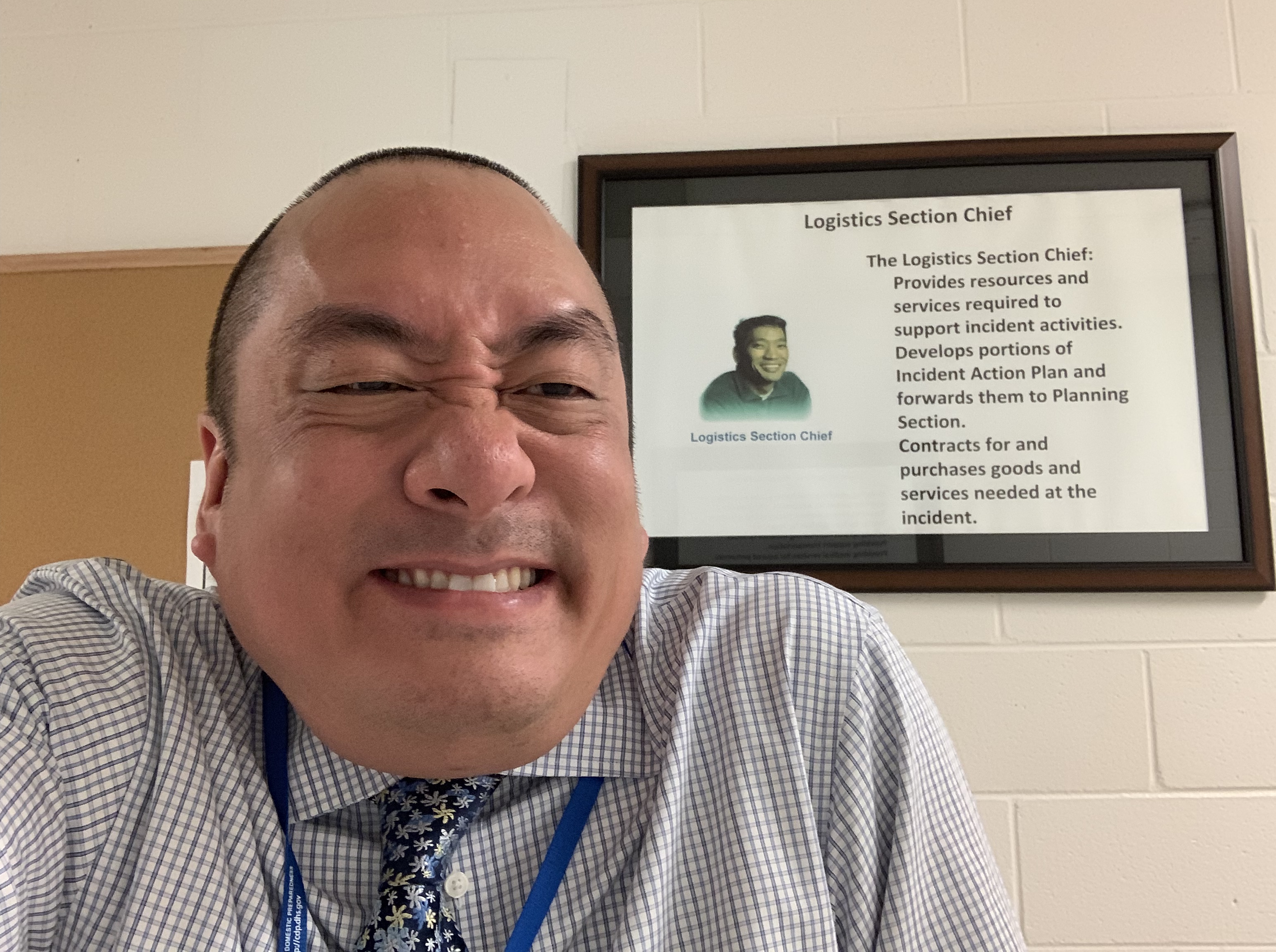
More fun as we continue through day-2 of ICS-300 at FEMA Region V.
Today’s convo will be dominated by the Planning P and how integral the cycle is to our operational rhythm in the Emergency Operations Center (EOC) or the Joint Field Office (JFO).
Also a great time to talk about resources and the need for more as we progress along in the disaster. As you know, ordering stuff (single point vs multi point) isn’t easy, accounting for the resource, tasking the resource, and justifying the resource is harder than it looks due to the restrictions that inbound resources have. As always, great discussion today from all participants!
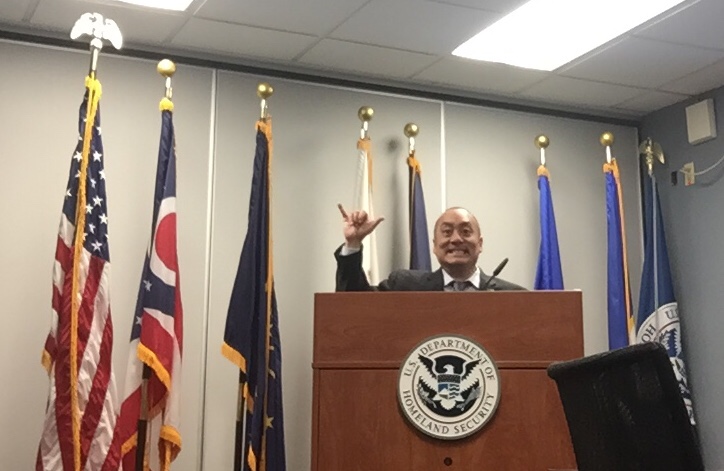
Throwing the shaka cause I know tomorrow is AlohaFriday!
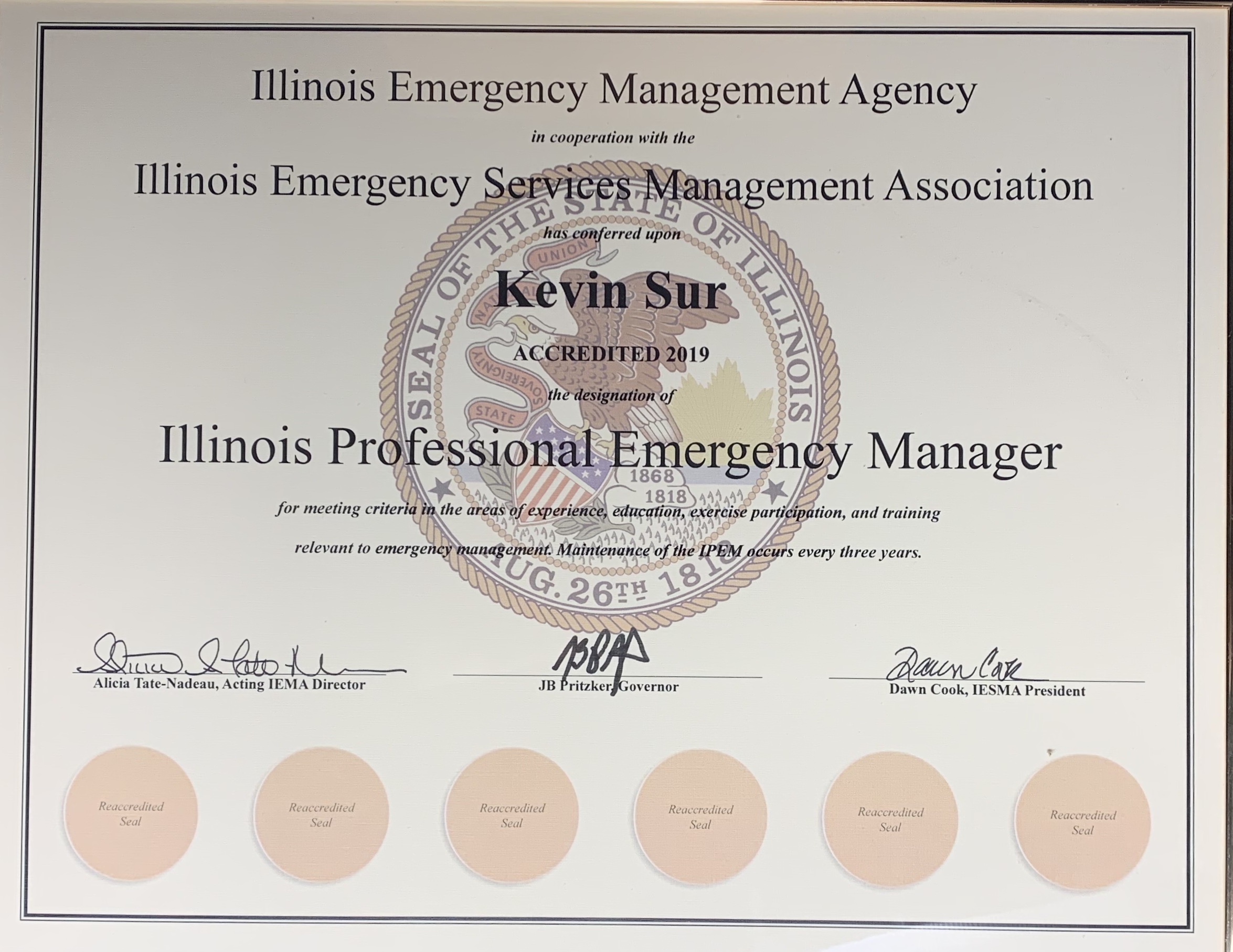
When I was deployed this summer with FEMA for the disaster response in Nebraska, I totally missed the State of Illinois Emergency Management Agency (IEMA) awarding me my official Illinois Professional Emergency Manager certification/designation.
Whohooooooooo – IPEM!
Special thanks to DHS/FEMA, the Illinois Emergency Management Agency, and the DuPage County Office of Homeland Security and Emergency Management for their support in this process.
July!!! 3Q and the start of the second half of the year is rolling! July will definitely be a busy one as
First week, lotsa planning including the IPEM and ICS re-certification process.
Second week popping a FEMA PIO Awareness course with my new friends at Mundelein Fire (Lake County, IL).
Third week is vacation. First one all year. Don’t bother me.
Fourth week, we got more on the ICS refresher and then a few more ICS classes including an ICS-400 course for our DoD partners and the Illinois Air National Guard.
Fifth week, we got more planning and fun with ICS, EM Courses, and the ramp up to a few brand new courses debuting with my office.
To recap, it’ll be an intense two region month with 5 and 9.
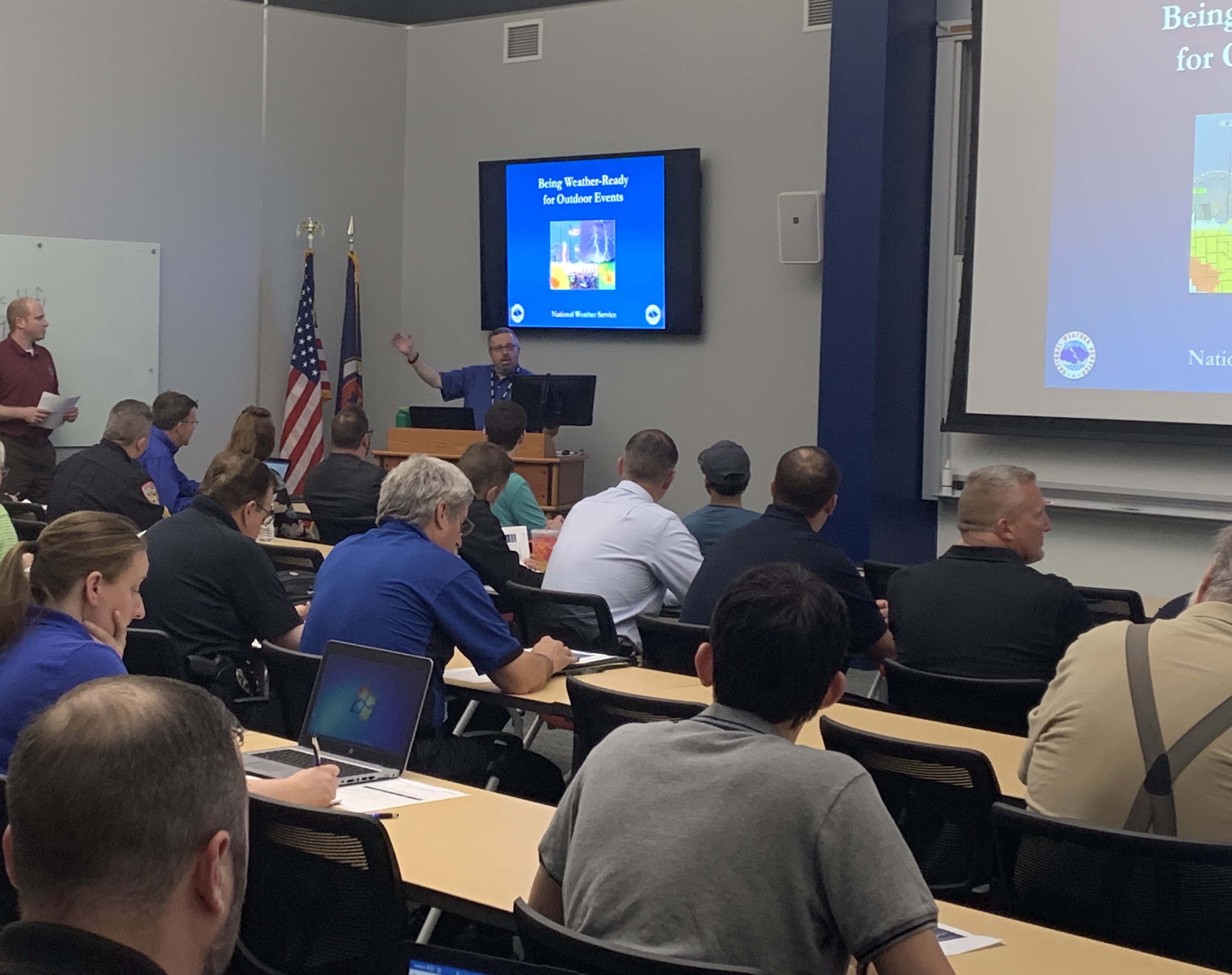
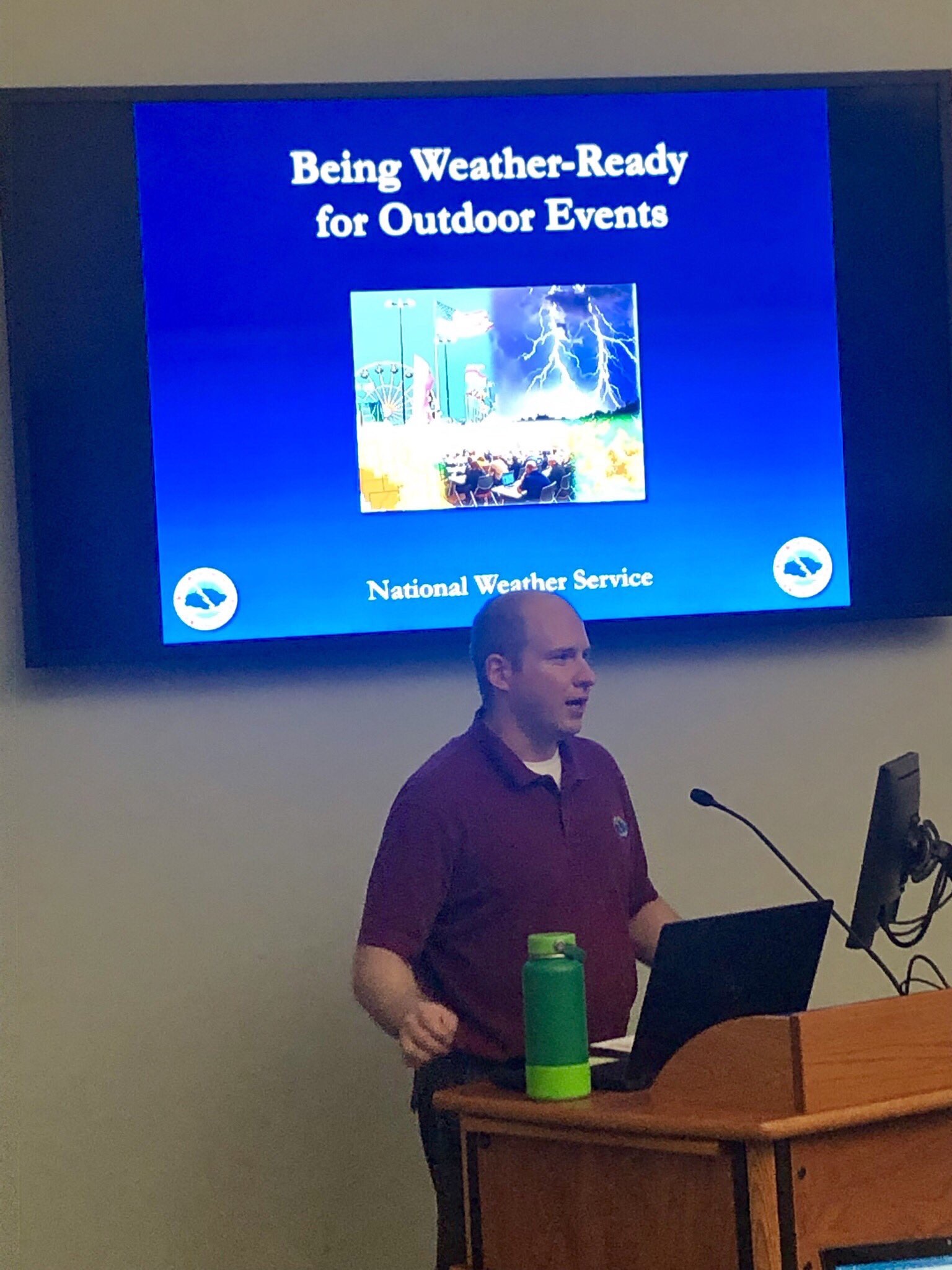
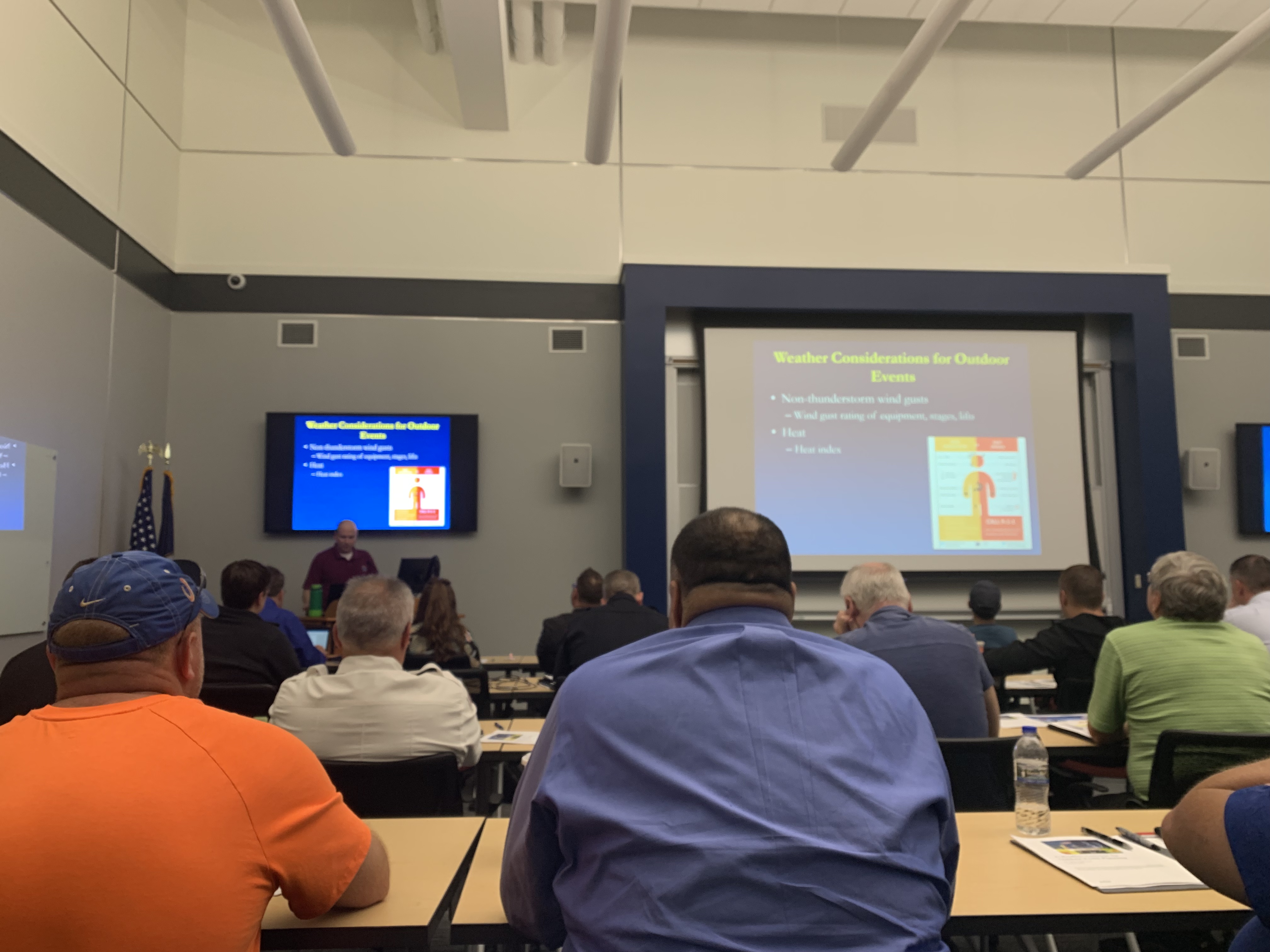
As our office continues to work the magic for all of our partners in public safety, today we continue to rollout the new Event Ready Weather Decision toolkit that helps any agency with critical command decisions.
Our office has worked closely with the National Weather Service Chicago in developing this process.
And of course to pair with the class, we have a Outdoor Event Planning TableTop to help concrete the points to all participating agencies.
Not only developing, but making sure that the information is compliant….
That’s right – welcome to the #EmergencyManagement pros!
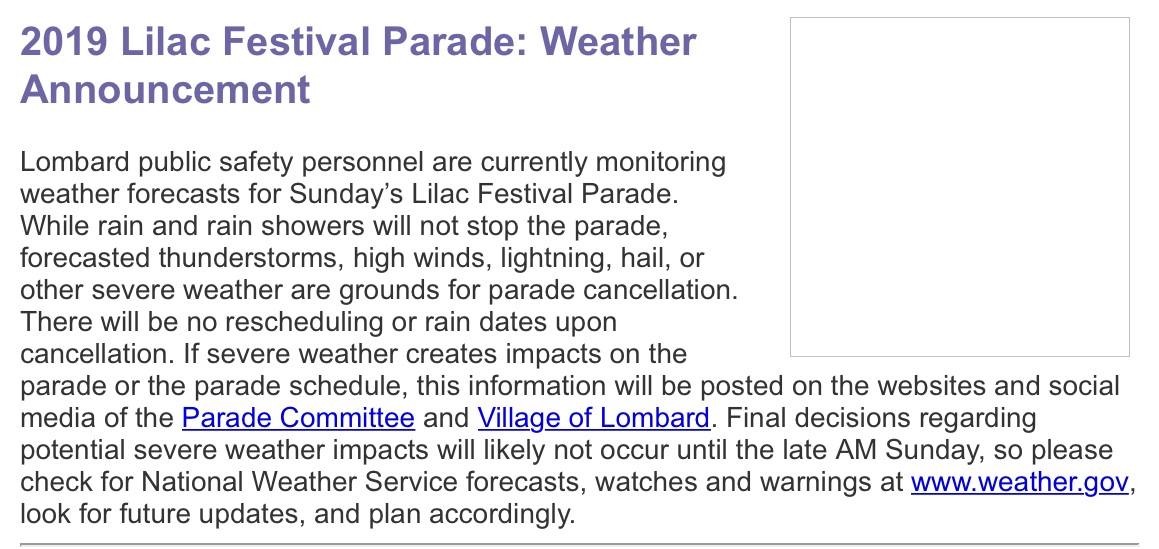
Success? Does it work? Hellz yeah it works! Just ask Lombard’s PIO Avis Meade who used this planning guide for their 2019 Lilac Parade.
Their actions based on NWS Chicago data and critical command decisions likely saved lives as severe weather rolled into the area with an exposed and completely vulnerable population.
Let me say that again, the planning and preparedness efforts from everyone in Lombard saved lives.
Let me translate that for you (think FEMA Core Capability): Sharing good info (Intelligence and Information Sharing), working closely with local, county, and state partnerships (Operational Coordination), and known trusted information (Public Information and Warning)
Decisions made in advance with partnerships with the local National Weather Service can save lives?!?!? YES IT CAN!
In Emergency Management, our decisions are collaborative and based on a combination of historical data and past industry practice. This is what Emergency Management is all about. Repeat after me: Planning and Coordination. Planning and Coordination.Planning and Coordination.Planning and Coordination.
I am proud to be a small part of many agencies doing the right thing for communities across this county and this great country.
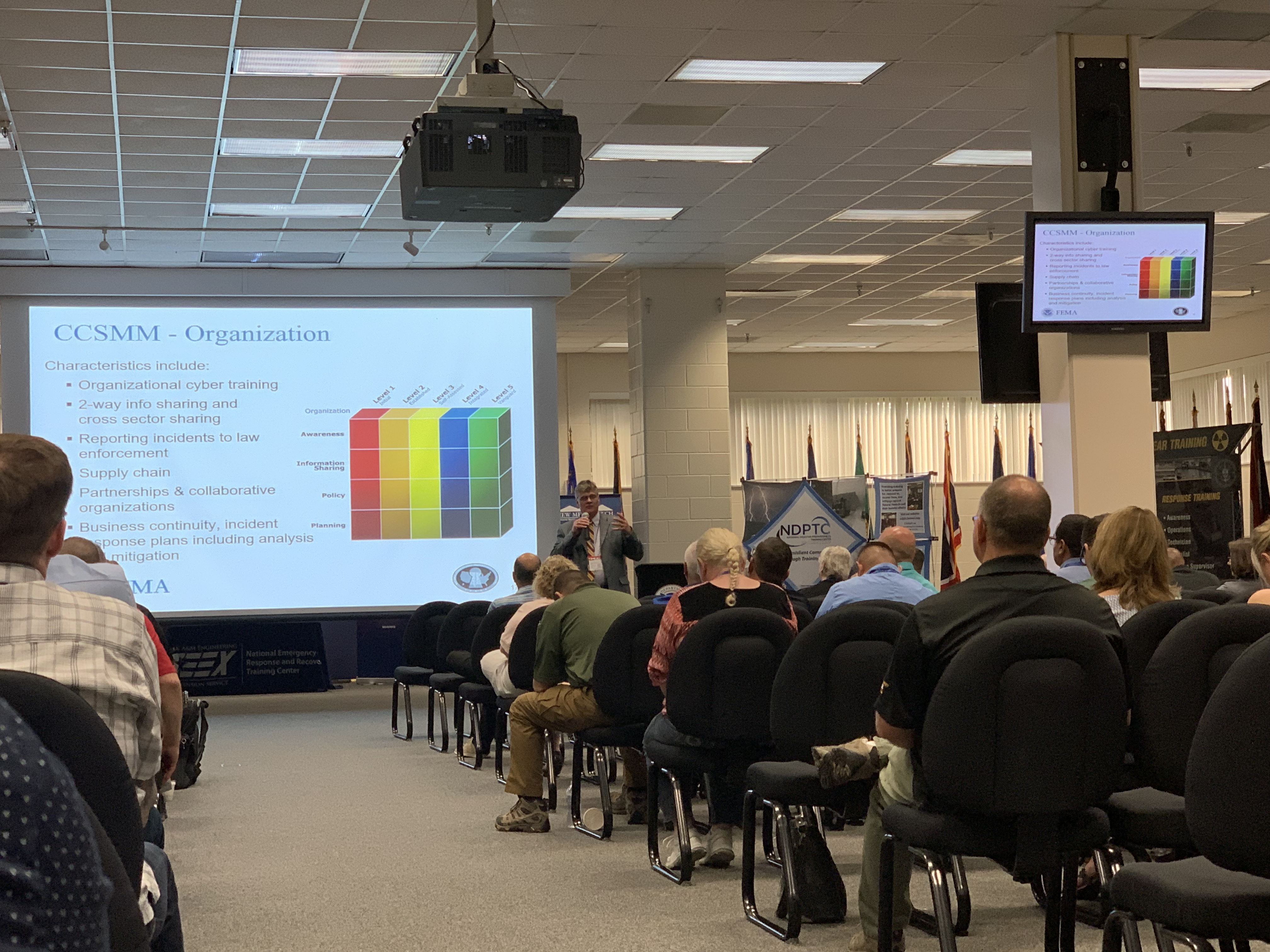
Final day of the 2019 National Preparedness Symposium here at CDP! Lots to share as we open up the day with a long talk on cyber.
Hint to Emergency Managers, Cyber is the sexy incident now…so I suggest you plan and design with your training manager now. Yep, you heard me right, cyber = sexy.
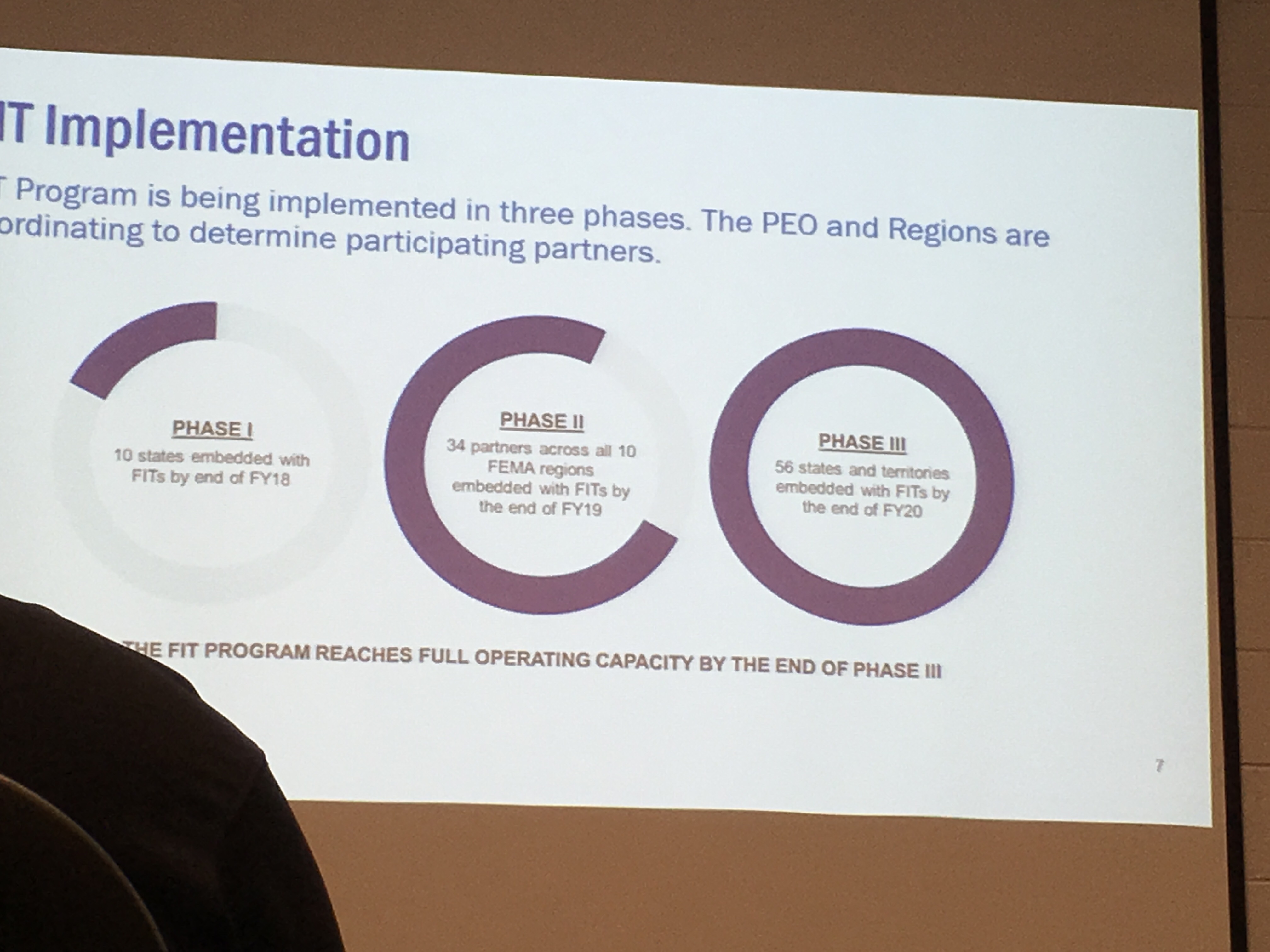
Noooooooow switching from cyber to FIT – because we will all get a FIT!
Here to listen in on the deets for the FEMA Integration Teams (FIT) from my FEMA LNO in Hurricane Irma, ladies and gents, put your hands together for…….. John Allen!!!!!
John Allen, better known as FEMA’s Director of Preparedness Integration and Coordination out of HQ has been point person for this effort started when previous FEMA Administrator Brock Long started.
This program imbeds FEMA Planners at specified locations to support all state, local, tribal, and territory (SLTT) partners. Rollout has been ongoing as this is a phased effort. Many of the 56 FITs are not staffed yet.
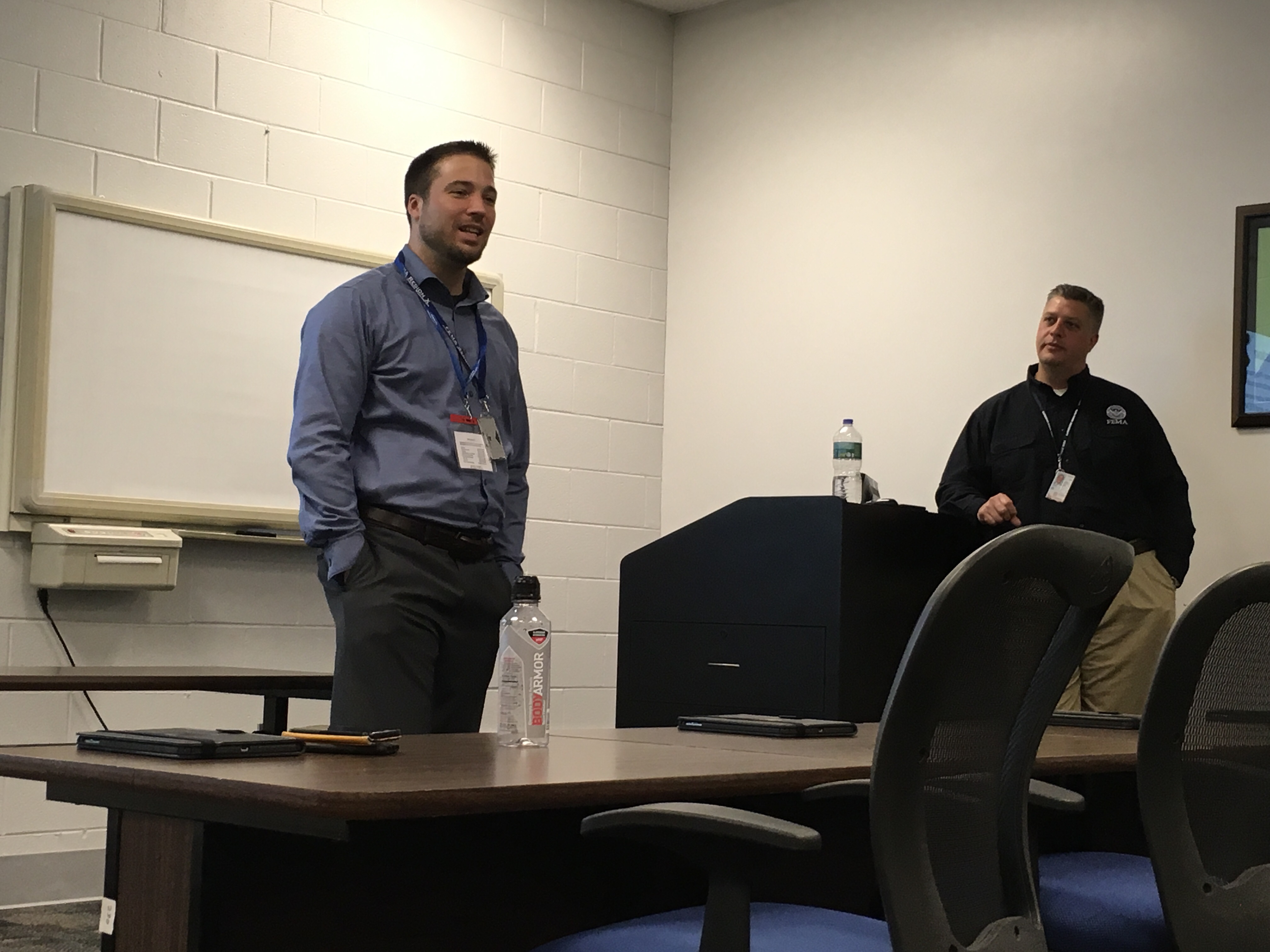
Also fortunate to have one of the FIT Leads with us from Idaho – hiya Justin!
Great to see that kind of partnerships on all levels including building confidence in the SLTT’s efforts. The most beneficial aspect of the program would be that the FIT can provide RRCCs and NRCC accurate SA/COP for real-time operational assessment and needs. So more than just an FEMA LNO, these FITs are able to integrate and provide immediate support.
But truth be told, the FITs are really integrated into their community as they live there. They work there. They are part of the response, recovery side of any event or incident that state may have. Great idea!
Me? I’m totes interested.
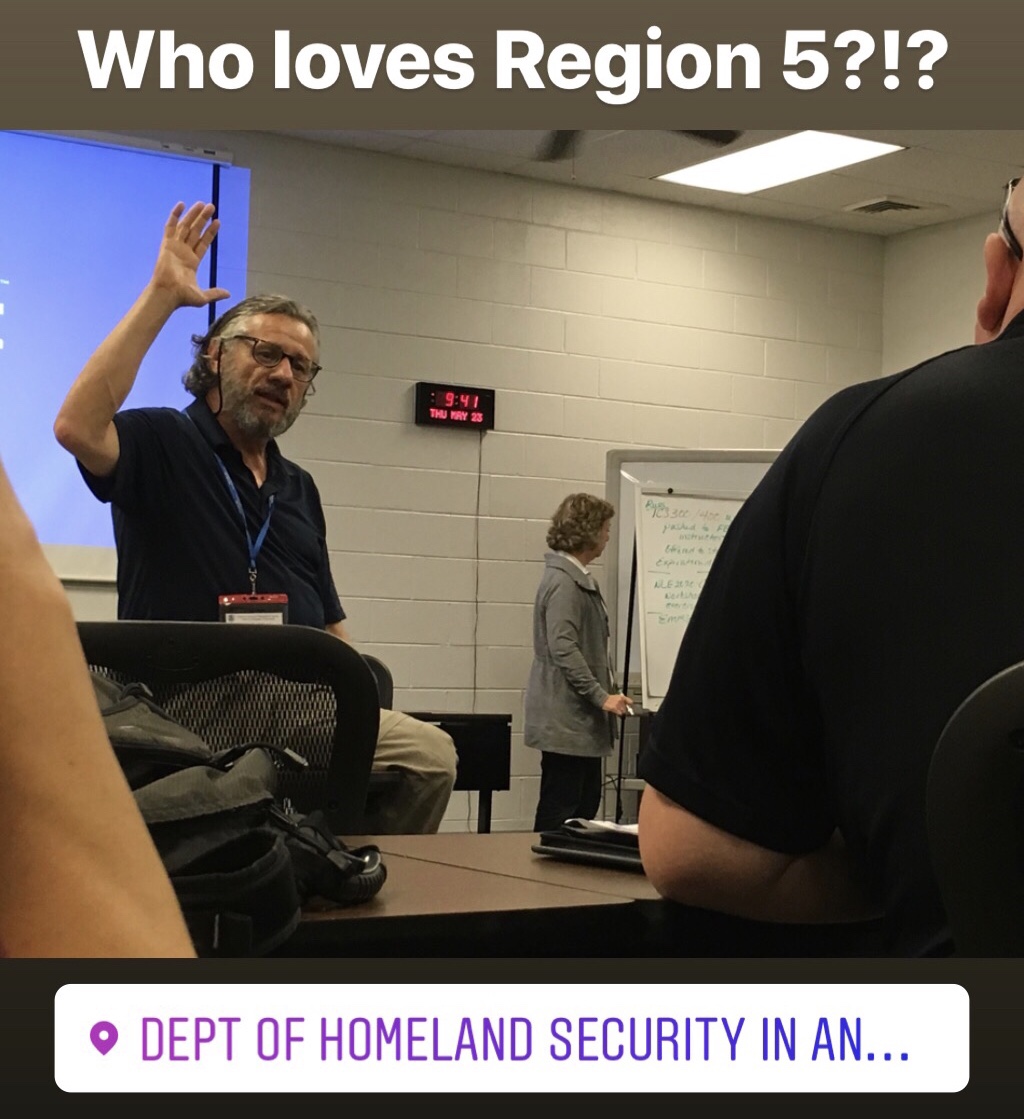
Riding on the wave of productivity, we popped back into our regional groups again and talked about our lessons learned from this symposium.
We discussed at length how we can help each other under blue/grey skies time…and really support each other during event/disasters.
Here’s a little behind the scenes of the group. Everyone participated including solid contributions from our tribal partners.
After all, isn’t that the mantra of Emergency Management? Building relationships before a disaster?!?!? See, even the pros practice what we preach!
In breaking for lunch, I know many of you remember taking IS-100, IS-200, IS-700, IS-800 and remember this slide.
I wanted to dispel the rumor, that is NOT me.
Saw a few of the FIWA folks in the hall and thanked them for their help during our MRTs as well as our pre-disaster deployment support prior to Irma. While there, I had them check my FEMA phone and tuned up. They reminded me that I still needed to do my yearly compliance training on “Security Awareness”
#whoops
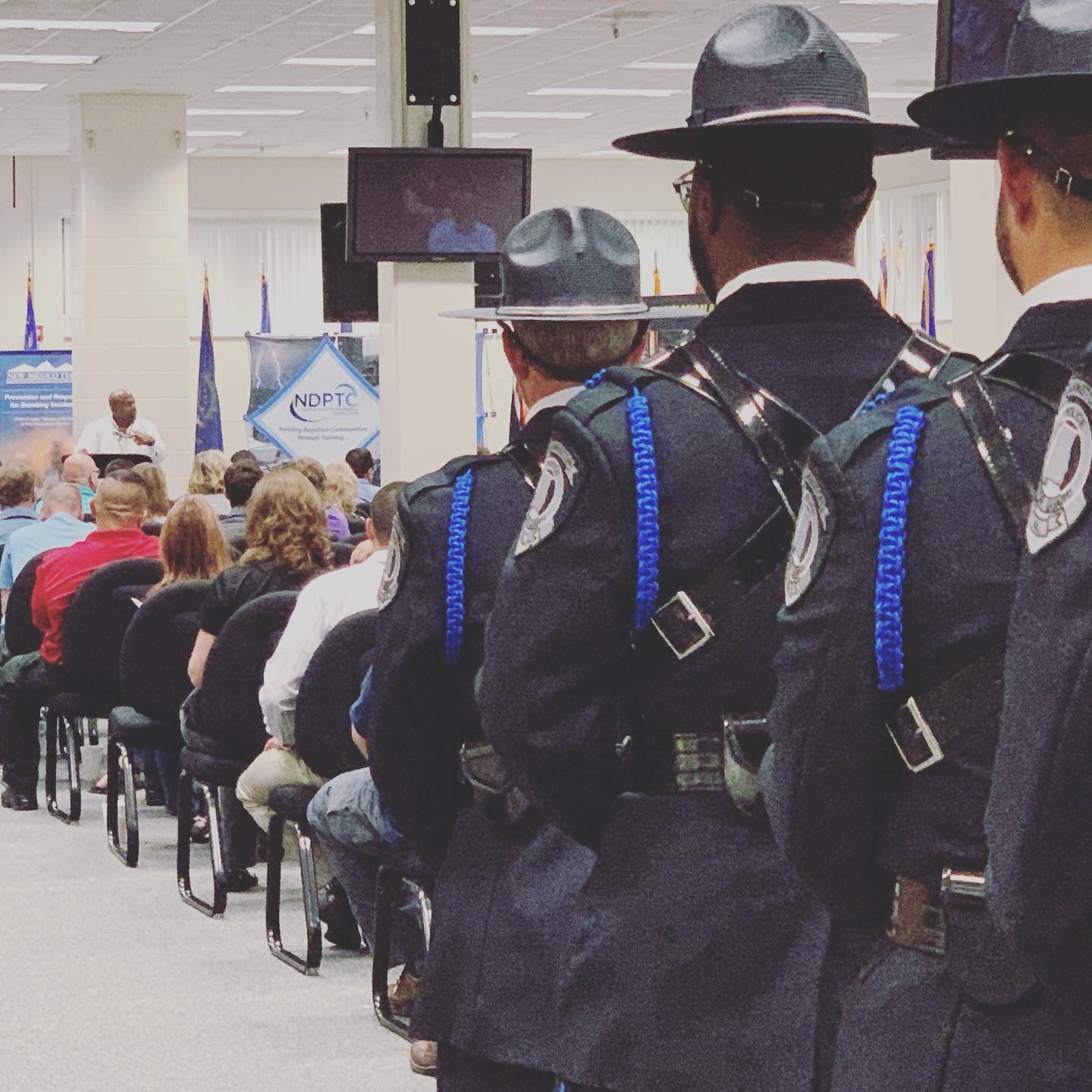
As the symposium closed out, we had the color guard from the Anniston Police stop by to retire the colors.
Everyone who attended work tirelessly in protecting our nation from emergencies and disasters. We all believe in helping out and supporting all our communities because a prepared nation is a more resilient nation.
On the door step of the Memorial Day weekend, we all pause to remember those who have given the ultimate sacrifice to protect everyone in this great nation.
Be safe out there folks!
Reporting live from the 2019 National Preparedness Symposium…
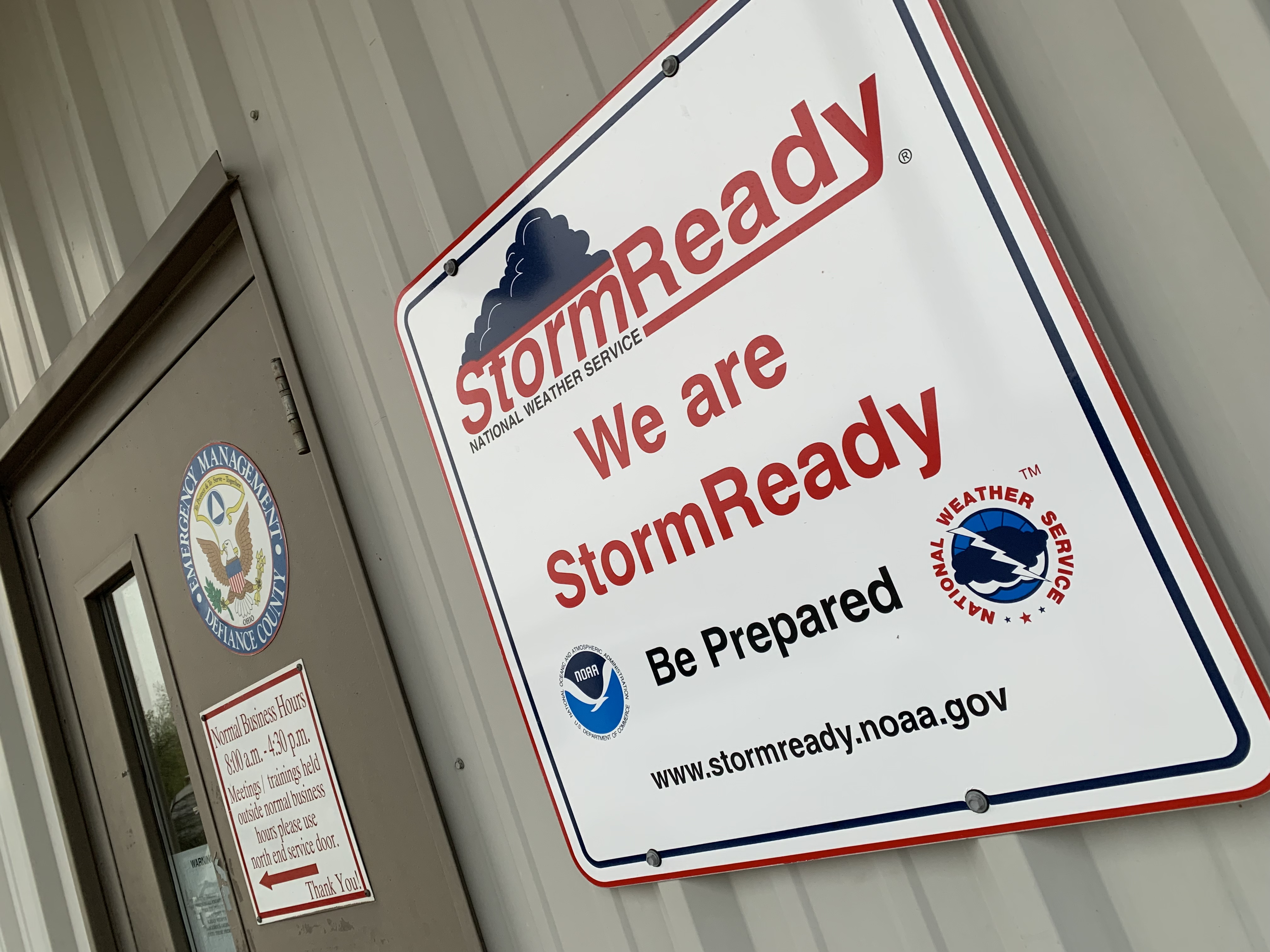
And now starting the FEMA JIC/JIS Course with our class here at the Defiance County EMA Emergency Operations Center.
And yes, if you’ve been in a JIC/JIS class w/ me before, you know I talk about Voltron. In the FEMA Basic PIO Course, we teach you to be an individual PIO and function with limited options…however, the JIC/JIS course allows you to join forces with other PIOs and work the magic despite being from different backgrounds and different factions for the emergency or disaster. That’s right-we can all get along in the JIC.
Starting out the day with a cold reality check on expectations and capabilities as we assess our options and ready our agencies for disasters. It would be a good idea to have a clear understanding of the situation and build from there.
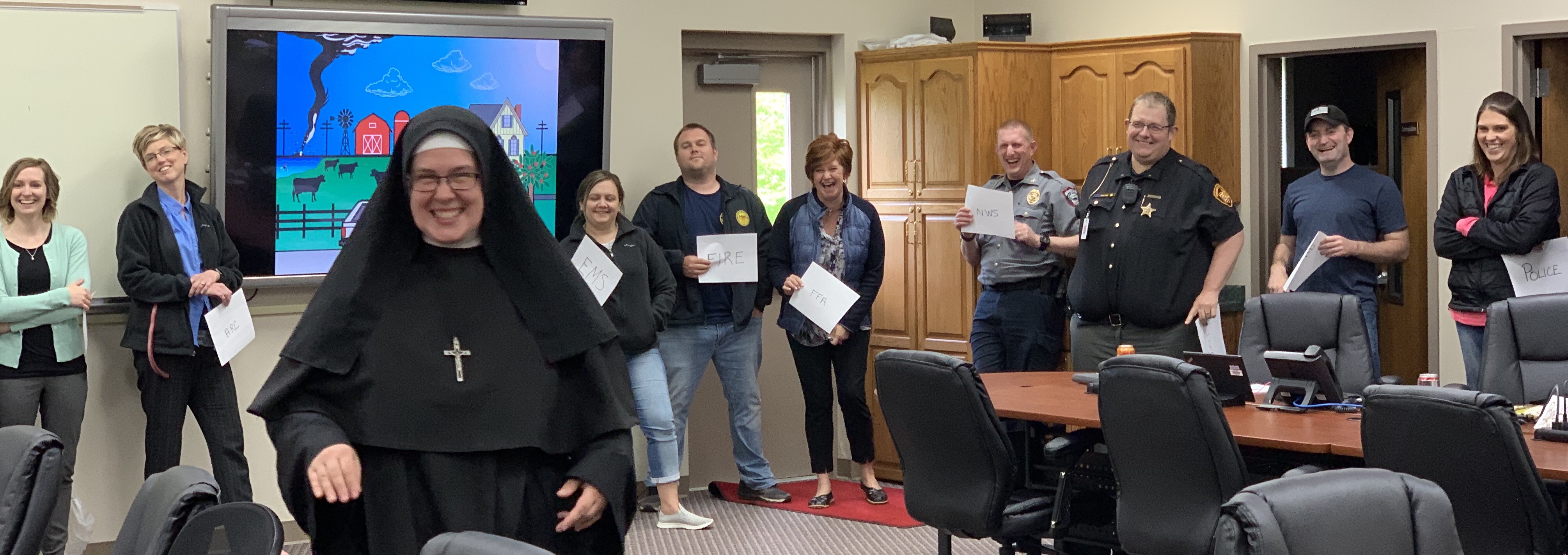
Additionally, we bring our all-hazards partners into the fold. Here’s Sister Michael Marie talking about the complexities of what appears as a simple emergency that could quite result in bringing soooooooooooooooooooooo many partners to respond to this typical emergency.
Drawing too simple for you?
You need more description?
NO SOUP FOR YOU!
The whole point of the exercise is to get your mind thinking about various options as well as partners to call early as likely, they have a dog in the fight to help any affected community recover from any disaster.
Look, it’s more than Fire, Police, and EMS – it’s the #WholeCommunity to build a culture of preparedness.
Proud of every single one of these participants as everyone walked away with a new understanding and respect for the PIO. While some have been on TV before w/ a few interviews, all of them realize the dangers of an unprepared interviewee.
Looking forward to working with all of you on the next big one. And just think…in the midst of a disaster, you just might see these two smiling faces.
Now, go forth and use your new PIO powers for good!





















 Where is @rusnivek?