Whoa there #Firefighter – that is one way to get a black-over-red paint scheme.

Be safe peeps.

Whoa whoa whoa – What about grill safety!?!??!?!?

C’mon peeps!
Now expecting a 9-1-1 call in 3…2…1…
@rusnivek
Well, at least he has his seatbelt on…
Don’t worry, he’s got his five minutes of fame now thanks to Rihanna.

Jeez
@rusnivek
Had a solid day teaching ICS-300 Intermediate ICS for Expanding Incidents to various public safety professionals at Washington County EMA.
Solid group hailing from several different functional groups.
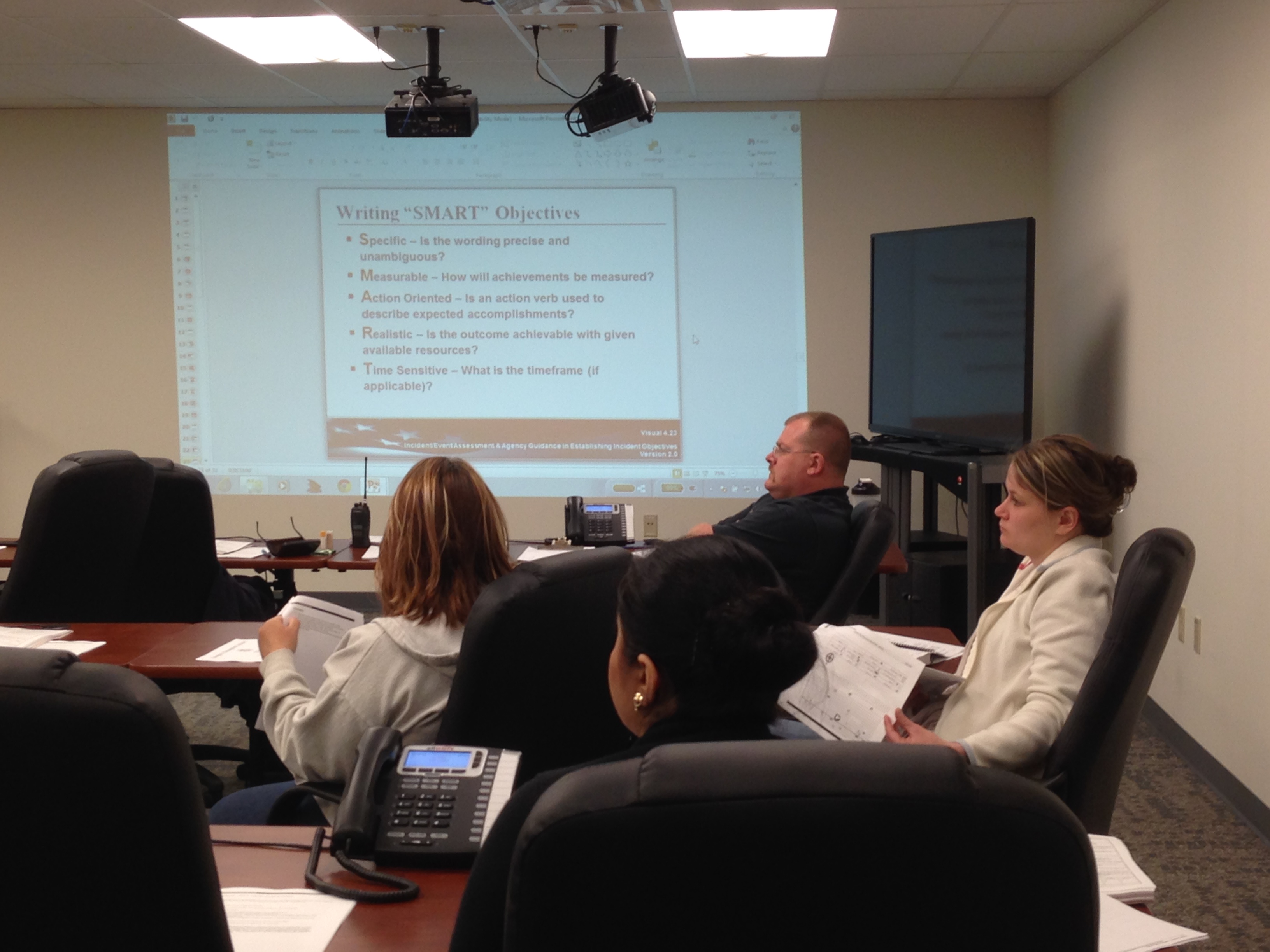
I really enjoy classes that have a good mix of participants. It makes the class WAY more interesting and allows more input into exercises during class.
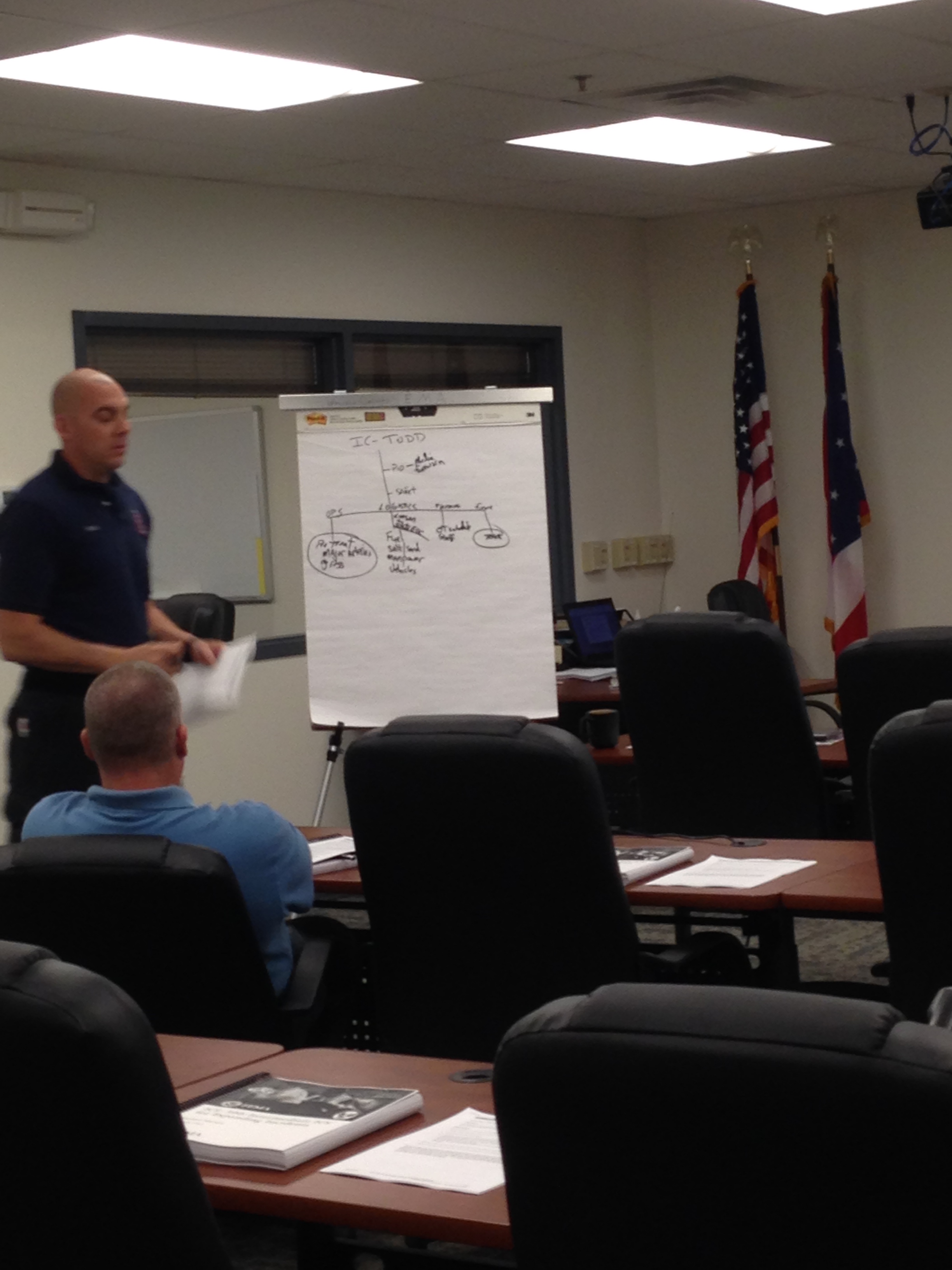
Remember: At 0300, I’m not pretty. At 0300, you are not pretty. Best time to get to know each other is under bright lights and calm setting…like now. Learn what is important to each agency so that you can better support their mission and goals during a disaster or emergency.
@rusnivek
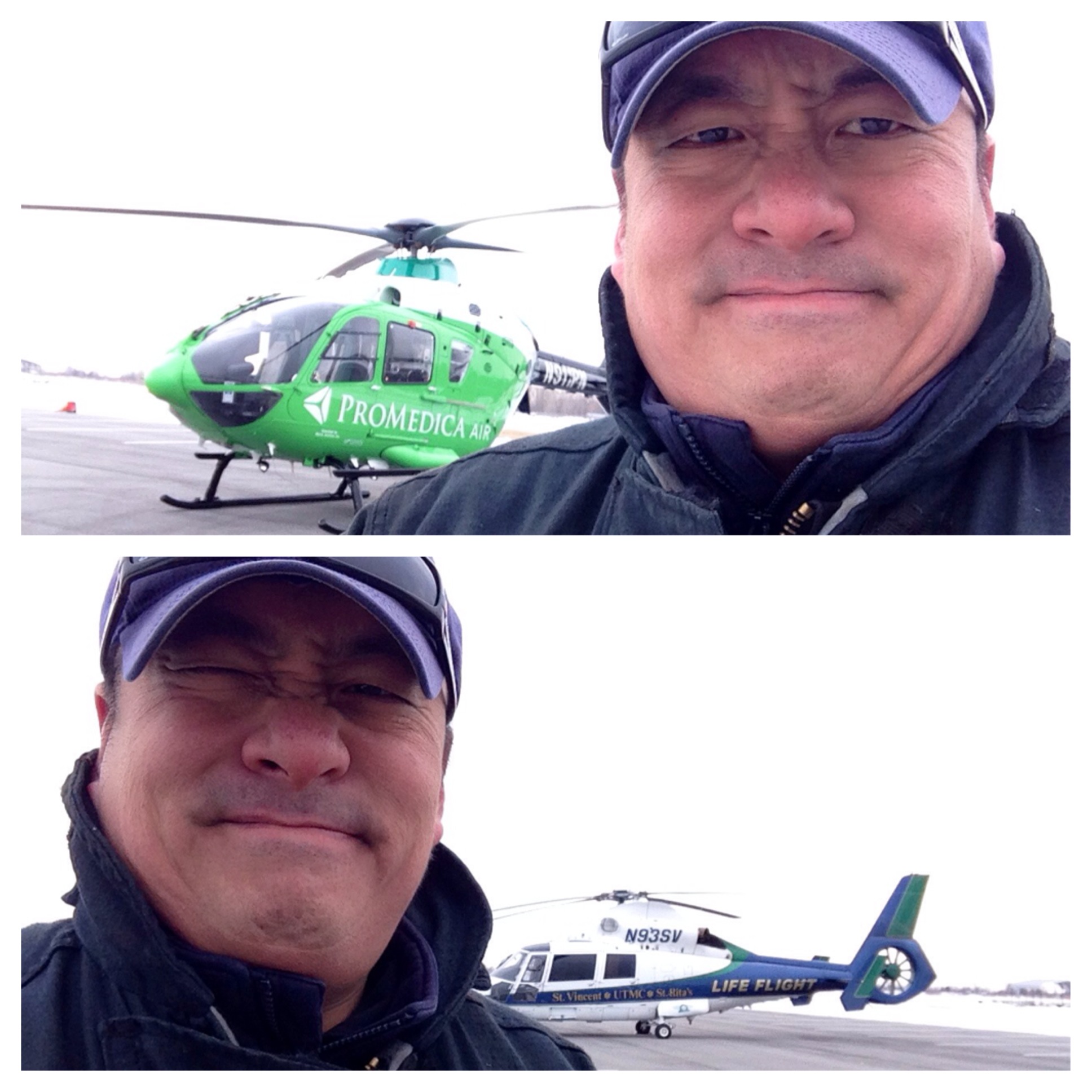
Flying a drone and causing trouble during an actual call?
See, I told you that it would happen. To verify, check my documentation from my AAR on 03-06-14 (AirOps Branch-Observation/Recommendation-3 on page 16).
@rusnivek
Tuesday, April 15, 2014
SPRINGFIELD, Ohio (AP) — A man is facing charges after deputies say he was flying a video camera-equipped drone that hindered the landing of a medical helicopter at an accident scene.
Kele Stanley, of Springfield, said he’s been unfairly charged and would have landed it immediately if he knew the medical helicopter was en route.
“I’m not an idiot,” he said.
The hobbyist was flying the $4,000 drone over a crash scene on Saturday morning to shoot photos and video.
Authorities said both fire officials and a Clark County sheriff’s deputy told Stanley to stop flying his remote-controlled aircraft because the helicopter was preparing to land, and that he refused. The helicopter was able to land and depart safely from the scene.
Stanley is facing a felony charge of obstructing official business and misdemeanor charges of misconduct at an emergency and disorderly conduct. He pleaded not guilty during a court appearance Monday and said he’s going to hire a lawyer to fight the charges.
Stanley, a 31-year-old copy-machine repairman and videographer, said he flew his remote-controlled “hexacopter” about 75 feet above where a pickup had hit a tree in Moorefield Township near Springfield. He said he was shooting the video as a hobby and would have turned it over to local television stations, as he has done before.
There currently are no regulations in Ohio governing private use of the unmanned aircraft, although law enforcement agencies must get special permits to use them. The Federal Aviation Administration bars the commercial use of drones.
To the untrained eye, they just look like toys.
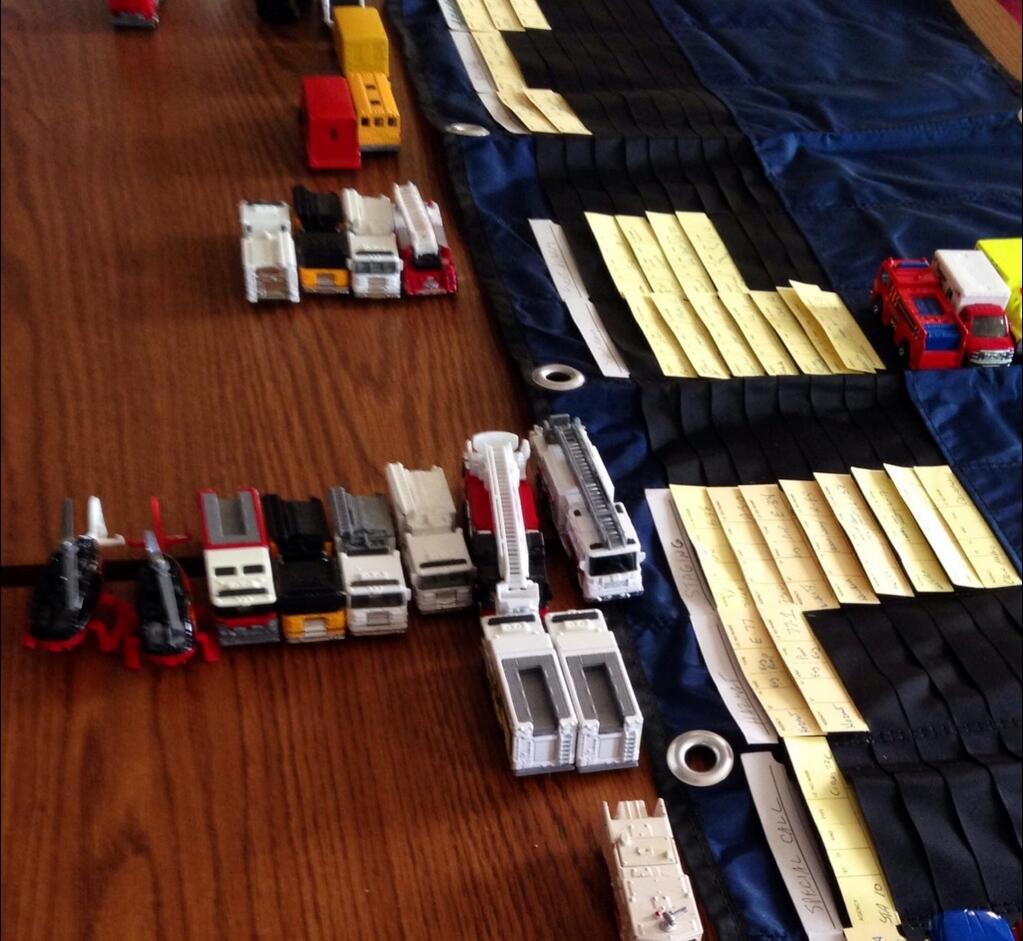
To Incident Commanders, this is an incredibly valuable tool that provides operational and tactical response accountability.
To bring this all-hazards accountability course to your location, just let me know.
Yep, I’m making classes about disasters fun again!
@rusnivek
The rig is sounding awfully loud tonight…

…those apparatus mechanics really can’t get anything right!

Typical – blame everyone else first.
So, it’s probably a good time to check your doors BEFORE responding to any calls.
EMS Flight crews do it. Maybe a 360 walk around is a good idea.
*FD names removed to protect the innocent*
@rusnivek
Back at it on the fireground for three days of teaching Firefighter bailout instructor class to North Charleston Fire (SC).

I’m glad to be working with these professionals for over 7 years now.

Also, it appears they got some new equipment as well….Boy oh boy did they spec this thing out well – I’m impressed!

Train like you fight was the mantra for all instructors who participated in classroom and then the hands on portion part in several training evolutions.

Looking forward to seeing them again very soon.

Also looks like we will be doing phase-2 and phase-3 training too.
Awesome.
@rusnivek
Teaching two classes on Social Media/Public Information Officer stuff today and tomorrow at the Florida Emergency Preparedness Association (FEPA) conference in beautiful Daytona Beach.
FEPA was created in 1957 to help professional Emergency Managers work to protect the people of Florida. I’m sure glad to see SO many different types of EM professionals from various backgrounds and different organizations.

Any of my FL peeps want to #Tweetup ?
@rusnivek
Take a few moments to learn about the now infamous Cold Storage Warehouse Fire in Worcester, Massachusetts.

Honor your fallen Firefighters who gave their life on December 3, 1999.
***In my opinion, this fire is a defining moment in fire service history***
All Firefighters should know about this fire by heart.
Well, even if you don’t read the entire NIOSH report, at LEAST read the summary below.
SUMMARY
On December 3, 1999, six career fire fighters died after they became lost in a six-floor, maze-like, cold-storage and warehouse building while searching for two homeless people and fire extension. It is presumed that the homeless people had accidentally started the fire on the second floor sometime between 1630 and 1745 hours and then left the building. An off-duty police officer who was driving by called Central Dispatch and reported that smoke was coming from the top of the building. When the first alarm was struck at 1815 hours, the fire had been in progress for about 30 to 90 minutes. Beginning with the first alarm, a total of five alarms were struck over a span of 1 hour and 13 minutes, with the fifth called in at 1928 hours. Responding were 16 apparatus, including 11 engines, 3 ladders, 1 rescue, and 1 aerial scope, and a total of 73 fire fighters. Two incident commanders (IC#1 and IC#2) in two separate cars also responded.
Fire fighters from the apparatus responding on the first alarm were ordered to search the building for homeless people and fire extension. During the search efforts, two fire fighters (Victims 1 and 2) became lost, and at 1847 hours, one of them sounded an emergency message. A head count ordered by Interior Command confirmed which fire fighters were missing.
Fire fighters who had responded on the first and third alarms were then ordered to conduct search-and-rescue operations for Victims 1 and 2 and the homeless people. During these efforts, four more fire fighters became lost. Two fire fighters (Victims 3 and 4) became disoriented and could not locate their way out of the building. At 1910 hours, one of the fire fighters radioed Command that they needed help finding their way out and that they were running out of air. Four minutes later he radioed again for help. Two other fire fighters (victims 5 and 6) did not make initial contact with command nor anyone at the scene, and were not seen entering the building. However, according to the Central Dispatch transcripts, they may have joined Victims 3 and 4 on the fifth floor. At 1924 hours, IC#2 called for a head count and determined that six fire fighters were now missing. At 1949 hours, the crew from Engine 8 radioed that they were on the fourth floor and that the structural integrity of the building had been compromised. At 1952 hours, a member from the Fire Investigations Unit reported to the Chief that heavy fire had just vented through the roof on the C side. At 2000 hours, Interior Command ordered all companies out of the building, and a series of short horn blasts were sounded to signal the evacuation. Fire fighting operations changed from an offensive attack, including search and rescue, to a defensive attack with the use of heavy-stream appliances. After the fire had been knocked down, search-and-recovery operations commenced until recall of the box alarm 8 days later on December 11, 1999, at 2227 hours, when all six fire fighters’ bodies had been recovered. NIOSH investigators concluded that, to minimize the risk of similar occurrences, fire departments should
ensure that inspections of vacant buildings and pre-fire planning are conducted which cover all potential hazards, structural building materials (type and age), and renovations that may be encountered during a fire, so that the Incident Commander will have the necessary structural information to make informed decisions and implement an appropriate plan of attack
ensure that the incident command system is fully implemented at the fire scene
ensure that a separate Incident Safety Officer, independent from the Incident Commander, is appointed when activities, size of fire, or need occurs, such as during multiple alarm fires, or responds automatically to pre-designated fires
ensure that standard operating procedures (SOPs) and equipment are adequate and sufficient to support the volume of radio traffic at multiple-alarm fires
ensure that Incident Command always maintains close accountability for all personnel at the fire scene
use guide ropes/tag lines securely attached to permanent objects at entry portals and place high-intensity floodlights at entry portals to assist lost or disoriented fire fighters in emergency escape
ensure that a Rapid Intervention Team is established and in position upon their arrival at the fire scene
implement an overall health and safety program such as the one recommended in NFPA 1500, Standard on Fire Department Occupational Safety and Health Program
consider using a marking system when conducting searches
identify dangerous vacant buildings by affixing warning placards to entrance doorways or other openings where fire fighters may enter
ensure that officers enforce and fire fighters follow the mandatory mask rule per administrative guidelines established by the department
explore the use of thermal imaging cameras to locate lost or downed fire fighters and civilians in fire environments

@rusnivek
 Where is @rusnivek?