My day at FEMA HQ #Prepared2014

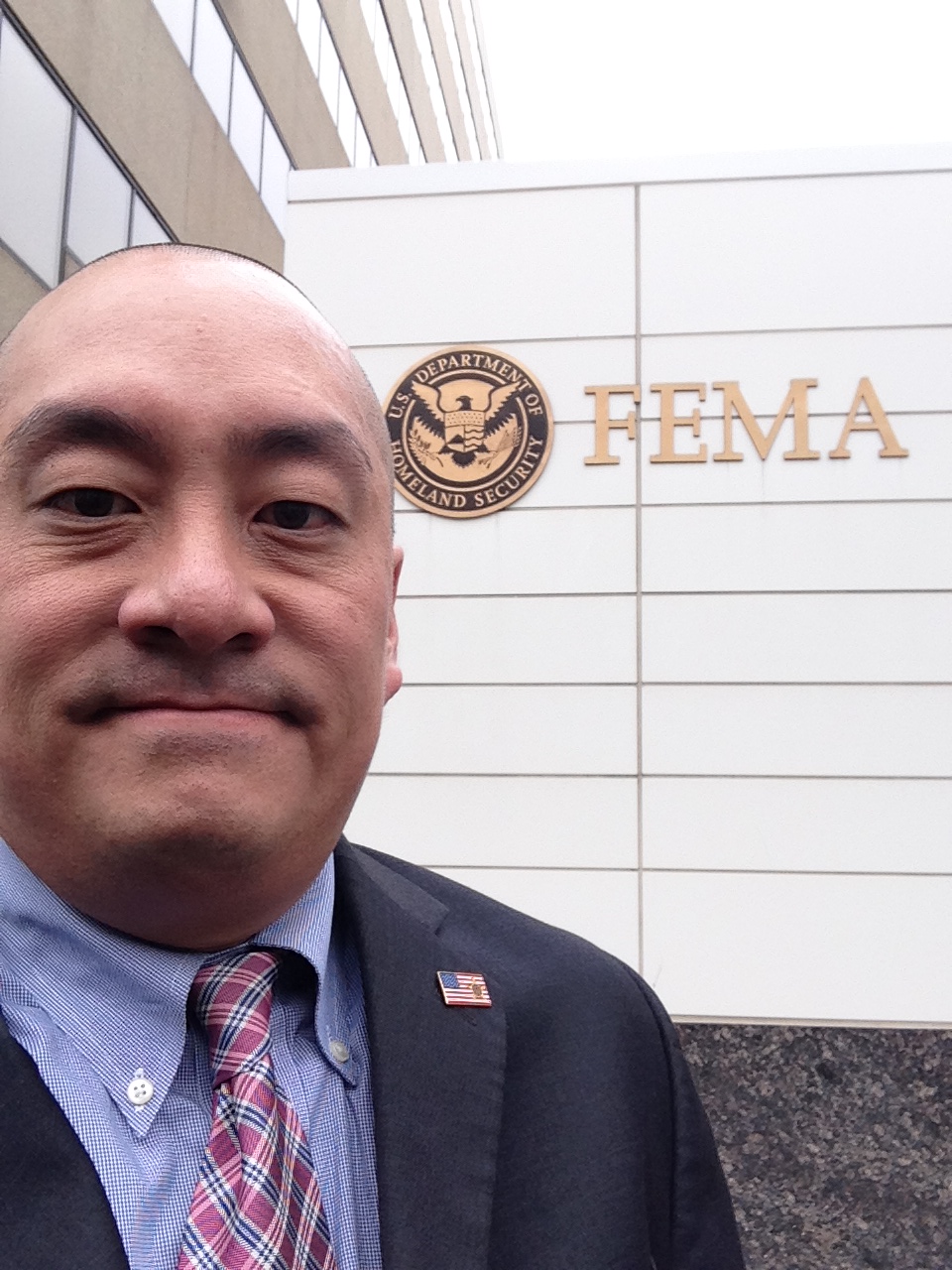
Had a chance to stop by FEMA HQ.
IMG_6324

Also FEMA’s new MCOVs were on display right next to Quizno’s. Neeto stuff.

40358

One of the highlights was a chance to sit and hang in the NRCC for a bit…just to see where the magic happens. Sa-weet.

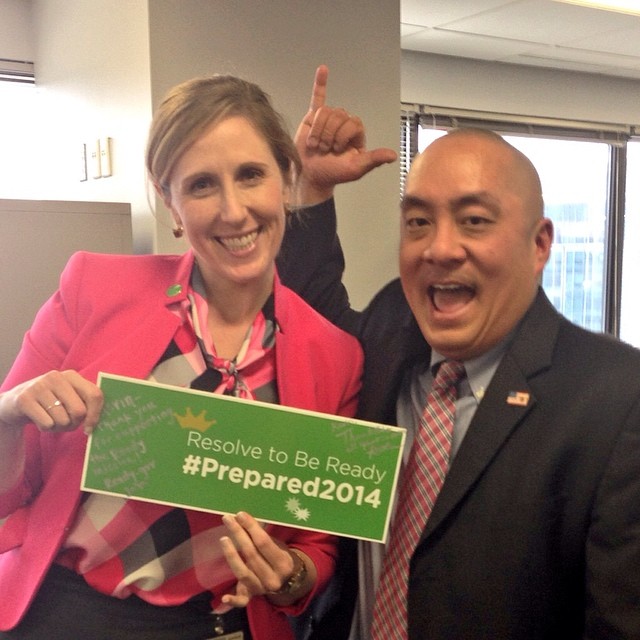
Then on to the serious stuff. Lots of discussion with FEMA’s External Affairs folks pertaining to preparedness and readiness. #Prepared2014 – great stuff planned as we move into mid 2014. Truth be told, I’m just glad to be a part of the action.
10012615_10100544482624277_989186021_n (1)

I also enjoy meeting with people who are passionate about their jobs and really believe in their careers. It’s not often you get to see that kind of true dedication.

Running to make my afternoon meetings, I got a chance to hang with several Emergency Managers from around the country who were in town attending the National Emergency Management Association (NEMA) Mid Year Planning Conference in VA.

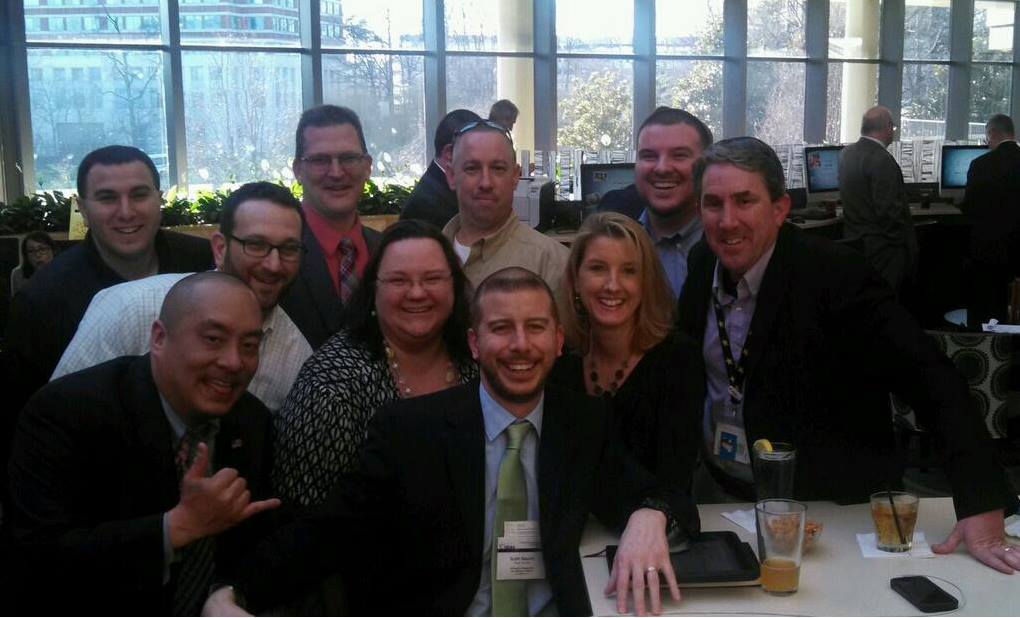
Not only are they true fellow emergency managers, more importantly, they are friends. Trouble was to be had since we tried to emulate Ellen DeGeneres’ Oscar night #Selfie for the other #SMEM folks. BTW-if you don’t know these peeps in this picture, trust me, you should. No seriously, trust me, you should.
1799921_10102376210102754_31744960_o (1)

Mahalos to Meischa Jackson for the assist.

I also got to sit down and talk again to Doc Lumpkins who is the Director of National Integration Center at FEMA HQ.

IMG_6347

Haven’t seen him since the 2011 UASI Conference in San Francisco. I can’t begin to tell you how funny he is. I got nothing but mad respect for this guy!

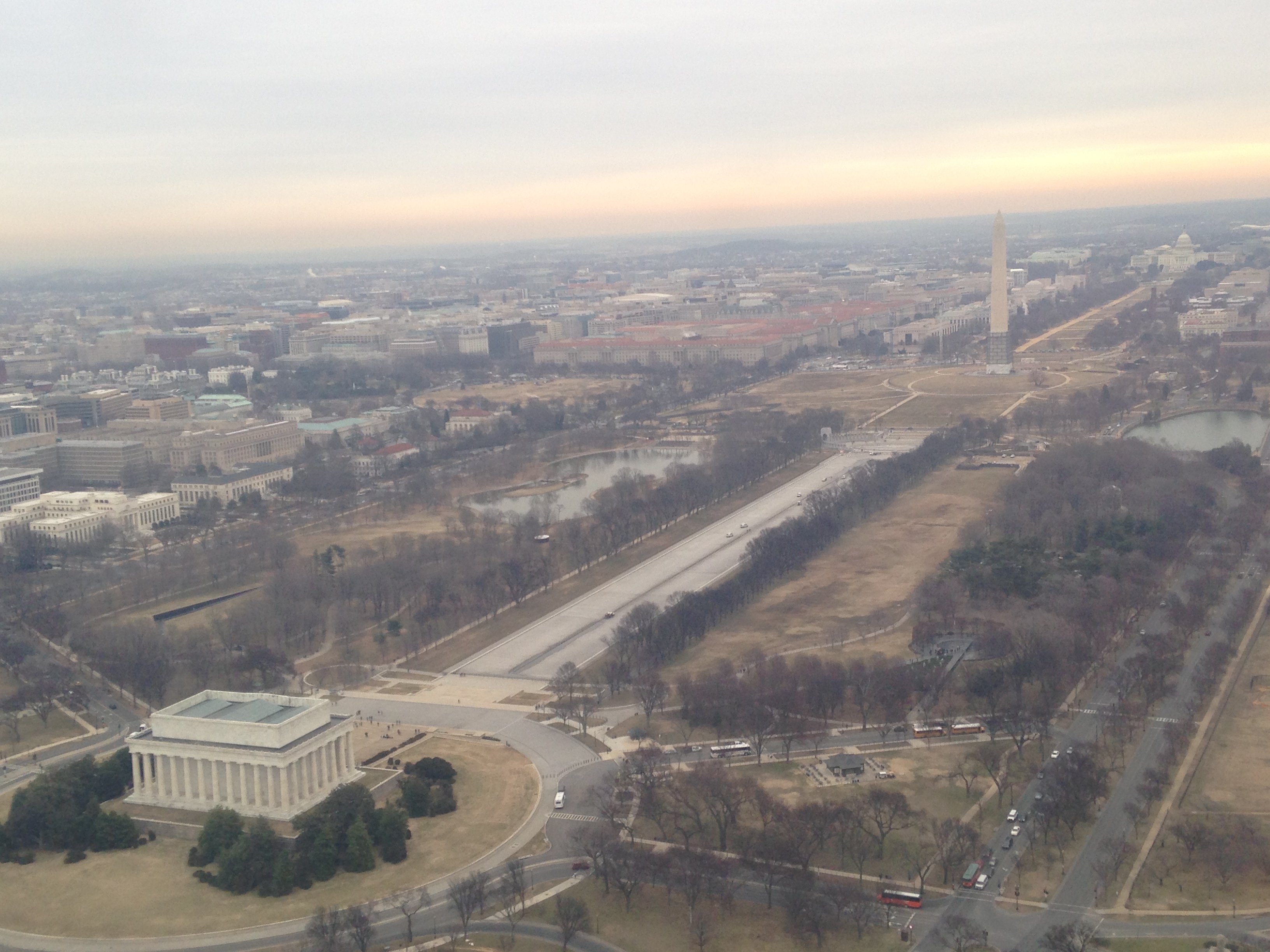
In review, I should really make more trips to DC to meet with my peeps.

*sigh*
IMG_6318

Now off to South Carolina!

@rusnivek


Did you do it? Are you safe? #SpringForward #preparedness2014

Did you do it? Are you safe? #SpringForward #preparedness2014

Smoke

If you haven’t, then get on it right now!

282400_10150260697157756_20249_n


Why should you have a working smoke detector?

A properly installed and maintained smoke alarm is the only thing in your home that can alert you and your family to a fire 24 hours a day, seven days a week. Whether you’re awake or asleep, a working smoke alarm is constantly on alert, scanning the air for fire and smoke.

According to the National Fire Protection Association, almost two-thirds of home fire deaths resulted from fires in properties without working smoke alarms. A working smoke alarm significantly increases your chances of surviving a deadly home fire.

Keeping my favorite peeps (that’s you) safe this Spring…

@rusnivek

Statewide tornado siren test today at 0950. Find out what to do here #OHWX

It’s 2014 National Severe Weather Awareness Week from March 2nd through March 8th.

Today, the state of Ohio will be testing all emergency alert sirens at 9:50 a.m.

***Do not be alarmed, it is only a test.***

this-is-only-a-test

It would also be a good time to practice your emergency procedures if a tornado siren/warning goes off.

IMG_5948

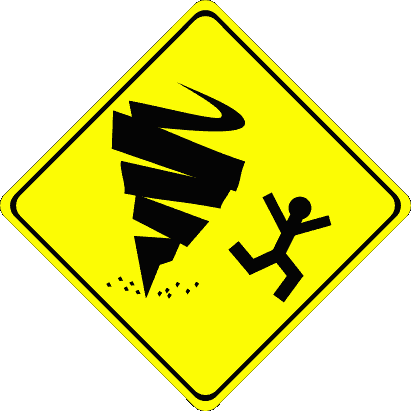
Do you know the differences between a Tornado Watch vs a Tornado Warning?

Tornado Watch: Issued by the NWS when conditions are favorable for the development of tornadoes. Be prepared to move to a safe place if weather conditions worsen. Stay tuned to weather updates.

Tornado Warning: Issued by the NWS when a tornado is imminent or occurring. A warning may be issued when a tornado is indicated by Doppler radar or sighted by trained spotters. Seek safe shelter immediately.

tornado_warning

  • If a tornado has been spotted, seek shelter immediately. If a tornado warning is issued for your area, do not stop to take pictures or shoot video. Continue to listen to a NOAA Weather Radio or local media newscasts for up-to-date weather and emergency information.
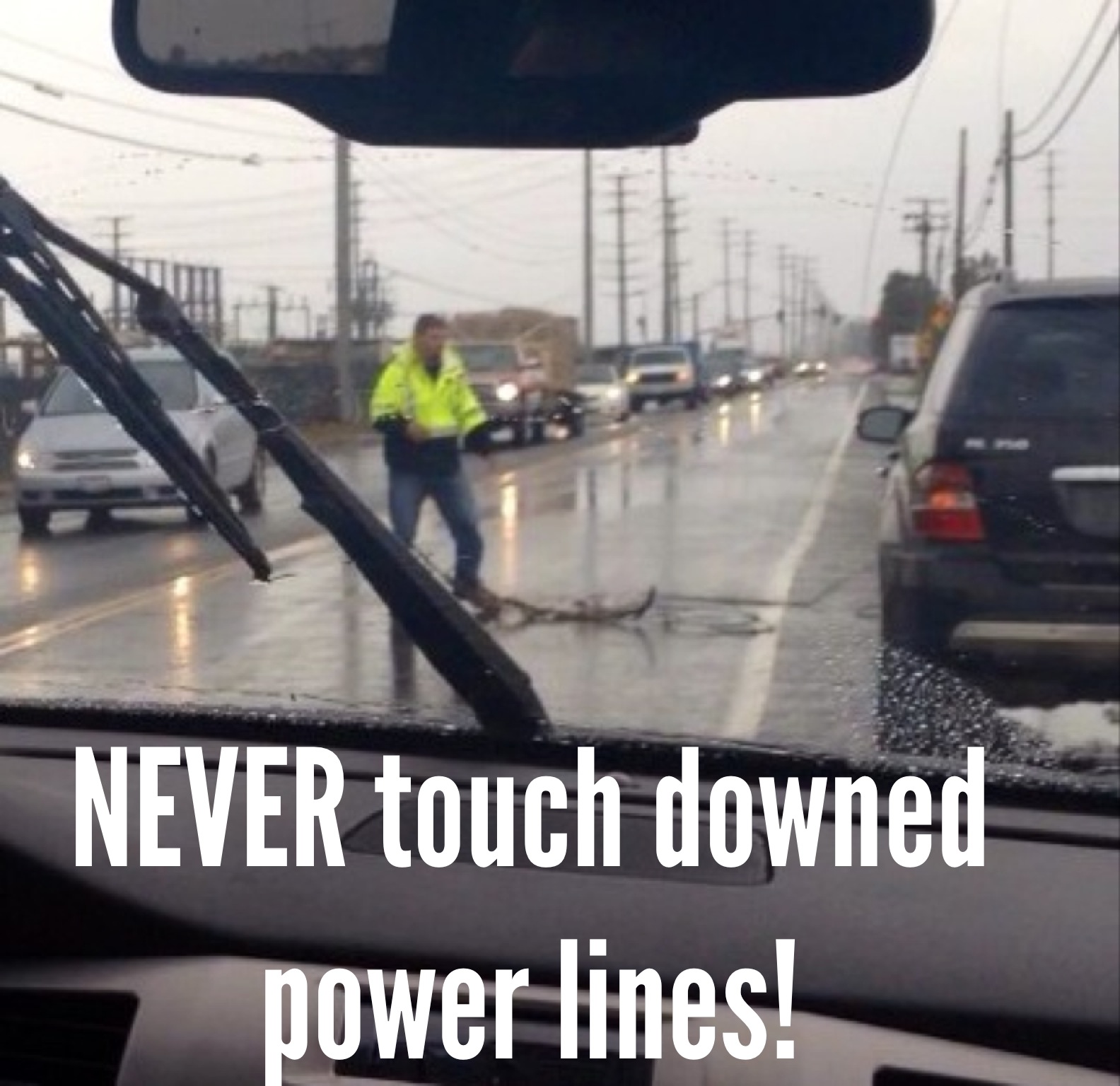
  • NEVER touch downed power lines or objects in contact with downed power lines and report electrical hazards to the utility company.
  • Check for injuries. Do not attempt to move seriously injured people unless they are in immediate danger of further injury.
  • Be careful of debris such as damaged structures, exposed nails and broken glass.

photo 1

Stay safe out there peeps!

@rusnivek

Do not break the law while driving in severe weather #OHWX

It’s 2014 National Severe Weather Awareness Week from March 2nd through March 8th.

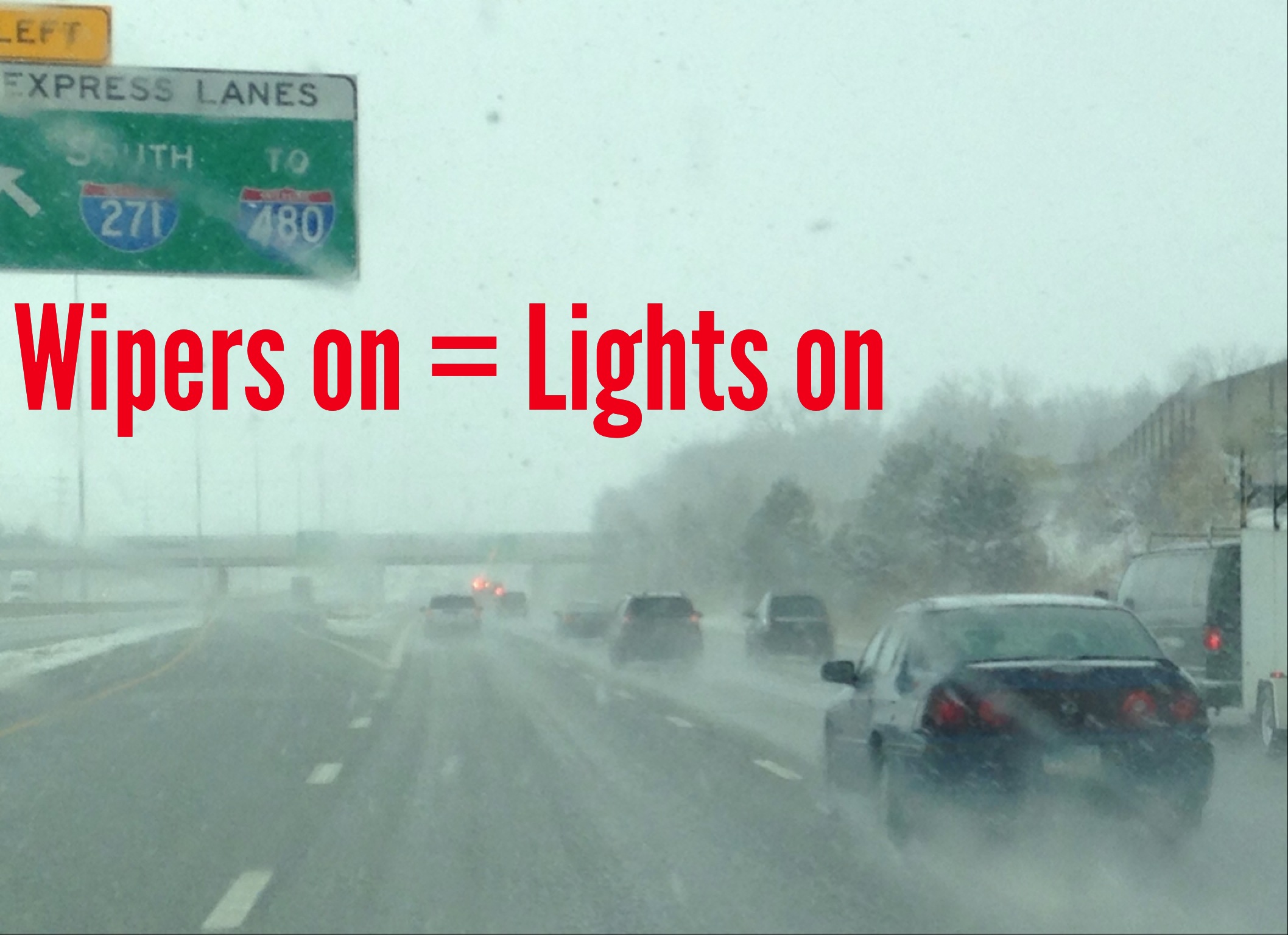
Driving during severe weather? It doesn’t matter whether day or night – Do you have your headlights on?

wipersonlightson

Ohio Revised Code 4513.03   Time for lighted lights on motor vehicles.

(A) Every vehicle, other than a motorized bicycle, operated upon a street or highway within this state shall display lighted lights and illuminating devices as required by sections  4513.04 to 4513.37 of the Revised Code during all of the following times:

(1) The time from sunset to sunrise;

(2) At any other time when, due to insufficient natural light or unfavorable atmospheric conditions, persons, vehicles, and substantial objects on the highway are not discernible at a distance of one thousand feet ahead;

(3) At any time when the windshield wipers of the vehicle are in use because of precipitation on the windshield.

photo 2

Remember, during severe weather, drive slowly peeps!

@rusnivek

Snow in the streets? Be careful or else this could happen to your kids #OHWX

It’s 2014 National Severe Weather Awareness Week from March 2nd through March 8th.

Do you have snow shovels and snow removal equipment in your emergency preparedness kit?

Do you have adequate clothing and blankets to keep warm?

How are the batteries in your NOAA Weather Radio so you can get immediate updates from the National Weather Service (NWS)?

During severe weather, minimize your travel. If travel is necessary, always keep a disaster supplies kit in your vehicle.

Bring pets/companion animals inside during winter weather. Move other animals or livestock to sheltered areas with non-frozen drinking water.

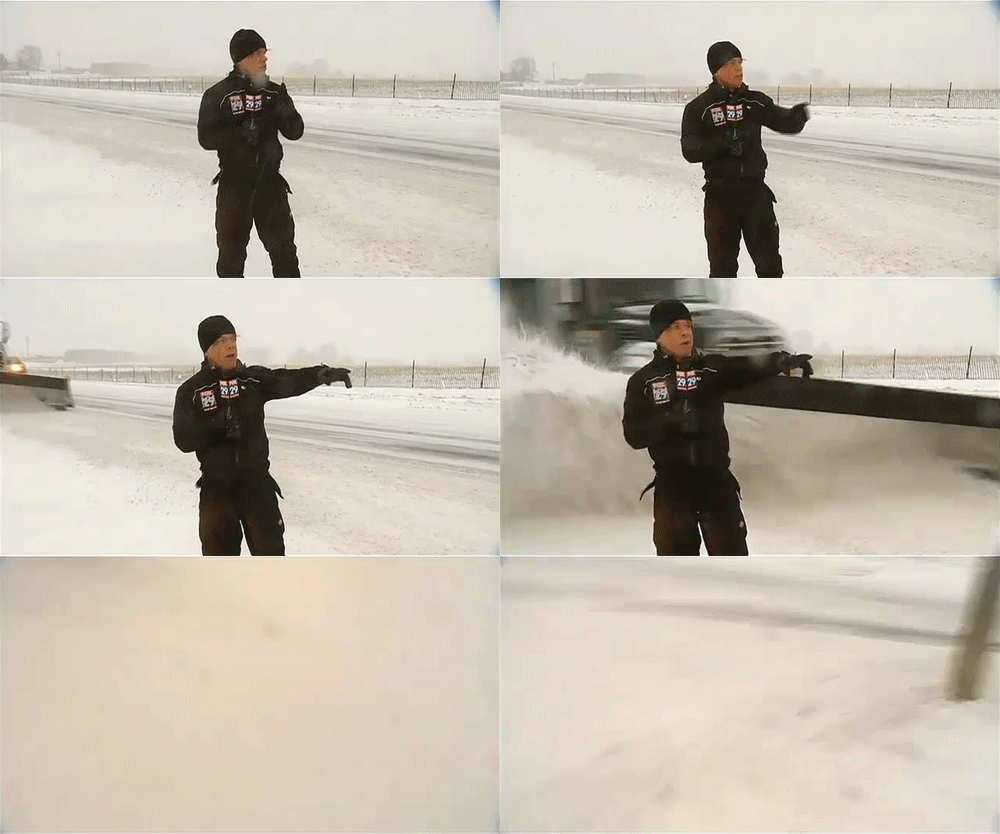
Snow day? Do not let kids play for long periods of time. Most everyone should stay away from the roads during severe weather. A great demonstration of why you should stay indoors by Fox29’s Steve Keeley.

841902328

Thanks Steve….In other news…

photo 1

@rusnivek

Safety Tip: Downed power lines – 2014 National Severe Weather Awareness Week #OHWx

It’s 2014 National Severe Weather Awareness Week from March 2nd through March 8th.

Here’s some simple safety tips that you can share with your peeps to stay safe during the constantly changing weather.

Remember, NEVER touch downed power lines.

photo

Keep away from loose or dangling power lines and report them immediately to the power company.

Walk carefully around the outside your home and check for loose power lines, gas leaks and structural damage before entering.

photo 2

@rusnivek

Future training plans with Florida’s top emergency management leaders

Talking future training plans with Florida’s top emergency management leaders today.

FEPALeadership

(From left to right) FDEM Region-5 Coordinator Shawn Collins, FDEM Regional Coordination Manager Jim Roberts, FDEM Director Bryan Koon, FEMA/NDPTC Instructor John Bobel, FEPA Past President Anne Miller, and FEMA/NDPTC Instructor Kevin Sur.

FDEM=Florida Department of Emergency Management

FEPA=Florida Emergency Preparedness Association

@rusnivek

Time to check your NOAA weather radio

Bad weather? Cold Weather? Want to know the weather?

Good time to check the latest #OHWX via your NOAA Weather Radio now

1525468_410241235745387_1550359728_n

And if you happen to be in the Cleveland area = 162.550mHz     SAME#039035


The National Weather Service (NWS) provides local weather broadcasts via NOAA Weather Radio from more than 700 transmitters nationwide. NOAA Weather Radios provide continuous broadcasts of the latest weather information from local NWS offices. Weather messages are repeated every 4 to 7 minutes, or more frequently in rapidly changing local weather, or if a nearby hazardous environmental condition exists. This service operates 24 hours a day.

@rusnivek

SitRep for West Virginia Chemical Spill (EM-3366) – 01-14-14- at 1030

SitRep for West Virginia Chemical Spill (EM-3366) – 01-14-14- at 1030.

The chemical spill (up to 7,500 gallons) into the Elk River in Charleston, Kanawha County, West Virginia continues to dissipate. “Do not use water” order remains in effect for approximately 65,000. Chemical identified as 4-methycyclohexane methanol (MCHM).

  • West Virginia state Emergency Operations Center still in full activation.
  • 01-13-14 afternoon – bans lifted for 26,000 customers.
  • 01-14-14 morning – bans lifted for additional 9,000 customers.
  • All local area hospitals are operating within existing patient care capacity: 234 patients treated at this time with 14 admits. No confirmed fatalities.
  • Elk River flows into Ohio River tributary. Cincinnati Water Works monitoring.
  • Ongoing Logistics Section coordinating delivery of water to state agency with 96% delivery totals. FEMA FCO monitoring.

images

http://www.amwater.com/about-us/news.html

FEMA continues to support the state and local partners in assisting in the mitigation efforts to these nine communities.

@rusnivek

SitRep for West Virginia Chemical Spill (EM-3366) – 01-13-14 at 0900

SitRep for West Virginia Chemical Spill (EM-3366) – 01-13-14- at 0900.

The chemical spill into the Elk River in Charleston, Kanawha County, West Virginia continues to dissipate.

CDC has established threshold levels. At this time, indicators are within acceptable levels at water plant. Now seeking consistent safe reading levels at various points within the 1,700 mile pipeline system. Chemical identified as 4-methycyclohexane methanol.

  • West Virginia state Emergency Operations Center still in full activation.
  • All West Virginia State ESFs released but remain on standby.
  • All local area hospitals are operating within existing patient care capacity.
  • No confirmed fatalities and 169 patients treated at this time.
  • Logistics Section filled and delivered 100% of meals requested by West Virginia.
  • Ongoing Logistics Section coordinating delivery of water to state agency with 94% delivery totals. Daily assessments of needs still ongoing.

imagesNJJIP30P

Counties affected: Boone County, Cabell County, Clay County, Jackson County, Kanawha County, Lincoln County, Logan County, Putnam County, and Roane County.

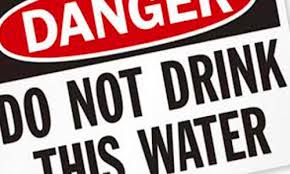
People in the affected areas in West Virginia = DO NOT DRINK OR USE THE WATER.  *Only use for toilet flushing

FEMA continues to support the state and local partners in assisting in the mitigation efforts to these nine communities.

@rusnivek