Annual interface training today

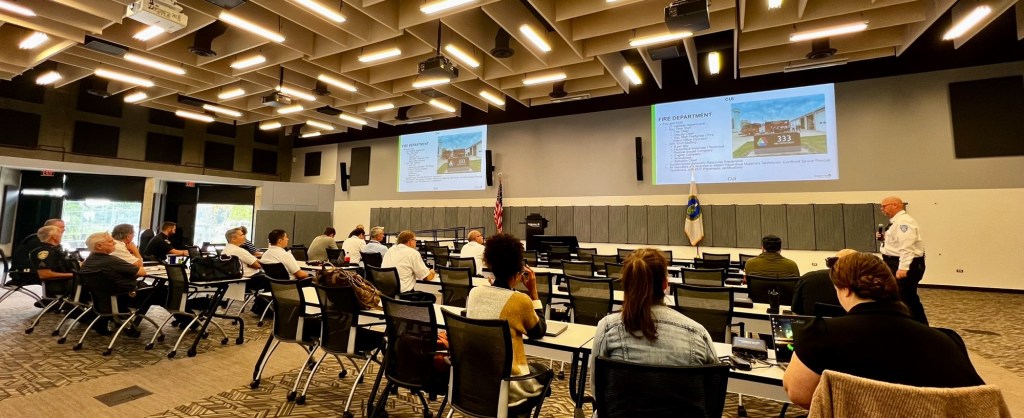
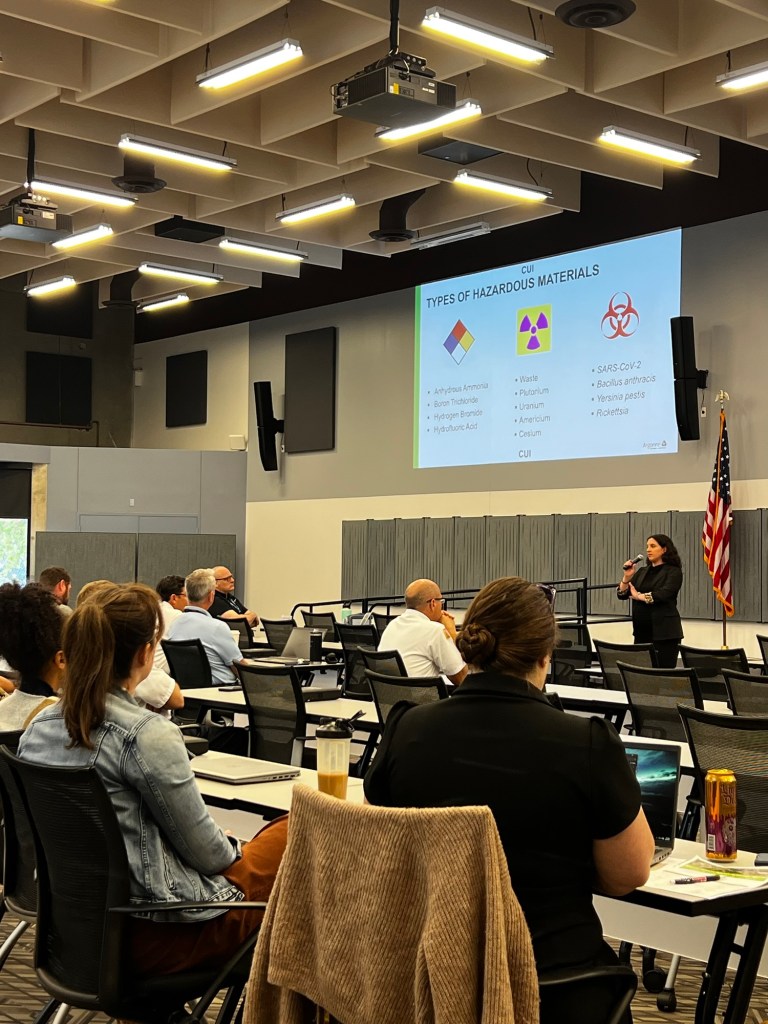
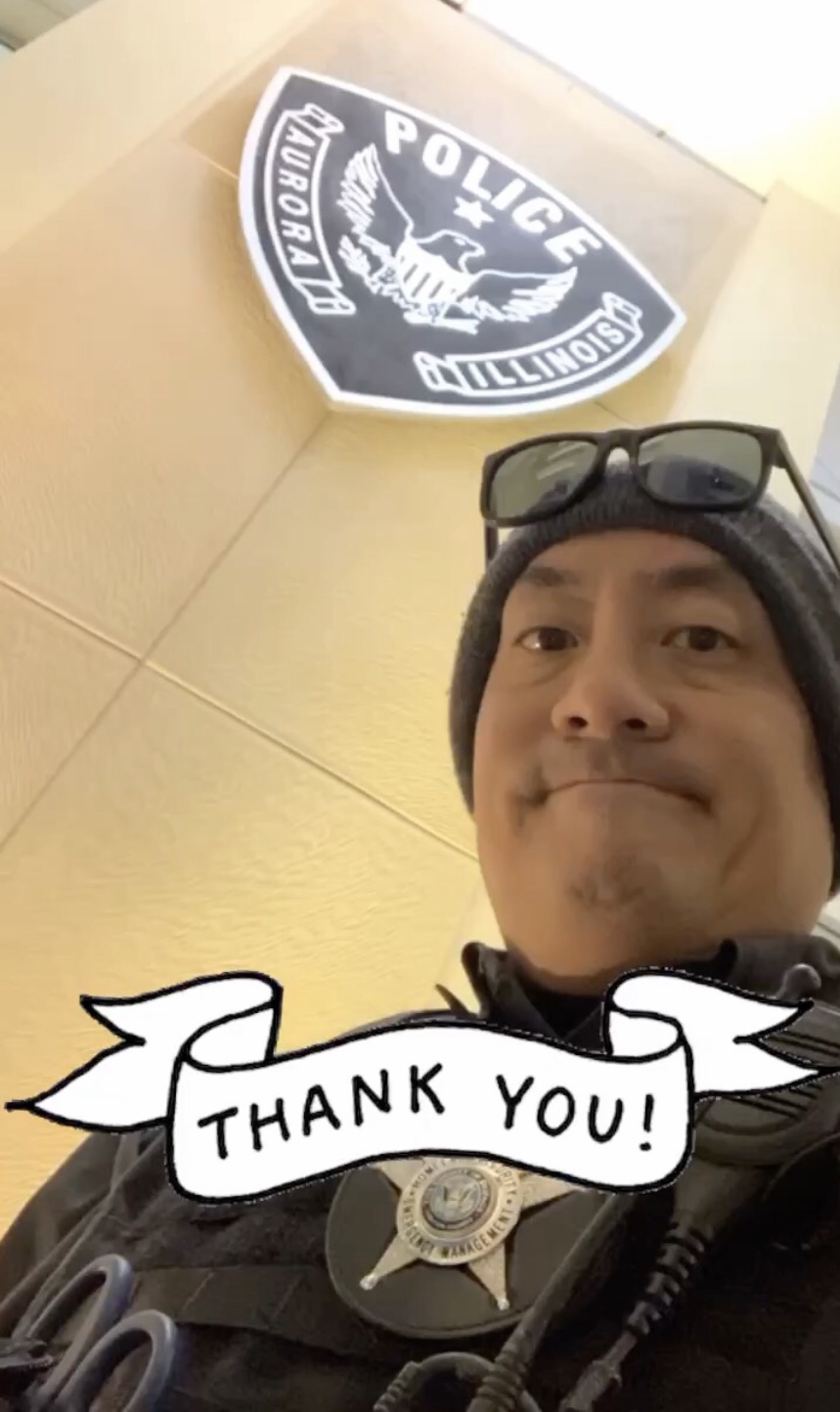
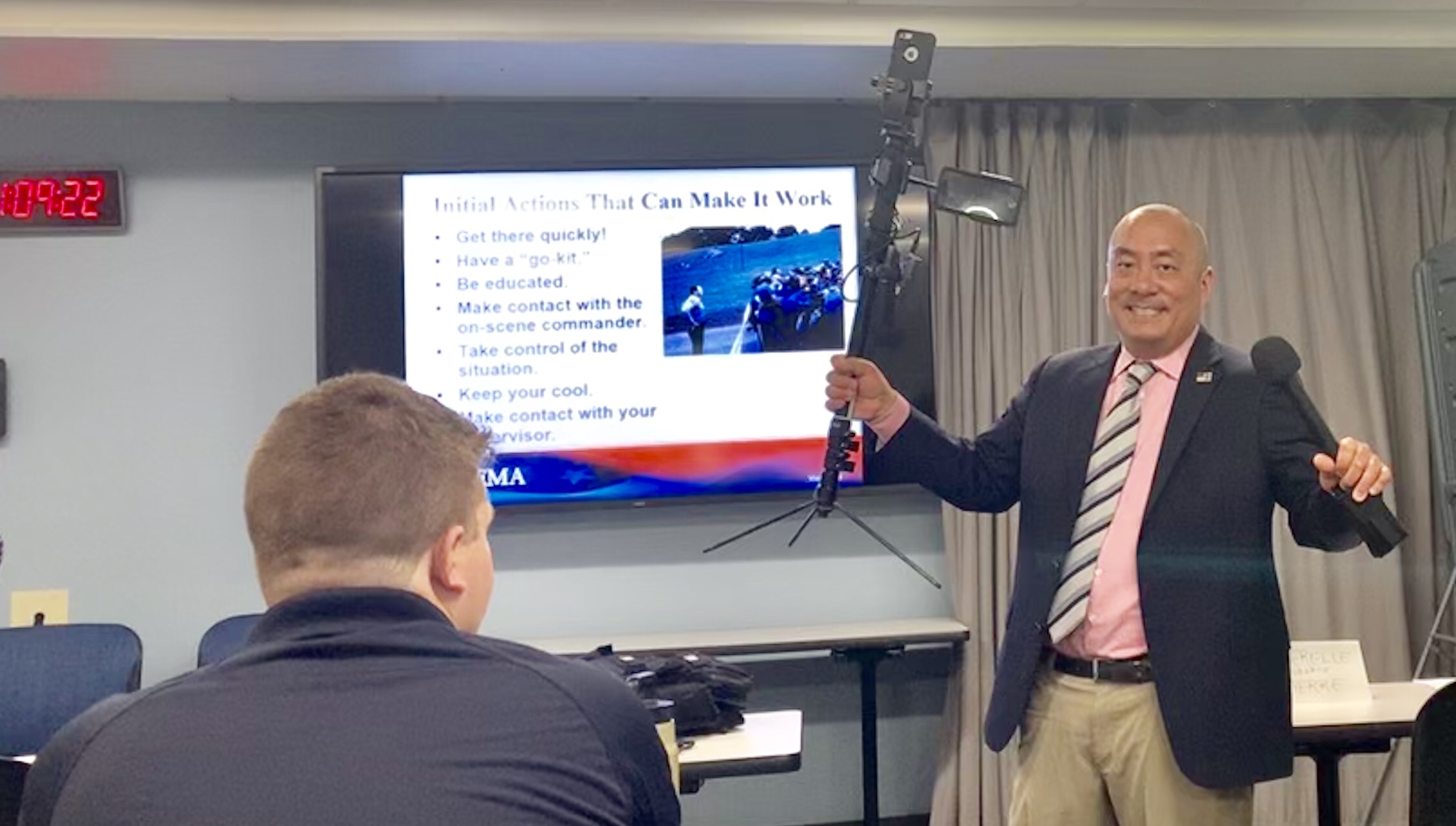
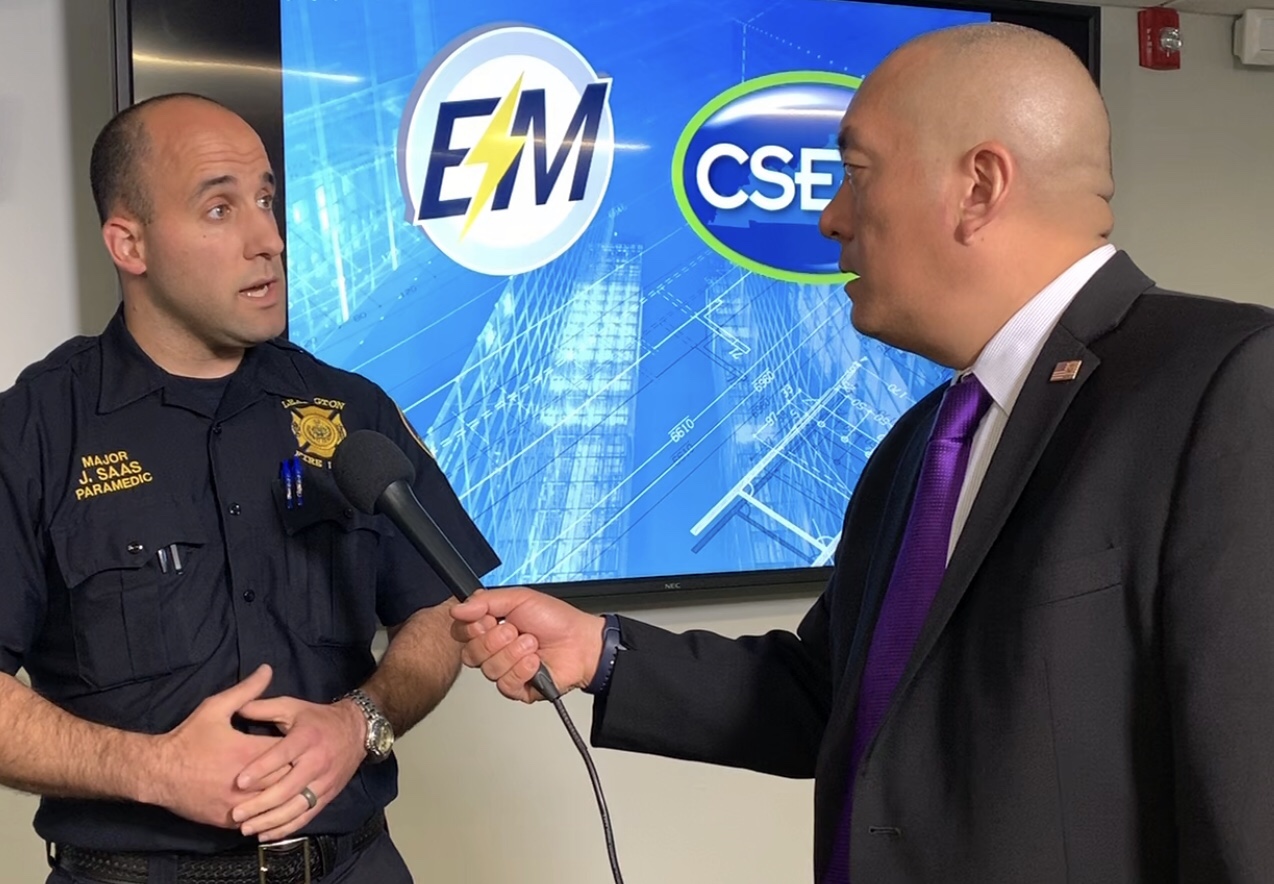
To better acclimate our public safety partners to our operations, we hosted our annual off-site agency interface training today.

Fire, EMS, Emergency Management, Law Enforcement, and key players from state and Federal were also on hand to make sure we are a well oiled machine when it comes to inbound resources.

Glad to see so many familiar faces on site today.

Just another way Emergency Management leads the way to collaborate with our most trusted partners in response and recovery.

Reporting live from today’s sesh…

@rusnivek

Bridges are out…now whut? #NatlPrep

As we near the end of the first week, we should also consider our planning and look at evacuation routes. As far as things go, most major routes should be open esp in emergency to allow for those who need to egress to GTFO of there right?!?

While in perfect situations, this would be the case. But lately, we’ve had some challenging situations across the nation that leads me to believe we may not have the option to evacuate safety out of the city.

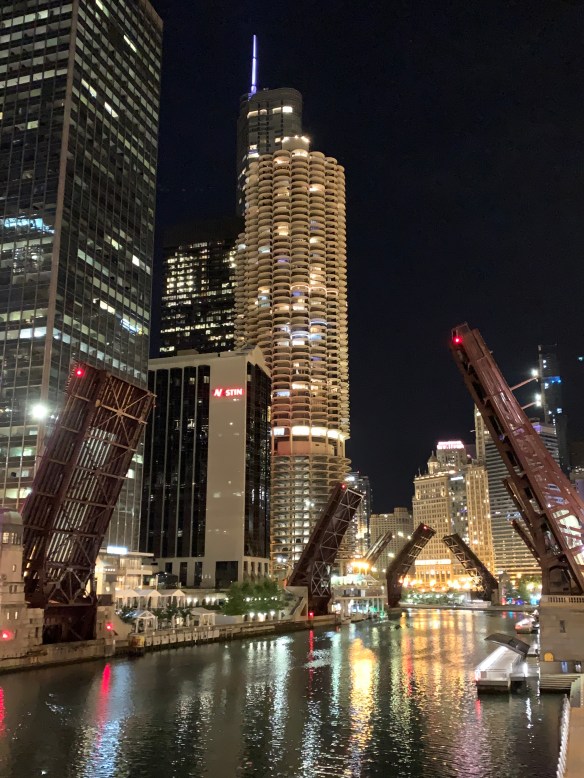
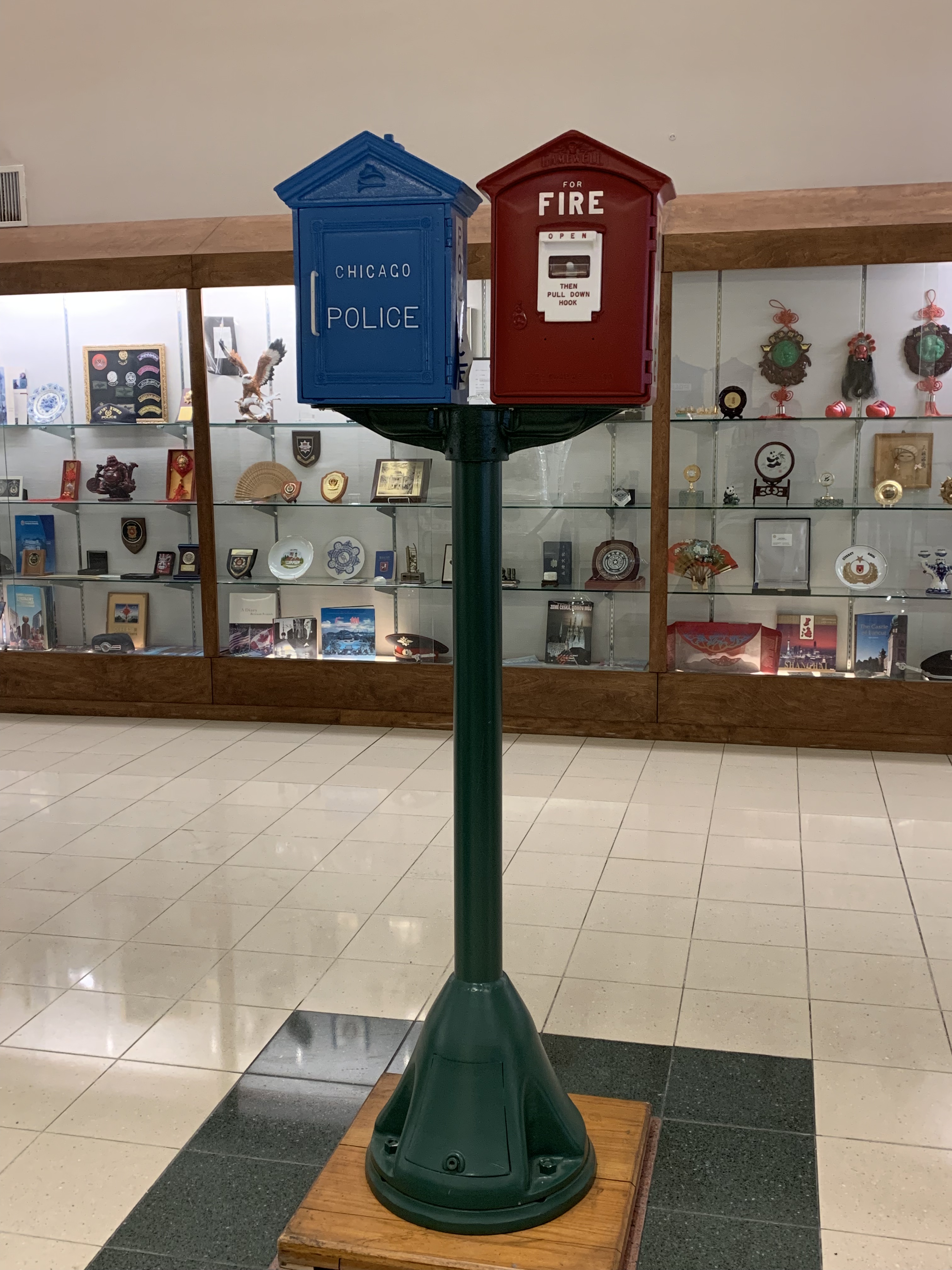
While most days, all the bridges are down in Chicago.

Chicago Hotel Packages Add Spice to the Weekend

However the City of Chicago has had some bad luck and was forced to pop the bridges to curtail silly behavior at night.

With almost all the bridges up, that makes travel through the loop a bit more complex and challenging esp when things happen last minute and late at night.

To help deal with these challenging situations, subscribing to the mass notification systems would provide additional information on which roads are closed but amidst the ruckus, perhaps planning alternate routes out of your location would be best.

Easier said than done but necessary when faced with pressures of the safety of yourself and your family.

While it doesn’t have to be a straight shot out, you can exercise various options on how to exit your location and safely rondevous with loved ones in other places.

Remember, plan at least two alternate routes of egress from your location and try your hardest to reduce the amount of complexity after a disaster/emergency.

As always, remain vigilant and make sure you and your family are safe by planning now.

Reporting live on AlohaFriday…

@rusnivek

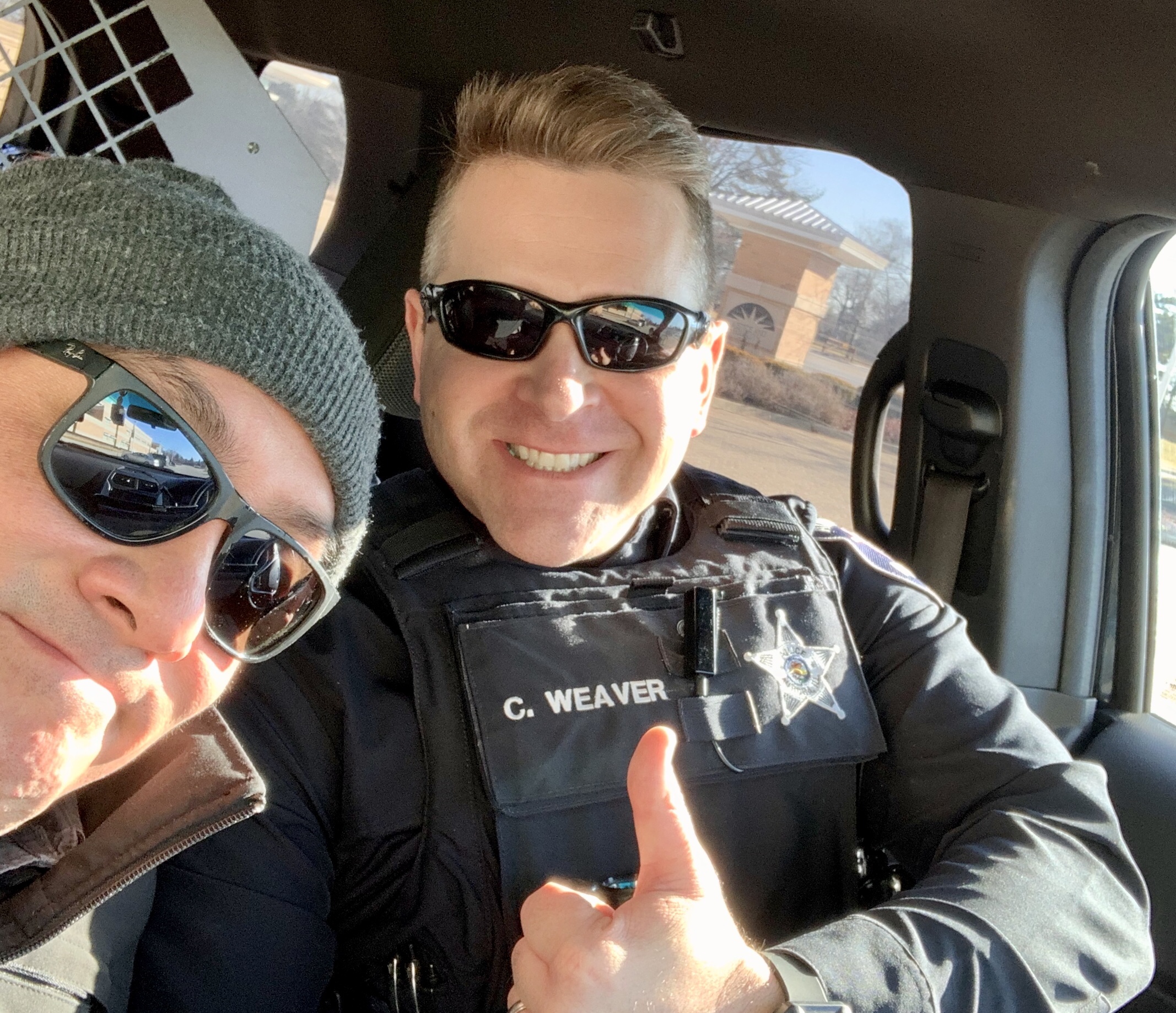
Assigned to Aurora Police for the day

This past week, I got a chance to spend some time with Aurora (Illinois) Police.

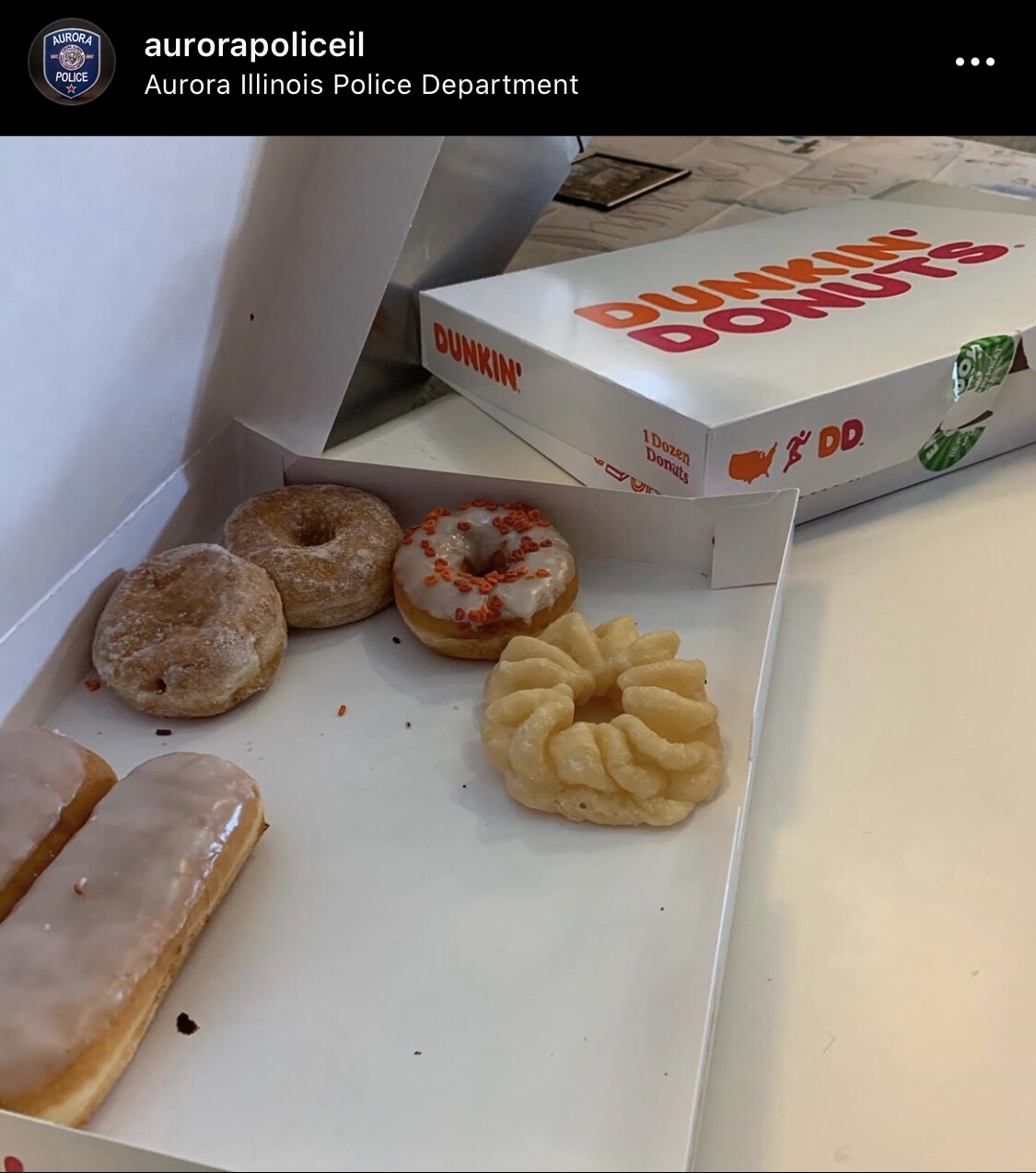
Like a good guy, you never want to show up empty handed. So yeah, I brought donuts for everyone.

Like lotsa power rings!

Lots of love to all our partners in public safety.

Rolling out with PO Weaver and instantly, we head out!

For those that were wondering if we did some karaoke?

Hmmmm, well you know we talked about TikTok.

But yeah, we did discuss lots on protocol and training.

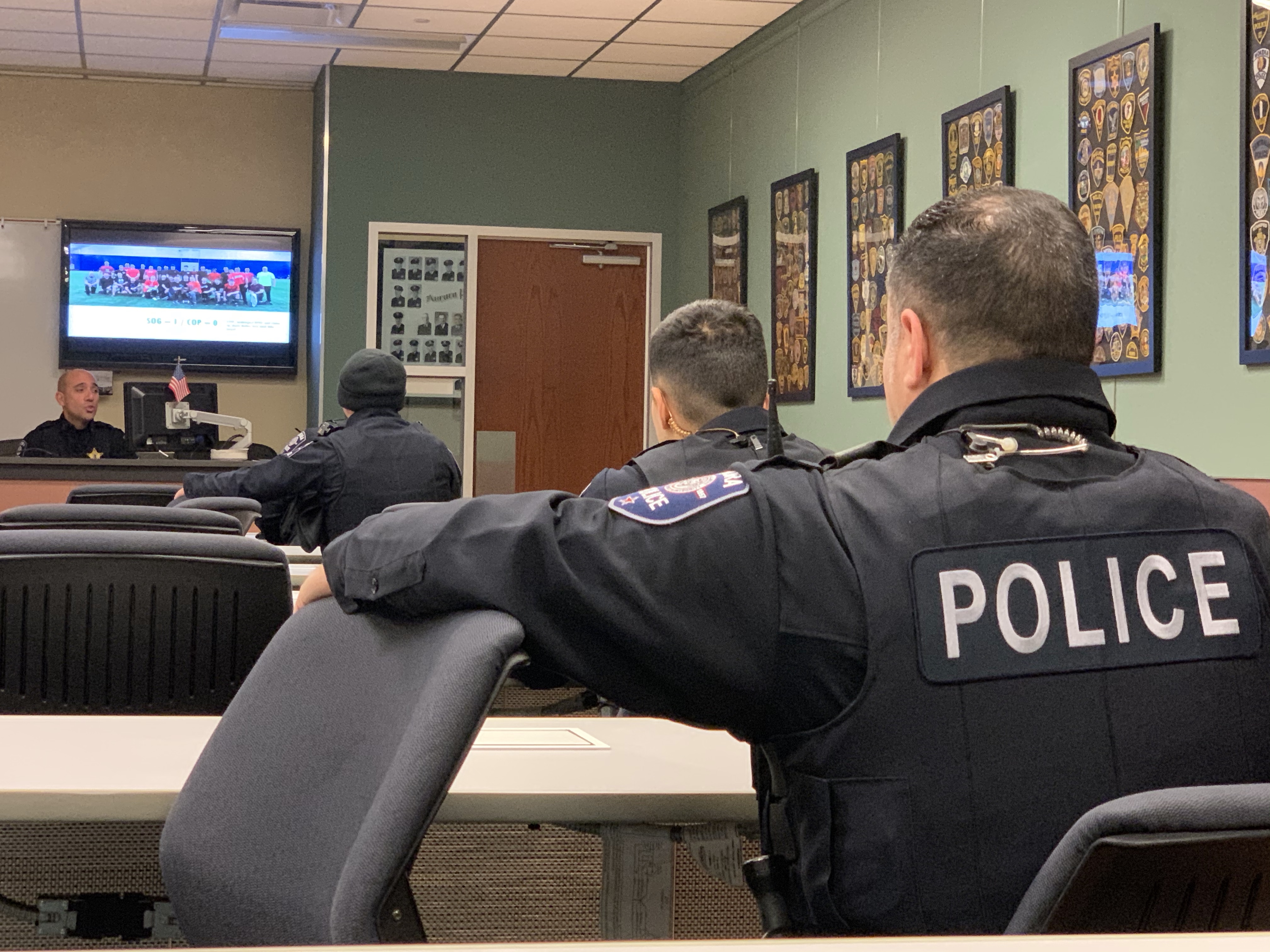
Then roll call with Sgt Gallardo and the second shift crew.

Love the collaboration and shared deets – definitely embodies the situational awareness/common operating picture.

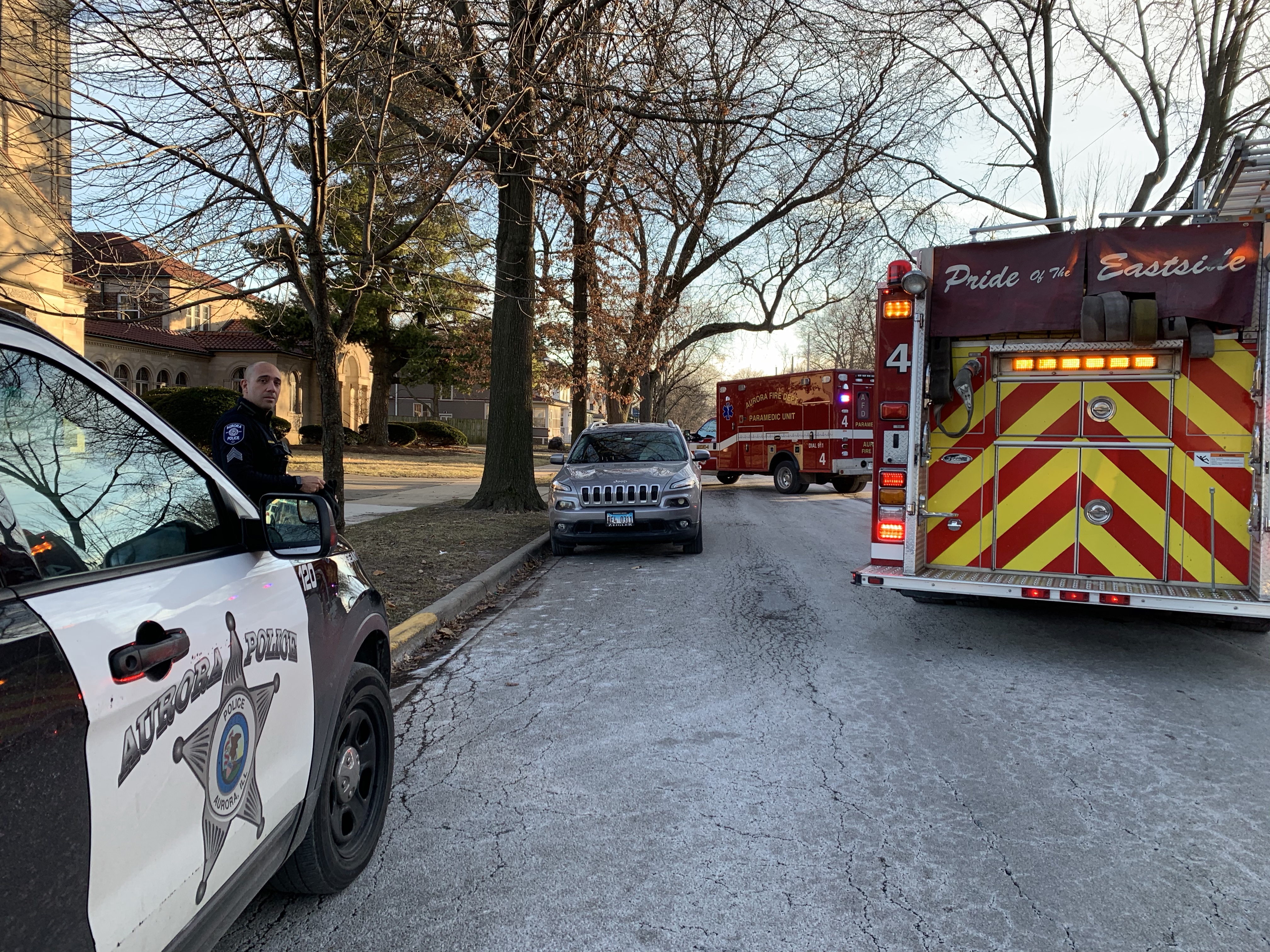
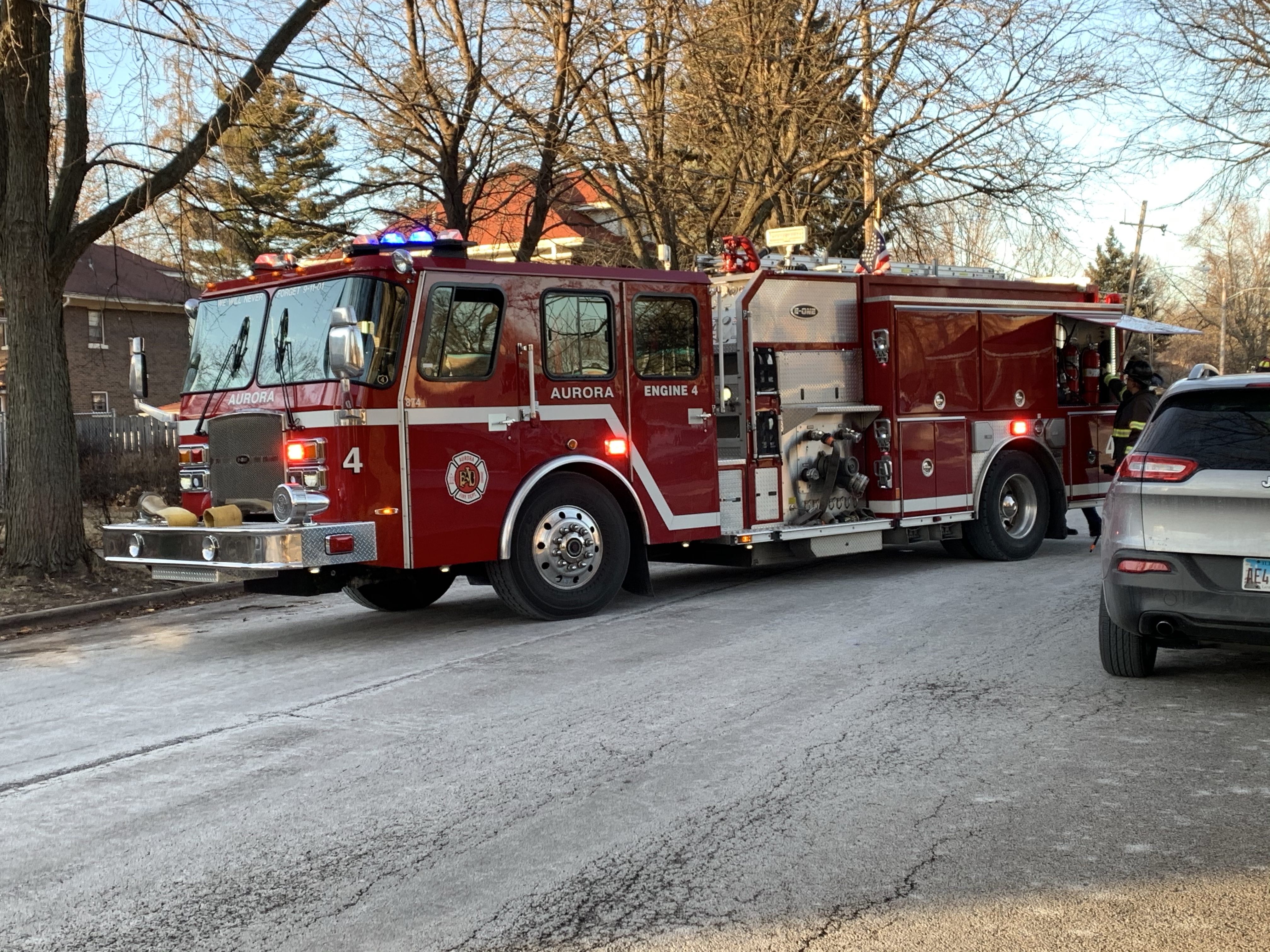
As we rolled out of the station, we were called to another call with a bit more challenges.

Involving Fire, EMS, Police – all safety forces were engaged on this complex situation.

Great to see all pros working together onscene!

At the end of the day, lots of discussion on training and exercises specifically addressing ESF15 and the JIC actions.

For those that want more details from Aurora (Illinois) Police, here’s how:

Twitter: @AuroraPoliceIL

Facebook: Aurora Illinois Police Department

Instagram: @AuroraPoliceIL

Special thanks to the Aurora Police for the fun stuff.

Stay warm and keep up the great work!

@rusnivek

Day-2 of the FEMA Basic PIO Course here in KY

Day-2 of the FEMA Basic Public Information Officer Course here.

Glad to finally meet Lexington Fire Capt Jessica Bowman who is also one of the FEMA Master PIOs.

Great day to share some of the tools we use as PIOs. Here’s Sherelle and John talking about the importance and fashionable safety vests are for officials onscene.

Additionally, we discussed media being well visible as their safety is incredibly important. We can’t have our friends in the news business get hurt or become part of the incident.

And trust me, the more people who get injured in an incident, the more paperwork we all have to fill out….so be safe!

As usual, we had a very seasoned media panel from WLEX18 Bill Wilcox and Herald Leader Peter Baniak. Many thanks to both news organizations to spend time out of their busy schedule to spend with PIOs from across the state.

With all Basic PIO classes, we talk about the ability and flexibility for PIOs to do field reporting. Often times, reporters can’t get to a scene because of traffic or lack of staffing. Either way, we as government PIOs can help them out by packaging information they need from the scene. The tools needed to produce this kind of info is fairly easy to get, however the challenge is to put them into play.

By sharing the tactics and tools in class, I am able to improve the skills of any PIO by enhancing their ability to share solid timely and TRUSTED information with any of the targeted audiences.

As PIOs, we are beholden to so many audiences.

  • Public
  • Media
  • Leadership
  • Our internal teams.

At times, our job seems easy however once you dive into it, you can see the complexities of our efforts.

Don’t worry, we reviewed all mock on camera interviews. Tackled key concepts like redirects as well as some tips on how to give more positive non-verbals while being interviewed during crisis.

Super fun day with everyone. Lots of contributions from our partners from Fire, EMS, Police, Emergency Management, Energy, Coroner’s Office, Higher Education, Search and Rescue.

Looking forward to tomorrow’s FEMA JIC/JIS course!

Reporting live from the EOC….

@rusnviek

FEMA Basic PIO course at the PSOC

Morning start to the FEMA Basic Public Information Officer course at the Public Safety Operations Center (PSOC)

Welcome and good morning by Mr. JB himself!

Packed house with multiple disciplines represented from Fire, EMS, Police, Emergency Management, ESF-12, higher education, Search and Rescue, Coroners Office, etc…

Like a good Emergency Manager, I found the EOC.

They have soooo many tools and toys to play with!

As all FEMA Basic PIO courses, we are staunch advocates of putting all participants in front of the camera. No matter what kind of experience level or years in the position, you can always learn by practicing your skills in front of others.

We typically hear complaints.

  • I didn’t get enough time to prepare.
  • I didn’t get the information in time.
  • I don’t know anything about plane crashes!

Blah blah blah. But the reality of the situation is….IT HAPPENS LIKE THAT IN REAL LIFE!!!!!!!!

So yeah, we want to train like you fight.

For those that were wondering “Has this ever happened before?” Yes.

Looking forward to tomorrow day-2 with our news media panel, interview reviews, and focus on social media.

@rusnivek

National Preparedness Symposium Day-3

Final day of the 2019 National Preparedness Symposium here at CDP! Lots to share as we open up the day with a long talk on cyber.
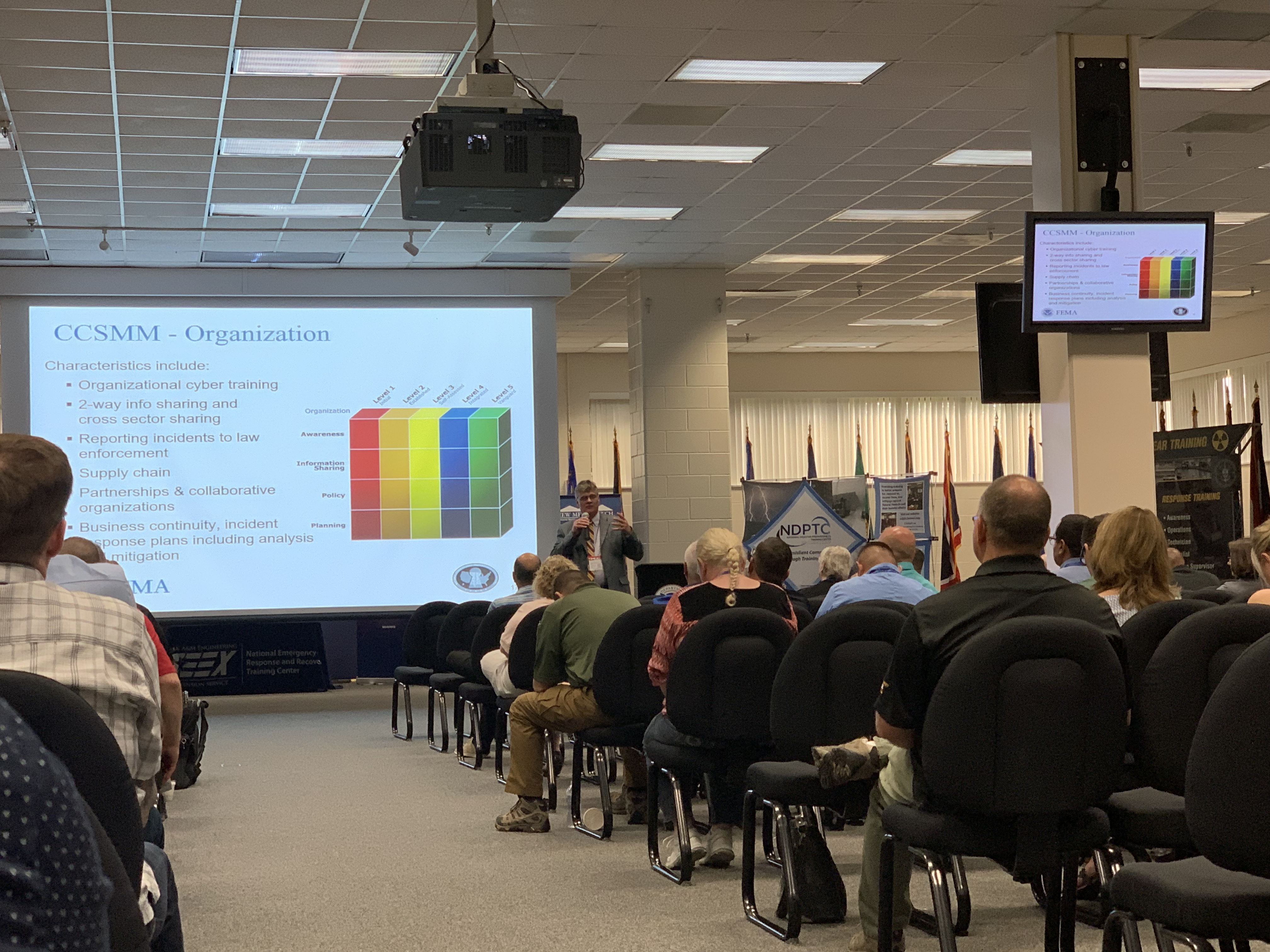
Hint to Emergency Managers, Cyber is the sexy incident now…so I suggest you plan and design with your training manager now. Yep, you heard me right, cyber = sexy.

Noooooooow switching from cyber to FIT – because we will all get a FIT!

Here to listen in on the deets for the FEMA Integration Teams (FIT) from my FEMA LNO in Hurricane Irma, ladies and gents, put your hands together for…….. John Allen!!!!!

John Allen, better known as FEMA’s Director of Preparedness Integration and Coordination out of HQ has been point person for this effort started when previous FEMA Administrator Brock Long started.

This program imbeds FEMA Planners at specified locations to support all state, local, tribal, and territory (SLTT) partners. Rollout has been ongoing as this is a phased effort. Many of the 56 FITs are not staffed yet.
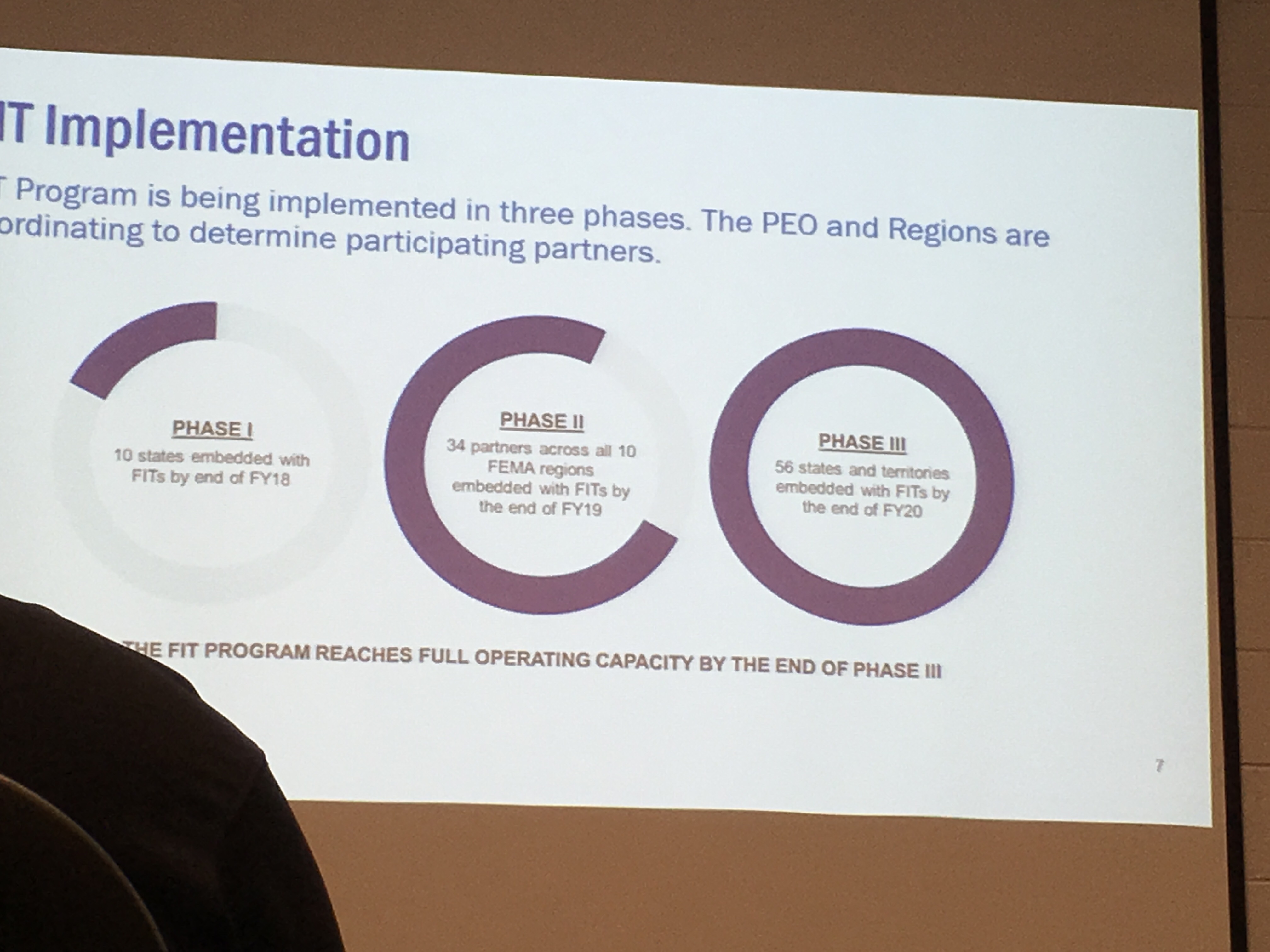
Also fortunate to have one of the FIT Leads with us from Idaho – hiya Justin!
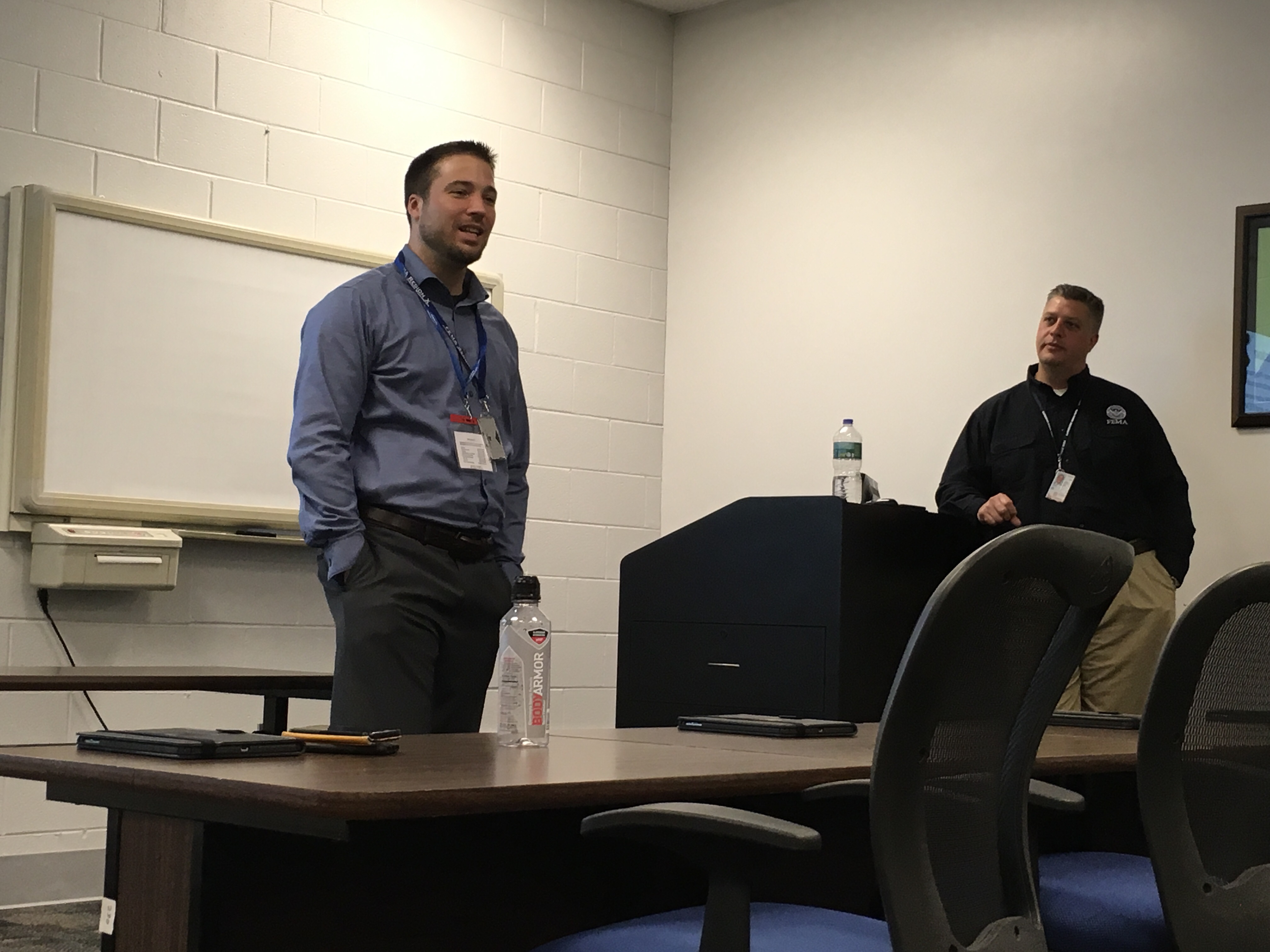
Great to see that kind of partnerships on all levels including building confidence in the SLTT’s efforts. The most beneficial aspect of the program would be that the FIT can provide RRCCs and NRCC accurate SA/COP for real-time operational assessment and needs. So more than just an FEMA LNO, these FITs are able to integrate and provide immediate support.

But truth be told, the FITs are really integrated into their community as they live there. They work there. They are part of the response, recovery side of any event or incident that state may have. Great idea!

Me? I’m totes interested.

Riding on the wave of productivity, we popped back into our regional groups again and talked about our lessons learned from this symposium.
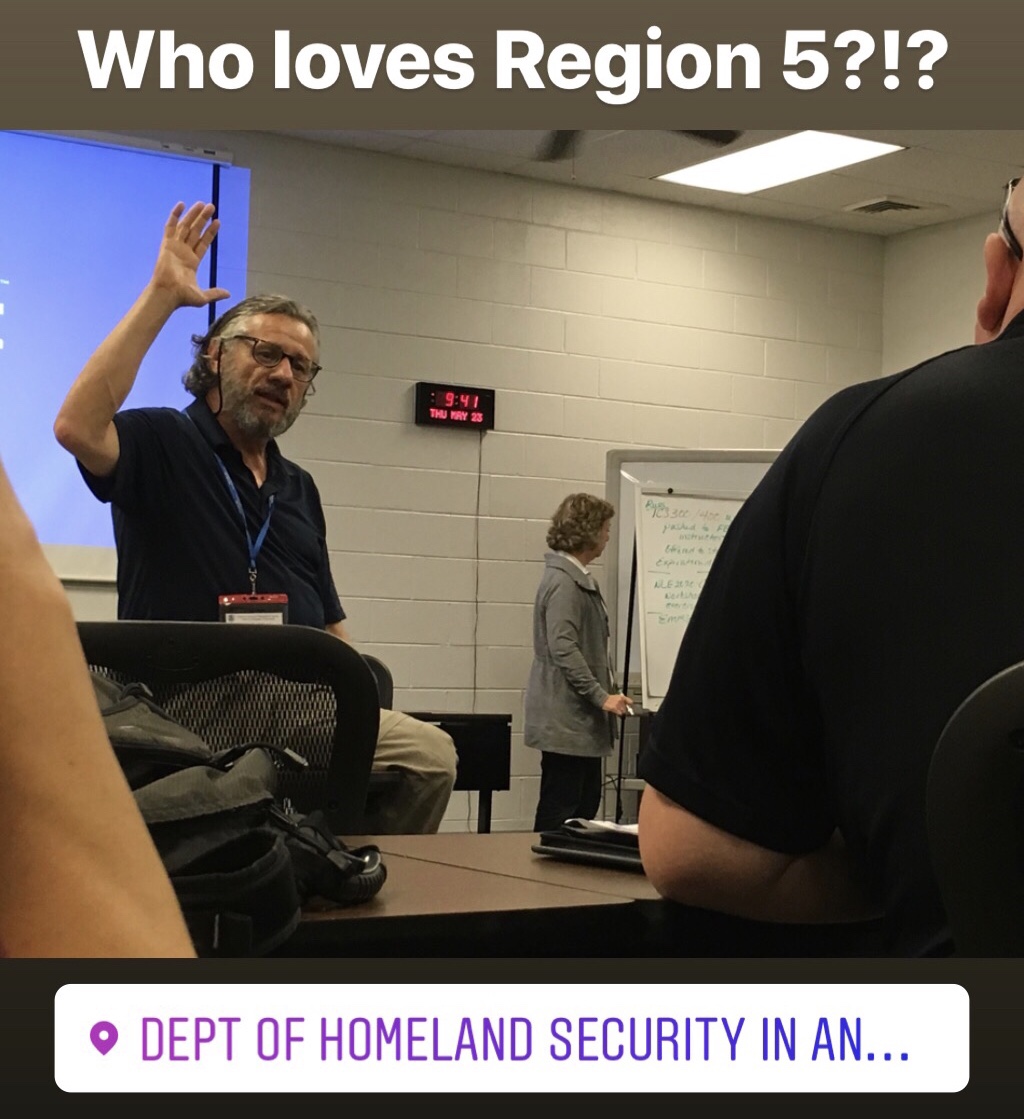
We discussed at length how we can help each other under blue/grey skies time…and really support each other during event/disasters.

Here’s a little behind the scenes of the group. Everyone participated including solid contributions from our tribal partners.
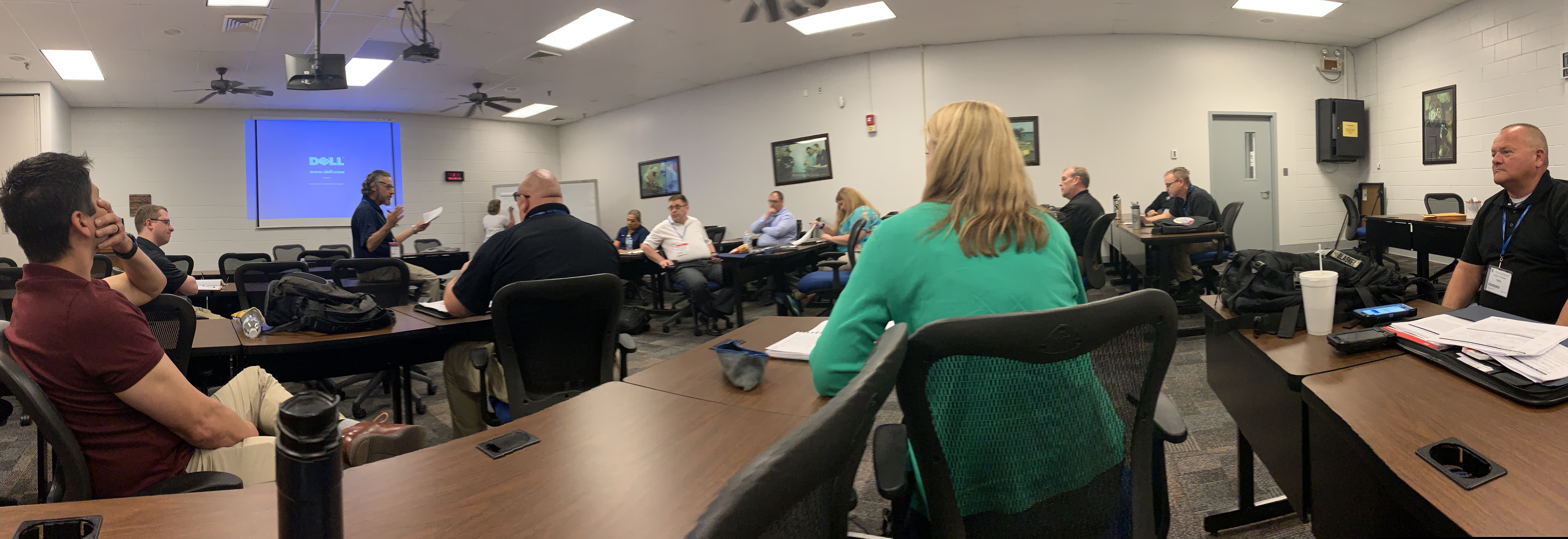
After all, isn’t that the mantra of Emergency Management? Building relationships before a disaster?!?!? See, even the pros practice what we preach!

In breaking for lunch, I know many of you remember taking IS-100, IS-200, IS-700, IS-800 and remember this slide.
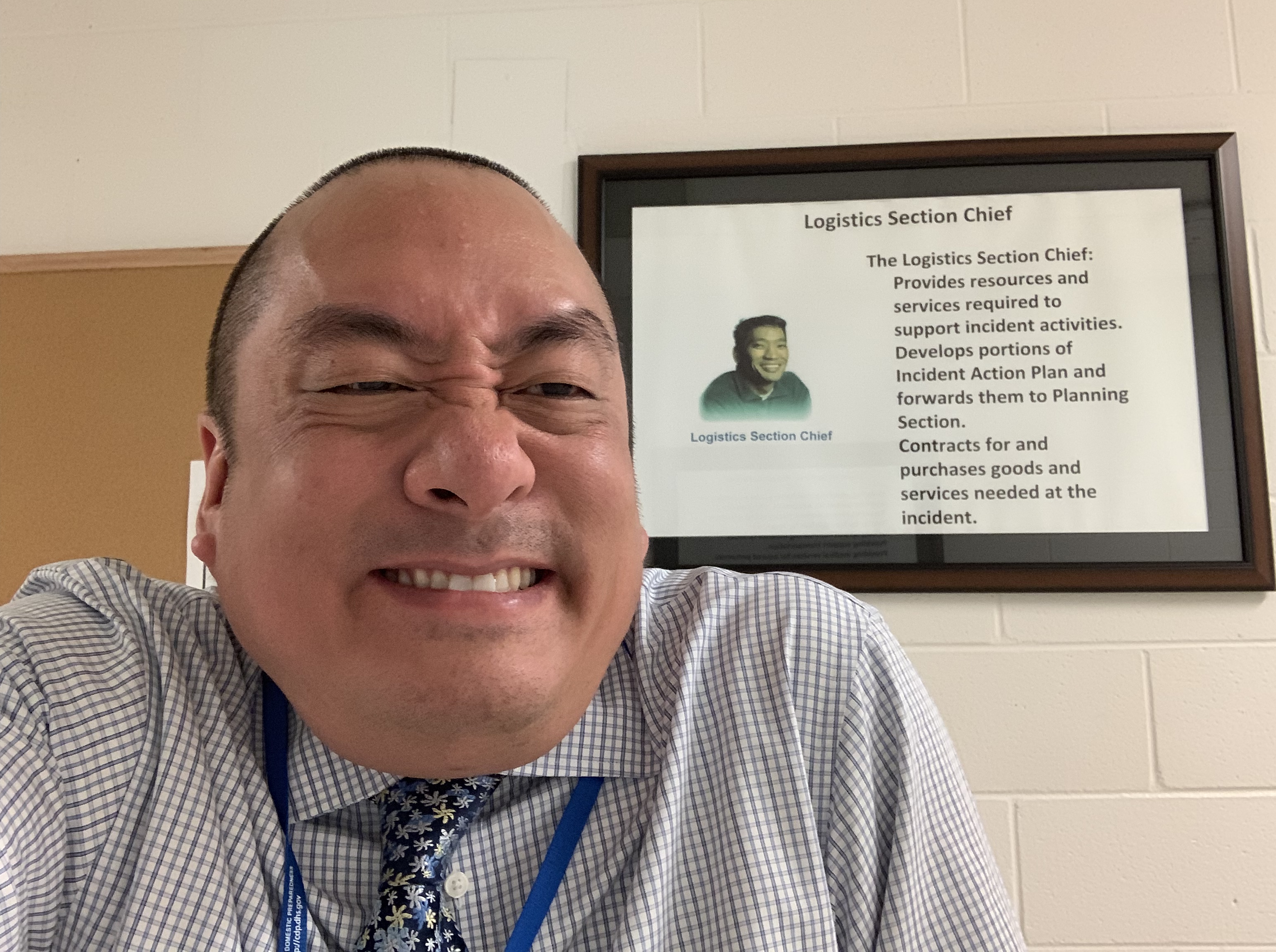
I wanted to dispel the rumor, that is NOT me.

Saw a few of the FIWA folks in the hall and thanked them for their help during our MRTs as well as our pre-disaster deployment support prior to Irma. While there, I had them check my FEMA phone and tuned up. They reminded me that I still needed to do my yearly compliance training on “Security Awareness”

#whoops

As the symposium closed out, we had the color guard from the Anniston Police stop by to retire the colors.

Everyone who attended work tirelessly in protecting our nation from emergencies and disasters. We all believe in helping out and supporting all our communities because a prepared nation is a more resilient nation.
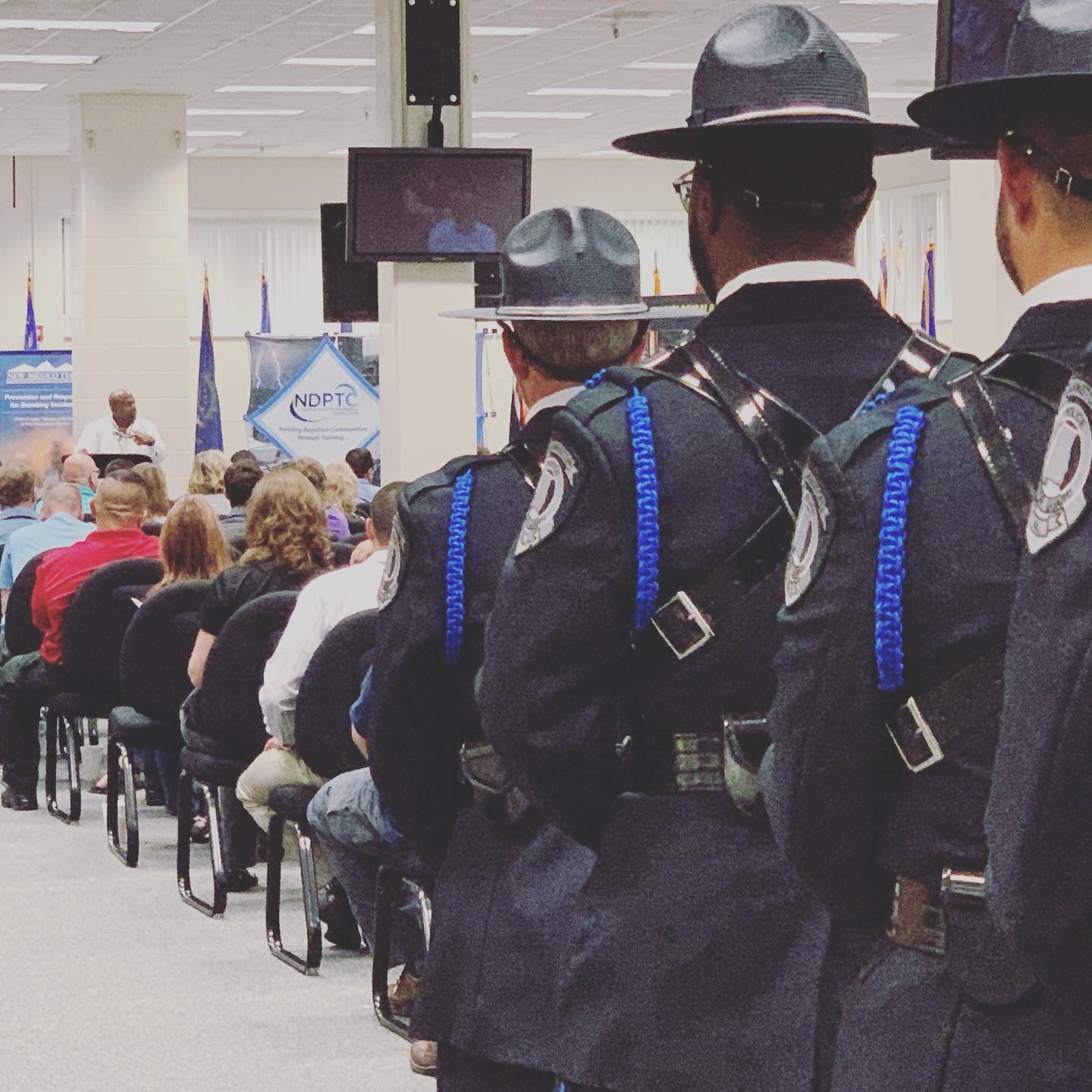
On the door step of the Memorial Day weekend, we all pause to remember those who have given the ultimate sacrifice to protect everyone in this great nation.
Be safe out there folks!

Reporting live from the 2019 National Preparedness Symposium…

@rusnivek