Is this flooded roadway safe? You tell me…. #TADD #Prepared2014

This week is National Flood Safety Awareness Week (March 16 – 22, 2014).

To help clarify some misconceptions about water and flooding, let me make it very clear – NEVER drive through flooded roads. Here’s a great example. We were dispatched after a few reported calls of a flooded roadway. Looks innocent enough right?

OLYMPUS DIGITAL CAMERA

Just because it’s downhill does NOT mean it is any safer…in fact, it is more dangerous.

  1. Gravity will move/flow the water faster.
  2. More water will cause you to lose control of your vehicle or possibly sink your vehicle and/or drown you.
  3. More water will remain at the bottom of the hill will definitely cause damage to your vehicle.

So how can you share this safety message with others?

  • Continue to share the message of Turn Around, Don’t Drown = #TADD (National safety campaign phrase)
  • Flash flooding can occur anywhere – even within metropolitan and urban areas.
  • Avoid areas that are frequently flooded.
  • Always follow instructions from your local emergency service professionals.
  • Report any flooded roadways to the proper authorities.
  • NEVER drive through flooded roads.

It’s really bad news if we have to meet like this…

DVC00088

If you were wondering, that’s me on the right

Do your part in #Prepared2014 by being safe this year.

@rusnivek

2014 National Flood Safety Awareness Week #TADD #Prepared2014

This week is National Flood Safety Awareness Week (March 16 – 22, 2014).

Did you know that floods are the #1 natural disaster in the US? Just within the past five years, all 50 states have experienced floods or flash floods.

No%20Drowning

How can you help?

Share these easy safety tips with your constituents on flood safety:

  • Turn Around, Don’t Drown = #TADD (National safety campaign phrase)
  • Flash flooding can occur anywhere. If there is a possibility of a flash flood, move to higher ground. Always follow instructions from your local emergency service professionals.
  • NEVER drive through flooded roads.
  • Use local alerts and warning systems (like iPAWS and WEAs) which can send localized information about your immediate area.
  • Stay away from damaged areas unless your assistance has been specifically requested by police, fire, or relief organization.
  • Just a few inches of water from a flood can cause thousands of dollars in damages.
  • Do you know if you live in a flood zone? Find out here for free.

FloodSafety_poster_date

So check your emergency preparedness kits and make sure you are ready!

10012615_10100544482624277_989186021_n

@rusnivek

Did you do it? Are you safe? #SpringForward #preparedness2014

Did you do it? Are you safe? #SpringForward #preparedness2014

Smoke

If you haven’t, then get on it right now!

282400_10150260697157756_20249_n


Why should you have a working smoke detector?

A properly installed and maintained smoke alarm is the only thing in your home that can alert you and your family to a fire 24 hours a day, seven days a week. Whether you’re awake or asleep, a working smoke alarm is constantly on alert, scanning the air for fire and smoke.

According to the National Fire Protection Association, almost two-thirds of home fire deaths resulted from fires in properties without working smoke alarms. A working smoke alarm significantly increases your chances of surviving a deadly home fire.

Keeping my favorite peeps (that’s you) safe this Spring…

@rusnivek

Free Wireless Emergency Alerts from @FEMA #OHWX #Prepareness2014

It’s 2014 National Severe Weather Awareness Week from March 2nd through March 8th.

Today, we will focus in on wireless mobile notification alerts!

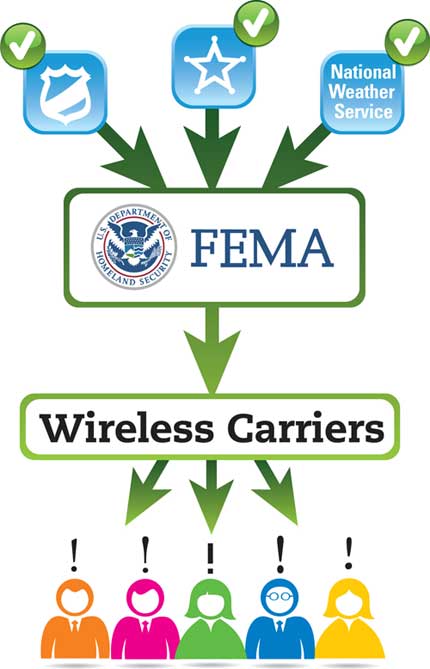
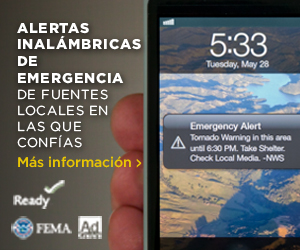
Have you heard of Wireless Emergency Alerts (WEAs)?

  • Alerts received at the right time can help keep you safe during an emergency. With WEA, warnings can be sent to your mobile device when you may be in harm’s way, without need to download an app or subscribe to a service.
  • You can receive important lifesaving alerts no matter where you are – at home, at school, or at work. Numerous public safety officials use reliable systems to alert you and your family in the event of natural or man-made disasters. Many communities also offer emergency alert notifications through their own systems.

fema-wireless-emergency-alert-procedure

Do you know what the Emergency Alert System (EAS) is used for?

  • The Emergency Alert System (EAS) is a national public warning system that requires broadcasters, satellite digital audio service and direct broadcast satellite providers, cable television systems, and wireless cable systems to provide the President with a communications capability to address the American people within 10 minutes during a national emergency.

IMG_3311 copy

Meshing all technologies together, do you know how the Integrated Public Alert & Warning System (IPAWS) is already helping everyone?

  • The Integrated Public Alert and Warning System (IPAWS), is a modernization and integration of the nation’s existing and future alert and warning systems, technologies, and infrastructure.
  • IPAWS’ EAS is the message dissemination pathway that sends warnings via broadcast, cable, satellite, and wireline services. EAS may be used by state and local authorities, in cooperation with the broadcast community, to deliver important emergency information, such as weather information, AMBER alerts, and local incident information targeted to specific areas.
  • The Emergency Alert System (EAS) is a national public warning system that requires broadcasters, satellite digital audio service and direct broadcast satellite providers, cable television systems, and wireless cable systems to provide the President with a communications capability to address the American people within 10 minutes during a national emergency.300by250_Spanish_5

At this time in Ohio, the Integrated Public Alert & Warning System (IPAWS) authorities who have completed the authentication steps are:

1. Ashtabula County

2. Clark County

3. Delaware County

4. Fairfield County

5. Geauga County

6. Lucas County

7. Ohio Emergency Management Agency

8. Tuscarawas County
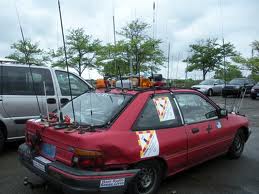
ant

Hope you are paired with one of these local agencies to receive better information during severe weather or major emergency…otherwise, you’ll be left out in the dark.
photo 2

@rusnivek

No matter how much your pets beg… #Preparedness2014

No matter how much they beg, minimize the amount of time your pets spend outside in severe winter weather #OHWX #Preparedness2014

KacySnow

@rusnivek

Teaching at Ohio EMA and a bonus #selfie with Executive Director Nancy Dragani in the EOC

Hold the phone…..OMG!

Best #selfie ever w/ @Ohio_EMA Executive Director Nancy Dragani.

Bg169peCIAA5ijo

Ohio Emergency Management Agency (OEMA) constantly embraces new technologies like social media to spread preparedness efforts and update timely information for everyone. Social media is just one piece of the puzzle that OEMA uses to extend and promote their outreach efforts with various public safety partners and enhance engagement from various constituents and stakeholders in every community.

Peeps in the EOC, check out the power of social media: "Say Aloooooooooha!"

Hey peeps in the EOC, check out the power of social media: “Say Aloooooooooha!”

Getting all the safety messages in a timely manner is the hallmark for success during any emergency or disaster.

Special thanks to my friends at OEMA and Executive Director Nancy Dragani!

@rusnivek

Future training plans with Florida’s top emergency management leaders

Talking future training plans with Florida’s top emergency management leaders today.

FEPALeadership

(From left to right) FDEM Region-5 Coordinator Shawn Collins, FDEM Regional Coordination Manager Jim Roberts, FDEM Director Bryan Koon, FEMA/NDPTC Instructor John Bobel, FEPA Past President Anne Miller, and FEMA/NDPTC Instructor Kevin Sur.

FDEM=Florida Department of Emergency Management

FEPA=Florida Emergency Preparedness Association

@rusnivek

Teaching in Florida today and tomorrow…

Teaching two classes on Social Media/Public Information Officer stuff today and tomorrow at the Florida Emergency Preparedness Association (FEPA) conference in beautiful Daytona Beach.

FEPA was created in 1957 to help professional Emergency Managers work to protect the people of Florida. I’m sure glad to see SO many different types of EM professionals from various backgrounds and different organizations.

photo (4)

Any of my FL peeps want to #Tweetup ?

@rusnivek

Check your vehicle preparedness kit now before this happens to you…

How is your vehicle emergency preparedness kit?

Check it out BEFORE you leave home today!

Be14RkOCIAApv1w

Need some help or ideas in assembling your emergency preparedness kits? Don’t know what to put into your emergency preparedness kits? Check out these free checklists.

Stay safe peeps!

@rusnivek

Winter Storm Watch vs. Warning vs. Blizzard Warning

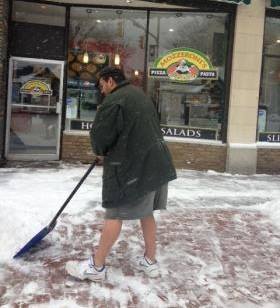
Avoid overexertion when shoveling snow.

Consider stretching before you begin shoveling….and PLEASE wear long pants!!!!!

1601551_410331389069705_161838067_n

Do you know the differences between Winter Storm Watch vs. Winter Storm Warning vs. Blizzard Warning?

Winter Storm Watch: There is a possibility of a storm occurring.

Winter Storm Warning: A storm is already taking place or is expected.

Blizzard Warning: Sustained winds or frequent gusts to 35 miles per hour or greater and considerable amounts of falling or blowing snow (reduced visibility to less than a quarter mile) are expected to prevail for a period of three hours or longer.

Listen to your NOAA Weather Radio for the latest news and weather reports.

@rusnivek