Brock in the house! #BCEM #Chicago

Ahhhh yeah! Hanging with Brock!

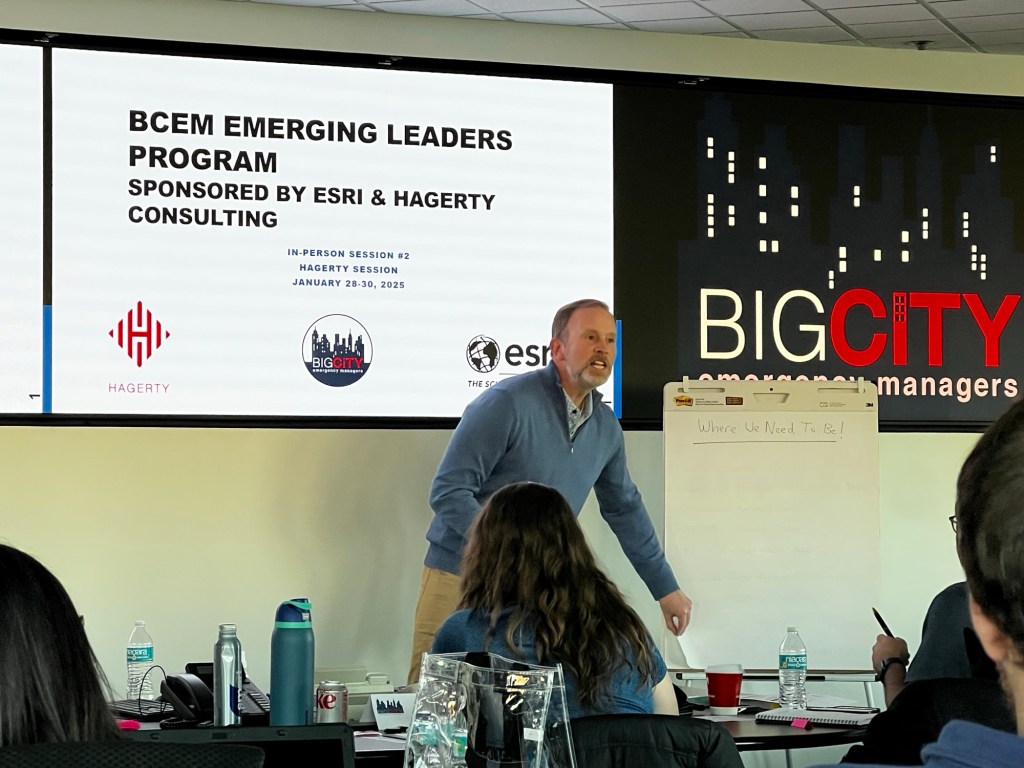
Big City Emergency Managers in Chicago this week. Happy to see former FEMA Administrator Brock Long here to talk about the future of Emergency Management esp focusing in on the aftermath of disasters.

Brock served as the FEMA Administrator from June 2017-March 2019.

Sounds about right as it aligns with Hagerty.

Lots of convos on Stafford Act and how effective is recovery esp in this new world of disasters.

Outstanding day with Brock as with all

@rusnivek

2025 Big City Emergency Manager program with our IEMA-OHS Director Alicia Tate-Nadeau

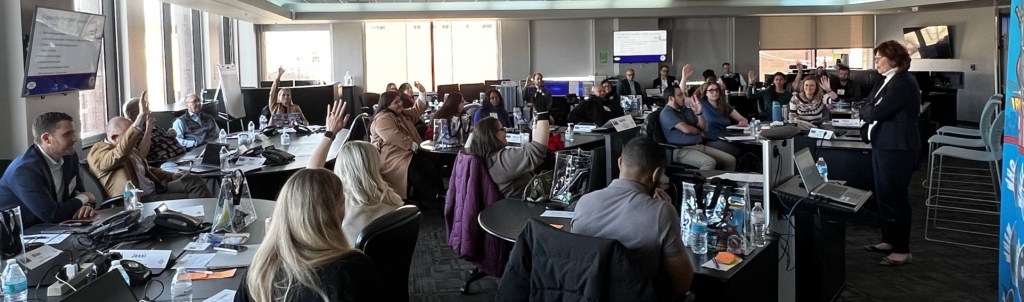
Starting out the morning with all the Big City Emergency Managers at Chicago OEMC’s Emergency Operations Center.

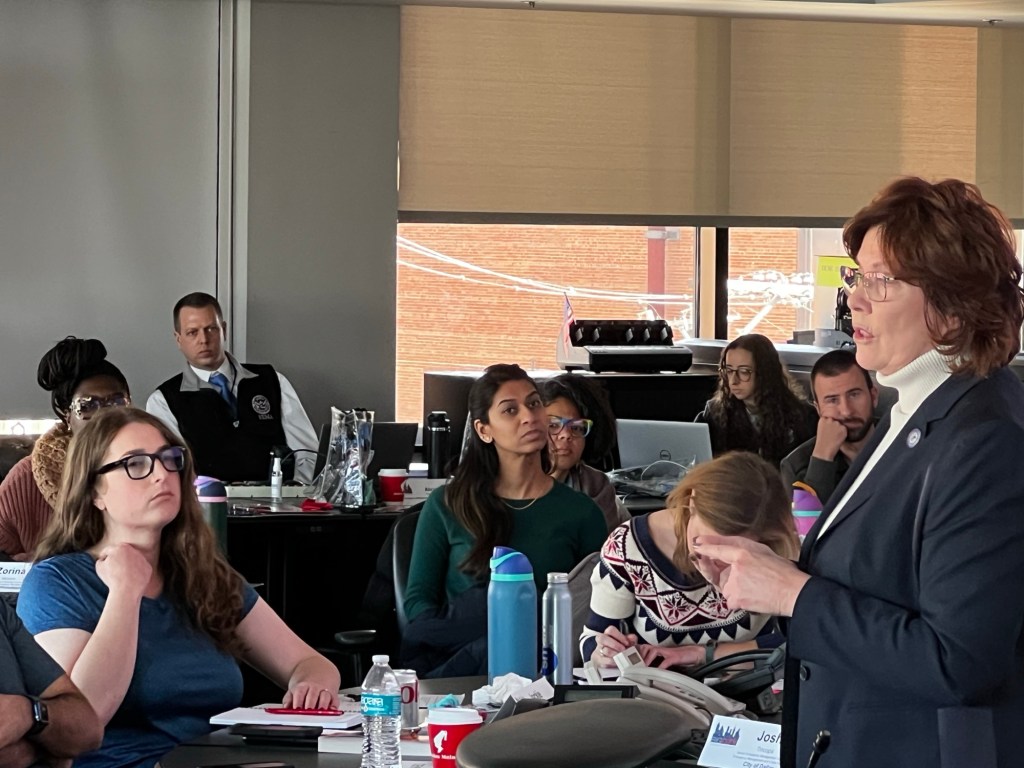
First up, IEMA-OHS Director Alicia Tate-Nadeau.

Sharing the challenges of Emergency Management and focusing in on statewide issues. Overcoming challenges and strengthening Federal relationships is key especially in the first few hours of a disaster.

Initial response will dictate the disaster tempo. If your tempo is off and your battle rhythm is askew, you will likely become another disaster. So please make sure your efforts are coordinated.

Diving deep into overcoming resources challenges early on so that we can serve our diverse communities.

Special thanks to all the rising stars in the 2025 Big City Emergency Managers Program.

@rusnivek

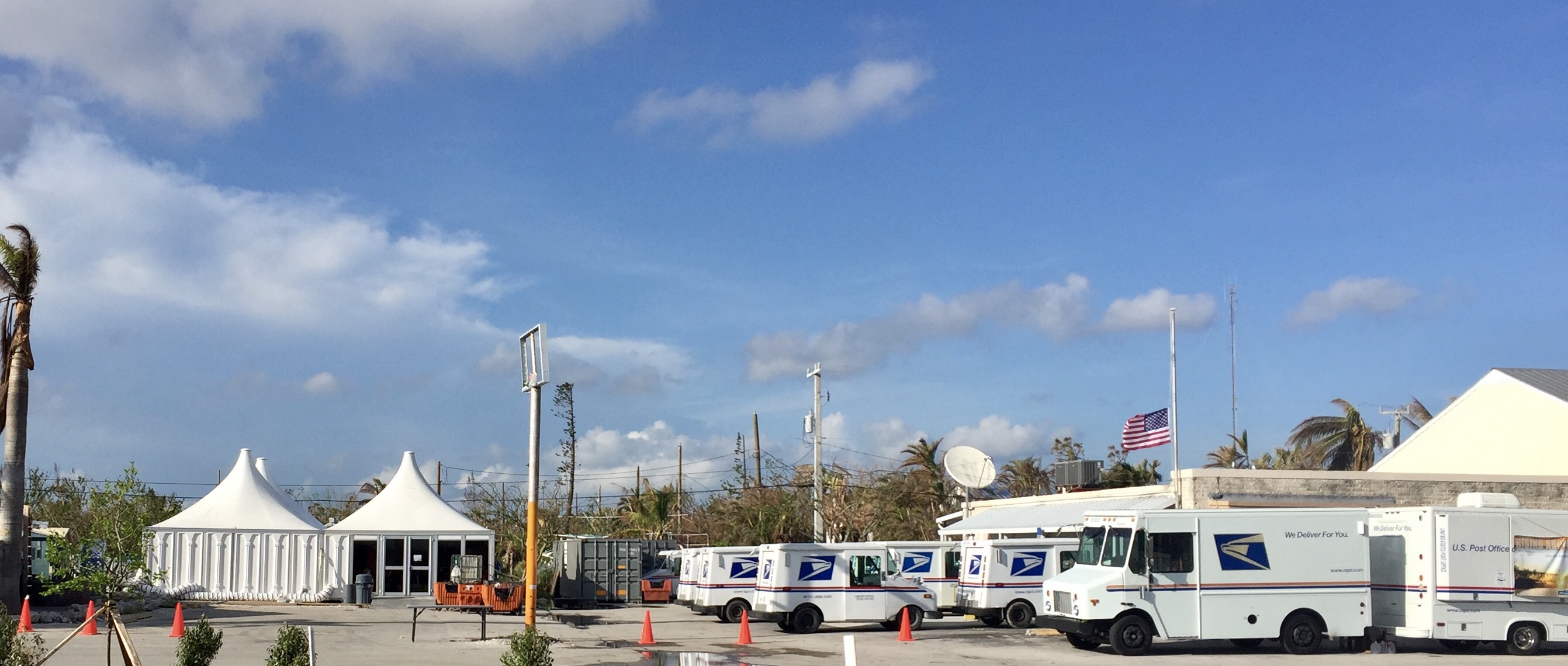
Contingency plan for Big Pine Key Post office

Found out the US Post office in Big Pine Key was obliterated.  Deemed unfit for operations as the entire structure was condemned.


So the USPS continuity plan? Setup a field post office.


It is critical for disaster survivors to get mail.

Again, helping a community return to normalcy is incredibly important.

@rusnivek

New base camp – meet my new friend Iggy!

Changing basecamp locations today. Whahooo!!!! Not.

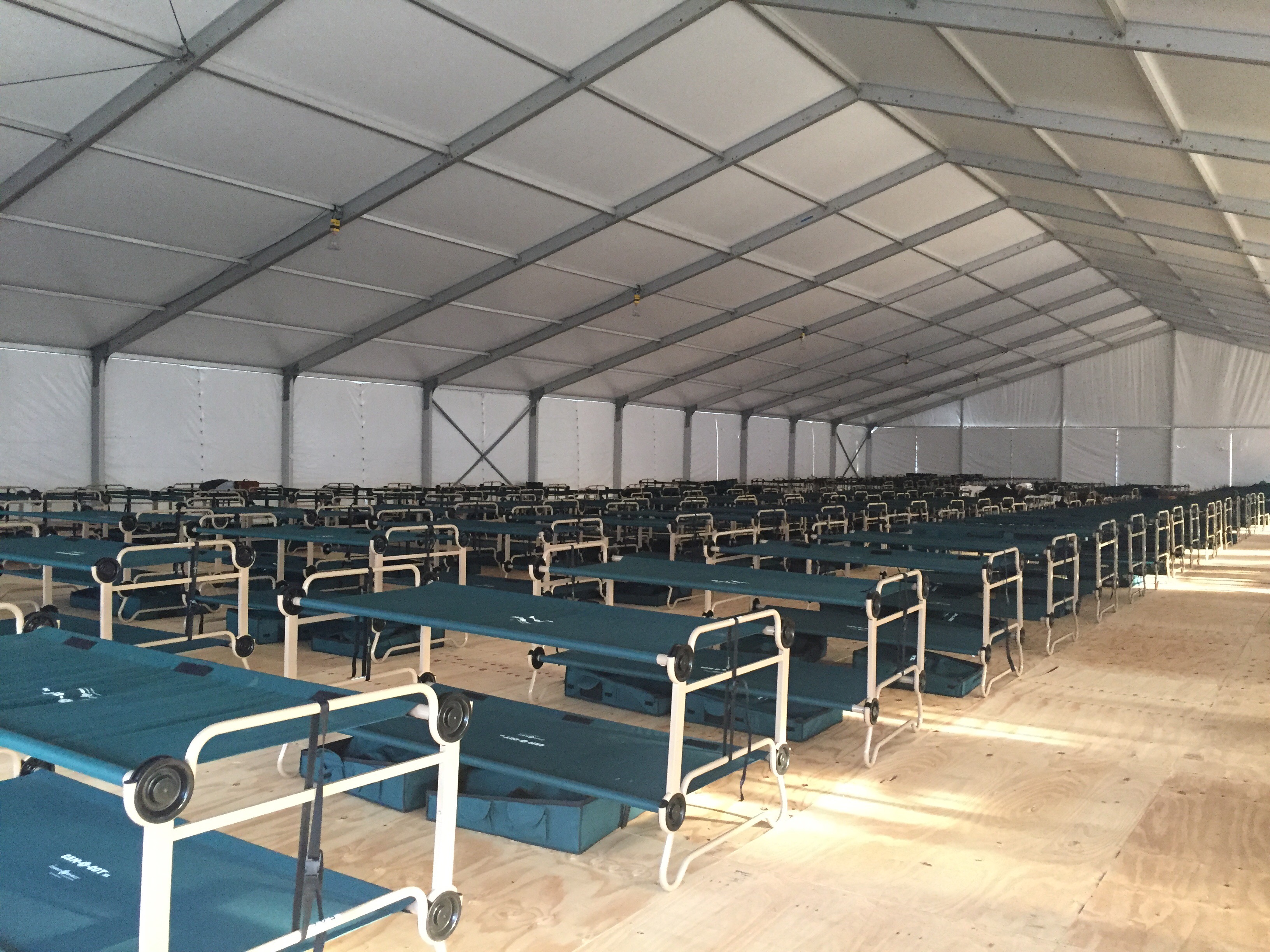
I have received many questions on living conditions so let me share with you the new living quarters. We are now in Big Pine Key at a former road patrol prison.

Need to use the bathroom?


Definitely not a hotel. No real toilets in sight.

Male and female tents separate the people staying here.


Inside our sleeping quarters.


Good thing I stopped by early so I can claim top bunk.

But upon closer inspection, I found that something has already claimed my space.


So I figured it was a good time to take a picture with my new bunk mate.


I shall name him Iggy.

If there isn’t enough housing for disaster survivors, don’t think you are going to have a nice hotel to stay in or to lounge around. Plain and simple – disaster Survivors are the priority.

So to summarize, those that THINK they are going to be pampered with lush amenities, stay in a hotel, and gain points – this ain’t it. Don’t expect anyone to pamper you or get turn down service. And yes, it’s loud at night.

I’d also recommend that if you can’t stand camping, you are not cut out for disaster response.

I would best associate this disaster’s lodging to extreme camping.

@rusnivek

First time working with Univision – interviews in Spanish!

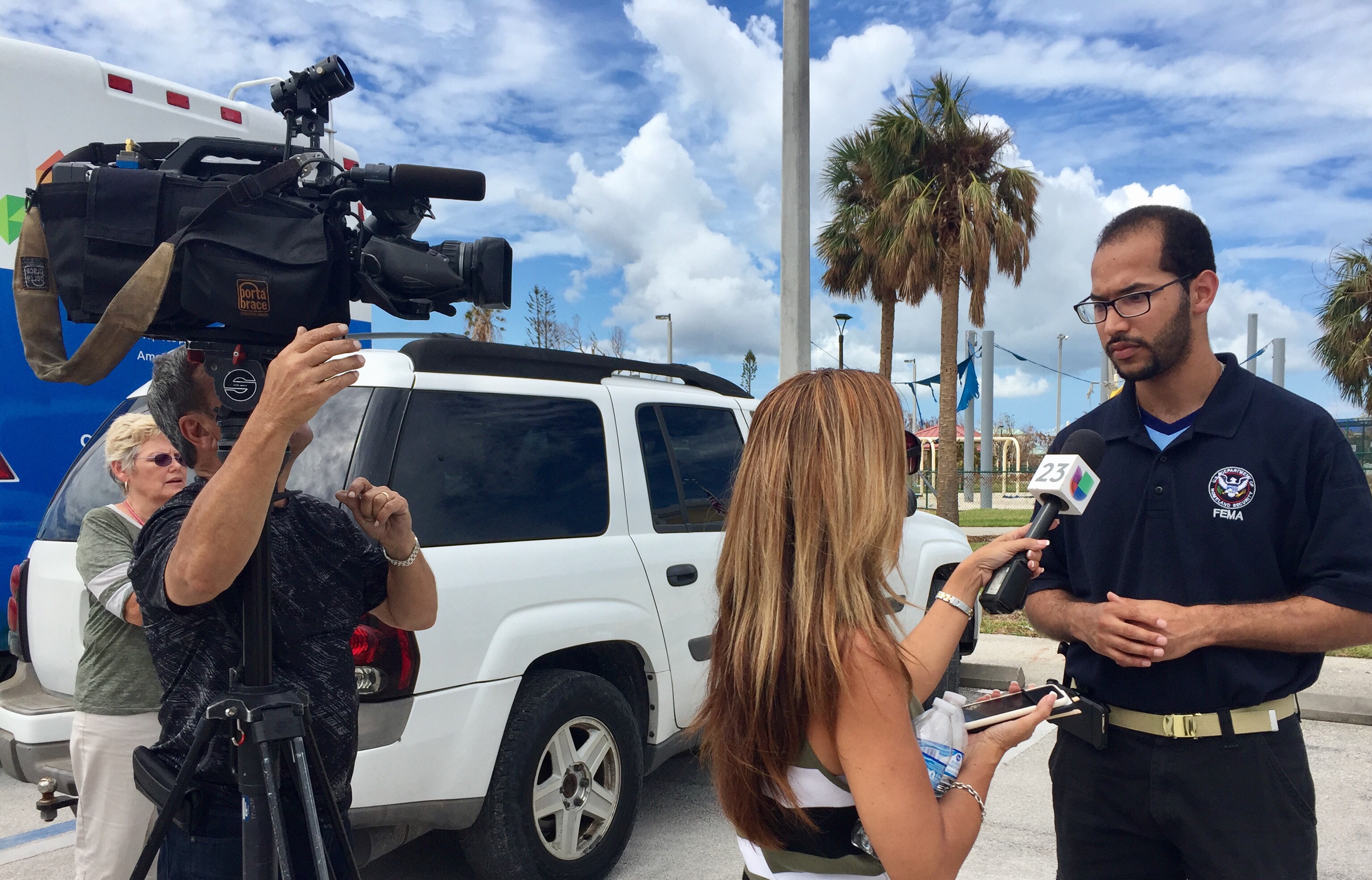
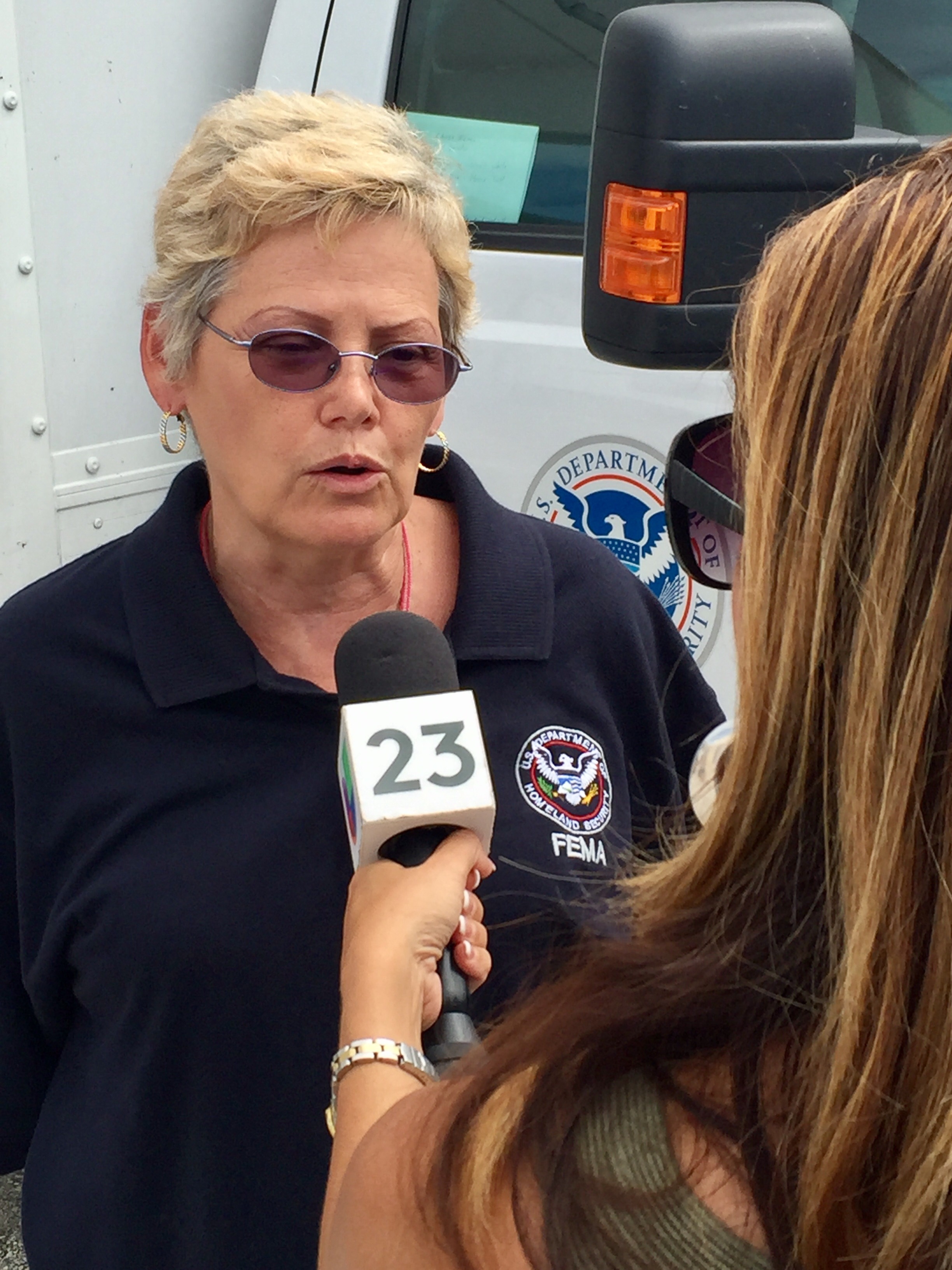
For the first time in my career, I got a chance to work with Univision for a FEMA interview on the disaster recovery process.


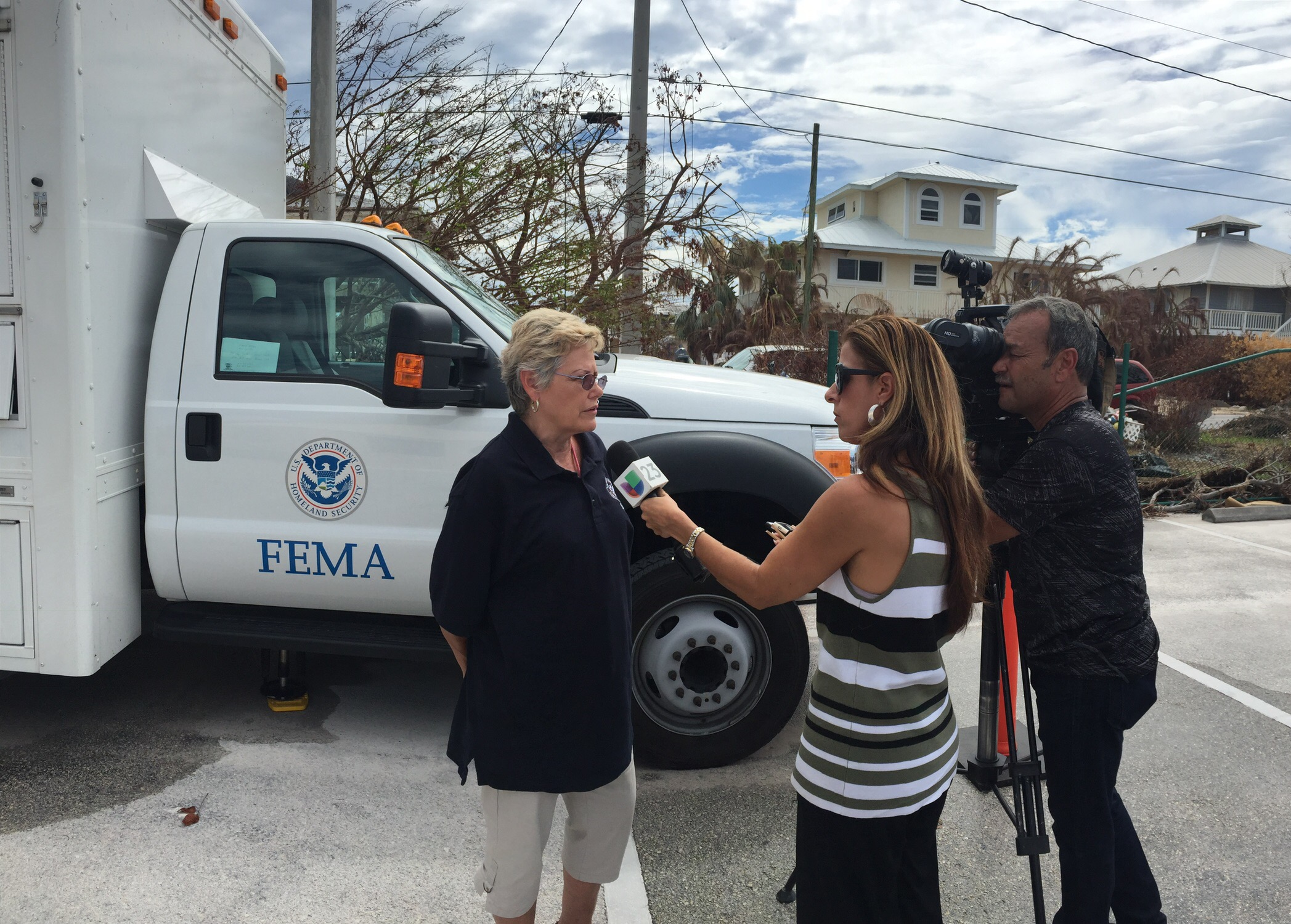
Great to have Patty down with our crews at the Big Pine Key Disaster Recovery Center.


Like any good PIO, before the news crews arrived, we briefly went over questions and talked about the important points of disaster response/recovery as well as possible questions that could be brought up.


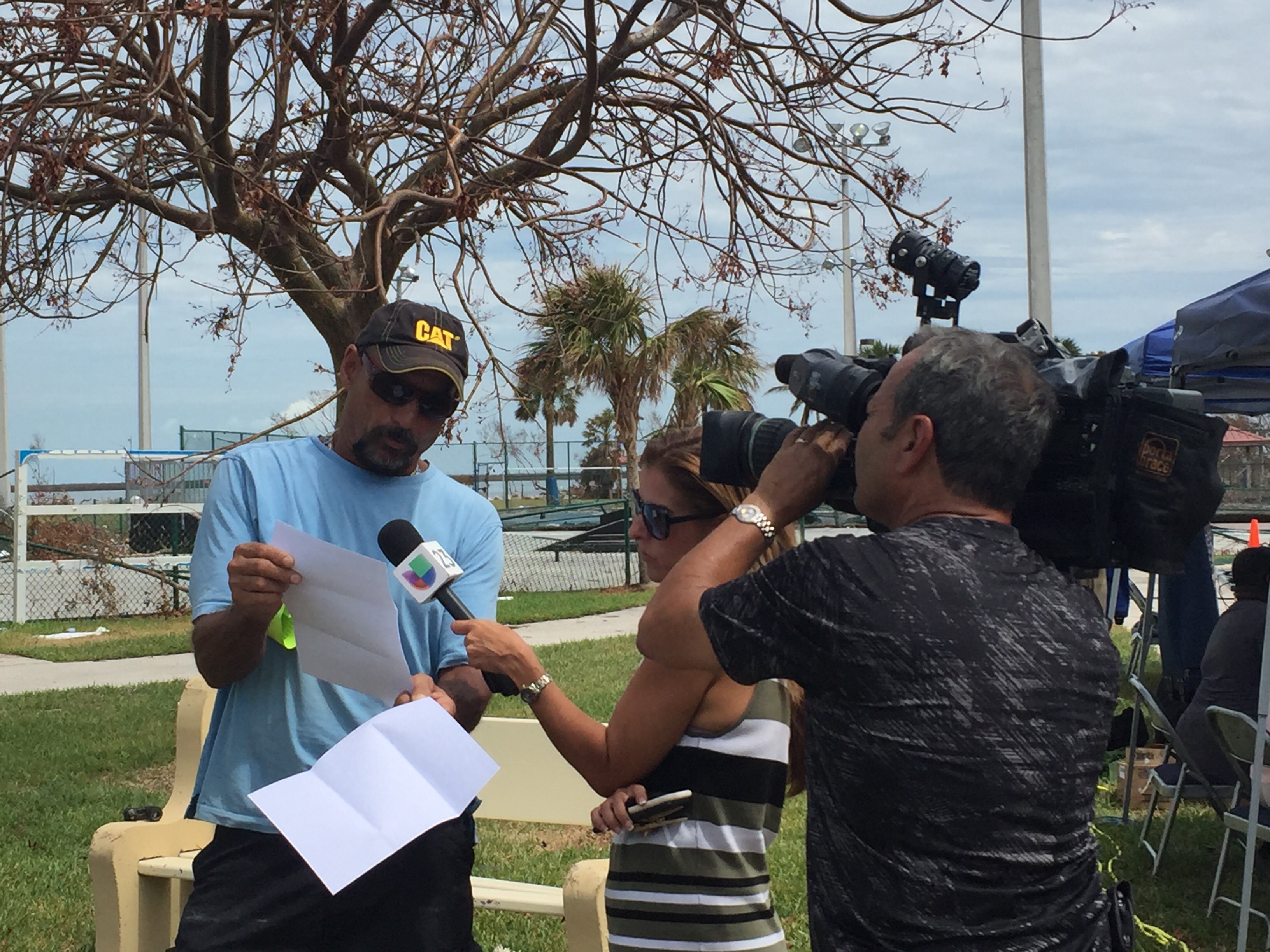
The Univision crews also interviewed people who were there too.


And since we have several people who speak Spanish, I figured that it would be great to have them get some camera time too.


Well done Carmen!

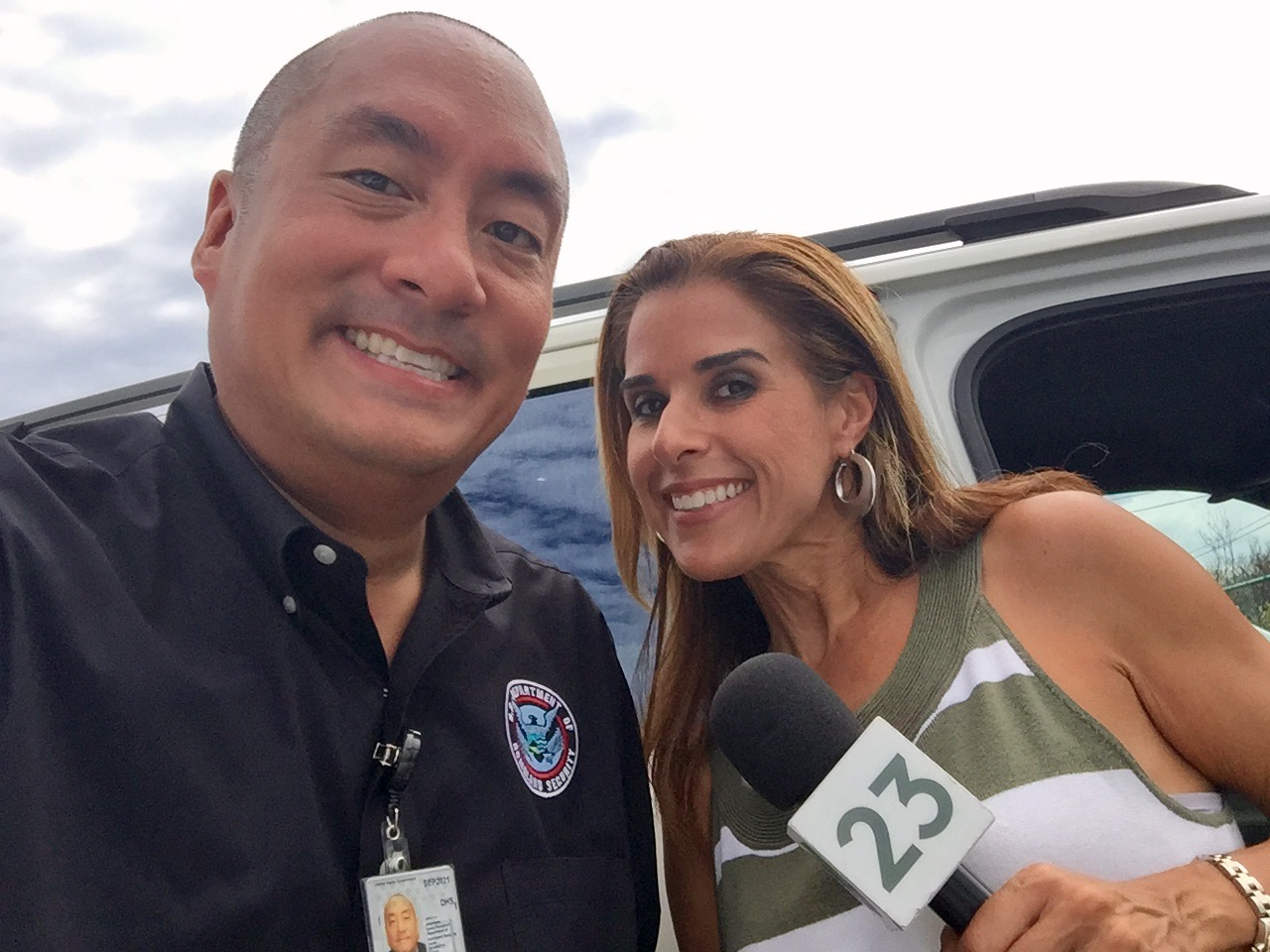
And of course, since this was the first time I worked with Univision, I had to get a selfie.


Glad to be a small part in helping getting the word out to the Spanish speaking community.

@rusnivek

Typical day on the Eisenhower…highway put into place by

Just your typical afternoon spent on the Eisenhower.

Fire + Police + EMS working tirelessly to help those involved in a MVA

DYK: In 1956 President Eisenhower established the Federal Aid Highway Act of 1956 which allocated monies for the creation and development of our national highway system across our country?

Bonus points for those that learned this factoid from the TV show Big Bang Theory and the Sheldon GPS.

@rusnivek

Technical jargon and giving actionable information Safety-PIO-SM-14-006

14-006: Technical jargon and giving actionable information
Agency: Chicago Fire Department Topic(s): Industry codes / Actionable info
Date: Fall 2014 Platform: Twitter

Industry speak or technical jargon is part of what we do every day. But using technical terms on a social media platform will be confusing to those who are NOT in the fire service. That’s what the Chicago Fire Department did yesterday at their big 3-alarm fire when they tweeted technical jargon.
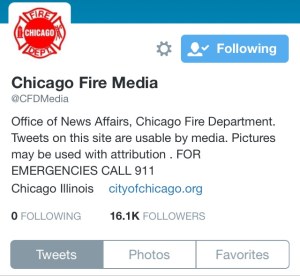
imageaimage

The use of technical jargon is rampant in emergency services but when speaking to the media or the general public, we need to remember that everyone did not grow up with a VOX alarm or SCU tones. In this case, a “311” or 3-11 alarm means that there are 11 engines, 5 Trucks, 2 Tower Ladders, 6 Battalion Chiefs, 1 Rescue Squad, 2 Ambulances, 2 Paramedic Chiefs, Deputy District Chief, Deputy Fire Commissioner, and the 1st Deputy Fire Commissioner are onscene. There is no way to include all that information in a tweet, but using more simple terms will help your audience understand the scale of your ongoing incident.

Before you post images, make sure your pictures are rotated correctly. I know accuracy is sometimes overlooked in lieu of speed, but it takes less than 5 seconds to orientate/rotate a picture (In this case, it was going to be a long operation). And note, by just rotating a picture does not equate that you are “doctoring up” photos. But a correctly posted photo will help media repost and format your information quicker to the masses.

During an emergency situation, your constituents need the information pushes to be actionable and specific to your audience. Not only inform them of the danger, but tell them what they can do about it.

A more effective tweet could have read:

Chicago Fire: Large 3-alarm fire at Harrison St x Fifth Ave. Traffic delays-avoid the area. (insert two pictures)

By phrasing it this way:

  1. You cite the authority having jurisdiction and established incident command presence.
  2. You generally described the size/category of the ongoing incident and critical information to media.
  3. You identify the exact location of the incident.
  4. You describe the delays in the area and give actionable information to your constituents.
  5. You still have lots of room to push properly orientated pictures with your informational tweet.


Time is valuable, so tweet good stuff.

@rusnivek

***To download this as a single-page printable format, click this file:

TechnicalJargonAndGivingActionableInformation-Safety-PIO-SM-14-006

Your kids prepared for any emergency? Can they all be a Ready Big Hero? #Prepared2014 #NatlPrep

It’s midweek in the fourth week of 2014 National Preparedness Month

“Be Disaster Aware, Take Action to Prepare”

Wacky Wednesday continues!

This week’s theme is consistent with FEMA’s National Preparedness Campaign: Practice for an emergency

#24: Does your kid have it? Prepared for any emergency? Can they all be a Ready Big Hero? #Prepared2014 #NatlPrep

Make sure all of your family is prepared for any emergency or disaster.

Make sure they prepare with you and run family drills because that’s real hero stuff.

Your kid can be a Ready – Big Hero too!

@rusnivek


It’s a sign alright #Hurricane #Iselle

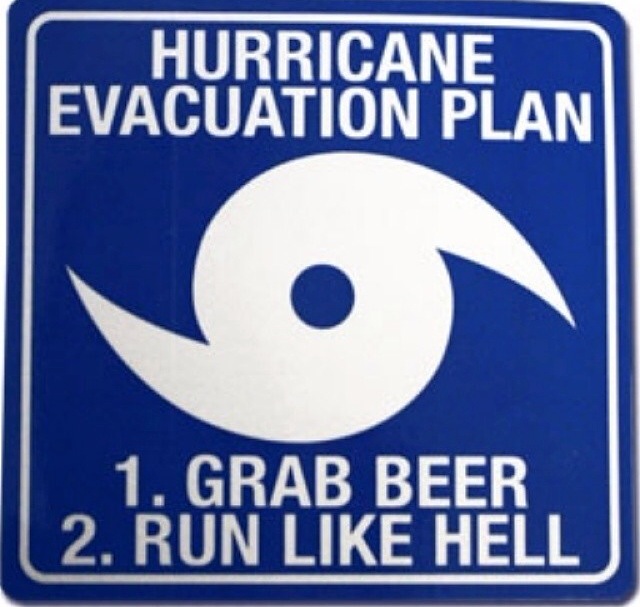
This is NOT a good evacuation plan.

EvacPlanSign

Plan for routes that will be clogged with traffic.

Have your Family Communications Plan ready for everyone in your immediate family.

And don’t forget to hydrate.

Hope my Hawaii friends and family have prepared for Hurricane Iselle’s arrival today.

@rusnivek

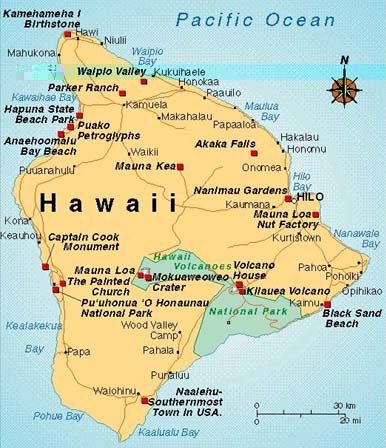
Tsunami warning? Are you on Hawaii? Big Island? Hilo? Kona? #HITsunami

Tsunami warning? Are you on Hawaii? Big Island? Hilo? Kona?

hawaii_map


Check if you are in an evacuation zone here (FREE):

Before a Tsunami

  • To begin preparing, you should build an emergency preparedness kit and make a family communications plan.
  • Talk to everyone in your household about what to do if a tsunami occurs. Create and practice an evacuation plan for your family. Familiarity may save your life. Be able to follow your escape route at night and during inclement weather. You should be able to reach your safe location on foot within 15 minutes. Practicing your plan makes the appropriate response more of a reaction, requiring less thinking during an actual emergency.
  • If the school evacuation plan requires you to pick your children up from school or from another location. Be aware telephone lines during a tsunami watch or warning may be overloaded and routes to and from schools may be jammed.
  • Knowing your community’s warning systems and disaster plans, including evacuation routes.
  • Know the height of your street above sea level and the distance of your street from the coast or other high-risk waters. Evacuation orders may be based on these numbers.
  • If you are a tourist, familiarize yourself with local tsunami evacuation protocols. You may be able to safely evacuate to the third floor and higher in reinforced concrete hotel structures.
  • If an earthquake occurs and you are in a coastal area, turn on your radio to learn if there is a tsunami warning.


During a Tsunami

  • Follow the evacuation order issued by authorities and evacuate immediately. Take your animals with you.
  • Move inland to higher ground immediately. Pick areas 100 feet (30 meters) above sea level or go as far as 2 miles (3 kilometers) inland, away from the coastline. If you cannot get this high or far, go as high or far as you can. Every foot inland or upward may make a difference.
  • Stay away from the beach. Never go down to the beach to watch a tsunami come in. If you can see the wave you are too close to escape it. CAUTION – If there is noticeable recession in water away from the shoreline this is nature’s tsunami warning and it should be heeded. You should move away immediately.
  • Save yourself – not your possessions.
  • Remember to help your neighbors who may require special assistance – infants, elderly people, and individuals with access or functional needs.


After a Tsunami

  • Return home only after local officials tell you it is safe. A tsunami is a series of waves that may continue for hours. Do not assume that after one wave the danger is over. The next wave may be larger than the first one.
  • Go to a designated public shelter if you have been told to evacuate or you feel it is unsafe to remain in your home. Text SHELTER + your ZIP code to 43362 (4FEMA) to find the nearest shelter in your area (example: shelter 12345).
  • Avoid disaster areas. Your presence might interfere with emergency response operations and put you at further risk from the residual effects of floods.
  • Stay away from debris in the water; it may pose a safety hazard to people or pets.
  • Check yourself for injuries and get first aid as needed before helping injured or trapped persons.
  • If someone needs to be rescued, call professionals with the right equipment to help. Many people have been killed or injured trying to rescue others.
  • Help people who require special assistance—infants, elderly people, those without transportation, people with access and functional needs and large families who may need additional help in an emergency situation.
  • Continue using a NOAA Weather Radio or tuning to a Coast Guard station or a local radio or television station for the latest updates.
  • Stay out of any building that has water around it. Tsunami water can cause floors to crack or walls to collapse.
  • Use caution when re-entering buildings or homes. Tsunami-driven floodwater may have damaged buildings where you least expect it. Carefully watch every step you take.
  • To avoid injury, wear protective clothing and be cautious when cleaning up.


For more information, check out www.ready.gov

@rusnivek