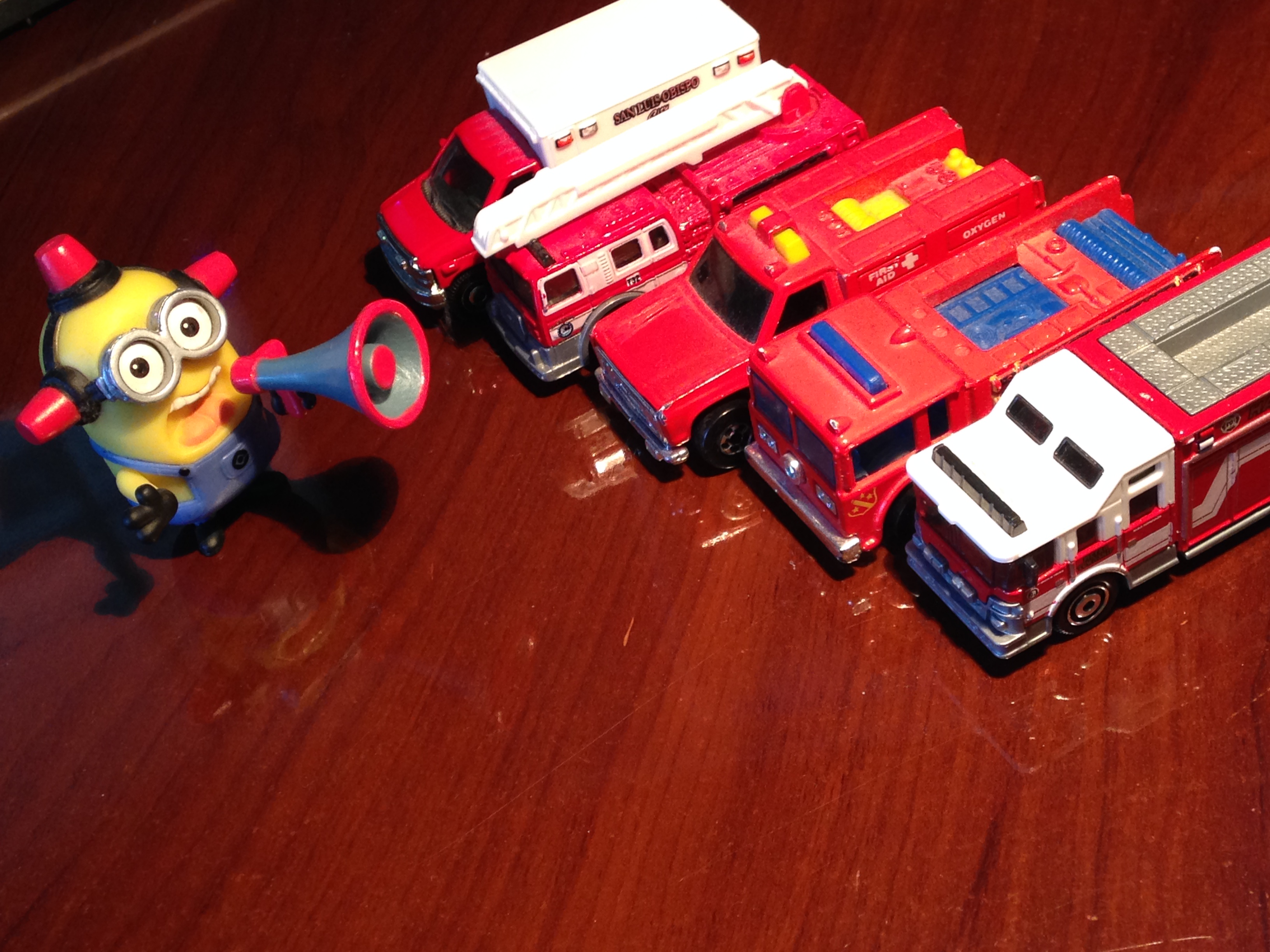
EMS Zoom ZOOM! More like no-NO! #SlowTheEffDownNOW #Paramedic #EMT

EMS call – yes!

faster – Faster – FASTER!!!!

But I am sure this GoPro footage is being reviewed by all the bosses.

I can’t image that they’d be happy to see this.

Also, that siren is weird too.

Just keep in mind, if EMS doesn’t even make it to the scene because of their own reckless crash, who will treat the patient?

Duh.

image

Safety first peeps.

@rusnivek

Technical jargon and giving actionable information Safety-PIO-SM-14-006

14-006: Technical jargon and giving actionable information
Agency: Chicago Fire Department Topic(s): Industry codes / Actionable info
Date: Fall 2014 Platform: Twitter

Industry speak or technical jargon is part of what we do every day. But using technical terms on a social media platform will be confusing to those who are NOT in the fire service. That’s what the Chicago Fire Department did yesterday at their big 3-alarm fire when they tweeted technical jargon.

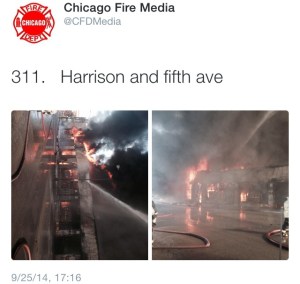
imageaimage

The use of technical jargon is rampant in emergency services but when speaking to the media or the general public, we need to remember that everyone did not grow up with a VOX alarm or SCU tones. In this case, a “311” or 3-11 alarm means that there are 11 engines, 5 Trucks, 2 Tower Ladders, 6 Battalion Chiefs, 1 Rescue Squad, 2 Ambulances, 2 Paramedic Chiefs, Deputy District Chief, Deputy Fire Commissioner, and the 1st Deputy Fire Commissioner are onscene. There is no way to include all that information in a tweet, but using more simple terms will help your audience understand the scale of your ongoing incident.

Before you post images, make sure your pictures are rotated correctly. I know accuracy is sometimes overlooked in lieu of speed, but it takes less than 5 seconds to orientate/rotate a picture (In this case, it was going to be a long operation). And note, by just rotating a picture does not equate that you are “doctoring up” photos. But a correctly posted photo will help media repost and format your information quicker to the masses.

During an emergency situation, your constituents need the information pushes to be actionable and specific to your audience. Not only inform them of the danger, but tell them what they can do about it.

A more effective tweet could have read:

Chicago Fire: Large 3-alarm fire at Harrison St x Fifth Ave. Traffic delays-avoid the area. (insert two pictures)

By phrasing it this way:

  1. You cite the authority having jurisdiction and established incident command presence.
  2. You generally described the size/category of the ongoing incident and critical information to media.
  3. You identify the exact location of the incident.
  4. You describe the delays in the area and give actionable information to your constituents.
  5. You still have lots of room to push properly orientated pictures with your informational tweet.


Time is valuable, so tweet good stuff.

@rusnivek

***To download this as a single-page printable format, click this file:

TechnicalJargonAndGivingActionableInformation-Safety-PIO-SM-14-006

Statewide tornado siren test today at 0950. Find out what to do here #OHWX

It’s 2014 National Severe Weather Awareness Week from March 2nd through March 8th.

Today, the state of Ohio will be testing all emergency alert sirens at 9:50 a.m.

***Do not be alarmed, it is only a test.***

this-is-only-a-test

It would also be a good time to practice your emergency procedures if a tornado siren/warning goes off.

IMG_5948

Do you know the differences between a Tornado Watch vs a Tornado Warning?

Tornado Watch: Issued by the NWS when conditions are favorable for the development of tornadoes. Be prepared to move to a safe place if weather conditions worsen. Stay tuned to weather updates.

Tornado Warning: Issued by the NWS when a tornado is imminent or occurring. A warning may be issued when a tornado is indicated by Doppler radar or sighted by trained spotters. Seek safe shelter immediately.

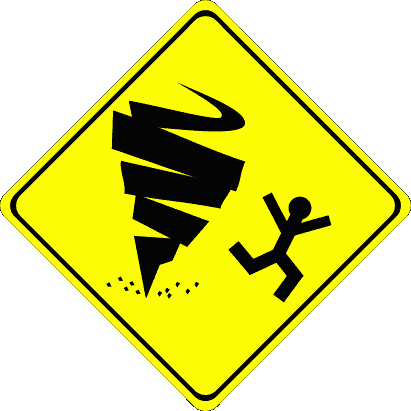
tornado_warning

  • If a tornado has been spotted, seek shelter immediately. If a tornado warning is issued for your area, do not stop to take pictures or shoot video. Continue to listen to a NOAA Weather Radio or local media newscasts for up-to-date weather and emergency information.
  • NEVER touch downed power lines or objects in contact with downed power lines and report electrical hazards to the utility company.
  • Check for injuries. Do not attempt to move seriously injured people unless they are in immediate danger of further injury.
  • Be careful of debris such as damaged structures, exposed nails and broken glass.

photo 1

Stay safe out there peeps!

@rusnivek

Do not break the law while driving in severe weather #OHWX

It’s 2014 National Severe Weather Awareness Week from March 2nd through March 8th.

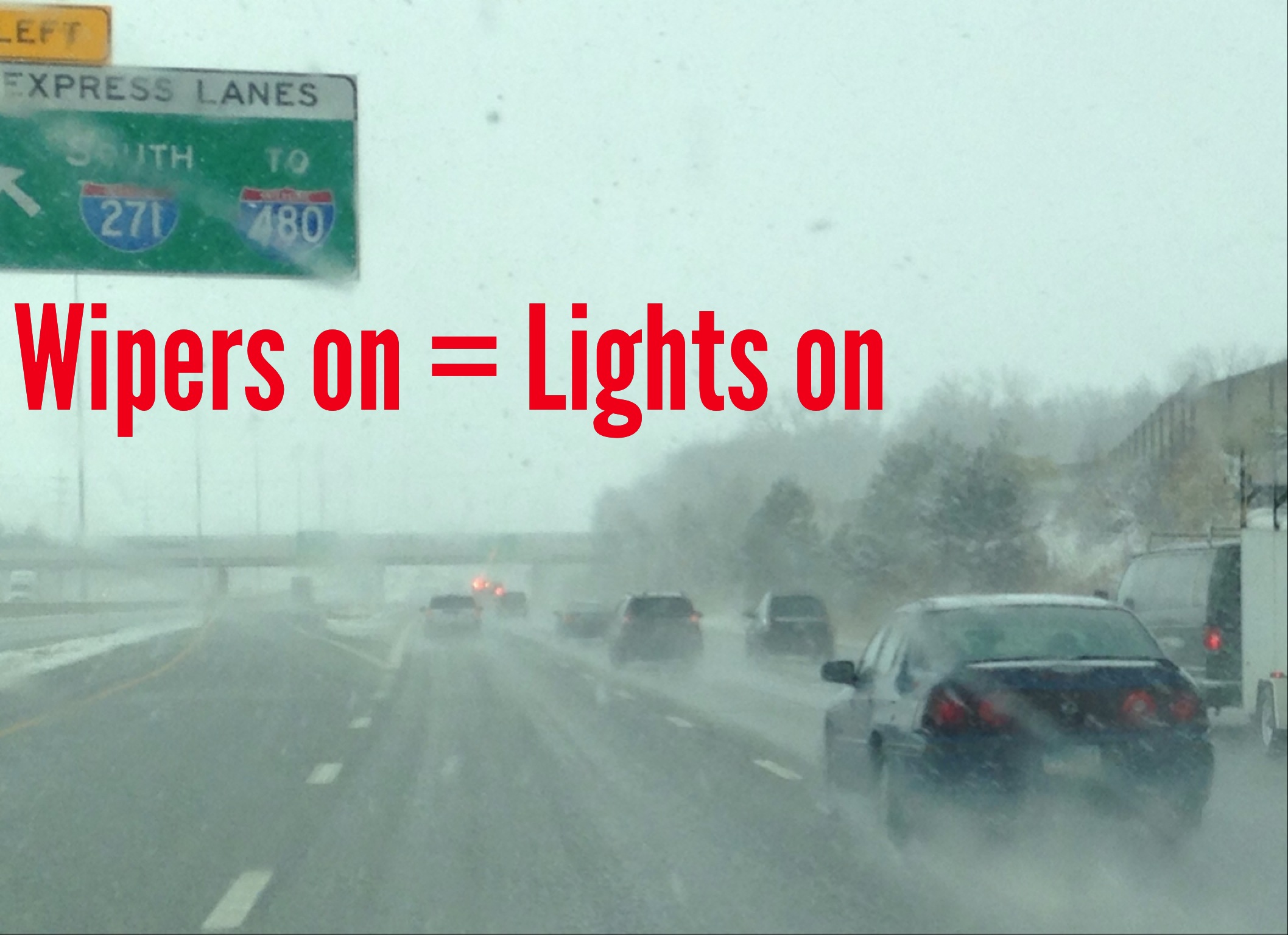
Driving during severe weather? It doesn’t matter whether day or night – Do you have your headlights on?

wipersonlightson

Ohio Revised Code 4513.03   Time for lighted lights on motor vehicles.

(A) Every vehicle, other than a motorized bicycle, operated upon a street or highway within this state shall display lighted lights and illuminating devices as required by sections  4513.04 to 4513.37 of the Revised Code during all of the following times:

(1) The time from sunset to sunrise;

(2) At any other time when, due to insufficient natural light or unfavorable atmospheric conditions, persons, vehicles, and substantial objects on the highway are not discernible at a distance of one thousand feet ahead;

(3) At any time when the windshield wipers of the vehicle are in use because of precipitation on the windshield.

photo 2

Remember, during severe weather, drive slowly peeps!

@rusnivek

No matter how much your pets beg… #Preparedness2014

No matter how much they beg, minimize the amount of time your pets spend outside in severe winter weather #OHWX #Preparedness2014

KacySnow

@rusnivek

Check your vehicle preparedness kit now before this happens to you…

How is your vehicle emergency preparedness kit?

Check it out BEFORE you leave home today!

Be14RkOCIAApv1w

Need some help or ideas in assembling your emergency preparedness kits? Don’t know what to put into your emergency preparedness kits? Check out these free checklists.

Stay safe peeps!

@rusnivek

Winter Storm Watch vs. Warning vs. Blizzard Warning

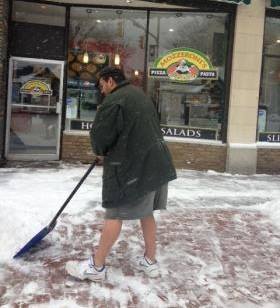
Avoid overexertion when shoveling snow.

Consider stretching before you begin shoveling….and PLEASE wear long pants!!!!!

1601551_410331389069705_161838067_n

Do you know the differences between Winter Storm Watch vs. Winter Storm Warning vs. Blizzard Warning?

Winter Storm Watch: There is a possibility of a storm occurring.

Winter Storm Warning: A storm is already taking place or is expected.

Blizzard Warning: Sustained winds or frequent gusts to 35 miles per hour or greater and considerable amounts of falling or blowing snow (reduced visibility to less than a quarter mile) are expected to prevail for a period of three hours or longer.

Listen to your NOAA Weather Radio for the latest news and weather reports.

@rusnivek

Time to check your NOAA weather radio

Bad weather? Cold Weather? Want to know the weather?

Good time to check the latest #OHWX via your NOAA Weather Radio now

1525468_410241235745387_1550359728_n

And if you happen to be in the Cleveland area = 162.550mHz     SAME#039035


The National Weather Service (NWS) provides local weather broadcasts via NOAA Weather Radio from more than 700 transmitters nationwide. NOAA Weather Radios provide continuous broadcasts of the latest weather information from local NWS offices. Weather messages are repeated every 4 to 7 minutes, or more frequently in rapidly changing local weather, or if a nearby hazardous environmental condition exists. This service operates 24 hours a day.

@rusnivek

Can you use the oven to warm your house?

NEVER use your oven as a source of heat during the severe winter weather.

1512333_410211429081701_1375666232_n

If you do not have heat, contact your local Red Cross chapter for a list of open warming stations/shelters.

Be smart and be safe!

@rusnivek

Mom! Can we play outside in the snow…please?!?!!?

Monitor/limit the amount of time kids spend outside in severe weather.

I know they think it’s fun, but do NOT let them play for hours in the cold.

Bundle up!

1555310_410186692417508_456455657_n


Do you know the differences between frostbite and hypothermia?

Frostbite: loss of feeling and white or pale appearance in extremities such as fingers, toes, ear lobes, and the tip of the nose. Get medical help immediately.

Hypothermia: uncontrollable shivering, memory loss, disorientation, incoherence, slurred speech, drowsiness, and apparent exhaustion. If symptoms of hypothermia are detected, get the victim to a warm location, remove wet clothing, warm the center of the body first and give warm, non-alcoholic beverages if the victim is conscious. Get medical help as soon as possible.


@rusnivek