#NatlPrep Month – Don’t Wait. Communicate. #PrepareAthon

I know it’s only July, but National Preparedness Month is right around the corner.

FEMA’s Ready.Gov just announced the 2015 theme: Don’t Wait. Communicate: Make an emergency plan today.

Groovy huh?

Here’s the logo to use.

CKYhdyqUMAQdNj1

Weekly themes will be done according to these identified topics:

  • Week 1:  September 1-5th            Flood
  • Week 2:  September 6-12th          Wildfire
  • Week 3:  September 13-19th        Hurricane
  • Week 4:  September 14-26th        Power Outage
  • Week 5:  September 27-30th        Lead up to National PrepareAthon! Day on September 30, 2015

I’m looking forward to hearing your plans on how you intend to share preparedness efforts this year.

Are you Ready?

@rusnivek

Press credentials discussed

We talked a little about press credentials last week in our Ohio Emergency Management Agency (OEMA) Basic Public Information Officer (PIO) class. Here’s an example of Chicago’s press creds.

10641141_548741011894251_8860913954215809624_n

(Some of you may remember Erin Kennedy from WKYC 3 here in Cleveland).

PIO Pro Tip: Build trusted relationships w/ the media prior to an incident.

@rusnivek


JIS – JIC planning class for Tribal State and local PIOs

A fine day to teach the Ohio Emergency Management Agency’s JIS / JIC Planning for Tribal, State, and Local PIOs (G-291) course in Medina County!

1

A classic start with The Who.

One of the big points emphasized in this class is the differences between a Joint Information Center (JIC) and a Joint Information System (JIS). Both have merits in daily operations and each have strengths and weaknesses in disaster operations.
IMG_6533

Sometimes PIOs don’t understand that a JIC or JIS activation is just like a normal activation. If you can’t figure out the differences between the two, take the class from those who have actually worked a JIC or a JIS.

IMG_6546

On Tuesday/Wednesday in the Basic Public Information Officers’ Course (G-290), we talked about training and readiness efforts for any PIO. Go Kits were a hot button topic as everyone’s PIO kit would most likely be different. Resource manuals are great to have, but difficult to keep updated. Just maintaining a PIO contact list is a tedious task.

Much discussion about food in the kit. This was obviously NOT a good example of what you should be eating during an JIC activation.

2

Prob not the best lunch.

Healthy body = Healthy mind. Period.

As the day progressed, we facilitated several in-depth discussions on teamwork, joint efforts in responses as well as some pre-scripted messages that can be used by everyone. Planning now will reduce the amount of white hair during an incident.

Establish relationships now with local health departments, local and regional hospitals, local Hazardous Materials (HAZMAT) Teams, Special Technical Rescue Teams. Easily rely on your state staff and resources to support your actions. A great wealth of information is available to bring to the table. Just establish that connection before that awkward 0300 hit.

Additionally, tapping into local resources from other Federal Agencies like the Federal Bureau of Investigations (FBI), Bureau of Alcohol Tobacco, Firearms, and Explosives(ATF), National Weather Service (NWS), Environmental Protection Agency (EPA)Immigration and Customs Enforcement (ICE), Customs Border Patrol (CBP), National Transportation Safety Board (NTSB), Federal Aviation Administration (FAA), etc…so many options to establish relationships!

3

“Building relationships now can only increase our response effectiveness during a disaster.” – K. Sur

Looking outside government agencies, public and private partnerships can support our safety and response initiatives – so we need to make a concerted effort to make those connections now. Build relationships before a disaster!

4

Sur and Mo!

So how can you bring all these resources together? Consider these actions to explore in your jurisdiction:

  • Train. Train. Train.
  • Open discussions with various providers.
  • Invite your all-hazards partners to meetings.
  • Meet regularly. Maintain contact.
  • Take classes together.
  • Share resource lists and contacts.
  • Support each other during operations.
  • Review After Action Reviews / Improvement Plans (AARs/IPs) together.

5

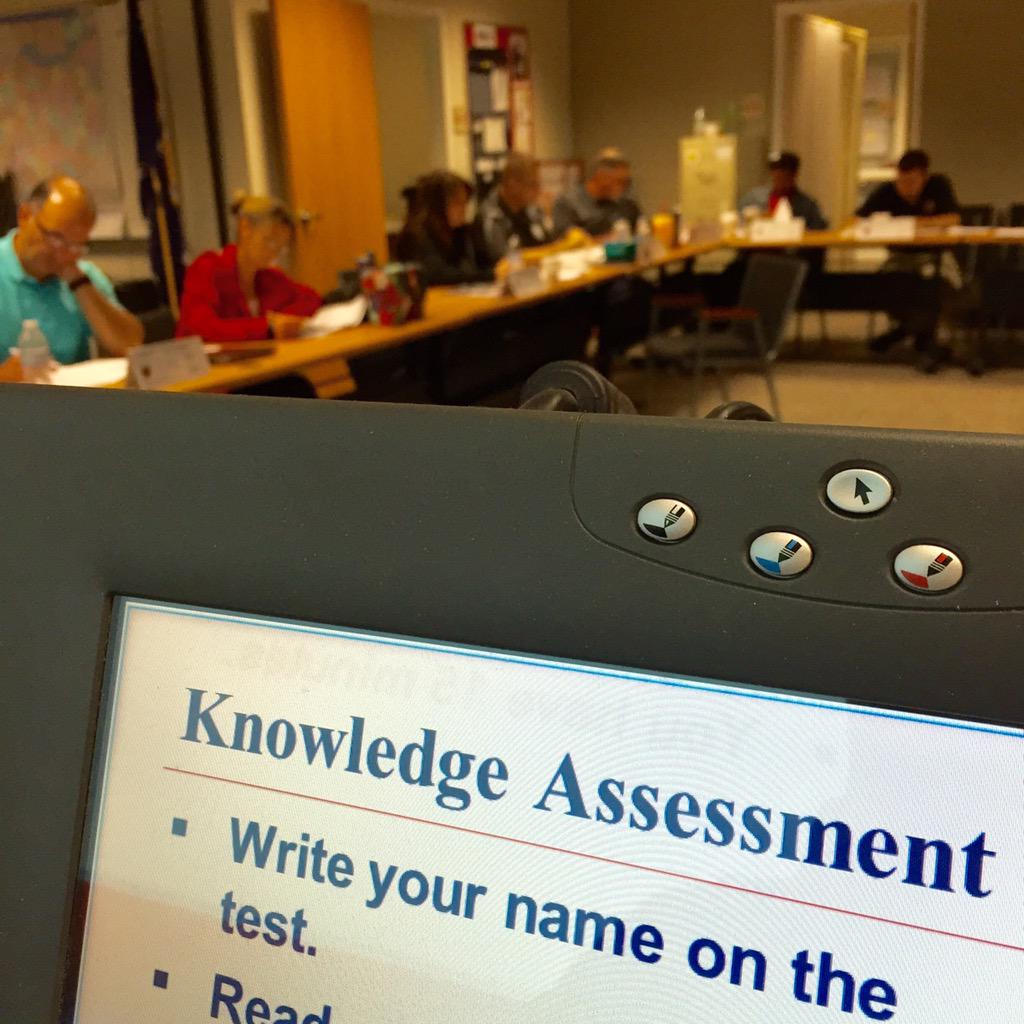
And if you were wondering, class participants did well on their post-tests.
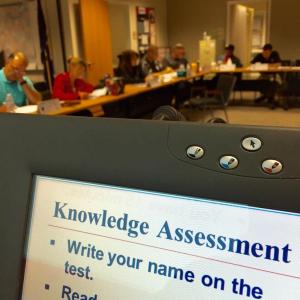
6

Psssst…the answer is “C” #not

We had a great time teaching this week. Much thanks to the Medina County Emergency Management Agency and EM Director Christine Fozio for their hospitality. Super fun time.

7

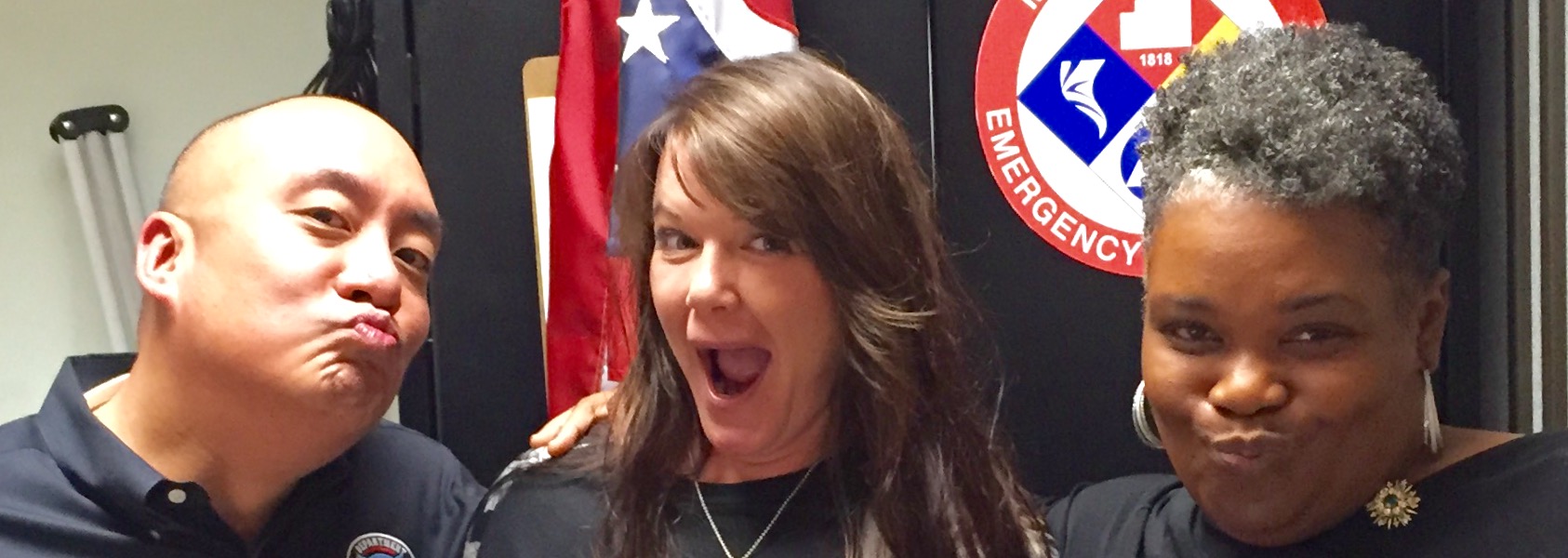
So much ducking fun (duck face reference)

Special thanks to the Ohio Emergency Management Agency for sponsoring this all-hazards class for our partners in public safety.
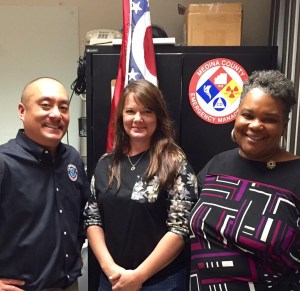
8

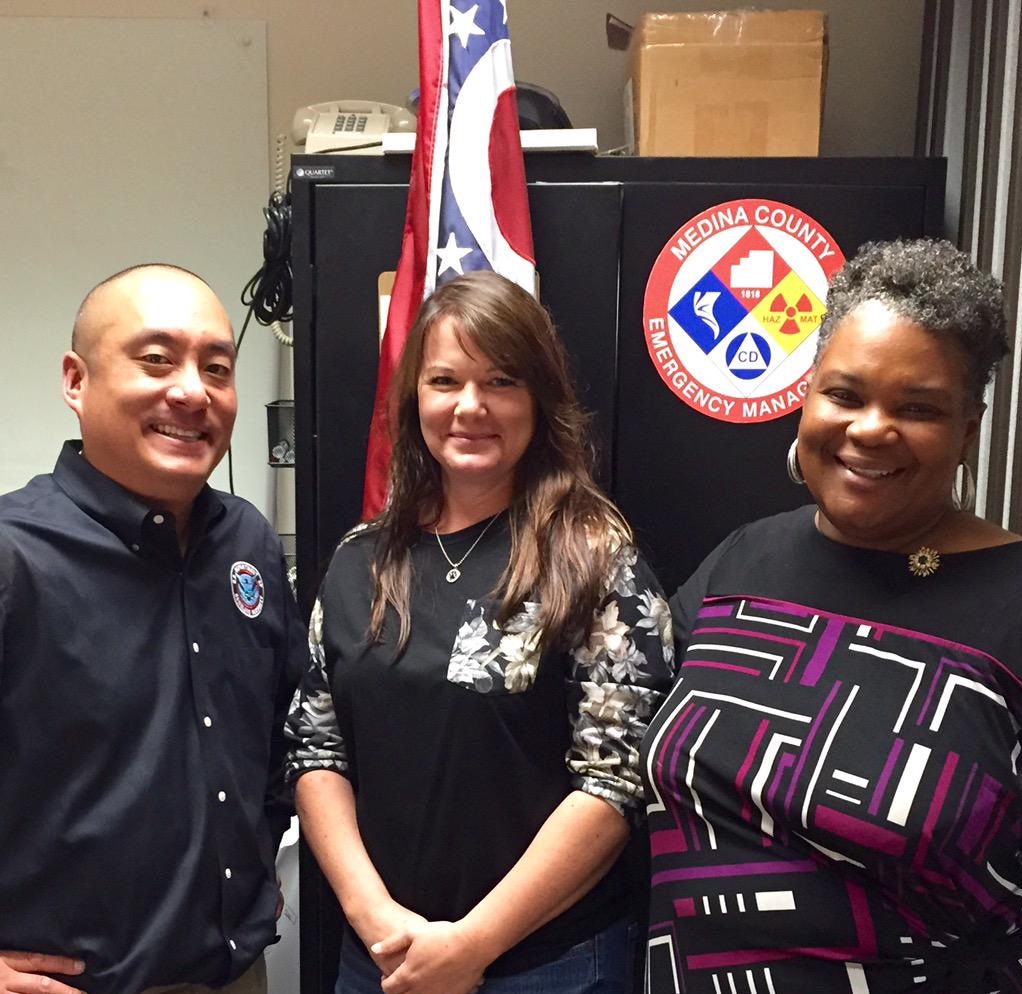
(L to R): PIO Instructor Kevin Sur, Medina County Emergency Management Director Christine Fozio, and PIO Instructor Monique Witherspoon.

If you are looking to attend OEMA’s free PIO courses:

  • Public Information Officers Awareness course (G-289)
  • Basic Public Information Officers’ course (G-290)
  • JIS / JIC Planning for Tribal, State, and Local PIOs course (G-291)

**coordinate through OEMA State Training Officer Susan Traylor.

SurPaperTowels

As always, I’m looking forward to the JIC / JIS activation calls. I am excited for these new PIOs to put their new acquired PIO skillz in place. And yes, I said skillz with a Z.

Time is short so do good stuff!

@rusnivek

Final day of instructing Ohio EMA’s Basic Public Information Officers Course

Final day of the Ohio Emergency Management Agency’s Basic Public Information Officer Course (G-290). Kaboom!

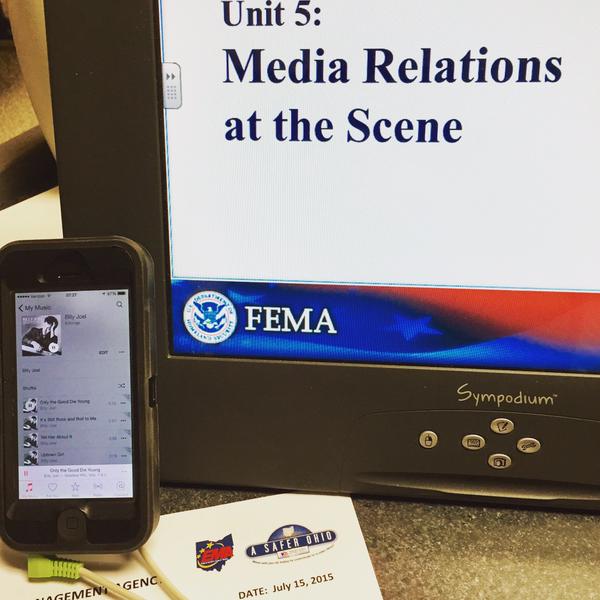
Before class started, we pumped a little Billy Joel through the ECC&C speakers.

CJ9Vo8mUkAAIEAf

We talked about what kind of information needs to be disseminated including categorizing messages by priority. Obviously, we discussed various social media platforms and a few publishing options to maximize visibility.

CJ-bUKTWEAA9tNl

Basically, it still comes down to maximizing our efforts during a disaster or emergency.

Working in groups, all participants formulated action items to implement at their agencies. Incidentally, this is truly the reason why so many ICS classes exercise in groups…is to help facilitate open dialogue. Building relationships is easier in an open classroom setting.

And yes, 0300 is NOT the time to be meeting fellow public safety professionals for the first time in the EOC.

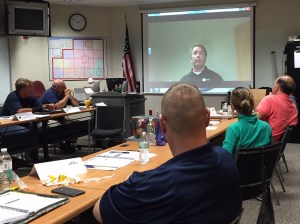
As a group, we evaluated everyone’s TV PIO interview.

CJ-wTT-WEAAhI7G

Everyone shared constructive recommendations with the entire class. Everyone.

1

In fact, the private industry crew really enjoyed the training and wanted to work/train more closely with various public safety agencies (Hmmmm, I sense this could be the start of a public-private-partnerships-EEEK).

In the end, more group work and a secondary interview helped participants to become more comfortable in front of the camera.

Additionally, non-verbal actions including certain physical cues were shared to help PIOs take back control from an aggressive reporter and take control of the interview.

2

Remember, the important point to remember is….

3

Reporting live from FEMA Region-5, at the Medina County Emergency Coordination Center & Classroom…

SurPaperTowels

@rusnivek

Teaching Ohio EMA’s Basic Public Information Officers Course

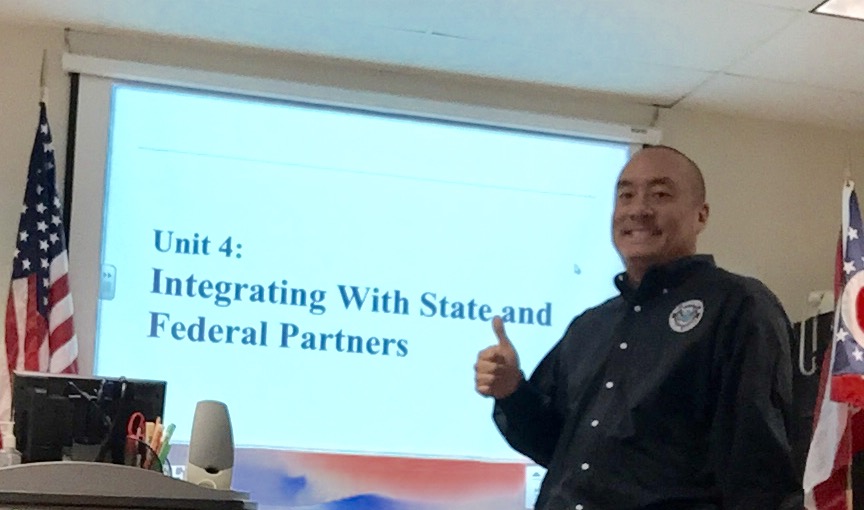
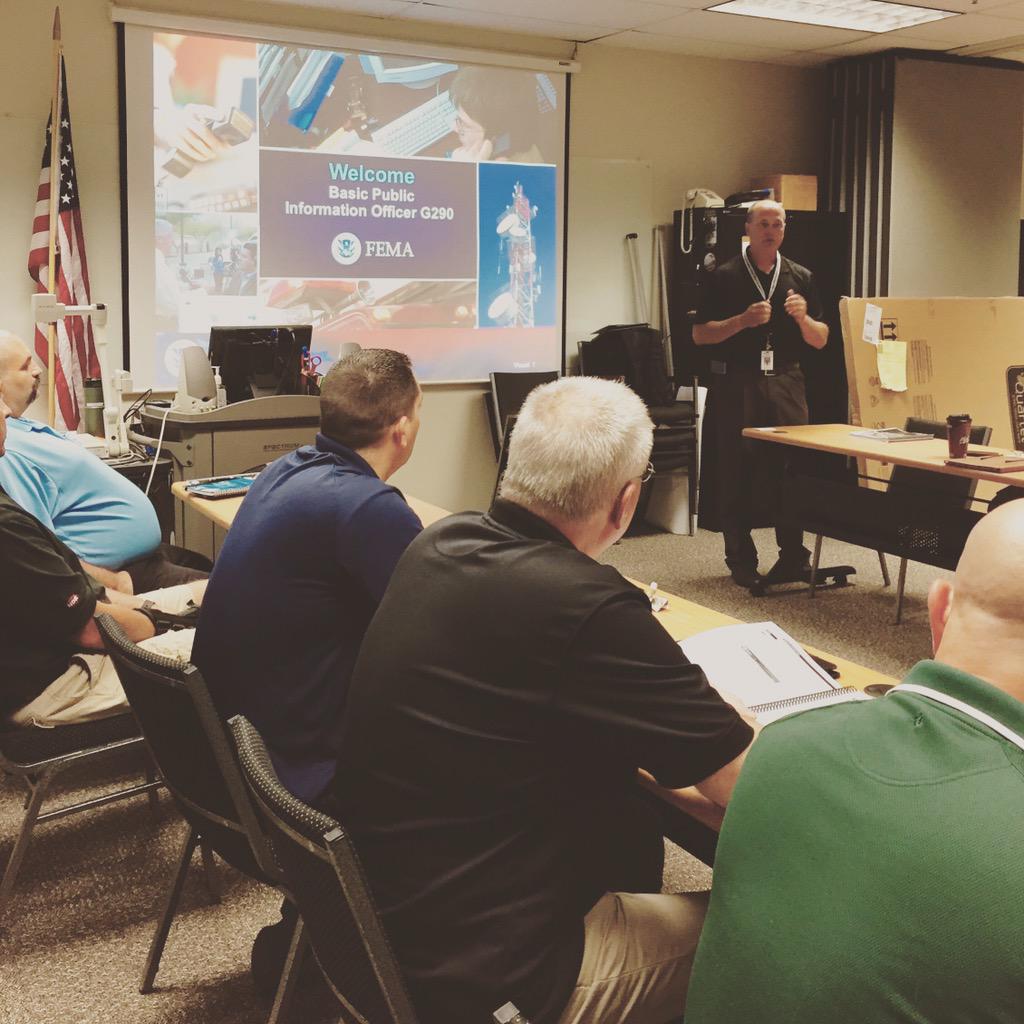
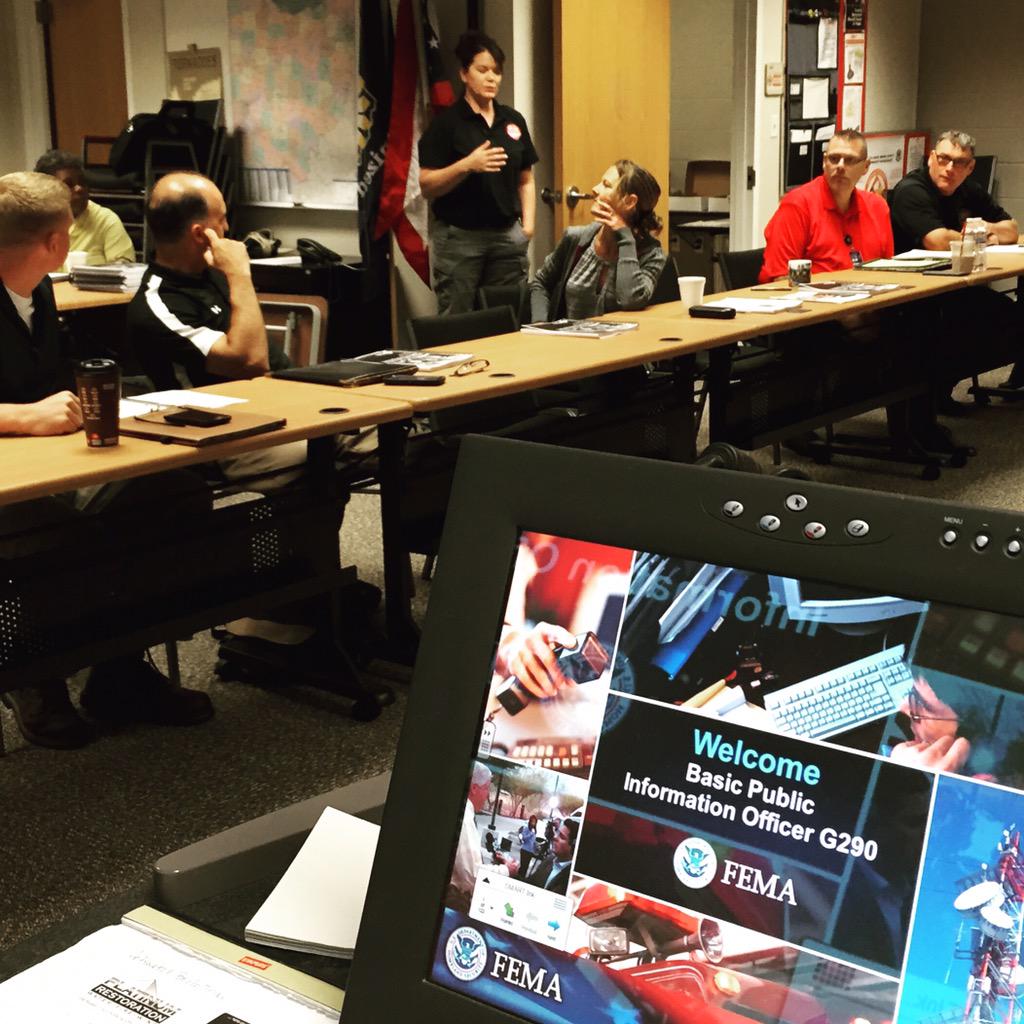
First day of the Ohio Emergency Management Agency’s Public Information Officer Course (G-290). Whohoo!!!!

Welcome and intros today by OEMA NE Region Supervisor Bob Zehentbauer.

Bob Z kicking off today's Ohio EMA Basic PIO course.

Bob Z kicking off today’s Ohio EMA Basic PIO course.

(Bob-Mahalos for the kind words)

Special thanks to Medina County Emergency Management Agency and Director Christina Fozio for hosting this great all-hazards class.

Medina County EMA Director Christine Fozio with the best hospitality in the EOC!

Medina County EMA Director Christine Fozio with the best hospitality in the EOC!

This class, our participants hail from various disciplines including Fire, EMS, Law Enforcement, Emergency Management, Hospitals, Prison officials, Private Industry, Health Department, and Higher Education.

So many experiences to share especially with all the EOC activations we had in the past 5 years here in NE Ohio. Castro case, Ebola, Pepper Pike Tornado, Flooding, Operations Barclay, Hurricane Sandy, etc…all are great experiences that we as instructors can share our experiences with our participants.

I believe the best part about the G-290 course? The on-camera interviews for everyone.

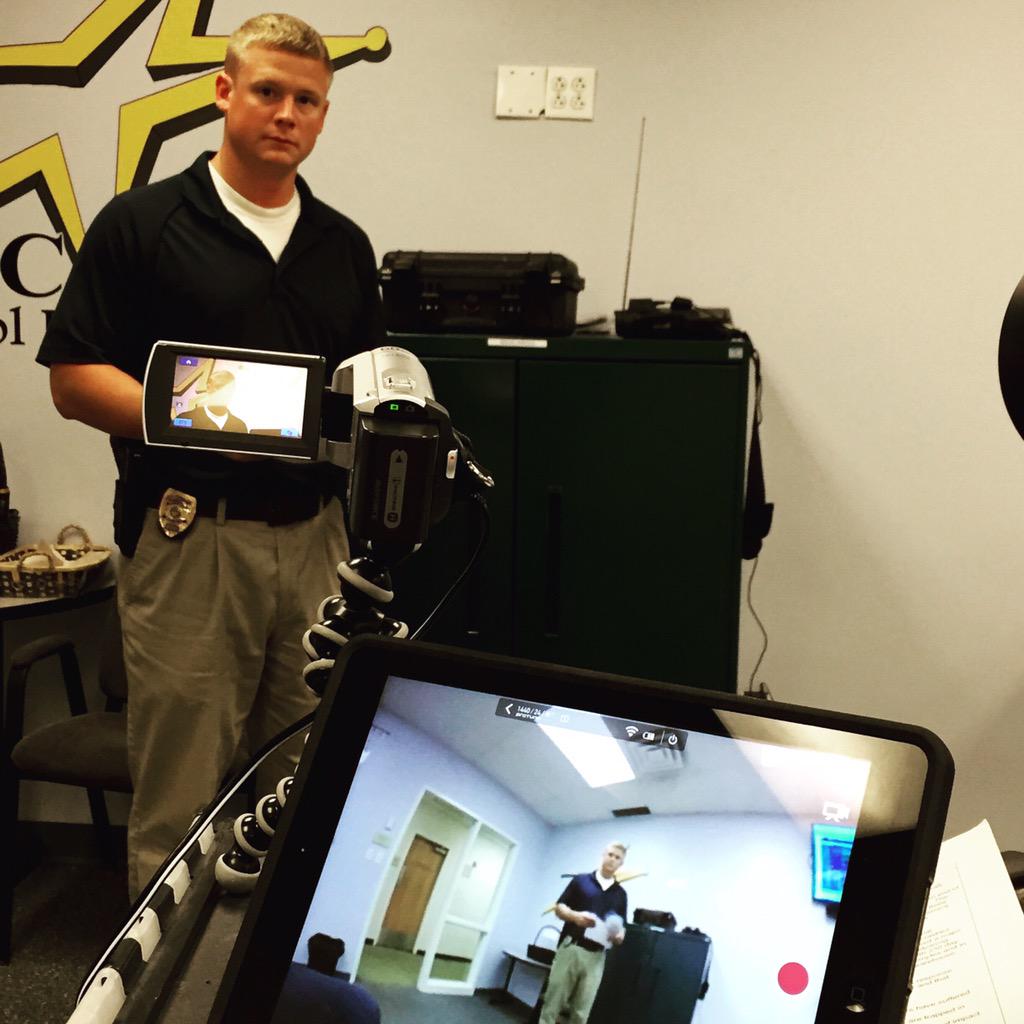
One camera for face, one camera for body language, and a tricky "reporter" asking questions.

One camera for face, one camera for body language, and a tricky “reporter” asking questions.

Many instructors shy away from this task because they don’t have the time, experience, or even the equipment. However, I believe that it is imperative we have these tools that simulate real-life situations. We as instructors should provide the most realistic examples of in-field experiences for all participants.

SurPaperTowels

For those attending, we will never compromise. We will always provide the best class.

Period.

@rusnivek

Spent my day with my hometown CERT

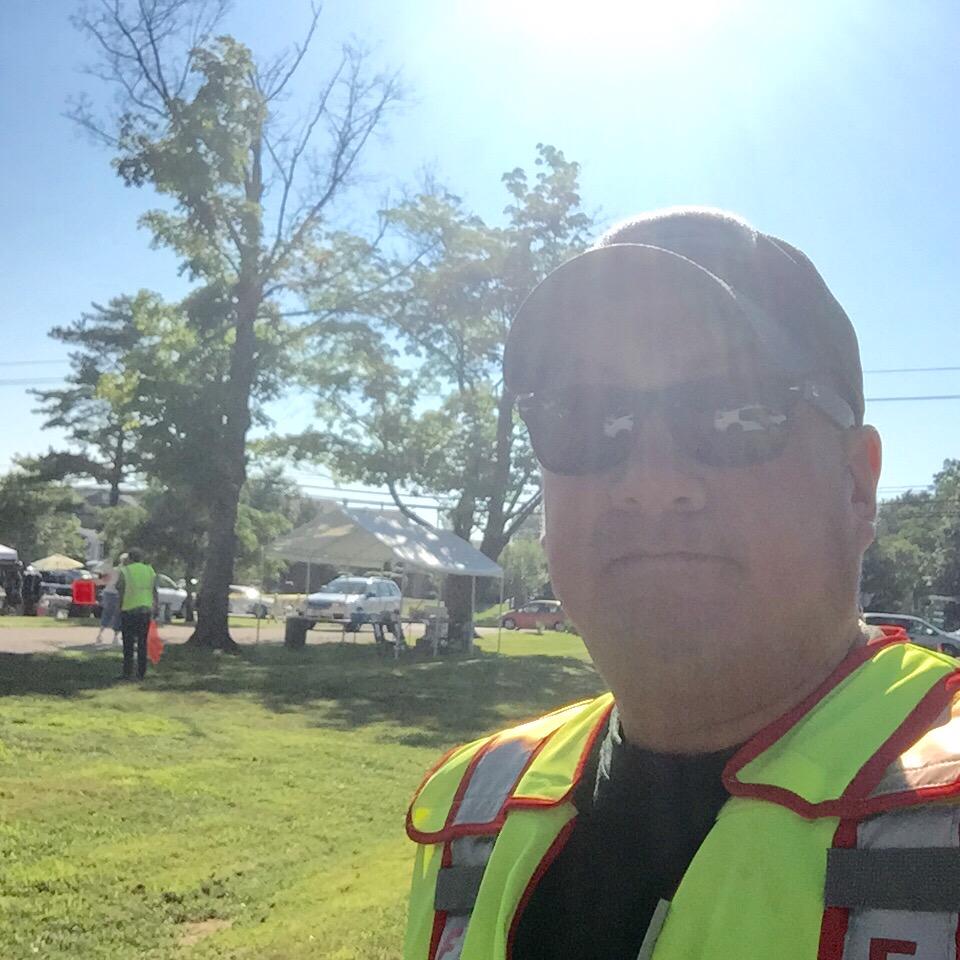
Spent my day volunteering with my hometown Community Emergency Response Team (CERT).

On arrival, I thought I was going to get assigned a different task, but logistics and parking was the identified main concern and safety was an issue.

CJo4GxIUMAEgoPf

After I got briefed on the event, I discussed our situation with all the participants. As CERT, we coordinated our efforts so that our actions/tactics could best match the safety of our personnel as well as others who were there attending the event.

I briefed the Mayor on our ongoing operations and even looked at a few alternate plans.

IMG_6245

Of course we continued to assess our event and think about other safety measures.

IMG_6249

And of course we had a few moments to share a smile.

IMG_6240

Fun fact, our Council President and Safety Chair is also a proud founding member of my awesome CERT Team. Booya!

IMG_6252

Seriously, I love it when elected members of local government give back to their community.

We identified a few issues that will need to be made for the 2016 event (like a formal all-hazards traffic plan with maps, uniformed vests, pre-event plan dissemination/distribution, more participation, etc…). Maybe a formal Incident Action Plan (IAP). Fairly easy stuff that we would be happy to share w/ our constituents.

Wait….What? You have never heard of FEMA’s CERT program before? Community Emergency Response Team (CERT) Program educates people about disaster preparedness for hazards that may impact their area and trains them in basic disaster response skills, such as fire safety, light search and rescue, team organization, and disaster medical operations. Using the training learned in the classroom and during exercises, CERT members can assist others in their neighborhood or workplace following an event when professional responders are not immediately available to help. CERT members also are encouraged to support emergency response agencies by taking a more active role in emergency preparedness projects in their community.

More info can be found on FEMA’s website here.

Want to volunteer within your own community? Want to make a difference in your community? Click here to locate the closest CERT Team to you!

As always, I believe I can make a difference in my community. Fun fact: I’ve been volunteering with my CERT since 2007.

I hope you will do the same.

@rusnivek

EMS Zoom ZOOM! More like no-NO! #SlowTheEffDownNOW #Paramedic #EMT

EMS call – yes!

faster – Faster – FASTER!!!!

But I am sure this GoPro footage is being reviewed by all the bosses.

I can’t image that they’d be happy to see this.

Also, that siren is weird too.

Just keep in mind, if EMS doesn’t even make it to the scene because of their own reckless crash, who will treat the patient?

Duh.

image

Safety first peeps.

@rusnivek

FireChat – First look 

FireChat – First Look
There has been lots of discussion about mobile message apps using MESH networks. Just like my deployment to Hurricane Katrina/Rita in Louisiana’s Lower 9th Ward, we had no cell service which means no internet. Common in disasters, many startups are looking to bridge that gap using Bluetooth/MESH networking for any type of mobile technology.


MESH networks literally work by using other devices in your general vicinity to relay/transmit data to any available network. Devices can automatically network with each other via flood technique (overwhelming) or routing technique (hardware hoping). To put it into terms that we in government are more used to hearing, this type of networking is considered a mobile ad-hoc network that can operate independently with little or no internet connection.

Some advantages include internet use with at least one actual connection, increasing local networking by locality through mobile hardware, and of course an automatic mobile-to-mobile network.

Some dangers include lack of security, mobile device protection, connection reliability, and as the MESH network grows the more prolonged data delays occur.

Soooooooooooo, just like when ello was released, I downloaded the app and started using it. I engaged with various users over the course of the last 4 weeks. Here’s my notes.

  • GPS data is incorrect. I was in Dallas’ airport and it pegged me in Natchitoches, LA.
  • Bluetooth is another way for MESH networks to communicate but strength of mobile-mobile connections is fleeting/passing in an airport
  • Hyperlinks do work.
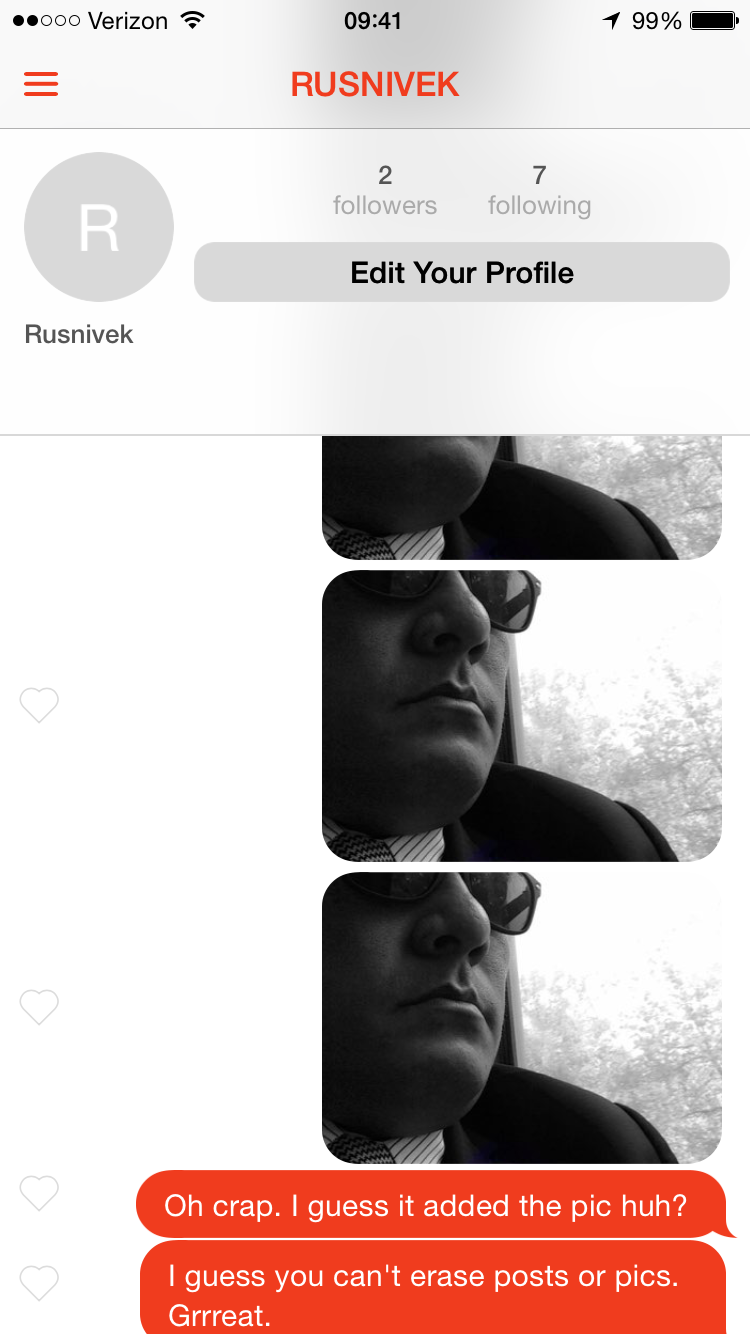
  • When you upload a picture, FireChat does NOT give a confirmation message or pop-up that your picture is uploaded (I found this out because I uploaded my picture six times before I realized what was happening). #whoopsies

  • Aaaaand you cannot erase pictures.
  • Users cannot erase comments.
  • Hashtags help users identify topic and discussion.
  • Hashtags are hyperlinked in FireChat to those specific groups.
  • Twitter handles do NOT hyperlink to Twitter accounts
  • Phone numbers hyperlink to phone app (list using xxx-xxx-xxxx). It also works using the xxxxxxxxxx format but it looks cleaner and easier to recite w/ natural “-” breaks.
  • FireChat does not allow cut/paste function.
  • GPS coordinates do not hyperlink to any maps (Apple Maps or Google Maps)
  • USNG does not work either.
  • Refresh rate is slow (when compared to Twitter’s network refreshes faster and is more streaming).
  • In a known dead spot for cell service, MESH network was slow and did not connect to internet.
  • Trolls are rampant and uncontrolled in the main chatroom.
  • Main chatroom has various and NSFW topics.
  • Many users do not identify themselves with a profile picture or descriptor.
  • Many users are using this service as a social network for personal PERSONAL reasons.
  • Bad words are censored on FireChat with “*****”. Unknown what those specific terms are.
  • You can like a comment from others or about yourself. Other users can see that someone has liked the comment/content by the red heart displayed. No amount is quantified. Just one lonely red heart.

If Emergency Management was to use FireChat, designate a specialist to monitor to observe and engage pertinent conversation in main chat room directing them to distinct #group in FireChat.

At this time, I only use FireChat when I’m bored and want to see if they have developed other functionality tools.

Just a few initial thoughts on FireChat.

@rusnivek

Building relationships now will only increase successes

We must continue to work closely with our partners in all emergency services because the safety of the public is of the utmost concern.


I am proud of the work I am asked to do because it brings agencies closer together and ultimately in times of crisis, agencies will seamlessly showcase their skills together and find success together.

Slow is smooth and smooth is fast. Because 6/6 is good numbers.


I hope your agency is building stronger relationships BEFORE any major emergency or disaster. By strengthening partnerships with a wide swath professionals, we can only become smarter and more successful.

 Call it “Increasing Situational Awareness/Common Operating Picture” or “All-hazards planning” – IDGAF.

Make it your prerogative to build relationships now. Right now.

Don’t make me step on your face. Do it!

This is the marker of many successful agencies.

@rusnivek