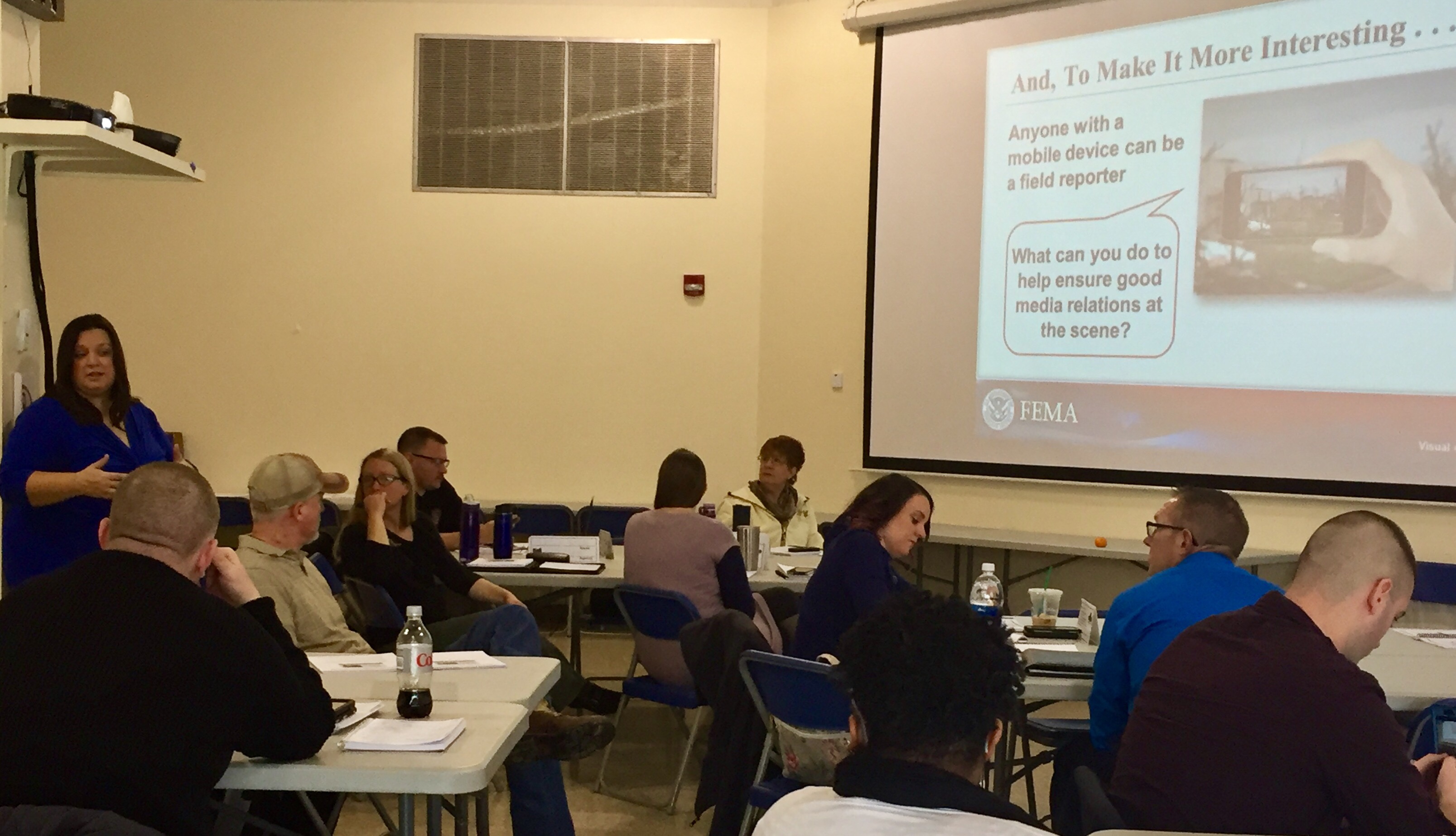
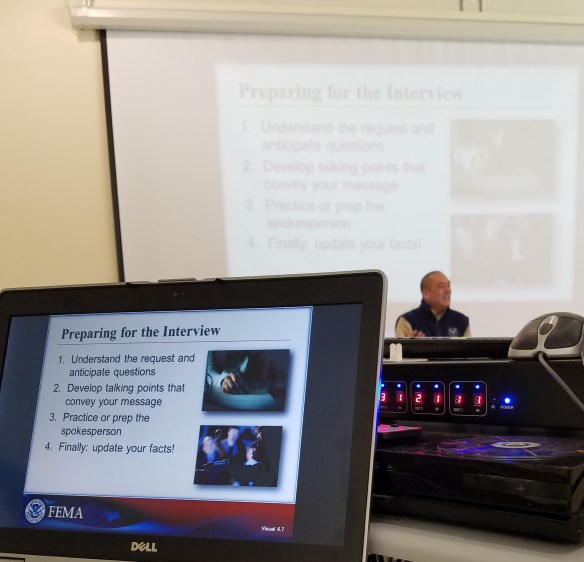
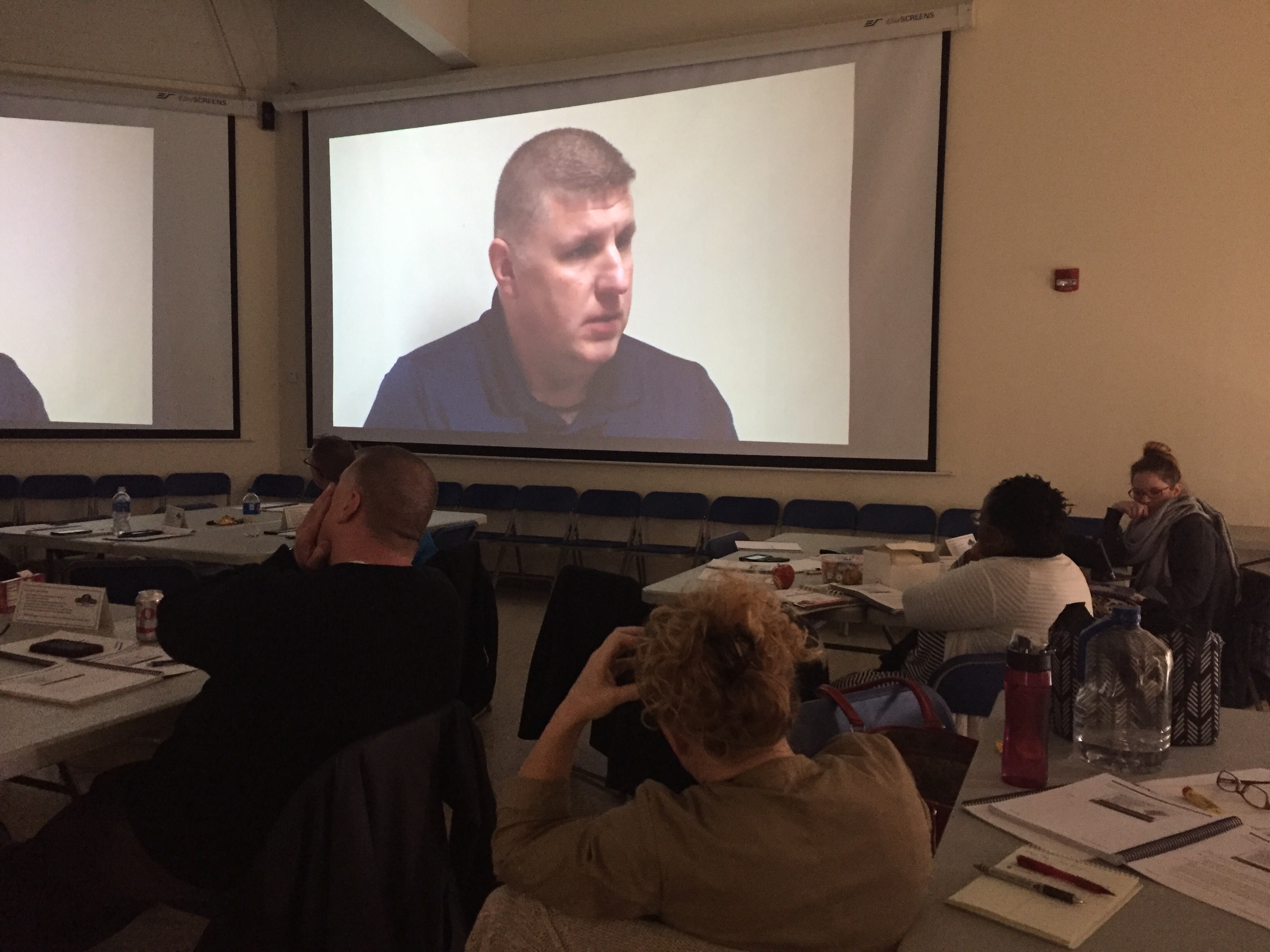
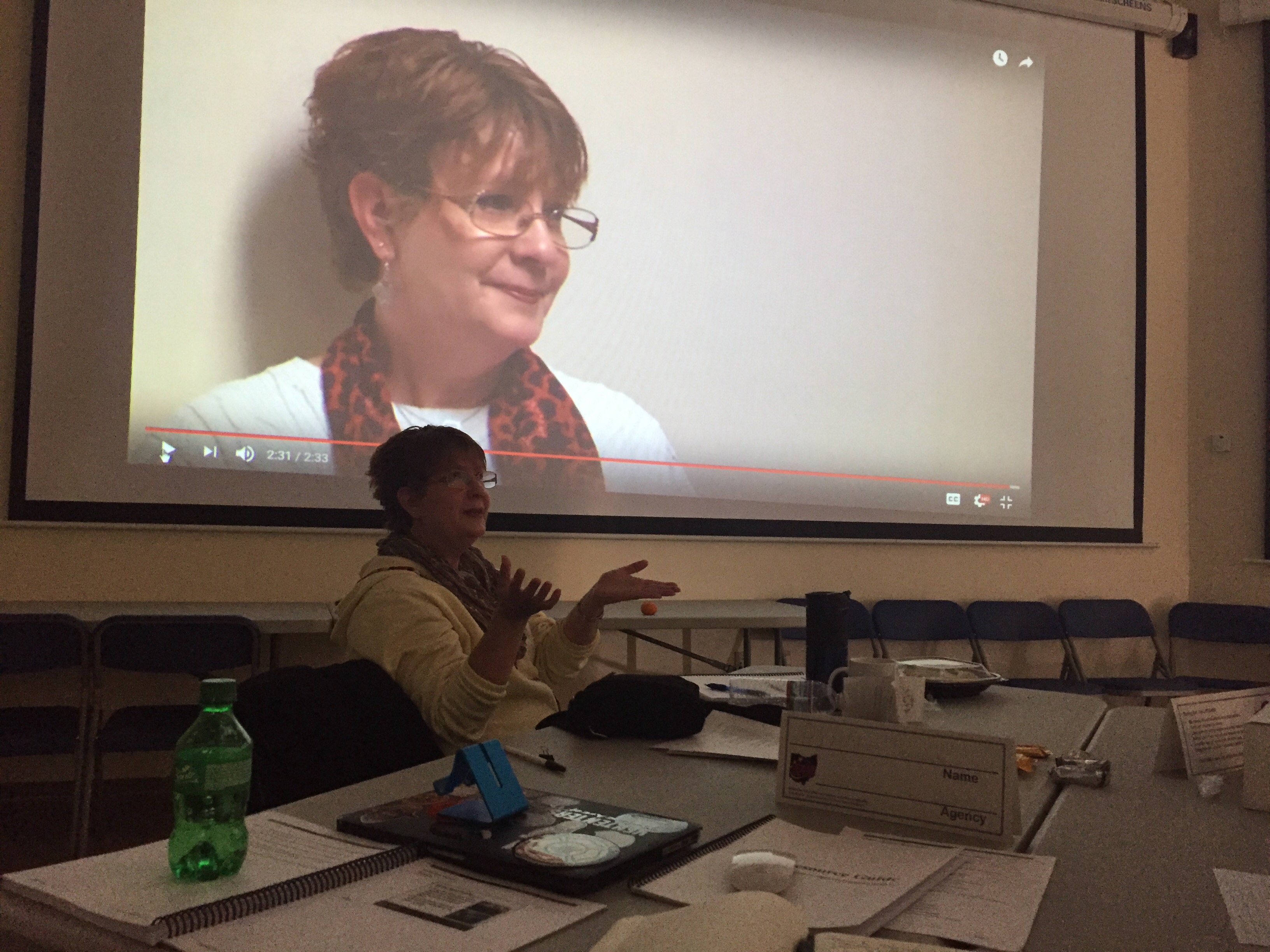
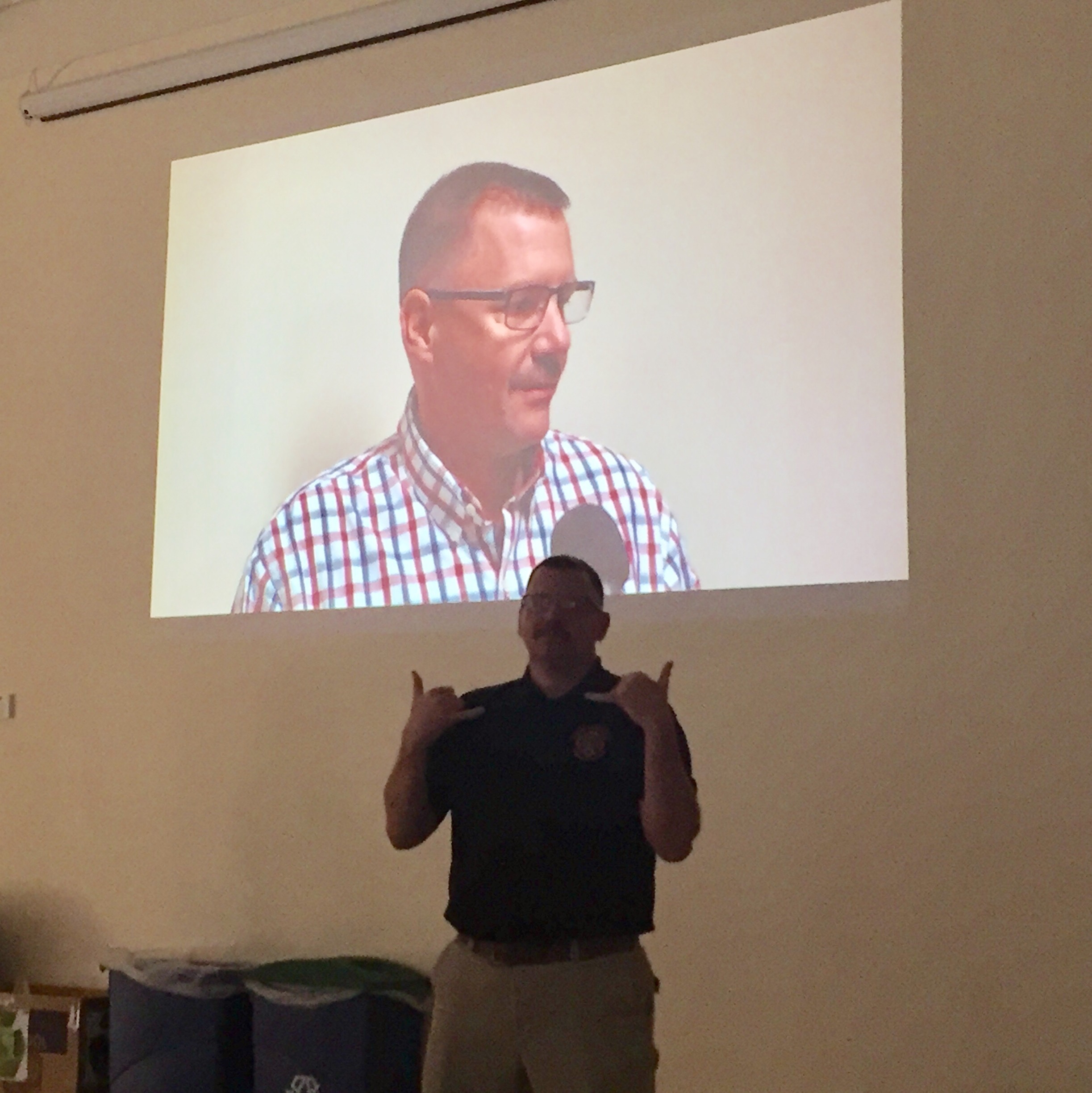
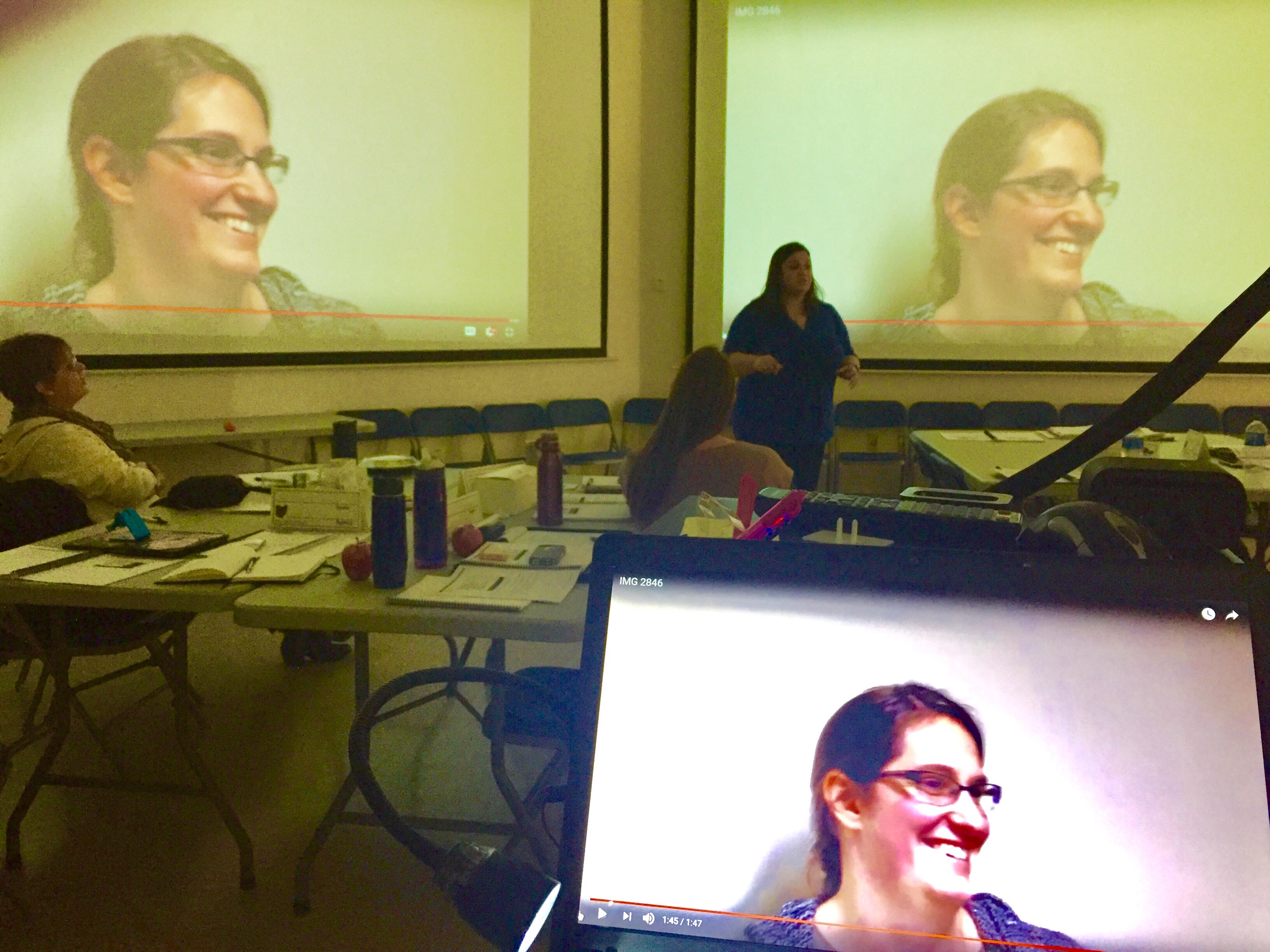
Finally reviewing some of the recap video from the PIO Conference in January.
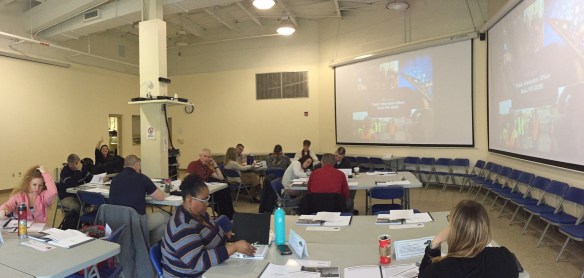
Great time with over 100 seasoned Public Information Officers (PIOs)…
…from multiple states including from all over Ohio.
Saturday night fun stuff.
Finally reviewing some of the recap video from the PIO Conference in January.
Great time with over 100 seasoned Public Information Officers (PIOs)…
…from multiple states including from all over Ohio.
Saturday night fun stuff.
Monday morning..in the office.
As an Emergency Management Instructor, I read through all my evaluations. Like ALL evaluations.

It helps better my instructional delivery as a professional as well gain valuable insight to how participants perceive our enabling learning objectives and key points.

The comments below are from a course I taught last week.

“I have taken a couple dozen or so FEMA classes and these two are the best pair of instructors I have had!”

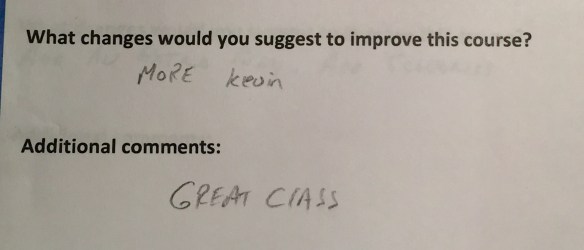
“More Kevin”
Say hello to the newest PIOs from Ohio, West Virginia, and Virginia!
Congrats peeps!
Now use your communications skillz for good!
(Yep, that is most definitely a “Z”)
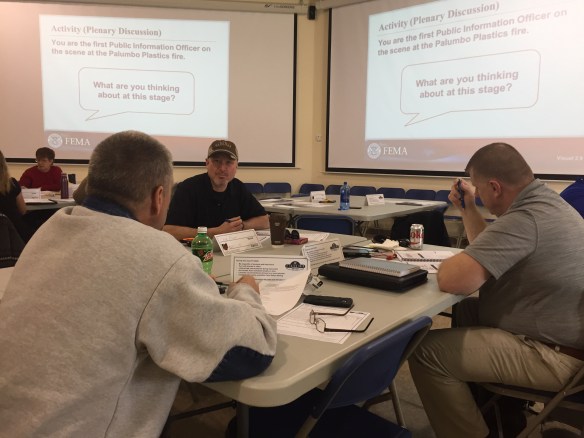
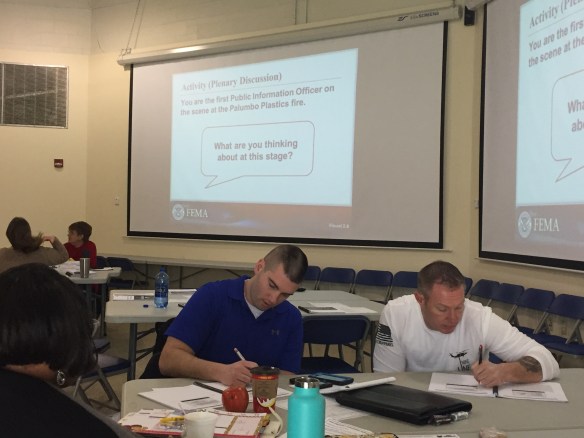
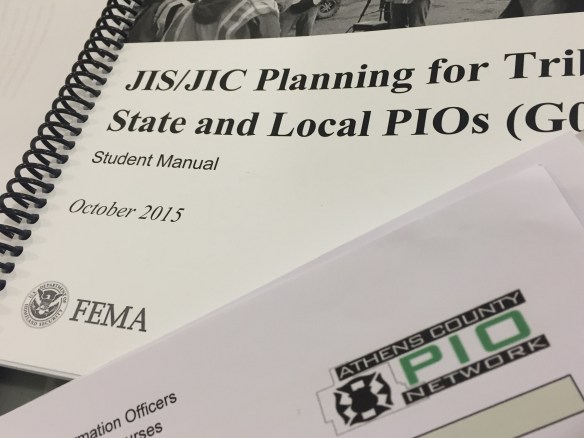
Leading off another Federal Emergency Management Agency (FEMA) Ohio Emergency Management Agency (OEMA) G-0291: Joint Information System / Joint Information Center Planning for Tribal, State, and Local PIOs.

We have a few new additions to our class – who hail from across Ohio, West Virginia, and Virginia.

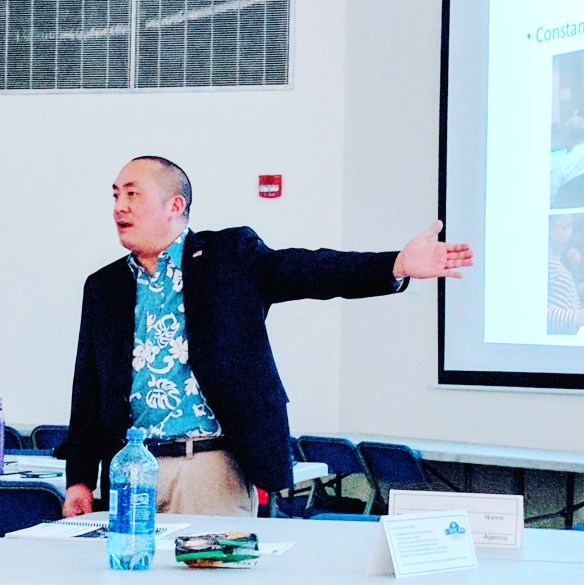
Glad to have so many pros with us in class…esp for #AlohaFriday – yeah baby!

PC: J. Beckett
Always an Aloha shirt on Fridays.
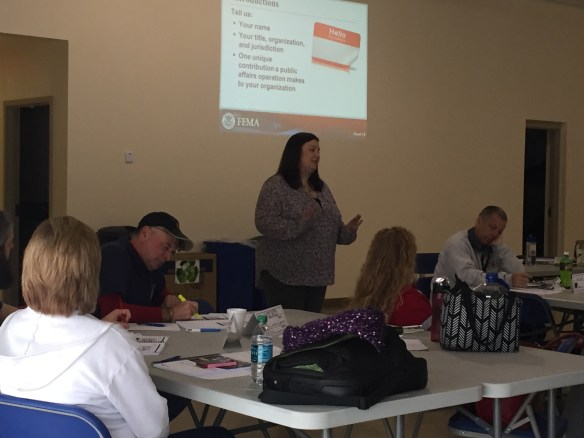
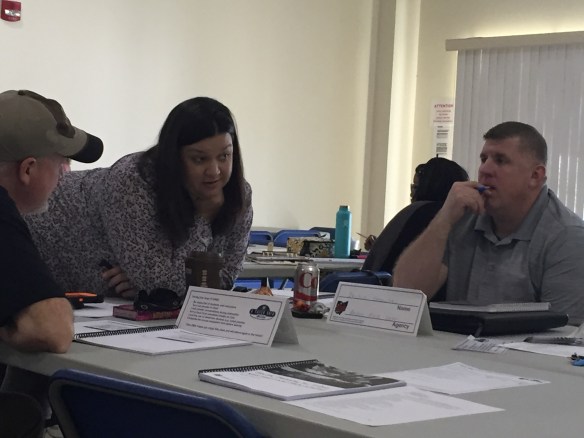
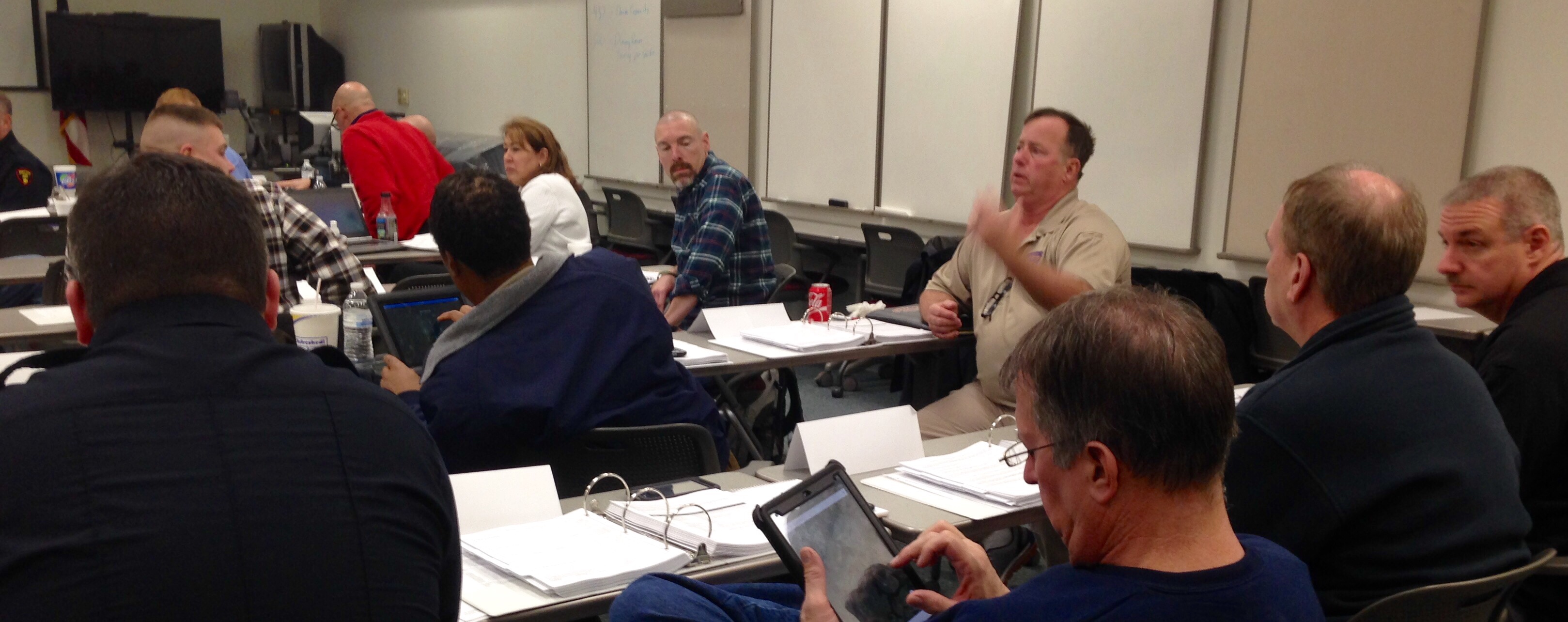
Lots of group work and discussion as everyone contributes information to better their communities.
It is helpful because our participants have diverse backgrounds.

Almost all Emergency Support Functions (ESFs) were represented.

This allowed us to have an in-depth discussion and think outside the box to solve various in class table top exercises.

Instructors we able to facilitate discussion among groups providing the opportunity to enhance their response with immediate communication strategies and tactics for emergency notification.

Also lots of discussion of the benefits and pitfalls of the JIC vs the JIS.

Additionally, the class wanted to see a few pictures from our Joint Information Center (JIC) during the 2016 RNC (2016 Republican National Convention).

We obliged and showed a few pictures.

Glad to have the chance to present before the PIOs from Athens County and beyond.

Special thanks to Dan in coordinating this training with Ohio Emergency Management Agency (OEMA) and Federal Emergency Management Agency (FEMA).

Proud to have so many different agencies represented.
Looking forward to working with each of these PIOs in a JIC!
Day-2 of FEMA / Ohio EMA Basic Public Information Officer course.
Many of our participants wanted to know what is was like to implement a media pool for an international audience so we obliged by showcasing the May 2013 landmark case of the Cleveland Survivors’ Amanda Berry, Gina DeJesus, Michelle Knight.
After discussing interview tips, we reviewed all media interviews. Everyone got a chance to openly review their newly acquired PIO interview skills.

PC: E. Creech
Sharp PIOs providing some sharp witty responses to the fictitious disaster.
Great discussion on redirection…

…and transitional phrasing or bridging…

…and of course the “no comment” conundrum.

All these in class activities help better our PIO on camera TV interviewing skills.
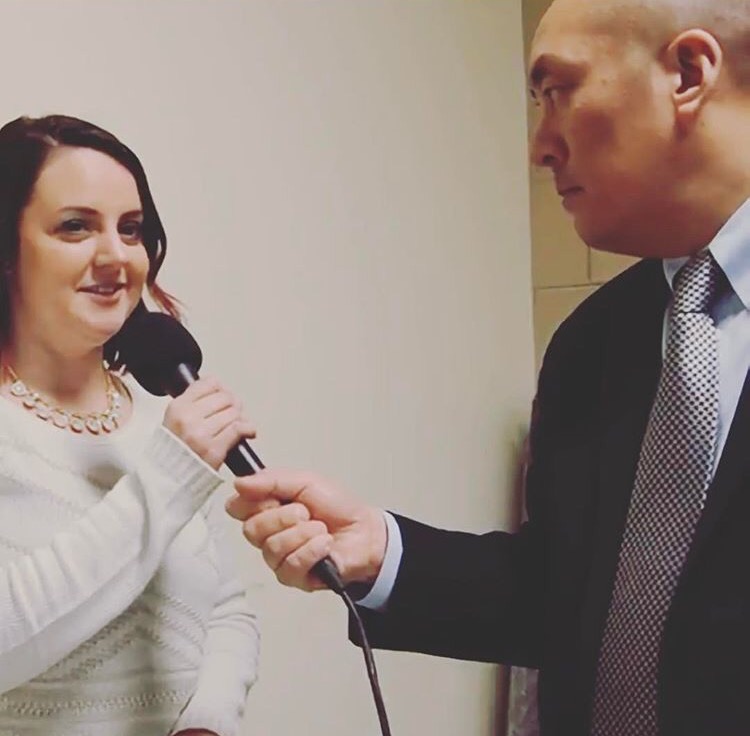
Meanwhile, a few participants tried to manually control the interview by holding my mic hostage.
Looking forward to our G291: Joint Information System / Joint Information Center class tomorrow on #AlohaFriday.
Kicking off another solid FEMA / Ohio EMA Basic Public Information Officer’s course.

We have participants from across the state of Ohio, Virginia, and West Virginia!

So Region-5 and Region-3 are well represented.

Proud to have a diverse class this week in Athens County, Ohio.

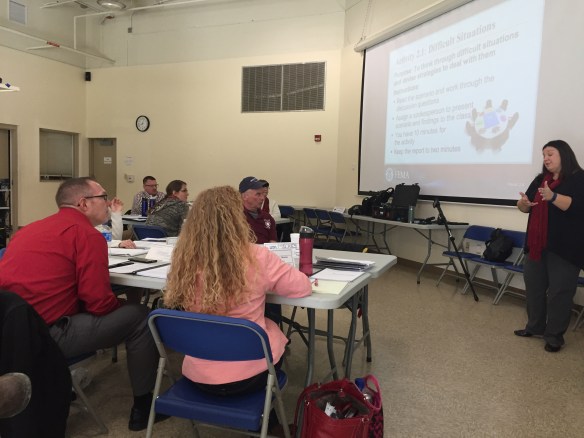
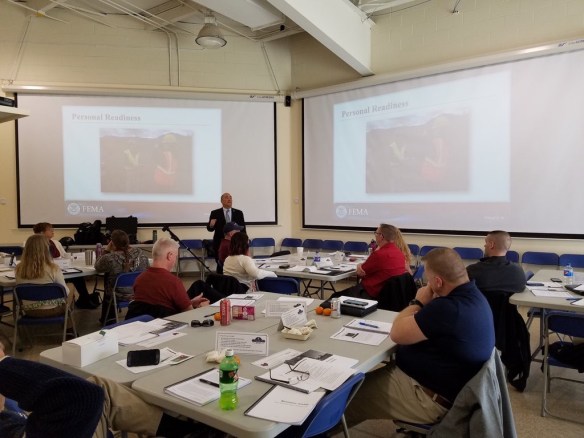
Lots of class engagement with several opening activities assessing preparedness levels as well as gaps in PIO responses.

Addressing difficult situations (aka anticipating media questions) with PIOs or agency heads before they happen is a critical skill that every PIO should master.

Deep discussion on how all-hazards PIOs could support various operations with public safety. Also dissecting how Strategic Communications play a crucial role in planning.

#StratComms4Lyfe
On camera mock media interviews in the afternoon with focus on answering questions, talking points, redirects, and of course preparedness. Great time to hone the skills of every PIO and agency head.

Show and tell on preparedness kits and PIO go readiness kits.

PC: E. Creech
Including my famous “PIO stick”

PC: J. Beckett
Looking forward to day-2!
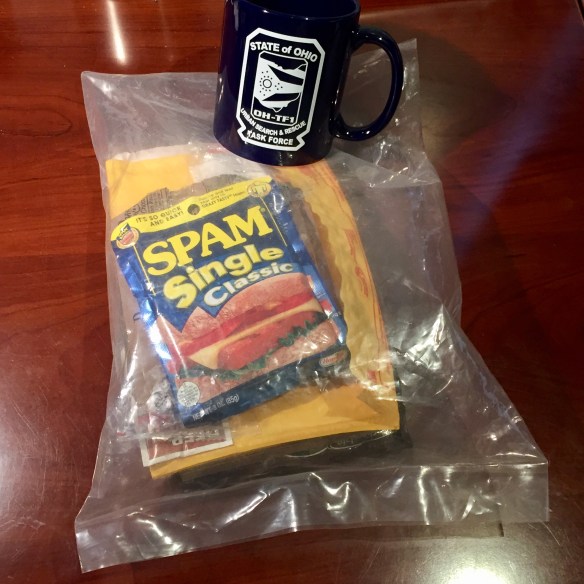
It’s Monday…but I think I found my favorite MRE.

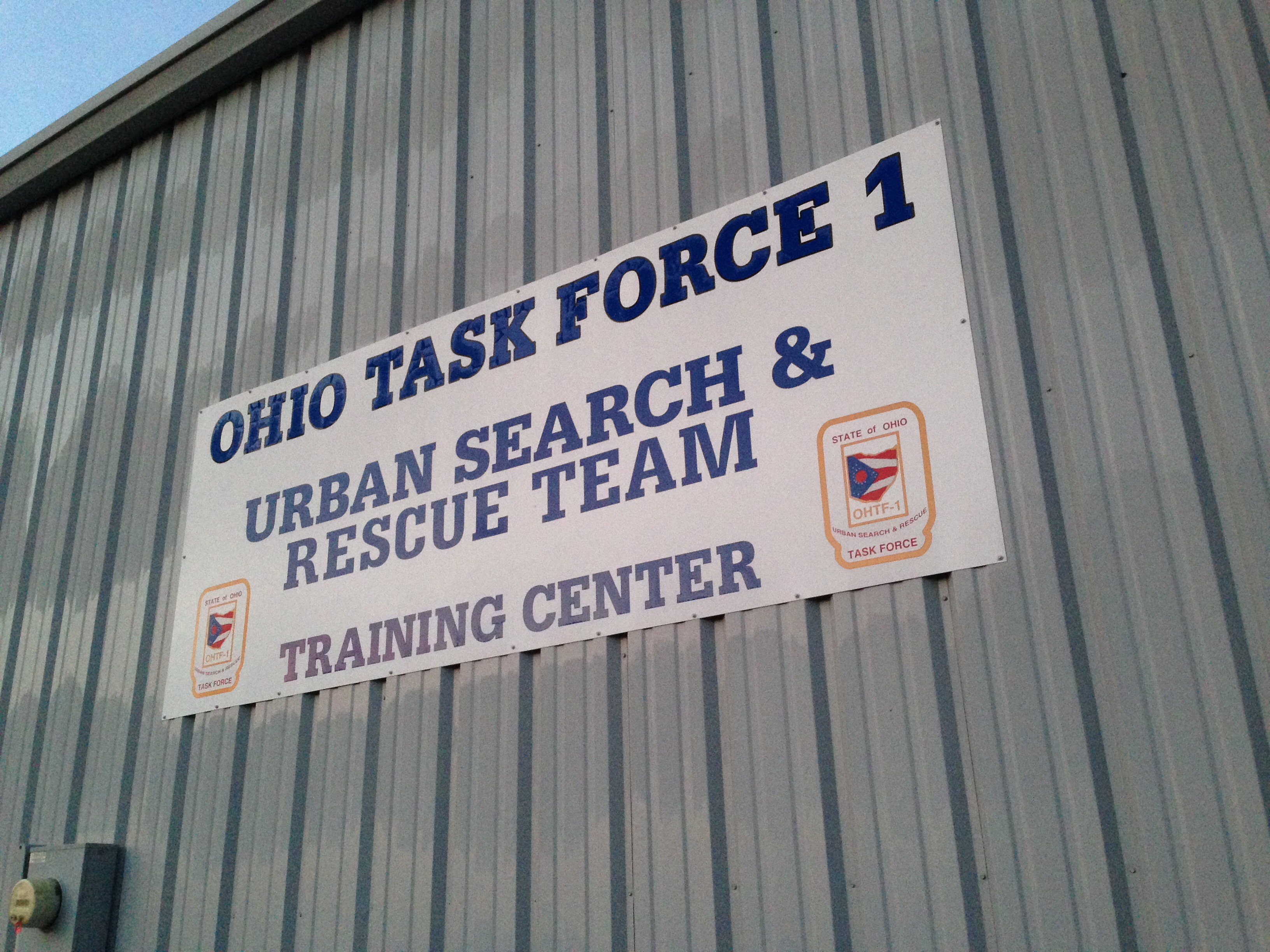
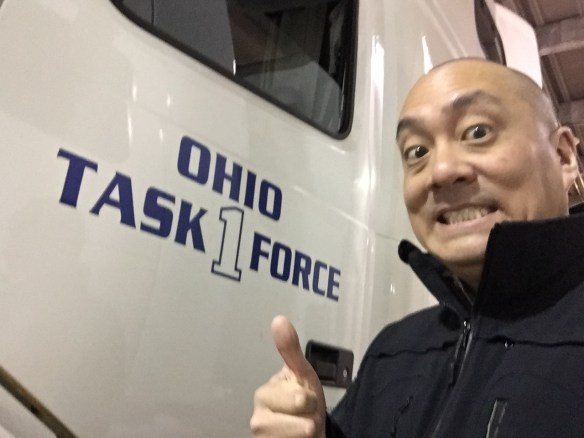
Special thanks to my peeps at DHS/FEMA USAR Ohio Task Force-1.
Day-5: Final day of the DHS/FEMA Ohio EMA All-Hazards Incident Management Team Logistics Section Chief course.
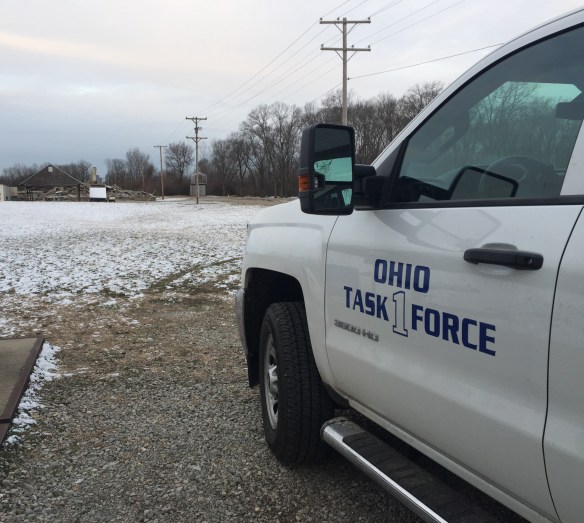
Again, special thanks to FEMA USAR Ohio Task Force-1 for hosting this week.
Solid morning as we talked about how the LSC frequently meets with the PSC well before much of the action happens.

In fact, it is likely that the LSC is at least 5 steps ahead of the OSC – to plan to supply and equip our tactical operations with the stuff they need.
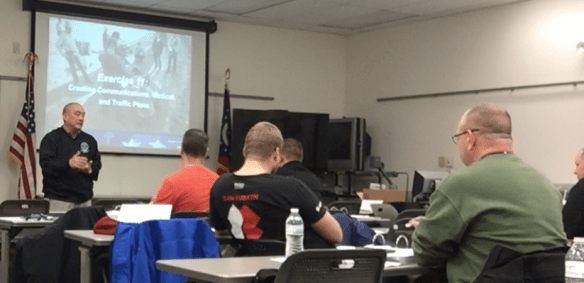
Ohio EMA LSC Phil Johnson brief the class on how county agencies interact with our activated State EOC focusing in on resource ordering and task assignments.
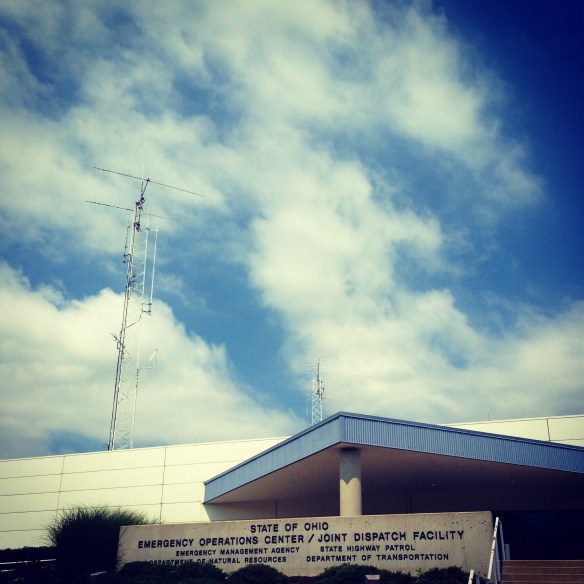
Like good Logistics Section Chiefs, we debated the merits of pre-staging resources before they are needed for faster deployments and anticipating needs (leaning in).

Lots of discussion on EMAC and the success that the State of Ohio had with 2016 events including the 2016 Republican National Convention which was classified as a NSSE.

We discussed demobilization plans as well as factors that could contribute to delayed demob. As always, we emphasize on the safe return of all crews from disaster deployment.

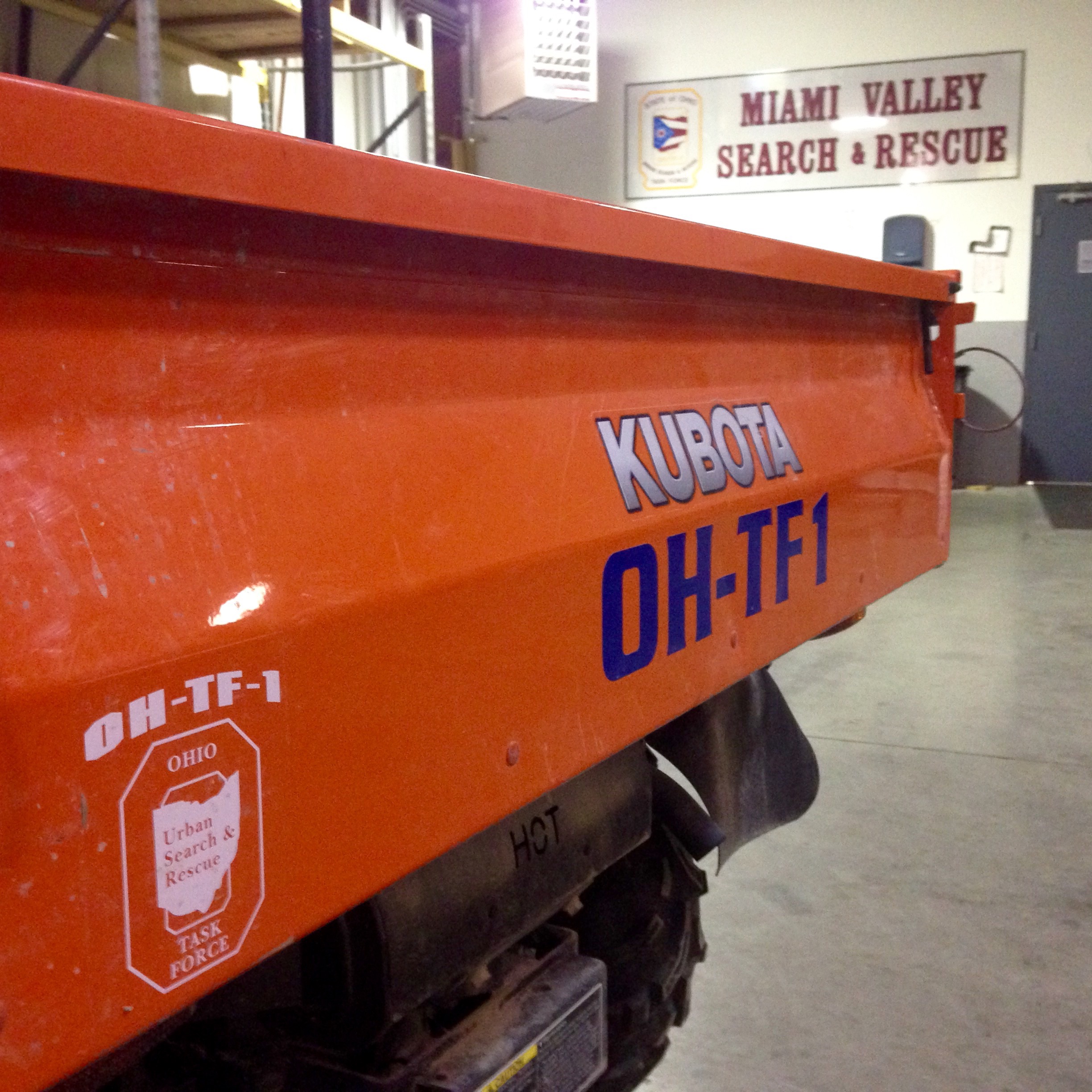
At the end of the day, we were able to tour the DHS/FEMA USAR OH-TF-1 facility.

Amazing stuff!
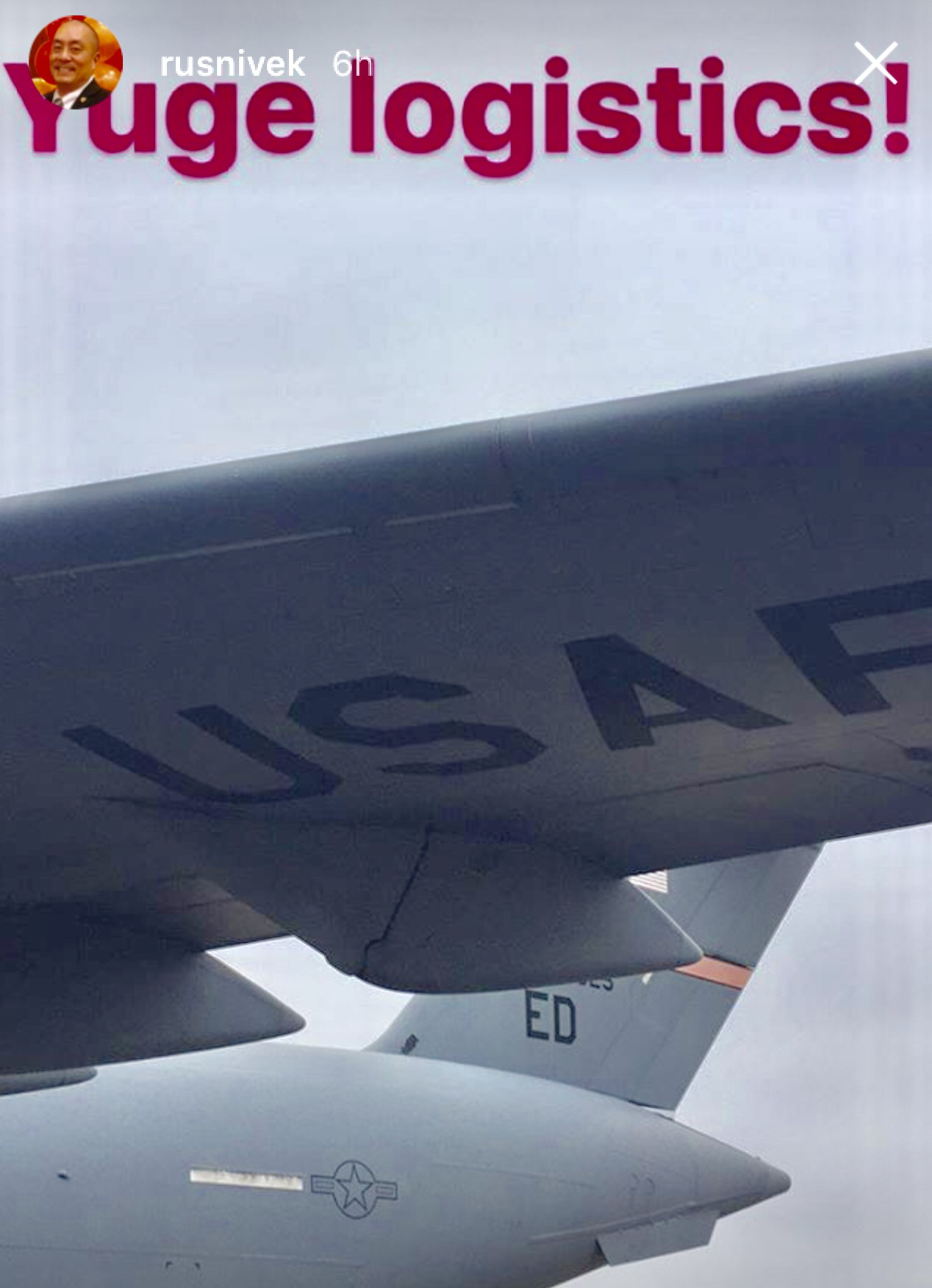
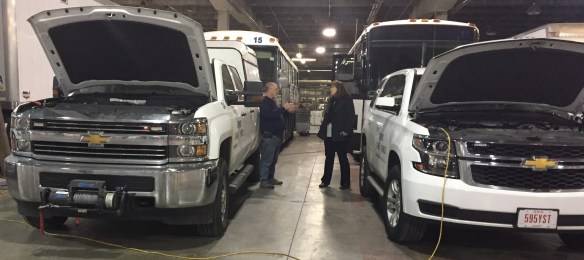
Logistics plays a HUGE part of daily operations as they have thousands and thousands of pieces of deployable items needed for disaster operations.
So as you can see, LSCs have an insurmountable task of keeping order during non-disaster times.
For those in the military and are truly Logistics pees, I believe this is an amazing piece of equipment.

If you are a pro, and like to sling load your stuff, you should consider getting a few.
Special thanks to all the pros from DHS/FEMA Ohio USAR Task Force-1.
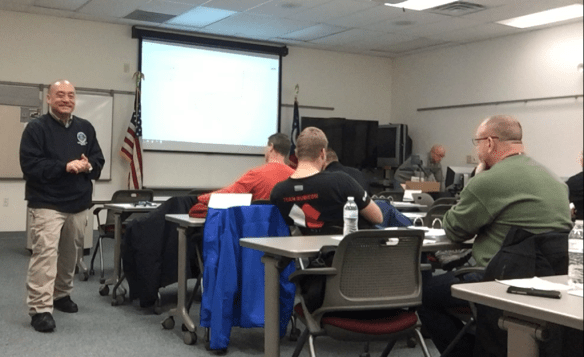
Yes it’s Friday. Look closely. That is an Aloha Shirt.
Superb ending of class with participants from numerous states on this #AlohaFriday!
Proud to serve my country and train other IMT LSCs from across this great nation.
Great start to Day-3 of our FEMA All-Hazards Incident Management Team Logistics Section Chief course.
Welcoming the class this morning was Ohio Task Force-1 Team Leader Evan Schumann.

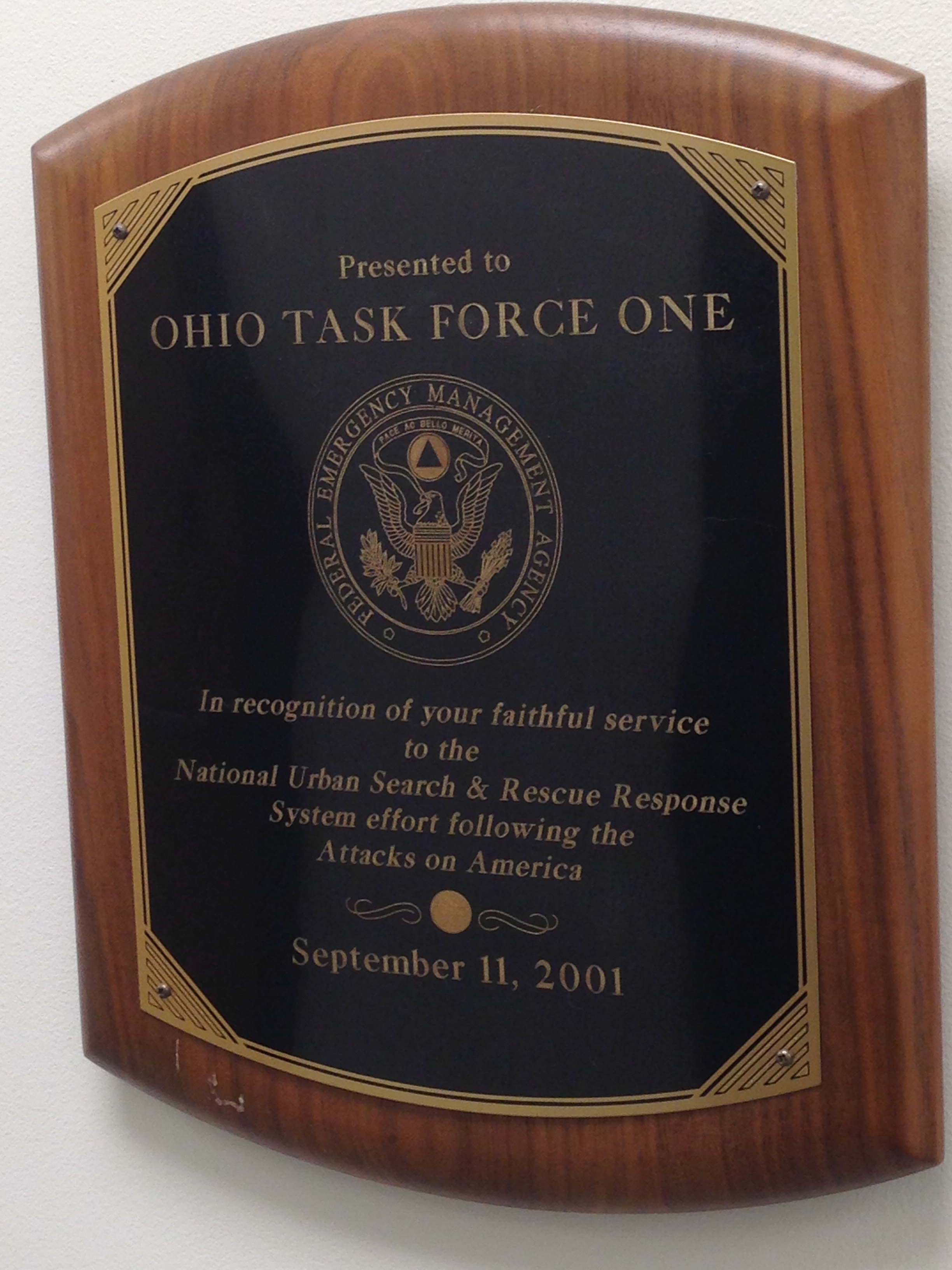
Over the years, Ohio Task Force-1 has been deployed to numerous national disasters.

You know me, I’m always proud of our entire state.
Their involvement with many others USAR teams across the country is critical in keeping the nation safe.
Key positions in the Service Branch under the Logistics Section Chief (LSC).
(That was your quick ICS online lesson for today. Reference your ICS Form 207 for more info)
Numerous agencies contributing great info today. Sharing of ideas are key.

Additionally, we have several Tennessee Task Force Team members in our class. Great disaster experience and sharing of ideas for any LSC.

DYK: Tennessee Task Force-1 is the most frequently deployed FEMA USAR Team in the nation.
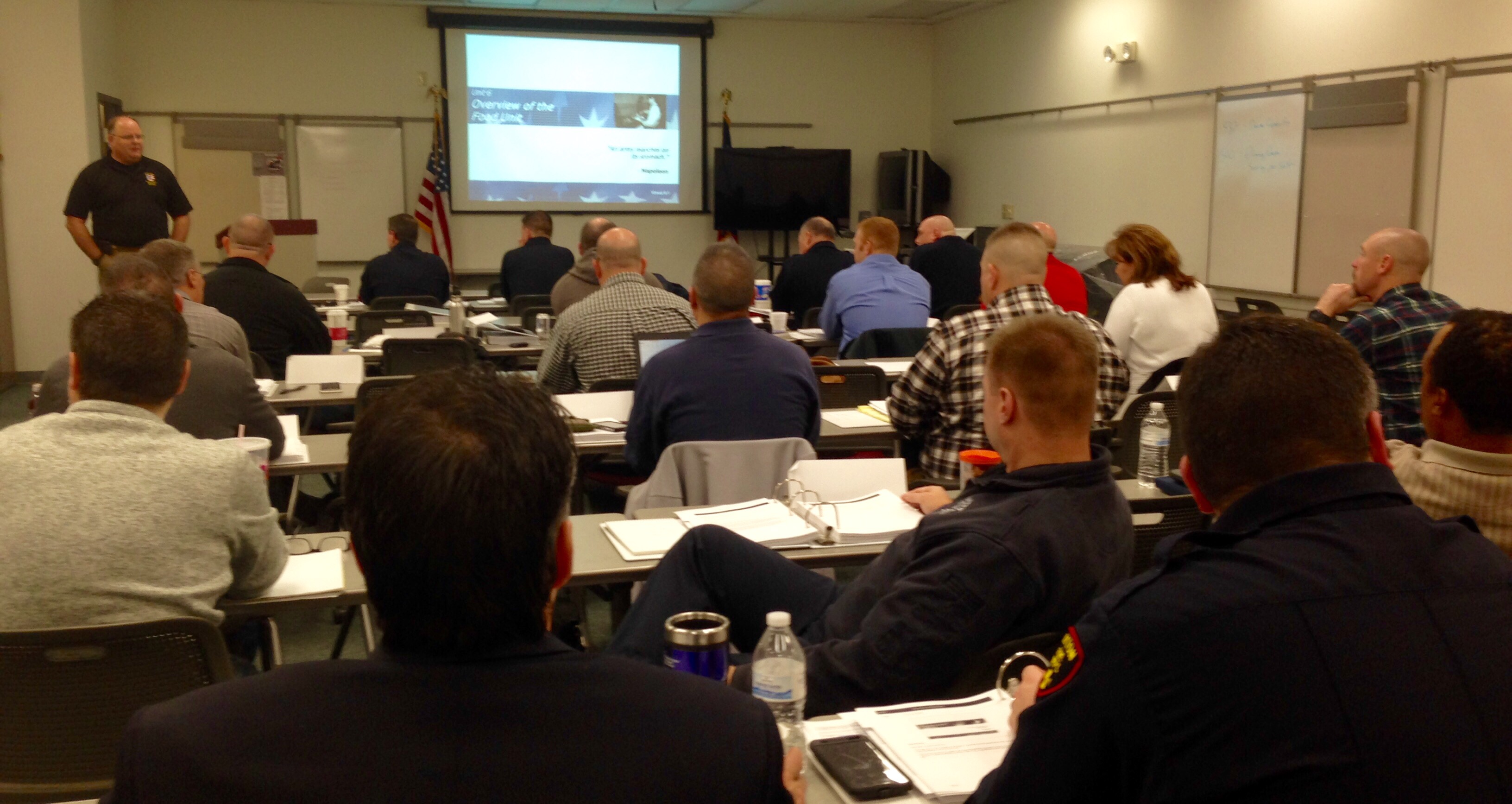
Lots of discussion on resources and what kinds of equipment will be needed to support the BOO (Base Of Operations) as well as staging areas and keep personnel adequately fed.
Feeding Incident Management Teams seems like an easy task, but when you really look at providing healthy options and meeting all dietary options isn’t as easy as you think.

Bonus points for staying within budgets and caloric intake too.
And then allocating the resources neeeded to maintain and regulate these supplies are key piece in any disaster response.
This disaster response stuff ain’t easy!

Looking forward to Thursday’s class which will include deployable resources and equipment. What logistician doesn’t love that kind of stuff!?!?!