Disaster communications – FEMA’s MCOVs and IRVs

When major disasters strike, many local communities lose the ability to communicate.


Whether hardline communications, cellular service, or data – communications is the life blood of any public safety initiative.

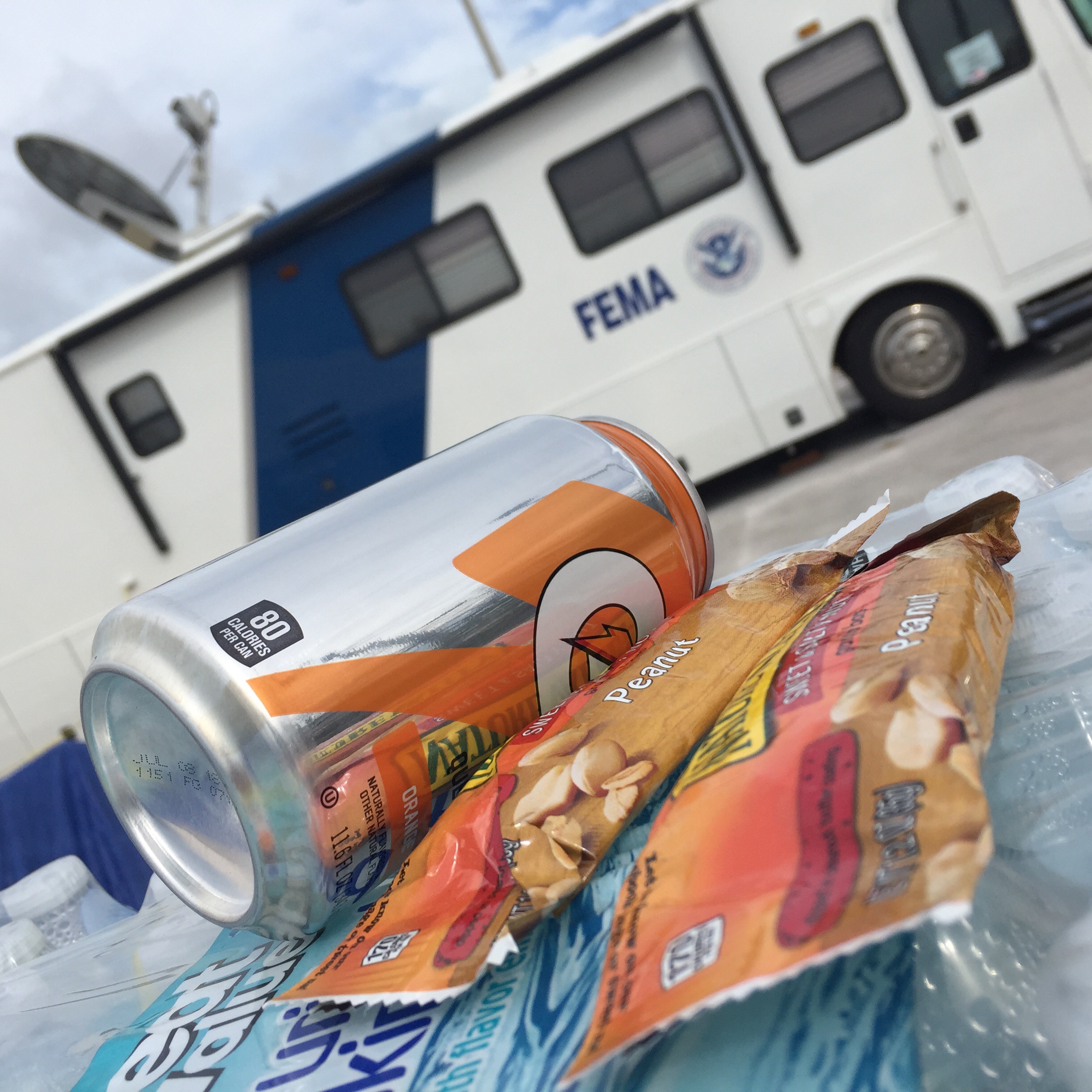
So vehicles like FEMA’s MCOVs and IRVs provide a great service re-establishing disaster communications for areas who have nothing.
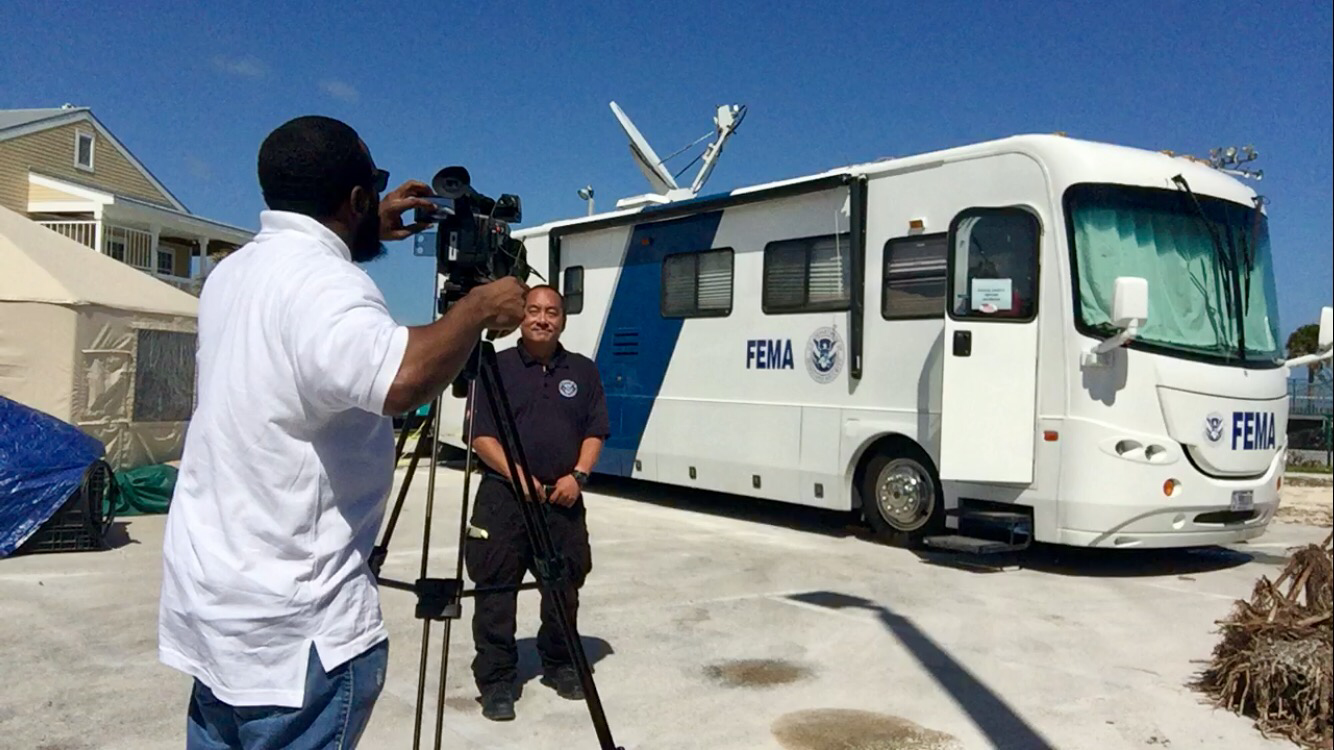


MCOV: Mobile Communications Office Vehicle

IRV: Incident Response Vehicle

Several vehicles like this are currently deployed out supporting various missions now.

Fun fact, did you know these types of vehicles are

Everything about disaster response isn’t easy. I continue to share that logistics make the world go round.
@rusnivek

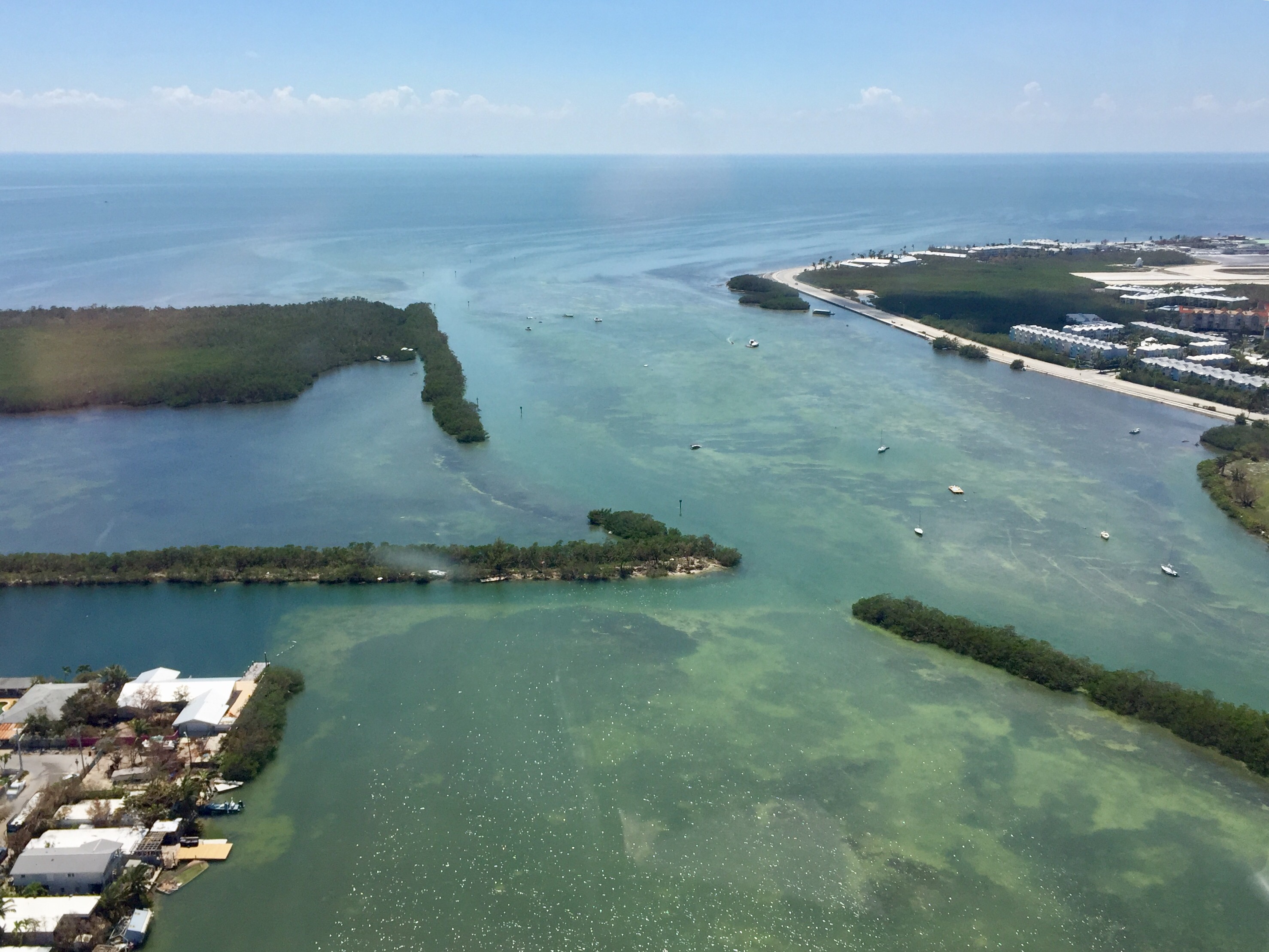
Aerial operations is critical in a Type-1 disaster #PIO

Large type-1 disasters are complex. Not only complexity but in pure size.

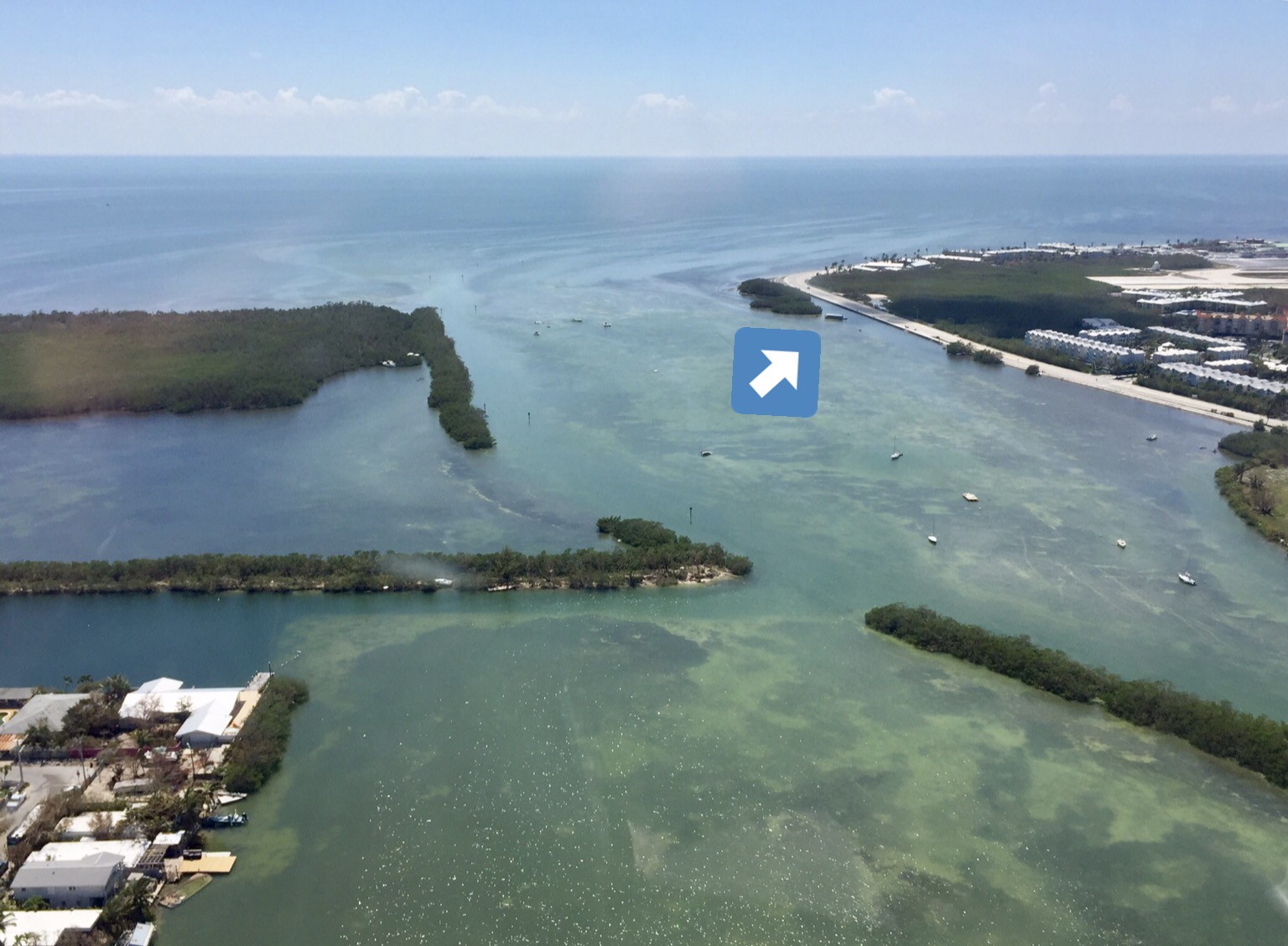
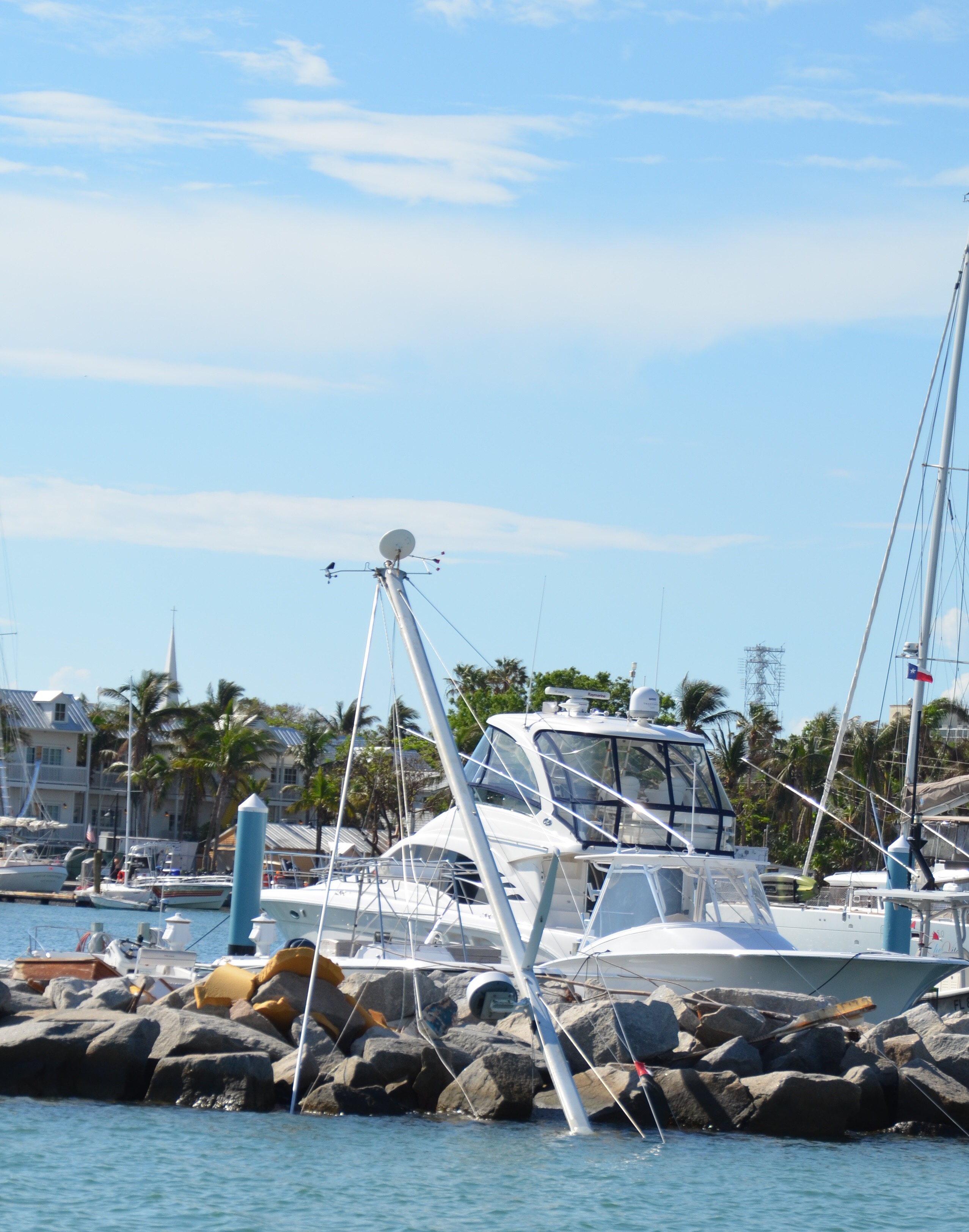
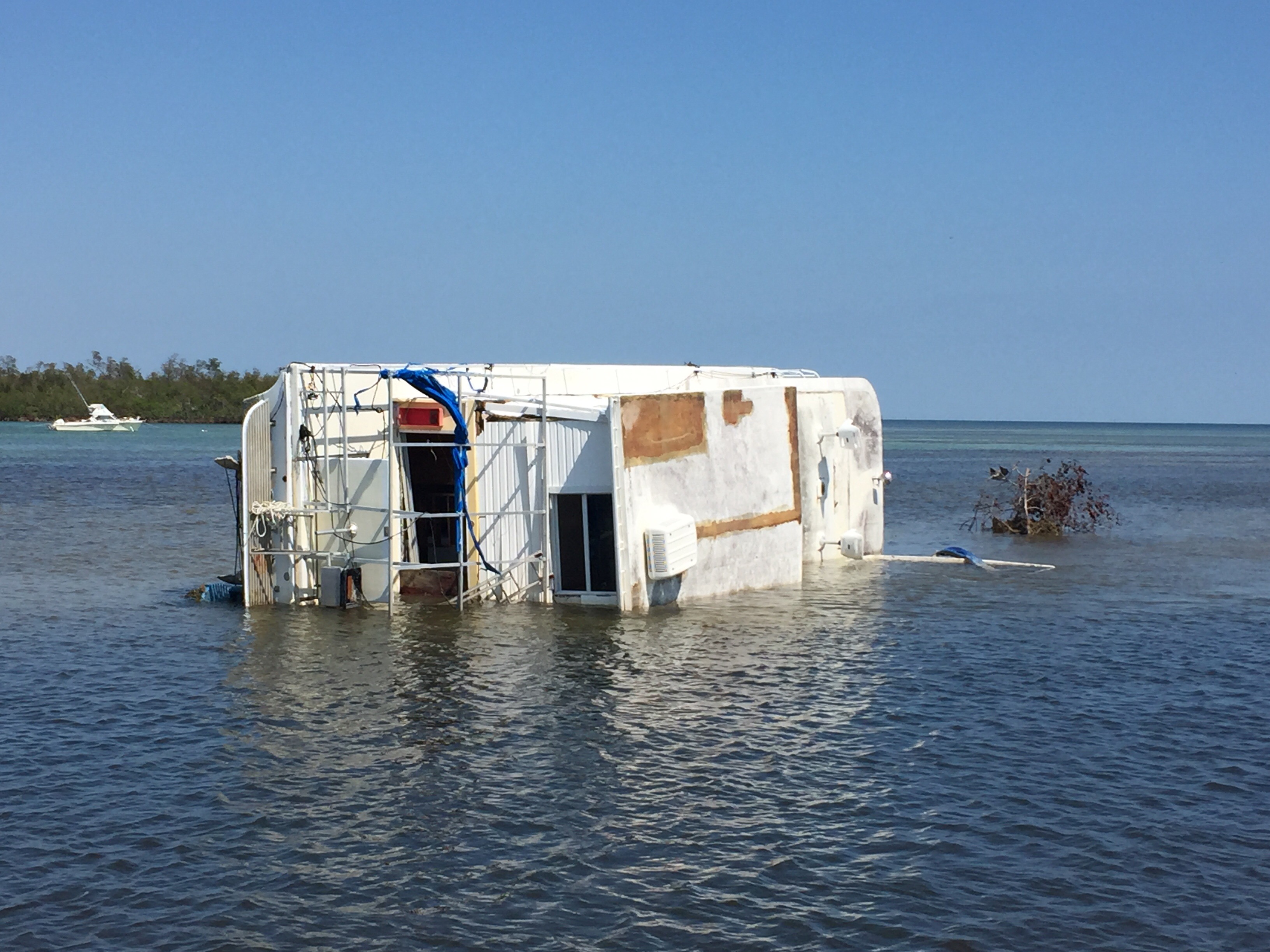
In the Florida Keys, destruction was not just limited to houses and commercial structures, but he Category-4 storm + storm surge + possible tornadic events affected so many ships and vessels.

Aerial operations are so important esp when gathering information on resource management and triaging. This picture is of one of the many ships in the bay that were inoperable and uninhabitable.


However, as response agencies go, we need to prioritize things and see what needs to be done first. Therefore pictures like this are critical to tactical and operational pros.


If you only had a roadside view, you would have only seen this small portion of this disaster.


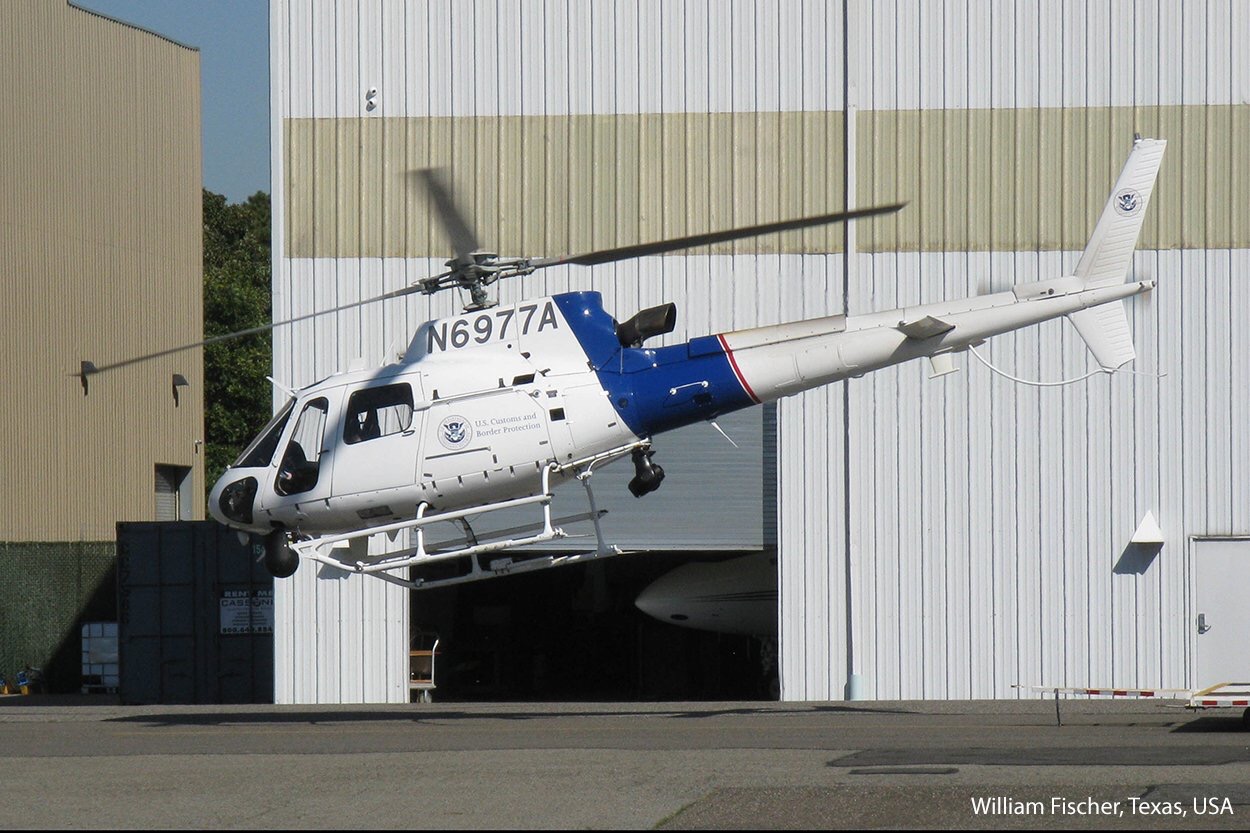
Yes I said it, rotor wing WTF! Additionally, your favorite PIO can get a better grasp on the situation and report out to stakeholders of ongoing joint operations.


Again, your command element should consider an aerial element with HQ photography to aid in SA/COP.

@rusnivek

Live spot with News13 in Cudjoe Key for #Hurricane #Irma Response & Recover #Miami #Tallahassee #Orlando #Tampa

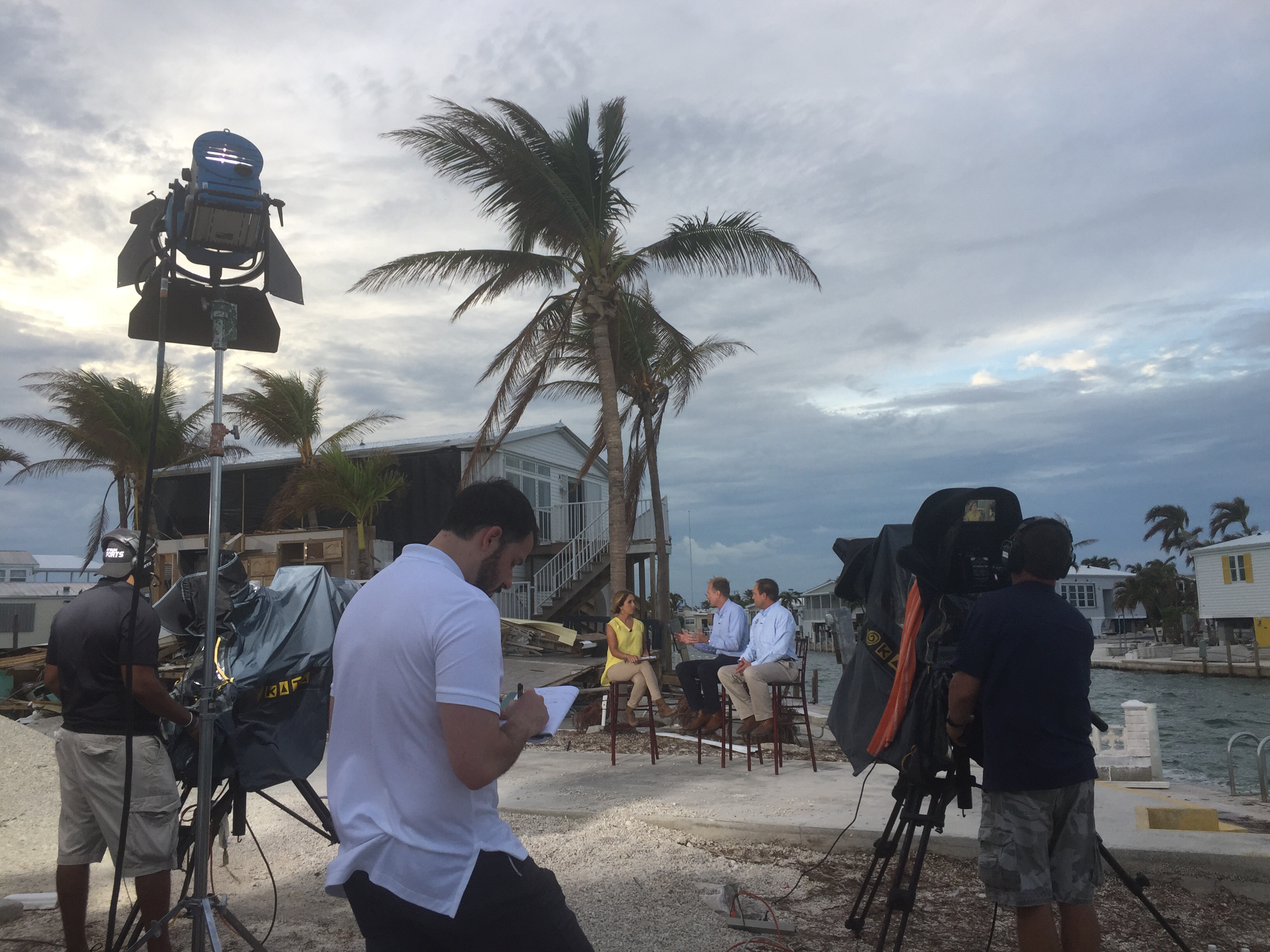
Got a chance to do a live spot with News13 out of Orlando in Cudjoe Key, Florida.

​​
Inside, it’s a whole different view​.

​​
As you know, Cat-4 Hurricane Irma made eye wall landfall here with incredible high winds and storm surge leaving heavy devastation throughout this neighborhood.


Lots to see and do esp w/ their field producing and staff onsite. I counted at least 7 cameras for their 6p live shot.

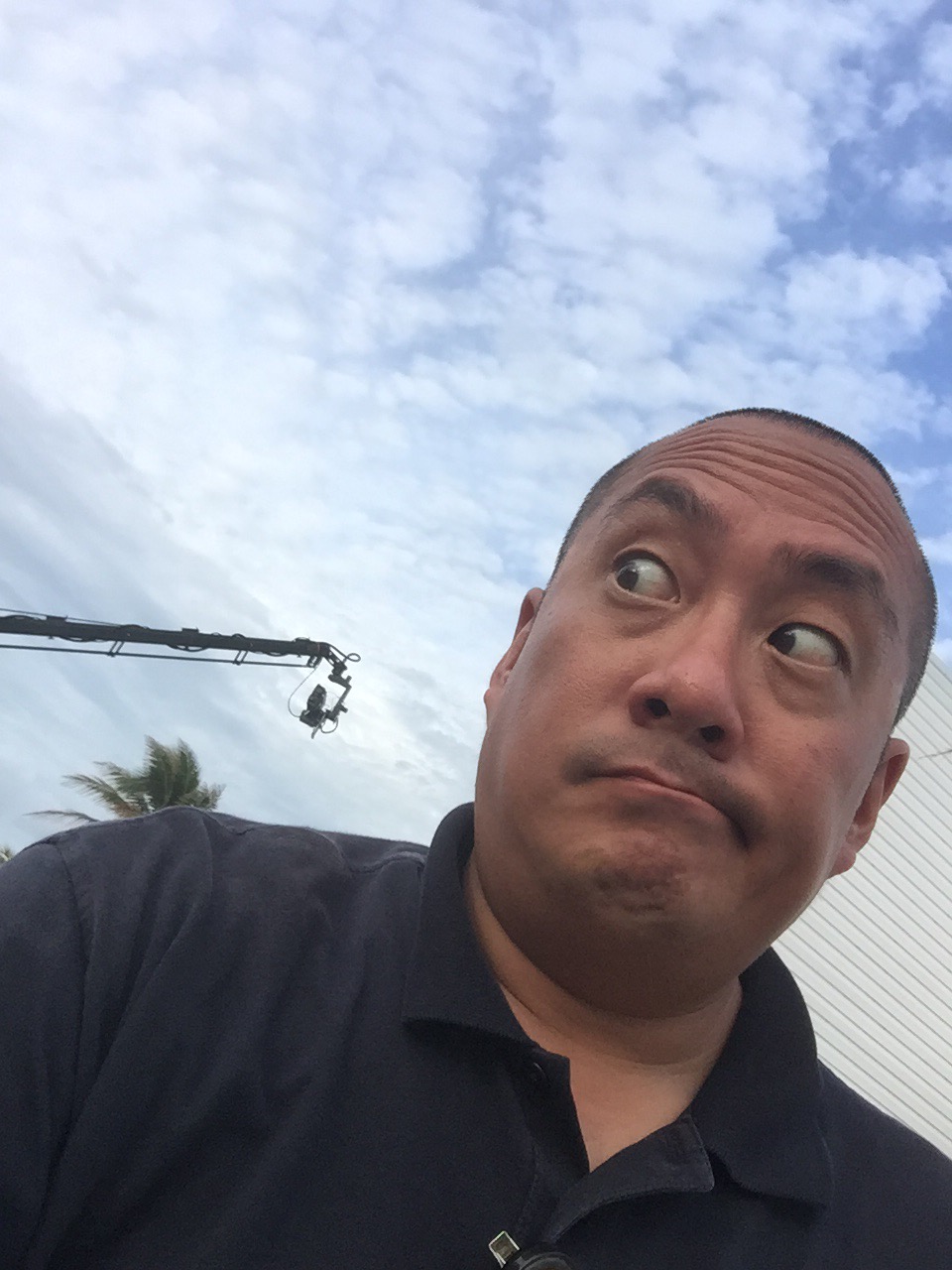
They even had a jib camera.


People will stare including our staff and state director.


Lots of steadycam shots leading into the first interview with former State of Florida Emergency Management Director Bryan Koon.


Next live segment was with our Division Supervisor (DIV/SUP) who happens to be an Federal Coordinating Officer (FCO) member.


Solid questions on response efforts and good inquiries for ongoing operations for recovery phase.


Great interactions and questions from the anchors.


Lots to discuss in response as well as recovery.


As you know, the recovery phase is the hardest part of a disaster.


Glad to be partnering with news agencies who get the story right. The Anchors and producer was super nice…so of course I had to take a selfie w/ them. Cheeeeeeeeeeeeeze!


Making sure we represent FEMA – particularly Branch V Division Alpha.

Reporting live on News13 from Cudjoe Key, Florida…
@rusnivek

Necessity items because recovery is a long term operation 

Not everyone has the best access to daily needs. There are plenty of places that people can go to acquire food and necessities including government buildings.


Providing necessity items is a big piece of the  recovery process.

But helping the community back on it’s feet is crucial to normalcy.


The Florida Keys are on the road to recovery!

@rusnivek

Boat recovery in the Florida Keys

Out today checking out the progress on recovery of boats in the area.


There are lots of them strewn about.


Also a bunch of them that are below water.


Like a lot of them. So I’m glad to see our partners from the US Coast Guard as well as other agencies supporting the recovery efforts.


Reporting live from a BOAT!

@rusnivek

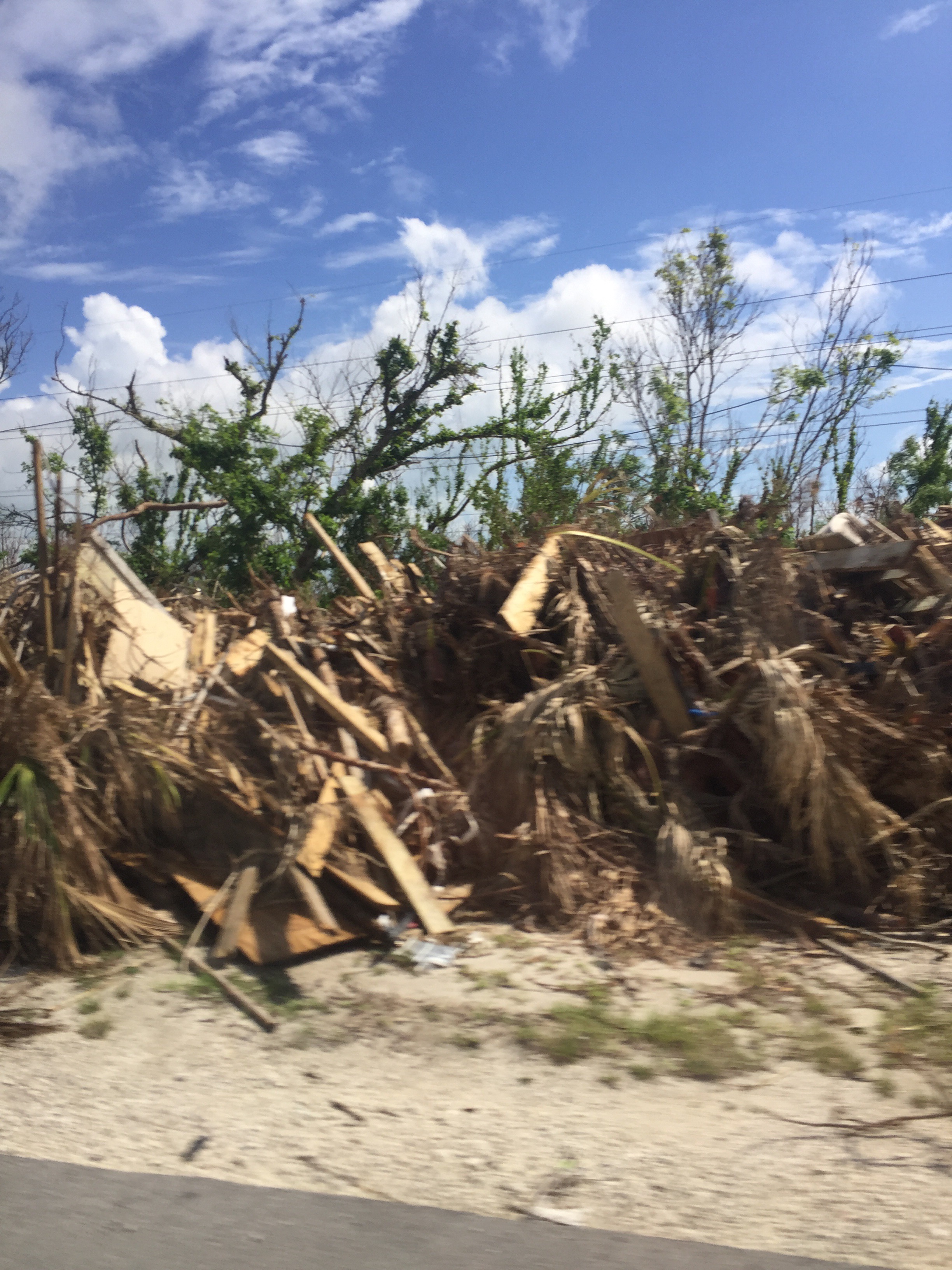
Debris management isn’t easy! #Hurricane #Irma 

Aside from all the response stuff that goes on in the disaster, I think the mainstream public doesn’t understand debris management. In fact, I would go so far as to say that many communities across the US don’t have a debris management plan.

Here’s the current situation here in Monroe County, FL (aka Florida Keys).


This is one of several locations for debris.


What makes this so complex is that because of the smaller geographic location of the islands, it is hard to manage space too.


Emergency Managers should also think about transportation of debris. I’ve had to already roll out my evasive driving maneuvers. Not good.


I’ve said it before and I’ll say it again: Response is easy. But true Emergency Managers know that Recovery is the hardest phase in a disaster.

@rusnivek

Tornadoes, Hurricane, Storm Surge oh my! #Irma

Aside from the Category-4 eye wall direct hit….

Aside from the possible tornadoes….

Man, that storm surge was bad!


Yikes.

Ready to do some disaster PIO stuff today in the Florida Keys.
@rusnivek

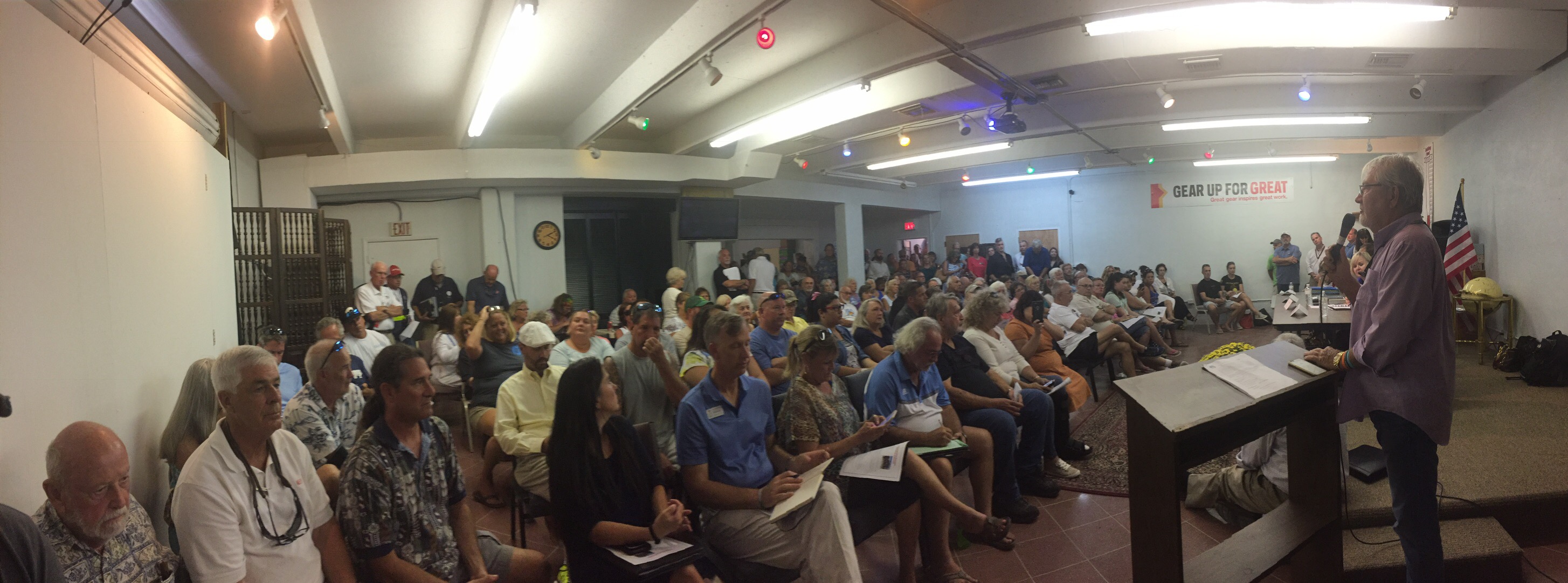
Friday Community Meeting in Monroe County

Much interest in today’s Community Meeting on updates for the Recovery phase here in Monroe County. HUGE turnout tonight.


Keeping things together as we at FEMA continue to support our local partners like the Monroe County Emergency Management Director Marty.

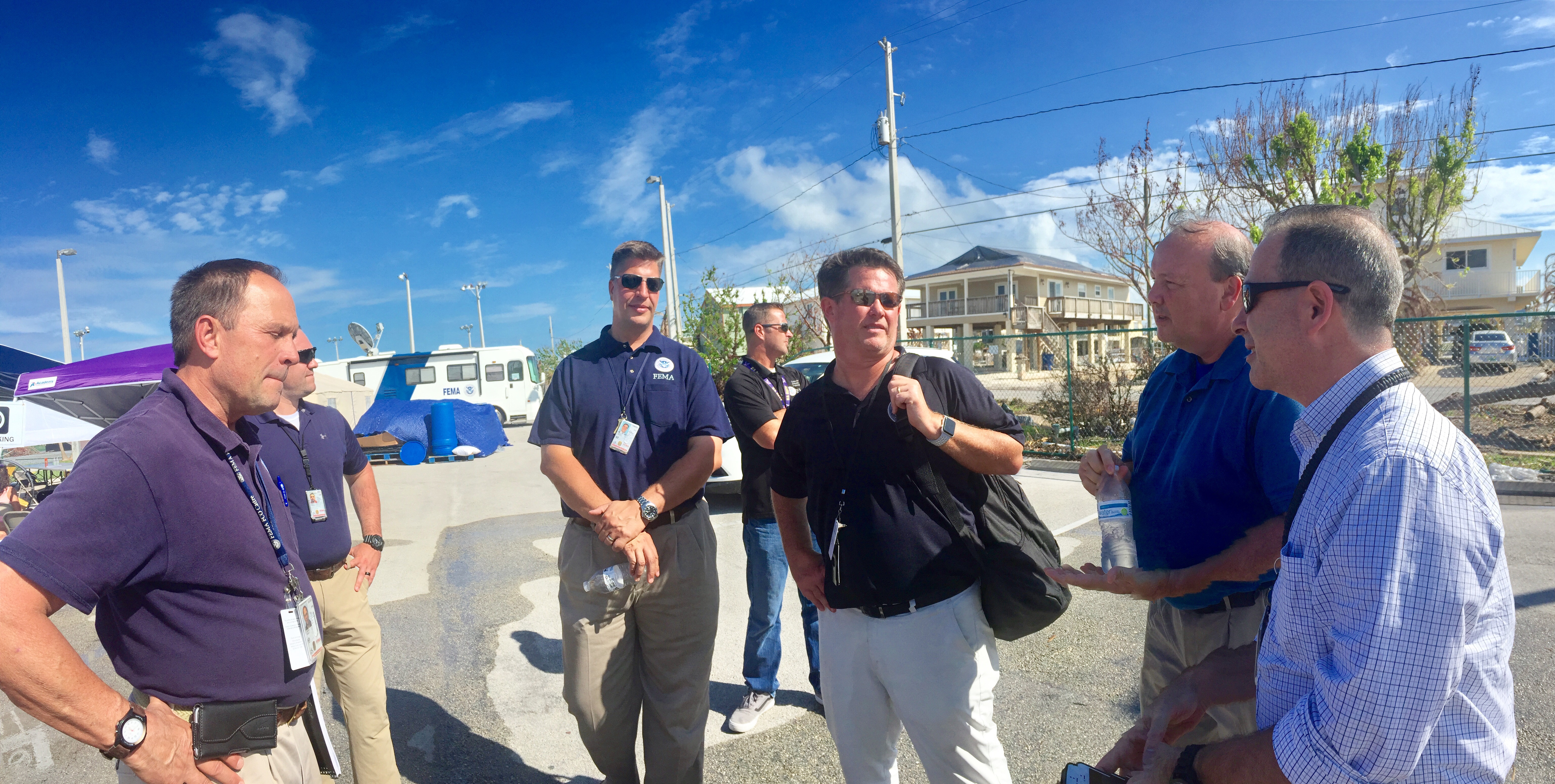
Behind the scenes: Some of my Branch V Division A-team that makes the FEMA magic happen.


Media on site. Lots of questions from everyone. And yes, as the FEMA PIO, I had to step in a few times.


Reporting live from the front of the room…

@rusnivek

Sustinence for PIOs on an ever changing workday #PIOProblems

No time for lunch today so this will have to do.


As a Public Information Officer (PIO), you have weird schedules and you need to plan accordingly for foods/meals.

Disasters are not luxurious. You likely will not get to eat regular breakfasts, lunches, and dinners.

I see the USAToday walking in so I gotta get to work.


Bring it.

@rusnivek

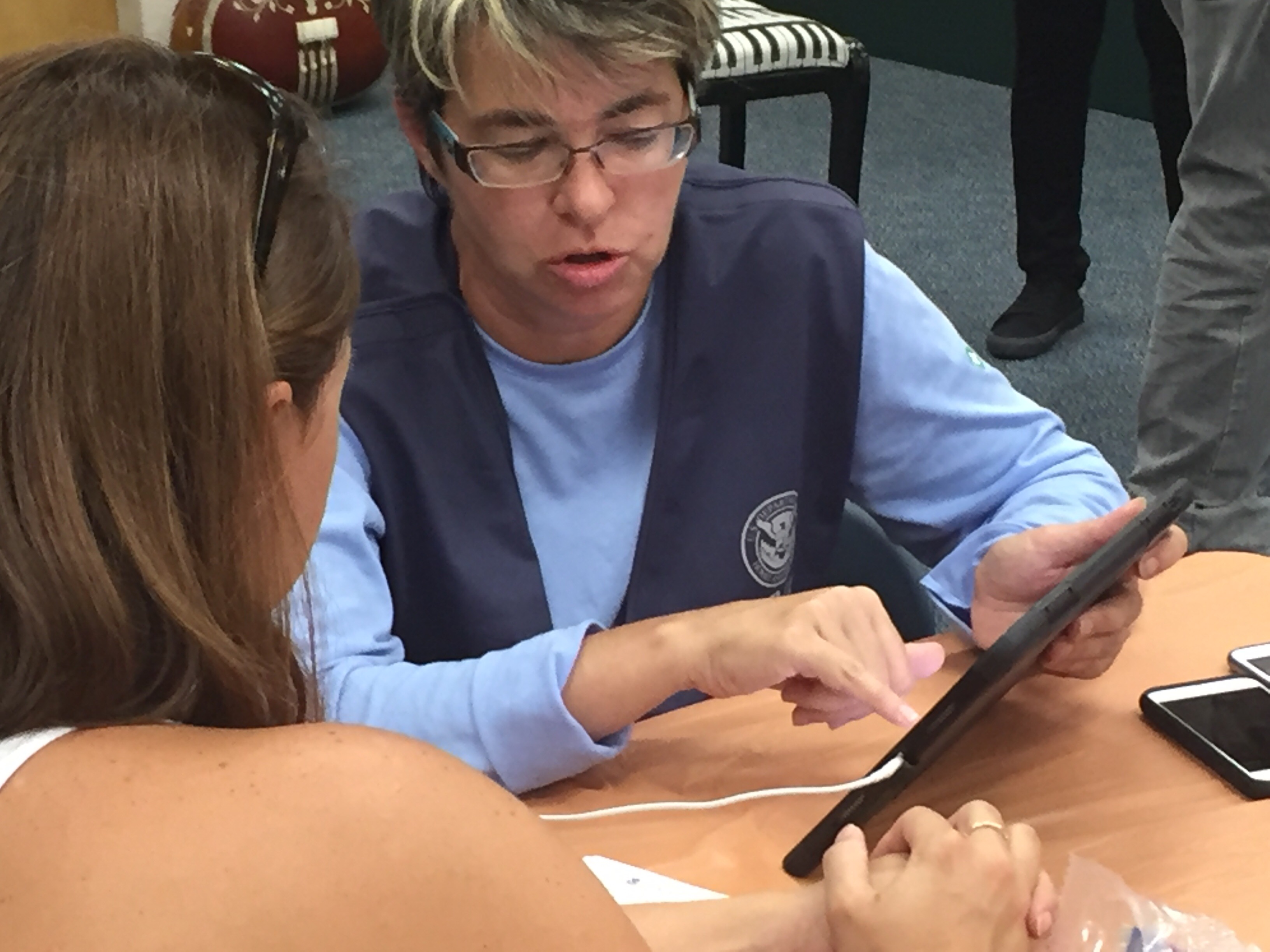
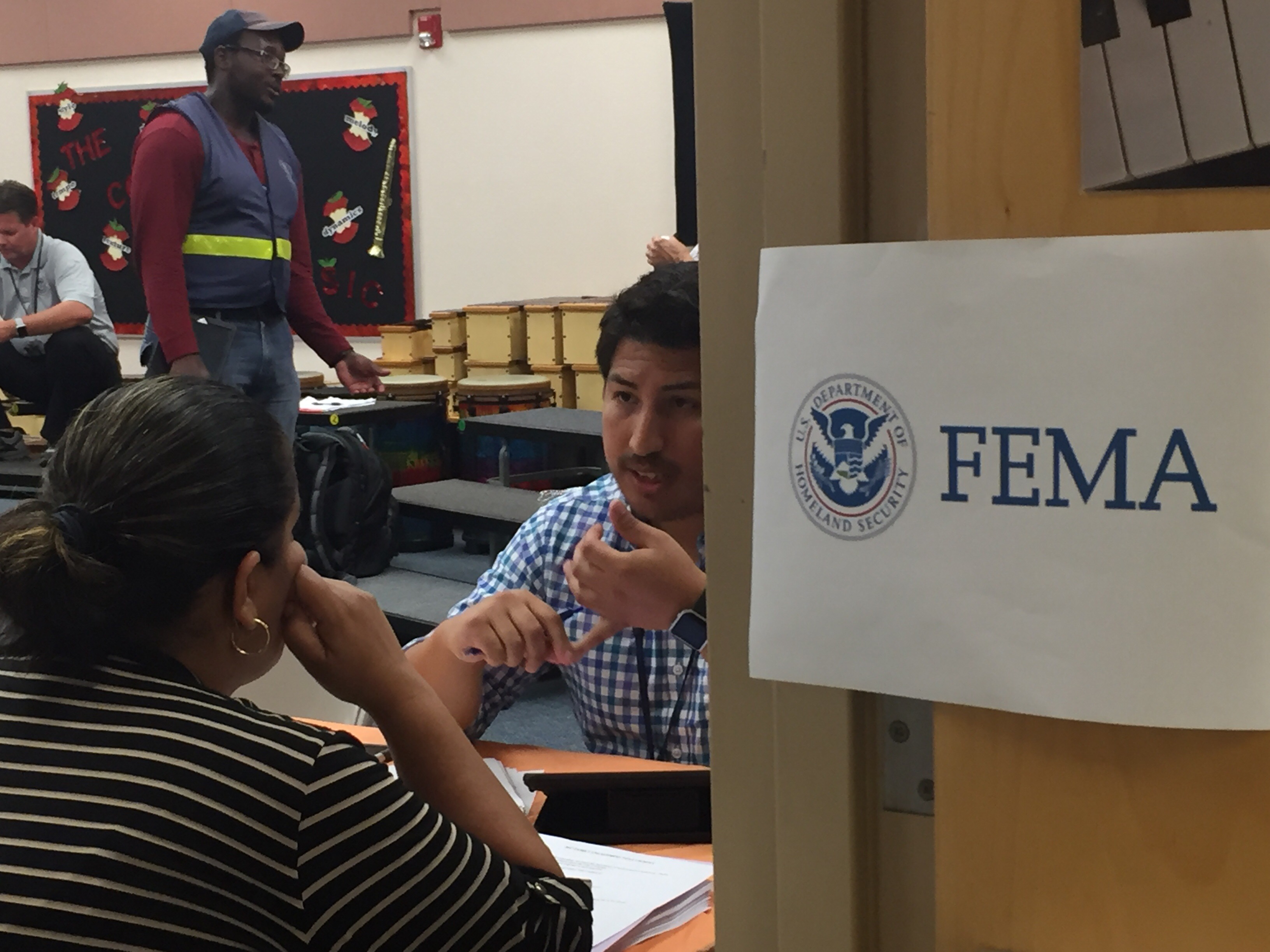
Disaster assistance at a school? Sure thing! 

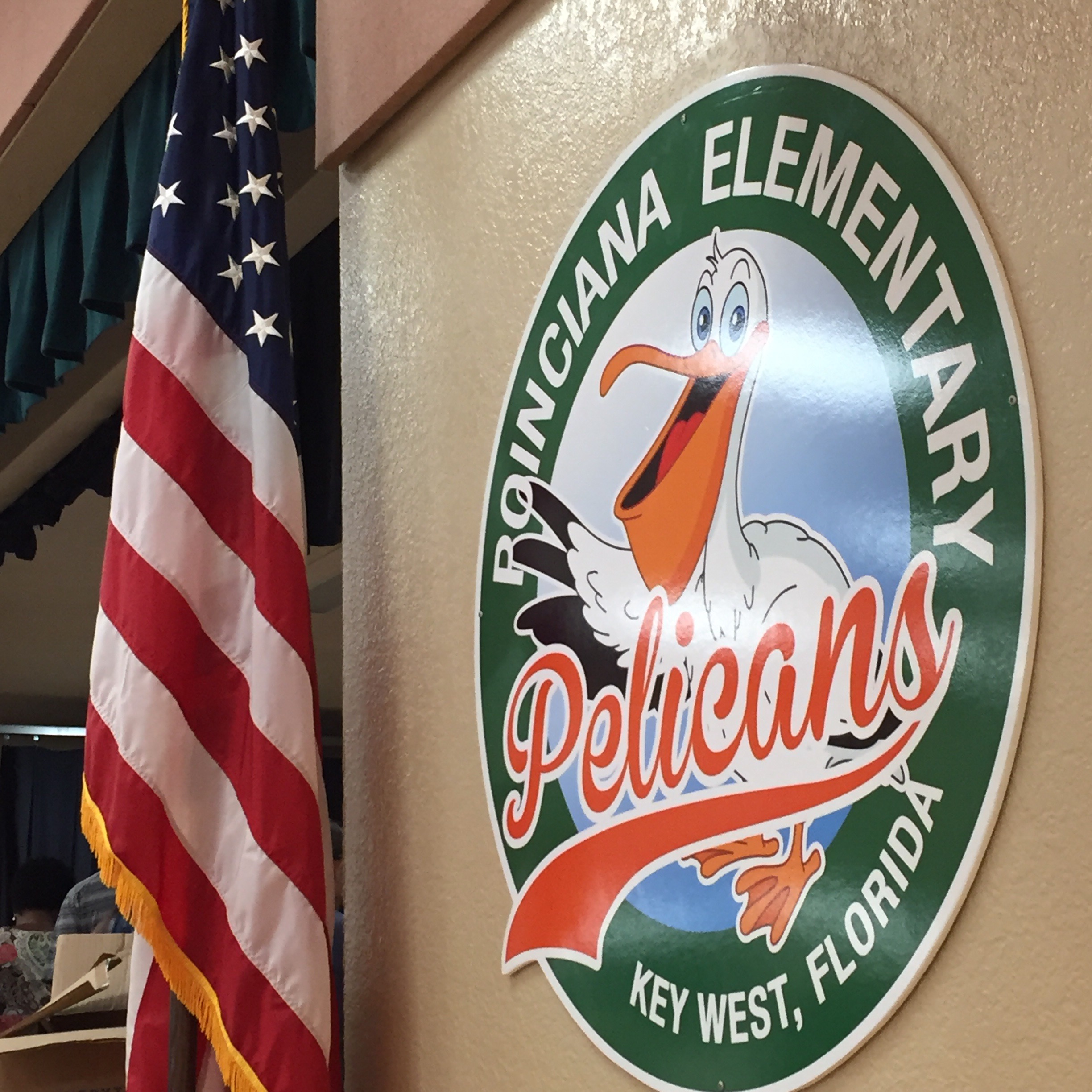
We were requested to support an event at Ponciana School mainly for all the parents and families in Key West.


So….we are in. FEMA PIO Kevin Sur onscene!

Our hope is that we conduct numerous events in communities to help answer questions about disaster assistance.


We have multilingual people who go out with our teams and help translate Spanish, Creole, Haitian, etc…and we have hardware and locations that meet the needs of the access and functional needs population at all of our Disaster Recovery Centers.


We even have flyers and informational materials in Chinese, French, Vietnamese, etc….

Sometimes, people are confused and are not sure if you should apply. Here’s a tip: Apply.


Our staff is ready to help. No matter what language, apply for disaster assistance. The sooner the better.


“This is what we train for, this is what we do.”

@rusnivek