Your vehicle preparedness kits and maintenance before winter hits #Prepared2014 #NatlPrep

It’s Sunday in the fifth and final week of 2014 National Preparedness Month.

“Be Disaster Aware, Take Action to Prepare”

SundayFunday in the hizzouse!

This week’s theme is consistent with FEMA’s National Preparedness Campaign: Practice for an emergency

#28: Your vehicle preparedness kits and maintenance before winter hits #NatlPrep #Prepared2014

Be14RkOCIAApv1w

Winter is just around the corner and many Meteorologists are predicting a brutal winter.

Check or have a mechanic check the following items on your car:

  • Antifreeze levels – ensure they are sufficient to avoid freezing.
  • Battery and ignition system – should be in top condition and battery terminals should be clean.
  • Brakes – check for wear and fluid levels.
  • Exhaust system – check for leaks and crimped pipes and repair or replace as necessary. Carbon monoxide is deadly and usually gives no warning.
  • Fuel and air filters – replace and keep water out of the system by using additives and maintaining a full tank of gas. A full tank will keep the fuel line from freezing.
  • Heater and defroster – ensure they work properly.
  • Lights and flashing hazard lights – check for serviceability.
  • Oil – check for level and weight. Heavier oils congeal more at low temperatures and do not lubricate as well.
  • Thermostat – ensure it works properly.
  • Windshield wiper equipment – repair any problems and maintain proper washer fluid level.
  • Install good winter tires – Make sure the tires have adequate tread. All-weather radials are usually adequate for most winter conditions. However, some jurisdictions require that to drive on their roads, vehicles must be equipped with chains or snow tires with studs.

Double check your emergency preparedness kit in all your vehicles with:

  • a shovel
  • windshield scraper and small broom
  • flashlight
  • battery-powered radio
  • extra batteries
  • water
  • snack food
  • matches
  • extra hats, socks and mittens
  • first aid kit with pocket knife
  • necessary medications
  • blanket(s)
  • tow chain or rope
  • road salt and sand
  • booster cables
  • emergency flares
  • fluorescent distress flag

Hope these tips help you prepare for your winter driving.
ByAejKXIEAEd_5y

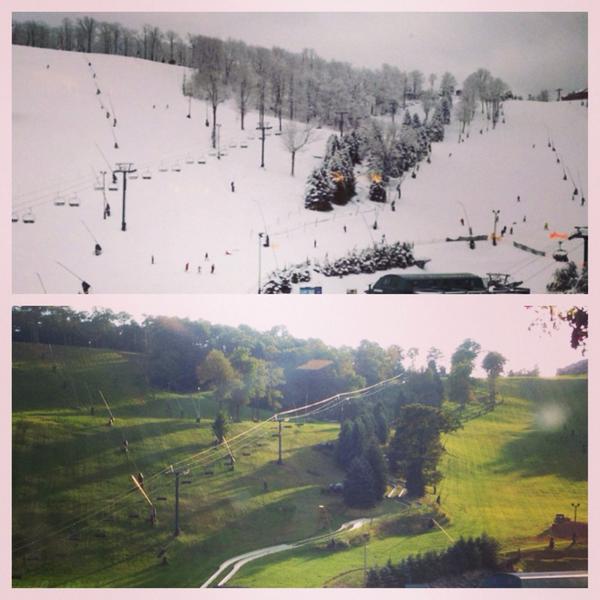
Don’t wait for the snow to hit first, be prepared.

Safe travels everyone!

@rusnivek


Sports heroes? Celebrities? Nope. These are the true heroes #NatlPrep #Prepared2014

It’s Saturday in the fourth week of 2014 National Preparedness Month.

“Be Disaster Aware, Take Action to Prepare”

Who’s watching football on TV?

This week’s theme is consistent with FEMA’s National Preparedness Campaign: Practice for an emergency

#27: Sports heroes? Celebrities? Nope. But these heroes will always come through in an emergency #Prepared2014 #NatlPrep

Share with your entire family today what a real hero is like. Share your emergency plans with your entire family.

Friday night lights? Saturday College Football? Sunday NFL? None of that matters.

Look, you may not be famous…

…or get paid zillions of dollars per minute. Who cares!

Your preparedness and planning efforts will come back ten-fold because it’s your family. Family is everything.

Be your family’s hero today.

@rusnivek


Technical jargon and giving actionable information Safety-PIO-SM-14-006

14-006: Technical jargon and giving actionable information
Agency: Chicago Fire Department Topic(s): Industry codes / Actionable info
Date: Fall 2014 Platform: Twitter

Industry speak or technical jargon is part of what we do every day. But using technical terms on a social media platform will be confusing to those who are NOT in the fire service. That’s what the Chicago Fire Department did yesterday at their big 3-alarm fire when they tweeted technical jargon.

imageaimage

The use of technical jargon is rampant in emergency services but when speaking to the media or the general public, we need to remember that everyone did not grow up with a VOX alarm or SCU tones. In this case, a “311” or 3-11 alarm means that there are 11 engines, 5 Trucks, 2 Tower Ladders, 6 Battalion Chiefs, 1 Rescue Squad, 2 Ambulances, 2 Paramedic Chiefs, Deputy District Chief, Deputy Fire Commissioner, and the 1st Deputy Fire Commissioner are onscene. There is no way to include all that information in a tweet, but using more simple terms will help your audience understand the scale of your ongoing incident.

Before you post images, make sure your pictures are rotated correctly. I know accuracy is sometimes overlooked in lieu of speed, but it takes less than 5 seconds to orientate/rotate a picture (In this case, it was going to be a long operation). And note, by just rotating a picture does not equate that you are “doctoring up” photos. But a correctly posted photo will help media repost and format your information quicker to the masses.

During an emergency situation, your constituents need the information pushes to be actionable and specific to your audience. Not only inform them of the danger, but tell them what they can do about it.

A more effective tweet could have read:

Chicago Fire: Large 3-alarm fire at Harrison St x Fifth Ave. Traffic delays-avoid the area. (insert two pictures)

By phrasing it this way:

  1. You cite the authority having jurisdiction and established incident command presence.
  2. You generally described the size/category of the ongoing incident and critical information to media.
  3. You identify the exact location of the incident.
  4. You describe the delays in the area and give actionable information to your constituents.
  5. You still have lots of room to push properly orientated pictures with your informational tweet.


Time is valuable, so tweet good stuff.

@rusnivek

***To download this as a single-page printable format, click this file:

TechnicalJargonAndGivingActionableInformation-Safety-PIO-SM-14-006

Test em if you got em! #NatlPrep #Prepared2014

It’s Friday in the fourth week of 2014 National Preparedness Month.

“Be Disaster Aware, Take Action to Prepare”

Ahhh, Aloha Fridays!

This week’s theme is consistent with FEMA’s National Preparedness Campaign: Practice for an emergency

#26: Are ALL your emergency flashlights working? Test em if you got em! #Prepared2014 #NatlPrep

Since it’s a beautiful day, I would be a great day to test all your flashlights.

A few weeks ago, I talked about having flashlights in case of an emergency. Now would be the time to test and make sure each flashlight is in working condition.

IMG_8292

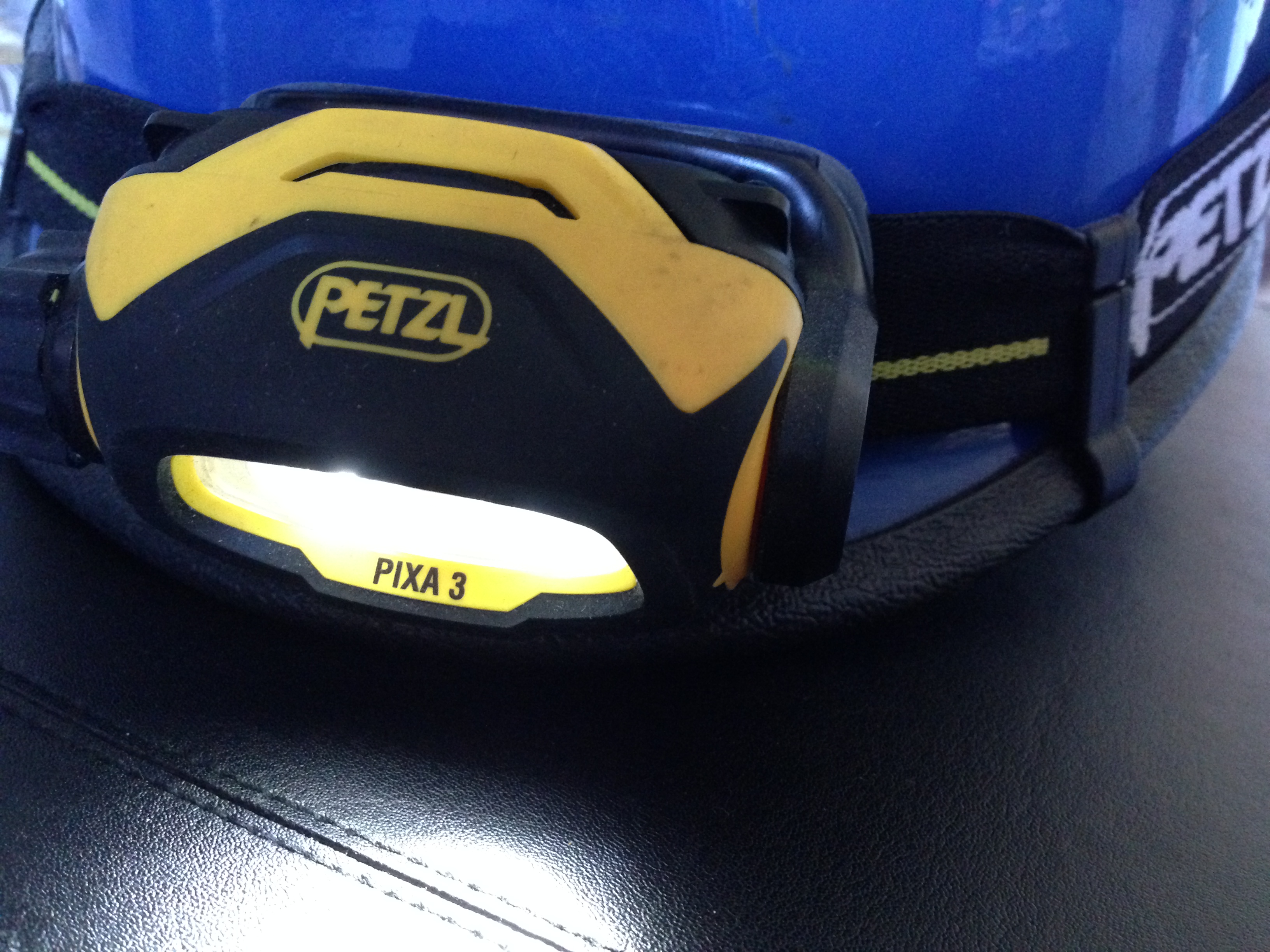
Don’t forget about your helmet lights too!

IMG_8290

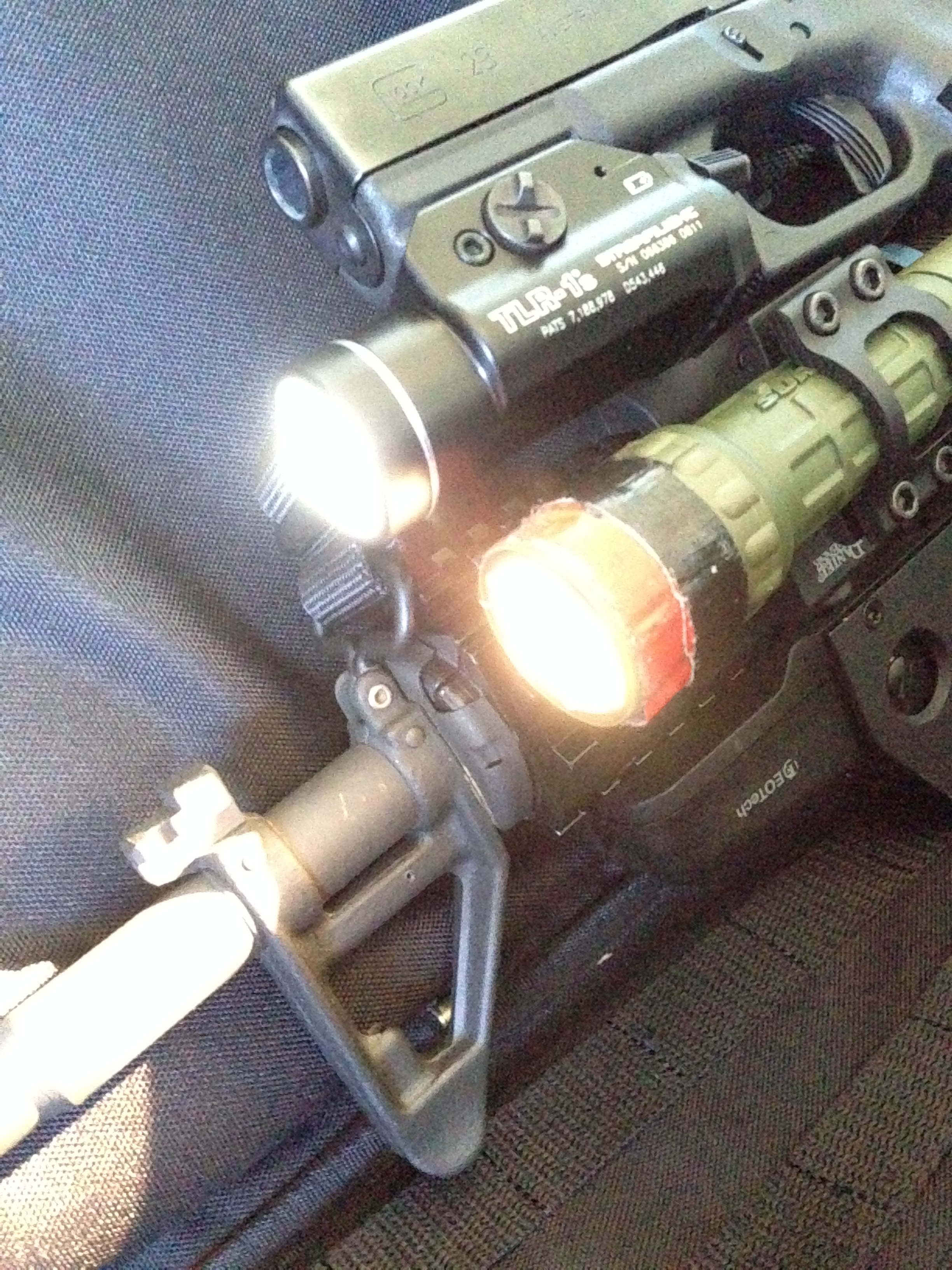
And for my friends in the law enforcement world, don’t forget to check all your weapon lights too.

IMG_8291

*I also had to change the batteries in my EOTech too.

Your preparedness actions now will definitely save you time during an emergency.

Reminder again, throw away all candles. Candles are dangerous and can start fires. Flashlights are WAY better for lighting.

Happy Aloha Friday everyone!

@rusnivek

Even the pros train and test emergency plans! #NatlPrep #Prepared2014

It’s Thursday in the fourth week of 2014 National Preparedness Month.

“Be Disaster Aware, Take Action to Prepare”

ThirstyThursdays…I mean TestingThursdays continues!

This week’s theme is consistent with FEMA’s National Preparedness Campaign: Practice for an emergency

#25: Just like you, the professionals train and test their emergency plans. #Prepared2014 #NatlPrep

1920446_752961831417135_3575925768667997055_n

“The State of Ohio Emergency Operations Center is participating in the annual power plant training” Photo cred: Ohio Emergency Management Agency, (Columbus) 09/23/14

It is an essential part of your plan…actually doing it!

This was the view of the State of Ohio Emergency Operations Center where numerous emergency management agencies across the state participated in a multi-agency all-hazards annual power plant training. This training was evaluated by FEMA Region-V.

See, even the professionals train too!

Keep up the great work!

@rusnivek

Your kids prepared for any emergency? Can they all be a Ready Big Hero? #Prepared2014 #NatlPrep

It’s midweek in the fourth week of 2014 National Preparedness Month

“Be Disaster Aware, Take Action to Prepare”

Wacky Wednesday continues!

This week’s theme is consistent with FEMA’s National Preparedness Campaign: Practice for an emergency

#24: Does your kid have it? Prepared for any emergency? Can they all be a Ready Big Hero? #Prepared2014 #NatlPrep

Make sure all of your family is prepared for any emergency or disaster.

Make sure they prepare with you and run family drills because that’s real hero stuff.

Your kid can be a Ready – Big Hero too!

@rusnivek


Great time teaching at the PEMA 2014 Emergency Management Conference

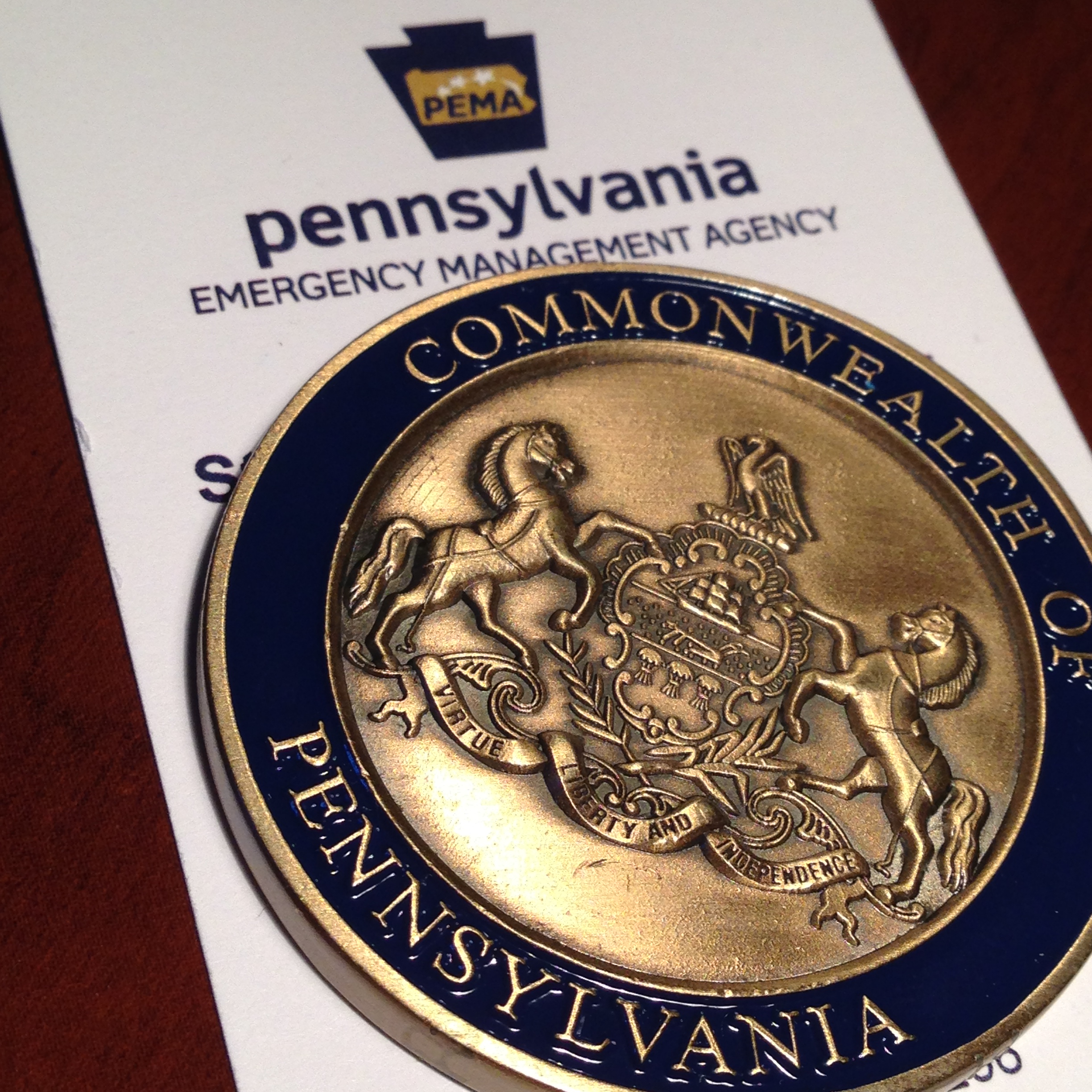
I had a great time teaching at the Pennsylvania Emergency Management Agency (PEMA) 2014 Emergency Management Conference.

IMG_8257

Learned a TON of stuff and terminology too.

Special thanks to PEMA Director Glenn Cannon, Chief Deputy Director Robert Full, Director Norm Auvil, Acting STO Stephen Michelone Jr, EM Spec Graham Hess, and all the Area Directors for the hospitality.

Also glad to finally meet the FEMA Region III Training and Exercise Team.

It is outstanding to see such solid partnerships with Keystone Emergency Management Agency (KEMA) and the Pennsylvania Emergency Management Agency (PEMA) esp when it comes to the organization of such a large event.

Mahalos!

@rusnivek

Testing your local resources #NatlPrep #Prepared2014

It is the Tuesday in the fourth week of 2014 National Preparedness Month

“Be Disaster Aware, Take Action to Prepare”

Towering Tuesdays!

This week’s theme is consistent with FEMA’s National Preparedness Campaign: Practice for an emergency

#23: Test call your local resources and document their response times #Prepared2014 #NatlPrep

IMG_8174.JPG

Since you have your plans written, today would be a good day to test and see if the phone numbers are correct.

Let’s face it:
Phone numbers change frequently.
Emails change frequently.
Points of Contact change frequently.
Resources move and change frequently.
Stuff on resources change frequently.
Responsible agencies change frequently.
So make sure you update your rosters and emergency contact sheets today.

Reference your crew resource manual or your emergency contact list and test call a few of your emergency resources. Ask them how long it would take them to respond. Think about the timeframes and action you’ll have to do before they arrive.

Are you prepared to handle the situation by yourself?

Once you thought about that….don’t forget the phrase “2 is 1 and 1 is none”

@rusnivek

Got your stuff? Now practice and train with your cool stuff #NatlPrep #Prepared2014

It is the Monday starting out the fourth week of 2014 National Preparedness Month

“Be Disaster Aware, Take Action to Prepare”

Reporting live from PA in Region-3 baby!

This week’s theme is consistent with FEMA’s National Preparedness Campaign: Practice for an emergency

#22: Got your emergency preparedness stuff? Before SHTF, practice/train with your cool stuff! #Prepared2014 #NatlPrep

IMG_8103

PEMA’s IMAT team brought their stuff out and made them operational. Seriously, they tested their portable toilets.

After talking with PEMA’s Special Deployment & Response Officer Norm Auvil, I found out that PEMA regularly trains with their local responders.

In fact, a few resources are working with the Pennsylvania State Police in their current hunt…I mean operation.

Even though it seems self-explanatory, bringing out all your equipment and setting up resources (including toilets) makes all the difference. Testing setups, esp timing your storage-to-operational times will set you apart from other agencies who will most likely be playing catchup in an emergency.

***And you never want to be caught with your pants down (See what I did there?)***

Continue to be vigilant in your training. Your state of readiness is SO important to your constituents and your partners in safety.

@rusnivek


Did you participate in National Child Passenger Safety Week? #NatlPrep #Prepared2014

It is the start of the fourth week of 2014 National Preparedness Month

“Be Disaster Aware, Take Action to Prepare”

For me, it’s Sunday in PA!

This week’s theme is consistent with FEMA’s National Preparedness Campaign: Practice for an emergency

#21: Did you get your child secured in your vehicle? National Child Passenger Safety Week – Thanks @UHRainbowBabies #Prepared2014 #NatlPrep

IMG_7912

September 13th through September 20th = National Child Passenger Safety Week. Various agencies are promoting in-vehicle safety for children across the country. In the United States, motor vehicle crashes are a leading cause of death among children. Data show that:

Risk Reduction for Every Age

Buckling children in age- and size-appropriate car seats, booster seats, and seat belts reduces the risk of serious and fatal injuries:

  • Car seat use reduces the risk for death to infants (aged <1 year) by 71%; and to toddlers (aged 1–4 years) by 54% in passenger vehicles.
  • Booster seat use reduces the risk for serious injury by 45% for children aged 4–8 years when compared with seat belt use alone.
  • For older children and adults, seat belt use reduces the risk for death and serious injury by approximately half. 

Scope of the Problem 

  • In the United States during 2011, more than 650 children ages 12 years and younger died as occupants in motor vehicle crashes,5 and more than 148,000 were injured.
  • One CDC study found that, in one year, more than 618,000 children ages 0-12 rode in vehicles without the use of a child safety seat or booster seat or a seat belt at least some of the time.
  • Of the children who died in a crash in 2011, 33% were not buckled up.

Risk Factors for Children and Teens

  • Of the children who died in a crash:
    • More black (45%) and Hispanic (46%) children were not buckled up compared with white (26%) children (2009-2010).
    • More of the older children (45% of 8-12 year olds) were not buckled up compared with younger children (one-third of 1-7 year olds; one-fourth of infants under 1) in 2011.
  • From 2001 to 2010, approximately 1 in 5 child passenger (<15 years old) deaths in the U.S. involved drunk driving; 65% of the time, it was the child’s own driver that had been drinking (BAC ≥ 0.08 g/dl).
  • Most child passengers (<15 years old) of drunk drivers (61%) were not buckled up in the fatal crash.
  • Restraint use among young children often depends upon the driver’s seat belt use. Almost 40% of children riding with unbelted drivers were themselves unrestrained.
  • Child restraint systems are often used incorrectly. One study found that 72% of nearly 3,500 observed car and booster seats were misused in a way that could be expected to increase a child’s risk of injury during a crash.

Preventing Motor Vehicle Injuries in Children

  • Based on strong evidence of effectiveness, the Community Preventive Services Task Force recommends car seat laws and car seat distribution plus education programs to increase restraint use and decrease injuries and deaths to child passengers.
  • Car seat distribution plus education programs are also recommended in a more recent review for increasing restraint use.
  • A recent study of five states that increased the age requirement to 7 or 8 years for car seat/booster seat use found that the rate of children using car seats and booster seats increased nearly three times and the rate of children who sustained fatal or incapacitating injuries decreased by 17%.

Read the recent Morbidity and Mortality Weekly Report (MMWR announcements) or the Centers for Disease Control and Prevention feature story, and CDC’s Vital Signs on child passenger safety to learn more about buckling the ones you love in age- and size-appropriate car seats, booster seats, or seat belts.


And you bet I got my munchkin secured in the seat!

387309_10151412919062297_656610723_n

Safety first for kids!

Special thanks to UH Rainbow Babies & Children’s Hospital for helping put my car seat in for FREE!

Right Arden?

tumblr_mw1xco5ek41s0yosqo1_1280

Oh munchkin!

@rusnivek