October has the big four: 3-9-5-NCAP #SURINDC

As National Preparedness Month closes, my October 2015 schedule is going to be very challenging. And as you know, I have to win. Here’s the plan:

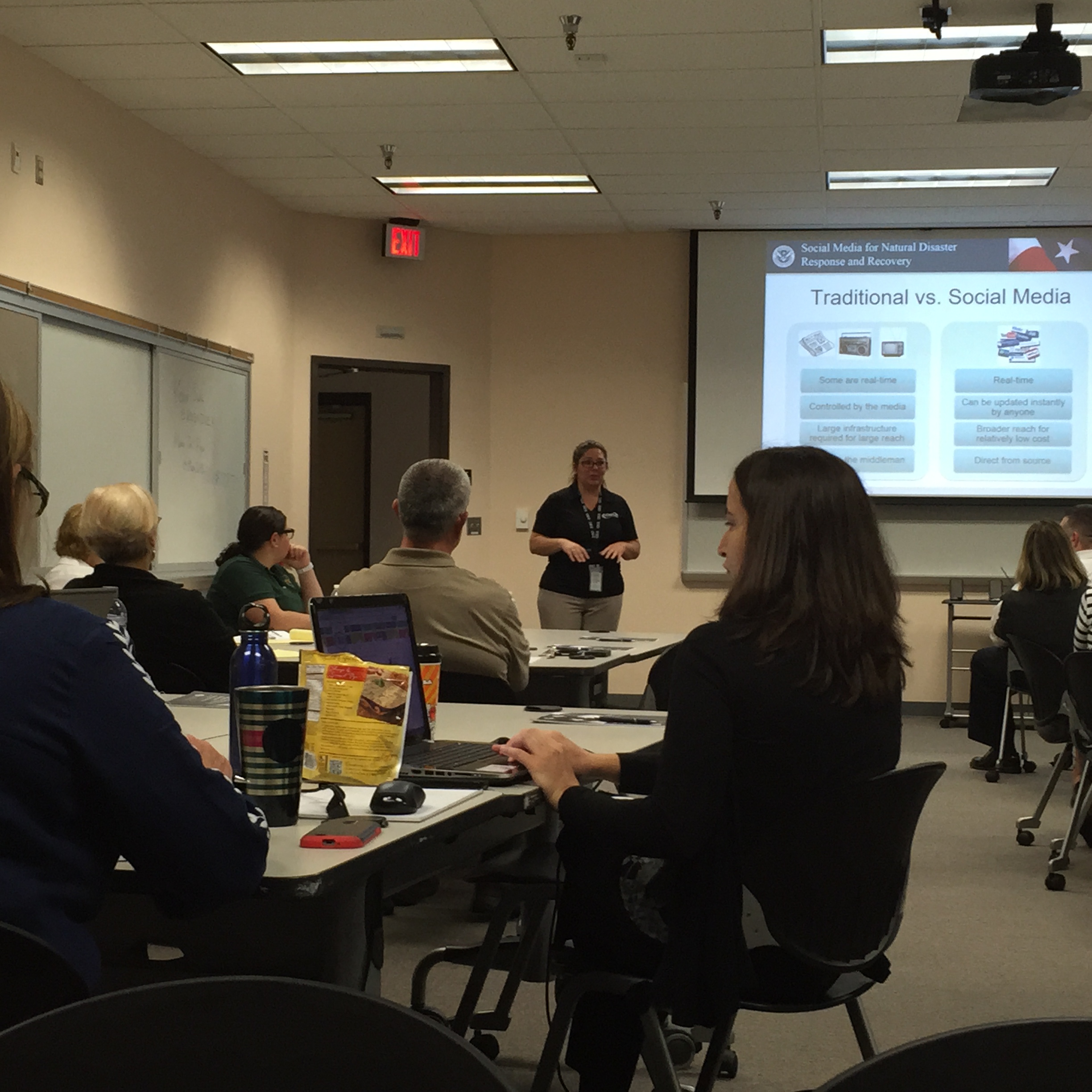
First week: I’ll be in Carlisle, Pennsylvania presenting on Social Media in disasters. Pope out, Sur in! Glad to be back in Region-3.

Second week: I’ll be headed back to the Silicon Valley area presenting on social media specifically for large event planning and monitoring (because it’s all about the L right? Wait, it’s all about the 5-0 right?) I also hope to catch up to one of the VIPs at Intel. Since retiring from Emergency Management, his pro career intrigues me – so I believe some synergies could happen. Additionally, I get a chance to brainstorm with an extremely talented colleague from the NWS Sacramento office. I rant about “building relationships before an emergency” so I assure you that I am practicing what I preach. Love love LOVE me some Region-9!

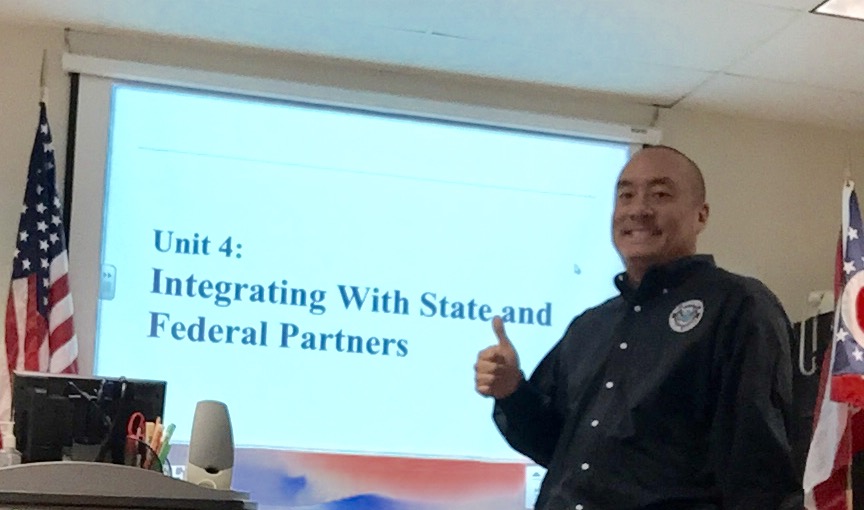
Third week: I’ll be at Fairfield County (Ohio) Emergency Management Agency popping the G-290: Basic Public Information Officers Course and G-291: Joint Information Center / Joint Information System (JIC/JIS) courses. It will definitely be great to see my friend Director Kochis  and crews again – back in Region-5.

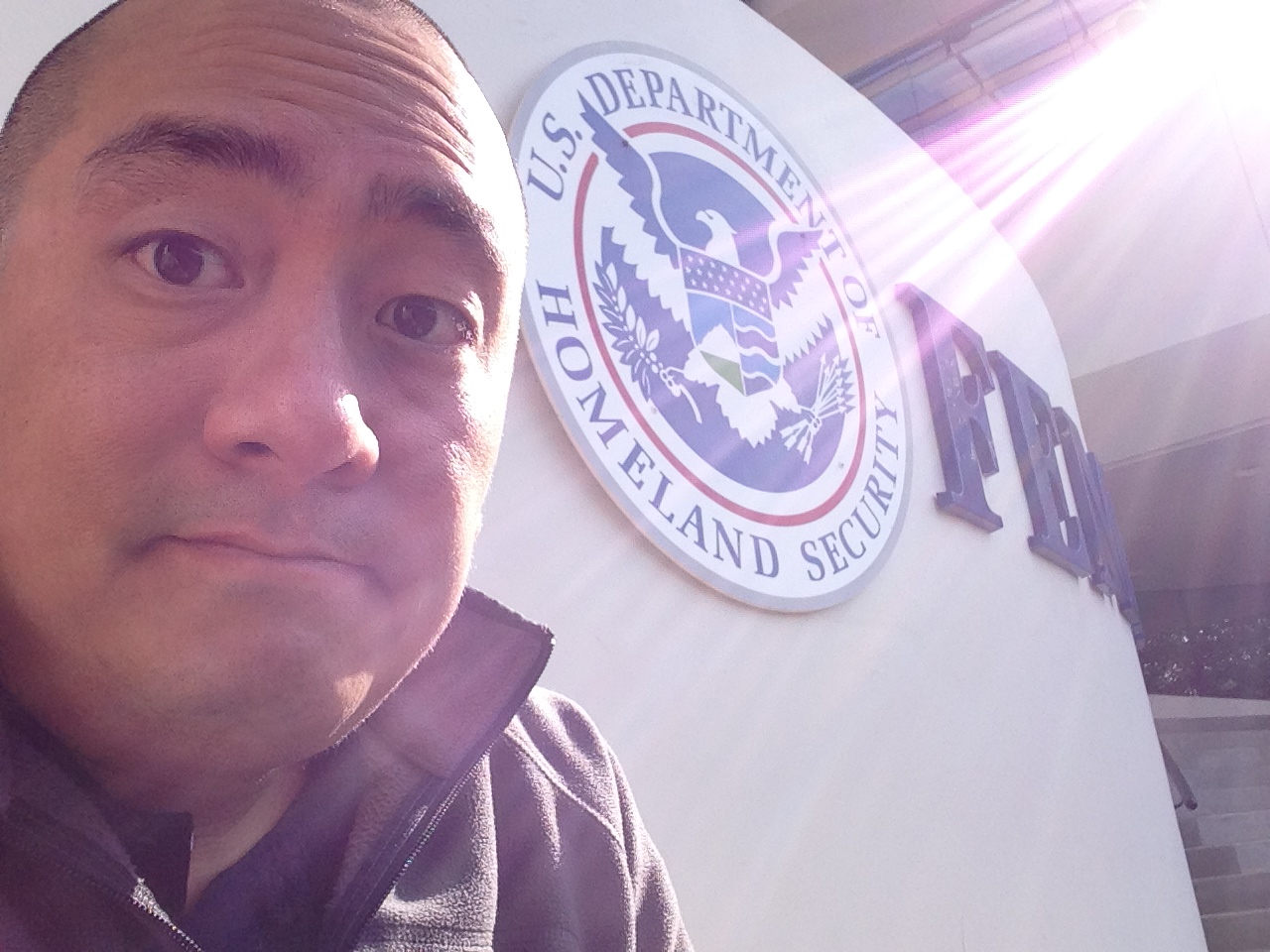
Fourth week: I’ll be presenting at FEMA HQ in Washington DC on social media. Yep, at the big house. OMG. This is a big presentation. Big. REALLY BIG. While at HQ, I am hoping to catch up with Lumpkins, Kamoie, FEMA’s Digital Engagement Team…and since we’re fresh off the heels of National Preparedness month grabbing a cup of coffee with my besties from ReadyGov and PrepareAthon. Love me some HQ preparedness action! Additionally, I am hoping to grab a few meetings with my friends at the Pentagon and NGA too. Special thanks to US Representative Fudge (OH-11) for some extra time with Congress and a stop at the White House. Yep. The White House. Again. #SURINDC NCAP region!

IMG_1909

It’s going to be a challenge month all October long.

Get it.

@rusnivek

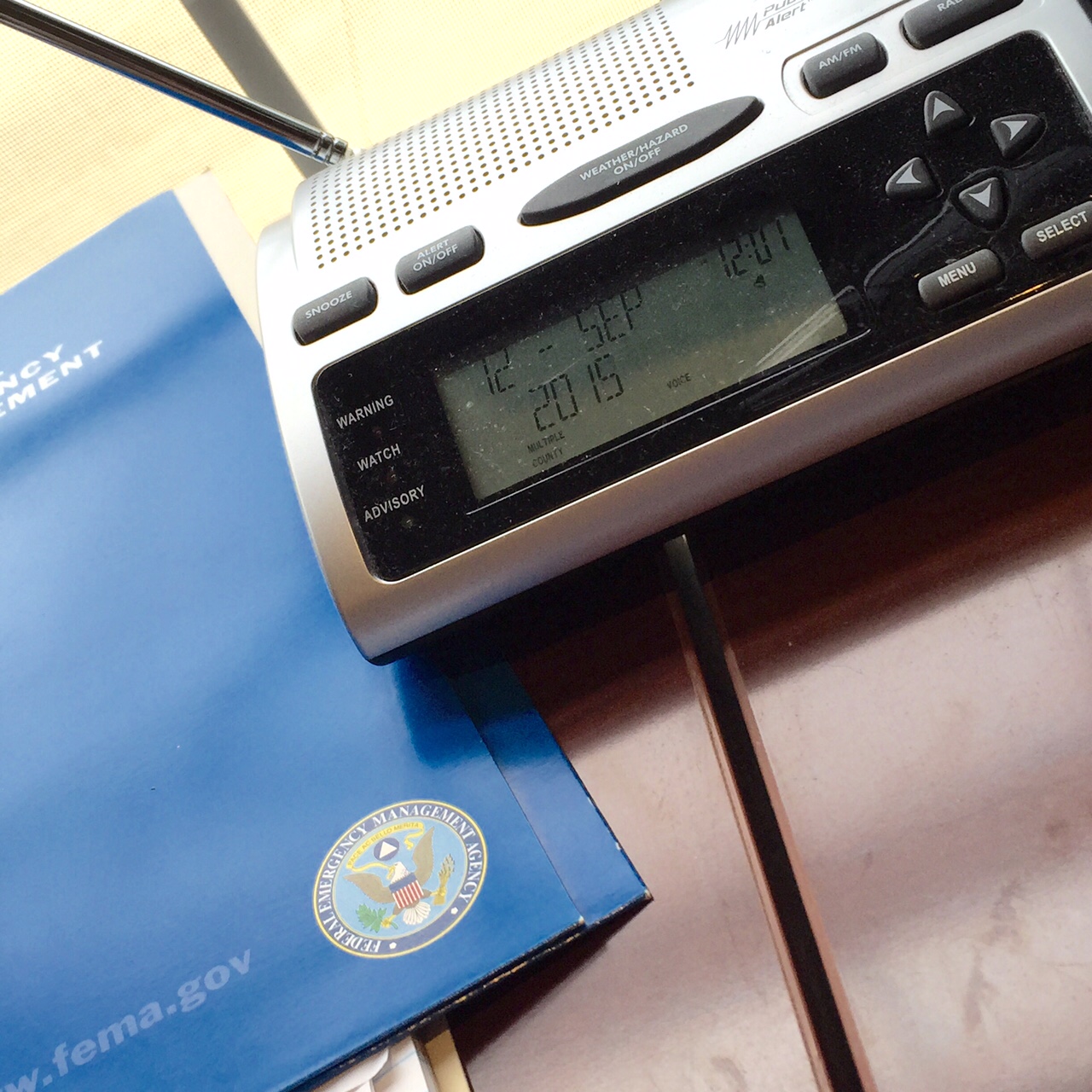
Double checking my weather radio for #NatlPrep #Hurricane

Peeking into the third week of National Preparedness Month – this week is all about Hurricanes!

So to make sure we are all prepared, I double checked my weather radio yesterday.

weatherradiocheck

I’m Ready!

If you live in Ohio, don’t forget to program your weather radio with these specific frequencies.

Don’t wait. Communicate. Make your emergency plan today.

CKYhdyqUMAQdNj1

Third week in. Are you Ready?

@rusnivek

Final FEMA review of the new social media courses #NDPTC

I popped back-to-back-to-back social media classes last week in Sacramento, California.

IMG_7410

Participants from all over the west coast attended. Specifically for Thursday and Friday, FEMA reviewed our new curriculum courses. Yep, straight up evaluation. Not going to lie, I was pretty nervous.

IMG_1960

Ongoing for course design, I will make a few more additions/changes before courses are sent to the National Training and Exercise Division (NTED) for certification. Hoping for final approval in November 2015. Hope to hear the magical words “Federally published” as my course is listed in the DHS / FEMA Training catalog. Whoa Nellie!

IMG_7508

 For the classes? We had great interaction from all participants.

IMG_7457

Solid discussions during the breakout sessions included professionals from all Emergency Support Functions (ESFs) as well as experts from the National Weather Service (NWS), Critical Infrastructure, and Volunteer Organizations Active in Disasters (VOADs), etc… Diverse groups make for the best discussions for sure!

IMG_7412

As part of our continued efforts in Emergency Management, it is imperative that we address issues from the All-Hazards approach and incorporate the support of our stakeholders in solutions.

IMG_7393

With heavy discussion, class participants had a great time engaging with others and using tools/techniques that are specific to the Preparedness, Response, Recovery, and Mitigation Directorates. Obviously, I showcased the importance of a good Public Information Officer (PIO) / Public Affairs Officer (PAO) and how their interaction in the Emergency Operation Center (EOC) or the Joint Information Center/System (JIC/JIS) is imperative to a successful emergency or disaster.

Also, starting to build an online learning library that can be easily accessed from anywhere using the #NDPTC is always good reference. Free. My favorite F-word.

IMG_7470

Special mahalos to fellow Instructors Cheryl and MaryJo in the delivery of these courses.

IMG_7422

Also the solid smiles from fellow #SMEM Jennifer and Scott was crucial support on this delivery.

Glad to be working with partners like the Department of Homeland Security (DHS), Federal Emergency Management Agency (FEMA), National Domestic Preparedness Consortium (NDPC), and the National Disaster Preparedness Training Center (NDPTC). Truly great to see everyone working collaboratively. Thanks to the Sacramento County Emergency Management for hosting these courses.

Looking forward to the next class at the International Association of Emergency Managers (IAEM) conference in Clark County, Nevada. See you there!

@rusnivek

Preparedness can be funny AND informative

There are times when preparedness messaging needs to make people smile. Take this lion…

CKTroblUkAACcQd

Got the point across? Did it make you smile? Or roar? Either way, it caught your attention.

Yeah, it would be easy to post this image from the National Weather Service (NWS)…

2011-06-26_071954

…because gets the job done. But which one grabs your attention?

The answer is both.

However, by taking a few seconds to create this meme, we as public safety can address an unreachable/uninterested population who enjoys humor and likes animals. Rawr.

Soooooo, it is imperative that we constantly explore and outreach to audiences with creative safety messages. As professionals, we should always explore new avenues and bridge gaps.

Yes, preparedness can be funny AND informative.

@rusnivek

JIS – JIC planning class for Tribal State and local PIOs

A fine day to teach the Ohio Emergency Management Agency’s JIS / JIC Planning for Tribal, State, and Local PIOs (G-291) course in Medina County!

1

A classic start with The Who.

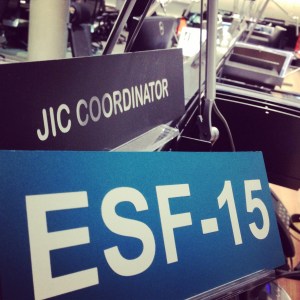
One of the big points emphasized in this class is the differences between a Joint Information Center (JIC) and a Joint Information System (JIS). Both have merits in daily operations and each have strengths and weaknesses in disaster operations.
IMG_6533

Sometimes PIOs don’t understand that a JIC or JIS activation is just like a normal activation. If you can’t figure out the differences between the two, take the class from those who have actually worked a JIC or a JIS.

IMG_6546

On Tuesday/Wednesday in the Basic Public Information Officers’ Course (G-290), we talked about training and readiness efforts for any PIO. Go Kits were a hot button topic as everyone’s PIO kit would most likely be different. Resource manuals are great to have, but difficult to keep updated. Just maintaining a PIO contact list is a tedious task.

Much discussion about food in the kit. This was obviously NOT a good example of what you should be eating during an JIC activation.

2

Prob not the best lunch.

Healthy body = Healthy mind. Period.

As the day progressed, we facilitated several in-depth discussions on teamwork, joint efforts in responses as well as some pre-scripted messages that can be used by everyone. Planning now will reduce the amount of white hair during an incident.

Establish relationships now with local health departments, local and regional hospitals, local Hazardous Materials (HAZMAT) Teams, Special Technical Rescue Teams. Easily rely on your state staff and resources to support your actions. A great wealth of information is available to bring to the table. Just establish that connection before that awkward 0300 hit.

Additionally, tapping into local resources from other Federal Agencies like the Federal Bureau of Investigations (FBI), Bureau of Alcohol Tobacco, Firearms, and Explosives(ATF), National Weather Service (NWS), Environmental Protection Agency (EPA)Immigration and Customs Enforcement (ICE), Customs Border Patrol (CBP), National Transportation Safety Board (NTSB), Federal Aviation Administration (FAA), etc…so many options to establish relationships!

3

“Building relationships now can only increase our response effectiveness during a disaster.” – K. Sur

Looking outside government agencies, public and private partnerships can support our safety and response initiatives – so we need to make a concerted effort to make those connections now. Build relationships before a disaster!

4

Sur and Mo!

So how can you bring all these resources together? Consider these actions to explore in your jurisdiction:

  • Train. Train. Train.
  • Open discussions with various providers.
  • Invite your all-hazards partners to meetings.
  • Meet regularly. Maintain contact.
  • Take classes together.
  • Share resource lists and contacts.
  • Support each other during operations.
  • Review After Action Reviews / Improvement Plans (AARs/IPs) together.

5

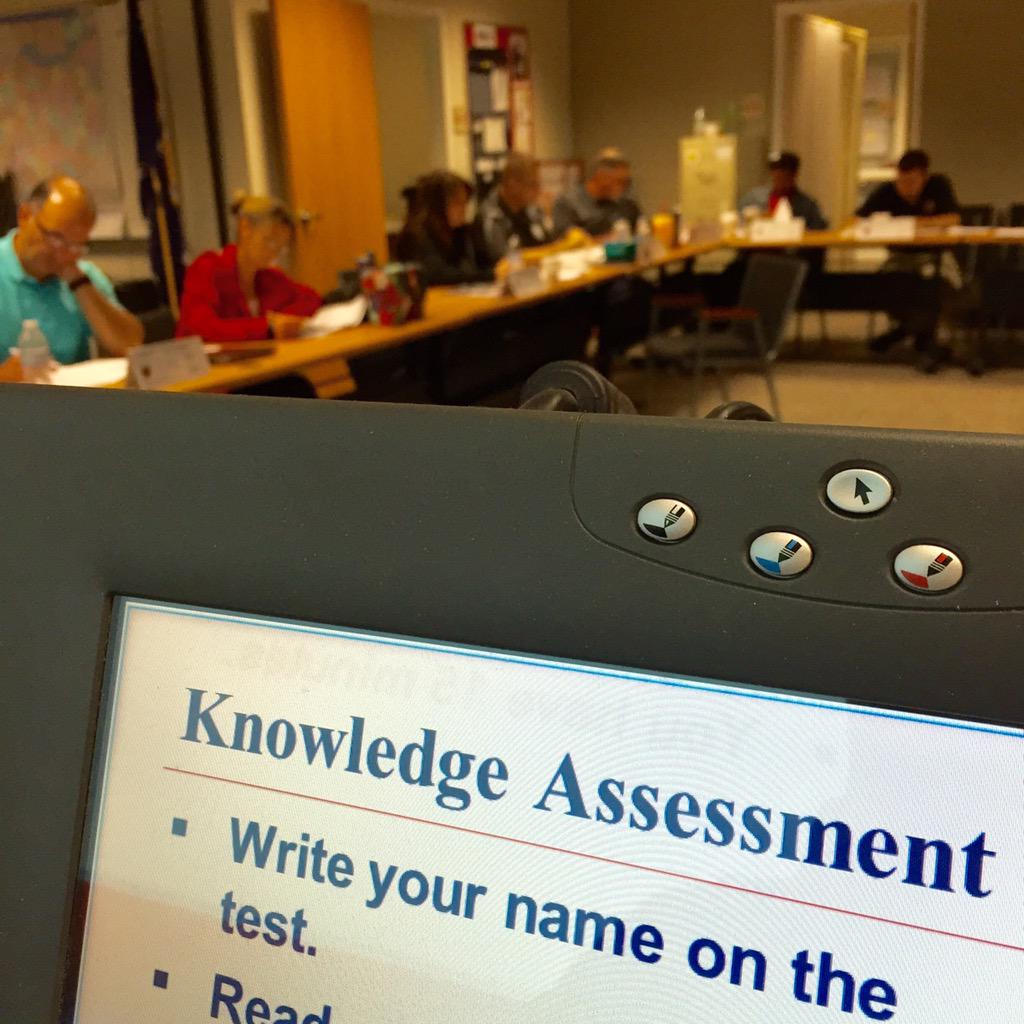
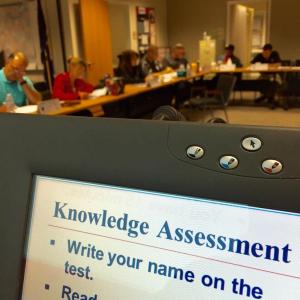
And if you were wondering, class participants did well on their post-tests.
6

Psssst…the answer is “C” #not

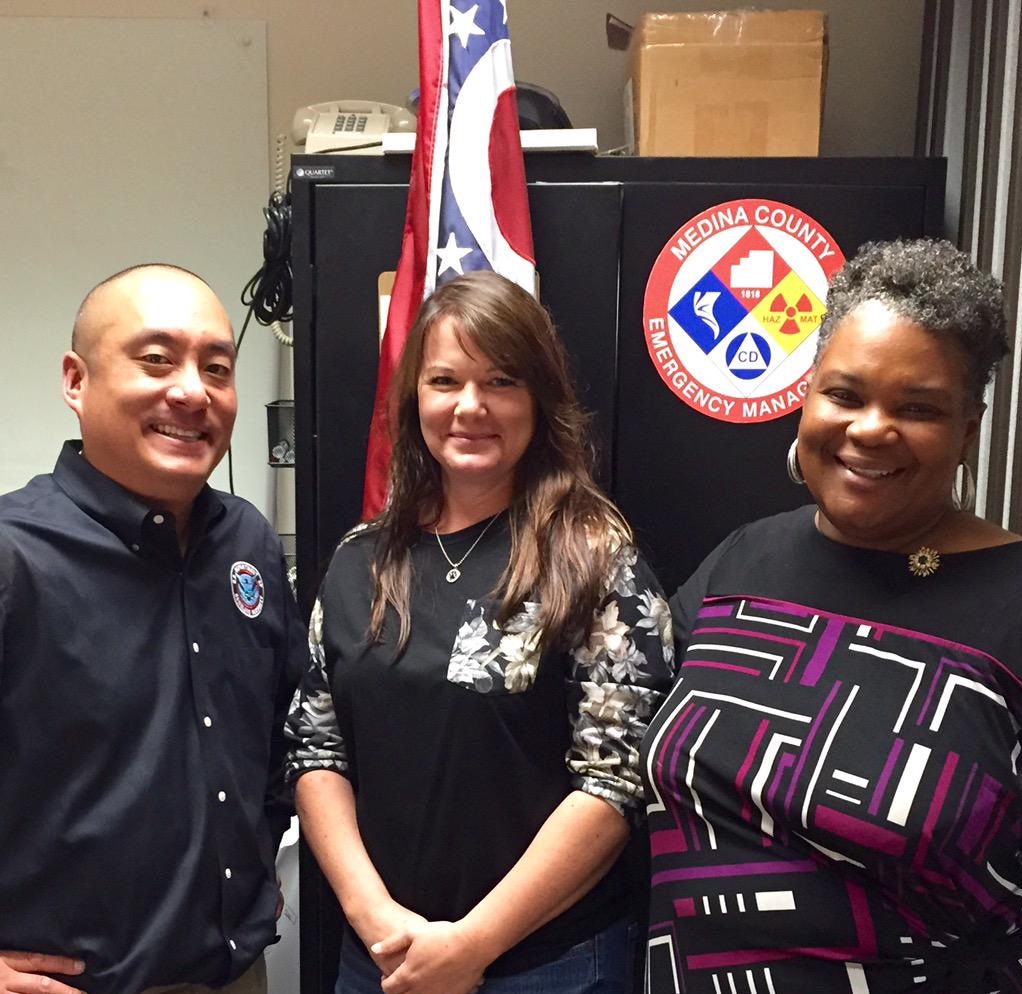
We had a great time teaching this week. Much thanks to the Medina County Emergency Management Agency and EM Director Christine Fozio for their hospitality. Super fun time.

7

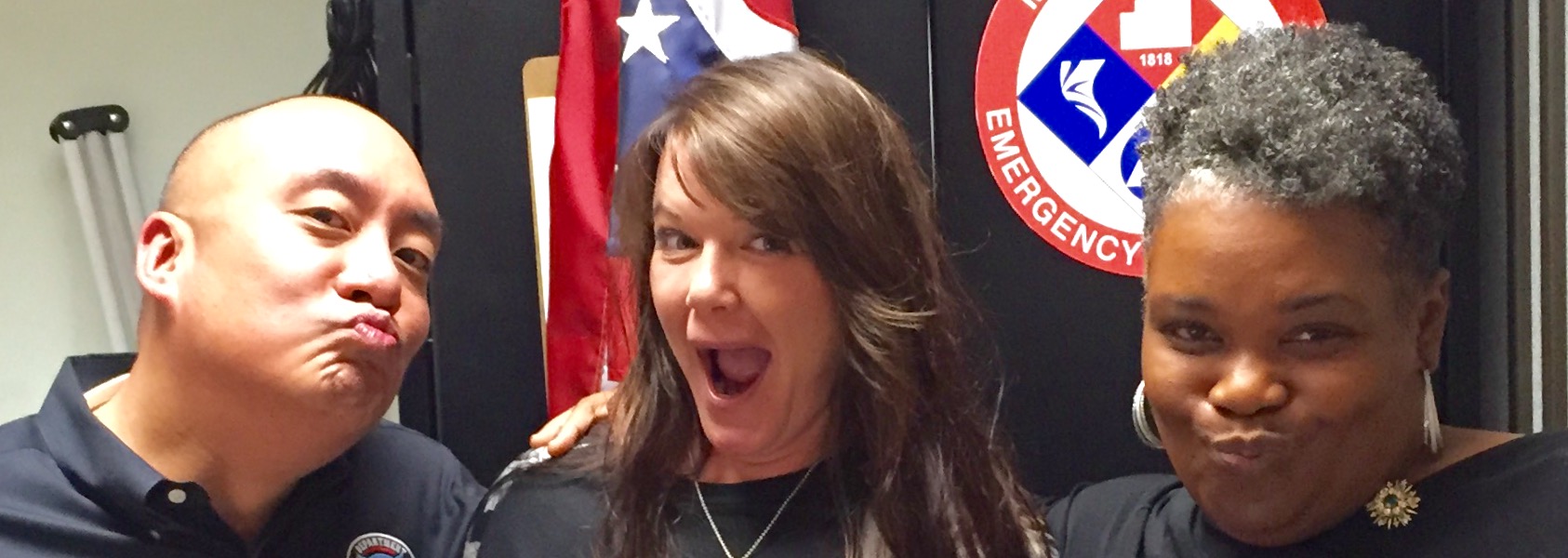
So much ducking fun (duck face reference)

Special thanks to the Ohio Emergency Management Agency for sponsoring this all-hazards class for our partners in public safety.
8

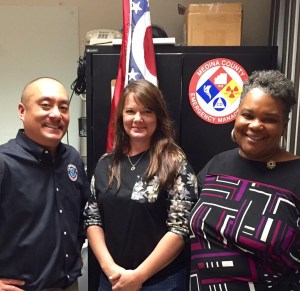
(L to R): PIO Instructor Kevin Sur, Medina County Emergency Management Director Christine Fozio, and PIO Instructor Monique Witherspoon.

If you are looking to attend OEMA’s free PIO courses:

  • Public Information Officers Awareness course (G-289)
  • Basic Public Information Officers’ course (G-290)
  • JIS / JIC Planning for Tribal, State, and Local PIOs course (G-291)

**coordinate through OEMA State Training Officer Susan Traylor.

SurPaperTowels

As always, I’m looking forward to the JIC / JIS activation calls. I am excited for these new PIOs to put their new acquired PIO skillz in place. And yes, I said skillz with a Z.

Time is short so do good stuff!

@rusnivek

Know your current weather by using one of these #NatlPrep #Prepared2014

Midway through the second week in 2014 National Preparedness Month!

“Be Disaster Aware, Take Action to Prepare”

It’s Wicked Wednesdays because bad weather is coming!

This week’s theme is consistent with FEMA’s National Preparedness Campaign: Know How To plan for specific needs before a Disaster.

#10: Know the your current weather outlook by using a NOAA NWS Weather Radio #NatlPrep #Prepared2014

1525468_410241235745387_1550359728_n

Don’t forget to program your weather radio too! Because weather affects everyone, plan and anticipate adverse weather by having your weather radio ready!

(And if you happen to be in the Cleveland area = 162.550mHz     SAME#039035)

What is a NOAA NWS Weather radio?

My weather radio? Midland WR-300 with a Midland 18-STR visual strobe alert.

Why am I talking about weather radios?

IMG_7484

Be safe…because this is about to hit us here in NE Ohio.

IMG_7485

Woof!

@rusnivek
Precise Emergency Messaging Safety-PIO-SM-14-002

14-002: Precise Emergency Messaging
Agency: Indianapolis Motor Speedway Topic(s):         Emergency Messaging
Date: Summer 2014 Platform:        General

Mass notification and public messaging about dangerous inbound weather is the latest hot button topic in emergency management because no matter the location, everyone is susceptible. This year has been especially deadly with numerous tornadoes.

You can argue the use of automatic Emergency Alert System (EAS), Integrated Public Alert & Warning System’s (iPAWS) messages, and public address systems are good enough, but successful delivery still comes down to basic messaging.

On May 25, 2014, this message was put up on the main billboard on the field during the Indianapolis 500, which had 300,000+ fans during race time. The National Weather Service (NWS) declared a Tornado Warning before the start of the race.

5

Race Fans? C’mon, you have a captive audience at the motor speedway. And you are addressing everyone there, not just race fans. Most likely, your audience is saying “Great, now what is a Tornado Warning?

Clear and concise messaging is incredibly important because seconds will matter in an immediate evacuation or leading others to shelter…especially with large, open, and unprotected public venues. This particular message was unclear, poorly worded, and definitely not concise.

A more effective messaging and follow-up post should have read:

DANGER! TORNADO WARNING NOW – SEEK SHELTER IMMEDIATELY!

Safe SHELTERS are located at AREA X and GATE X

By phrasing it this way:

1. Your message is short, sweet, and to the point.

2. Capital letters will grab the attention of your audience and convey urgency.

3. Have clearly identified safe locations IN CAPITAL LETTERS will assist those reading your message.

4. Shorter messaging could allow your followers to retweet/repost and amplify your emergency messaging.

5. It is still tornado season so make sure you are prepared by having pre-scripted messages on “what is a tornado warning” and messaging on how to “shelter-in-place”.


All concurrent Tweets, Facebook posts, Instagram posts, etc. should reflect this messaging. If a Tornado warning is issued, timing is of the essence. Do not be lax when it comes to emergency messaging because you don’t want to ruin the fun. For the sake of your constituents, it is better to error on the side of safety.

Time is valuable, so post good stuff.

@rusnivek
 

***To download this as a single-page printable format, click this: Safety-PIO-SM-14-001

NWS Freq

NWS-Cleveland and Ohio

NWS NOAA Weather Radio (NE Ohio)

Transmitter Details

Call Sign Power Frequency Status
KHB59 750 W 162.550 MHz NORMAL


County Coverage for KHB59

State County SAME Remarks
OH Ashtabula 039007
OH Cuyahoga 039035
OH Erie 039043
OH Geauga 039055
OH Huron 039077
OH Lake 039085
OH Lorain 039093 NE
OH Medina 039103 CENTRAL/E
OH Portage 039133
OH Summit 039153 


NWS NOAA Weather Radio (Statewide)

Site Name Transmitter Name Call Sign Frequency Power WFO
Akron Akron KDO94 162.400 1000 Cleveland, OH
Cleveland Chesterland KHB59 162.550 750 Cleveland, OH
Sandusky Bellevue KHB97 162.400 1000 Cleveland, OH
Columbus Columbus KIG86 162.550 1000 Wilmington, OH
Chillicothe Ross County KJY68 162.500 300 Wilmington, OH
Athens Elliottville KZZ46 162.425 1000 Charleston, WV
Carey Carey KZZ47 162.525 300 Cleveland, OH
Grafton Lorain County WNG698 162.500 300 Cleveland, OH
Marietta Washington County WNG734 162.400 300 Charleston, WV
New Philadelphia Tuscarawas County WNG735 162.425 300 Coraopolis, PA
Bridgeport Bridgeport WWF35 162.525 1000 Coraopolis, PA
Youngstown Youngstown WWG56 162.500 300 Cleveland, OH
Mansfield Butler WWG57 162.450 300 Cleveland, OH
Dayton Miamisburg WXJ46 162.475 1000 Wilmington, OH
High Hill High Hill WXJ47 162.475 1000 Coraopolis, PA
Lima Cridersville WXJ93 162.400 1000 Wilmington, OH
Toledo Holland WXL51 162.500 300 Cleveland, OH
Otway Moon Ridge WXM69 162.525 1000 Wilmington, OH

Number of Stations in Ohio = 18

Nationwide stations broadcast frequencies

http://www.nws.noaa.gov/nwr/nwrbro.htm

IMG_0061

@rusnivek
Free Wireless Emergency Alerts from @FEMA #OHWX #Prepareness2014

It’s 2014 National Severe Weather Awareness Week from March 2nd through March 8th.

Today, we will focus in on wireless mobile notification alerts!

Have you heard of Wireless Emergency Alerts (WEAs)?

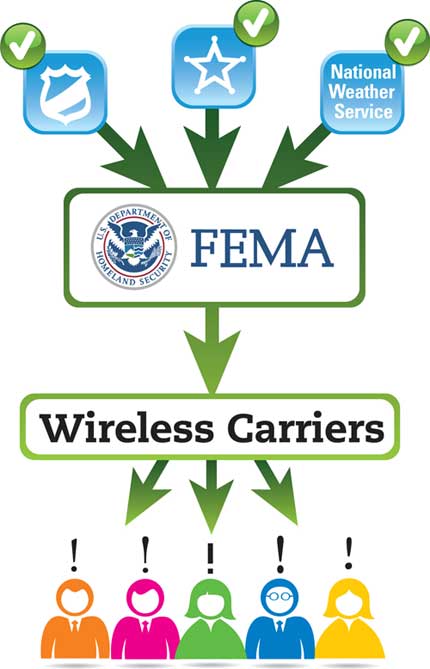
  • Alerts received at the right time can help keep you safe during an emergency. With WEA, warnings can be sent to your mobile device when you may be in harm’s way, without need to download an app or subscribe to a service.
  • You can receive important lifesaving alerts no matter where you are – at home, at school, or at work. Numerous public safety officials use reliable systems to alert you and your family in the event of natural or man-made disasters. Many communities also offer emergency alert notifications through their own systems.

fema-wireless-emergency-alert-procedure

Do you know what the Emergency Alert System (EAS) is used for?

  • The Emergency Alert System (EAS) is a national public warning system that requires broadcasters, satellite digital audio service and direct broadcast satellite providers, cable television systems, and wireless cable systems to provide the President with a communications capability to address the American people within 10 minutes during a national emergency.

IMG_3311 copy

Meshing all technologies together, do you know how the Integrated Public Alert & Warning System (IPAWS) is already helping everyone?

  • The Integrated Public Alert and Warning System (IPAWS), is a modernization and integration of the nation’s existing and future alert and warning systems, technologies, and infrastructure.
  • IPAWS’ EAS is the message dissemination pathway that sends warnings via broadcast, cable, satellite, and wireline services. EAS may be used by state and local authorities, in cooperation with the broadcast community, to deliver important emergency information, such as weather information, AMBER alerts, and local incident information targeted to specific areas.
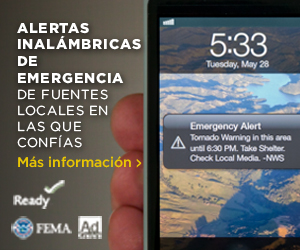
  • The Emergency Alert System (EAS) is a national public warning system that requires broadcasters, satellite digital audio service and direct broadcast satellite providers, cable television systems, and wireless cable systems to provide the President with a communications capability to address the American people within 10 minutes during a national emergency.300by250_Spanish_5

At this time in Ohio, the Integrated Public Alert & Warning System (IPAWS) authorities who have completed the authentication steps are:

1. Ashtabula County

2. Clark County

3. Delaware County

4. Fairfield County

5. Geauga County

6. Lucas County

7. Ohio Emergency Management Agency

8. Tuscarawas County

ant

Hope you are paired with one of these local agencies to receive better information during severe weather or major emergency…otherwise, you’ll be left out in the dark.

photo 2

@rusnivek