Day-2 of the new 2019 ICS-400 course!

Day-2 of the new 2019 ICS-400 course! This morning, we start out talking about the deadly 2005 Hurricane Katrina/Rita response with the US Coast Guard.

Facilitated discussion allows our participants to openly discuss perceived issues. Lots of response actions from all of our participants that can contribute to a successful response. Glad we had fruitful discussion prior to the actual disaster.

Our class also acknowledged the national Emergency Alert System Test today for TV and radio.

Everyone in class knew about it…aka prepared leadership and pros. Love it!

Midmorning and afternoon class-time was spent on the capstone activity with heavy discussion on the use of area command and how we allocate resources for multiple jurisdictions.

And you are right if you said that the rotor wing options are high on the list of valuable recourses.

Channeling my best FEMA EMI Bob Ridgeway, “…and don’t worry sports fans” moment, we included the infamous State of Columbia!

This fictions town is always a disaster.

Great to see so many partners discuss overarching goals including challenges with the big three public safety providers. Like pros, they included a large bite into health intelligence, DoD assets, and of course addressing various audiences like the tribal nations. Solid!
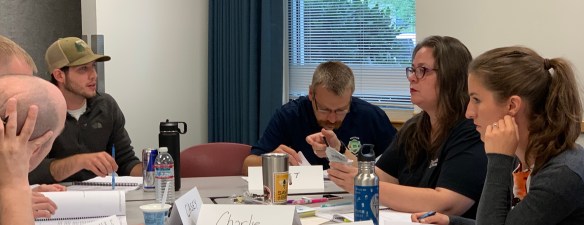
Proud to serve my fellow public safety pros from all professions this week in the ICS-400 course.

@rusnivek

The new 2019 ICS-400 this week!

Good morning peeps – welcome to the new 2019 ICS-400: Advanced ICS!

Proud to be one of the first instructors to roll this course out to our public safety partners that popped in late July. This week’s class? We have a bunch of pros from all backgrounds including Fire, EMS, Police, Healthcare, Public Works, Communications, Health Department, National Guard, Civil Support Teams, State, VA, Intelligence, and Tribal nations. I’m proud to serve all these pros.

Lots of discussion on preparedness efforts esp with some of the projected large disasters from across the country. In fact, discussion on preparedness for Cascadia Rising, New Madrid Fault, and national infrastructure failures were consistently discussed through the day. Related note: Proud to hear of sooo many prepared pros in class this week.

Classically, lots to share as Emergency Management pros continues to coordinate response through training and exercises. Train like you fight right?

Aside from powerpoints, the new ICS-400 has a bunch of in class activities that talk about complex incidents, Unified Command, and area command. Productively discussing issues in class BEFORE a disaster can only help to understand challenges that many agencies face…which could be exacerbated during crisis/emergency.

Glad to have engaged professionals in class this week.

Get your ICS on!

@rusnivek

Take a bite out of worrying in disasters #SharkWeek

Take a bite out of worrying.

Don’t forget to pack games for your kids. It will help occupy time as you are stuck in traffic or waiting for stuff to happen.

Additionally, simple games like this could help adults pass the time…and yes, I just transported you back to your youth.

Also gives you approval to give advice on love, career decisions, etc…

So get your origami on and pack it in your preparedness kit today!

@rusnivek

All five phases of Emergency Management in one picture

One way we can teach our community (using Emergency Management concepts)…..is flooded roadways. Yep, that’s right, we often have the general public drive their cars through flooded roadways and get into trouble, injured, or die.

So lemme break it down in our five phases of Emergency Management

Statement: One of the common emergencies Emergency Management see during heavy rains is flooding.

Mitigation: In past flooding, Emergency Management have identified areas that are susceptible for flooding that is unsafe for any safe passage under this bridge.

Preparedness: Emergency Management has painted a highly visible ruler on the bridge pillar to help public safety (or anyone) to address and evaluate the water levels.

Protection: By identifying the dangers, Emergency Management is better able to coordinate resources used to protect the public as we can now focus our efforts on barriers, caution tape, road closures, etc…

Response: During terrible weather, Emergency Management can share critical safety messages with the public and allocate more resources used to rescue individuals who did NOT heed the warnings.

Recovery: Thanks to proper preplanning, Emergency Management can reference pictures of this flooded area that can be leveraged against non-disaster time pictures which can provide good background for windshield surveys and damage assessments for state, regional, and Federal partners.

Boom.

Good way to improve the safety of your municipality.

Great way to enhance your operational coordination and recovery efforts.

Outstanding way to improve the resilience of your community.

Can you do this in your community? You sure can, just contact your local Emergency Management Agency for more details.

@rusnivek

Another FEMA PIO Awareness course in Lake County Illinois

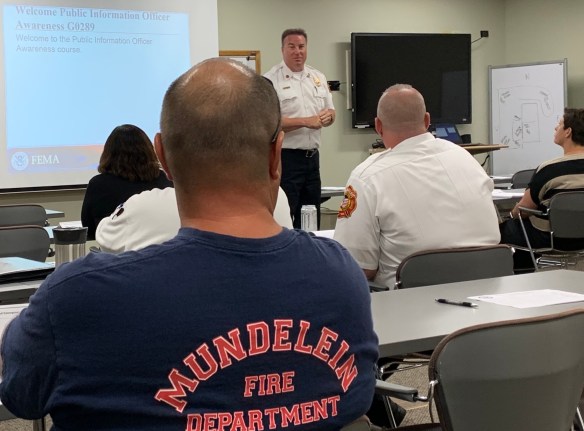
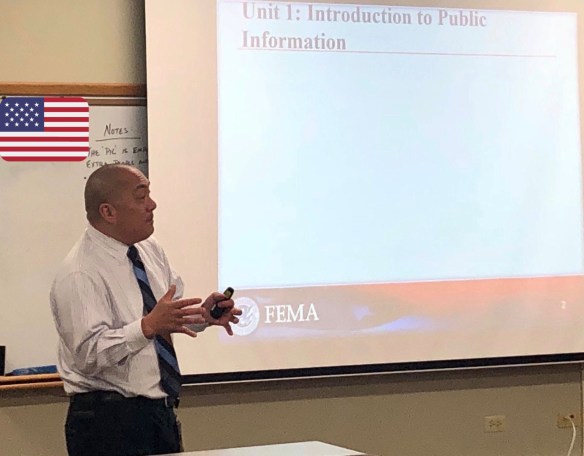
Another fine start to the FEMA PIO Awareness course here at Mundelein Fire Station 1!

Special thanks to DC Brents and the whole crew!

Lots to talk about as we intro the magic of public information to a new class. Of course we had a few words of wisdom from PIO John Nebl.

Great perspective and stories from Schaumburg Police.

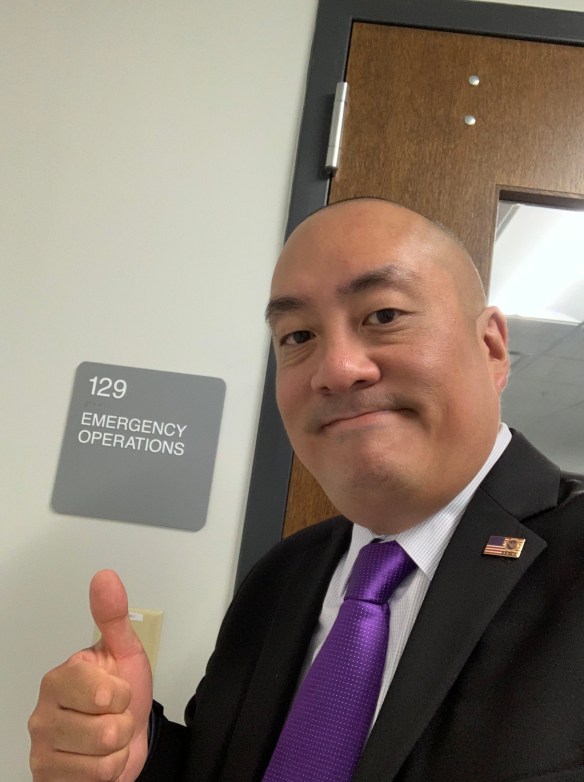
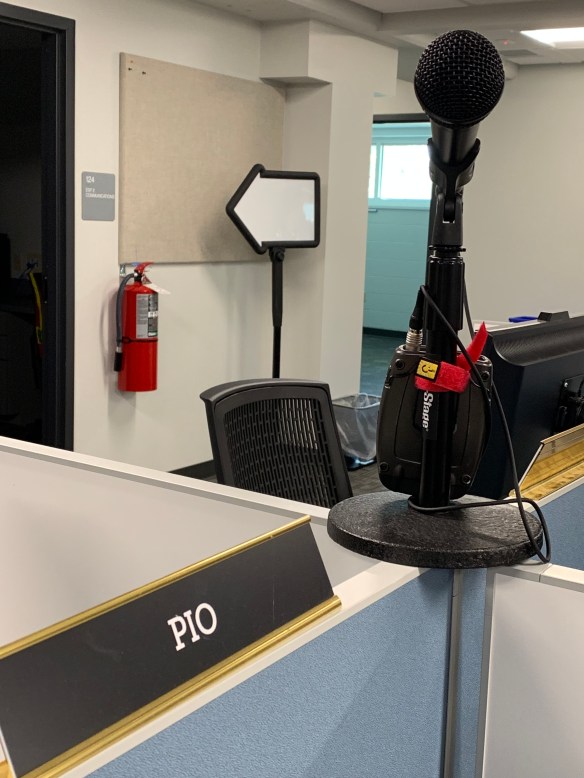
If you were wondering, we are in the Emergency Operations Center (EOC)…so that’s a good thing.

Making your peeps train in the location that they would likely be activated to…is a solid practice.

With a diverse class, we are able to cover lots of topics and various situations. The all-hazards nature of this FEMA class allows us to better prepare our PIOs for any emergency.

Additionally, I love to share my experiences from large events and disasters with fellow colleagues from across the State of Illinois.

Training together better prepares us to coordinate and work together before, during, and after an emergency. That’s right, come on in and form Voltron.

Special thanks to all the staff from Mundelein Fire for the warm hospitality to our staff from the DuPage County Office of Homeland Security and Emergency Management.

Train like you fight!

@rusnivek

Day-2 of the FEMA Basic PIO Course here in KY

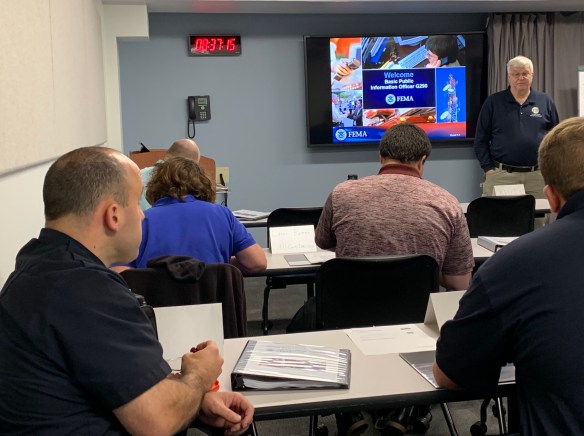
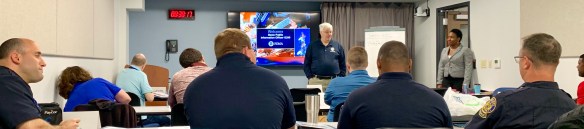
Day-2 of the FEMA Basic Public Information Officer Course here.

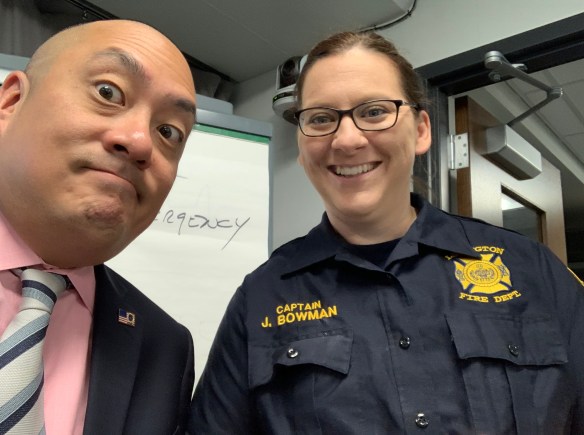
Glad to finally meet Lexington Fire Capt Jessica Bowman who is also one of the FEMA Master PIOs.

Great day to share some of the tools we use as PIOs. Here’s Sherelle and John talking about the importance and fashionable safety vests are for officials onscene.

Additionally, we discussed media being well visible as their safety is incredibly important. We can’t have our friends in the news business get hurt or become part of the incident.

And trust me, the more people who get injured in an incident, the more paperwork we all have to fill out….so be safe!

As usual, we had a very seasoned media panel from WLEX18 Bill Wilcox and Herald Leader Peter Baniak. Many thanks to both news organizations to spend time out of their busy schedule to spend with PIOs from across the state.

With all Basic PIO classes, we talk about the ability and flexibility for PIOs to do field reporting. Often times, reporters can’t get to a scene because of traffic or lack of staffing. Either way, we as government PIOs can help them out by packaging information they need from the scene. The tools needed to produce this kind of info is fairly easy to get, however the challenge is to put them into play.

By sharing the tactics and tools in class, I am able to improve the skills of any PIO by enhancing their ability to share solid timely and TRUSTED information with any of the targeted audiences.

As PIOs, we are beholden to so many audiences.

  • Public
  • Media
  • Leadership
  • Our internal teams.

At times, our job seems easy however once you dive into it, you can see the complexities of our efforts.

Don’t worry, we reviewed all mock on camera interviews. Tackled key concepts like redirects as well as some tips on how to give more positive non-verbals while being interviewed during crisis.

Super fun day with everyone. Lots of contributions from our partners from Fire, EMS, Police, Emergency Management, Energy, Coroner’s Office, Higher Education, Search and Rescue.

Looking forward to tomorrow’s FEMA JIC/JIS course!

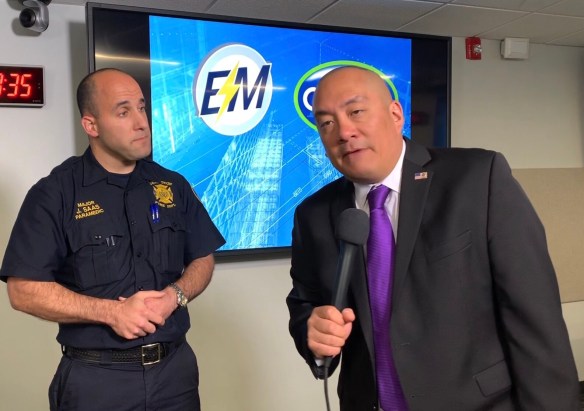
Reporting live from the EOC….

@rusnviek

FEMA Basic PIO course at the PSOC

Morning start to the FEMA Basic Public Information Officer course at the Public Safety Operations Center (PSOC)

Welcome and good morning by Mr. JB himself!

Packed house with multiple disciplines represented from Fire, EMS, Police, Emergency Management, ESF-12, higher education, Search and Rescue, Coroners Office, etc…

Like a good Emergency Manager, I found the EOC.

They have soooo many tools and toys to play with!

As all FEMA Basic PIO courses, we are staunch advocates of putting all participants in front of the camera. No matter what kind of experience level or years in the position, you can always learn by practicing your skills in front of others.

We typically hear complaints.

  • I didn’t get enough time to prepare.
  • I didn’t get the information in time.
  • I don’t know anything about plane crashes!

Blah blah blah. But the reality of the situation is….IT HAPPENS LIKE THAT IN REAL LIFE!!!!!!!!

So yeah, we want to train like you fight.

For those that were wondering “Has this ever happened before?” Yes.

Looking forward to tomorrow day-2 with our news media panel, interview reviews, and focus on social media.

@rusnivek

#MediaMinutes interview w/ RTV6 Paris Lewbel

As part of our ongoing efforts to help enhance the skills of the PIO across the country, here’s another #MediaMinutes interview w/ RTV6 Paris Lewbel!

For more information on Paris-

@Twitter: https://twitter.com/PLewbel

@Instagram: https://www.instagram.com/plewbel/

@Facebook: https://www.facebook.com/paris.lewbel

Happy Monday everyone!

@rusnivek

Debris Management with MassEMA

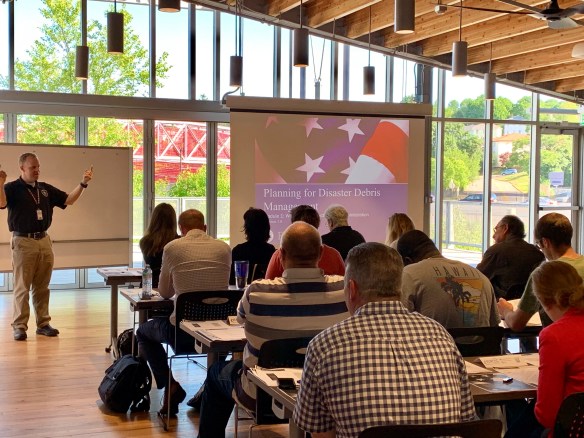
Despite not wearing pink today, we got a solid start to a great response and recovery course here in Massachusetts today.

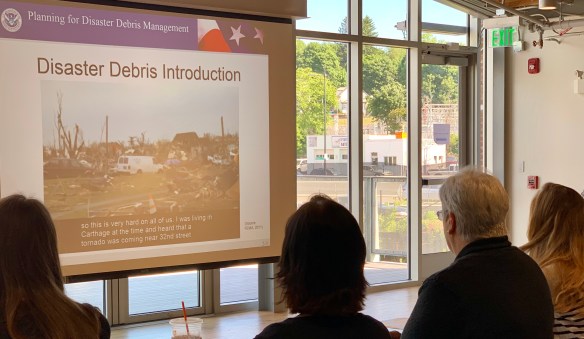
Great introduction to the DHS/FEMA/NDPTC Debris Management Planning class. Outstanding to work with the Emergency Management Pros again from MassEMA and FEMA Region 1.

Glad to share the same mission and goals as the MassDEP, all agencies need to work together as we decrease our response times in a disaster.

Often times, people believe Debris Management is only for recovery. It isn’t. Debris Management starts in the response phase with local public works resources supporting Fire, EMS, and Police in their initial response.
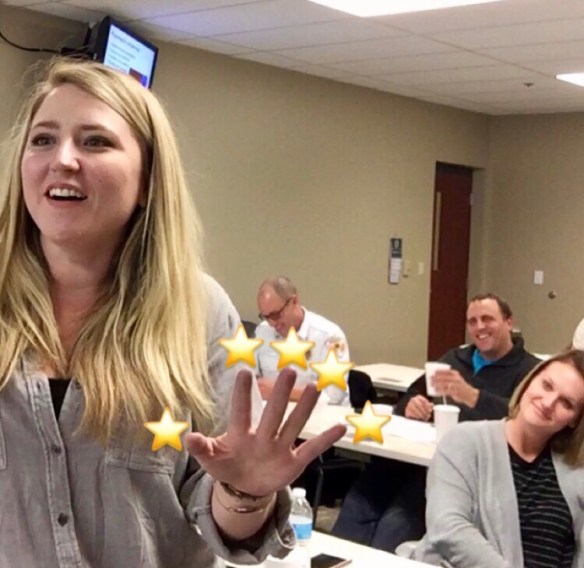
Yes that’s right, response phase.

Even more surprising is that public works pros (ESF-3) are an integral part of any response plan and should be included as agencies enhance their disaster plans.
Funding is often a challenge as agencies continue to struggle w/ funding and maintaining resources for public works. But sharing ideas and resources could help mitigate deficiencies and increase capabilities for our partners in ESF-03.

As we continue to facilitate good conversation, we often talk about burn rates and projections to ensure that we are consistently bringing in resources to any disaster to best serve the communities that are affected.

We get laser focused on our top-3 primary response agencies from Fire, EMS, and Police. However, Emergency Management Professionals will tell you that we should include more into our preparedness and response phase to better serve our communities.

Coordination will enhance

  • Asset allocation
  • Response priorities
  • Critical access
  • Reduce costs and burn rates
  • Operational coordination

These points are critical as communities deal with the initial hit of any disaster.

So no matter large or small, urban or rural, or even rich or poor – any community is vulnerable. Proper planning will help reduce the risk so that we can continue to serve those survivors who need it the most.

Also, glad to see participants getting a lot out of class and instructor enthusiasm on the importance of this Emergency Management topic.

I’d encourage you to look at your Emergency Operations Plan (EOP) and realistically look at the response from Public works as they are truly a partner in our preparedness, response, and recovery of any big event or disaster.

@rusnivek

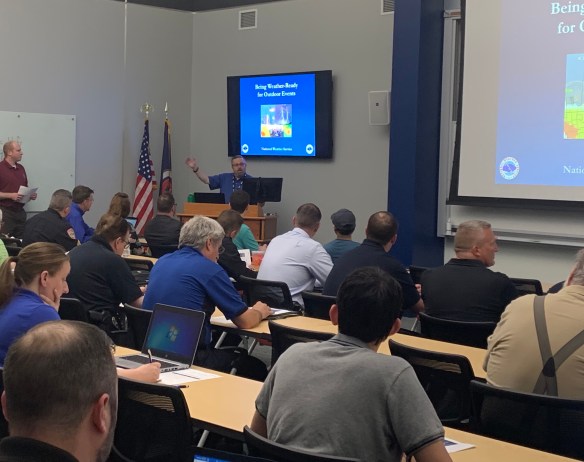
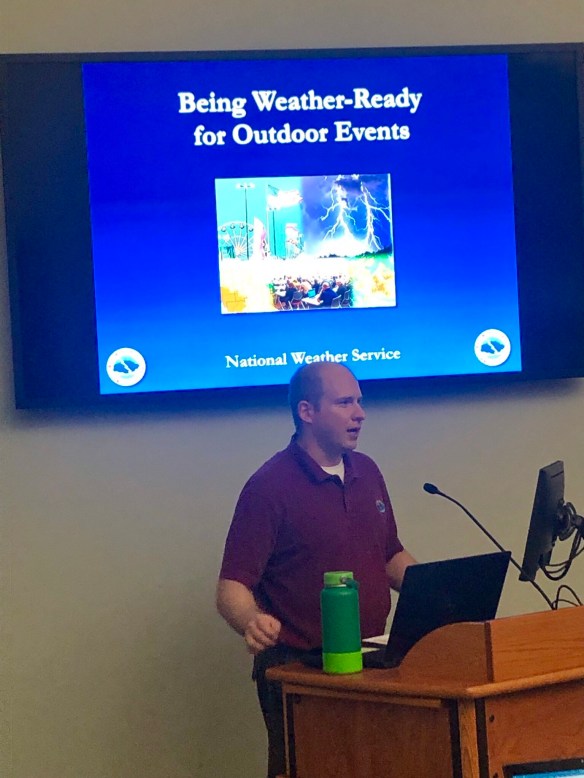
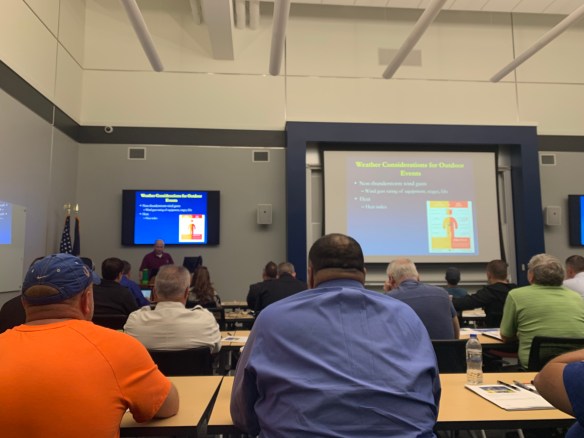
DuPage County partners w/ OHSEM to lead the way with Outdoor Weather Event & Planning TableTop Exercise

As our office continues to work the magic for all of our partners in public safety, today we continue to rollout the new Event Ready Weather Decision toolkit that helps any agency with critical command decisions.

Our office has worked closely with the National Weather Service Chicago in developing this process.

And of course to pair with the class, we have a Outdoor Event Planning TableTop to help concrete the points to all participating agencies.

Not only developing, but making sure that the information is compliant….

…like HSEEP compliant TableTop exercise compliant.

That’s right – welcome to the #EmergencyManagement pros!

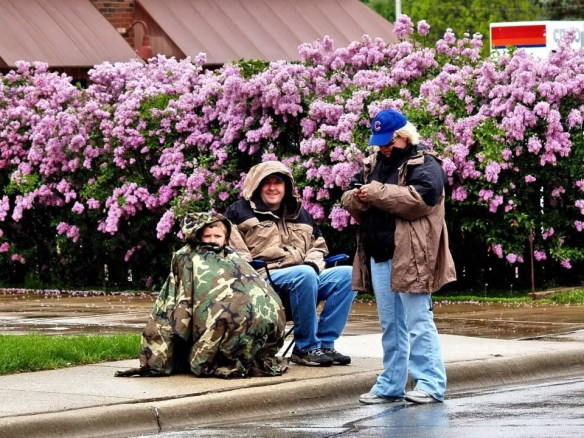
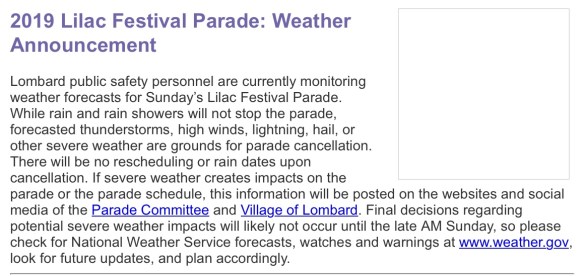
Success? Does it work? Hellz yeah it works! Just ask Lombard’s PIO Avis Meade who used this planning guide for their 2019 Lilac Parade.

Their actions based on NWS Chicago data and critical command decisions likely saved lives as severe weather rolled into the area with an exposed and completely vulnerable population.

Let me say that again, the planning and preparedness efforts from everyone in Lombard saved lives.

Let me translate that for you (think FEMA Core Capability): Sharing good info (Intelligence and Information Sharing), working closely with local, county, and state partnerships (Operational Coordination), and known trusted information (Public Information and Warning)

Decisions made in advance with partnerships with the local National Weather Service can save lives?!?!? YES IT CAN!

In Emergency Management, our decisions are collaborative and based on a combination of historical data and past industry practice. This is what Emergency Management is all about. Repeat after me: Planning and Coordination. Planning and Coordination.Planning and Coordination.Planning and Coordination.

I am proud to be a small part of many agencies doing the right thing for communities across this county and this great country.

Me? You know, I’m always willing to serve.

@rusnivek