Day-1 ICS-300 with strong DoD participation

It’s Monday morning so lets kick off another hard core ICS-300 course…in the Poinsettia Room! ๐ŸŒบ

Also known as the city’s Emergency Operations Center too.

Diverse groups today with a strong showing from our Department of Defense and local public safety professionals.

This kind of joint training provides us the opportunities to build stronger partnerships and even strengthen the preexisting bonds with DoD assets including a few special teams.

Lots of group work as participants figure out priorities and challenges during the first few hours and into the first/second operational period.

But working through the issues in a calm classroom will help reduce the amount of stress during an actual emergency. Finding out strengths and gaps and addressing them so that everyone can respond better to any incident. That’s right enhancing response capabilities.

Sound familiar? That’s what HSPD-5 (Homeland Security Presidential Directive-5) is all about. A coordinated response! <heavy breathing>

That is exactly what Emergency Management is all about – build relationships for a coordinated response. <heavier breathing>

And also proof, if you teach it right, you can get people to smile in my ICS classes.

Awww yeah!

Great work from all participants – lotsa participation from everyone!

Glad to see so much collaboration from local, county, state, Federal, and DoD assets.

And as always, thank you for your service to our great country.

Happy birthday Marty. It’s a great first day.

Looking forward to the next two days!

@rusnivek

Volunteers & Donation Management

Volunteer and Donations Management class today.

Lots of discussion was sparked by spontaneous volunteers.

While easy to handle, complex to handle without a tested and easy system to categories skills and personnel.

Additionally, lots focused on resource and supplies. A casual remark in class is that volunteers can house all kinds of stuff and be able to distribute everything accordingly.

Let me be very honest, I love people that want to help. But if you dump this task on an untrained and unfamiliar set of volunteers, it will not go smoothly. You have to train them, set them in a direction, and of course be as organized and coordinated as you can be. Make them part of your team EARLY!

So to share a perfect example of serving in disaster recovery, I’ll again share the AmeriCorps package we put together while deployed out for Hurricane Maria on the US Virgin Islands St. Thomas.

Outstanding crew to work with and solid bunch of dedicated individuals to the mission at hand. More info about AmeriCorps, click hereย and AmeriCorp Blue-6ย (<—That team is SOLID).

A few takeaways for participants in today’s class:

  • Build relationships before an emergency.
  • Enhance capabilities and knowledge.
  • Evaluate skill sets of your volunteer workforce.
  • Exercise, Exercise, Exercise.
  • Help your neighbor.
  • Do good stuff.

Train your volunteers frequently as they should be a valuable part of our community’s recovery process.

@rusnivek

A little love from the USVI

Awww! A little USVI love came in the mail today.

Mahalos to everyone in the United States Virgin Islands!

@rusnivek

The FEMA #PIO on #PirateRadio! Is that real? #FBF

I was asked if Pirate Radio was real….yeppers!


Pirate Radio based in the Florida Keys-Key West has a strong voice that not only hits audiences throughout the keys, but also into southern Florida too. They stream their shows so that any Pirate can listen in…even when yer a landlubber!
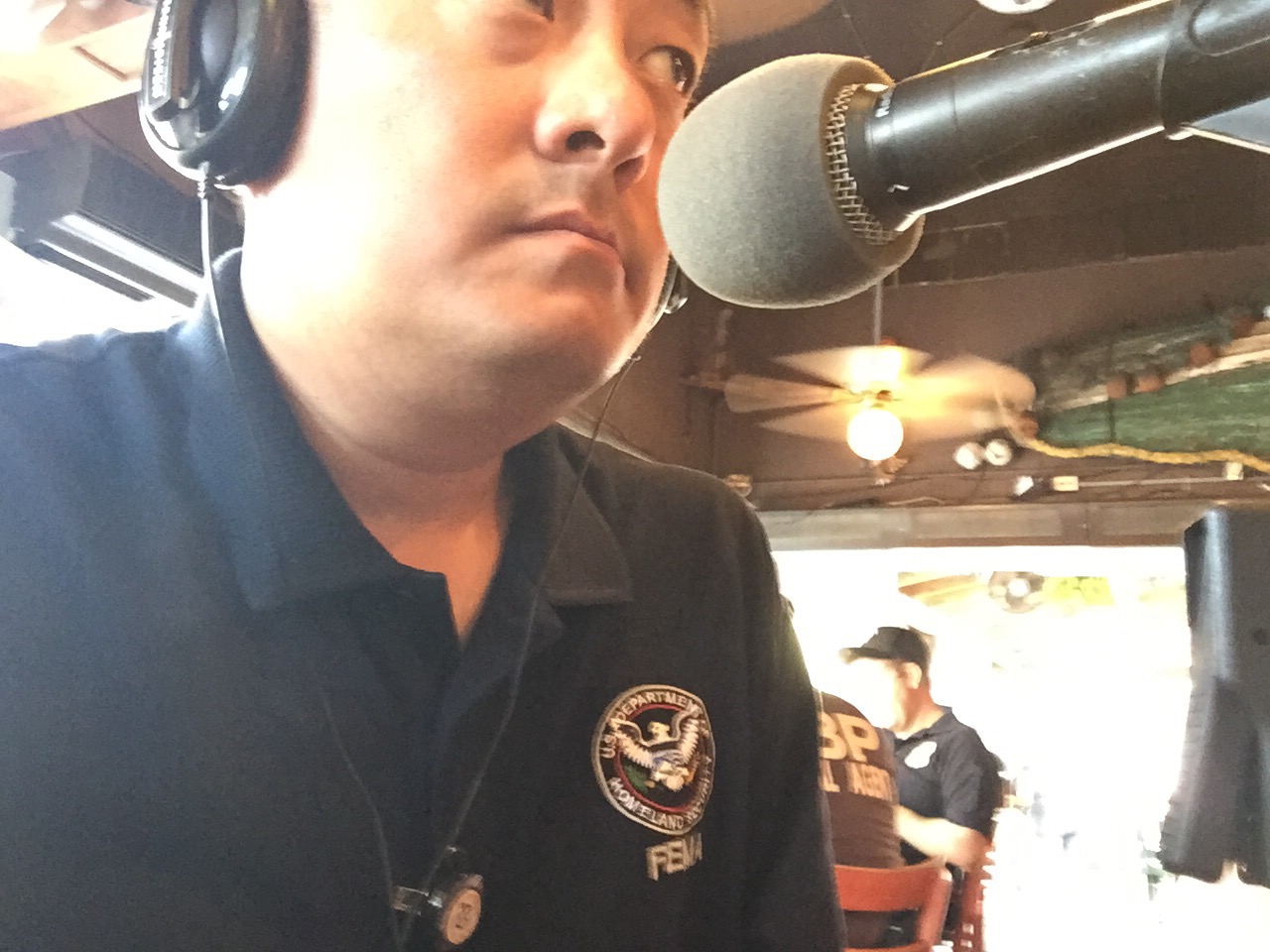

I was a regularly contributor to their morning shows with daily Hurricane Irma disaster updates. We also brought other public safety agencies in with us to showcase the unified efforts of countless government agencies involved and how we are all working together in the response/recovery effort.


Additionally, I was invited to be a regular guest on their Friday morning show to talk about the DHS/FEMA response and recovery efforts for the Florida Keys. Not only talking about the Florida Keys, but also the millions of $$ in financial support approved for the State of Florida.


Remember, AM/FM radio stations are a critical source of information in a disaster. After a disaster, cell service might be down, sat tv might be out, and it is highly likely that your neighborhood may not have power. Post-disaster, plan on AM/FM radio being a solid source of information.

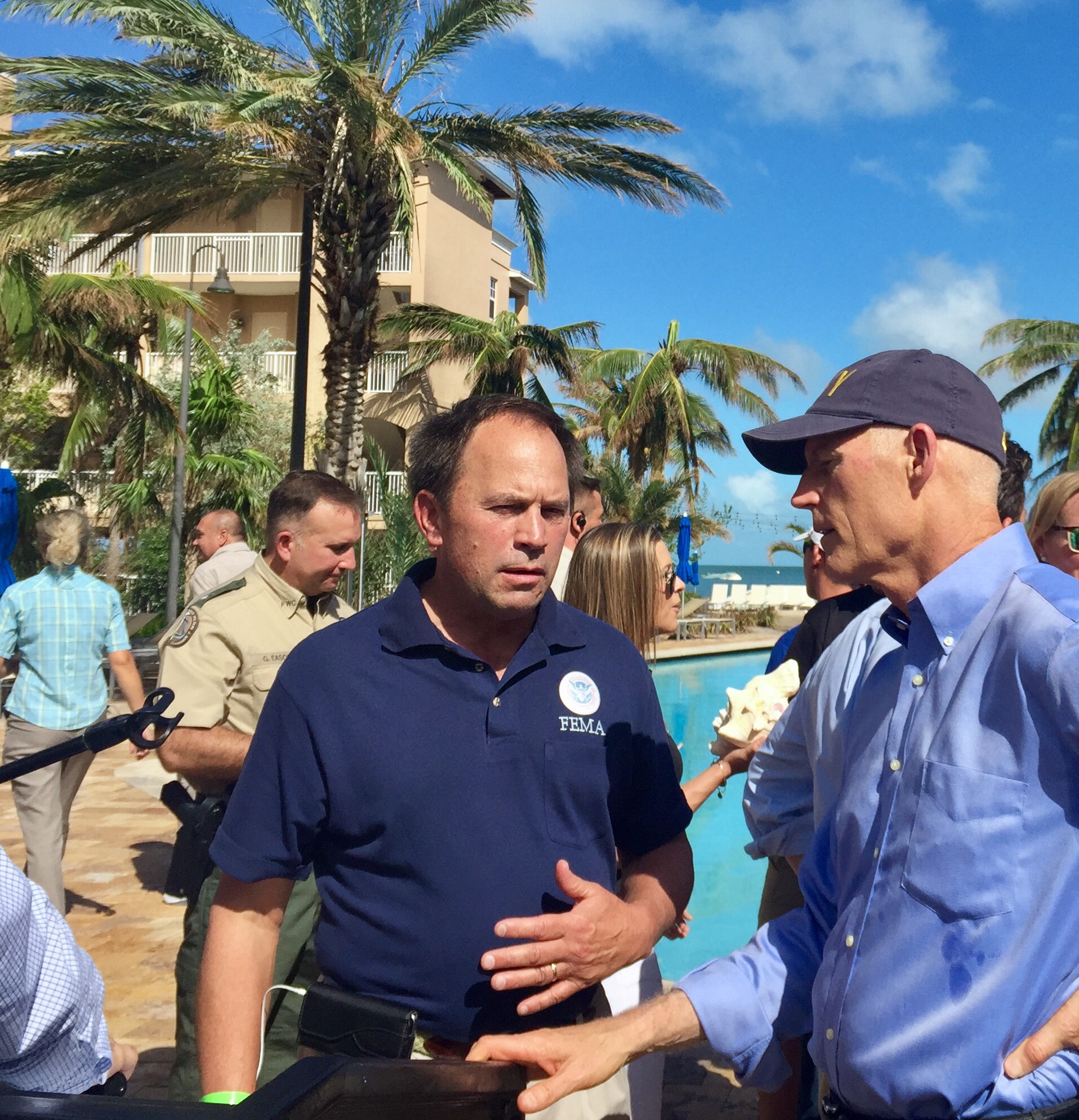
Many mahalos to both gracious Pirate Radio hosts – Jack and Kim!
@rusnivek

Reviewing performance evaluations for Hurricane Irma’s response

Spending my Sunday reading through paperwork, demobilization emails, and my performance evaluations from Hurricane Irma’s disaster response.


“Mr. Sur is “a model for the agency.'” – FEMA Division Supervisor Mark Landry (Federal Coordinating Officer cadre).

*blush*

Just glad to be a part of the FEMA disaster response to help my fellow Americans.

@rusnivek

Demobilized from Hurricane Irma, now headed back out again

I just demobilized from Hurricane Irma. Total of 42 days.

One thought as I repack: I have never worked so hard and had to use ALL my learned PIO skills and tricks in just one disaster.

Few hours to make the turnaround in Cleveland.

Now headed to support another DHS mission with the US and Canada.


Evoking the famous quote from Ray Stantz: “Oh, I got to get some sleep, I’m dying.”

@rusnivek

Moving another DRC in the Florida Keys

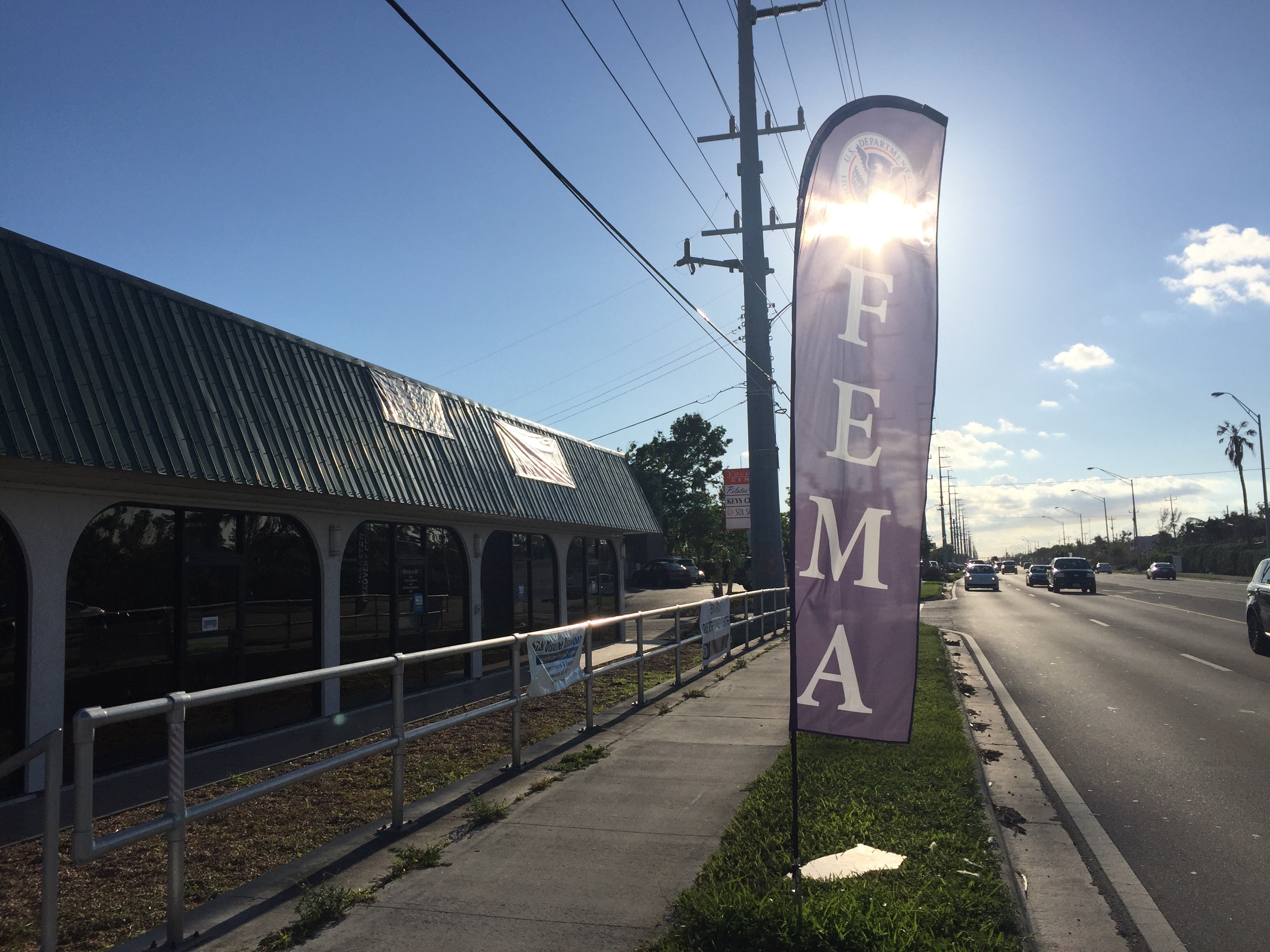
In efforts to best serve the communities that were hardest hit by Hurricane Irma, we (FEMA) moved the Marathon Disaster Recovery Center (DRC) to a new location


As you guessed it, this new DRC has much easier access to the highway.

6805 Overseas Highway in Marathon, Florida

Stop on by to update your records and/or check on your status for disaster assistance.


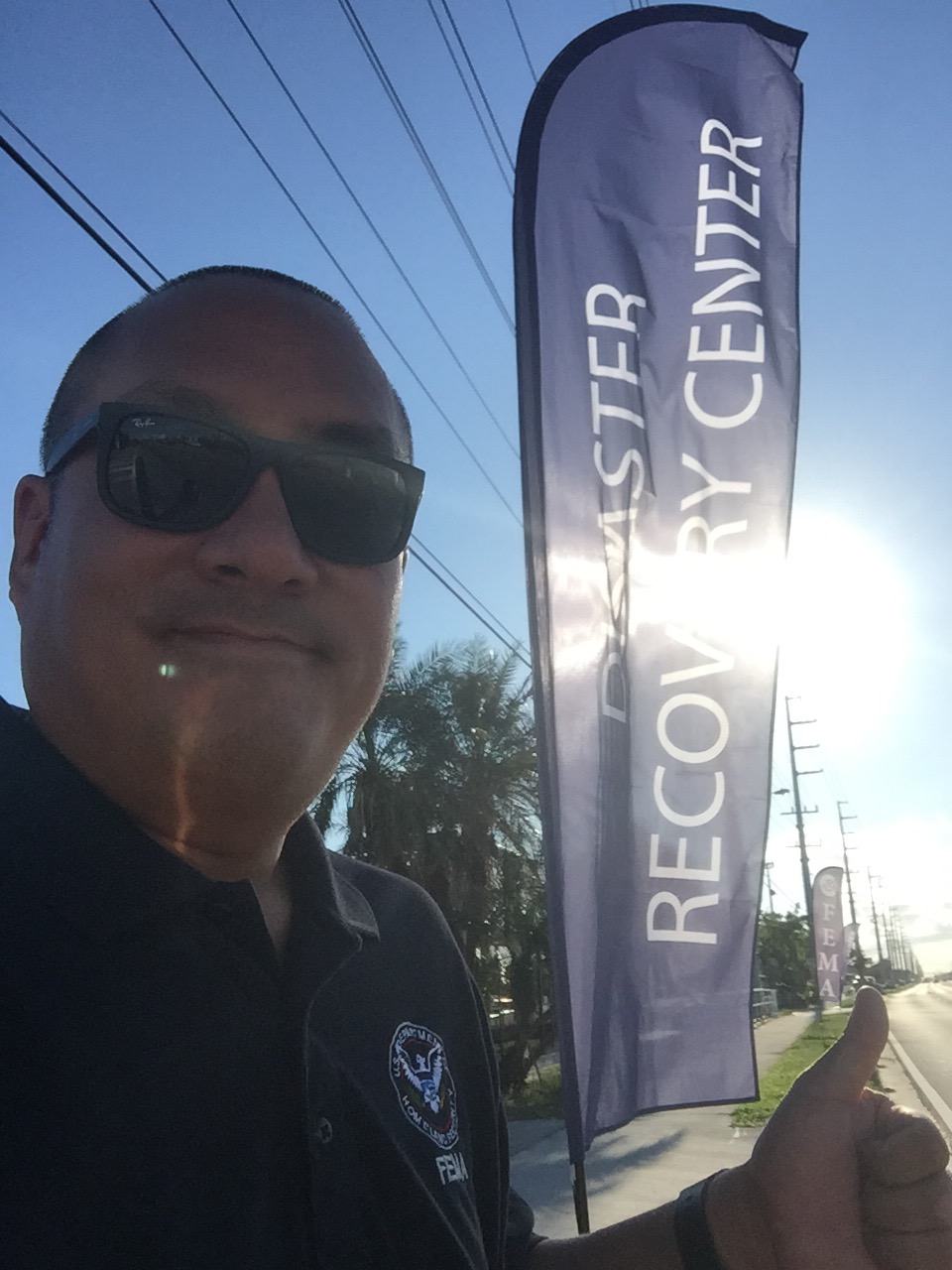
Reporting live from the new DRC location in Marathon…

@rusnivek

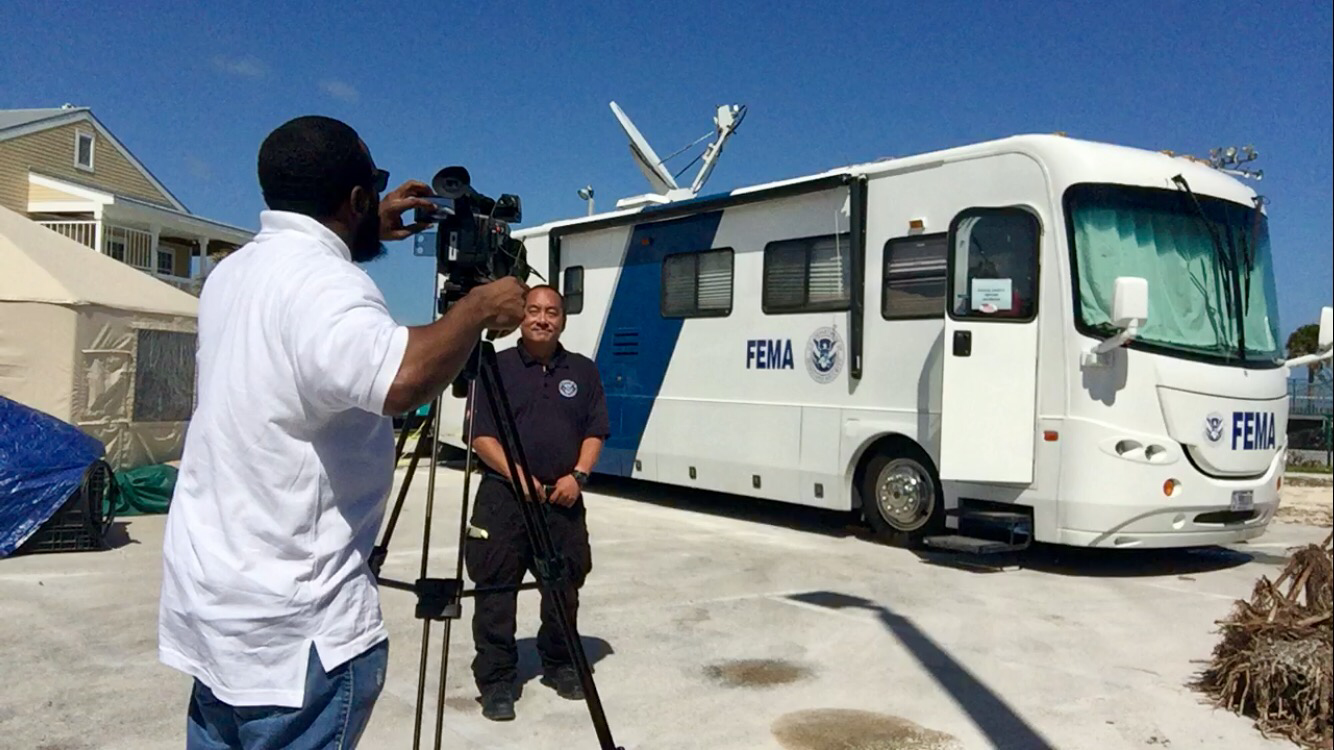
Disaster communications – FEMA’s MCOVs and IRVs

When major disasters strike, many local communities lose the ability to communicate.


Whether hardline communications, cellular service, or data – communications is the life blood of any public safety initiative.

So vehicles like FEMA’s MCOVs and IRVs provide a great service re-establishing disaster communications for areas who have nothing.


MCOV: Mobile Communications Office Vehicle

IRV: Incident Response Vehicle

Several vehicles like this are currently deployed out supporting various missions now.

Fun fact, did you know these types of vehicles are

Everything about disaster response isn’t easy. I continue to share that logistics make the world go round.

@rusnivek

Aerial operations is critical in a Type-1 disaster #PIO

Large type-1 disasters are complex. Not only complexity but in pure size.

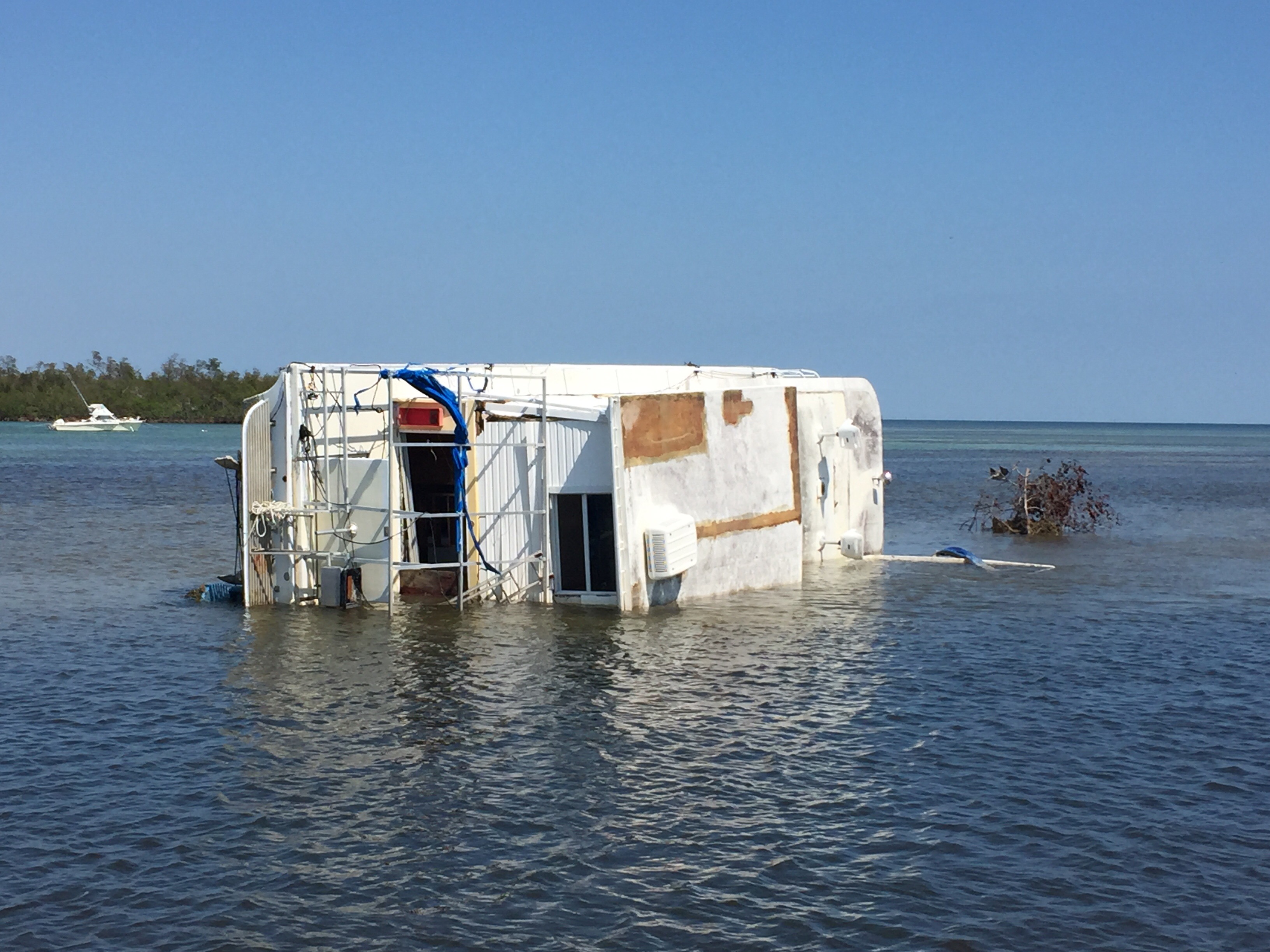
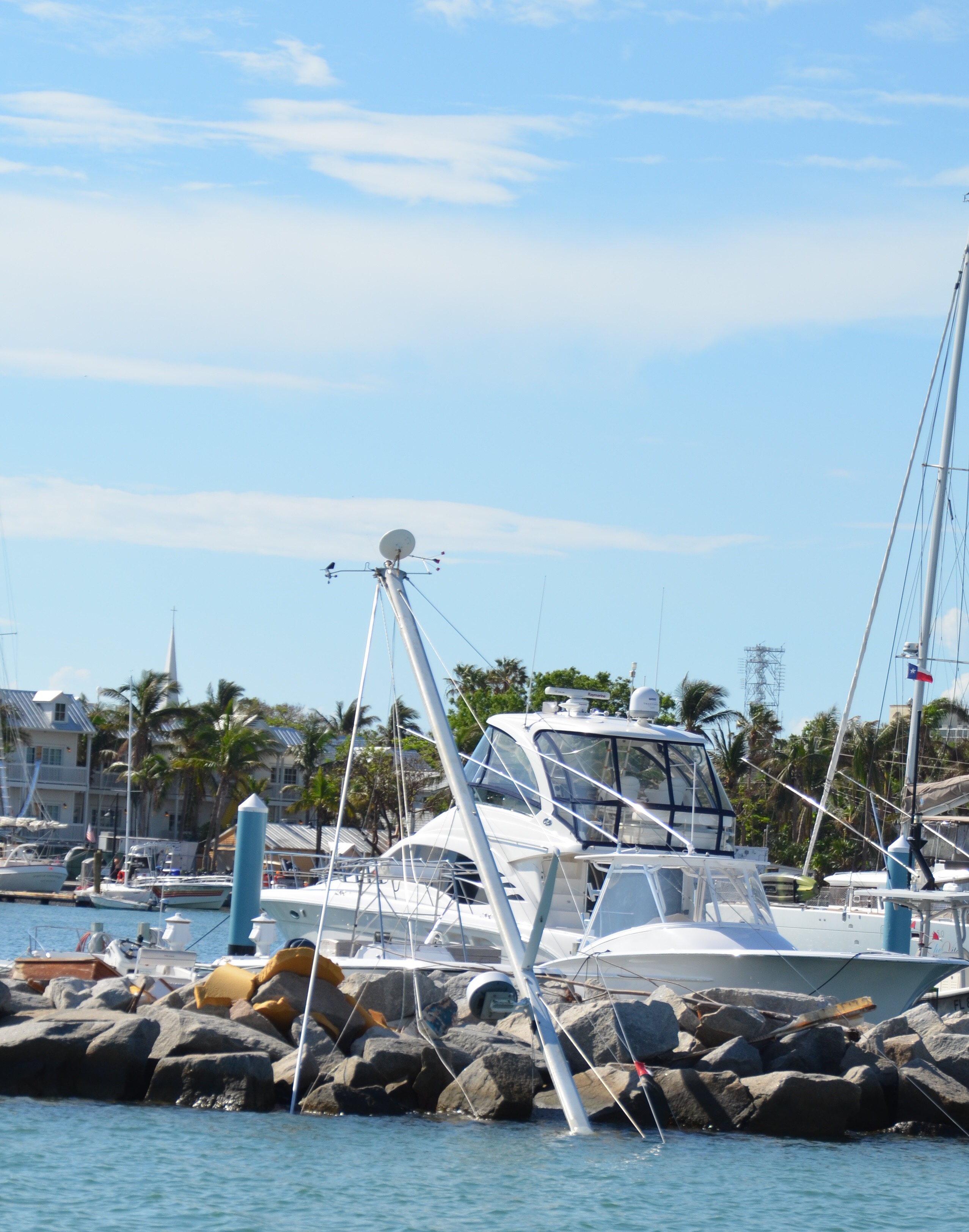
In the Florida Keys, destruction was not just limited to houses and commercial structures, but he Category-4 storm + storm surge + possible tornadic events affected so many ships and vessels.

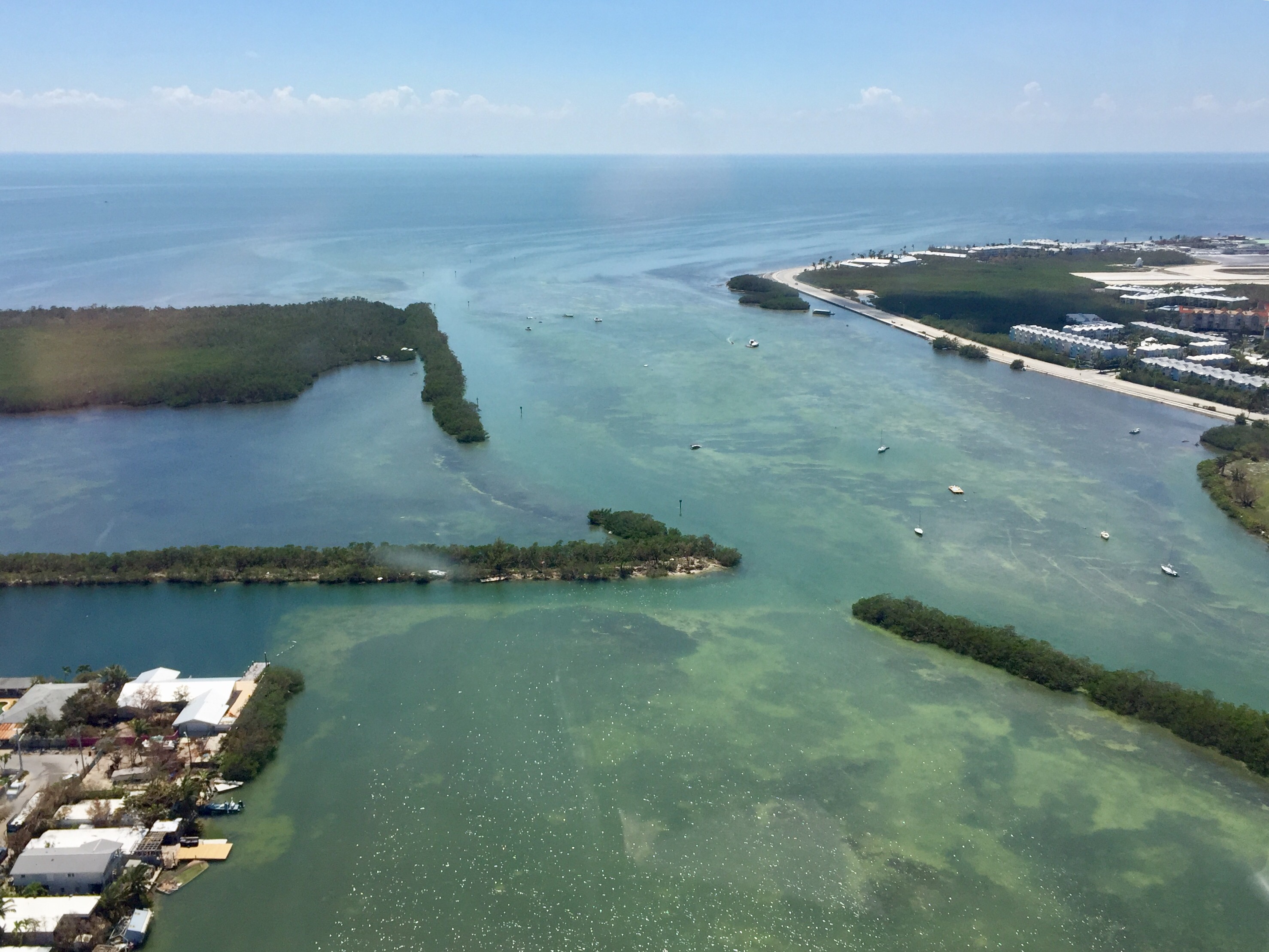
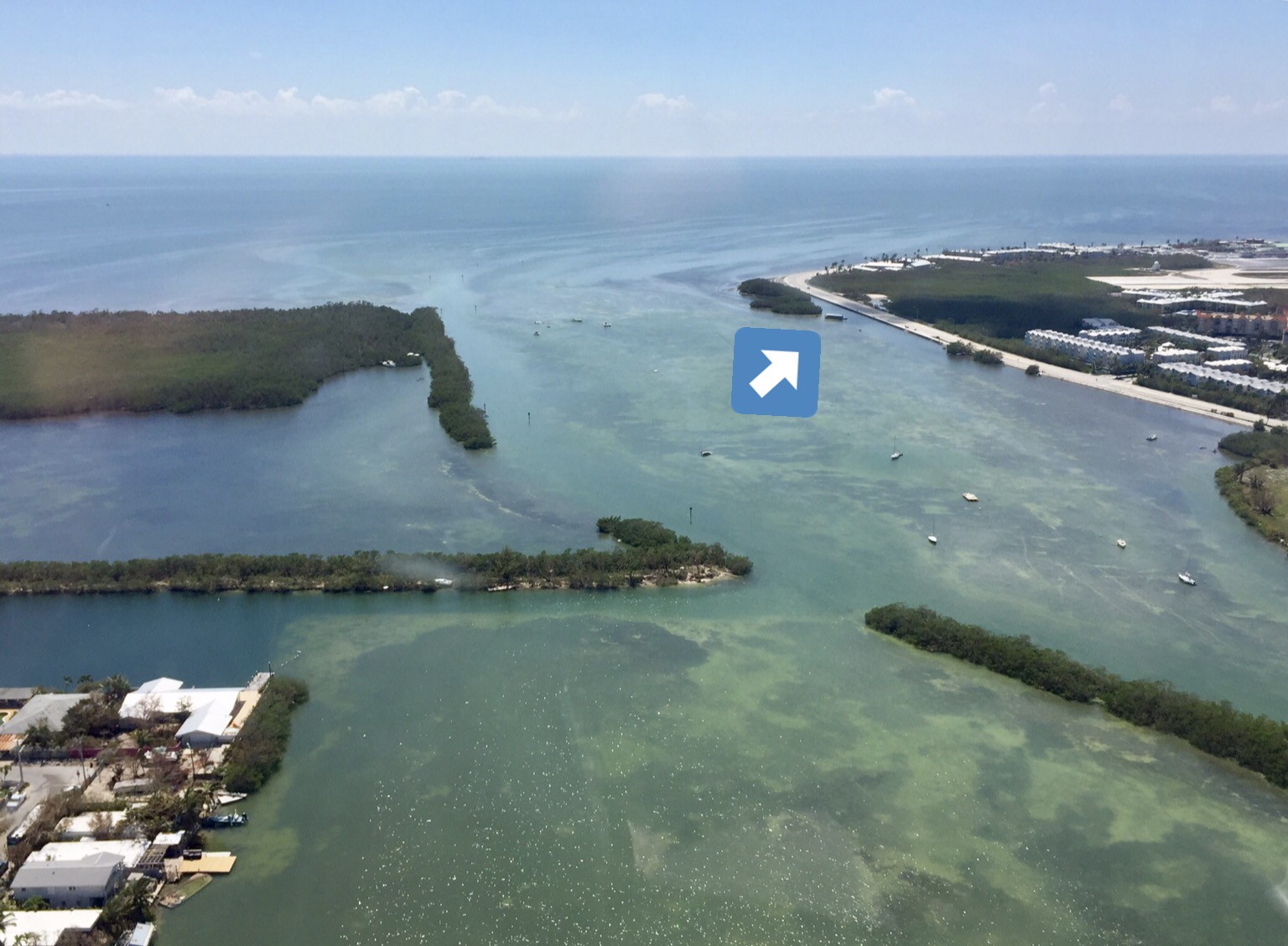
Aerial operations are so important esp when gathering information on resource management and triaging. This picture is of one of the many ships in the bay that were inoperable and uninhabitable.


However, as response agencies go, we need to prioritize things and see what needs to be done first. Therefore pictures like this are critical to tactical and operational pros.


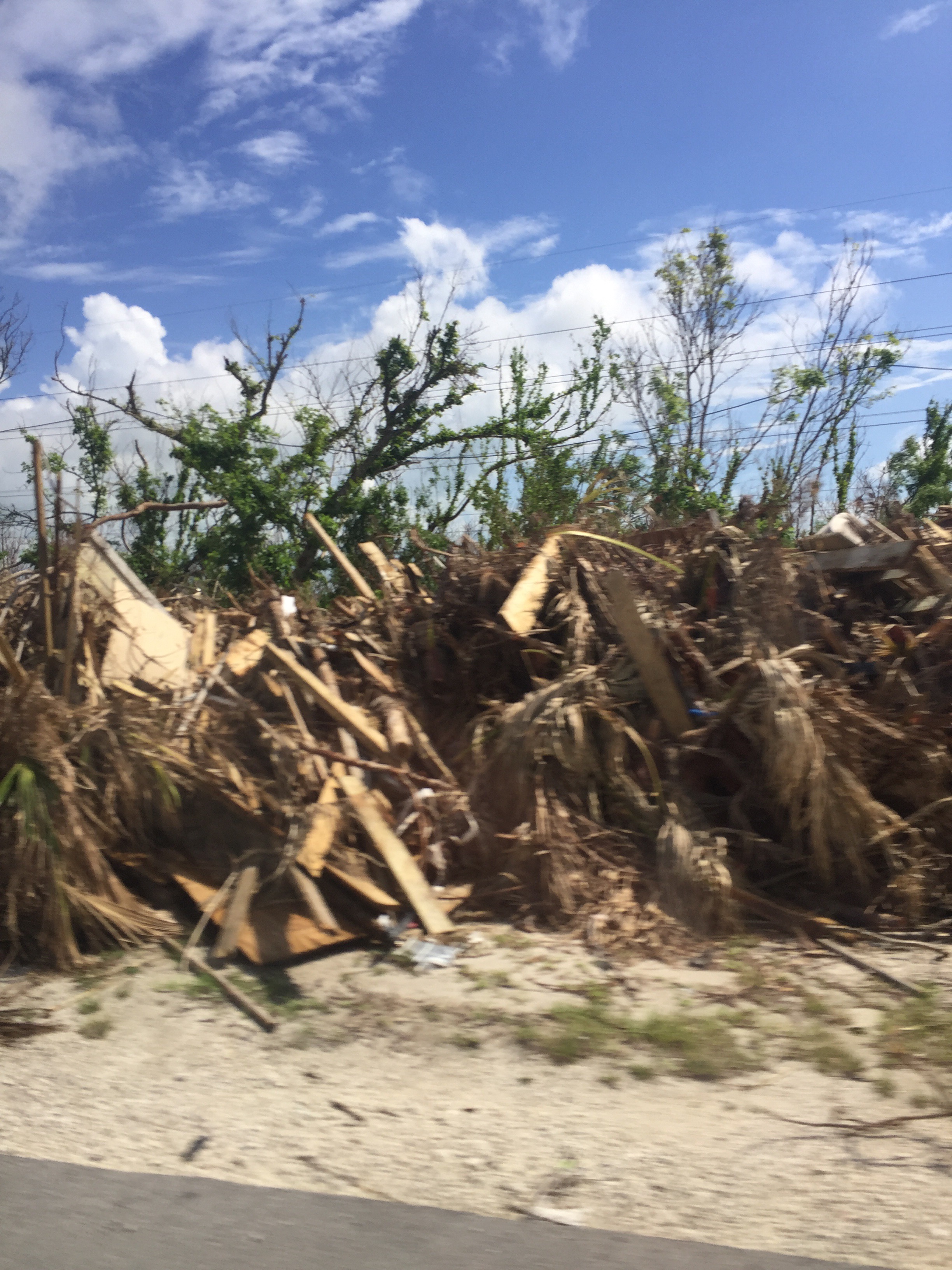
If you only had a roadside view, you would have only seen this small portion of this disaster.


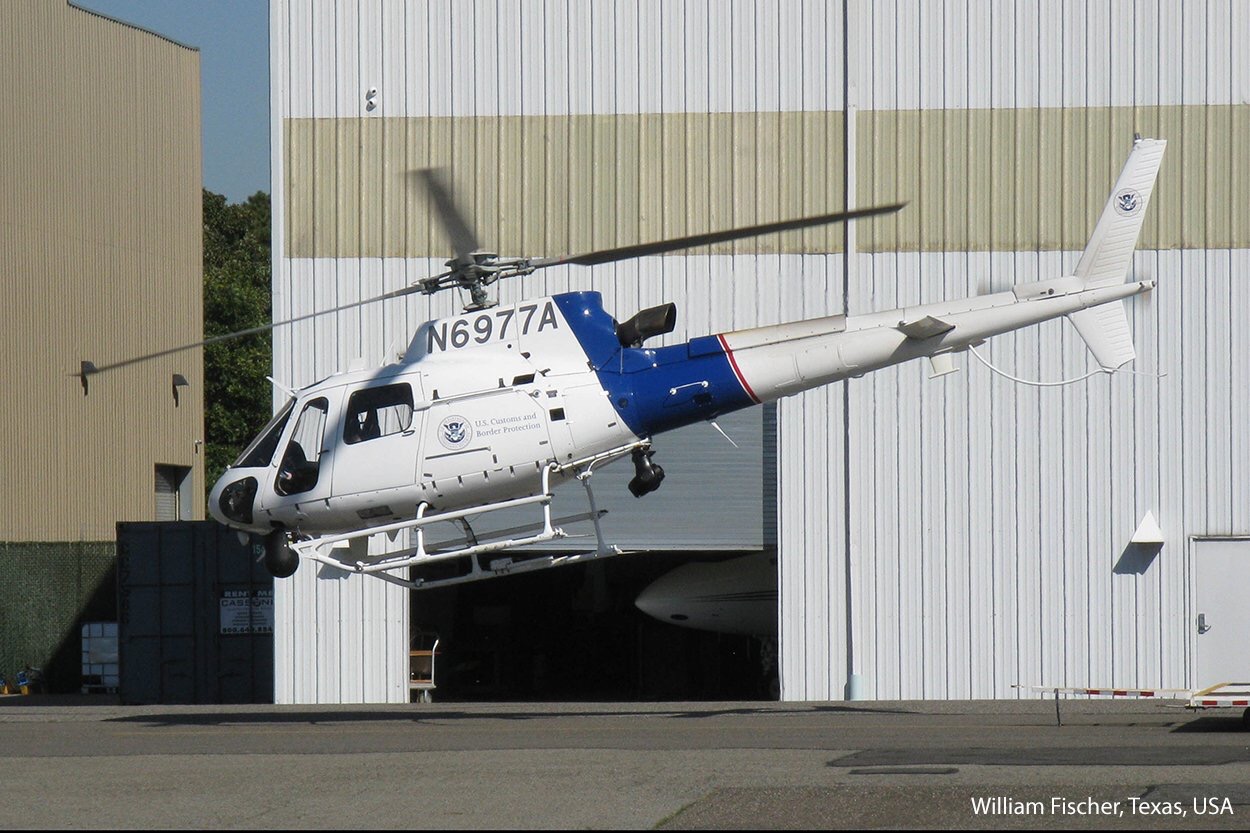
Yes I said it, rotor wing WTF! Additionally, your favorite PIO can get a better grasp on the situation and report out to stakeholders of ongoing joint operations.


Again, your command element should consider an aerial element with HQ photography to aid in SA/COP.

@rusnivek

Live spot with News13 in Cudjoe Key for #Hurricane #Irma Response & Recover #Miami #Tallahassee #Orlando #Tampa

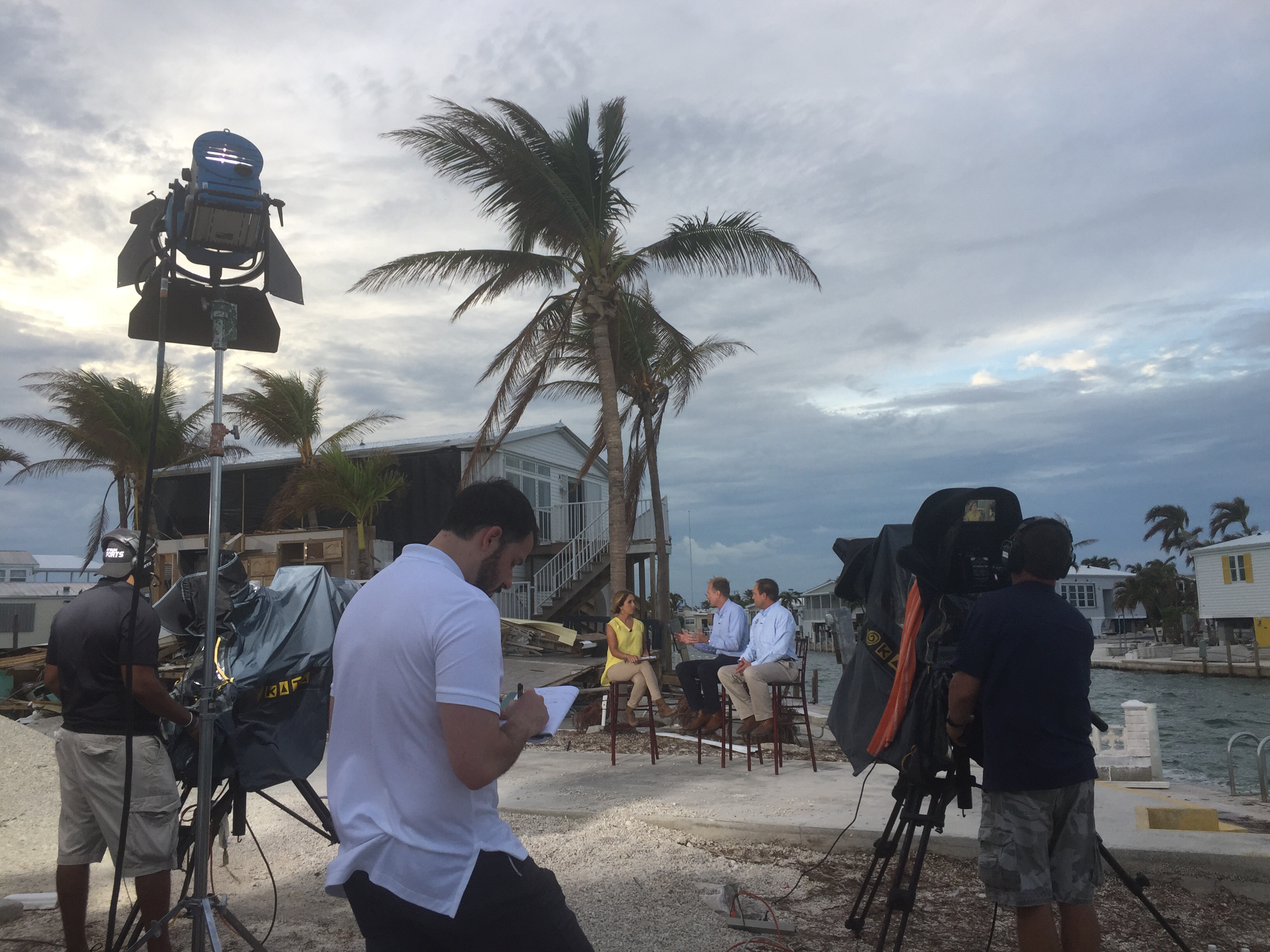
Got a chance to do a live spot with News13 out of Orlando in Cudjoe Key, Florida.

โ€‹โ€‹
Inside, it’s a whole different viewโ€‹.

โ€‹โ€‹
As you know, Cat-4 Hurricane Irma made eye wall landfall here with incredible high winds and storm surge leaving heavy devastation throughout this neighborhood.


Lots to see and do esp w/ their field producing and staff onsite. I counted at least 7 cameras for their 6p live shot.

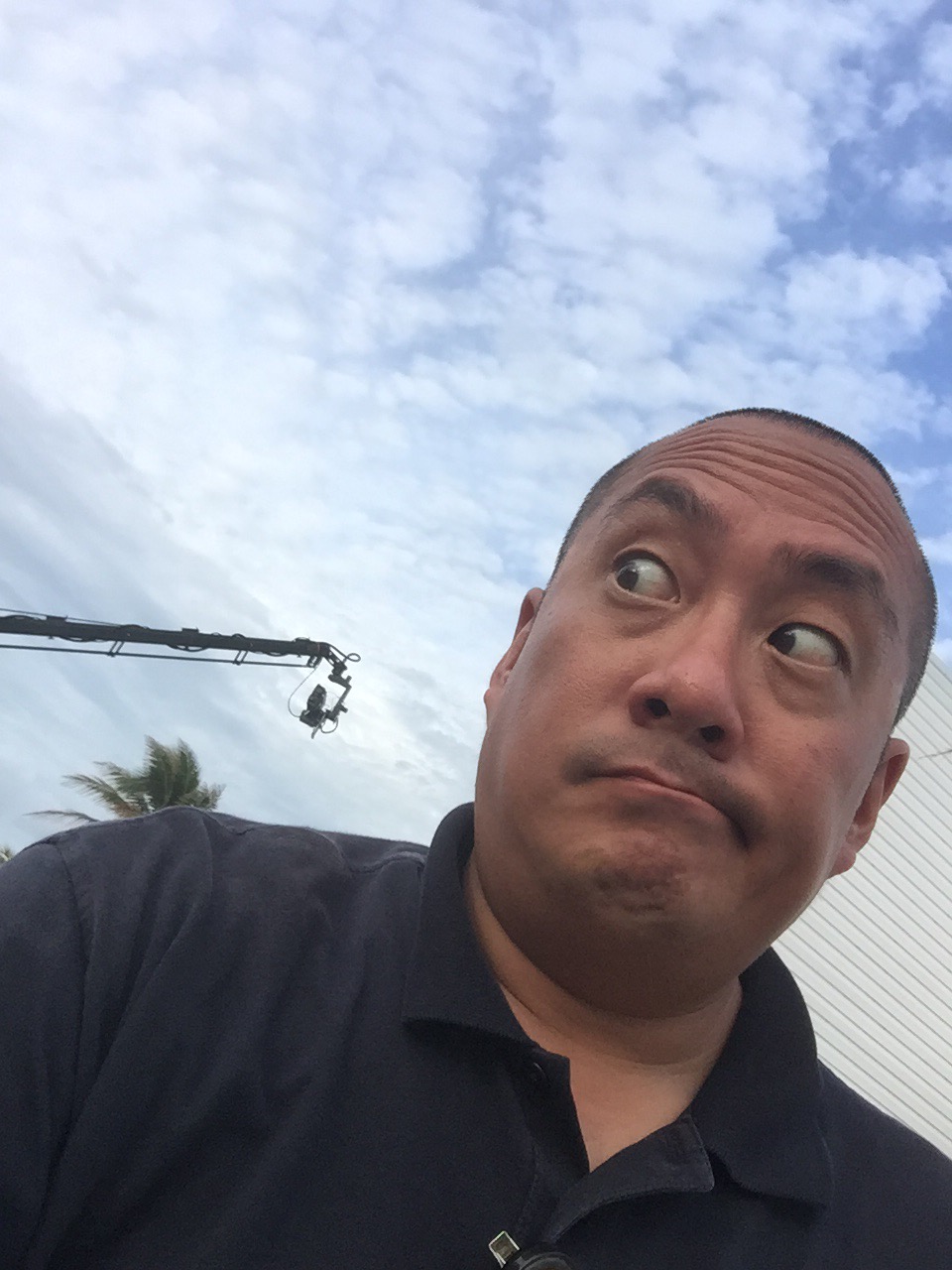
They even had a jib camera.


People will stare including our staff and state director.


Lots of steadycam shots leading into the first interview with former State of Florida Emergency Management Director Bryan Koon.


Next live segment was with our Division Supervisor (DIV/SUP) who happens to be an Federal Coordinating Officer (FCO) member.


Solid questions on response efforts and good inquiries for ongoing operations for recovery phase.


Great interactions and questions from the anchors.


Lots to discuss in response as well as recovery.


As you know, the recovery phase is the hardest part of a disaster.


Glad to be partnering with news agencies who get the story right. The Anchors and producer was super nice…so of course I had to take a selfie w/ them. Cheeeeeeeeeeeeeze!


Making sure we represent FEMA – particularly Branch V Division Alpha.

Reporting live on News13 from Cudjoe Key, Florida…
@rusnivek