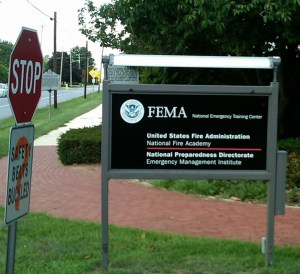
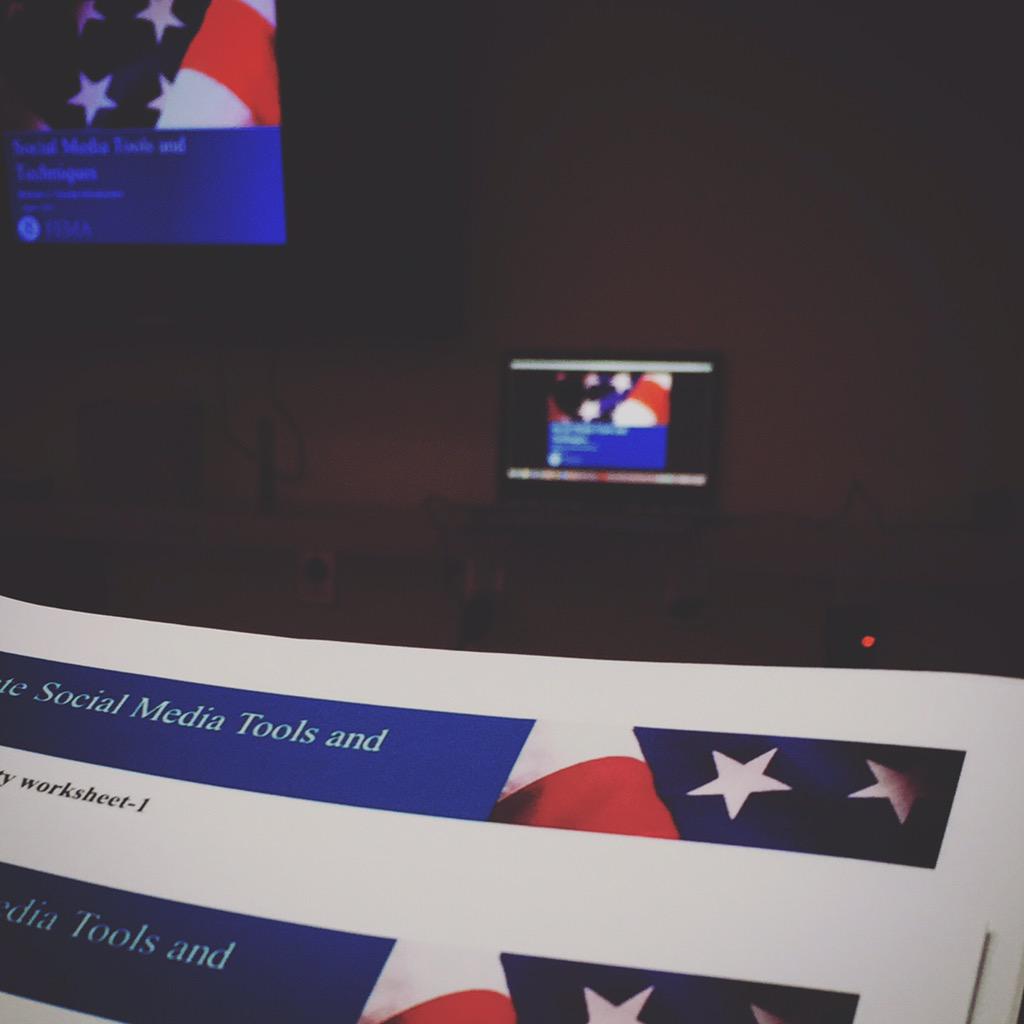
Pretty excited to instruct again on Monday at FEMA’s Emergency Management Institute.
My class is the newer National Emergency Management Academies EM Professional Programs (EMPP) – Executive Academy.
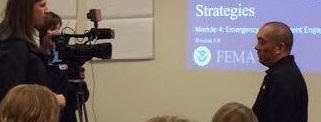
I’m truly honored to be chosen to instruct the National Emergency Management Executive Academy that focuses on Strategic Leadership and Critical Thinking. My part? Crisis Communications, Public Information Officer, and Social Media Exercises.
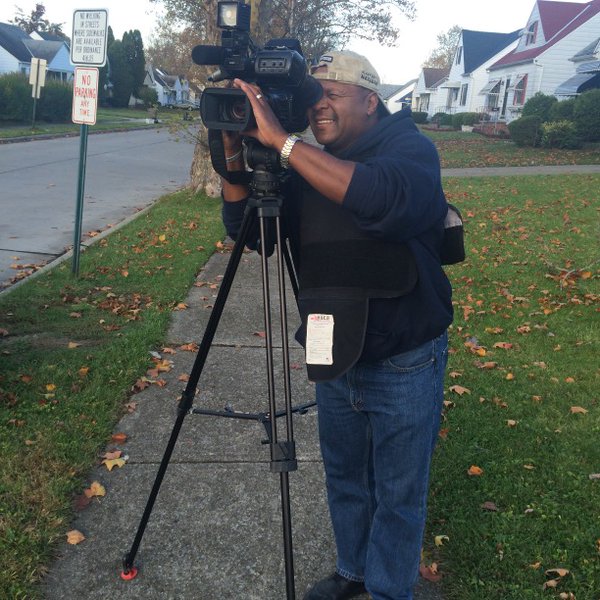
Just a quick reminder to reporters doing their live shots from the scene AND also PIOs/PAOs who are doing their own Periscope or FacebookLive broadcasts from the scene.
Remember in Periscope, once you start, you can’t just zoom in frame to exclude redic onscene jokesters.
Remember to think about an alternate broadcast site. Just in case.
Imagine running away (with a selfie stick in hand) to get a less distracting frame…
In order to test Facebook Live, I figured I could just use it. On Tuesday 04-12-16 at 1330CST, I’ll be in Denver (Colorado) Airport and I’ll be on FacebookLive.
***Please post or send some questions to answer***
If all goes well, I might have a very special Emergency Manager drop in and join the fun.
Using SnapChat for preparedness isn’t as easy as one would think.
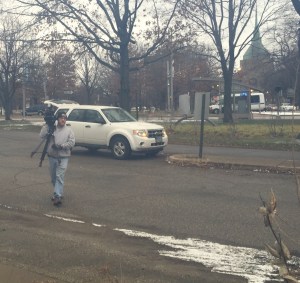
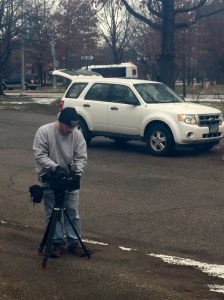
So here is yesterday’s snap in sleet.
Few items that I have to ponder for next time:
1. Portrait vs landscape. Since MOST of our recipients will be viewing this on a mobile platform (vertical), we should shoot the videos in portrait mode. That makes “selfie” solo production a bit more difficult. Hint: You might want to stop making fun of that selfie-stick now and get one.
2. Outside conditions (esp in our line of work) necessitates an external lav mic. I have one and I totally forgot to use it.
3. Framing needs to be assessed because the shot needs to include room for text.
4. Remembering which side is up during landscape video shooting is important. (I purposely did it so I can see if viewers rewatched the video to get the full effect). But SnapChat’s analytics don’t show amounts on segments – it only shows who has initially watched.
5. My shot list should have included various parts of the vehicle. Similar to a news package, varied backgrounds would likely keep audiences more engaged and keep their interest.
6. Filming in sleet isn’t fun.
7. Clean your lens. A lot.
8. Turn off your engine. Ambient noise will affect your sound (esp being so close).
9. I should have used some sort of emoticons to appeal more to a younger demographic/audience.
10. Saving the snap to YouTube (in its entirety) so that it can be used for other preparedness efforts (including separated sections).
I know the 10 items are detailed and nerdy, but as PIO or PAO or Communications Pros, I feel we should regularly share our lessons learned with others so we can all improve our tactics and deliveries.
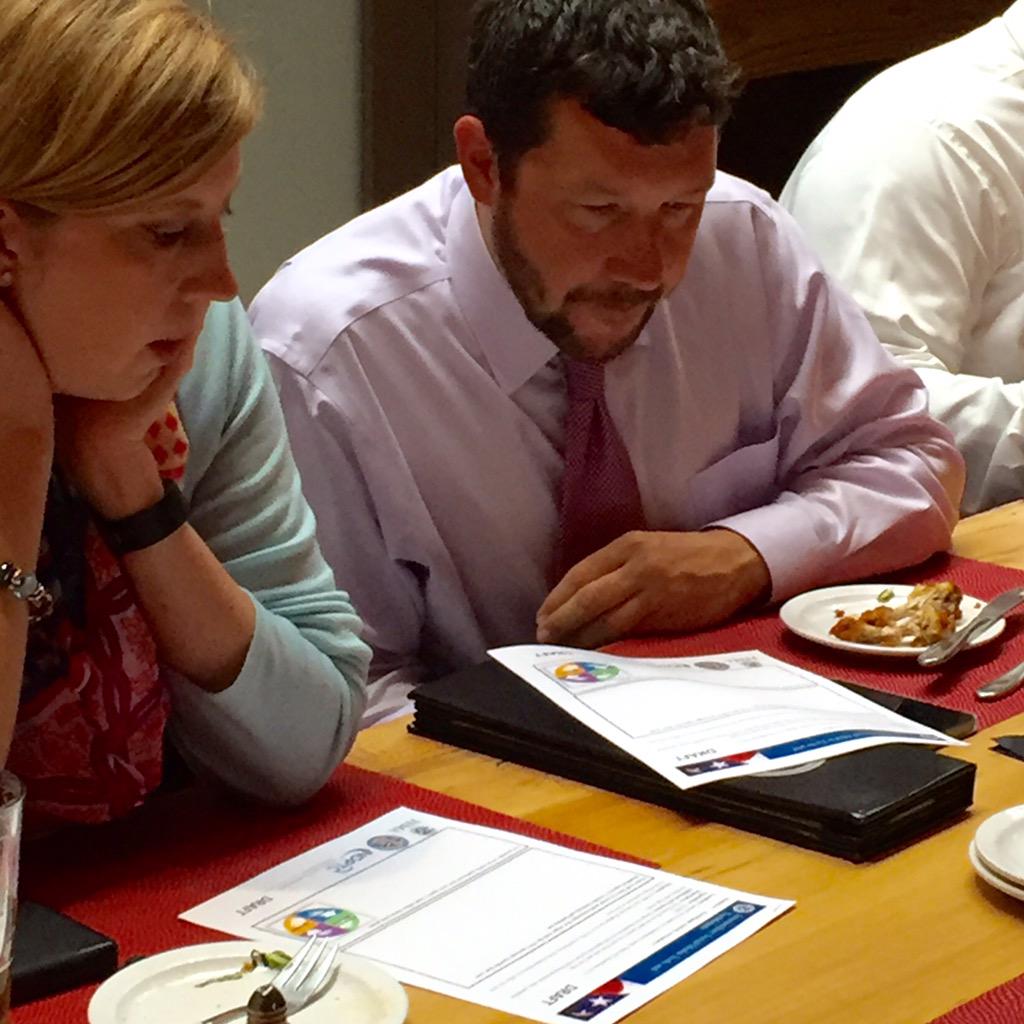
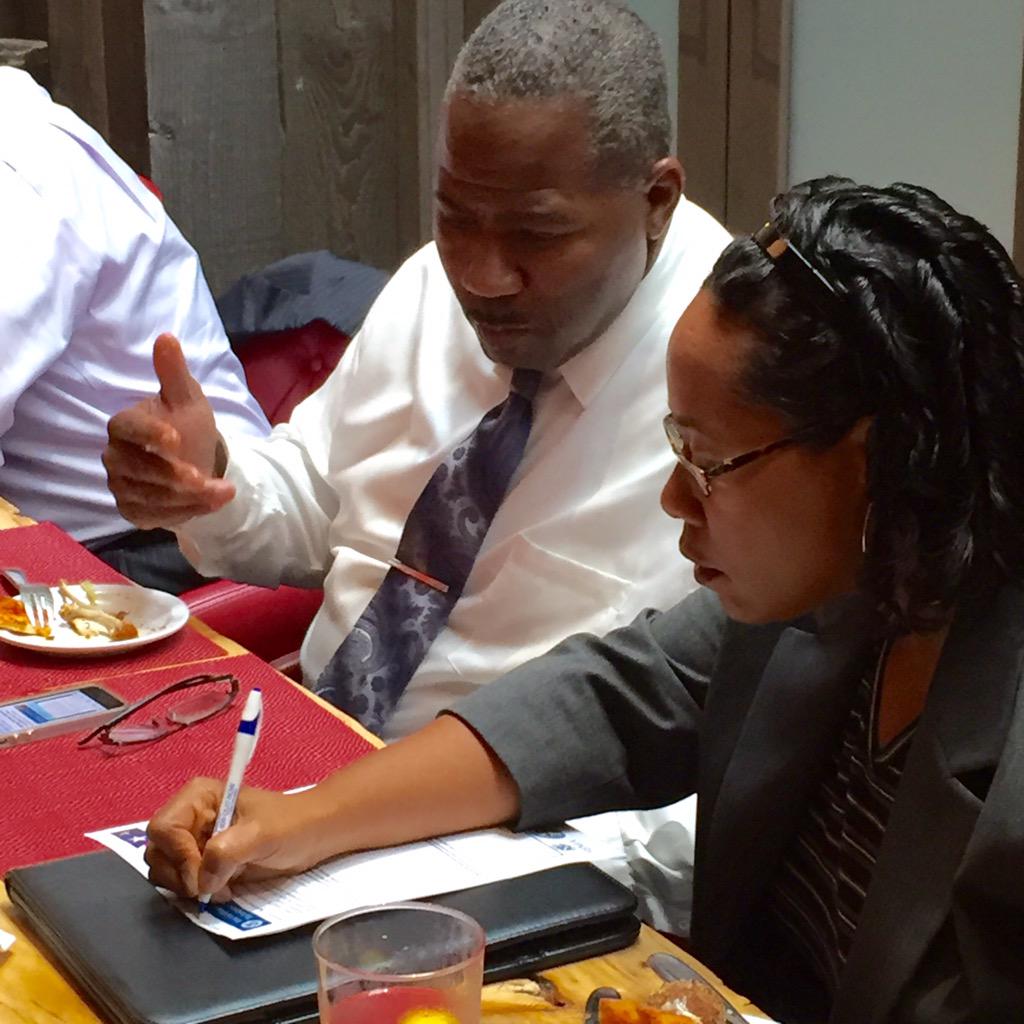
I had a great time with the Northeast Ohio Public Information Officers (NEO-PIOs) who sat for a quick down and dirty (DaD) Table Top Exercise (TTE) designed around on a social media (SM) module (MOD). OMG.
Various topics discussed:
Messaging during the preparedness phase
Escalation of incident criteria
Response messaging and verbiage
Essential platforms and communication methods
Dispelling rumors
Actionable social media data
Critical JIC/JIS positions during initial EOC activation
Metadata for threat hazard analysis
Lots of fun esp various discussions on platforms and reach.
Public Information Specialist @ThingsToShea and Public Information Officer @TomsDarren work to craft specific emergency alert messages in the preparedness phase #NatlPrep
Heavy debate on the use of mass notification systems…
@ClevelandFire Public Information Officer Gray & @LakeCoHealth Public Information Officer Cole collaborating on preparedness messages specifically for Instagram & Vine #NatlPrep
…and their true reach/effectiveness of messaging.
Summit County Public Information Officer @jamesp501 discussing multi-platform information dissemination for preparedness & evacuation #NatlPrep
Discussion on simplicity and concise messaging for those we serve before, during, and after an emergency.
BAM – solid Tuesday afternoon with my peeps!
Yups, I can’t thank these ESF-15 characters enough.
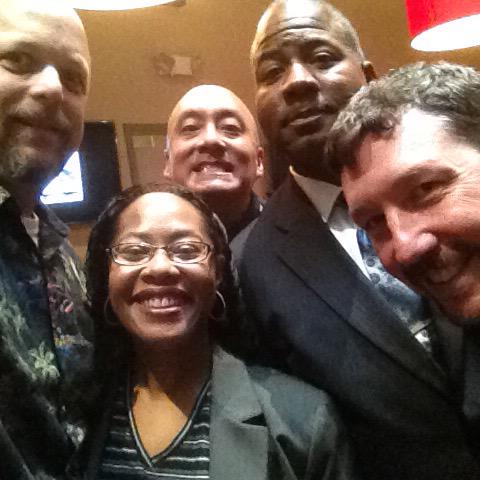
(From L to R): Pollack, Cole, Sur, Gray, and Toms.
Awwww yeah! This past week, I got a chance to teach part of the brand new DHS/FEMA G0290: Basic Public Information Officer Course!
Formerly known as G-290 course, this is the new FEMA Basic Public Information Officer course taught across the country for all public safety and emergency management professionals.
Thanks again to the Kentucky Emergency Management Agency and KESC for allowing me the opportunity. Also, special thanks to the ever fashionable Mike from NIOA.
Shakas because we are reporting live from Kentucky…
It was great to spend some time with Ohio EMA leadership yesterday.
Discussion on community resilience, task force deployments, Presidential Declarations, key initiatives, outreach, training, EMAC deployments, stakeholder engagement, public information officer, Emergency Management visibility, social media, Public Assistance, SBA loans, documentation and reimbursements, FEMA Administrator Craig Fugate, Public and Private partnerships…heck-we even touched on the buzz words for 2015: Climate change and Cyber.
Also got a chance to hang with my Ohio EMA Training and Education peeps Lisa and Susan too. Solid discussion about the upcoming Mass Fatalities course (G-386), PIO Courses (G-290), JIC/JIS Courses (G-291), Intermediate Incident Command courses (ICS-300), and the Recovery from Disasters Course (G-270.4).
Lots of good free stuff upcoming from Ohio EMA!
BTW-If you did a double take on that first picture, yes sir Sur, #AlohaFridays are made for an Aloha shirt. Period. Also a historical note, Hawaii became the 50th state on August 21, 1959.
Don’t worry peeps, look closely as I had my Ohio pin on.






 Where is @rusnivek?