A lonely shortened Facebook link on Twitter – Safety-PIO-SM-14-004

14-004: A lonely shortened Facebook link on Twitter
Agency: South Central Sierra Interagency IMT Topic(s):         Shared information/update
Date: Summer 2014 Platform:        Twitter


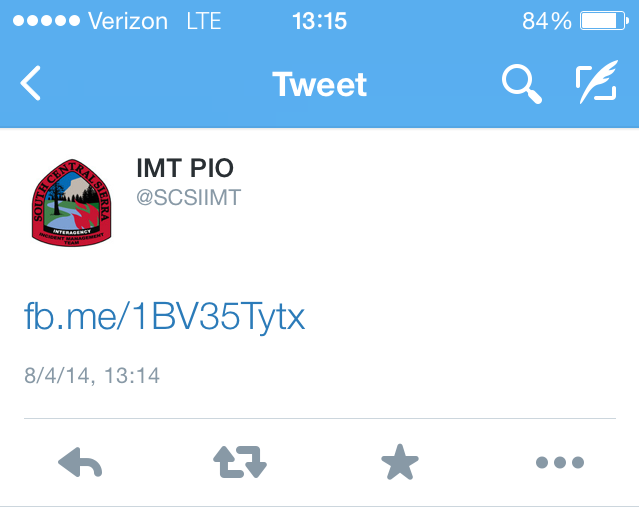
Speed is primarily the reason why everyone loves social media…especially Twitter. Many agencies use social media to provide updates and information when assigned to certain incidents. That’s what the South Central Sierra Interagency Incident Management Team did during the French Fire in California when they pushed this lonely shortened Facebook link out on Twitter.

IMG_5165


I get that 140 character max on Twitter is short…and you have lots to say…and you don’t have time…and blah blah blah. Everyone else doesn’t have time too. But pushing a non-descript link, does raise a concern that perhaps your account has been compromised by spam bots. Your agency has worked diligently to establish solid working relationships. During an emergency is the WORST time for your audience to question and/or ignore your official accounts with trusted reliable information.


If your social media plan calls for directing all efforts to Facebook as the primary source of information, a Public Information Officer (PIO) should still take the time to provide a little information (like a short description) on other platforms driving the traffic to that primary source. Providing just a link is not enough.

In the PIO business, we are forced to be precise, however just providing a link pertaining to a dangerous situation or disasters will not be enough to satiate the Twittersphere’s social interest.


Audiences change on various social media platforms, however, many agencies *think* they are all the same.

Knowing your audience is the hallmark of success. If you pair your Facebook and Twitter accounts to save time and to pass the exact same message – you should consider separating them now. Remember, you write/post/share information differently on various social media platforms.


A more effective tweet could have read:

Still assigned to the French Fire here in California-Check out pictures frm @BLMNational Interagency Fire fb.me/1BV35Tytx #CAWildfire

By phrasing it this way:

  1. You have more visibility by informing your followers that your team is still assigned to the incident.
  2. The link looks less spammy and readers know what the specific content is in the link.
  3. Your #hashtag will give more information about the current overall disaster/emergency.
  4. Your readers are likely to click on this hyperlink because it will take them to a picture. People love pictures.
  5. Your agency shows coordinated efforts with national response agencies when you use @mentions on twitter.


Time is valuable, so tweet good stuff.


@rusnivek


***To download this as a single-page printable format, click this: ALonelyShortenedFacebookLinkOnTwitter-Safety-PIO-SM-14-004a

cropped-1235 - Copy

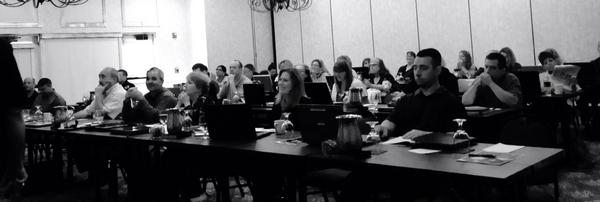
Presenting some social media magic here in Ashtabula

Did someone say “social media magic”? Heck yeah…and it’s right here in Ashtabula: the use of social media during disasters!

BwIH5FDCMAA-zgU

Making sure we cover the entire state, we hit Columbus yesterday and today, we are setup in the farthest NE corner of Ohio, Ashtabula County.

BwIb8hyIgAATnxa

We are fortunate to have State of Ohio Emergency Management Agency (OEMA) PIO Tamara McBride (from Columbus) peek into the class and say hi to everyone.

Tamara

Leveraging our current technologies during non-emergency times will help concrete our actions and increase our communications during disasters.

Looking forward to seeing some great progress and interaction in social media.

BwJDGgNIUAELVMi

Additionally, it’s so nice to see old friends and colleagues from my past. Truly outstanding.

382656_2843865025909_395565793_n

No matter wearing my flight helmet, my hospital shirt, my fire helmet, whatever….I’m just glad to see great friends again.

@rusnivek

Correct typing starts early… #Tanker #Tender

No Tonka, according to the FEMA NIMS Typing, this is a Tender.

IMG_6263

Ahem.

**Truth be told, I’ve mistakenly done this over the statewide radio. #oops

@rusnivek

Precise Emergency Messaging Safety-PIO-SM-14-002

14-002: Precise Emergency Messaging
Agency: Indianapolis Motor Speedway Topic(s):         Emergency Messaging
Date: Summer 2014 Platform:        General

Mass notification and public messaging about dangerous inbound weather is the latest hot button topic in emergency management because no matter the location, everyone is susceptible. This year has been especially deadly with numerous tornadoes.

You can argue the use of automatic Emergency Alert System (EAS), Integrated Public Alert & Warning System’s (iPAWS) messages, and public address systems are good enough, but successful delivery still comes down to basic messaging.

On May 25, 2014, this message was put up on the main billboard on the field during the Indianapolis 500, which had 300,000+ fans during race time. The National Weather Service (NWS) declared a Tornado Warning before the start of the race.

5

Race Fans? C’mon, you have a captive audience at the motor speedway. And you are addressing everyone there, not just race fans. Most likely, your audience is saying “Great, now what is a Tornado Warning?

Clear and concise messaging is incredibly important because seconds will matter in an immediate evacuation or leading others to shelter…especially with large, open, and unprotected public venues. This particular message was unclear, poorly worded, and definitely not concise.

A more effective messaging and follow-up post should have read:

DANGER! TORNADO WARNING NOW – SEEK SHELTER IMMEDIATELY!

Safe SHELTERS are located at AREA X and GATE X

By phrasing it this way:

1. Your message is short, sweet, and to the point.

2. Capital letters will grab the attention of your audience and convey urgency.

3. Have clearly identified safe locations IN CAPITAL LETTERS will assist those reading your message.

4. Shorter messaging could allow your followers to retweet/repost and amplify your emergency messaging.

5. It is still tornado season so make sure you are prepared by having pre-scripted messages on “what is a tornado warning” and messaging on how to “shelter-in-place”.


All concurrent Tweets, Facebook posts, Instagram posts, etc. should reflect this messaging. If a Tornado warning is issued, timing is of the essence. Do not be lax when it comes to emergency messaging because you don’t want to ruin the fun. For the sake of your constituents, it is better to error on the side of safety.

Time is valuable, so post good stuff.

@rusnivek


***To download this as a single-page printable format, click this: Safety-PIO-SM-14-001

The made up #hashtag Safety-PIO-SM-14-001


14-001: The made up #hashtag
Agency: Bath Township Fire Topic(s):         Prevention and engagement
Date: Spring 2014 Platform:        Twitter

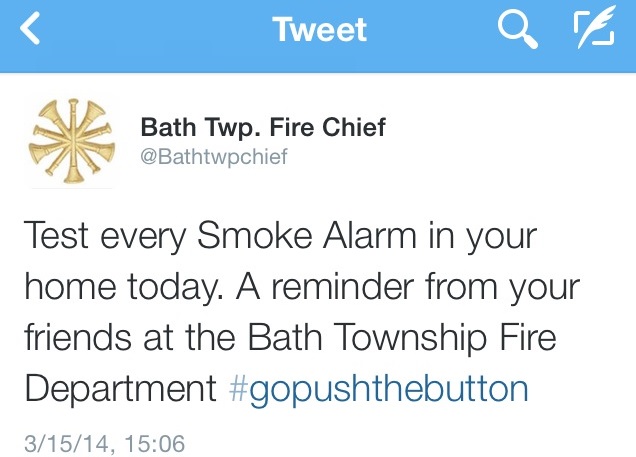
Twice a year, moving our clocks ahead/behind one hour for daylight savings time provides all of us public safety the opportunity to push an easy fire safety tip to our constituents. It’s a good time to remind folks to test their smoke alarms. That’s what BTFD FC did when they posted this message on twitter, which included the #gopushthebuttton hashtag.

photo 1

Keep in mind that Twitter’s mantra is short concise messaging limited to 140 characters. The idea behind a hashtag is to pair your tweet with other tweets out in the twittersverse. So I did a quick search for #gopushthebutton and found only one tweet from BTFD FC. With no other tweets using that hashtags, using #gopushthebutton was just wasted characters.

photo 2

If you use irrelevant or made up hashtags, all you end up doing is wasting valuable space. Long tweets do not allow your followers the room to retweet your valuable content to their followers because of 140 maximum character counts.

A more effective tweet could have read:

Test every smoke alarm & CO detector in your home today. An easy safety reminder from XXFD. More info? www.XXFD.org


By phrasing it this way:

1. You have more visibility by reminding your followers test both smoke and CO detectors.

2. Twitter shows your twitter handle and name with the tweet, so don’t waste space by repeating information already in plain sight.

3. Do not use a made up hashtag as it will confuse your followers. In a serious tweet, use a serious hashtag.

4. Using the word “easy” will likely get your followers to complete a task because it’s easy.

5. Or consider using a more popular hashtag. In this case, #daylightsavings or #springforward

6. Reference your website for more information on detectors. Also you are establishing your agency as a trusted source with good information. And through analytics, you can also track how many people visited your tweeted website which could assist in quantifying your social media efforts.


Time is valuable, so tweet good stuff.

@rusnivek


***To download this as a single-page printable format, click this: Safety-PIO-SM-14-001

cropped-1235 - Copy


Hold the phone…literally!

Hold the phone…literally!

20140718-152648-55608581.jpg

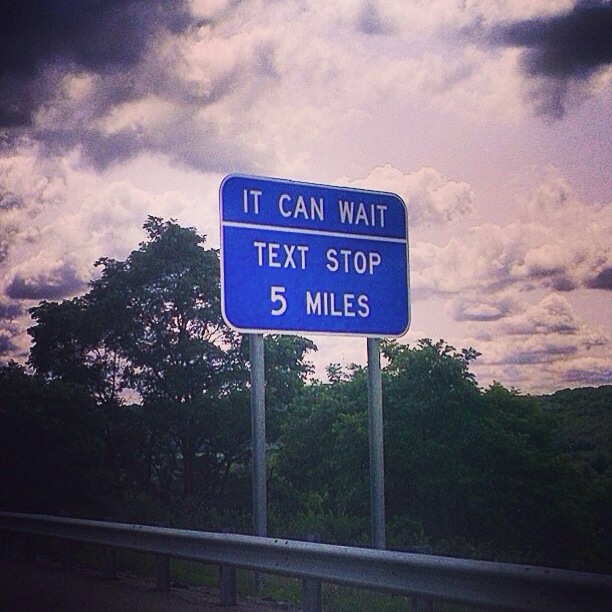
With the weekend upon us, this should serve as your Friday public safety message to start the weekend.

#smem #socialmedia #safety #ems #emt #paramedic #ema #emergency #management #fire #firefighter #police #law #dept #rescue

@rusnivek

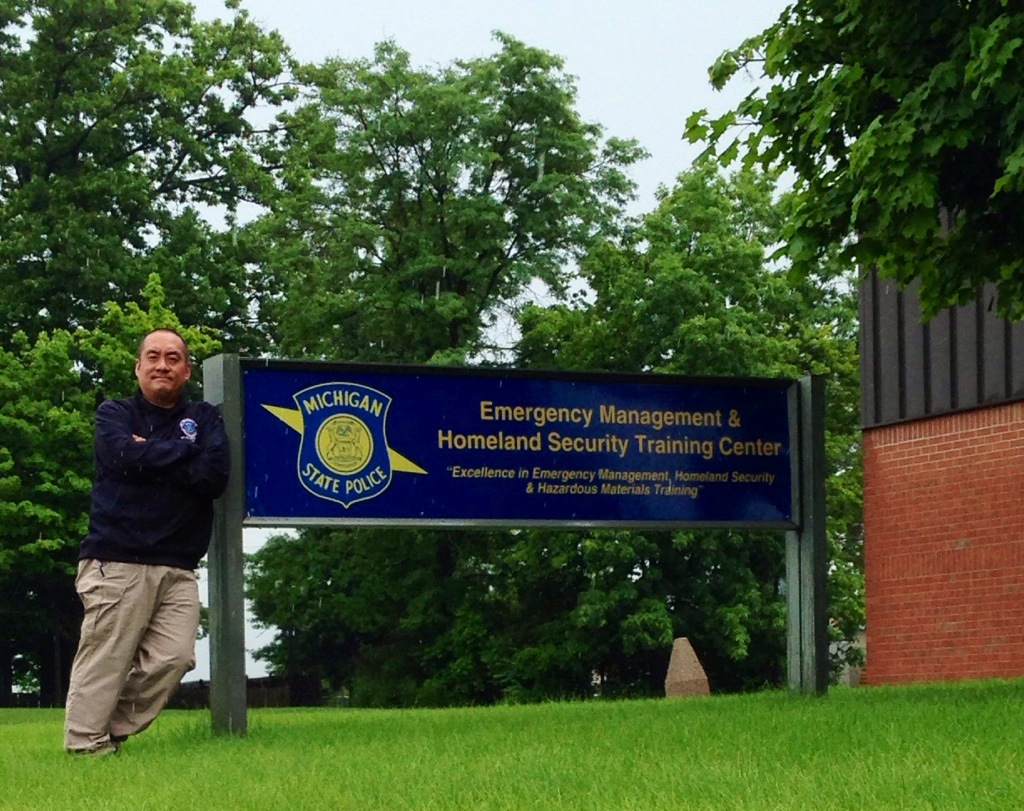
Teaching today at the Michigan State Police training facility

Breaking it down today at the Michigan State Police state training center.

20140624-160851-58131751.jpg

Glad to be a small part to help enhance a great public safety agency on PIO/Social Media.

20140624-161021-58221489.jpg

Also enjoying a few of the static vehicles on display here too.

20140624-161143-58303269.jpg

@rusnivek