Read along w/ me tonight: GUIDANCE SUMMARY for COORDINATED PUBLIC MESSAGING – Nuclear Detonation


Read along w/ me tonight: GUIDANCE SUMMARY for COORDINATED PUBLIC MESSAGING – Nuclear Detonation
As part of 2016 National Preparedness Month – numerous preparedness peeps will be participating in today’s TwitterChat.
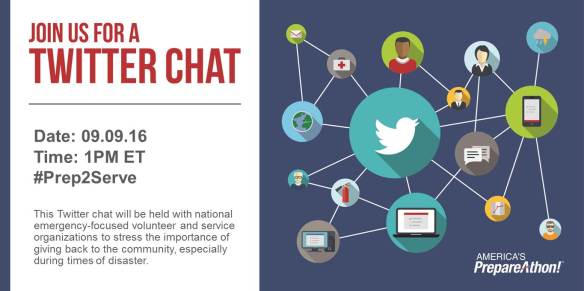
Gather tips and specific messaging that could work for your community on preparedness. Talk about different groups who are active within their community before, during, and after a disaster.

RH-CERT in action!
To keep the convo going, consider using the #Prep2Serve today.
See you at 1300EST!
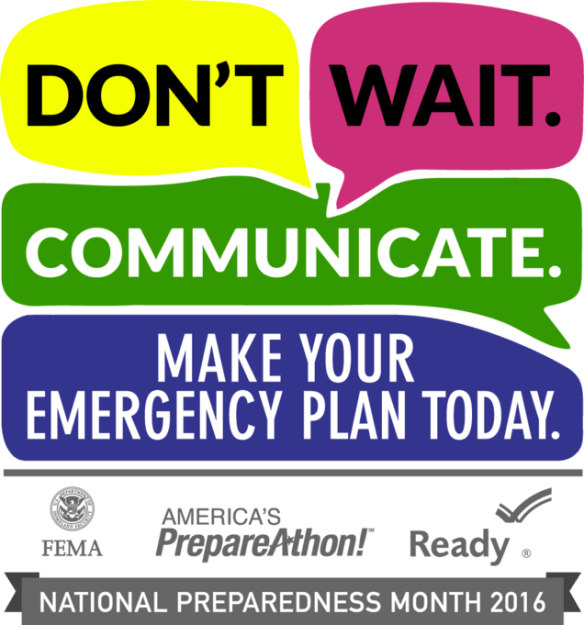
“Don’t Wait. Communicate. Make Your Emergency Plan Today.”
Using SnapChat for preparedness isn’t as easy as one would think.
So here is yesterday’s snap in sleet.
Few items that I have to ponder for next time:
1. Portrait vs landscape. Since MOST of our recipients will be viewing this on a mobile platform (vertical), we should shoot the videos in portrait mode. That makes “selfie” solo production a bit more difficult. Hint: You might want to stop making fun of that selfie-stick now and get one.
2. Outside conditions (esp in our line of work) necessitates an external lav mic. I have one and I totally forgot to use it.
3. Framing needs to be assessed because the shot needs to include room for text.
4. Remembering which side is up during landscape video shooting is important. (I purposely did it so I can see if viewers rewatched the video to get the full effect). But SnapChat’s analytics don’t show amounts on segments – it only shows who has initially watched.
5. My shot list should have included various parts of the vehicle. Similar to a news package, varied backgrounds would likely keep audiences more engaged and keep their interest.
6. Filming in sleet isn’t fun.
7. Clean your lens. A lot.
8. Turn off your engine. Ambient noise will affect your sound (esp being so close).
9. I should have used some sort of emoticons to appeal more to a younger demographic/audience.
10. Saving the snap to YouTube (in its entirety) so that it can be used for other preparedness efforts (including separated sections).
I know the 10 items are detailed and nerdy, but as PIO or PAO or Communications Pros, I feel we should regularly share our lessons learned with others so we can all improve our tactics and deliveries.
Have a safe weekend peeps.
I had a great time with the Northeast Ohio Public Information Officers (NEO-PIOs) who sat for a quick down and dirty (DaD) Table Top Exercise (TTE) designed around on a social media (SM) module (MOD). OMG.
Various topics discussed:
Lots of fun esp various discussions on platforms and reach.
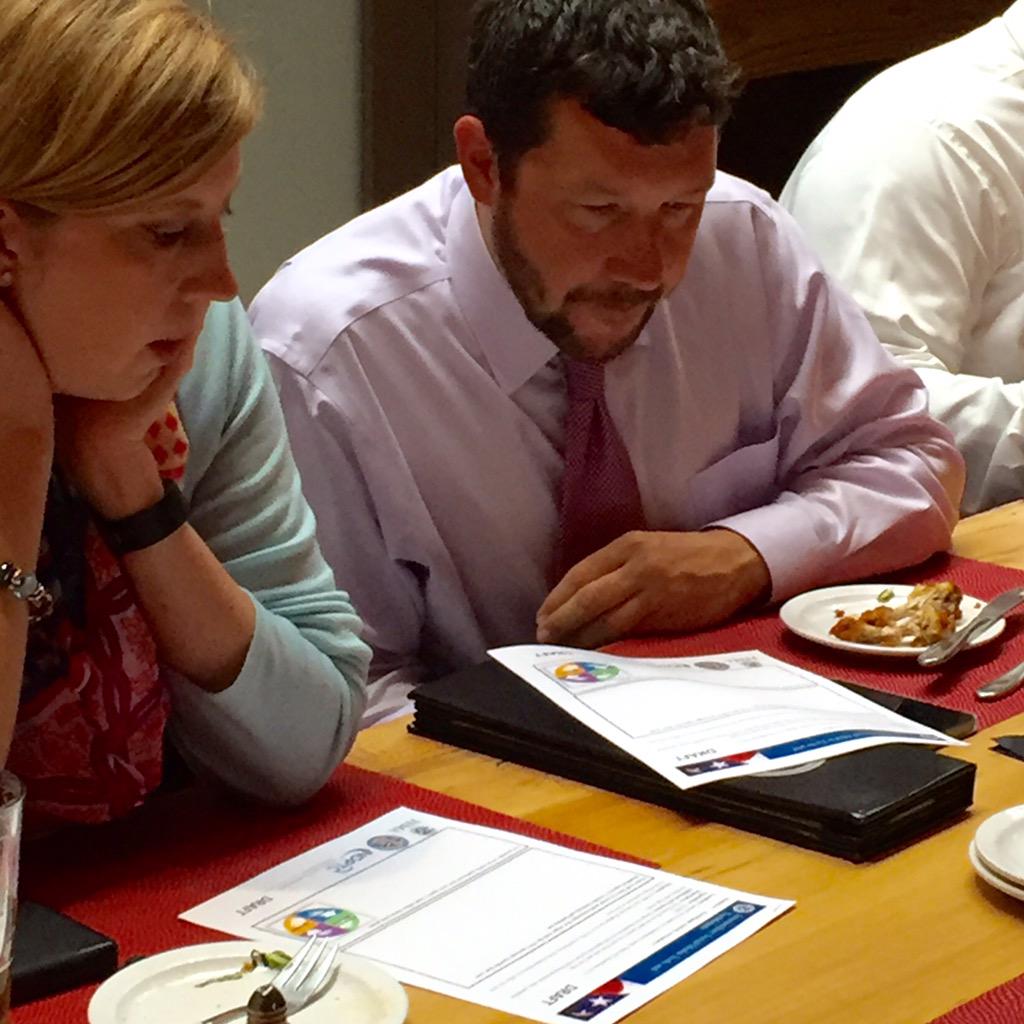
Public Information Specialist @ThingsToShea and Public Information Officer @TomsDarren work to craft specific emergency alert messages in the preparedness phase #NatlPrep
Heavy debate on the use of mass notification systems…
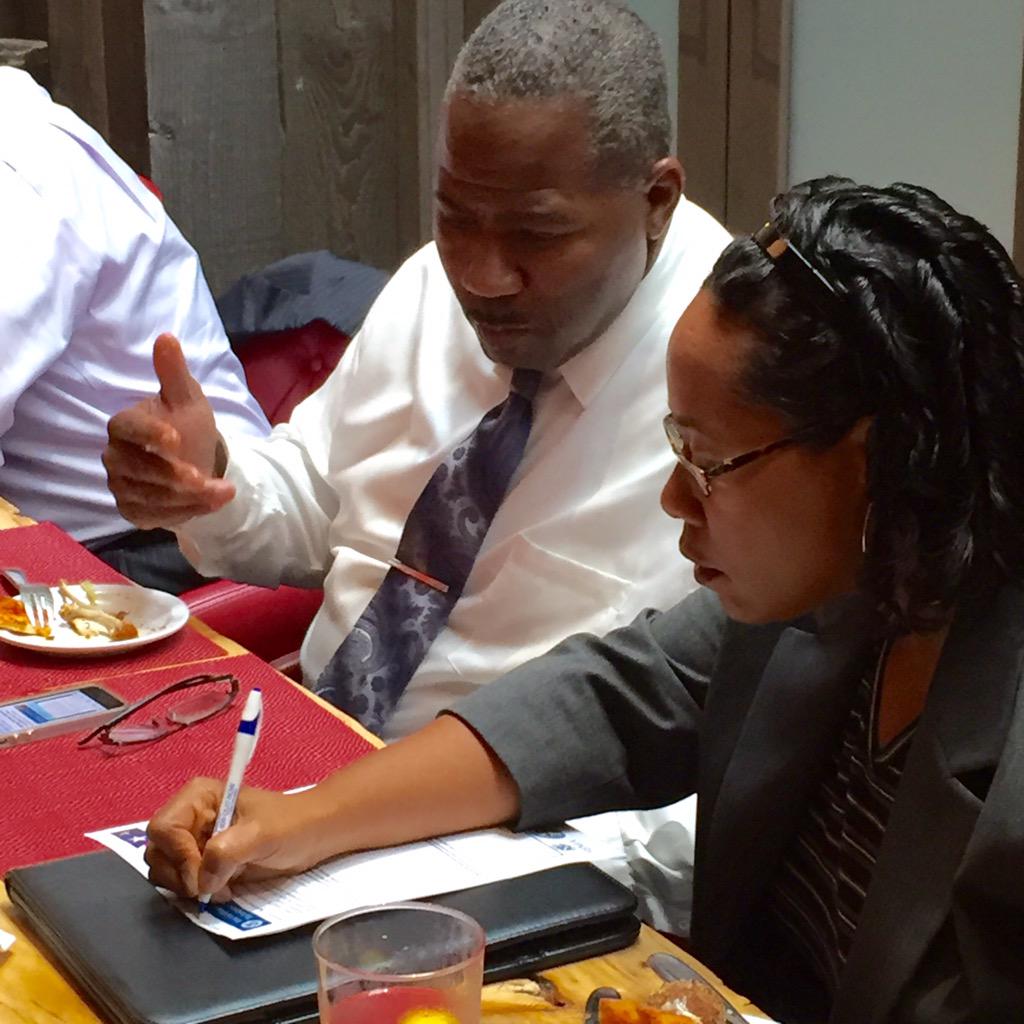
@ClevelandFire Public Information Officer Gray & @LakeCoHealth Public Information Officer Cole collaborating on preparedness messages specifically for Instagram & Vine #NatlPrep
…and their true reach/effectiveness of messaging.

Summit County Public Information Officer @jamesp501 discussing multi-platform information dissemination for preparedness & evacuation #NatlPrep
Discussion on simplicity and concise messaging for those we serve before, during, and after an emergency.
BAM – solid Tuesday afternoon with my peeps!
Yups, I can’t thank these ESF-15 characters enough.
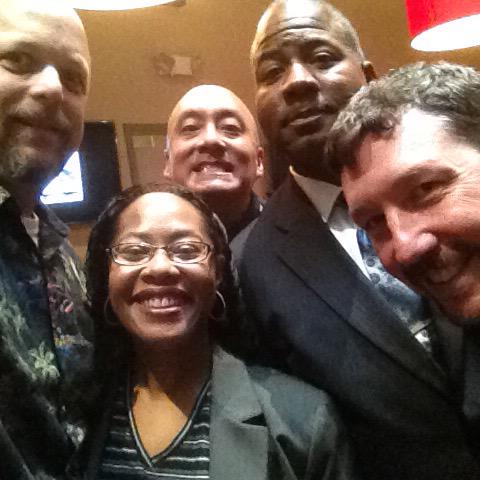
(From L to R): Pollack, Cole, Sur, Gray, and Toms.
Mahalos my friends!
| 14-008: No complaining – offer solutions | |
| Agency: Long Beach Fire | Topic(s): Public Perception and Solutions |
| Date: Fall 2014 | Platform: Twitter |
Complaining or venting on social media is fairly common. However, as an official agency, public displays of affliction does not portray the best image. Long Beach Fire expressed some displeasure on Twitter when discussing the their pilot program.
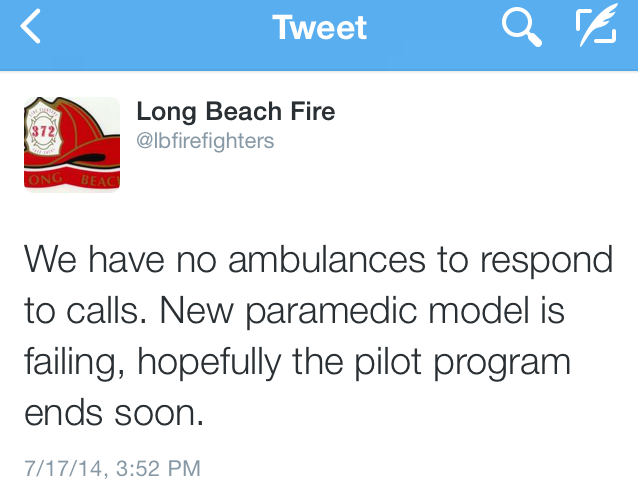
After reading this tweet, the public’s perception is that if 9-1-1 is called, no ambulances will respond. This is irresponsible and wrong. (Almost all emergency services have mutual aid agreements or memorandum of understandings in place.)
Positioning your agency as a fear mongerer or the Harbinger of Evil will only further distance yourself from people who would be willing to help your cause. Inform them of dangers, but more importantly, engage them publically on social.
If there is internal displeasure with the new staffing models, be proactive and offer transparent solutions in the tweet. Cite websites that provide industry information. Publically share statistical data that supports changes with current programs. These online tactics will help direct and educate the general public on how to be better informed on other program and possible other options yet unexplored.
Additionally you can rally your constituents behind better initiatives by engaging with them publically via social media. It demonstrates that your department’s community involvement is a key part of a better solution.
As an official account, Twitter’s 140-character limit is really no place to moan/groan.
A more effective tweet could have read:
| LBFD resources are maxed out. #Firefighters cannot provide adequate #Paramedic service to our communities. Help us find a solution <insert link here> |
By phrasing it this way:
Time is valuable, so tweet good stuff.
***To download this as a single-page printable format, click this file:
|
14-003: Write for Different Platforms |
|
|
Agency: Rocky Mountain Area IMT |
Topic(s): Social Media Platform Specific Messaging |
|
Date: Summer 2014 |
Platform(s): Press Release vs Twitter |
Despite the message being essentially the same, every communications platform is different.
Speed is important, but correctly addressing your audience is critical in the world of public information.
On July 1, 2014, this tweet was posted on the Rocky Mountain Area Incident Management Team’s feed during the Eightmile Fire while deployed in Canon City, Colorado.

“FOR IMMEDIATE RELEASE” In all caps? All caps use on social media portrays yelling. Professionals should portray calm/control.
Twitter’s social media platform premise is a fast microblog service focusing on immediate information. This templated press release lingo (FOR IMMEDIATE RELEASE) is not necessary. Every tweet is automatically time/date stamped including matching the recipients’ time zone. Do not waste your valuable 140 characters.
To me, this was a cut-and-paste action, or even worse yet, they just linked the agency’s Facebook and Twitter accounts together. No time was spent in addressing the various platforms used to push this valuable information. Remember, PIO actions on each platform in social media are not generic, they are specific. We talk about safety to kids differently than we inform adults on safety right? Likewise, we should address our audiences on social media accordingly to the platform they use.
A more effective tweet could have read:
“Updated information & stats on the #Eightmile Fire ongoing in Colorado can be found here fb.me/6KArLmgFr ”
By phrasing it this way:
Know the differences in mainstream social media platforms because what will work on one old platform (press release) will NOT work on newer platforms (Facebook, Twitter, Instagram, etc…) Know social media and use their amenities to your advantage.
Time is valuable, so post good stuff.
***To download this as a single-page printable format, click this: WriteForDifferentPlatforms-Safety-PIO-SM-14-003
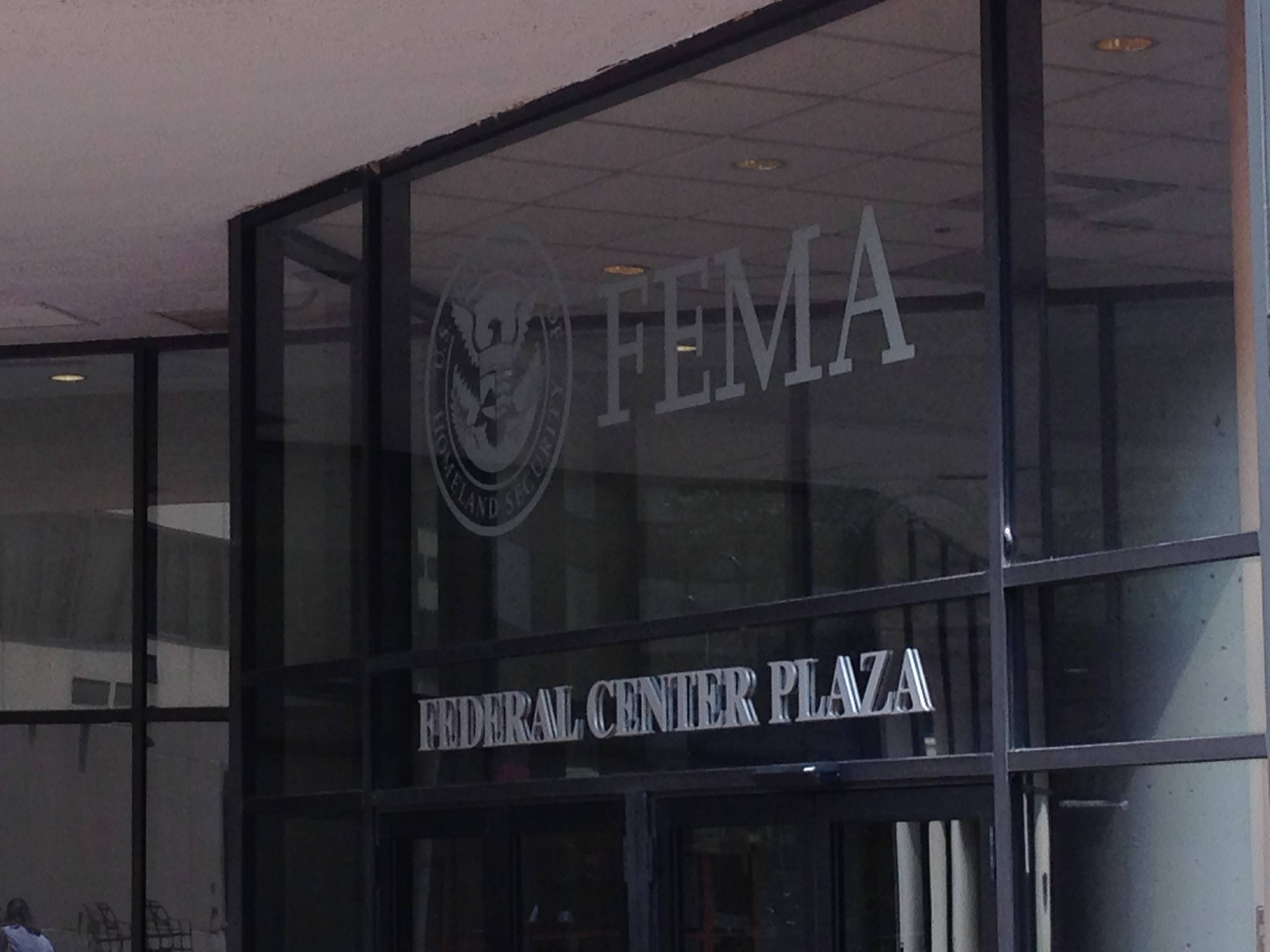
As usual, I always make it a point to stop by FEMA HQ to meet with a few friends and teams working the FEMA magic.

First stop was to see the crew leading the Ready Campaign. Lots to discuss including the measure of preparedness and how we can more heavily promote preparedness digitally within each community. We constantly need to access our information that we are pushing and additionally make sure that the information is specific and actionable…esp during a disaster.
The general public seeks solid information FROM MOBILE DEVICES during an emergency. We cannot convolute the message, it must be clear and concise.
Did you know FEMA’s Ready.Gov program was featured at the White House Innovation for Disaster Response Recovery Event on Tuesday during the presentation by Appallicious? Check out the event and pictures here.

Mobile platforms must be easy to navigate and less cluttered. Almost everything is read on mobile platforms right? Duh! Esp since you can’t take/turn on your desktop computer while you are evacuating to an emergency.
Between meetings, I usually find a moment to take a funny picture with the hard-working FEMA pro, my friend Jana. She. Is. Hilarious.

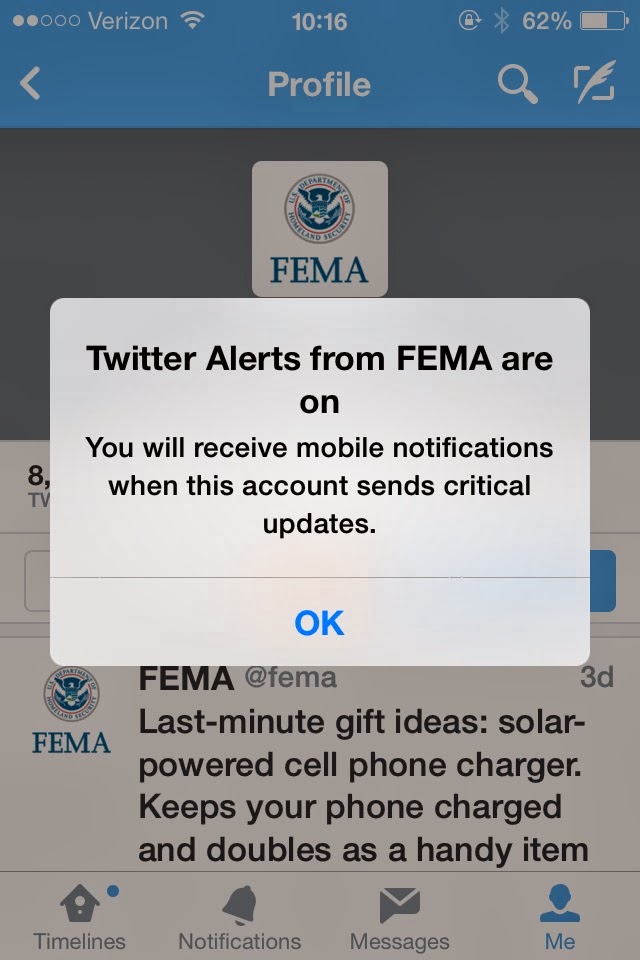
Short meeting with the Digital Team at FEMA to discuss social media efforts and promoting great programs like FEMA’s SocialHub and Twitter Alerts.

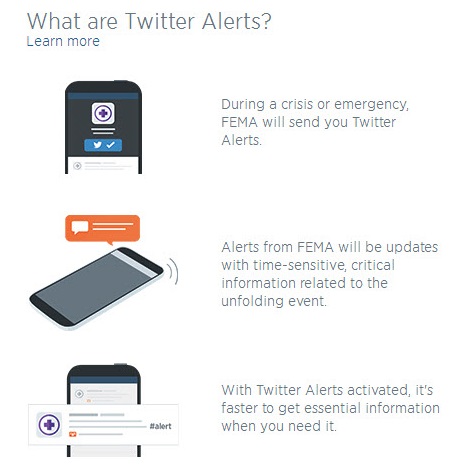
But seriously, make sure you turn on your Twitter Alerts to get pertinent messaging from FEMA. It can be done from your mobile phone and it takes seconds to do.
In the coming months, we will be exploring a few classes that we can help cross promote a few programs. And I hope I get chosen to teach the class at FEMA HQ.
End of the day was spent chilling in the Executive Administration side of the house. And of course trying to catch a few moments with Craig.

Whew…what a day!
It is National Fire Prevention Week (October 6-12, 2013).
To help you remember, feel free to include the picture below to push your messages of fire safety and fire prevention.
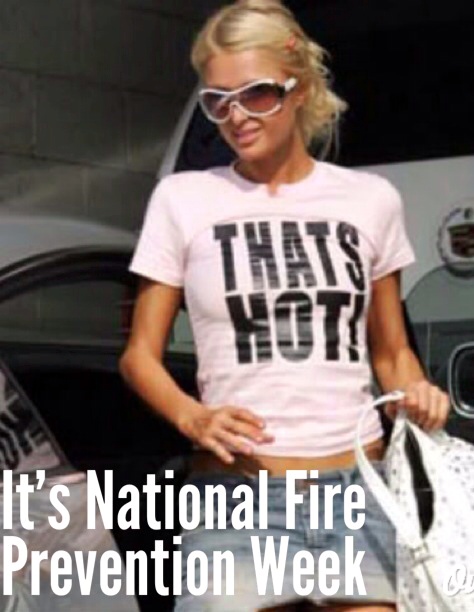
No one likes a disaster – Heh heh (I do enjoy when celebrities help push national initiatives).
4 easy steps to guide the general public this week:
1. Learn more about the smoke detectors, specifically the differences between ionization and photoelectric (from @OhioFire @OhioFireAcademy).
2. Make a family plan and upon evacuation, have a central meeting place to account for all family members.
3. Build an emergency kit that will help everyone during a disaster or emergency.
4. Interact and get involved within your community and push safety efforts with all public safety professionals.

Thanks to Tanya Ferraro for the inspiration for today’s post.
@rusnivek

 Where is @rusnivek?