On scene for your scope or live broadcast? Don’t forget to

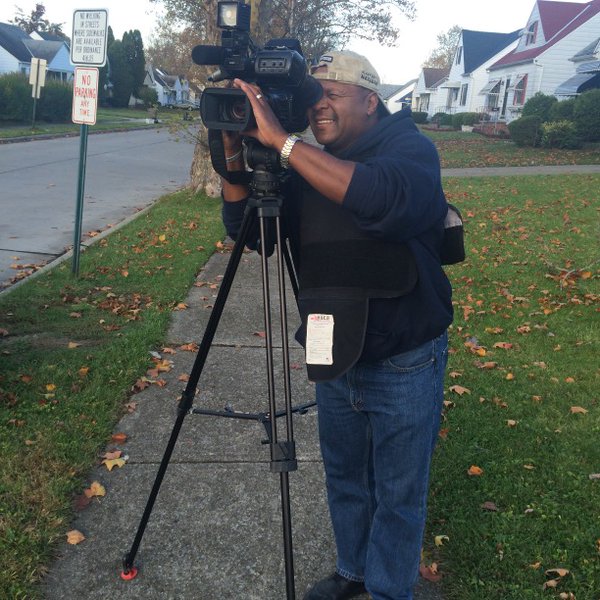
Just a quick reminder to reporters doing their live shots from the scene AND also PIOs/PAOs who are doing their own Periscope or FacebookLive broadcasts from the scene.

soTQjzO

Remember in Periscope, once you start, you can’t just zoom in frame to exclude redic onscene jokesters.

Remember to think about an alternate broadcast site. Just in case.

Imagine running away (with a selfie stick in hand) to get a less distracting frame…

Love you lots on this rainy Thursday.

@rusnivek


I need your questions because #Facebook Live from Colorado!

In order to test Facebook Live, I figured I could just use it. On Tuesday 04-12-16 at 1330CST, I’ll be in Denver (Colorado) Airport and I’ll be on FacebookLive.

NewsInterview

***Please post or send some questions to answer***

If all goes well, I might have a very special Emergency Manager drop in and join the fun.

@rusnivek

Snapping preparedness messaging aka SnapSleet-Safety-PIO-SM-16-001

Using SnapChat for preparedness isn’t as easy as one would think.
So here is yesterday’s snap in sleet.

Few items that I have to ponder for next time:

1. Portrait vs landscape. Since MOST of our recipients will be viewing this on a mobile platform (vertical), we should shoot the videos in portrait mode. That makes “selfie” solo production a bit more difficult. Hint: You might want to stop making fun of that selfie-stick now and get one.

2. Outside conditions (esp in our line of work) necessitates an external lav mic. I have one and I totally forgot to use it.

3. Framing needs to be assessed because the shot needs to include room for text.

4. Remembering which side is up during landscape video shooting is important. (I purposely did it so I can see if viewers rewatched the video to get the full effect). But SnapChat’s analytics don’t show amounts on segments – it only shows who has initially watched.

5. My shot list should have included various parts of the vehicle. Similar to a news package, varied backgrounds would likely keep audiences more engaged and keep their interest.

6. Filming in sleet isn’t fun. 

7. Clean your lens. A lot.

8. Turn off your engine. Ambient noise will affect your sound (esp being so close). 

9. I should have used some sort of emoticons to appeal more to a younger demographic/audience.

10. Saving the snap to YouTube (in its entirety) so that it can be used for other preparedness efforts (including separated sections).

I know the 10 items are detailed and nerdy, but as PIO or PAO or Communications Pros, I feel we should regularly share our lessons learned with others so we can all improve our tactics and deliveries.

Have a safe weekend peeps.

@rusnivek

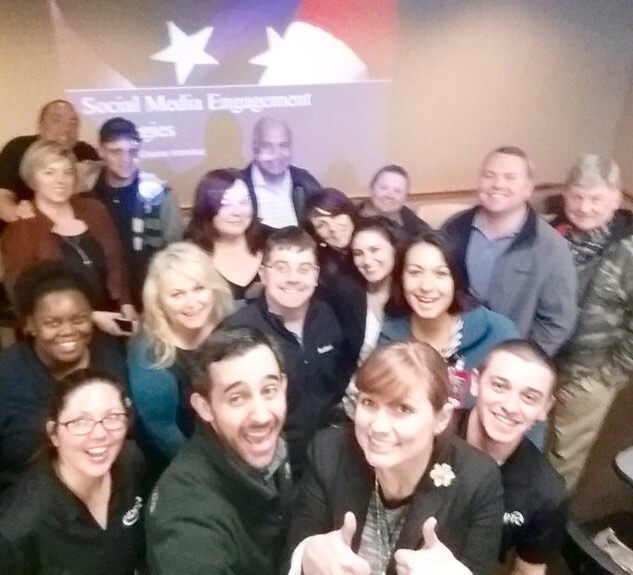
Top notch peeps from across the country in Texas

My social media class today…


Definitely one of the most diverse All-Hazard classes I had in a long while. Participants represented Emergency Management, Fusion Center, Public Works, Land & Natural Resources, Fire, Health Department, EMS, Private sector, HAZMAT, Police, Veteran’s Affairs, Intelligence, US Coast Guard PIAT, National Weather Service, CERT, and PIOs / PAOs.

Top notch peeps from across the country this week!


Special thanks to my old friend Houston Office of Emergency Management Melanie Manville for hosting this new #NDPTC class.

Many Mahalos.

@rusnivek

October has the big four: 3-9-5-NCAP #SURINDC

As National Preparedness Month closes, my October 2015 schedule is going to be very challenging. And as you know, I have to win. Here’s the plan:

First week: I’ll be in Carlisle, Pennsylvania presenting on Social Media in disasters. Pope out, Sur in! Glad to be back in Region-3.

Second week: I’ll be headed back to the Silicon Valley area presenting on social media specifically for large event planning and monitoring (because it’s all about the L right? Wait, it’s all about the 5-0 right?) I also hope to catch up to one of the VIPs at Intel. Since retiring from Emergency Management, his pro career intrigues me – so I believe some synergies could happen. Additionally, I get a chance to brainstorm with an extremely talented colleague from the NWS Sacramento office. I rant about “building relationships before an emergency” so I assure you that I am practicing what I preach. Love love LOVE me some Region-9!

Third week: I’ll be at Fairfield County (Ohio) Emergency Management Agency popping the G-290: Basic Public Information Officers Course and G-291: Joint Information Center / Joint Information System (JIC/JIS) courses. It will definitely be great to see my friend Director Kochis  and crews again – back in Region-5.

Fourth week: I’ll be presenting at FEMA HQ in Washington DC on social media. Yep, at the big house. OMG. This is a big presentation. Big. REALLY BIG. While at HQ, I am hoping to catch up with Lumpkins, Kamoie, FEMA’s Digital Engagement Team…and since we’re fresh off the heels of National Preparedness month grabbing a cup of coffee with my besties from ReadyGov and PrepareAthon. Love me some HQ preparedness action! Additionally, I am hoping to grab a few meetings with my friends at the Pentagon and NGA too. Special thanks to US Representative Fudge (OH-11) for some extra time with Congress and a stop at the White House. Yep. The White House. Again. #SURINDC NCAP region!

IMG_1909

It’s going to be a challenge month all October long.

Get it.

@rusnivek

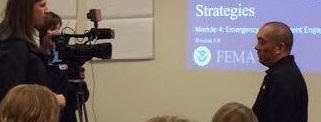
Teaching the brand new DHS/FEMA Basic Public Information Officer Course

Awwww yeah! This past week, I got a chance to teach part of the brand new DHS/FEMA G0290: Basic Public Information Officer Course!

IMG_9144

Formerly known as G-290 course, this is the new FEMA Basic Public Information Officer course taught across the country for all public safety and emergency management professionals.

Thanks again to the Kentucky Emergency Management Agency and KESC for allowing me the opportunity. Also, special thanks to the ever fashionable Mike from NIOA.

Frominos

Shakas because we are reporting live from Kentucky…

@rusnivek

Final FEMA review of the new social media courses #NDPTC

I popped back-to-back-to-back social media classes last week in Sacramento, California.

IMG_7410

Participants from all over the west coast attended. Specifically for Thursday and Friday, FEMA reviewed our new curriculum courses. Yep, straight up evaluation. Not going to lie, I was pretty nervous.

IMG_1960

Ongoing for course design, I will make a few more additions/changes before courses are sent to the National Training and Exercise Division (NTED) for certification. Hoping for final approval in November 2015. Hope to hear the magical words “Federally published” as my course is listed in the DHS / FEMA Training catalog. Whoa Nellie!

IMG_7508

 For the classes? We had great interaction from all participants.

IMG_7457

Solid discussions during the breakout sessions included professionals from all Emergency Support Functions (ESFs) as well as experts from the National Weather Service (NWS), Critical Infrastructure, and Volunteer Organizations Active in Disasters (VOADs), etc… Diverse groups make for the best discussions for sure!

IMG_7412

As part of our continued efforts in Emergency Management, it is imperative that we address issues from the All-Hazards approach and incorporate the support of our stakeholders in solutions.
IMG_7393

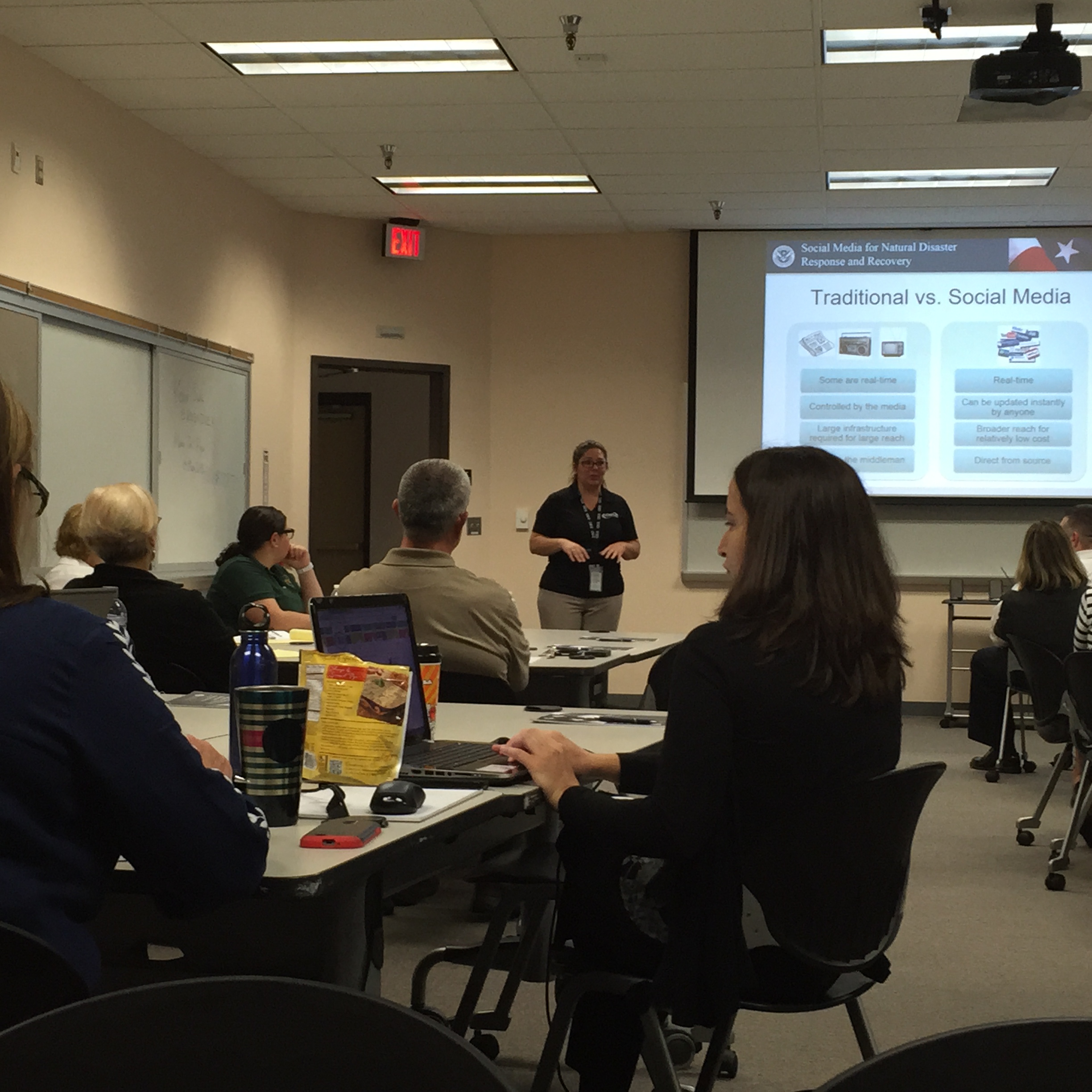
With heavy discussion, class participants had a great time engaging with others and using tools/techniques that are specific to the Preparedness, Response, Recovery, and Mitigation Directorates. Obviously, I showcased the importance of a good Public Information Officer (PIO) / Public Affairs Officer (PAO) and how their interaction in the Emergency Operation Center (EOC) or the Joint Information Center/System (JIC/JIS) is imperative to a successful emergency or disaster.

Also, starting to build an online learning library that can be easily accessed from anywhere using the #NDPTC is always good reference. Free. My favorite F-word.
IMG_7470

Special mahalos to fellow Instructors Cheryl and MaryJo in the delivery of these courses.
IMG_7422

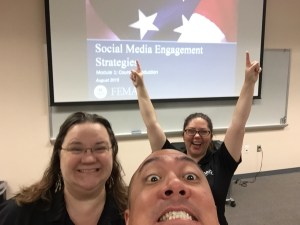
Also the solid smiles from fellow #SMEM Jennifer and Scott was crucial support on this delivery.

Glad to be working with partners like the Department of Homeland Security (DHS), Federal Emergency Management Agency (FEMA), National Domestic Preparedness Consortium (NDPC), and the National Disaster Preparedness Training Center (NDPTC). Truly great to see everyone working collaboratively. Thanks to the Sacramento County Emergency Management for hosting these courses.

Looking forward to the next class at the International Association of Emergency Managers (IAEM) conference in Clark County, Nevada. See you there!

@rusnivek