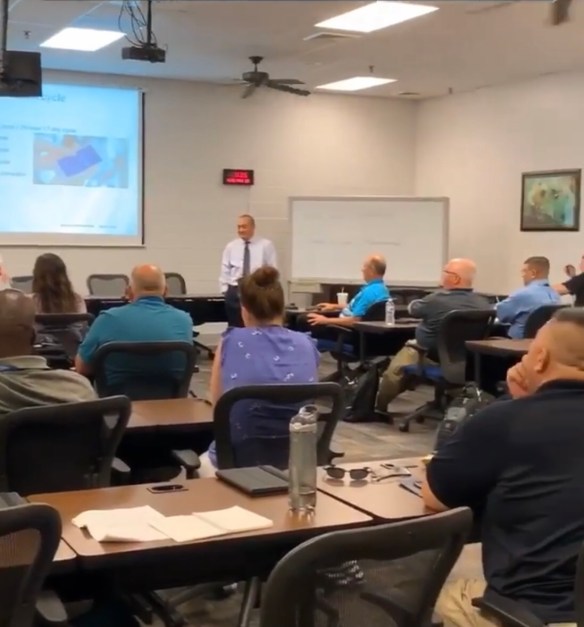
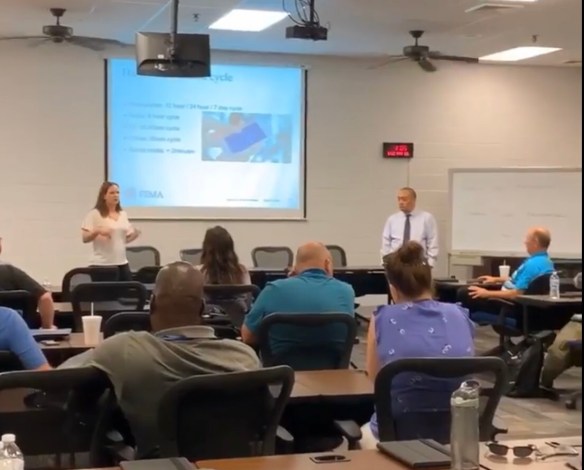
Another FEMA PIO Awareness course in Lake County Illinois

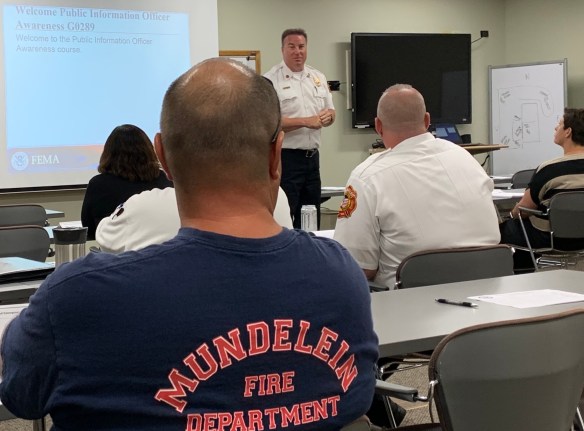
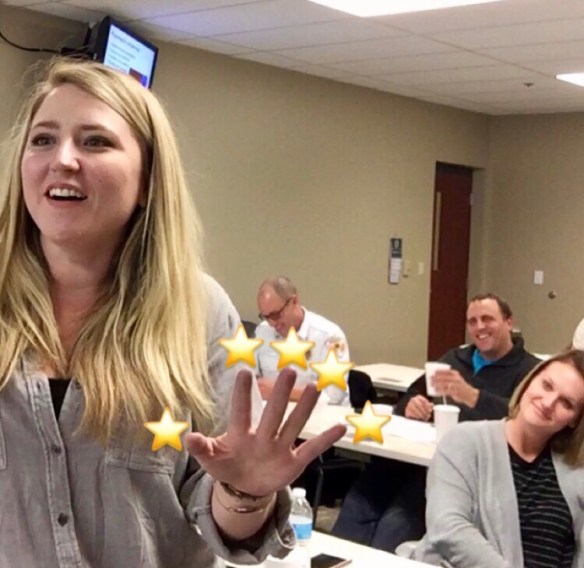
Another fine start to the FEMA PIO Awareness course here at Mundelein Fire Station 1!

Special thanks to DC Brents and the whole crew!

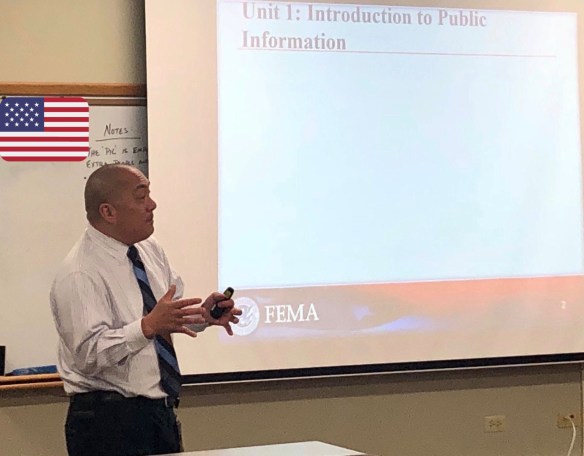
Lots to talk about as we intro the magic of public information to a new class. Of course we had a few words of wisdom from PIO John Nebl.

Great perspective and stories from Schaumburg Police.

If you were wondering, we are in the Emergency Operations Center (EOC)…so that’s a good thing.

Making your peeps train in the location that they would likely be activated to…is a solid practice.

With a diverse class, we are able to cover lots of topics and various situations. The all-hazards nature of this FEMA class allows us to better prepare our PIOs for any emergency.

Additionally, I love to share my experiences from large events and disasters with fellow colleagues from across the State of Illinois.

Training together better prepares us to coordinate and work together before, during, and after an emergency. That’s right, come on in and form Voltron.

Special thanks to all the staff from Mundelein Fire for the warm hospitality to our staff from the DuPage County Office of Homeland Security and Emergency Management.

Train like you fight!

@rusnivek

Downburst with Thunderstorm at the EOC

Sometimes Mother Nature just wants to remind you of her power. Work this morning was a bit different as we saw the true power of how powerful a simple downburst can be.

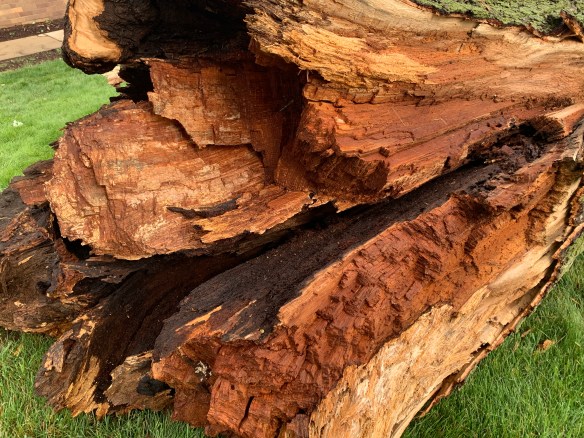
As you can see, these gigantic trees were no match for the winds in excess of 50mph.

Like a pair of sticks, this thicc tree was split at the base, the thickest strongest point.

Dayum.

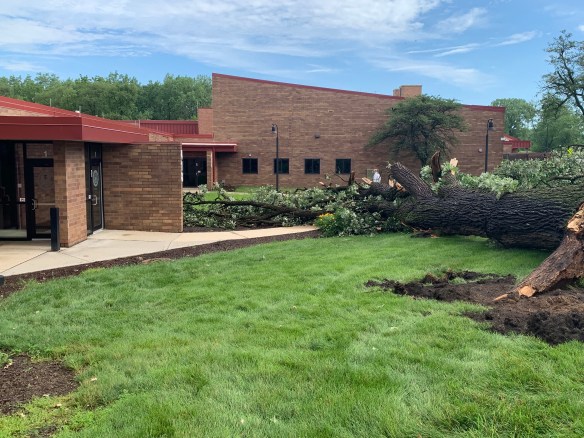
To give you some perspective of the size, take a look at this picture. See that Chief wearing the white shirt behind the tree? Yeah, that’s a big tree.

Keep in mind, there are two gigantic trees that instantly fell within seconds.

As you can see, our top notch ESF-03: Public Works pros are already at it with their chainsaw gang clearing priority paths for critical access.

For more detailed information on this downburst with severe thunderstorms, here’s the direct link to NWS-Chicago’s report: https://www.weather.gov/lot/2019Jul02_Severe

Stay safe and heed all the warnings of local public safety agencies.

@rusnivek

Day-2 of the FEMA Basic PIO Course here in KY

Day-2 of the FEMA Basic Public Information Officer Course here.

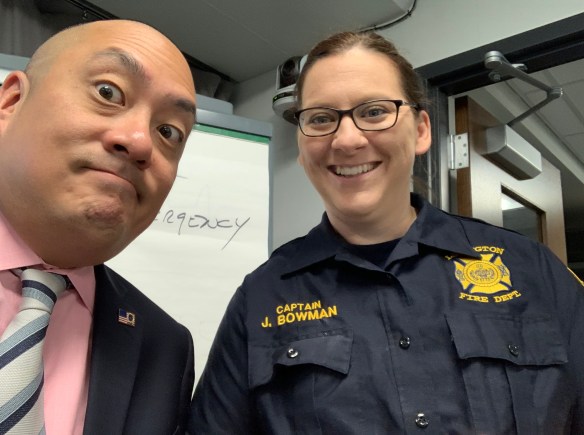
Glad to finally meet Lexington Fire Capt Jessica Bowman who is also one of the FEMA Master PIOs.

Great day to share some of the tools we use as PIOs. Here’s Sherelle and John talking about the importance and fashionable safety vests are for officials onscene.

Additionally, we discussed media being well visible as their safety is incredibly important. We can’t have our friends in the news business get hurt or become part of the incident.

And trust me, the more people who get injured in an incident, the more paperwork we all have to fill out….so be safe!

As usual, we had a very seasoned media panel from WLEX18 Bill Wilcox and Herald Leader Peter Baniak. Many thanks to both news organizations to spend time out of their busy schedule to spend with PIOs from across the state.

With all Basic PIO classes, we talk about the ability and flexibility for PIOs to do field reporting. Often times, reporters can’t get to a scene because of traffic or lack of staffing. Either way, we as government PIOs can help them out by packaging information they need from the scene. The tools needed to produce this kind of info is fairly easy to get, however the challenge is to put them into play.

By sharing the tactics and tools in class, I am able to improve the skills of any PIO by enhancing their ability to share solid timely and TRUSTED information with any of the targeted audiences.

As PIOs, we are beholden to so many audiences.

  • Public
  • Media
  • Leadership
  • Our internal teams.

At times, our job seems easy however once you dive into it, you can see the complexities of our efforts.

Don’t worry, we reviewed all mock on camera interviews. Tackled key concepts like redirects as well as some tips on how to give more positive non-verbals while being interviewed during crisis.

Super fun day with everyone. Lots of contributions from our partners from Fire, EMS, Police, Emergency Management, Energy, Coroner’s Office, Higher Education, Search and Rescue.

Looking forward to tomorrow’s FEMA JIC/JIS course!

Reporting live from the EOC….

@rusnviek

#MediaMinutes interview w/ RTV6 Paris Lewbel

As part of our ongoing efforts to help enhance the skills of the PIO across the country, here’s another #MediaMinutes interview w/ RTV6 Paris Lewbel!

For more information on Paris-

@Twitter: https://twitter.com/PLewbel

@Instagram: https://www.instagram.com/plewbel/

@Facebook: https://www.facebook.com/paris.lewbel

Happy Monday everyone!

@rusnivek

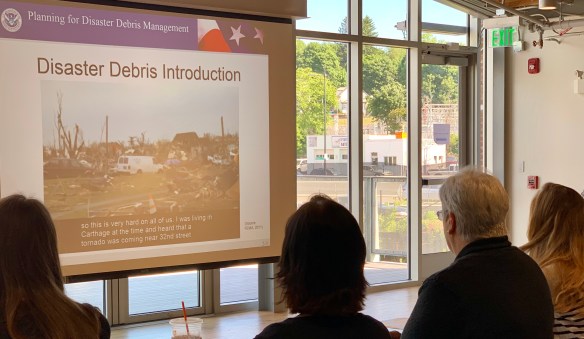
Debris Management with MassEMA

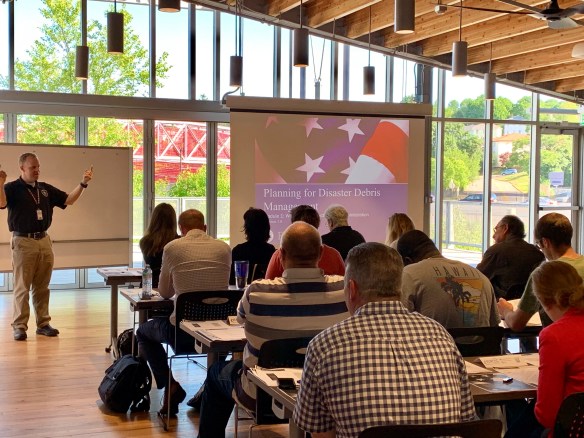
Despite not wearing pink today, we got a solid start to a great response and recovery course here in Massachusetts today.

Great introduction to the DHS/FEMA/NDPTC Debris Management Planning class. Outstanding to work with the Emergency Management Pros again from MassEMA and FEMA Region 1.

Glad to share the same mission and goals as the MassDEP, all agencies need to work together as we decrease our response times in a disaster.

Often times, people believe Debris Management is only for recovery. It isn’t. Debris Management starts in the response phase with local public works resources supporting Fire, EMS, and Police in their initial response.

Yes that’s right, response phase.

Even more surprising is that public works pros (ESF-3) are an integral part of any response plan and should be included as agencies enhance their disaster plans.

Funding is often a challenge as agencies continue to struggle w/ funding and maintaining resources for public works. But sharing ideas and resources could help mitigate deficiencies and increase capabilities for our partners in ESF-03.

As we continue to facilitate good conversation, we often talk about burn rates and projections to ensure that we are consistently bringing in resources to any disaster to best serve the communities that are affected.

We get laser focused on our top-3 primary response agencies from Fire, EMS, and Police. However, Emergency Management Professionals will tell you that we should include more into our preparedness and response phase to better serve our communities.

Coordination will enhance

  • Asset allocation
  • Response priorities
  • Critical access
  • Reduce costs and burn rates
  • Operational coordination

These points are critical as communities deal with the initial hit of any disaster.

So no matter large or small, urban or rural, or even rich or poor – any community is vulnerable. Proper planning will help reduce the risk so that we can continue to serve those survivors who need it the most.

Also, glad to see participants getting a lot out of class and instructor enthusiasm on the importance of this Emergency Management topic.

I’d encourage you to look at your Emergency Operations Plan (EOP) and realistically look at the response from Public works as they are truly a partner in our preparedness, response, and recovery of any big event or disaster.

@rusnivek

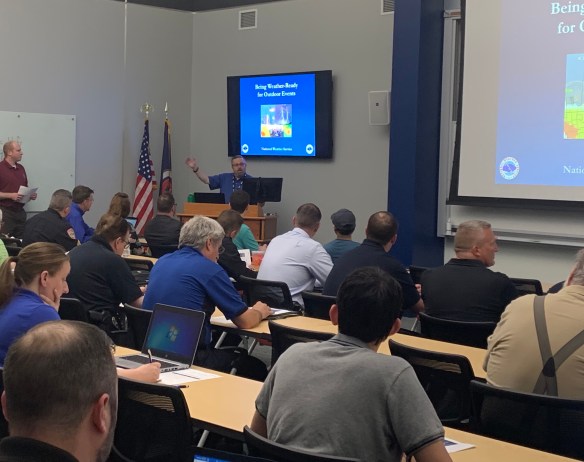
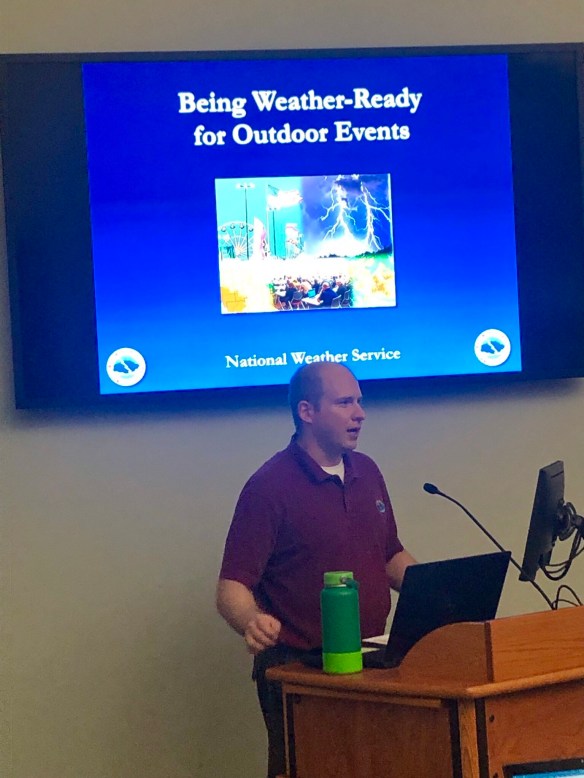
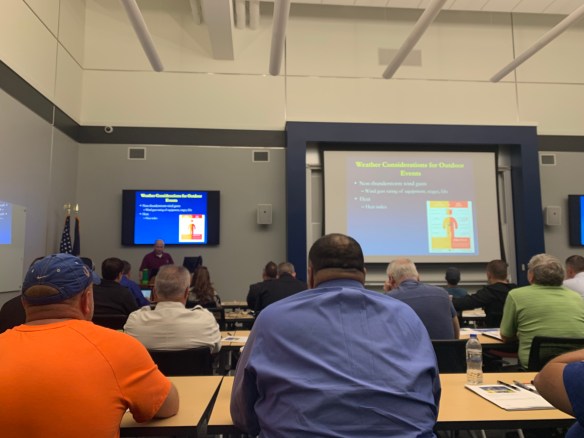
DuPage County partners w/ OHSEM to lead the way with Outdoor Weather Event & Planning TableTop Exercise

As our office continues to work the magic for all of our partners in public safety, today we continue to rollout the new Event Ready Weather Decision toolkit that helps any agency with critical command decisions.

Our office has worked closely with the National Weather Service Chicago in developing this process.

And of course to pair with the class, we have a Outdoor Event Planning TableTop to help concrete the points to all participating agencies.

Not only developing, but making sure that the information is compliant….

…like HSEEP compliant TableTop exercise compliant.

That’s right – welcome to the #EmergencyManagement pros!

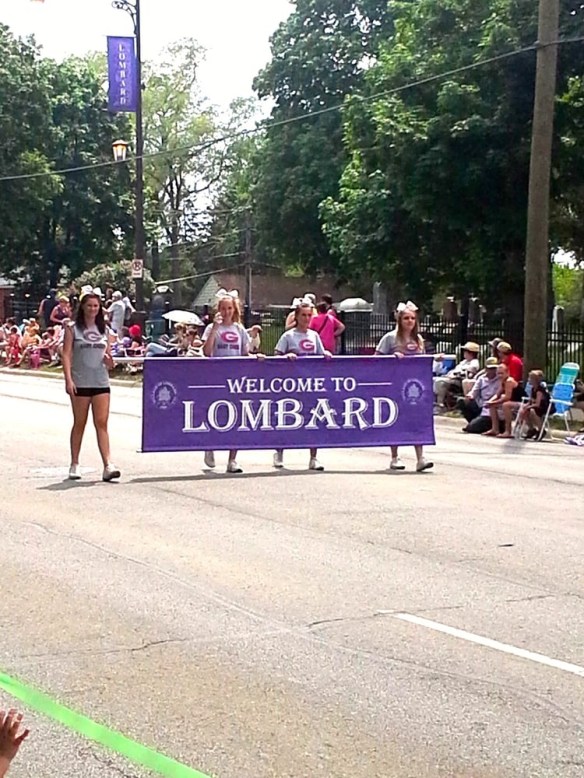
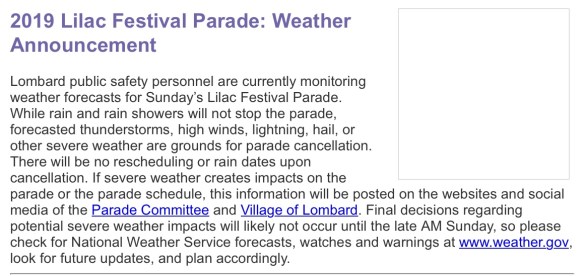
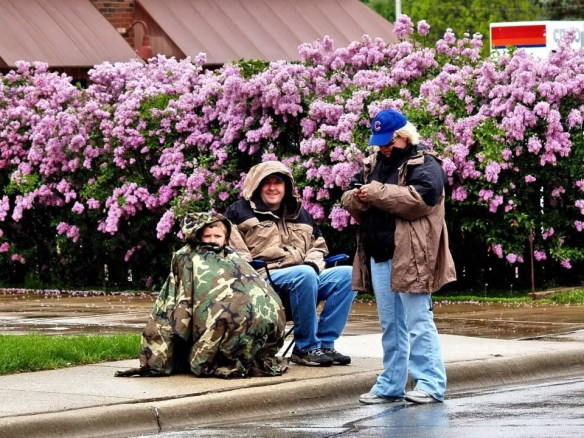
Success? Does it work? Hellz yeah it works! Just ask Lombard’s PIO Avis Meade who used this planning guide for their 2019 Lilac Parade.

Their actions based on NWS Chicago data and critical command decisions likely saved lives as severe weather rolled into the area with an exposed and completely vulnerable population.

Let me say that again, the planning and preparedness efforts from everyone in Lombard saved lives.

Let me translate that for you (think FEMA Core Capability): Sharing good info (Intelligence and Information Sharing), working closely with local, county, and state partnerships (Operational Coordination), and known trusted information (Public Information and Warning)

Decisions made in advance with partnerships with the local National Weather Service can save lives?!?!? YES IT CAN!

In Emergency Management, our decisions are collaborative and based on a combination of historical data and past industry practice. This is what Emergency Management is all about. Repeat after me: Planning and Coordination. Planning and Coordination.Planning and Coordination.Planning and Coordination.

I am proud to be a small part of many agencies doing the right thing for communities across this county and this great country.

Me? You know, I’m always willing to serve.

@rusnivek

City of Chicago OEMC, JIC, PSAP, and other stuff while hanging in the Bat cave

Good morning from the City of Chicago Office of Emergency Management and Communications!

Located in the heart of the west loop, this multi functional location serves as a focal point for City EOC, JIC, Snow Command, PW EOC, Ops Center, 911 PSAP, etc….basically, I’m glad it’s a hardened facility.

Today’s Emergency Management topics have to deal with Disaster Assistance and Public Assistance. Hiya Wendellllllllllllllllllllllllll.

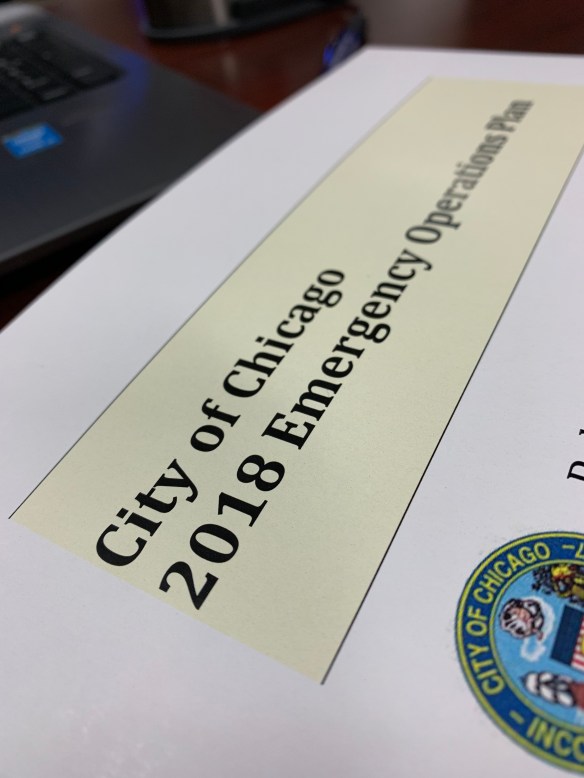
Of course, as a good Emergency Manager, we want to take a look at the host city’s EOP.

Lots to discern and digest from our partners.

Now, for those who refuse to share information and hold information tight to their chest….that’s dumb. You realize when the big one hits, your isolationist actions will prove to be detrimental to the success of the response/recovery of any emergency. Again, work closely with your partners BEFORE a disaster.

Looking down into the PSAP center floor, lots of call takers working the good for the community.

PSAPs and EOCs are kept relatively dark to help with eye strain. Telecommunications have a tough job. If you haven’t already done so, I’d recommend that you sit in their chair one day and observe. Quite honestly, I’d take working the squad any day.

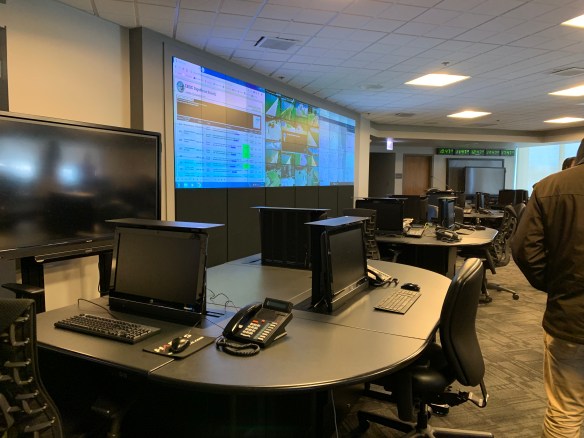
Quick look into the City of Chicago’s Emergency Operations Center (EOC) too.

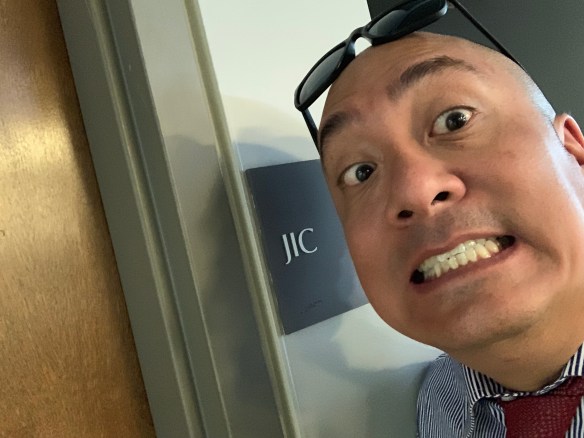
And calm yourself PIOs….I found it.

Get your City of Chicago Joint Information Center (JIC) on baby! I sense I will be spending activation time here soon.

And yes, I’m wearing a tie.

As we close out response/recovery discussions for the day, we must spend more time thinking about cross training and enhancing our multi-jurisdictional skills. Working together is critical to any event or incident. We must overcome the stigma and the predisposed notion of kingdoms and fiefdoms. We must work together before a disaster. This will result in better response collaboration and recovery efforts.

Where am I? They threw up the bat signal so….

Reporting live from the Bat Cave:

I’m Batman….I mean @rusnivek

Internal Comms training for my #EmergencyManagement staff

As we continue our training, we want to be cognizant of all kinds of skills needed to be successful in Emergency Management.

Many of you have been apart of a training or exercise…and have indubitably identified that communications is an action that needs more work. But how can you make that fun? Well, enter one of my Thunderbolt-esque exercises.

Giving the nod to former FEMA Administrator Craig Fugate, these types of no-notice trainings engage our staff and forces them to think outside the box.

How outside? In this exercise, we cover

  • Communications
  • Type/Kind resources
  • Staging
  • Incident Command
  • Terminology
  • Nomenclature
  • Scene size-ups
  • Operations
  • Sequential
  • Prioritization
  • Ordering
  • Tactics

And to boot, it’s non-traditional training cause there are no powerpoints. Zero. Zilch. No joy. Gonzo. Nada Ghostrider.

As adult educators, we often forget that people learn things differently. Additionally, we as instructors need to explore outside our comfort zone and teach things in a classic lecture AND non-traditional style.

I am incredibly fortunate to have a staff that loves to train and enhance their skills. Train like you fight!

Want to know more? Want to train better? Come and be a part of my Emergency Management Team. You’ll see.

@rusnivek

National Preparedness Symposium Day-3

Final day of the 2019 National Preparedness Symposium here at CDP! Lots to share as we open up the day with a long talk on cyber.
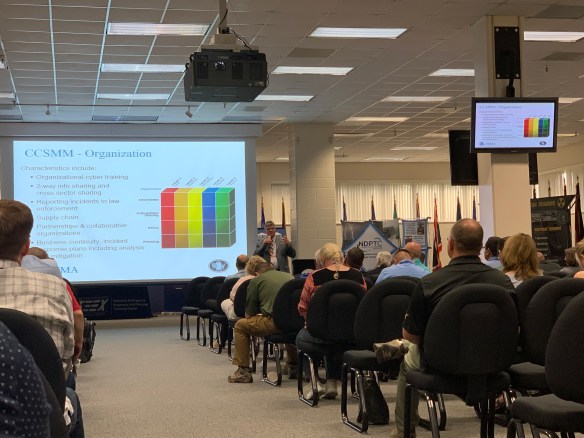
Hint to Emergency Managers, Cyber is the sexy incident now…so I suggest you plan and design with your training manager now. Yep, you heard me right, cyber = sexy.

Noooooooow switching from cyber to FIT – because we will all get a FIT!

Here to listen in on the deets for the FEMA Integration Teams (FIT) from my FEMA LNO in Hurricane Irma, ladies and gents, put your hands together for…….. John Allen!!!!!
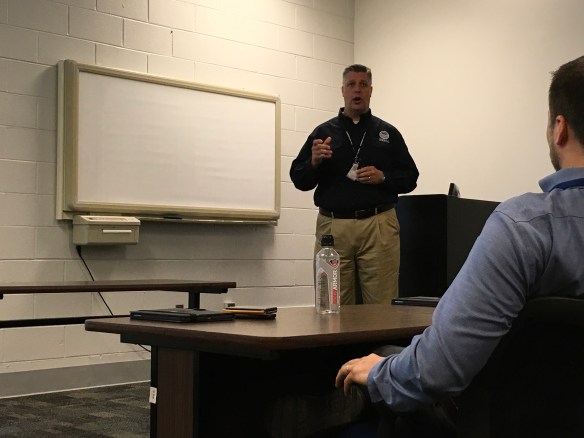
John Allen, better known as FEMA’s Director of Preparedness Integration and Coordination out of HQ has been point person for this effort started when previous FEMA Administrator Brock Long started.

This program imbeds FEMA Planners at specified locations to support all state, local, tribal, and territory (SLTT) partners. Rollout has been ongoing as this is a phased effort. Many of the 56 FITs are not staffed yet.
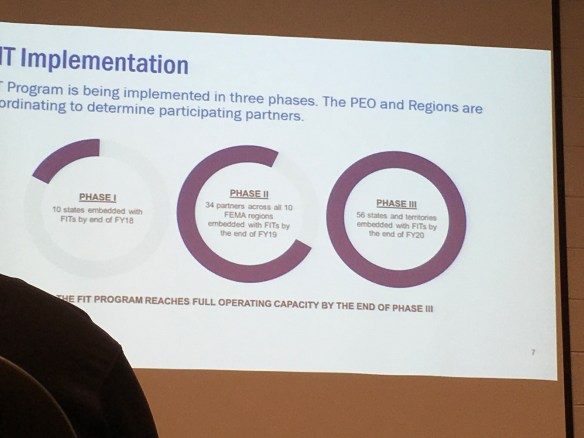
Also fortunate to have one of the FIT Leads with us from Idaho – hiya Justin!
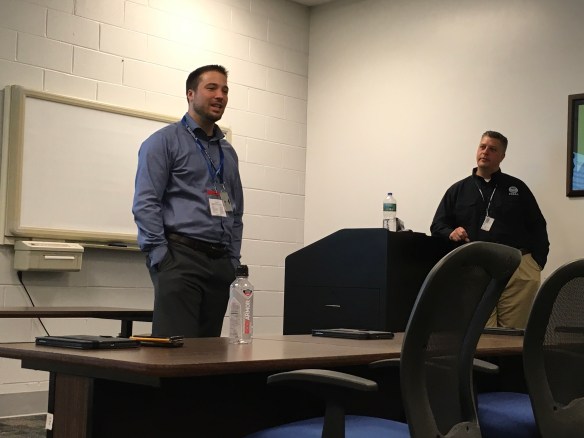
Great to see that kind of partnerships on all levels including building confidence in the SLTT’s efforts. The most beneficial aspect of the program would be that the FIT can provide RRCCs and NRCC accurate SA/COP for real-time operational assessment and needs. So more than just an FEMA LNO, these FITs are able to integrate and provide immediate support.

But truth be told, the FITs are really integrated into their community as they live there. They work there. They are part of the response, recovery side of any event or incident that state may have. Great idea!

Me? I’m totes interested.

Riding on the wave of productivity, we popped back into our regional groups again and talked about our lessons learned from this symposium.
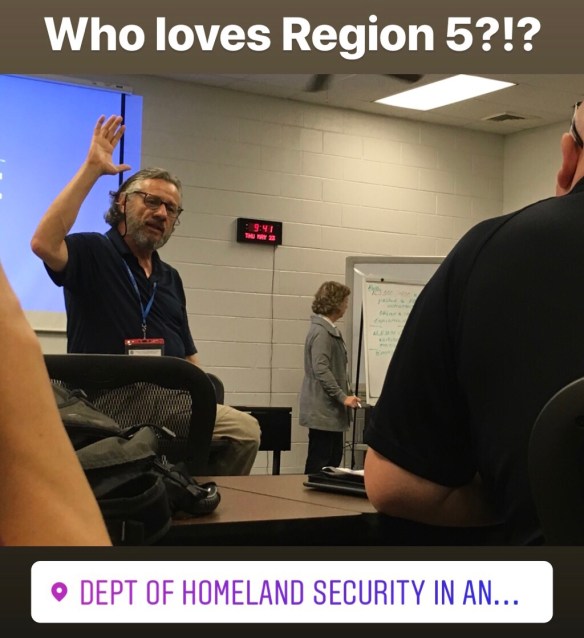
We discussed at length how we can help each other under blue/grey skies time…and really support each other during event/disasters.
Here’s a little behind the scenes of the group. Everyone participated including solid contributions from our tribal partners.

After all, isn’t that the mantra of Emergency Management? Building relationships before a disaster?!?!? See, even the pros practice what we preach!

In breaking for lunch, I know many of you remember taking IS-100, IS-200, IS-700, IS-800 and remember this slide.
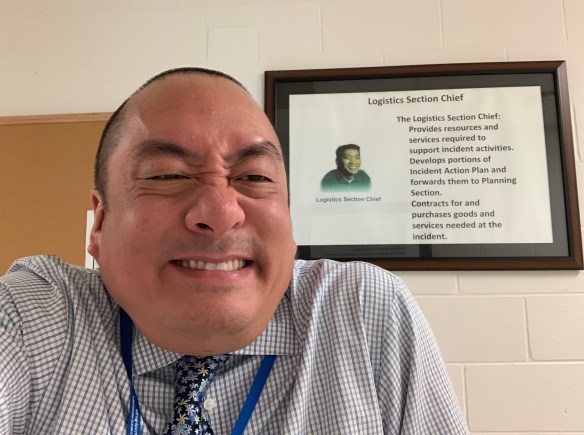
I wanted to dispel the rumor, that is NOT me.

Saw a few of the FIWA folks in the hall and thanked them for their help during our MRTs as well as our pre-disaster deployment support prior to Irma. While there, I had them check my FEMA phone and tuned up. They reminded me that I still needed to do my yearly compliance training on “Security Awareness”
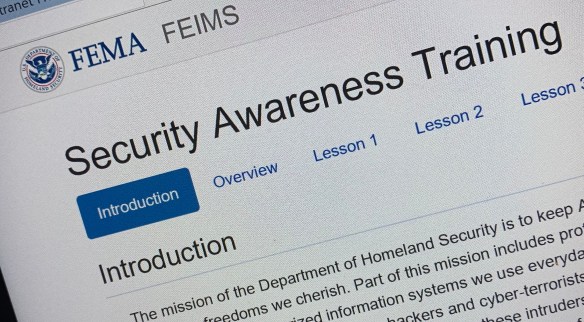
#whoops

As the symposium closed out, we had the color guard from the Anniston Police stop by to retire the colors.

Everyone who attended work tirelessly in protecting our nation from emergencies and disasters. We all believe in helping out and supporting all our communities because a prepared nation is a more resilient nation.

On the door step of the Memorial Day weekend, we all pause to remember those who have given the ultimate sacrifice to protect everyone in this great nation.
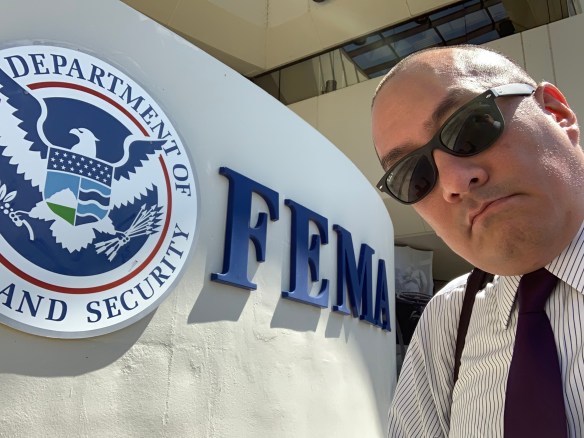
Be safe out there folks!

Reporting live from the 2019 National Preparedness Symposium…

@rusnivek

2019 National Preparedness Symposium Day-2

An incredible Wednesday as we continue our efforts to collaborate here at the 2019 National Preparedness Symposium.

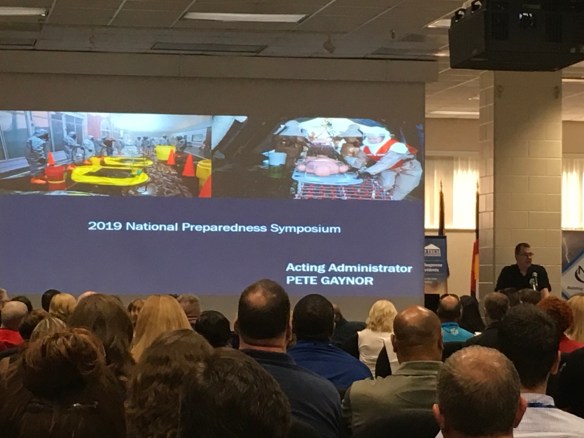
I chatted with Acting FEMA Administrator Pete Gaynor on the importance of continuing to build a culture of preparedness and how it is so critical to our audiences.

Super nice guy.

He then popped the morning plenary session to the entire conference and FEMA employees. Huge discussion on our strategic plan and then a few things in his role as a state director he wished he had when he started at FEMA.

Solid insight from the top at FEMA. Nice guy.

Lots of afternoon sessions including one with the National Disaster Preparedness Consortium (NDPC).

Great discussion amongst participants including

  1. Policy/procedure on admittance into courses
  2. Frank discussion on prerequisites for admittance into class
  3. Ongoing class challenges including rostering.

After the NDPC panel discussion was over, I quickly moved a few rooms over to check out a worthwhile discussion on the I–35 bridge and failing infrastructure. Also had some discussion about structural assessments.

Glad to be having ongoing discussions to maintain our critical access points in many cities across the US.

Then it was time to present my course: Social Media in Emergency Management. Woohoo!!!!

Glad to be sharing the knowledge with providers from across the country.

Engaged audience including a few questions on engagement as well as OSINT gathering and augmented reality. Great to peek the interest and maybe MAYBE be that catalyst for change with our industry.
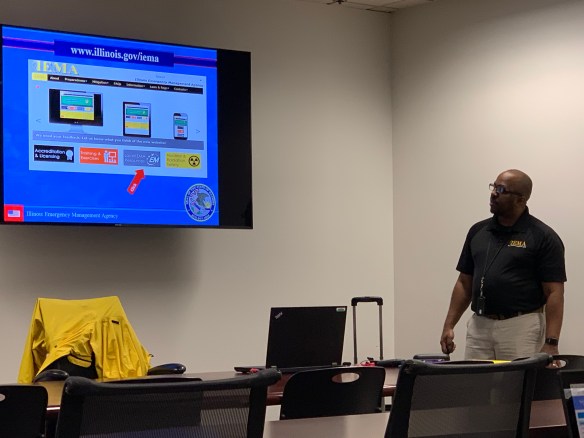
Shout out to Bronlea the n00b as this was her first trip to the Center for Domestic Preparedness!

Looking forward to tomorrow’s FIT class with FEMA Director John Allen.

Reporting live with all the HQ peeps hanging in FEMA Region 4…

@rusnivek